Normal Tracing Shapes Worksheets for Ages 4-7
10 filtered results
-
From - To
Discover our engaging Normal Tracing Shapes Worksheets designed specifically for children ages 4-7! These worksheets provide a fun and interactive way to help young learners develop essential fine motor skills and shape recognition. By tracing various shapes, kids enhance hand-eye coordination while boosting their confidence in early math concepts. Each worksheet features a range of familiar shapes, ensuring a comprehensive learning experience. Perfect for home or classroom use, these printable resources effortlessly combine education with creativity. Encourage your child’s passion for learning and mastery of geometry with our delightful tracing shapes worksheets today! Download and watch your little one thrive!
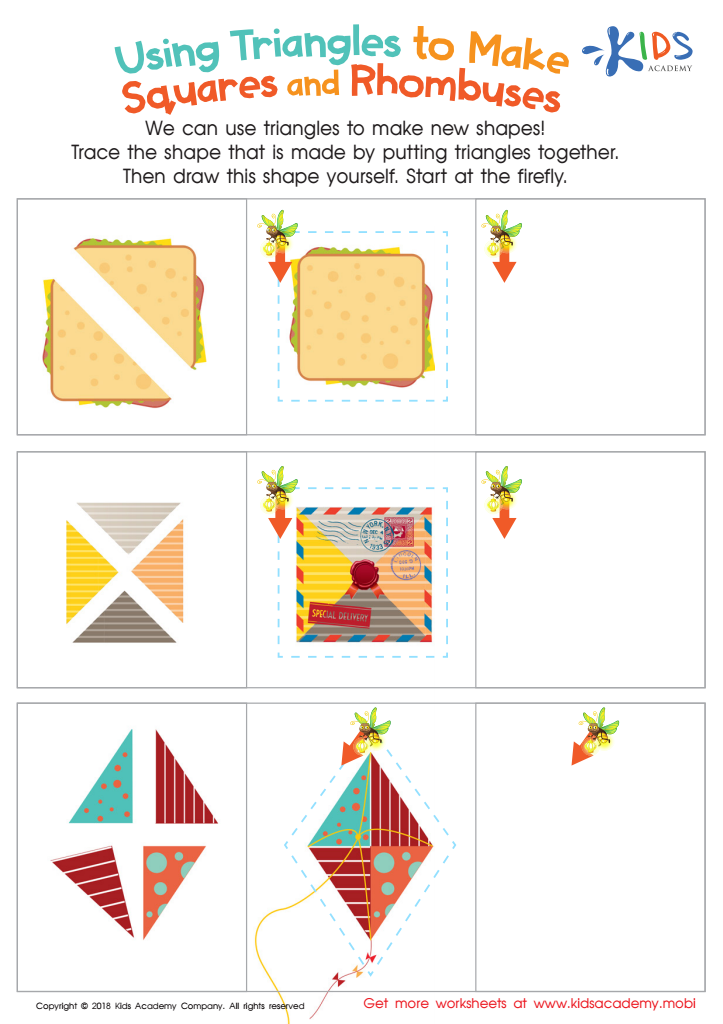
Using Triangles to Make Squares and Rhombuses Worksheet
 Assign to My Students
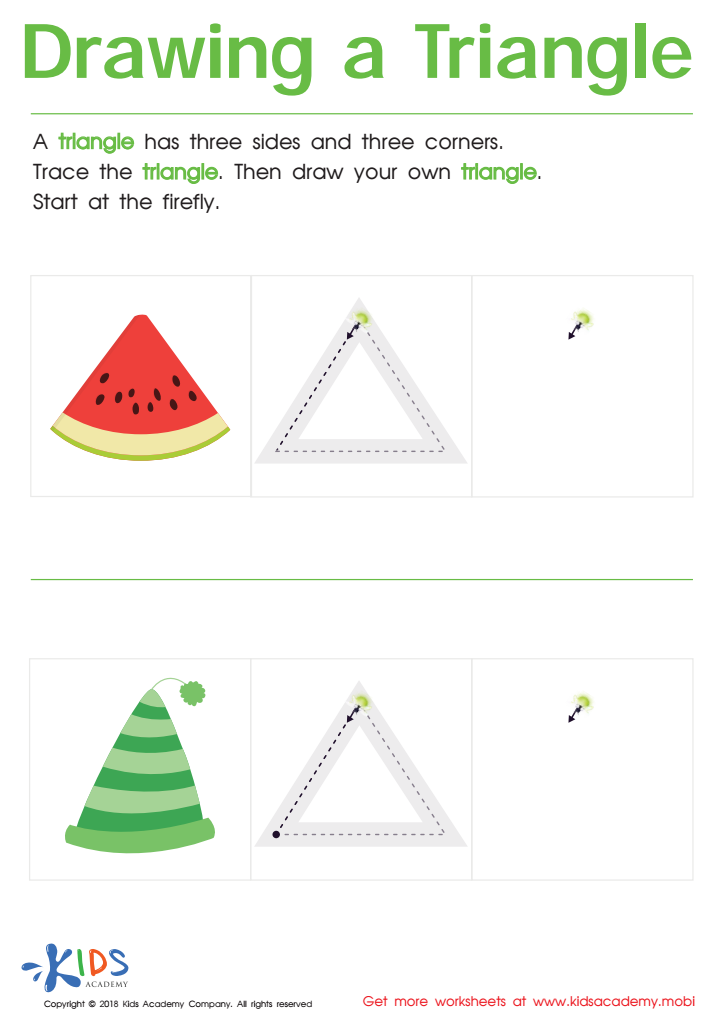
Drawing a Triangle Worksheet
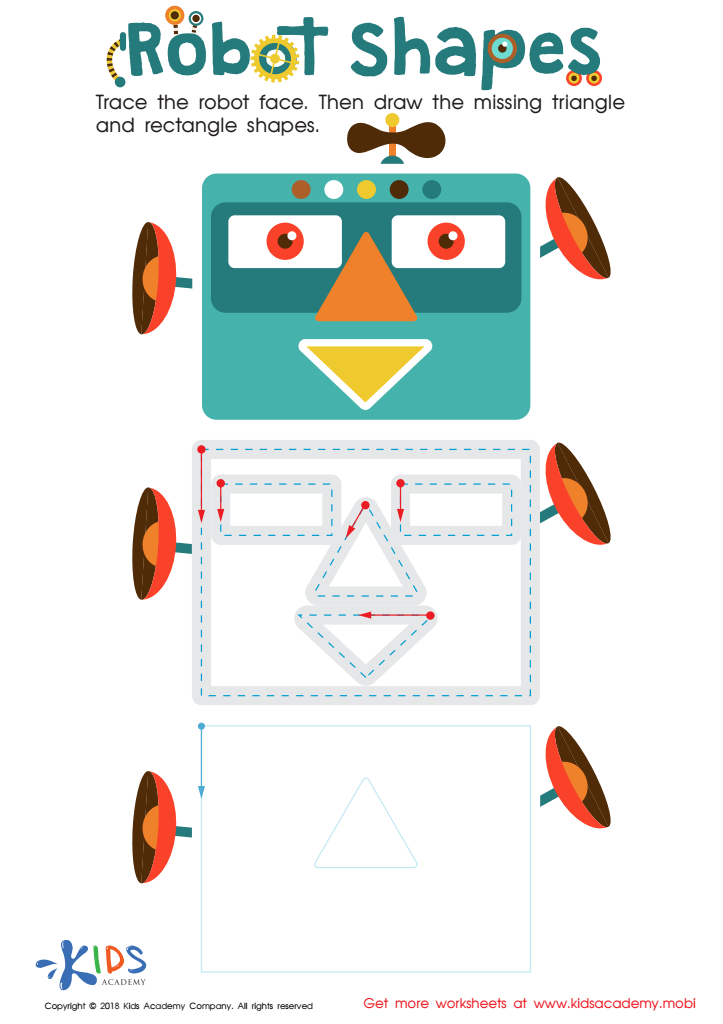
Robot Shapes Worksheet
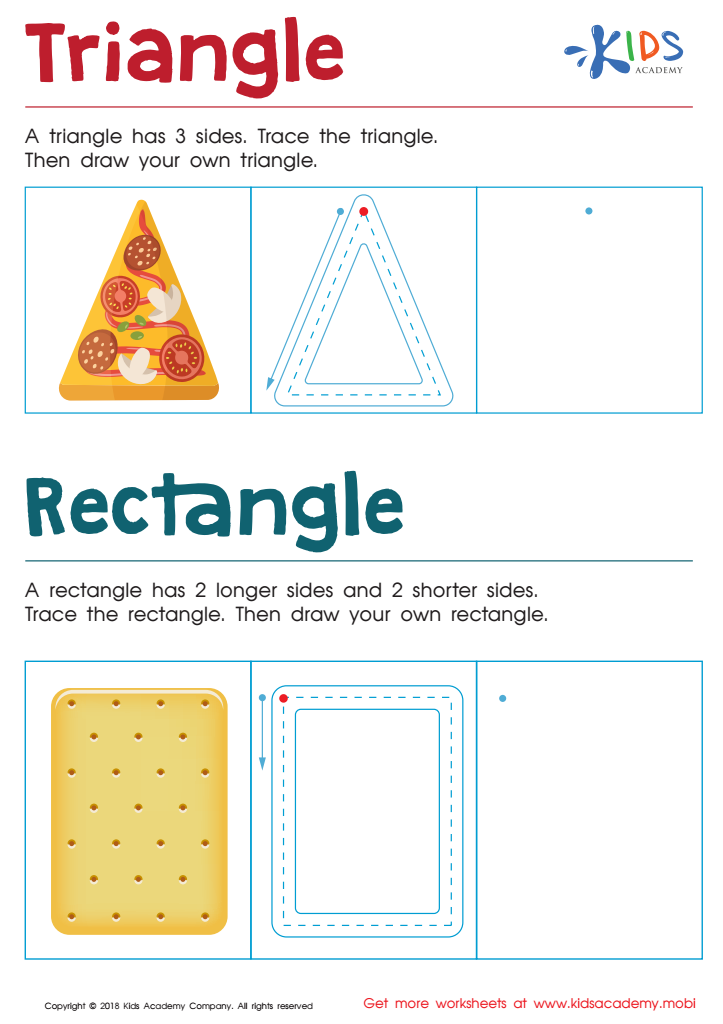
Triangle Rectangle Worksheet
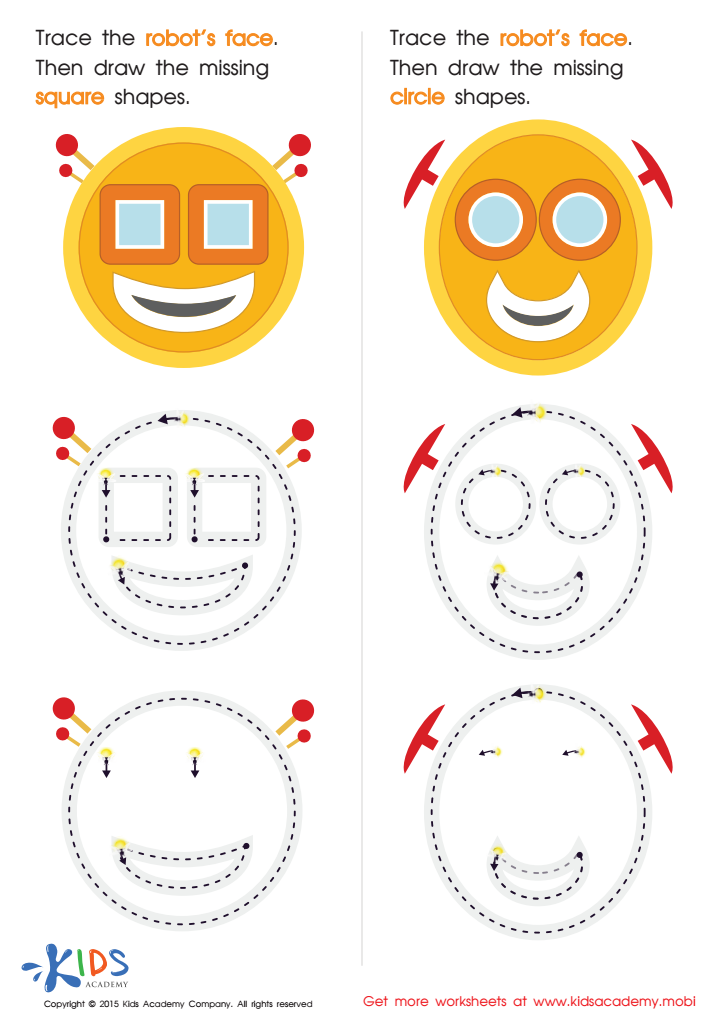
Practicing to Draw Circles And Squares Printable
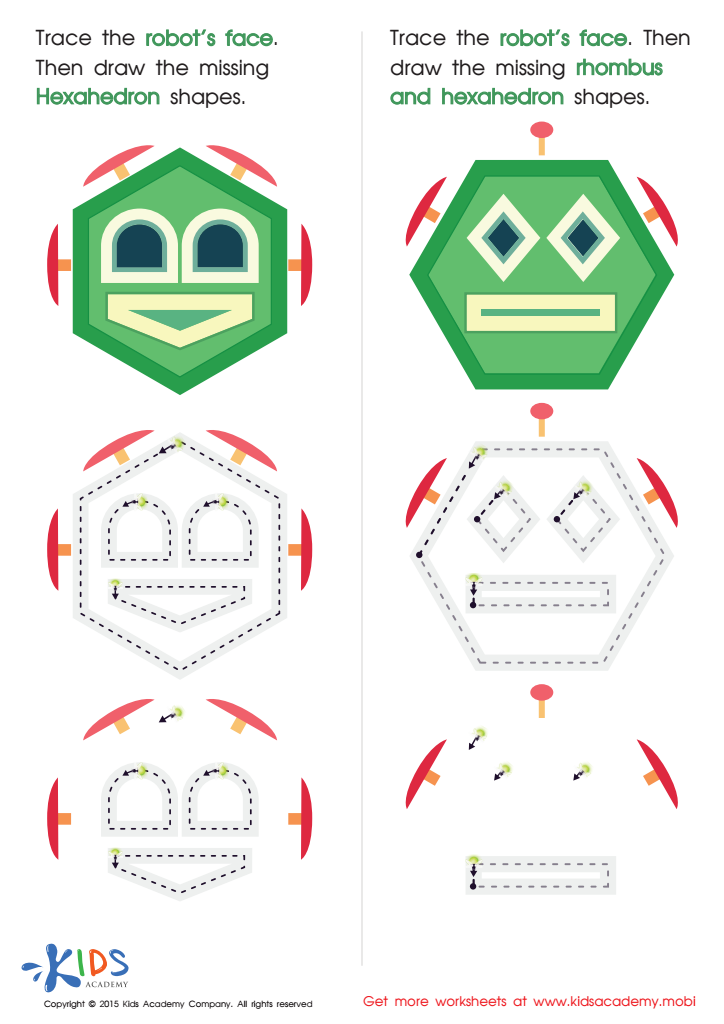
Practice Drawing Hexahedrons And a Rhombus Worksheet
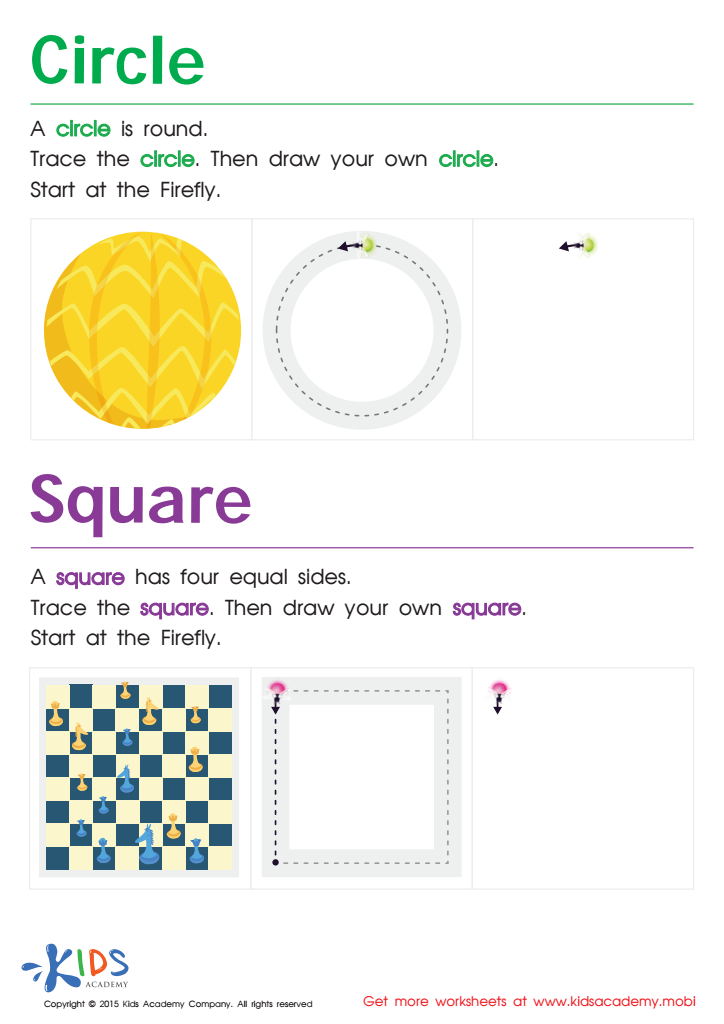
Trace And Draw a Circle And a Square Worksheet
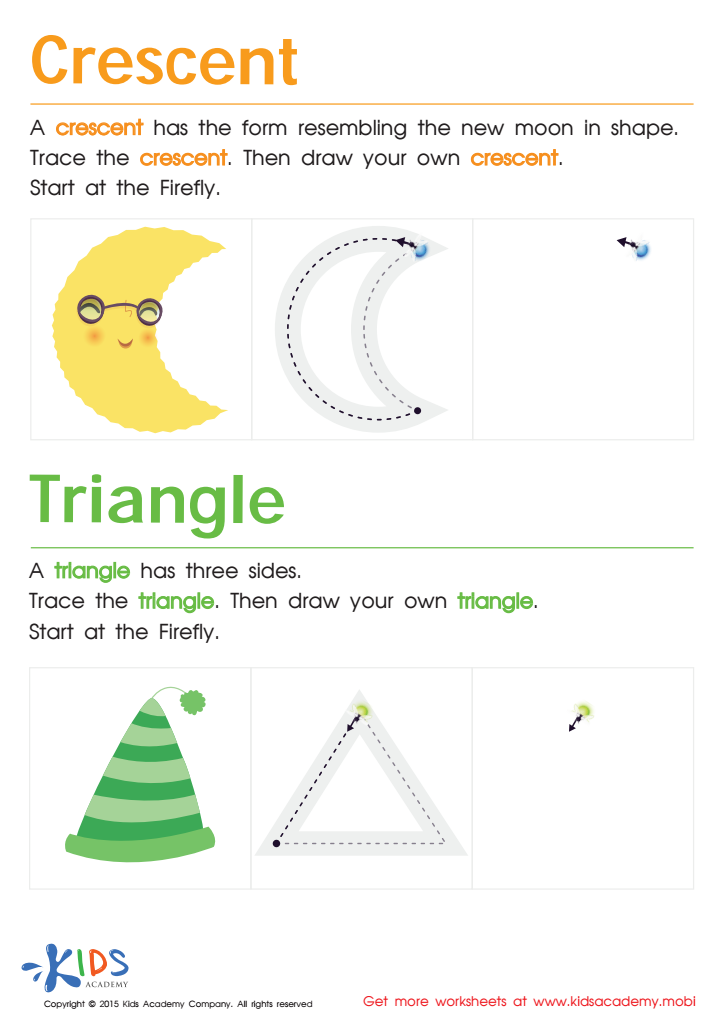
Learning to Draw Crescents And Triangles Worksheet
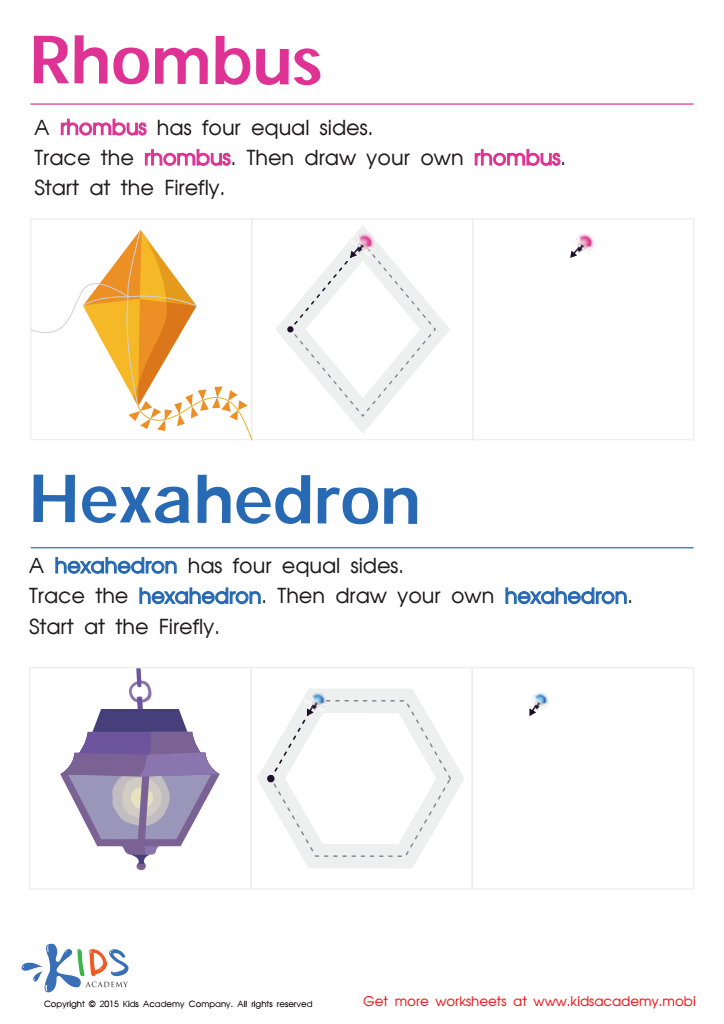
Draw a Rhombus And a Hexahedron Printable








Normal shaping tracing is a crucial developmental activity for children aged 4-7, as it supports early childhood education in several ways. First, it enhances fine motor skills, teaching children the necessary hand-eye coordination to manipulate writing instruments effectively. This critical skill lays the foundation for more complex tasks such as writing, drawing, and eventually typing.
Furthermore, tracing shapes introduces children to geometric concepts, helping them recognize and categorize shapes such as circles, squares, and triangles. This understanding fosters foundational math skills that are essential as they progress academically. Engaging in shape tracing also encourages cognitive development, promoting focus and concentration as children follow lines and complete patterns.
In addition, tracing shapes can imbue children with a sense of achievement and boost their confidence. Completing a tracing task reinforces their ability to learn and succeed, which is vital during these formative years. Finally, it promotes creativity and expression, allowing children to explore their artistic side while guiding them through structured learning.
In summary, parents and teachers should care about normal tracing shapes, as it not only nurtures fine motor skills and geometric understanding but also supports overall cognitive and emotional development in young learners.