Normal Short Vowels Worksheets for Ages 4-8
12 filtered results
-
From - To
Explore our engaging "Normal Short Vowels Worksheets" designed specifically for children ages 4-8! These interactive worksheets focus on key short vowel sounds, enhancing literacy skills and phonemic awareness in a fun and playful way. Each worksheet offers a variety of activities, including tracing, matching, and identifying words with short vowels, catering to different learning styles. Perfect for at-home practice or classroom use, these resources help young learners build a strong foundation in reading and spelling. Encourage your child’s love for language with our thoughtfully crafted materials that promote learning through play. Discover exciting ways to master short vowels today!
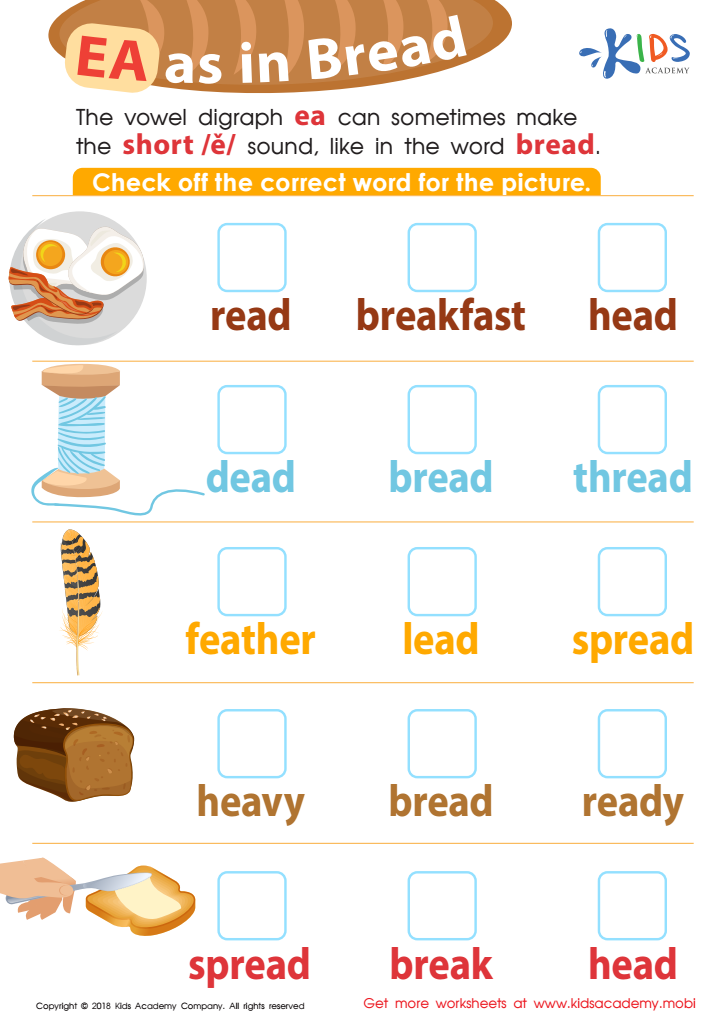
Reading: EA as in Bread Worksheet
 Assign to My Students
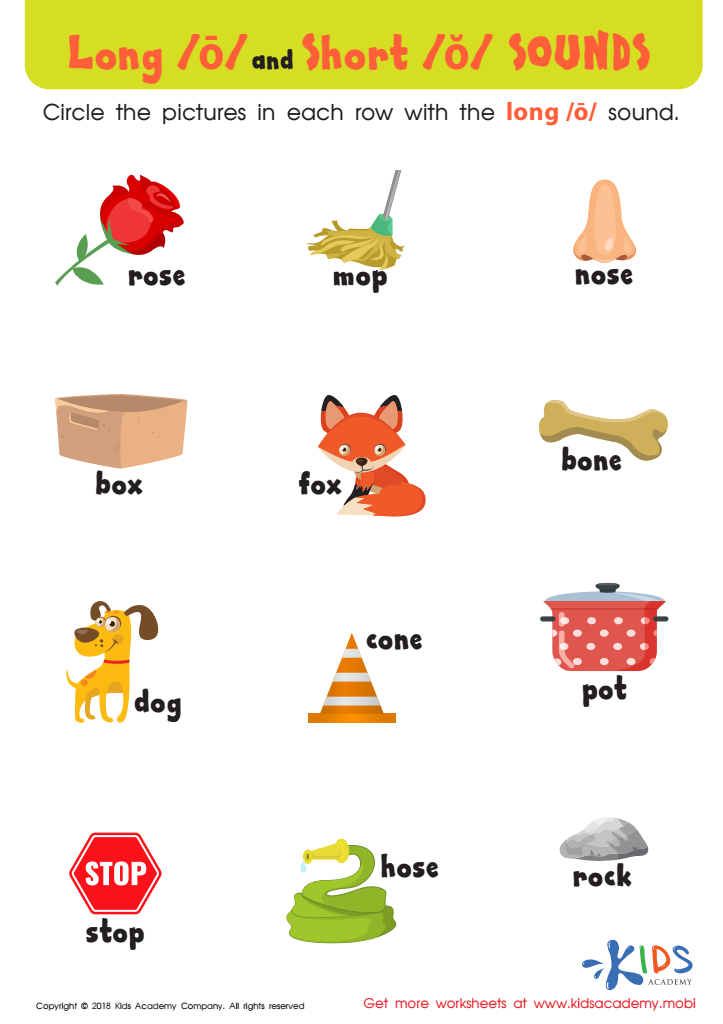
Reading: Long O and Short O Sounds Worksheet
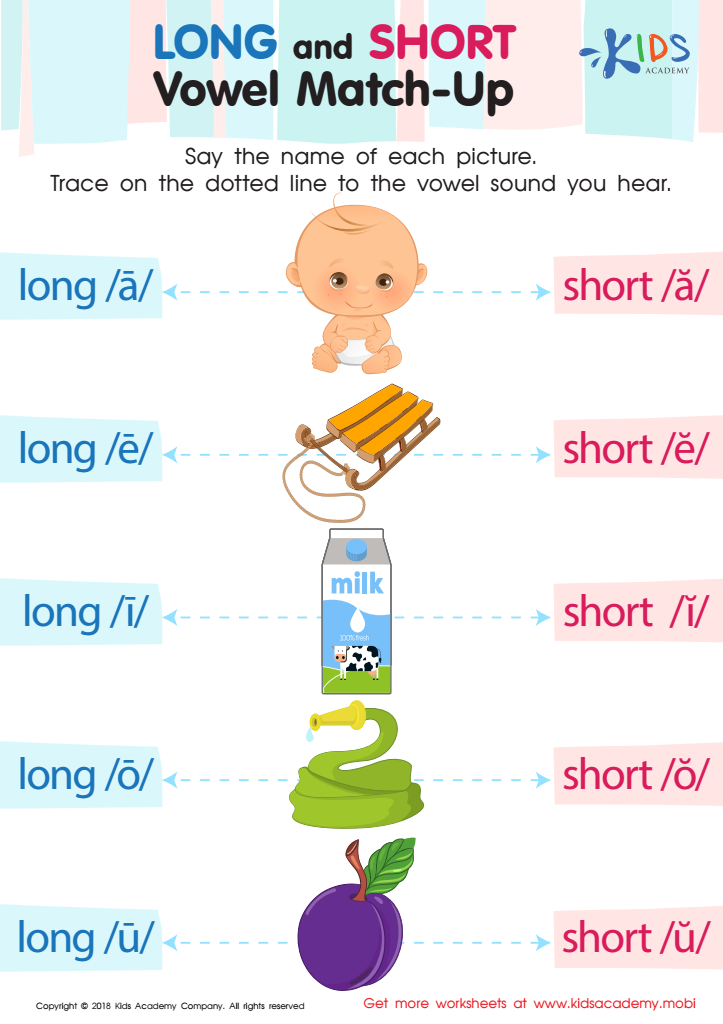
Long and Short Vowel Match up Reading Worksheet
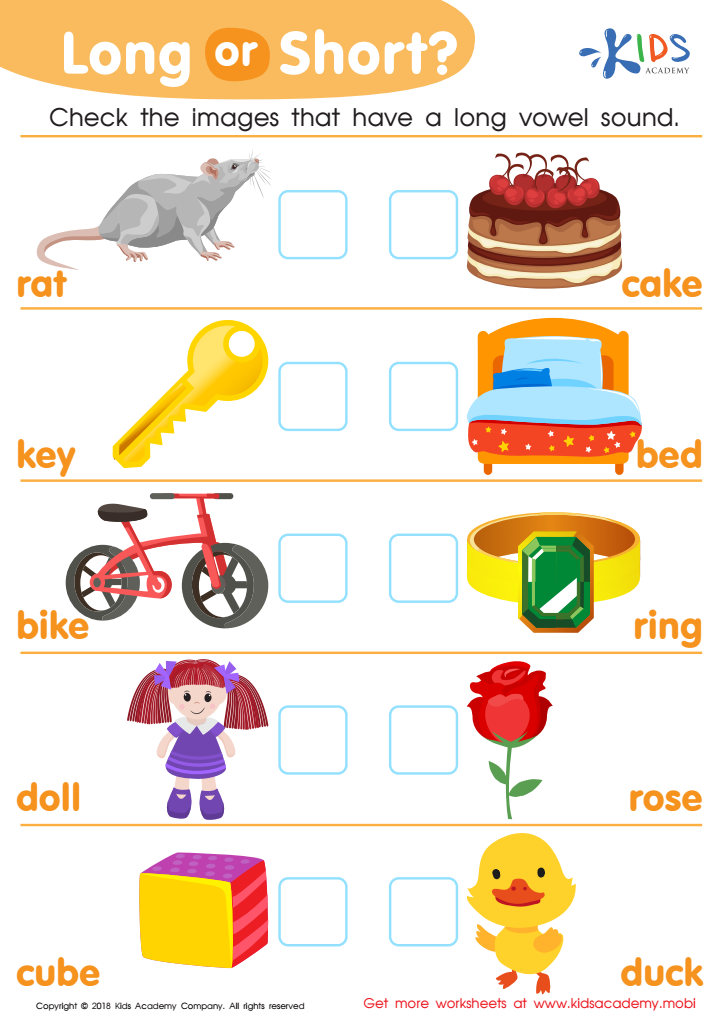
Long or Short Reading Worksheet
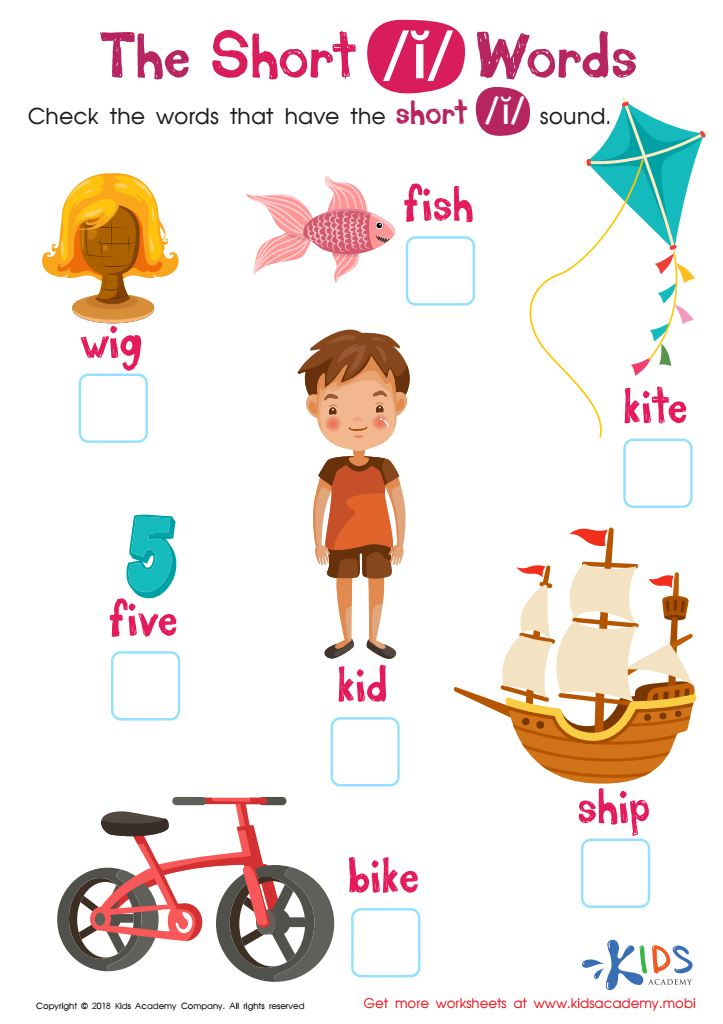
The Short I Words Reading Worksheet
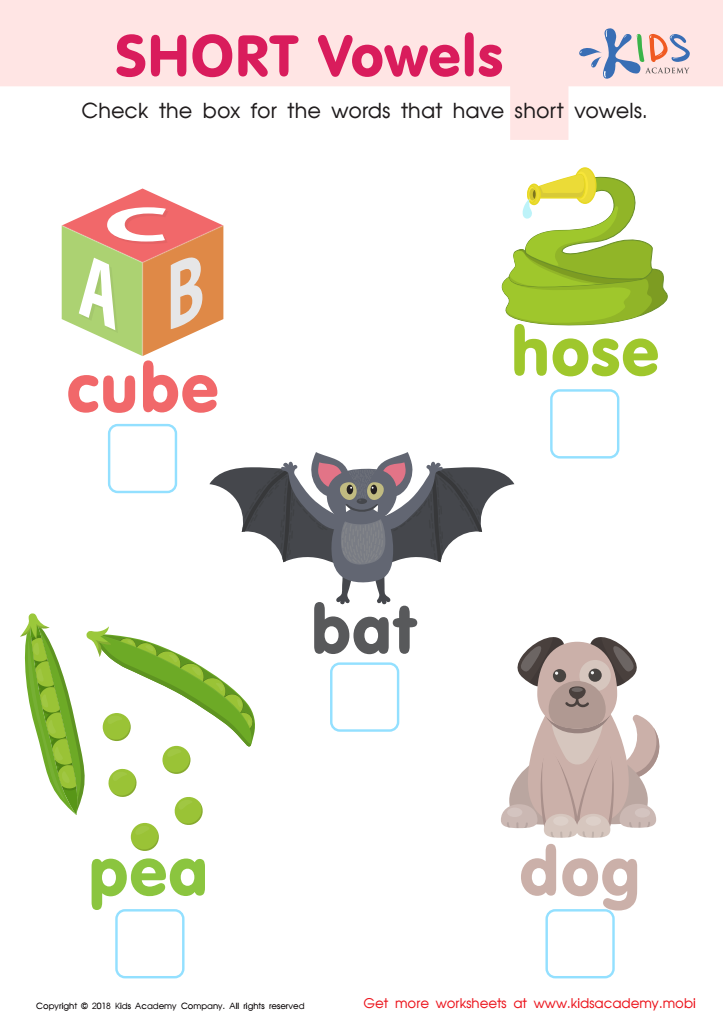
short vowels Worksheet
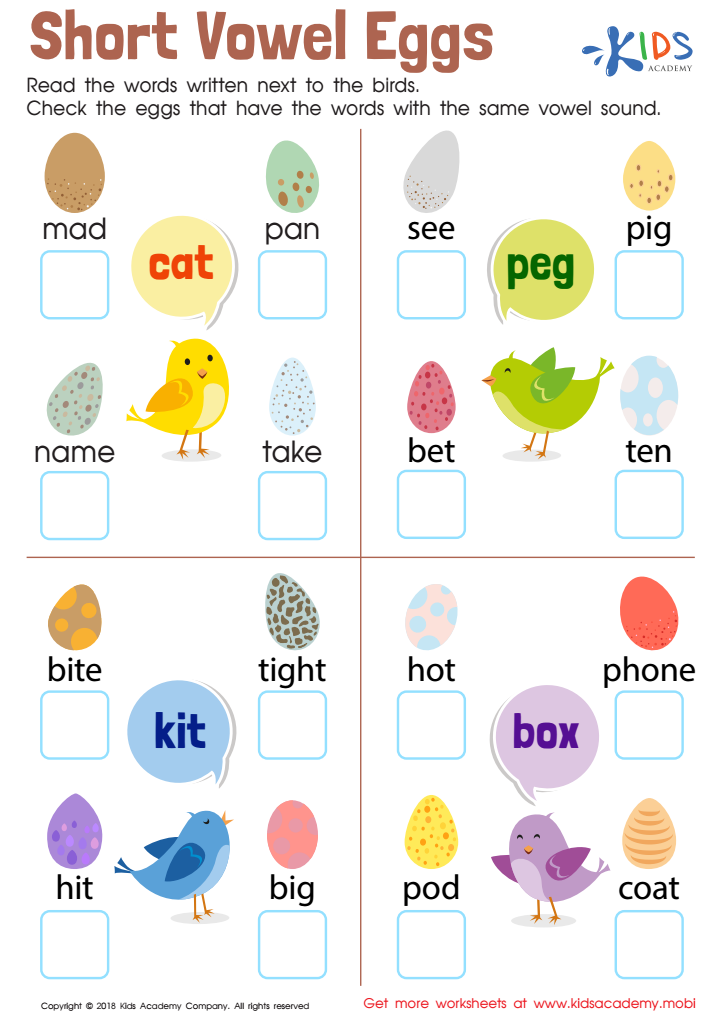
Short Vowel Eggs Worksheet
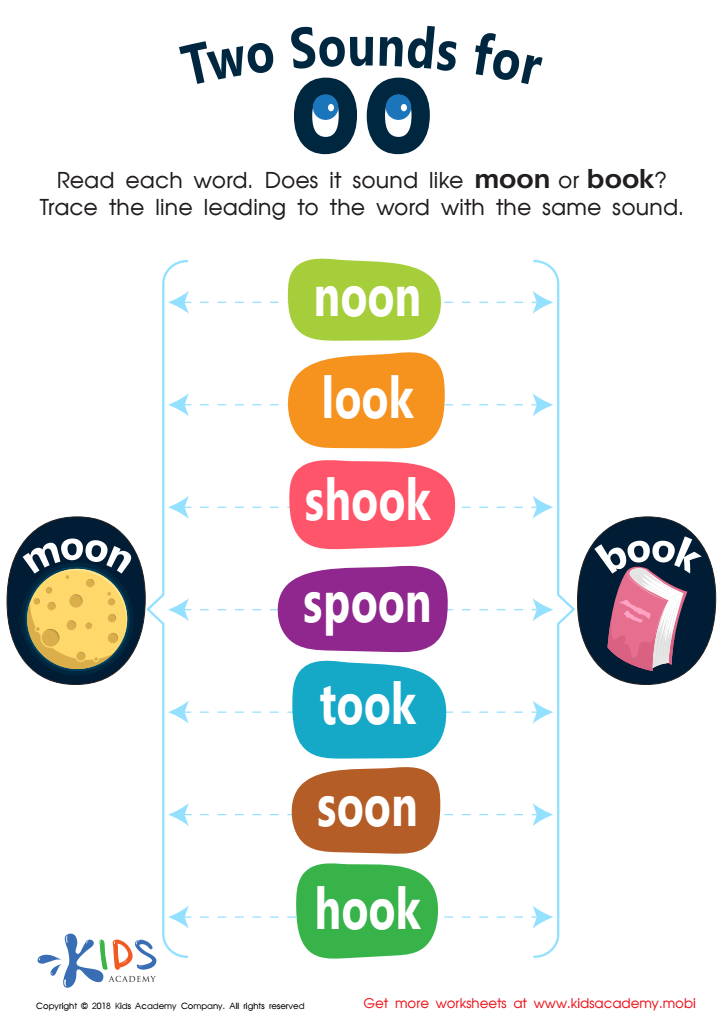
Two Sounds for OO Worksheet
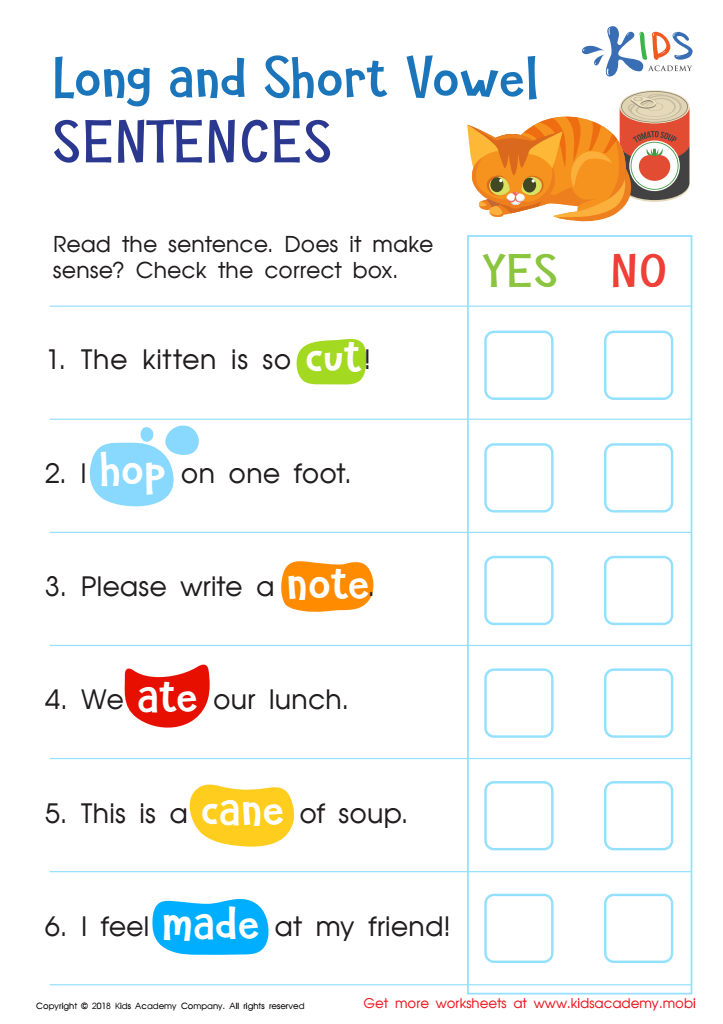
Long and Short Vowel Sentences: Assessment Worksheet
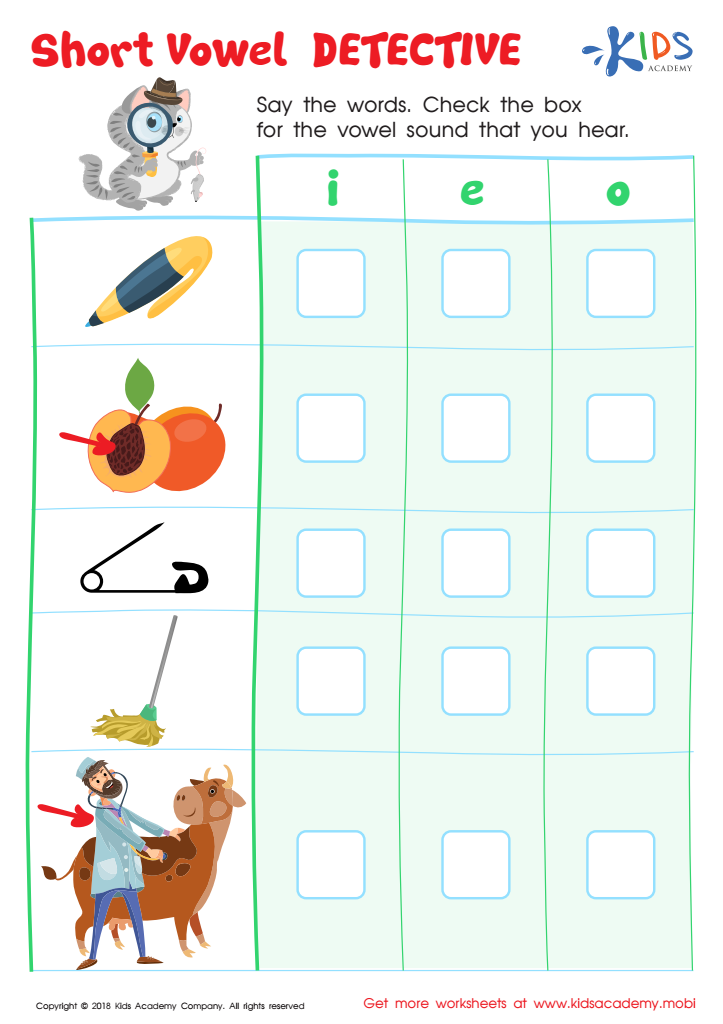
Short Vowel Detective Worksheet
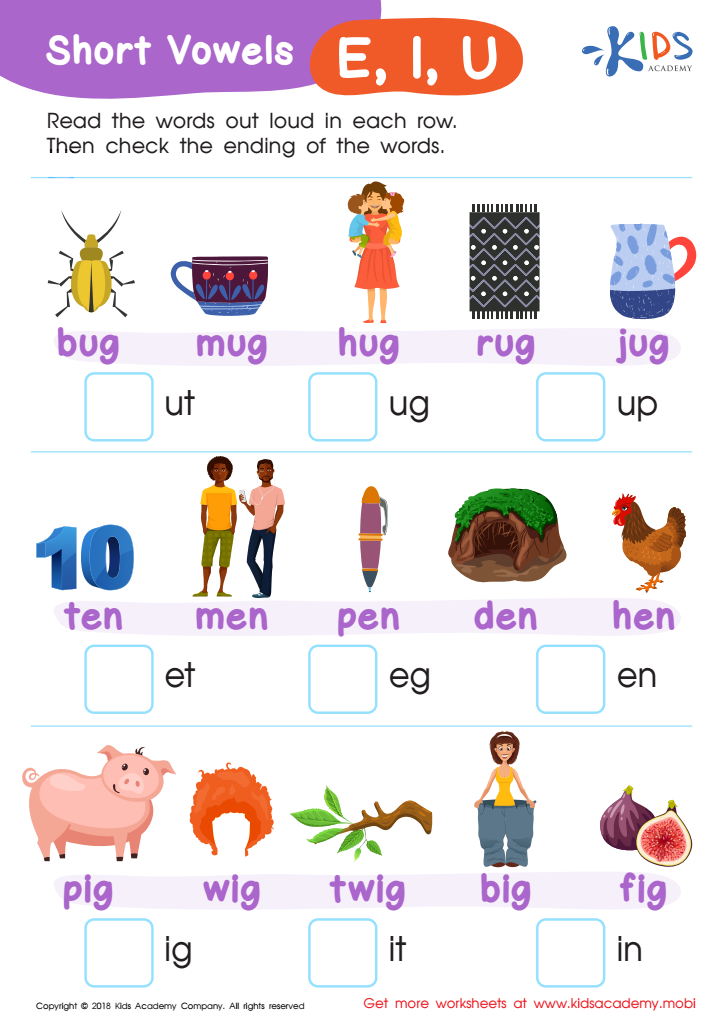
Short Vowels /e/, /i/, and /u/ Worksheet
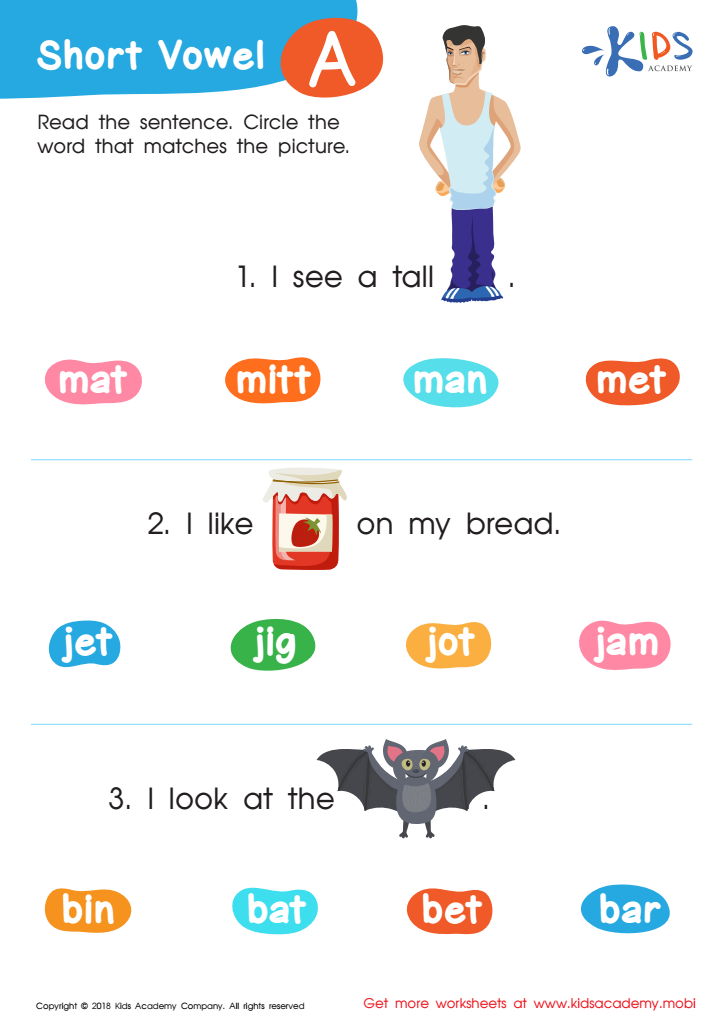
Short Vowel /a/ Worksheet



Understanding normal short vowels is crucial for children aged 4-8, as it forms the foundation of their reading and speaking skills. Short vowels—A, E, I, O, and U—are the building blocks of many words, and mastering their sounds helps children decode and spell words accurately. Early literacy development hinges on phonemic awareness, and short vowels play a significant role in teaching children how individual sounds come together to form words.
Parents and teachers should prioritize short vowel instruction because recognizing these sounds enables children to transition from reading simple words to more complex texts, fostering confidence and encouraging a love for reading. This age group is incredibly receptive to phonetic patterns, making it the ideal time to introduce these concepts in engaging ways, such as songs, games, and interactive activities.
Moreover, proficiency in short vowels not only aids in reading but also enhances vocabulary development, as many English words are predicated upon these sounds. By emphasizing short vowels, educators and parents equip children with essential skills that pave the way for academic success and lifelong learning, stimulating cognitive growth and communication abilities. Supporting this understanding prepares children for future language complexities they will encounter in their educational journey.