Normal Tracing Letters Worksheets for Ages 4-8
32 filtered results
-
From - To
Discover our engaging "Normal Tracing Letters Worksheets for Ages 4-8," designed to enhance your child's writing skills while making learning fun! These worksheets offer a delightful way for children to practice tracing both uppercase and lowercase letters, promoting letter recognition and developing fine motor skills. Perfect for preschoolers and early grade learners, these printable activities are ideal for use at home or in the classroom. With colorful visuals and a user-friendly format, young learners will enjoy enhancing their handwriting and confidence. Start your child's writing journey today with our thoughtfully crafted tracing worksheets – an essential tool for early literacy development!
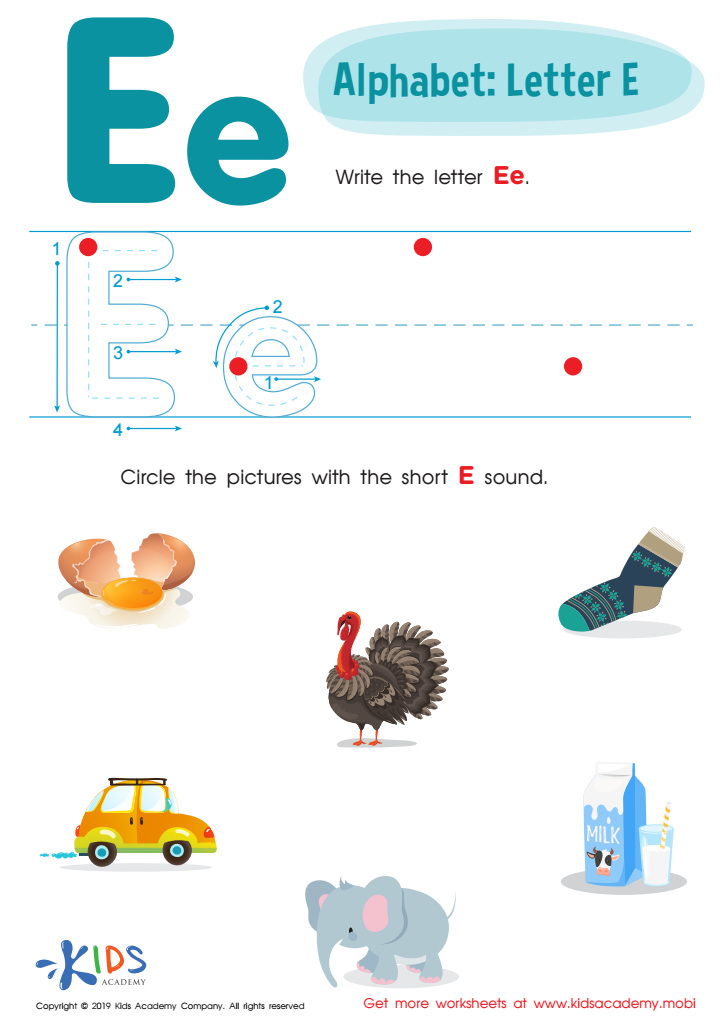
Letter E Tracing Worksheet
 Assign to My Students
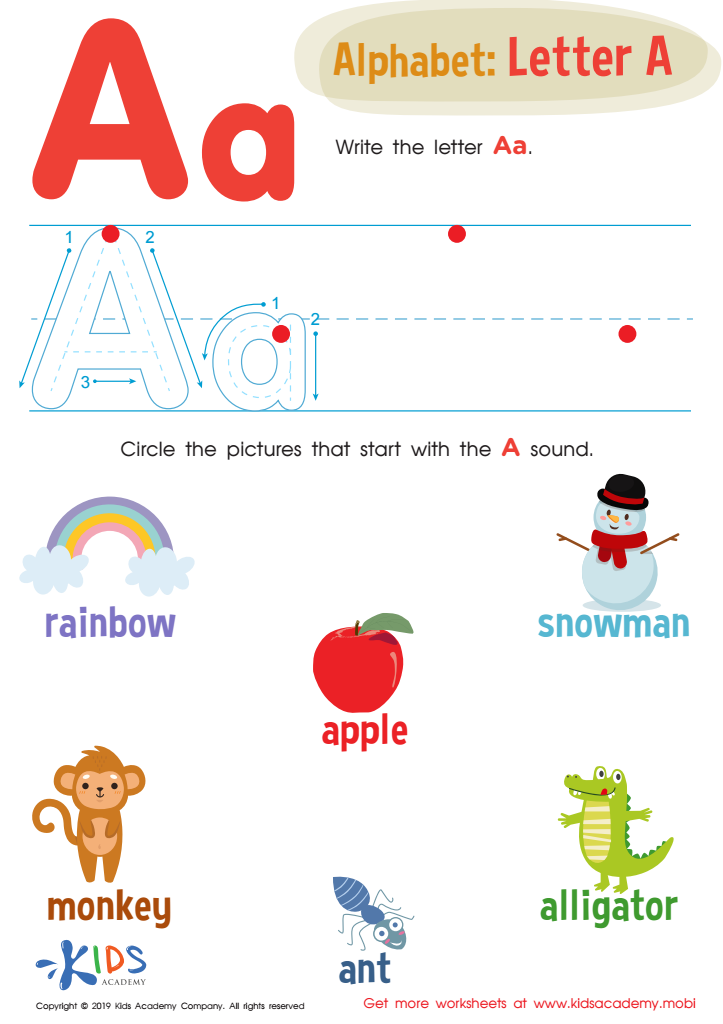
Letter A Tracing Worksheet
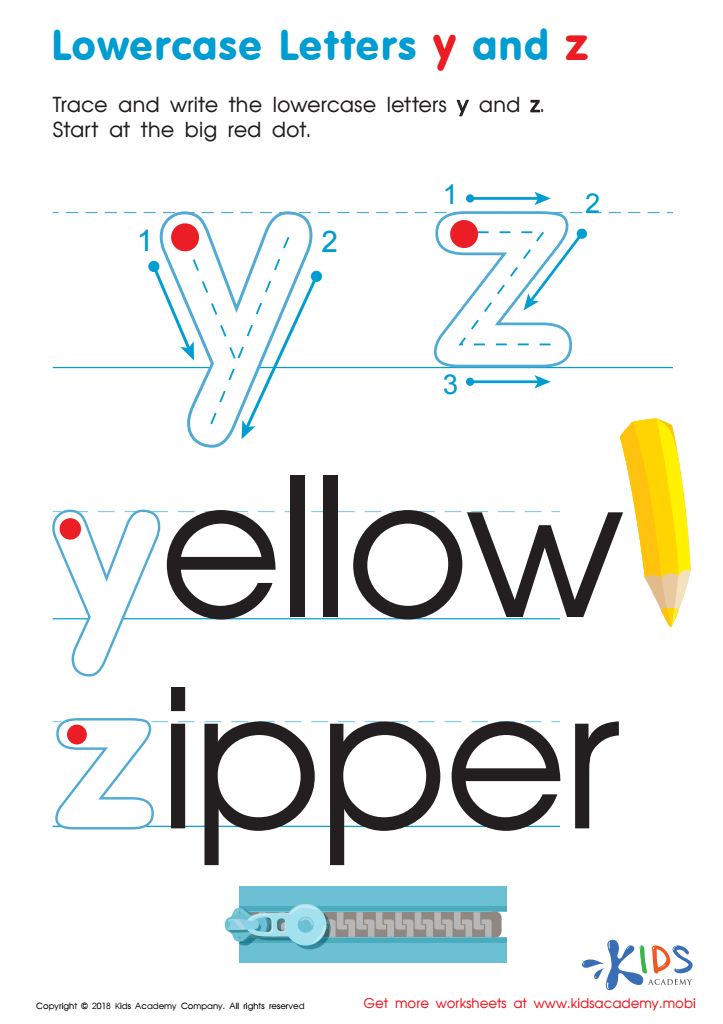
Lowercase Letters y z Worksheet
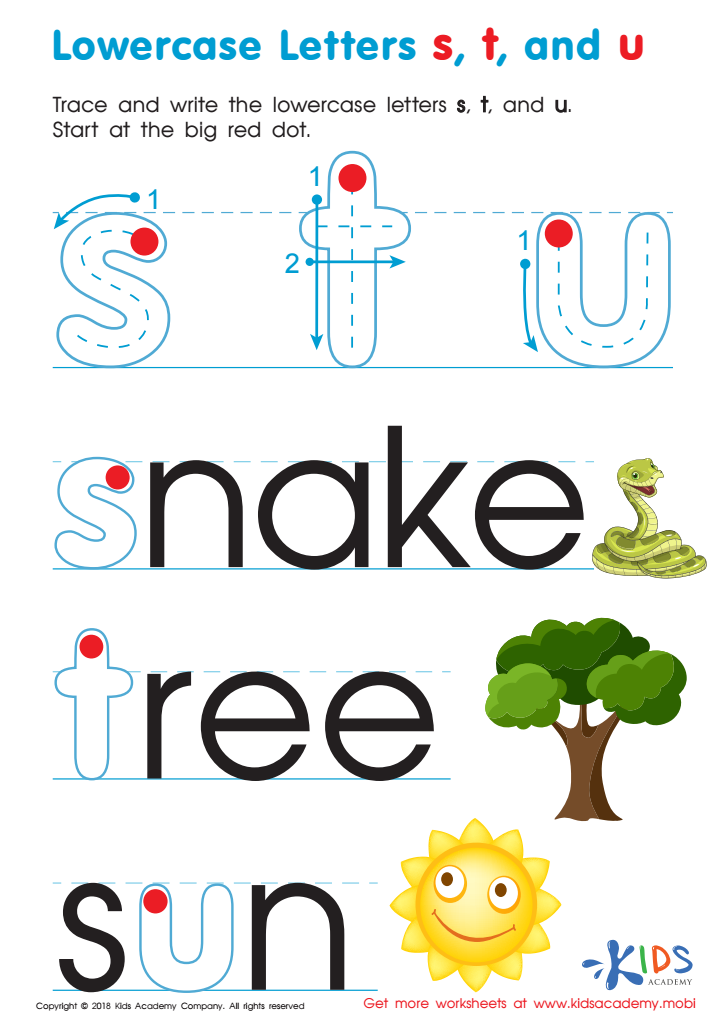
Lowercase Letters s t u Worksheet
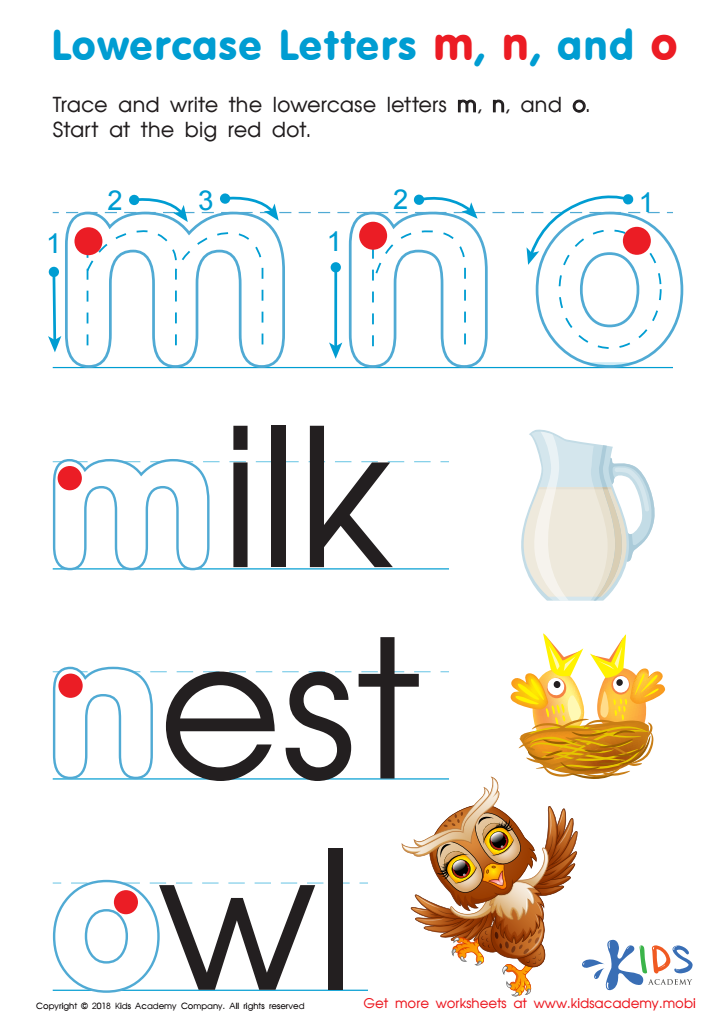
Lowercase Letters m n o Worksheet
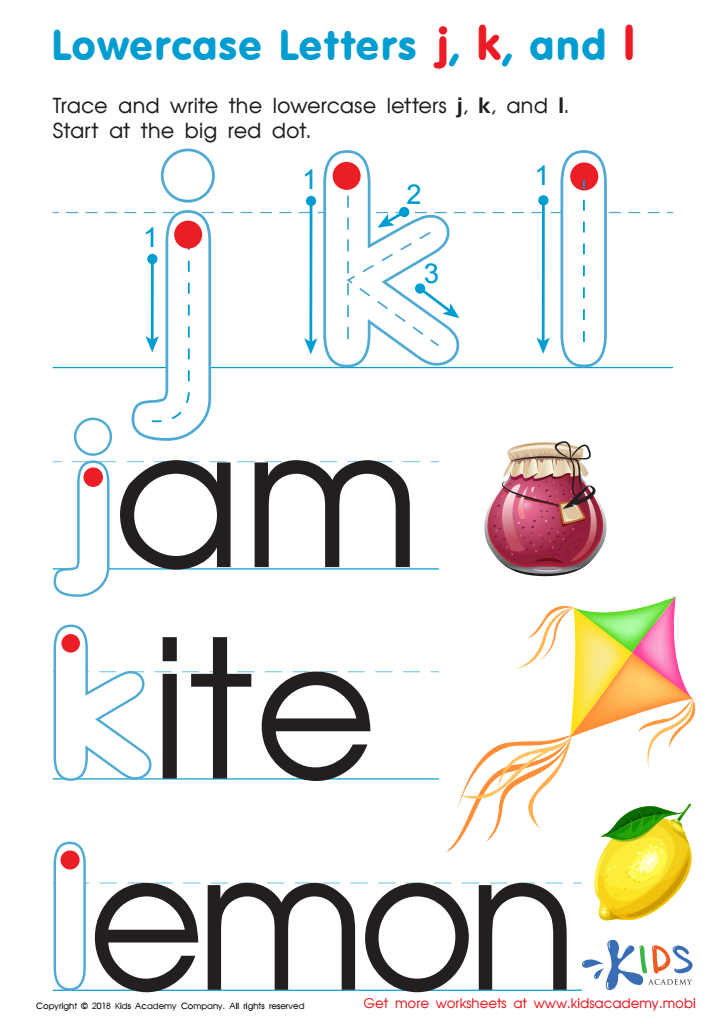
Lowercase Letters j k l Worksheet
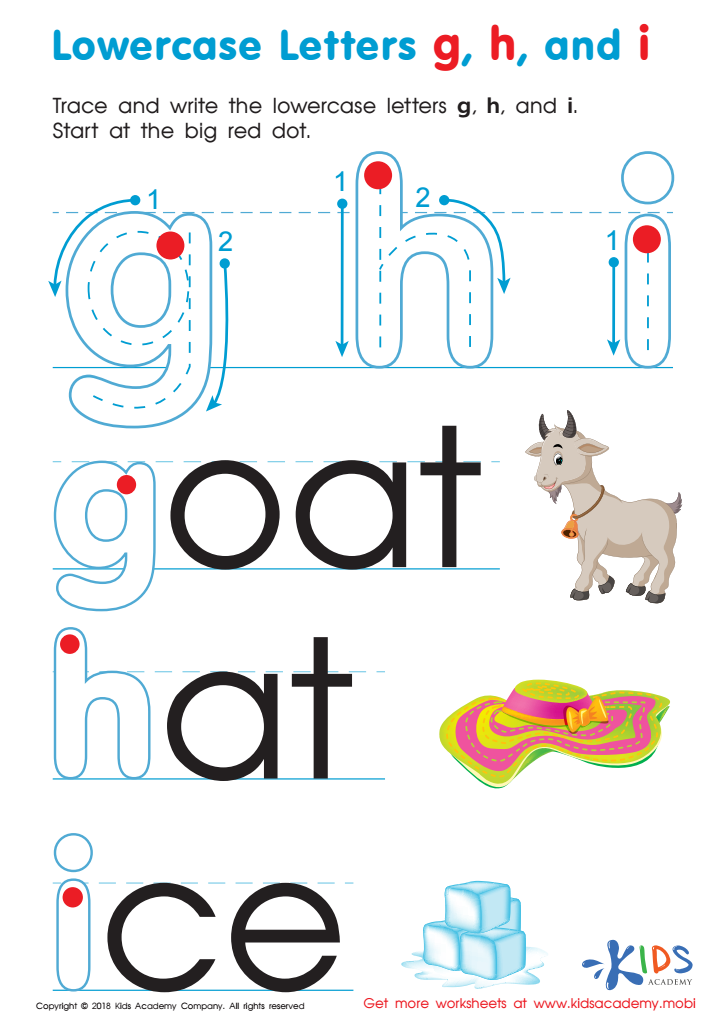
Lowercase Letters g h i Worksheet
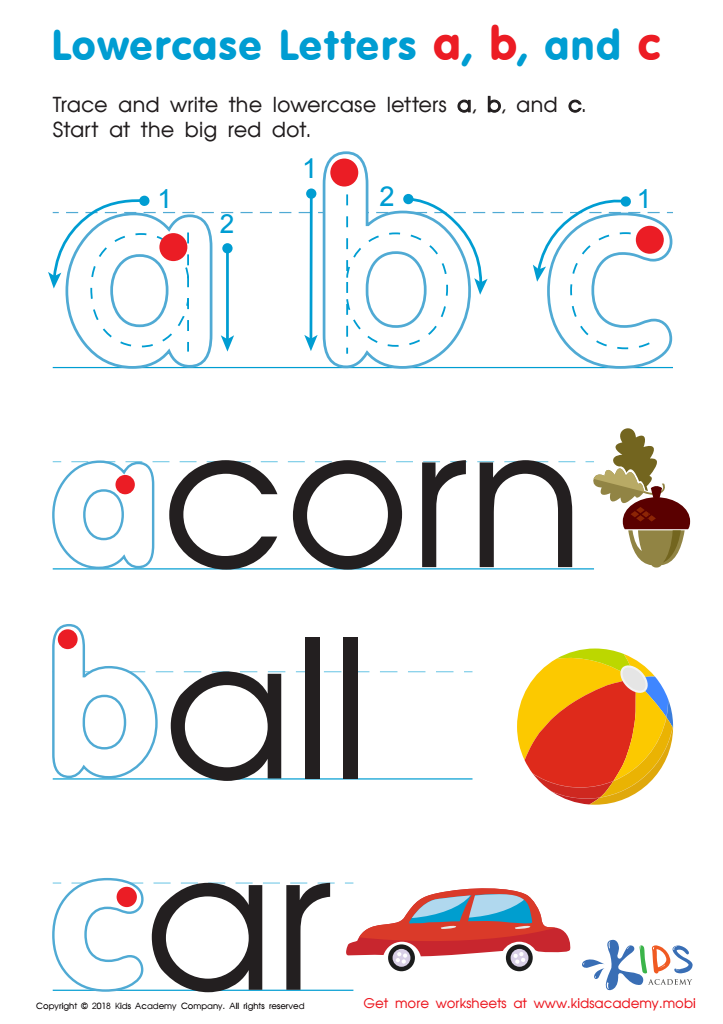
Lowercase Letters a b c Worksheet
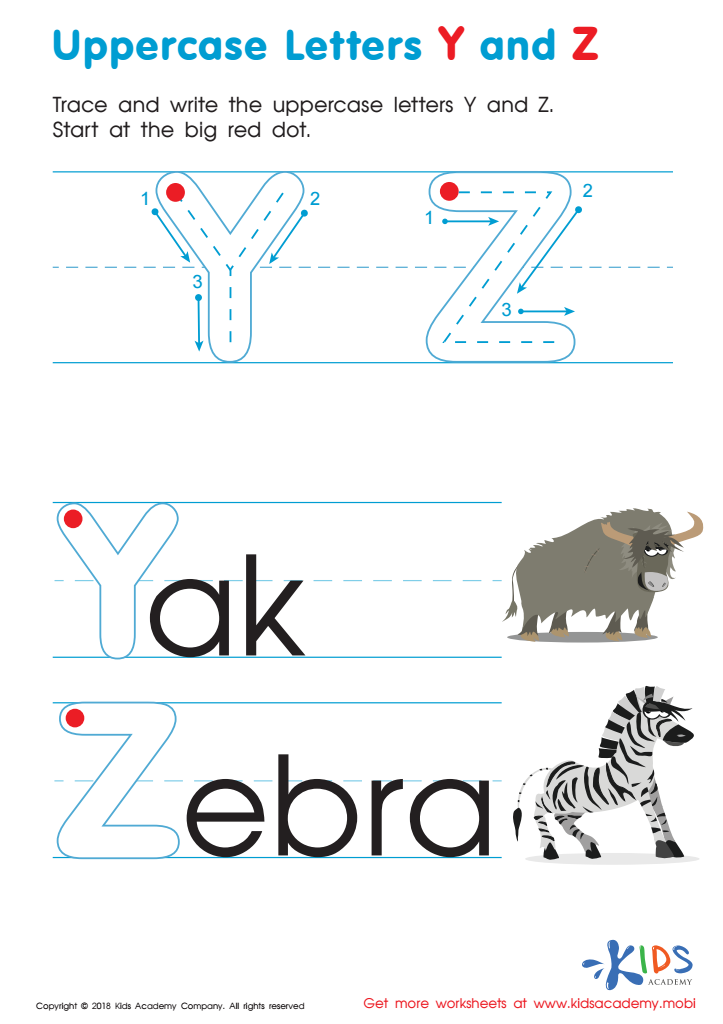
Uppercase Letters Y Z Worksheet
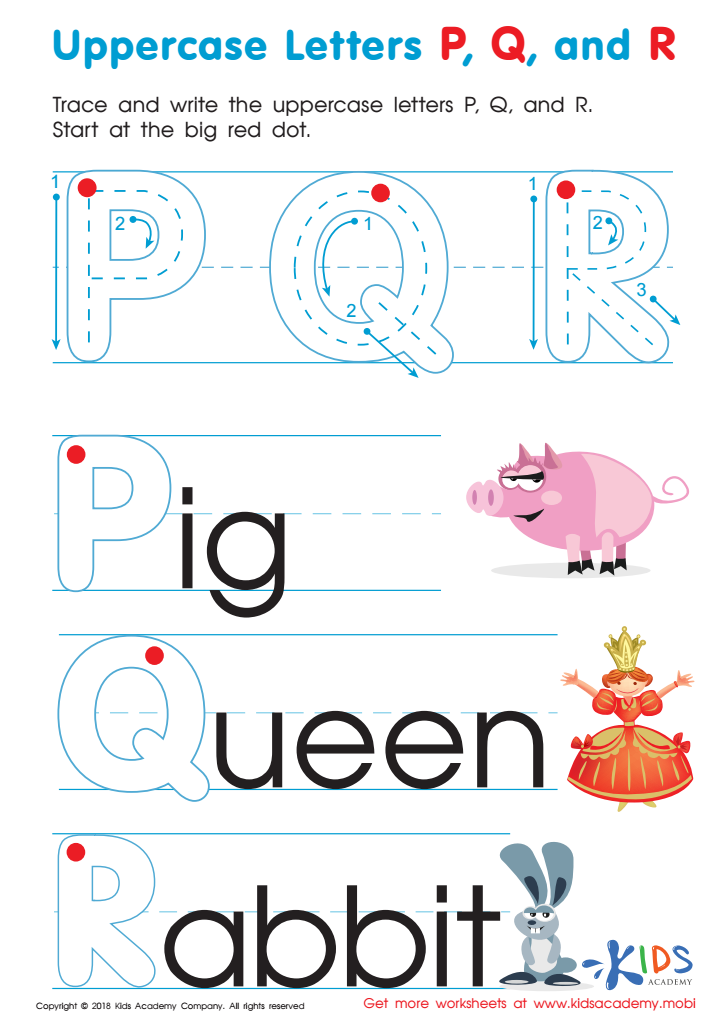
Uppercase Letters P, Q, and R Worksheet
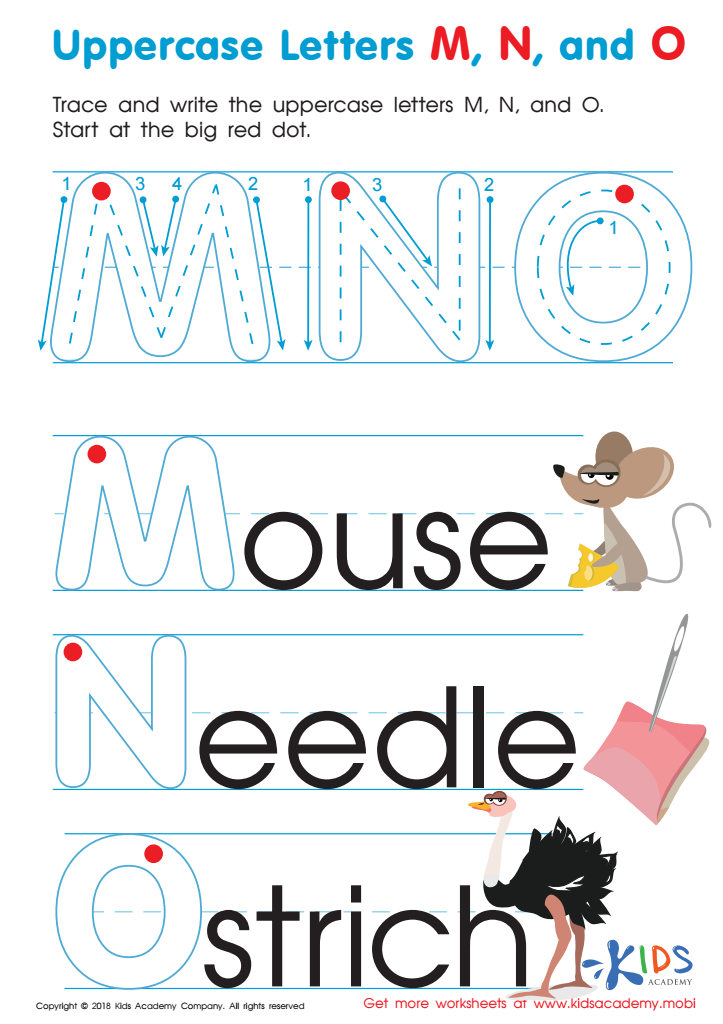
Uppercase Letters M, N, and O Worksheet
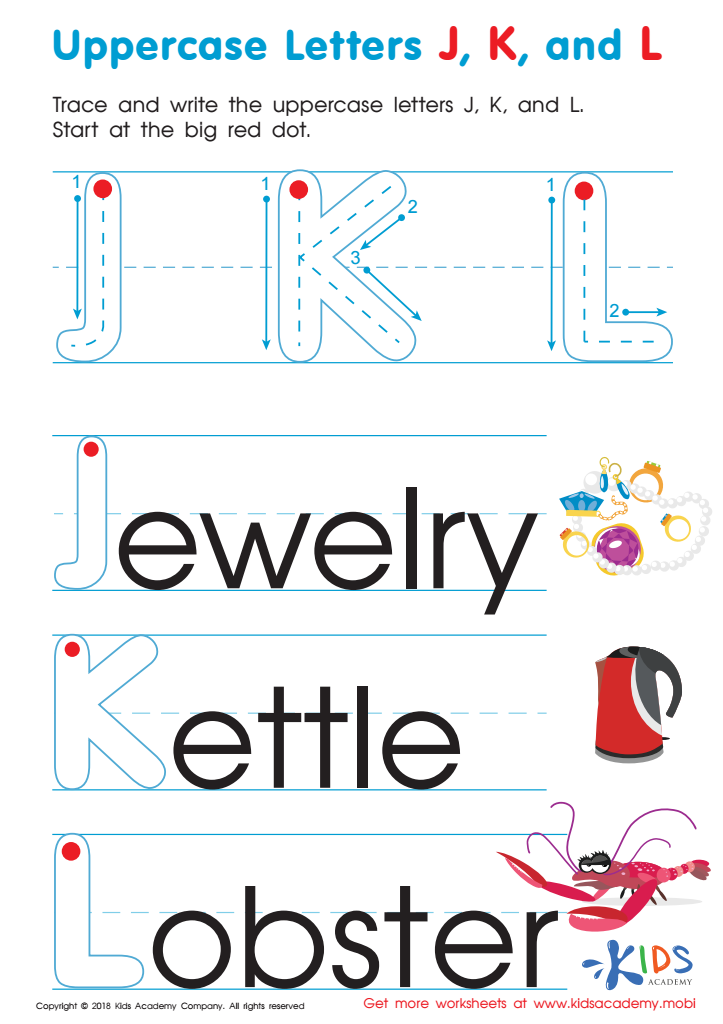
Uppercase Letters J, K, and L Worksheet
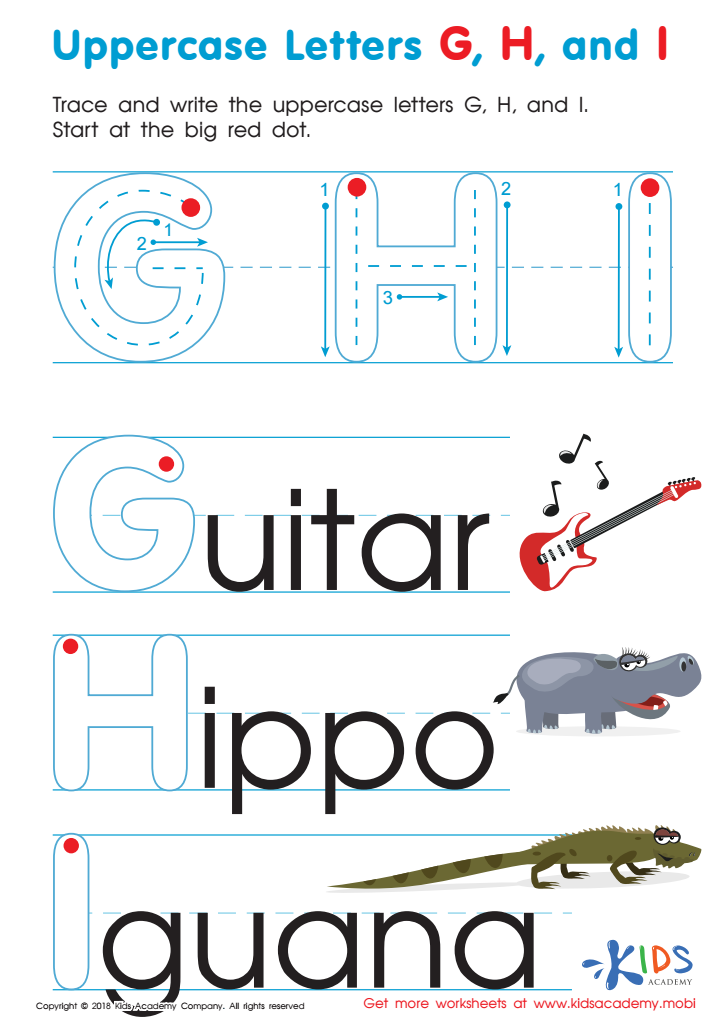
Uppercase Letters G, H, and I Worksheet
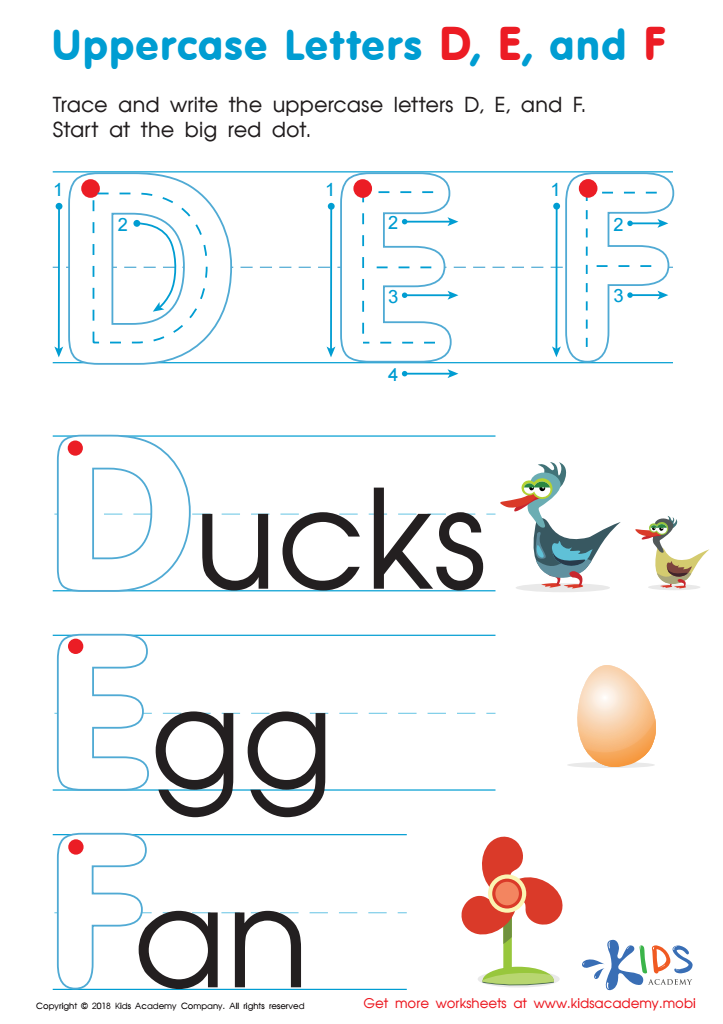
Uppercase Letters D, E, and F Worksheet
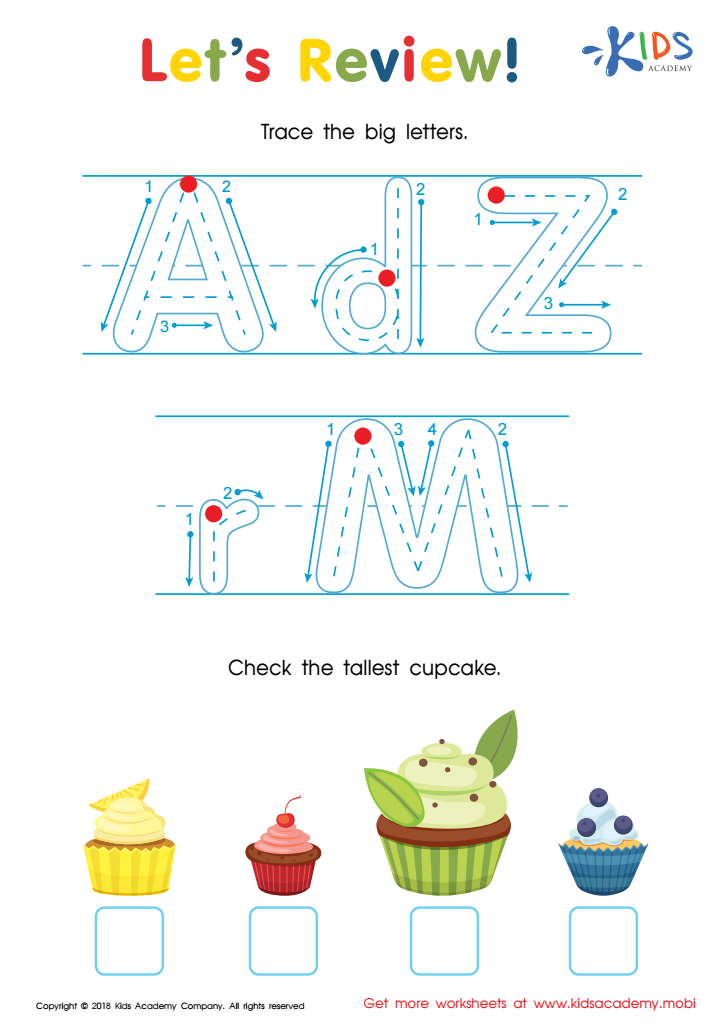
Let's Review! Big Letters Worksheet
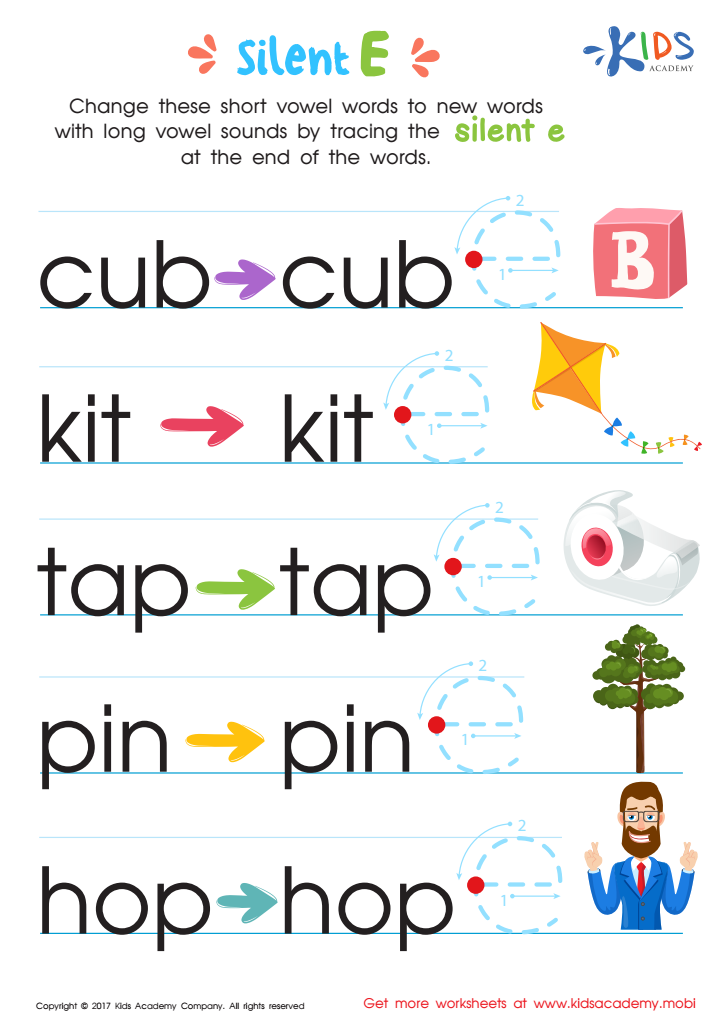
Silent E Words Worksheet
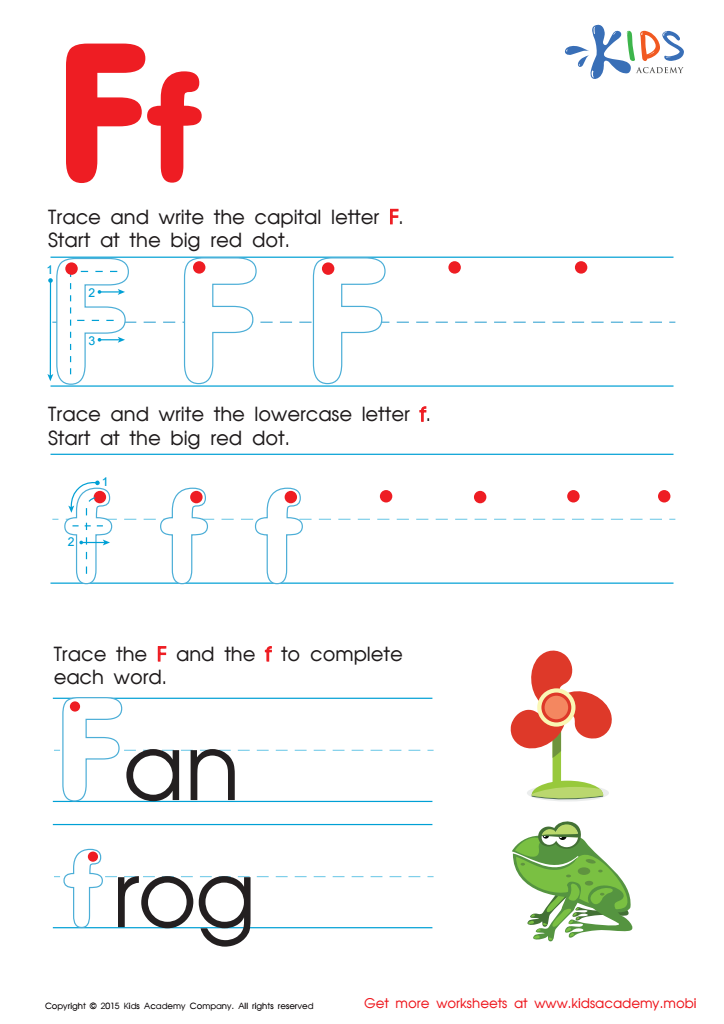
Letter F Tracing Page
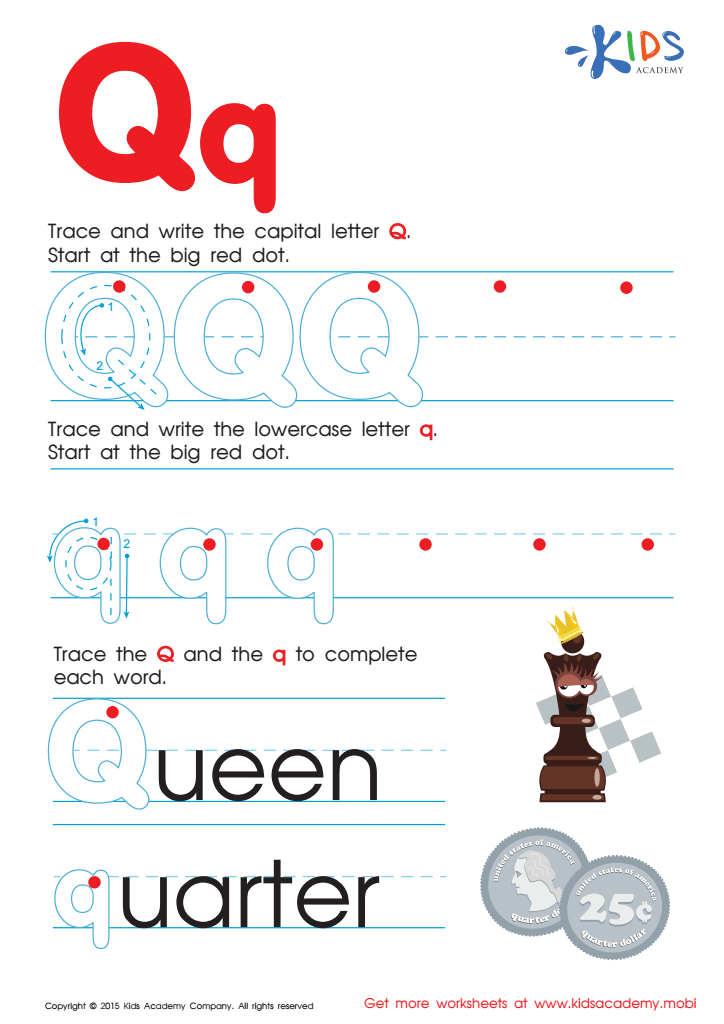
Letter Q Tracing Page

Letter P Tracing Page
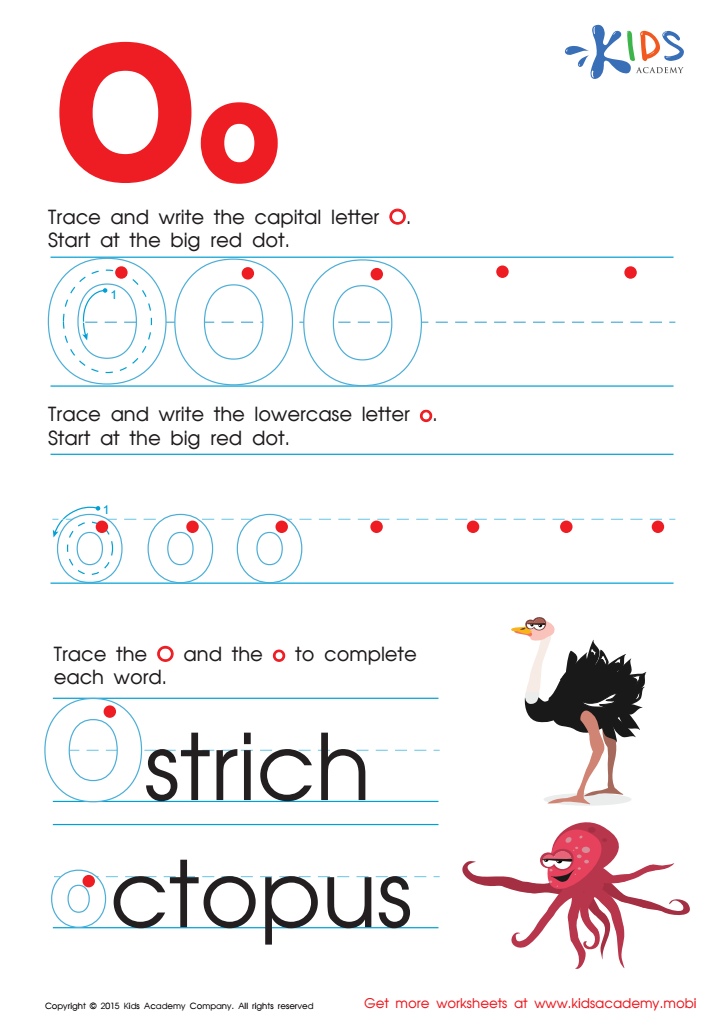
Letter O Tracing Page
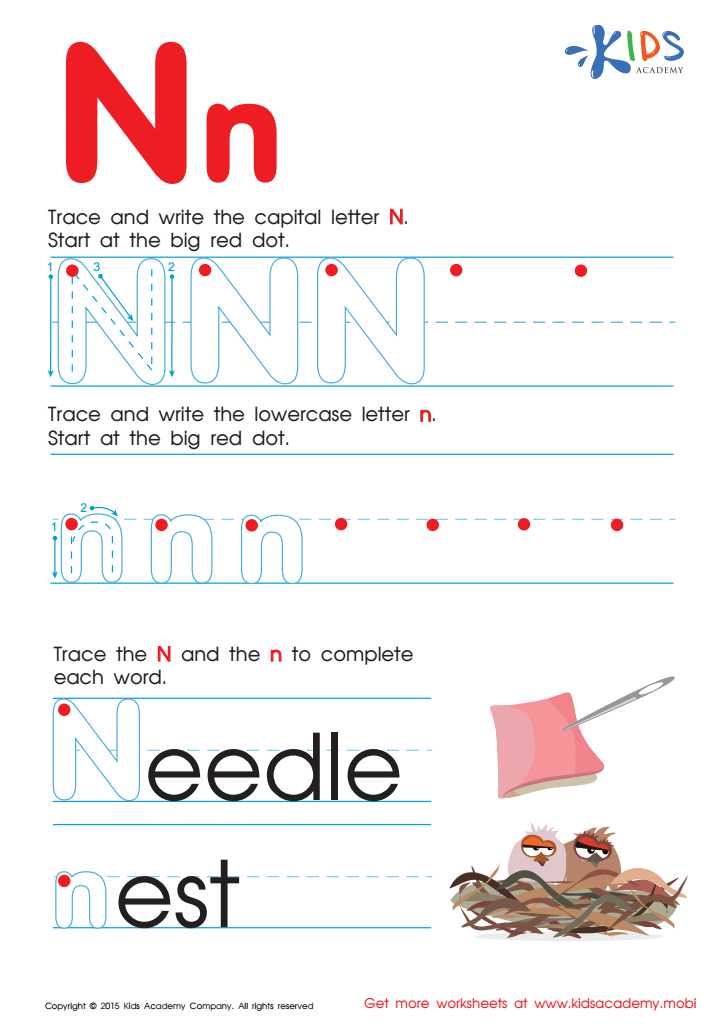
Letter N Tracing Page
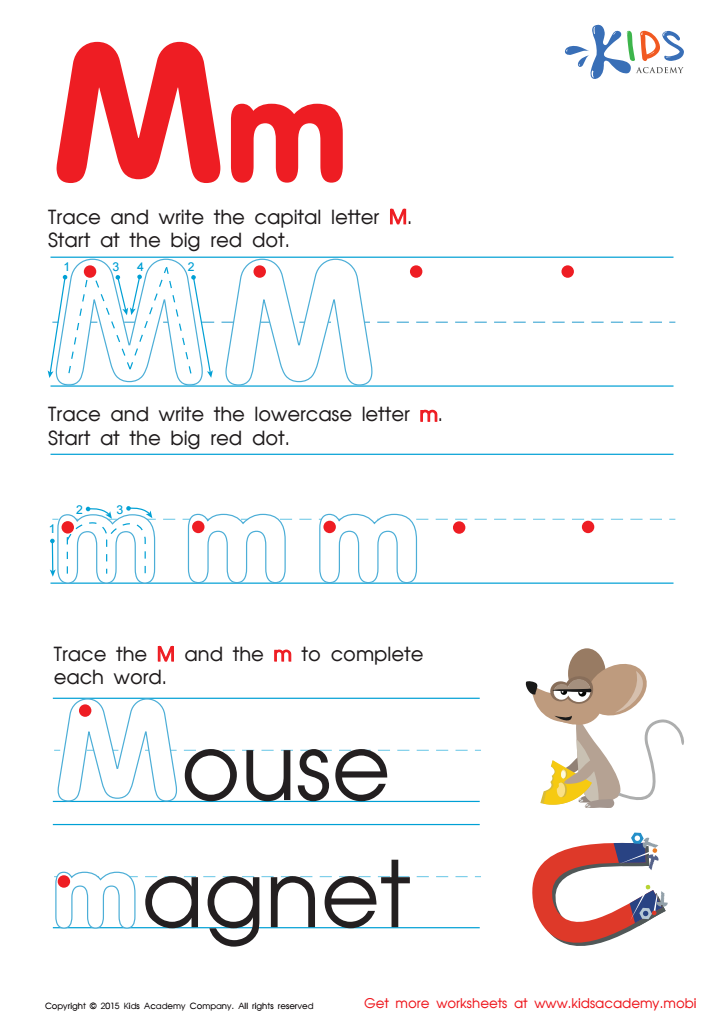
Letter M Tracing Page
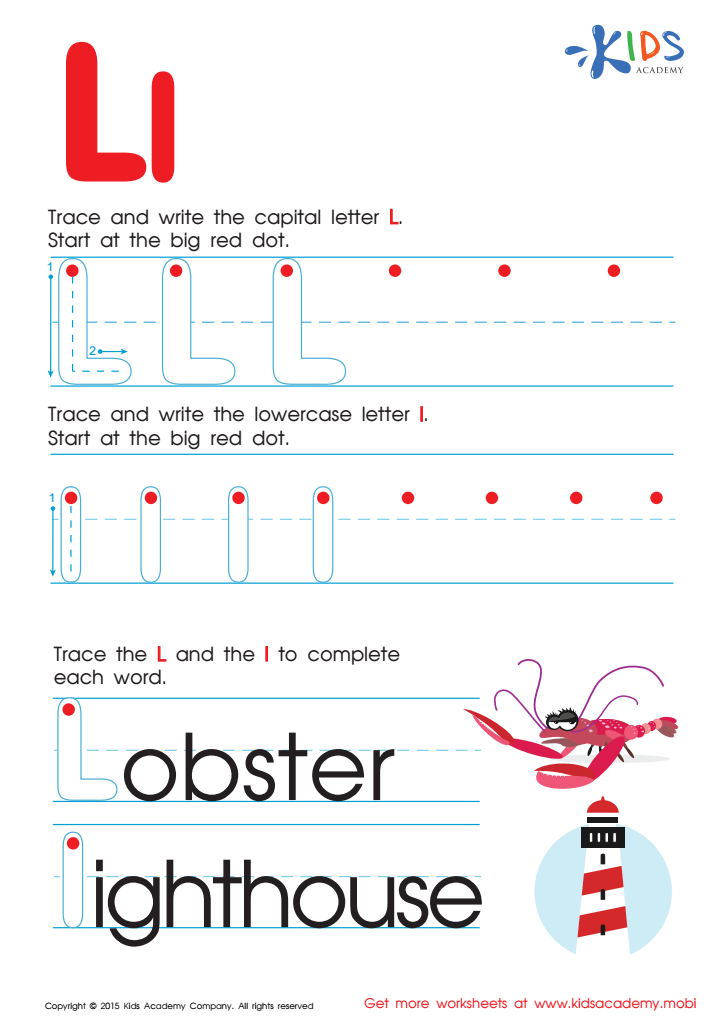
Letter L Tracing Page
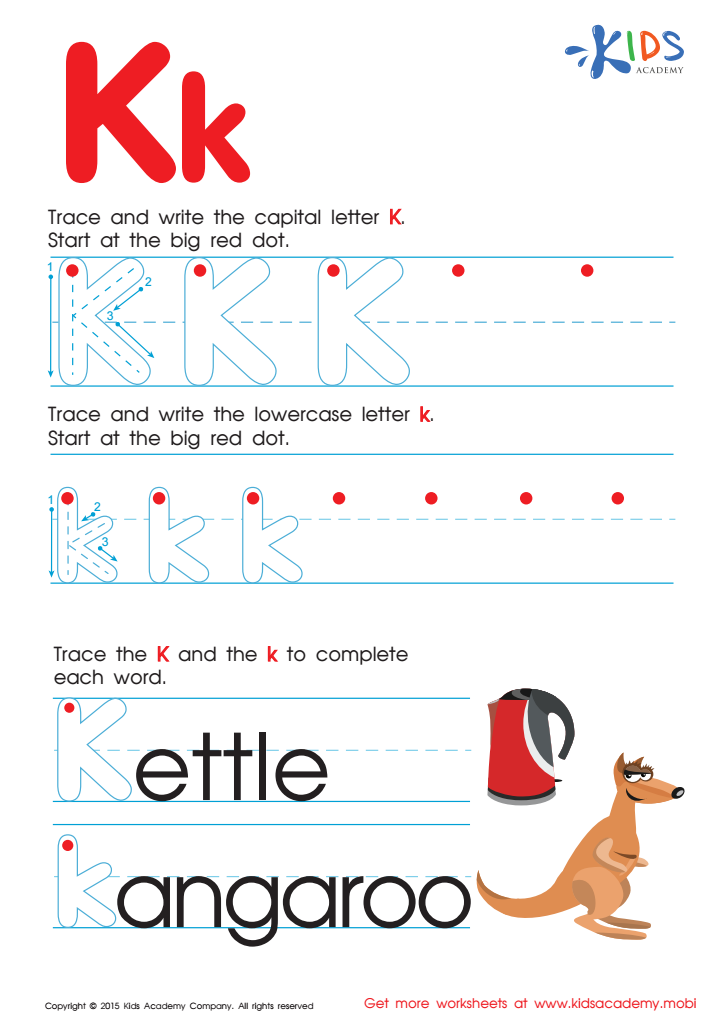
Letter K Tracing Page








Normal tracing letters for ages 4-8 is essential for young learners as it forms the foundation of literacy skills. During this critical developmental phase, children are not only mastering fine motor skills but also beginning to understand the relationship between letters, sounds, and written expression. Tracing letters helps improve hand-eye coordination, crucial for writing, drawing, and other tasks.
Moreover, repetitive tracing reinforces letter recognition, aiding in decoding and spelling. This is pivotal for developing reading skills, as children who can recognize letters are more likely to develop strong reading abilities. Engaging in tracing activities also introduces early writing concepts, familiarizing kids with proper letter formation and spacing.
For both parents and teachers, incorporating tracing letters into daily activities can foster a love for writing and literacy. It offers an opportunity for guided practice and feedback, which are vital for a child's cognitive and emotional development. Ultimately, when children learn to write effectively, they gain confidence in expressing their thoughts and ideas, laying the groundwork for academic success. Thus, advocating for tracing letters not only boosts literacy skills but also enhances overall cognitive development and self-esteem in young children.








