Normal Upper & Lowercase Letters Worksheets for Ages 4-8 - Page 2
44 filtered results
-
From - To
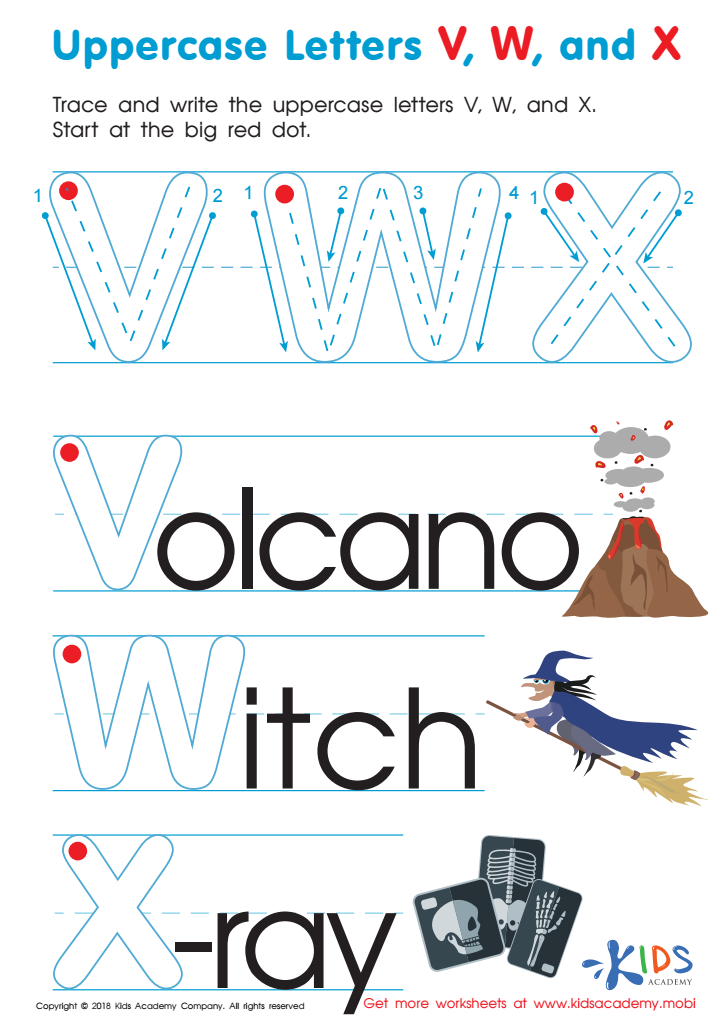
Uppercase Letters V, W, and X Worksheet
 Assign to My Students

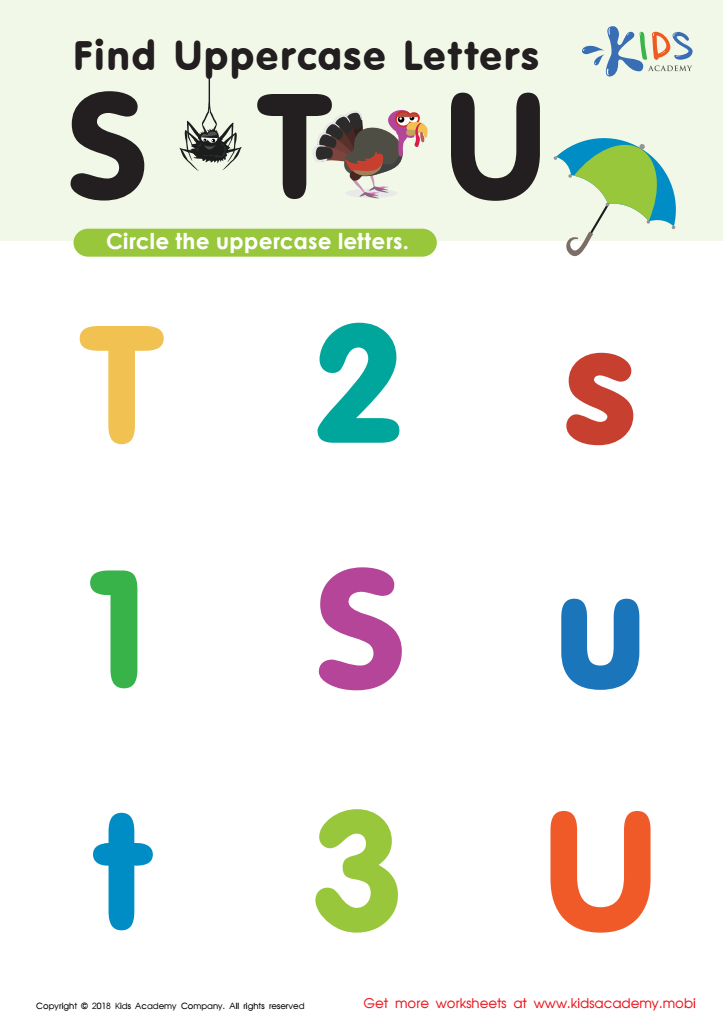
Find Uppercase Letters Worksheet
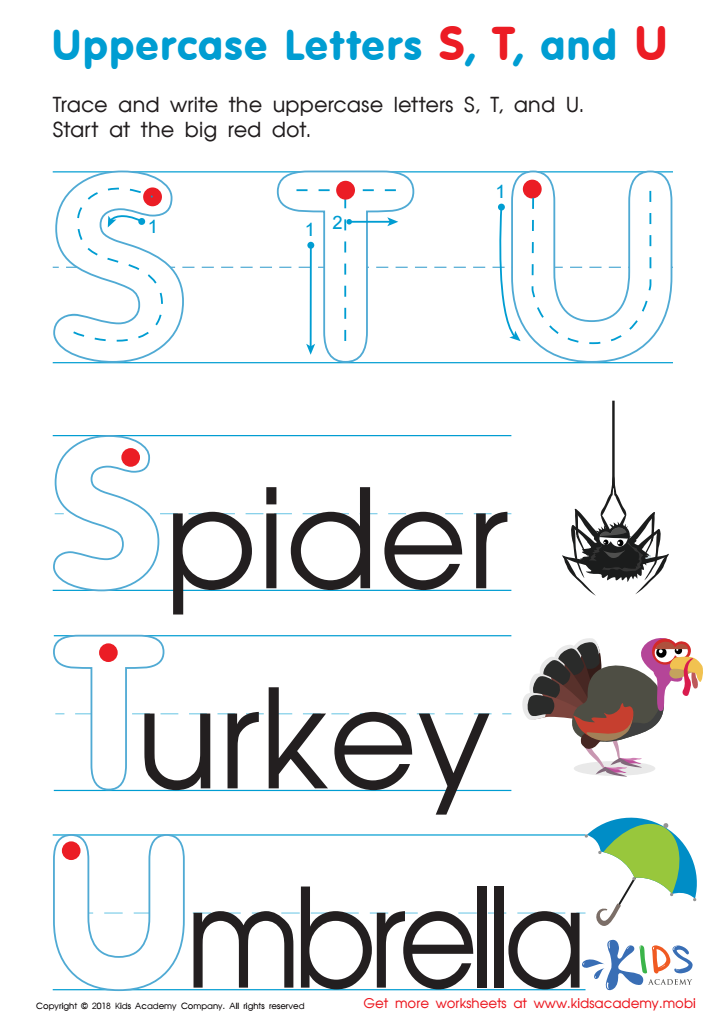
Uppercase Letters S, T, and U Worksheet
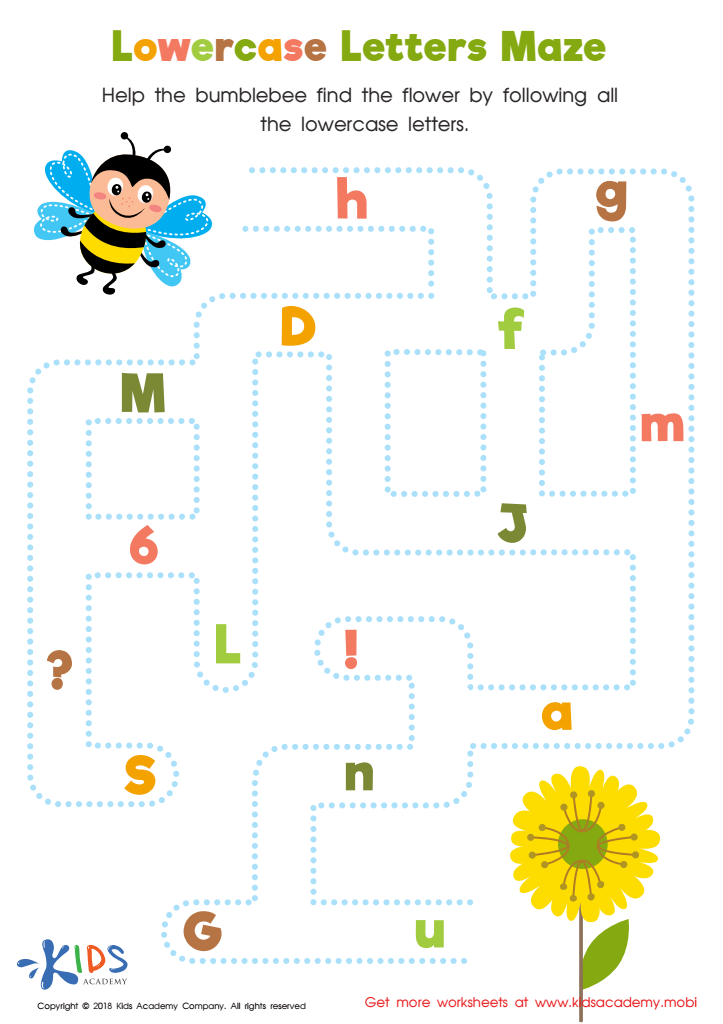
Lowercase Letters Maze Worksheet
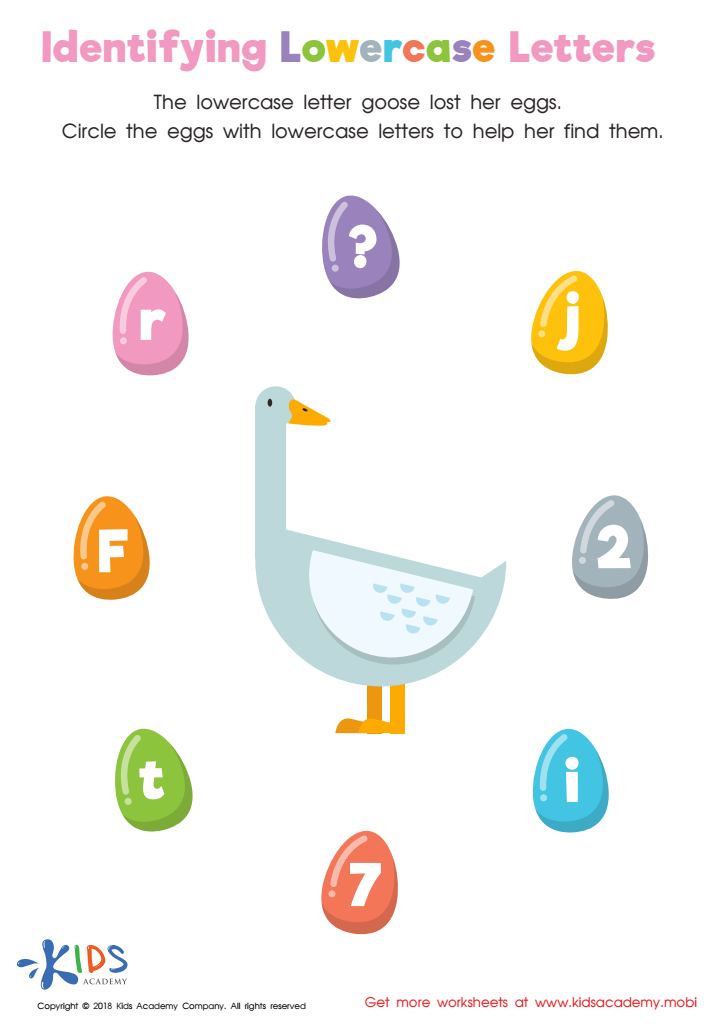
Identifying Lowercase Letters Worksheet
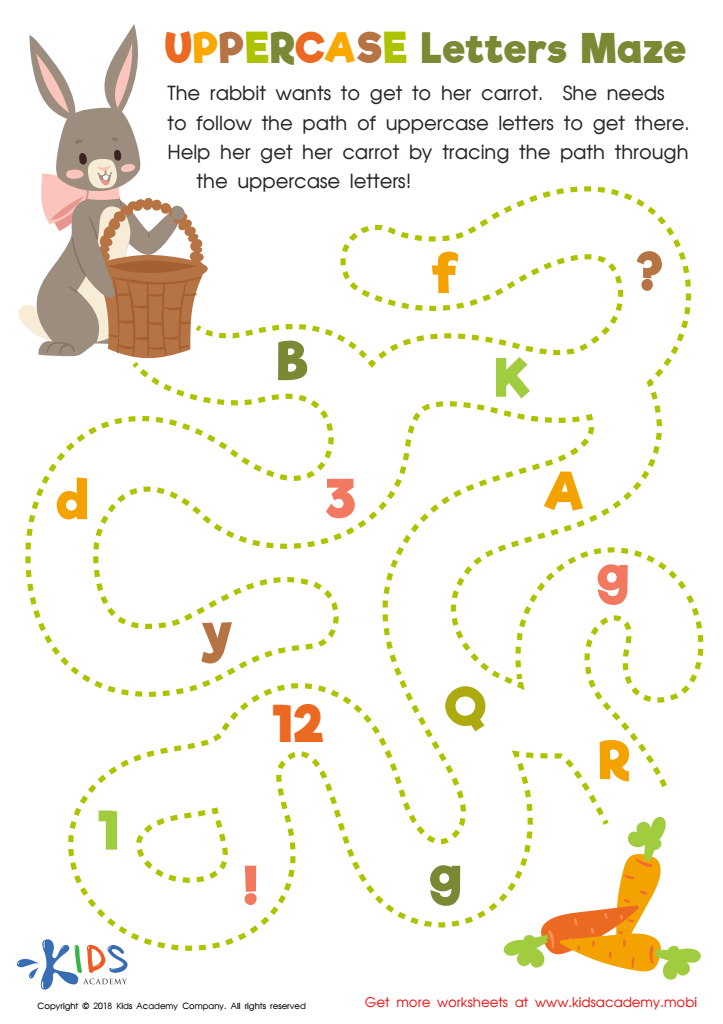
Uppercase Letters Maze Worksheet
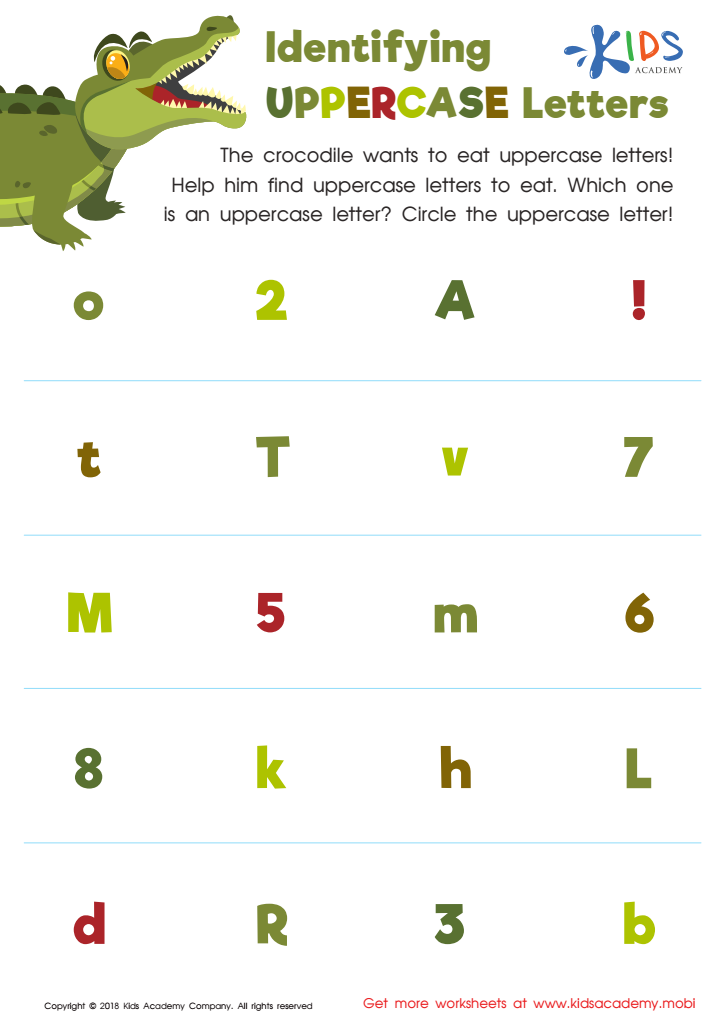
Identifying Uppercase Letters Worksheet
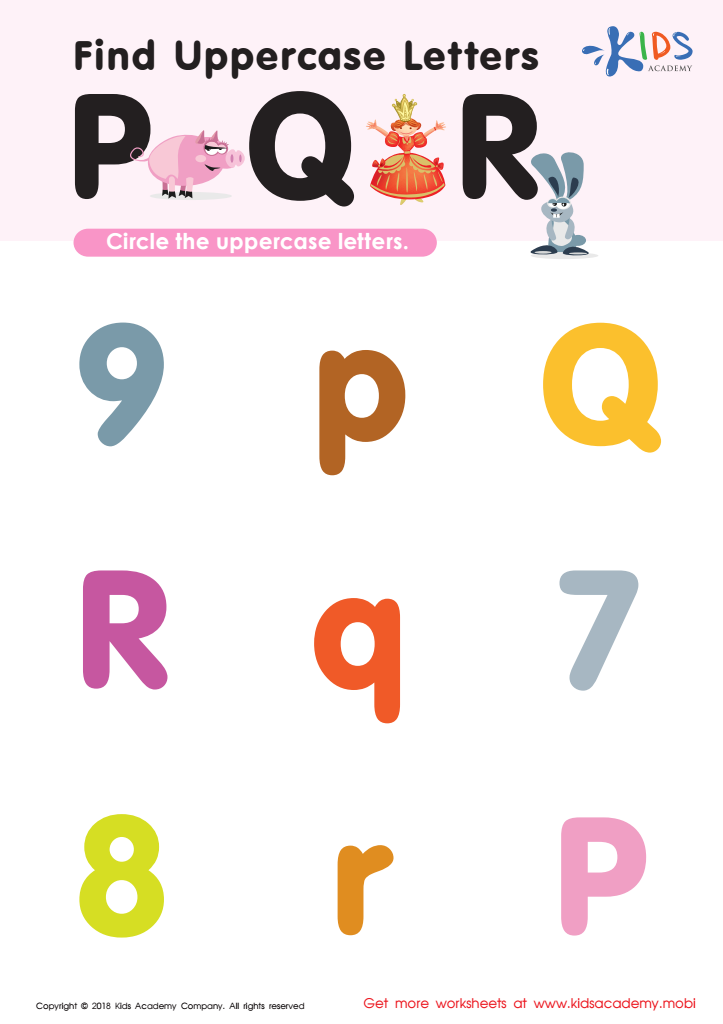
Find Uppercase Letters P, Q, and R Worksheet
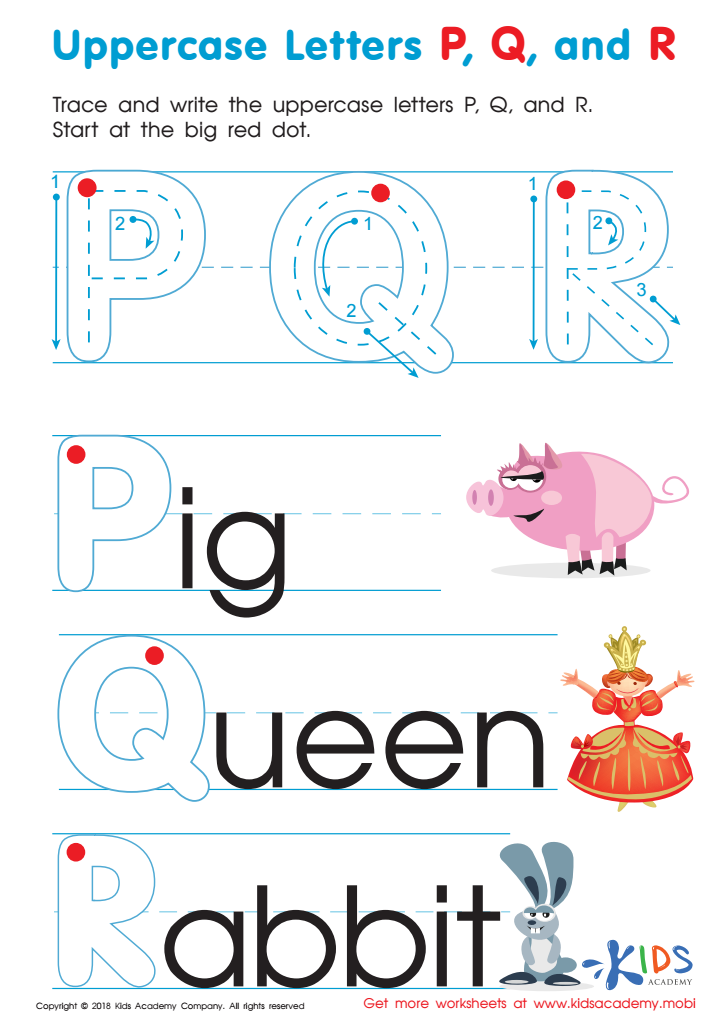
Uppercase Letters P, Q, and R Worksheet
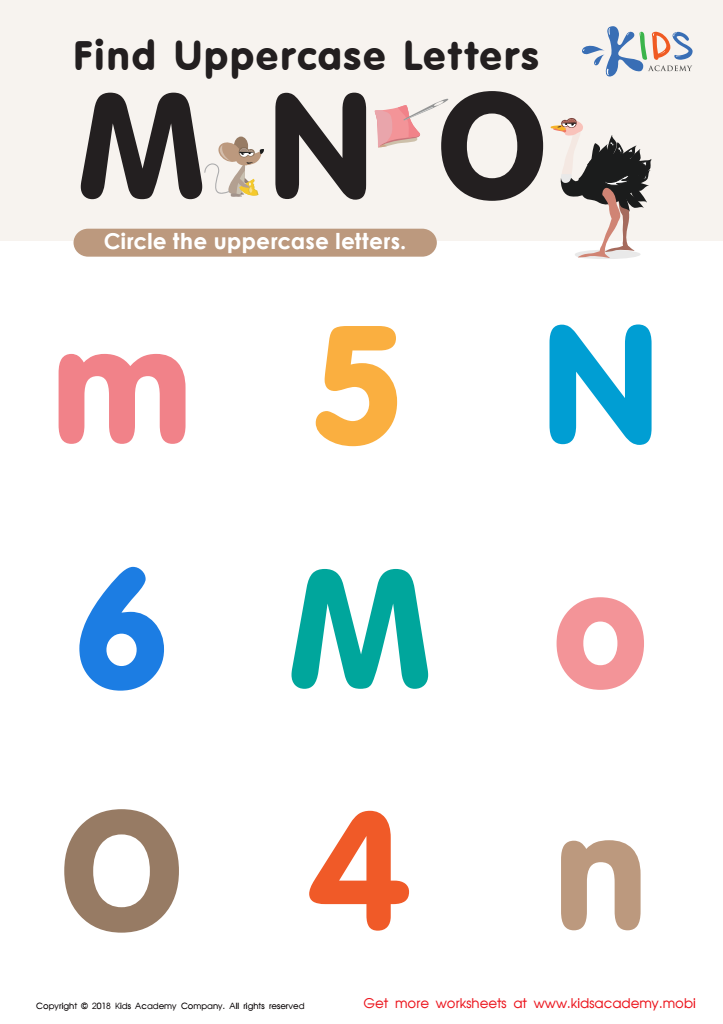
Find Uppercase Letters M, N, and O Worksheet
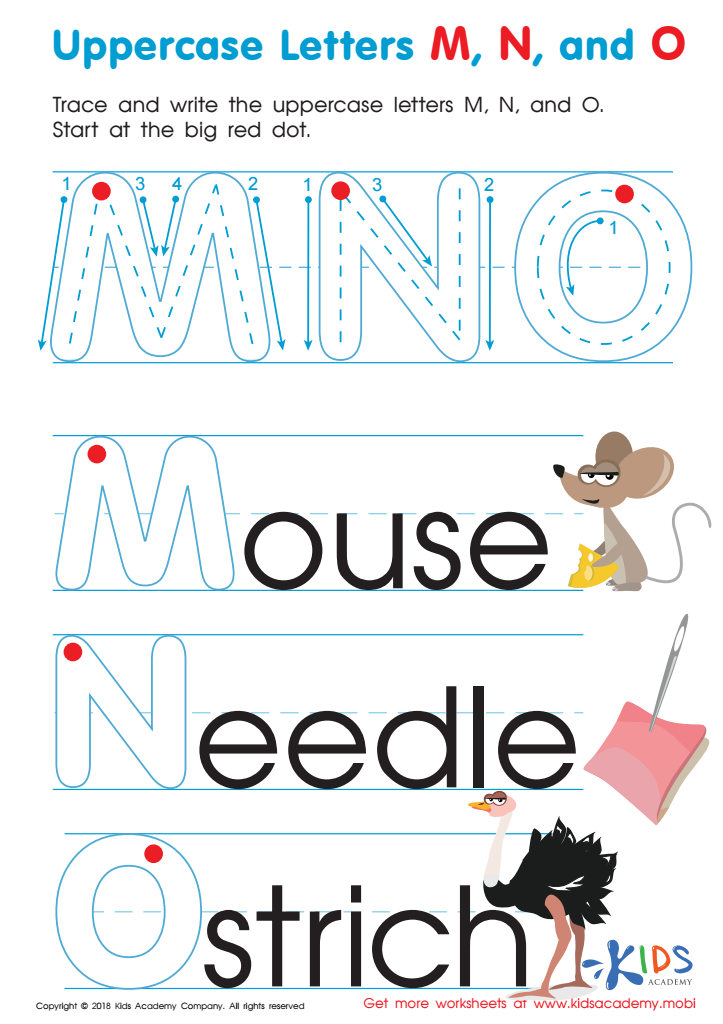
Uppercase Letters M, N, and O Worksheet
Find Uppercase Letters J, K, and L Worksheet
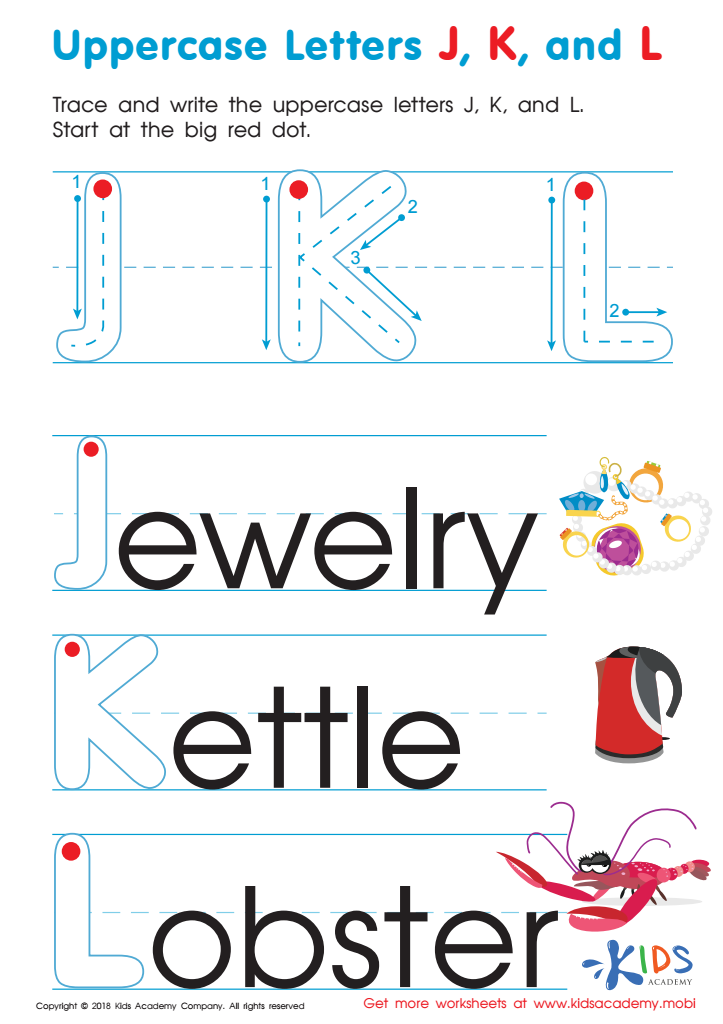
Uppercase Letters J, K, and L Worksheet
Find Uppercase Letters G, H, and I Worksheet
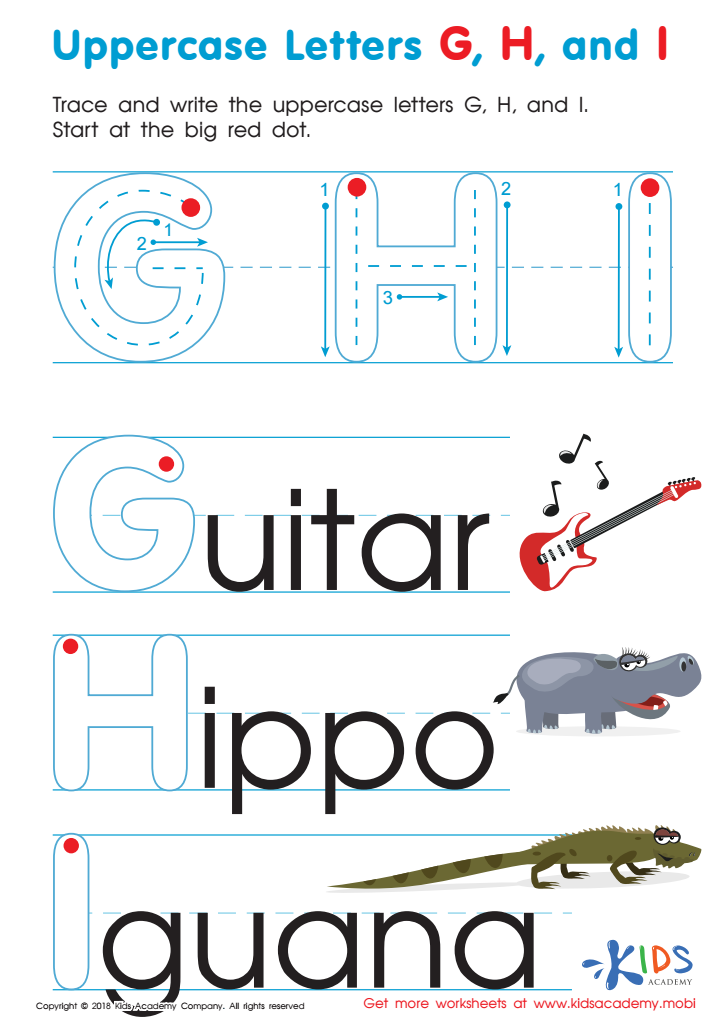
Uppercase Letters G, H, and I Worksheet
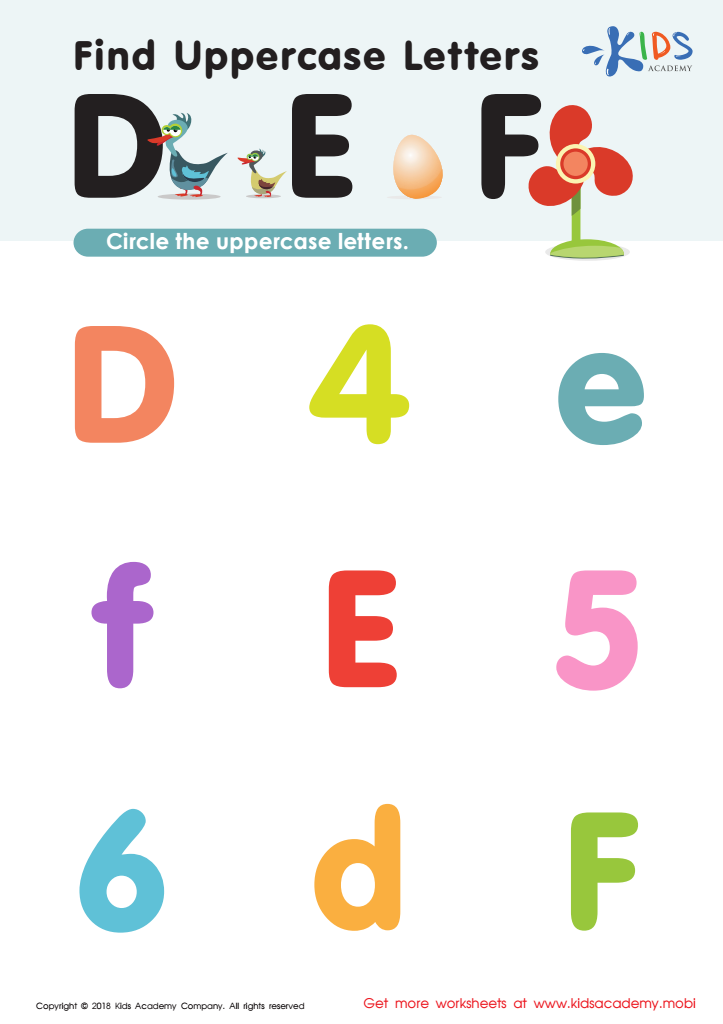
Find Uppercase Letters D, E, and F Worksheet
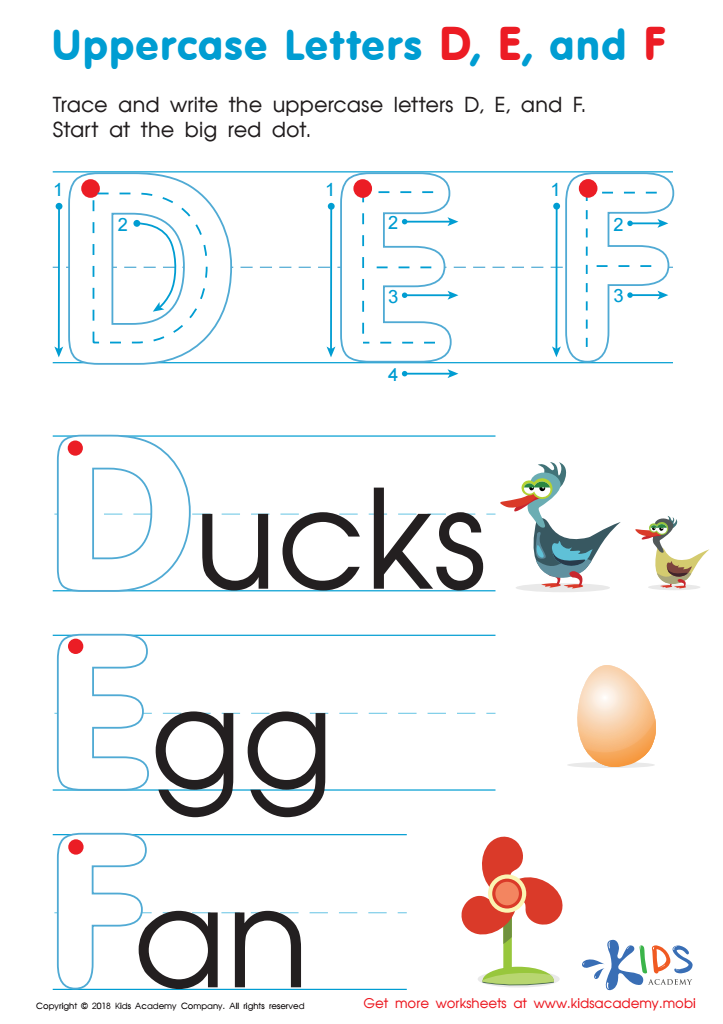
Uppercase Letters D, E, and F Worksheet

Find Uppercase Letters A, B, and C Worksheet
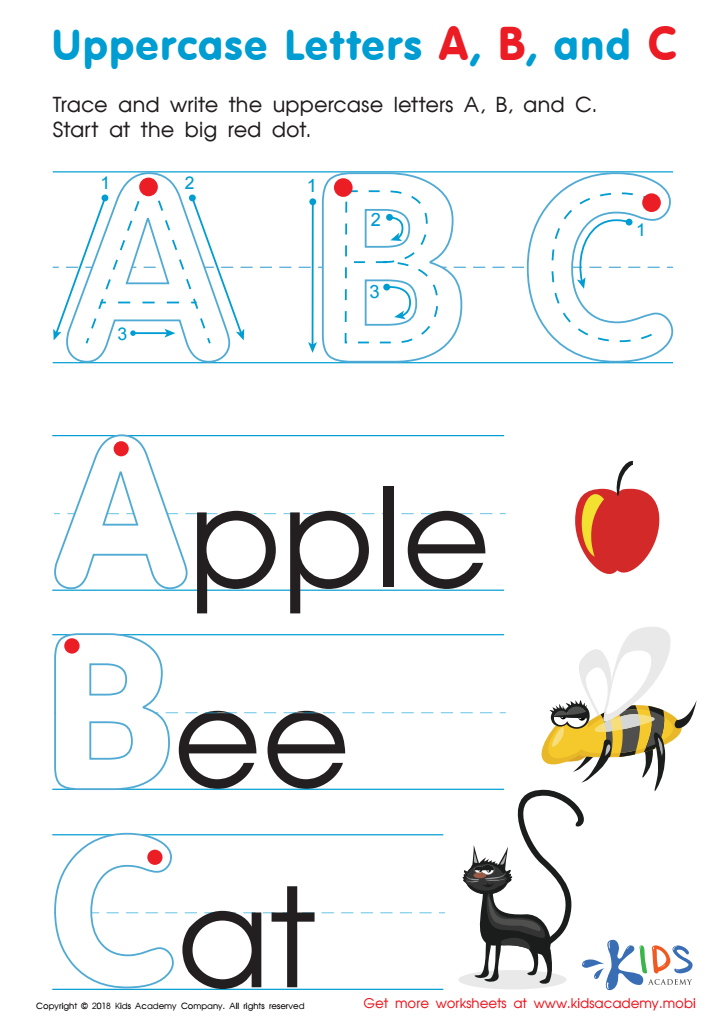
Uppercase Letters A, B, and C Worksheet
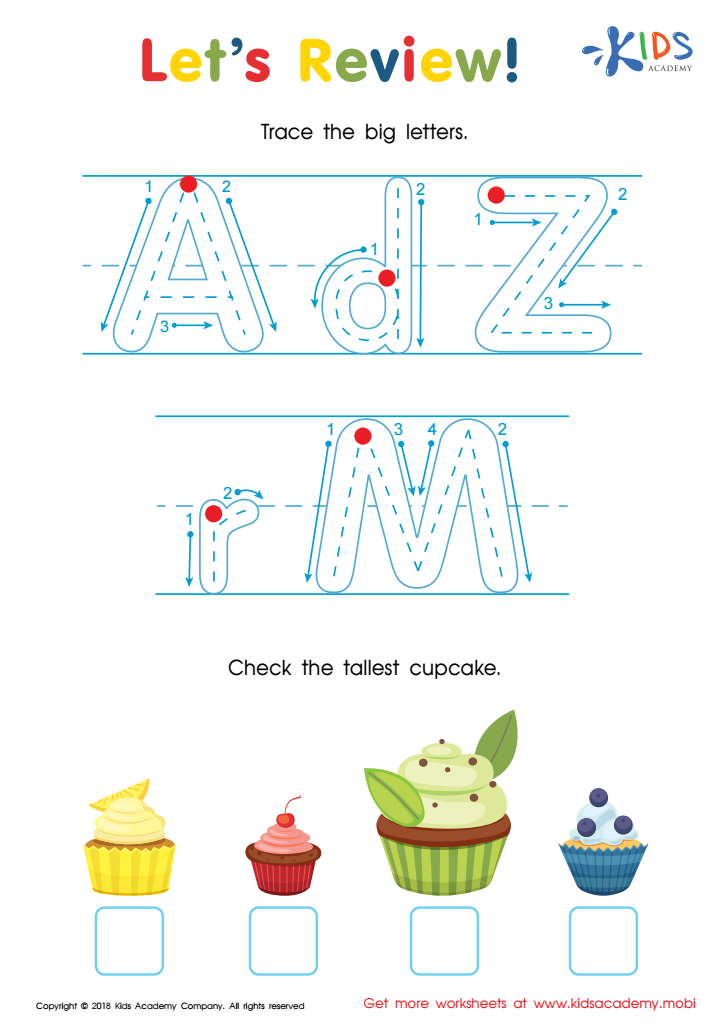
Let's Review! Big Letters Worksheet






Parents and teachers should prioritize teaching normal upper and lowercase letters to children ages 4-8 because these formative years are critical for literacy development. Recognizing and writing letters correctly is a foundational skill that directly impacts reading and writing proficiency. At this age, students typically begin reading and are introduced to various forms of written communication; understanding the distinction between upper and lowercase letters ensures clarity and accuracy as they learn.
Mastering both uppercase and lowercase letters aids in phonic awareness, helping children decipher print and make sound-letter relationships, which is essential for word recognition. This skill is a precursor for reading fluency, allowing children to read more efficiently and with greater comprehension. Moreover, learning the correct letter forms supports proper handwriting techniques, promoting fine motor skills and the physical dexterity needed for lifelong communication.
Additionally, understanding correct letter forms encourages children to notice and appreciate text features in books, signs, and resource materials, laying the groundwork for effective learning across different subjects. This early attention to detail helps prevent confusion, supports cognitive development, and fosters a positive, confident attitude towards broader literacy tasks. Thus, focusing on normal upper and lowercase letters provides children with a strong, versatile foundation for their future educational journey.







