Normal Addition and Subtraction Word Problems Worksheets for Ages 4-8 - Page 2
29 filtered results
-
From - To
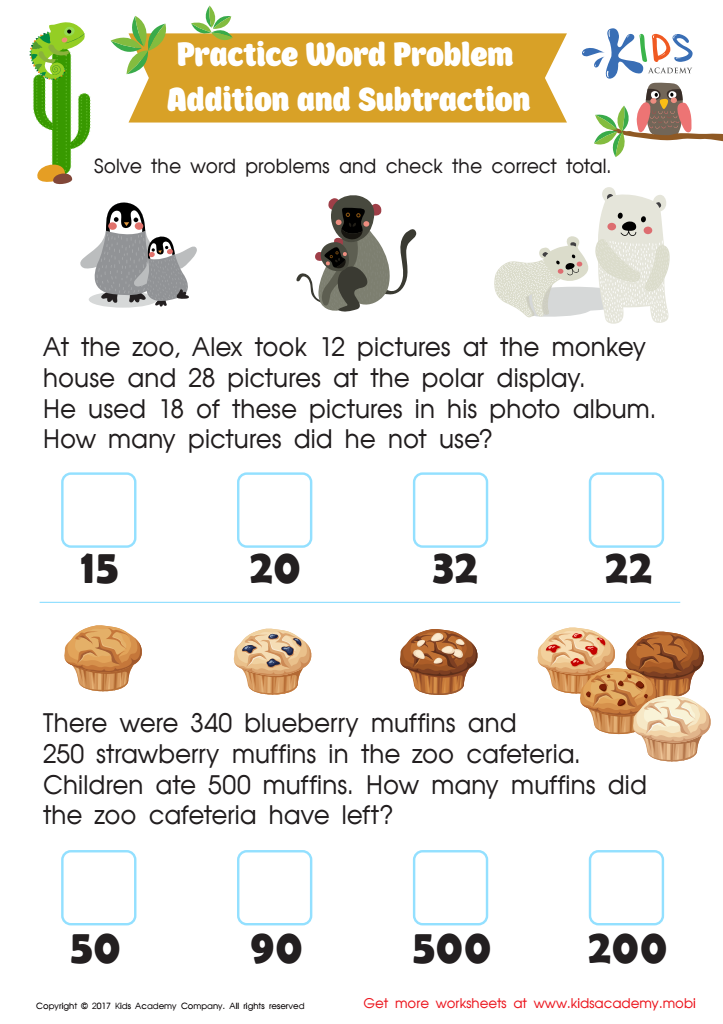
Addition and Subtraction: Word Problems Worksheet
 Assign to My Students
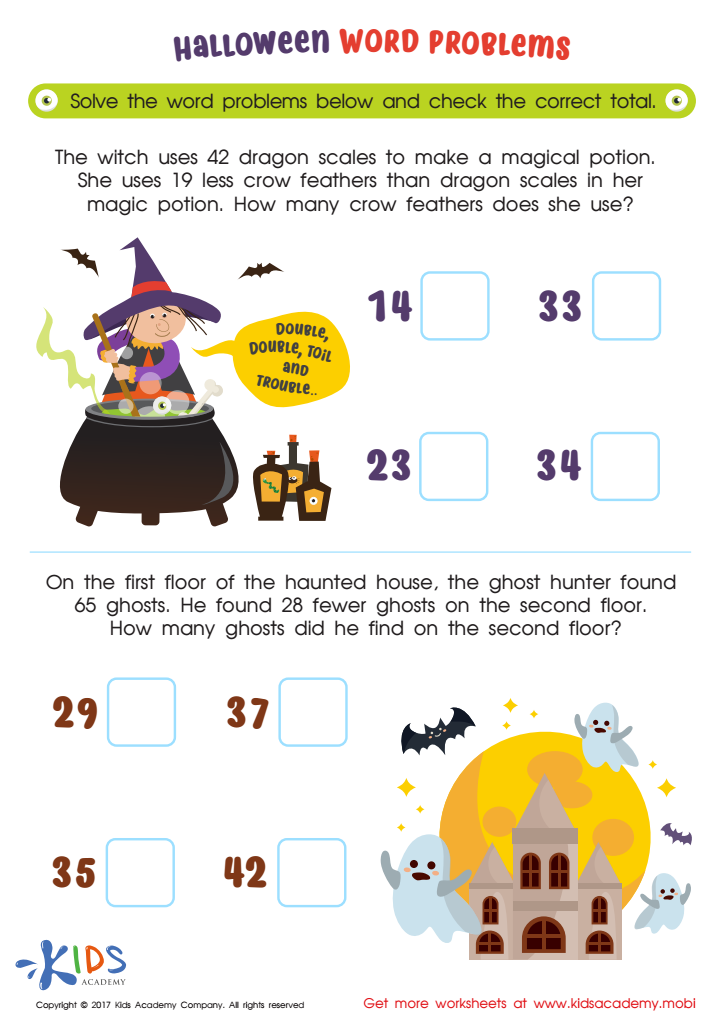
Halloween Word Problems Printable
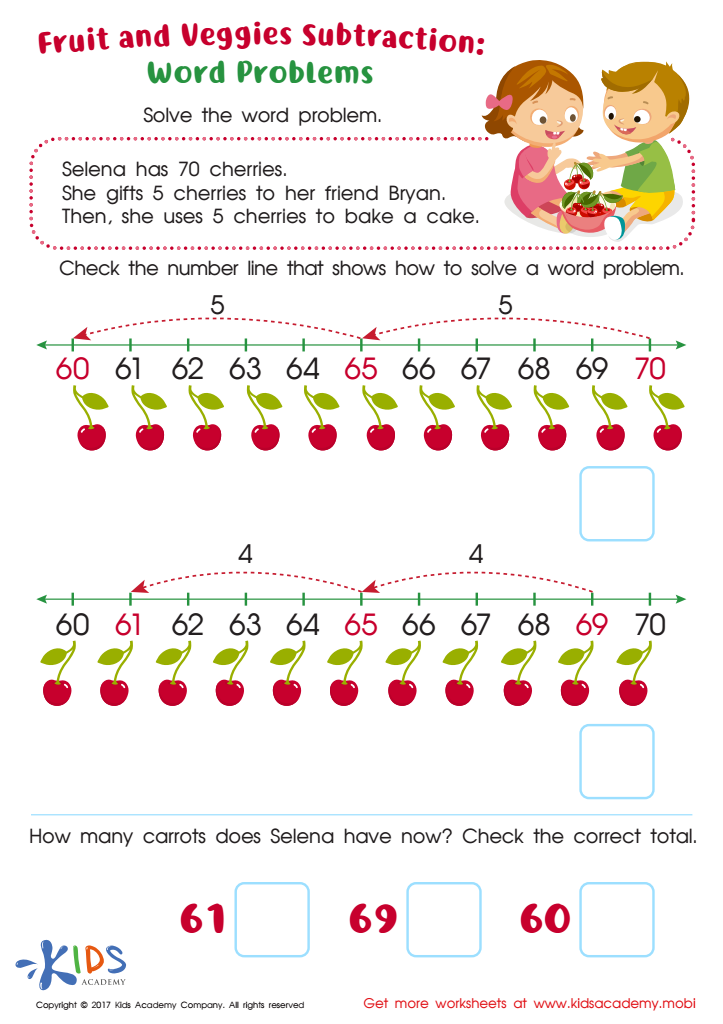
Subtraction Word Problems Free Printable
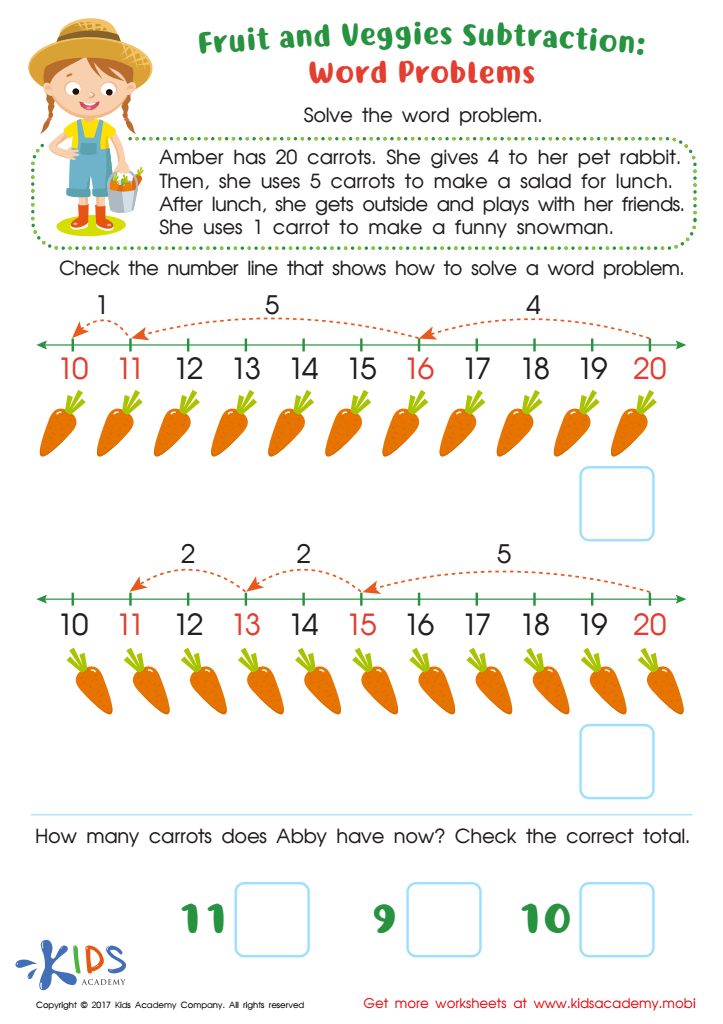
Subtraction Word Problems Printable
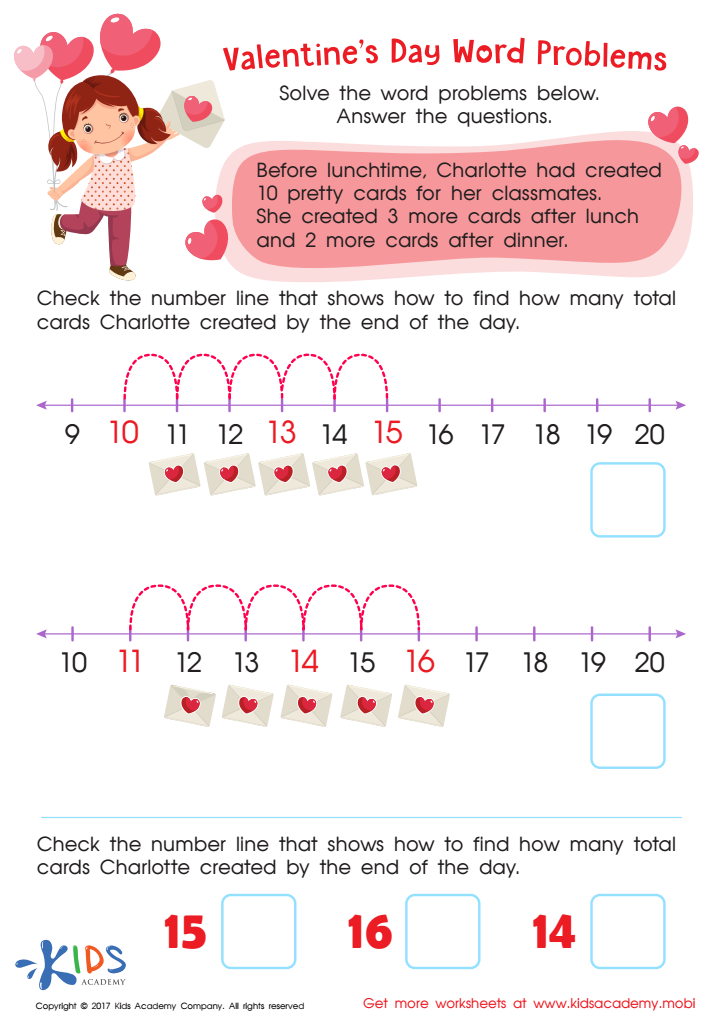
Valentines Day Word Problem Worksheet








Parents and teachers should prioritize normal addition and subtraction word problems for children aged 4-8 because these math skills are foundational for later learning. At this age, children are developing critical thinking and problem-solving abilities, which are essential for success in mathematics and other subjects. Engaging with word problems allows children to apply math concepts to real-life situations, enhancing their understanding and making abstract numbers more relatable.
Furthermore, these problems improve language skills and comprehension. As children read and interpret word problems, they learn to decipher important information and relevant details, fostering higher-order thinking skills. This process builds confidence and encourages a proactive approach to complex tasks.
Moreover, introducing word problems at a young age aligns with the development of social and emotional skills. It encourages collaboration, as students often discuss strategies and solutions with peers or adult facilitators. Early experiences with discovering multiple problem-solving methods can cultivate a growth mindset, teaching children that making mistakes is part of the learning process.
In summary, normal addition and subtraction word problems are crucial for nurturing a well-rounded skill set in young learners, balancing academic, cognitive, language, and social development, and instilling a love for learning that lasts a lifetime.