Normal Numbers 0–10 Worksheets for Ages 4-8 - Page 2
34 filtered results
-
From - To
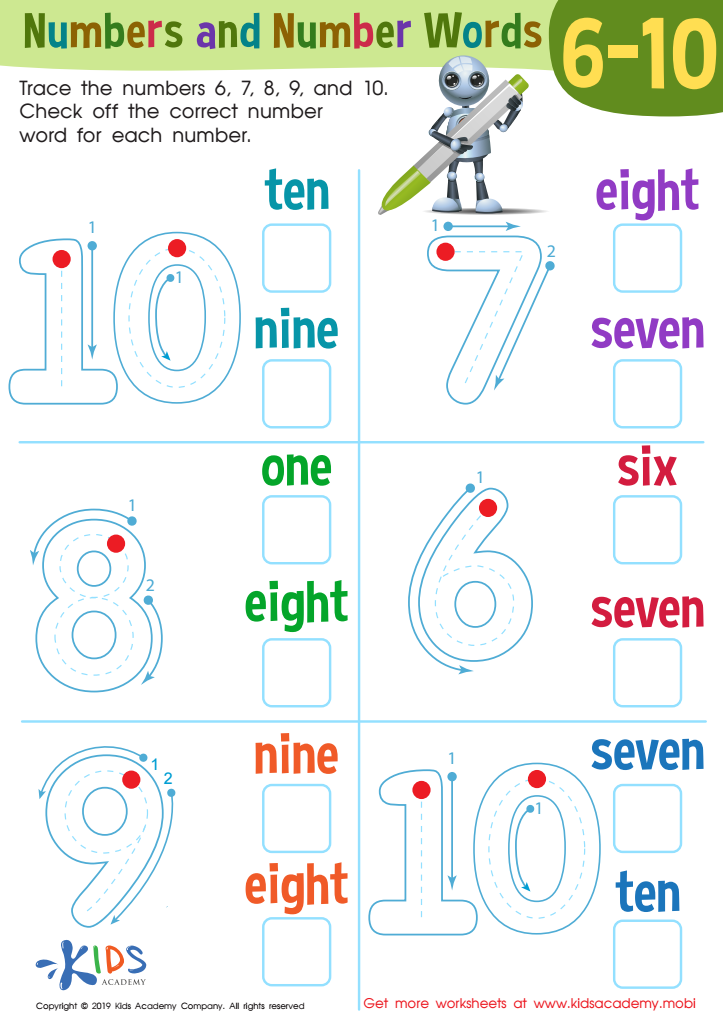
Numbers and Number Words 6–1 Worksheet
 Assign to My Students
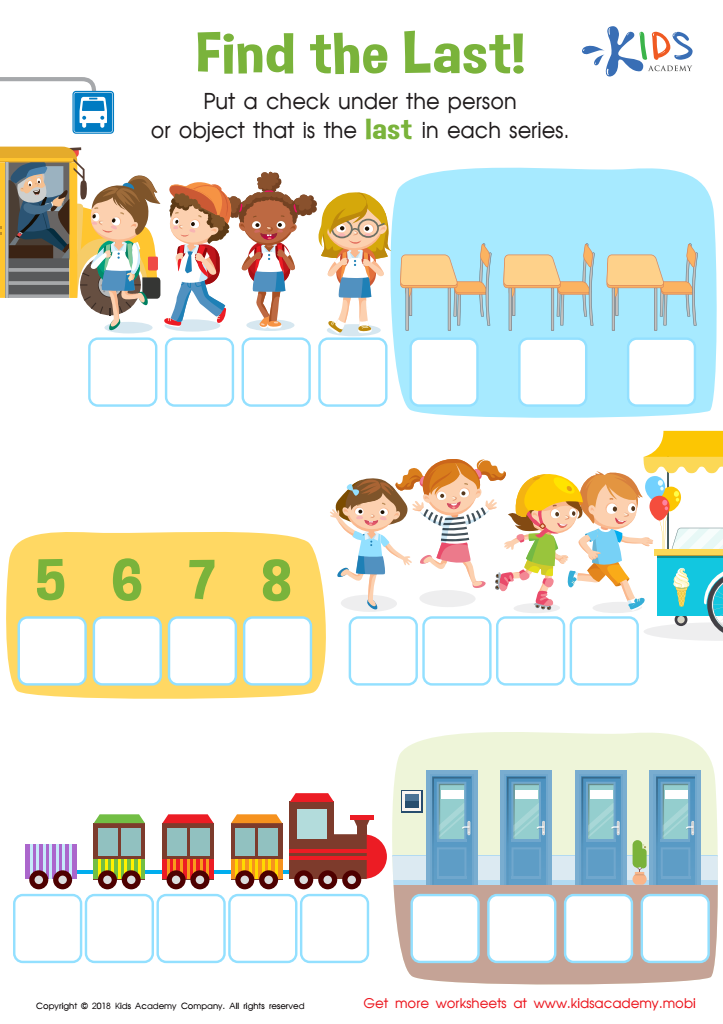
Find the Last! Worksheet
Matching: Classifying Toys by Size Worksheet
Count and Match 1 – 5 Math Worksheet
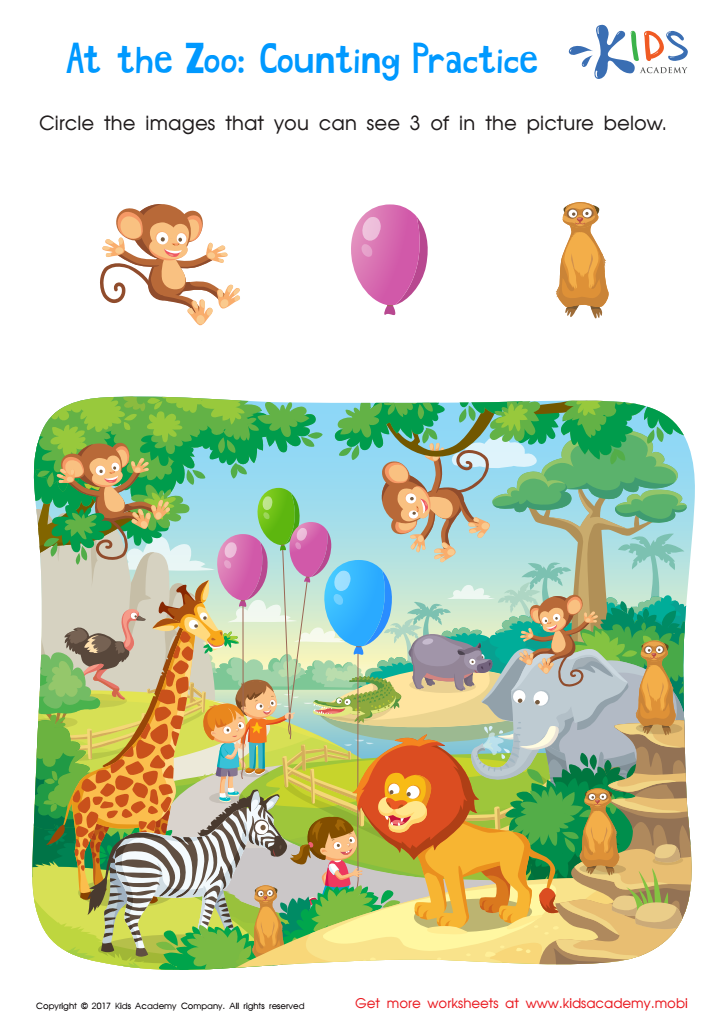
At the Zoo: Counting Practice Worksheet
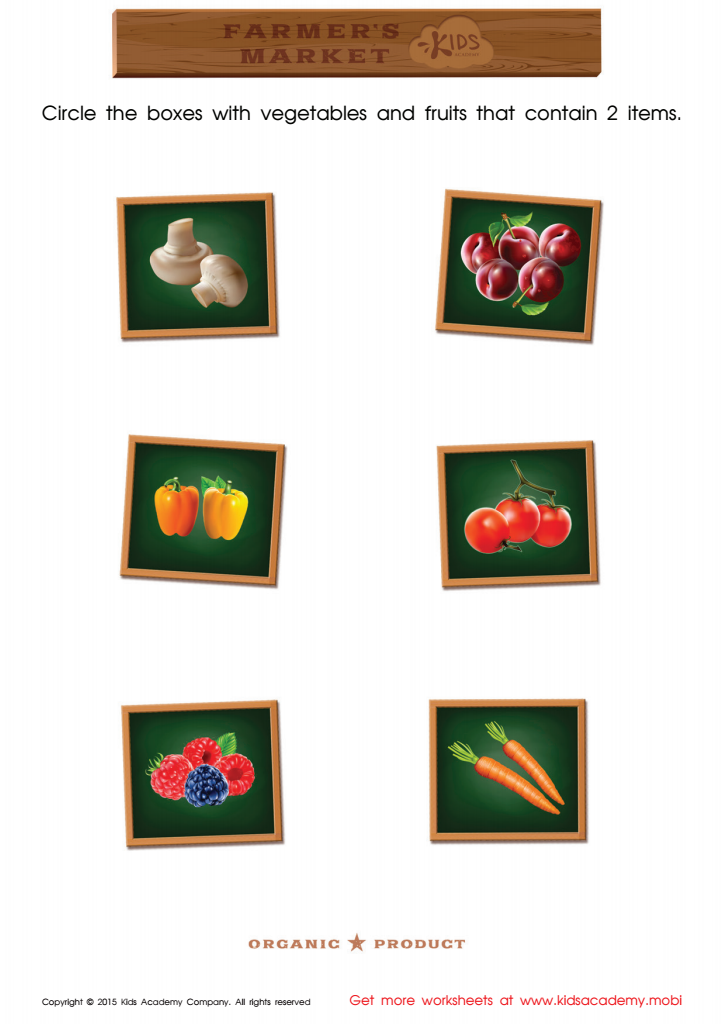
Count and Match Vegetables and Points Math Worksheet
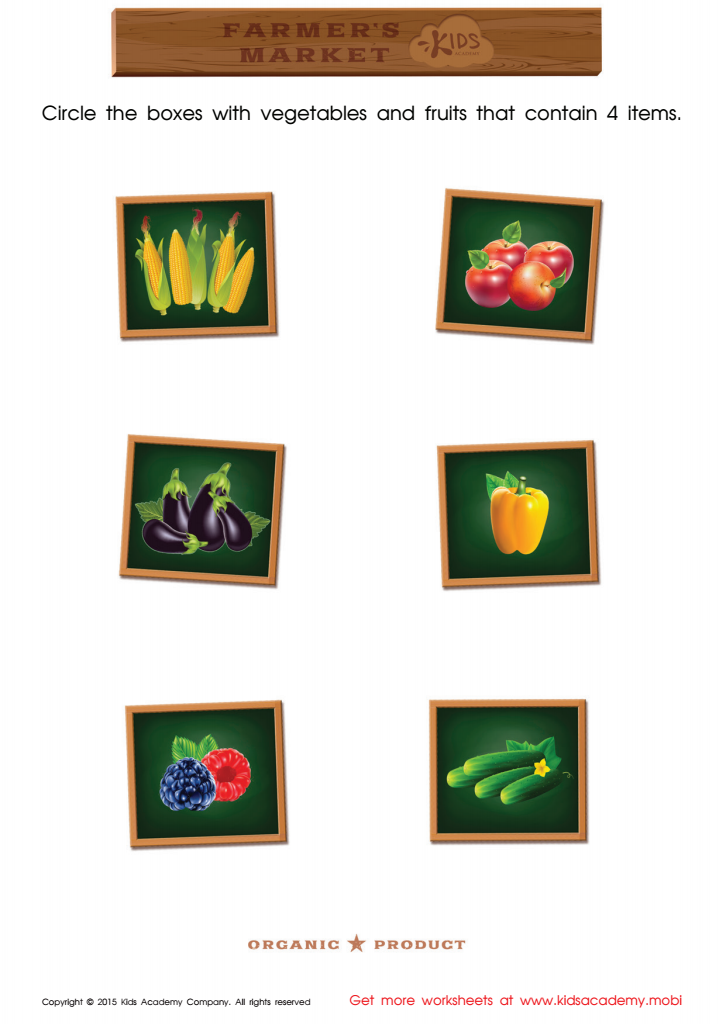
Count and Match Vegetables 2 – 8 Math Worksheet

Count and Match Vegetables 1 – 5 Math Worksheet
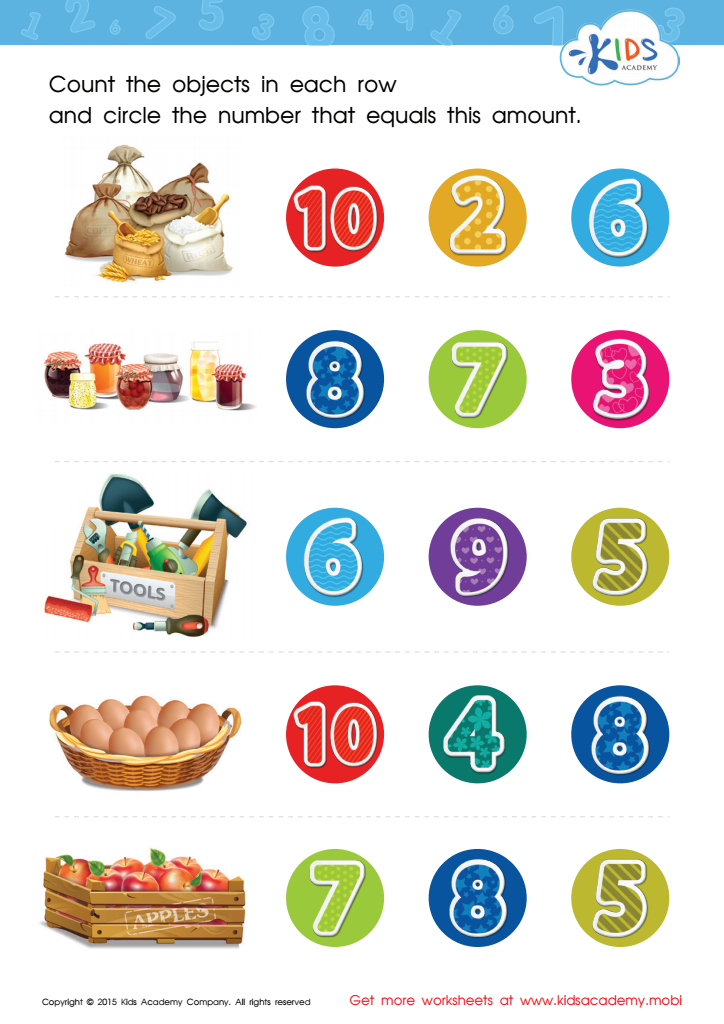
Count and Match 6 – 10 Math Worksheet
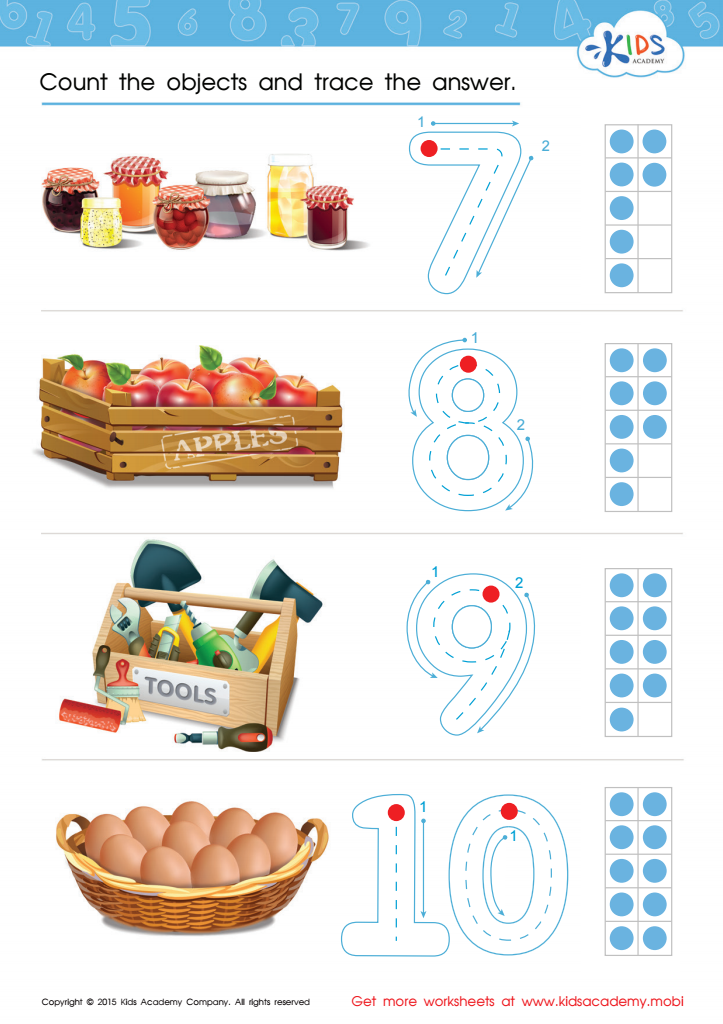
Count and Trace 7 – 10 Worksheet








Understanding the basics of normal numbers (0-10) is crucial for children between the ages of 4-8 because it forms the foundation of their numerical comprehension and mathematical abilities. At this age, children are in a developmental stage where they grasp concepts through tangible, relatable experiences. Normal numbers provide a gateway to essential skills like counting, addition, and subtraction, which are fundamental for future math proficiency.
For parents and teachers, engaging children with numbers 0-10 can enhance cognitive development, including memory, problem-solving, and logical thinking. Activities like counting objects, simple math games, and story problems make numeracy fun, creating a positive association with learning. This early familiarity helps demystify numbers and reduces anxiety related to math, fostering a confident and curious learner.
Moreover, understanding numbers supports everyday skills such as telling time, understanding money, and measuring quantities, fostering practical life skills. Teachers can incorporate numbers into interactive lessons, while parents can integrate counting into daily routines, like cooking or shopping, making learning seamless and practical.
By establishing a strong numerical foundation, parents and teachers provide children with the tools to succeed academically and in everyday situations, thereby supporting their overall development and confidence in their capabilities.