Normal Space Worksheets for Ages 4-8 - Page 2
37 filtered results
-
From - To
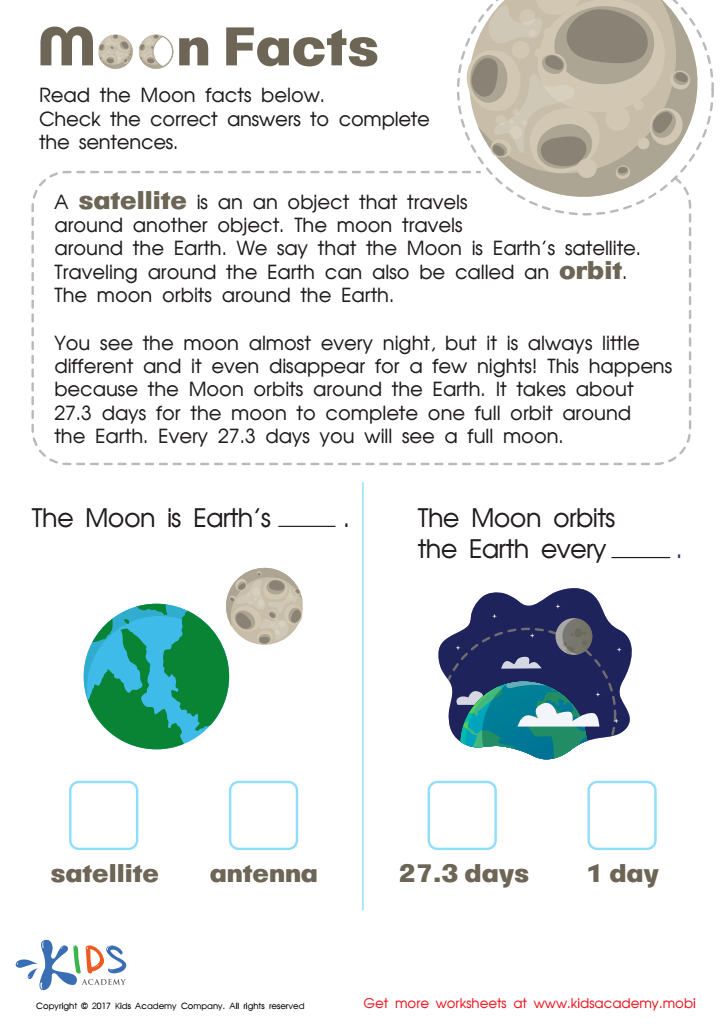
Moon Facts Worksheet
 Assign to My Students
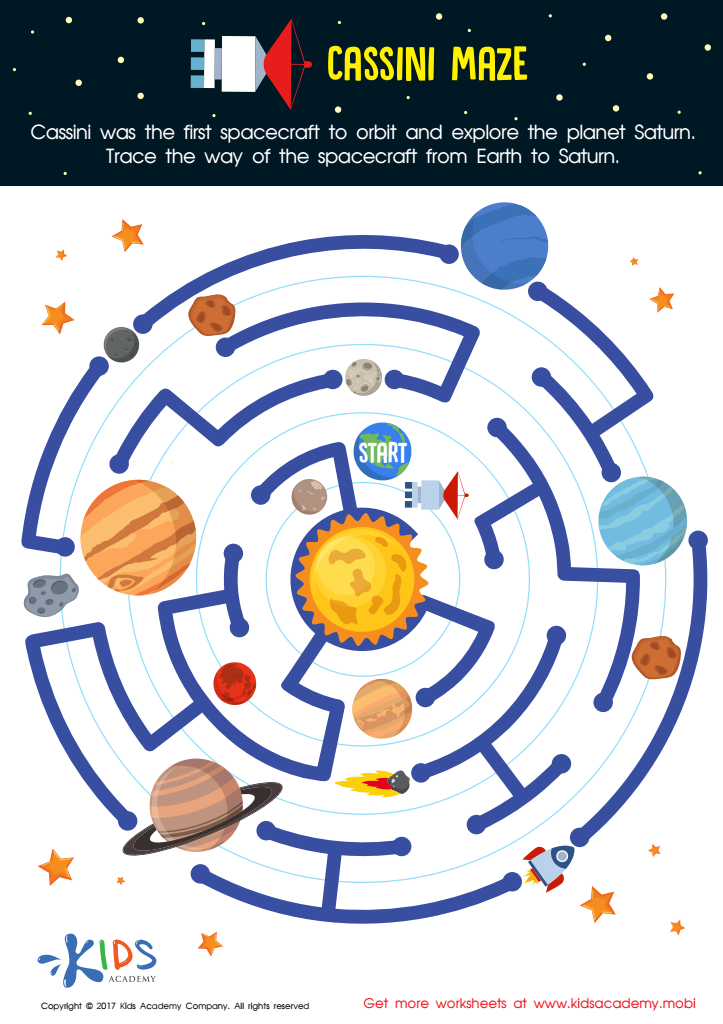
Cassini Printable Worksheet
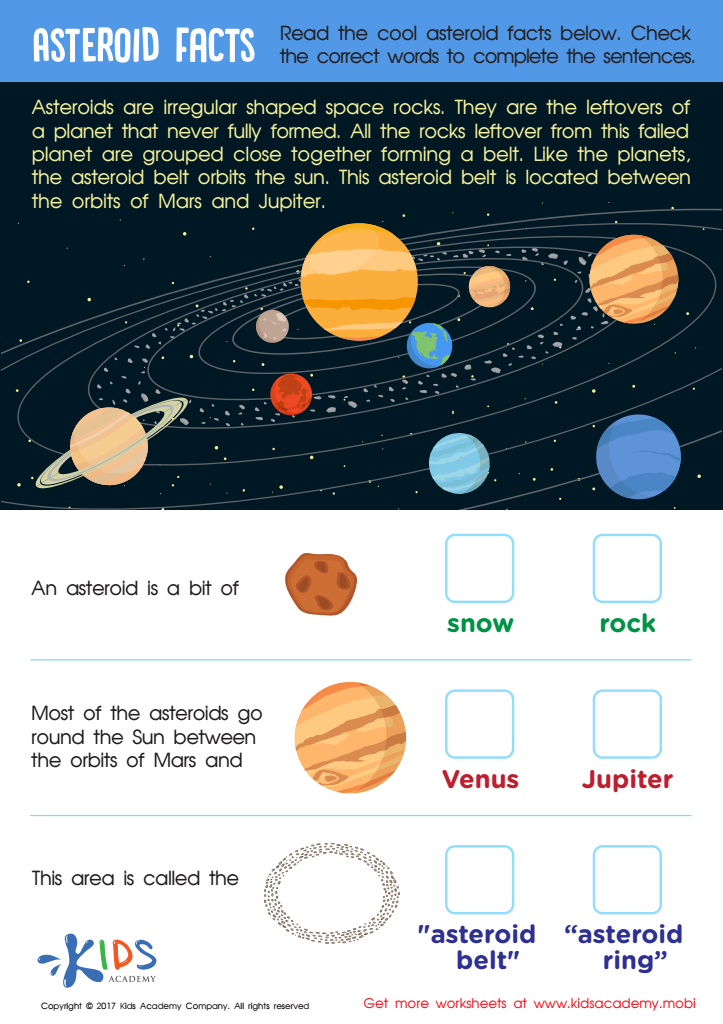
Asteroid Facts Worksheet
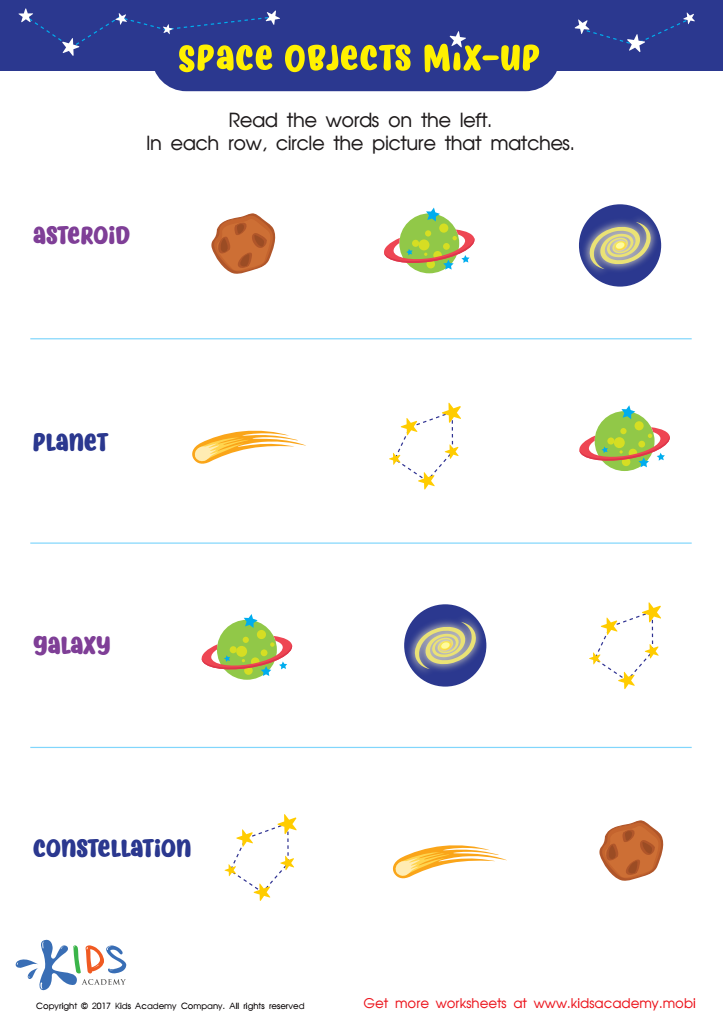
Science: Space Objects Worksheet
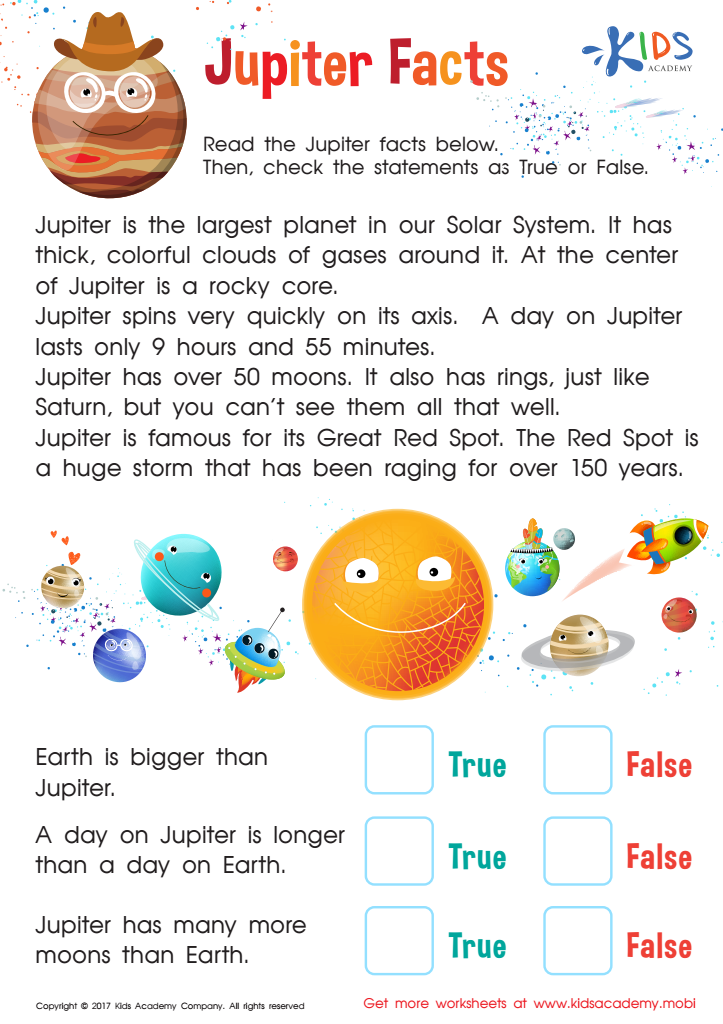
Jupiter Facts Worksheet
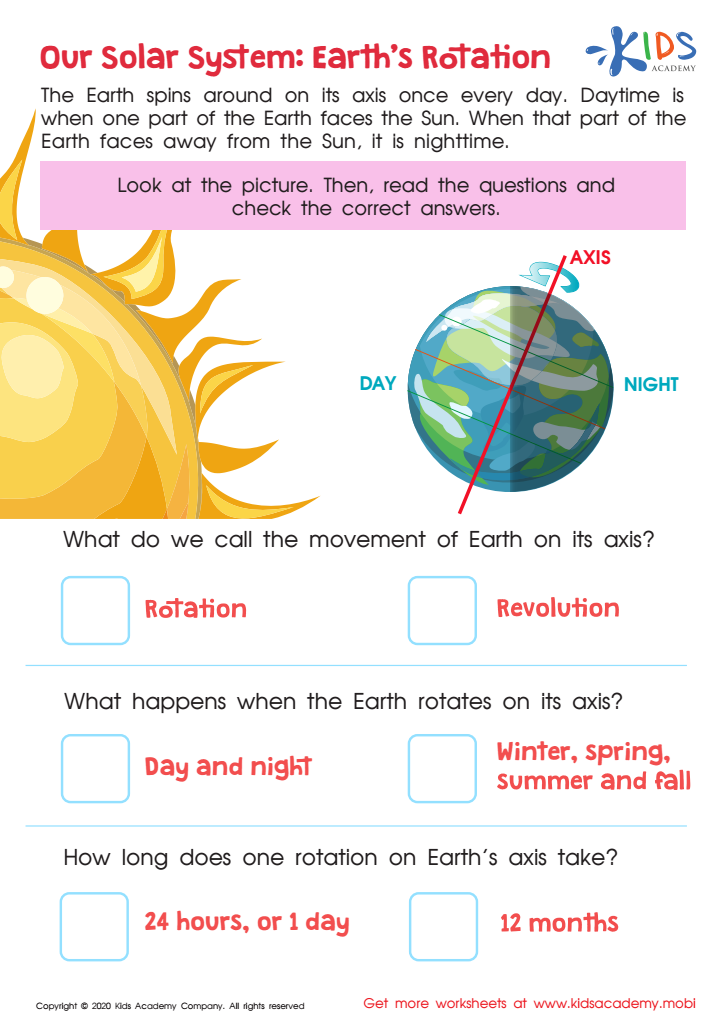
Our Solar System: Earth's Rotation Printable
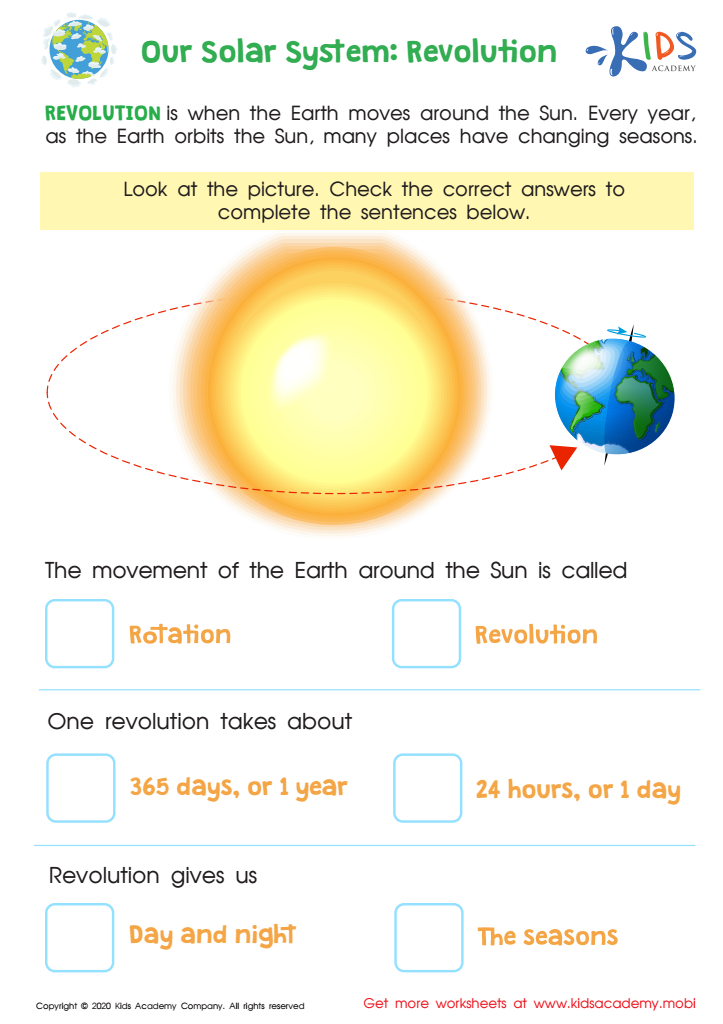
Our Solar System: Revolution Printable
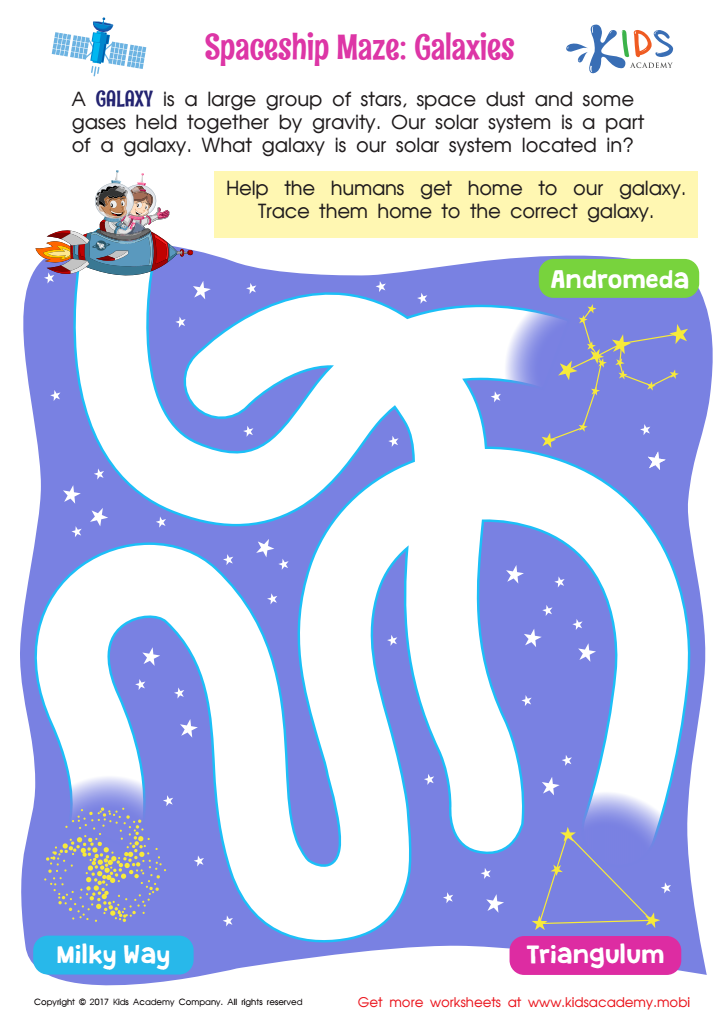
Spaceship Maze: Galaxies Worksheet
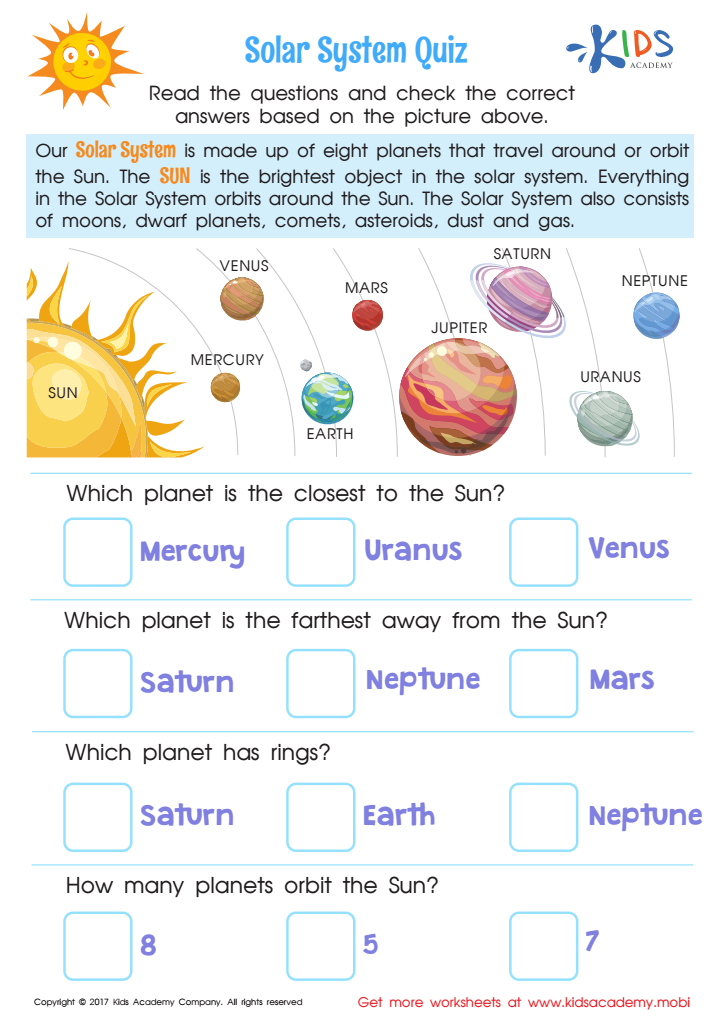
Solar System Quiz Printable
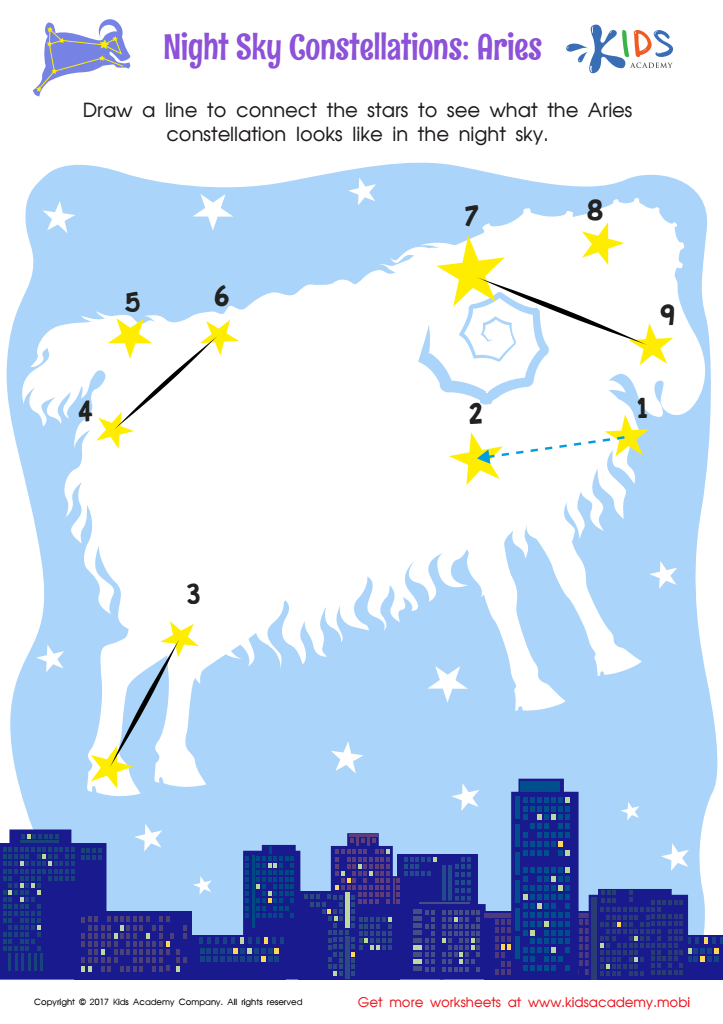
Night Sky Constellations: Aries Worksheet
Astronomer Maze: Telescope Worksheet
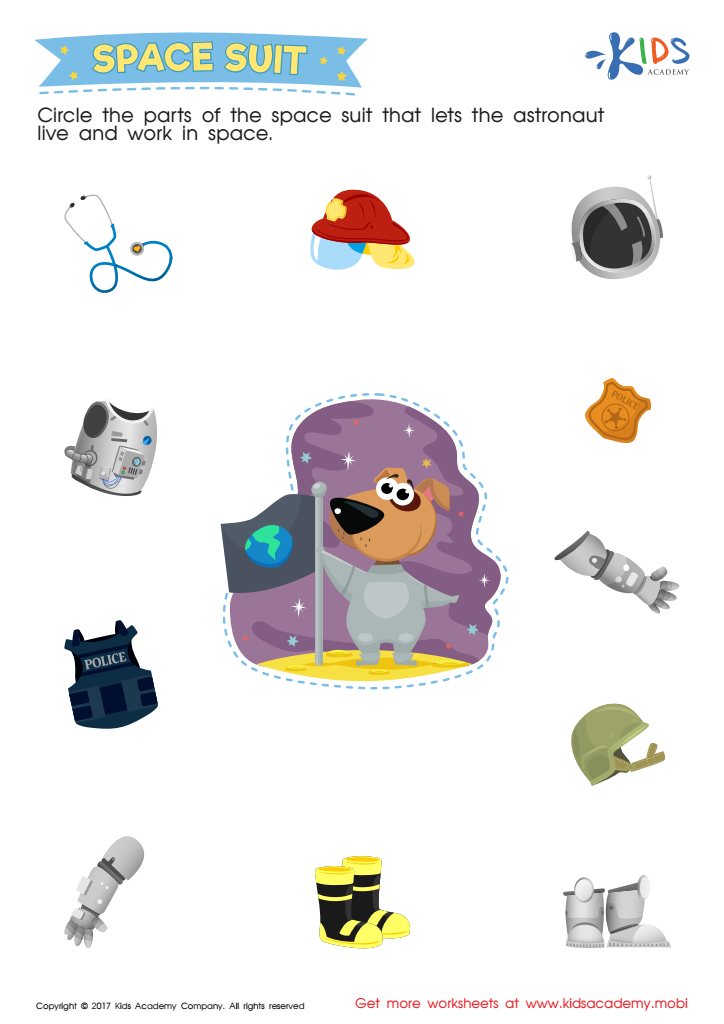
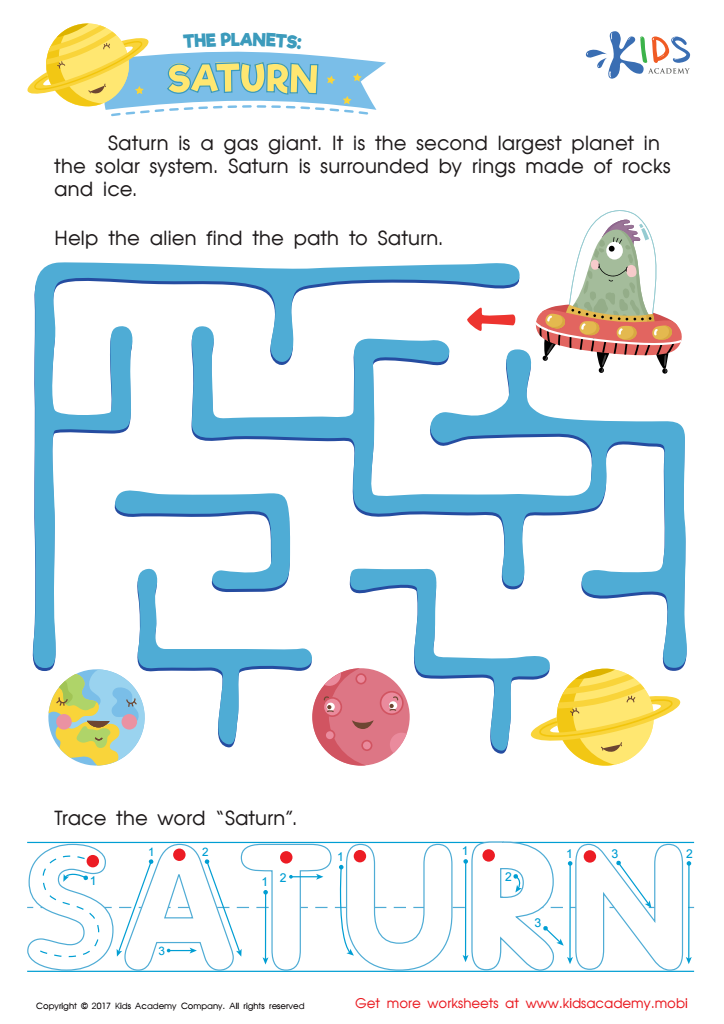
The Planets: Saturn Printable








Normal Space for Ages 4-8 is essential for parents and teachers because it fosters a nurturing environment that allows young children to thrive emotionally, socially, and academically. At this stage, children's cognitive and emotional development is particularly sensitive, and providing a "normal" space ensures they feel safe and secure.
In these formative years, children learn through play and exploration. A normal space encourages curiosity, creativity, and collaboration—a crucial foundation for lifelong learning. It promotes healthy interactions with peers, assisting in the development of social skills such as sharing, empathy, and conflict resolution.
Moreover, Normal Space allows for differentiation in learning. Children with varying developmental needs benefit from a carefully structured environment that honors their individual progress and fosters resilience. Understanding these elements helps parents and teachers create lessons and activities tailored to children's needs, fostering a more inclusive learning atmosphere.
Additionally, by prioritizing Normal Space, caregivers reassure children that their thoughts and emotions are valid, promoting emotional literacy. Overall, Normal Space is fundamental in shaping confident, well-adjusted individuals who can navigate the complexities of learning and life as they grow. Having support in their educational journey empowers children to explore their full potential.







