Normal Science Worksheets for Ages 5-8 - Page 11
312 filtered results
-
From - To
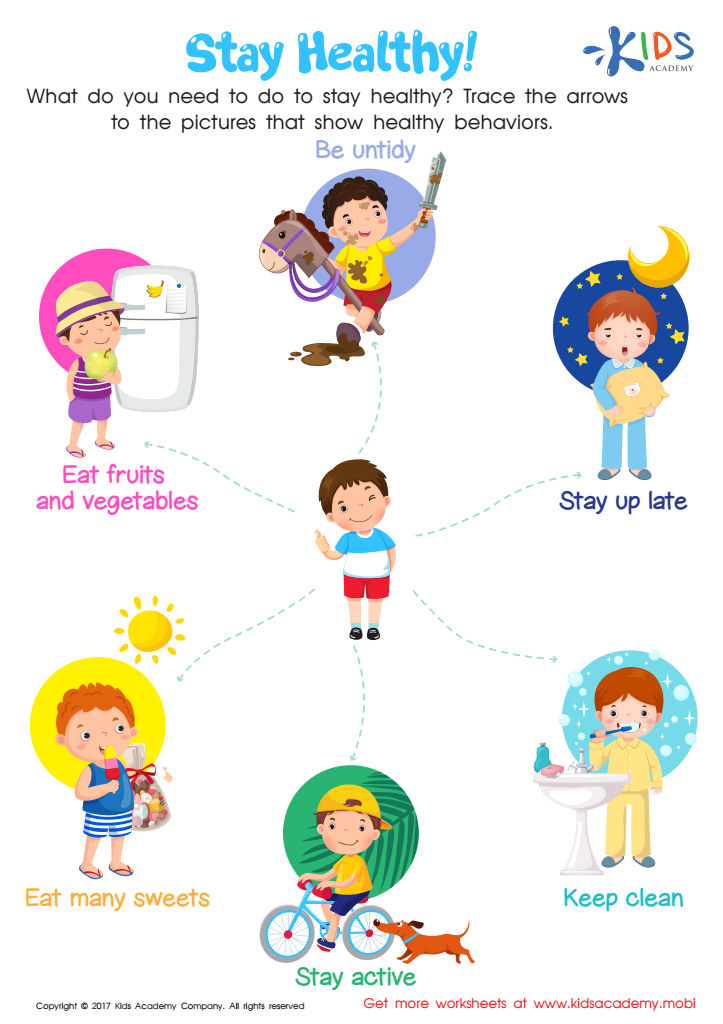
Healthy and Unhealthy Behaviors Worksheet
 Assign to My Students
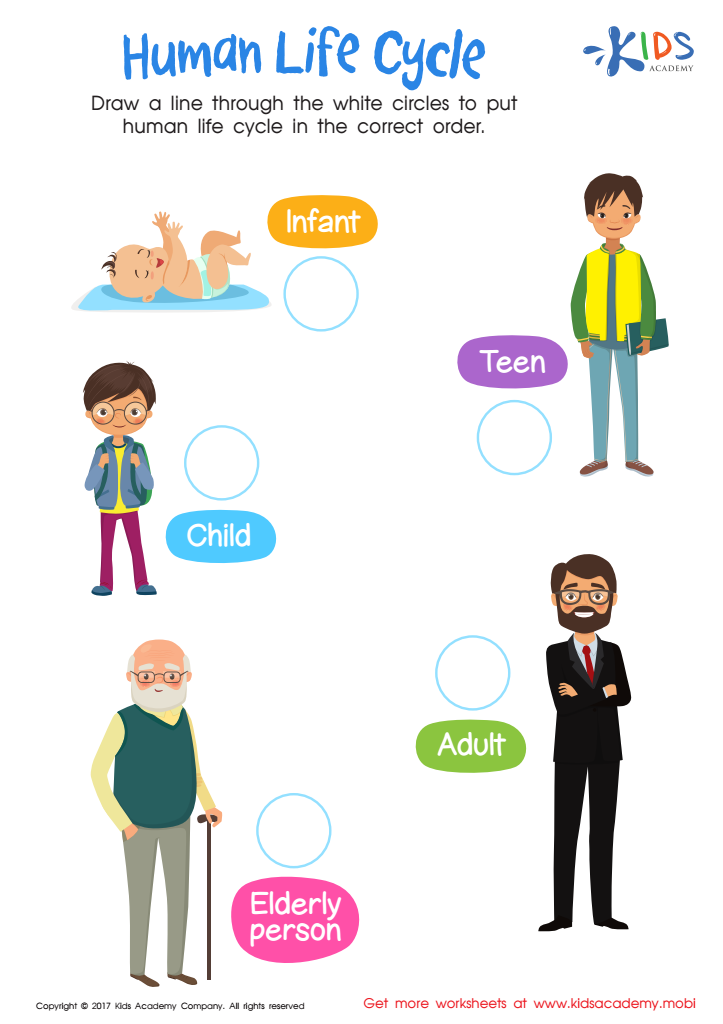
Human Life Cycle Worksheet
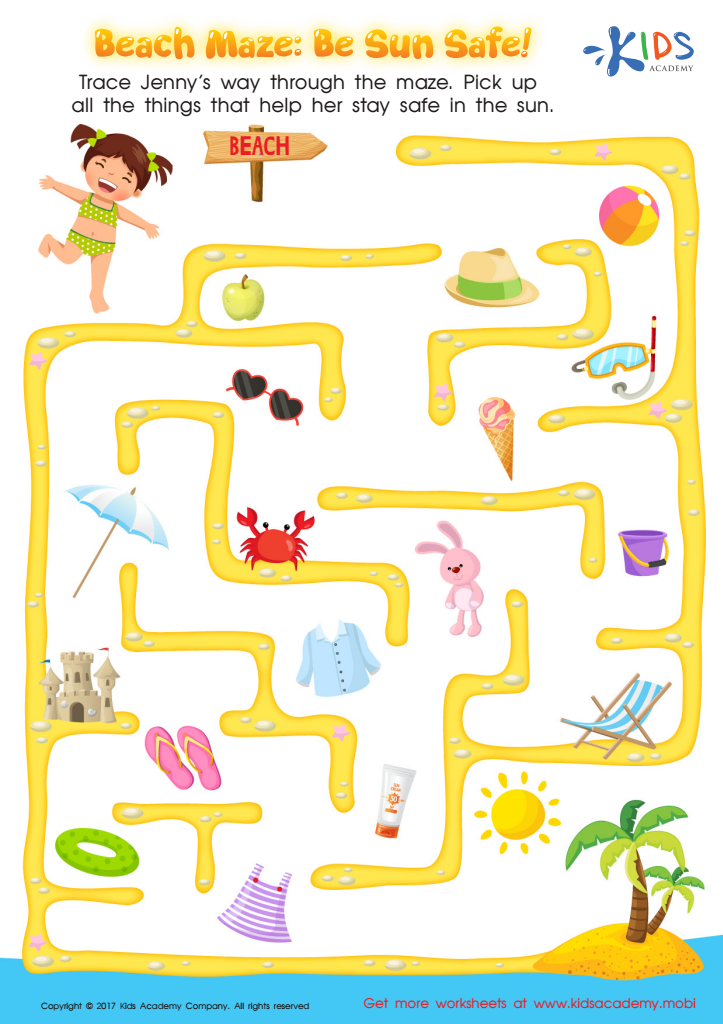
Beach Maze: Sun Safe Worksheet
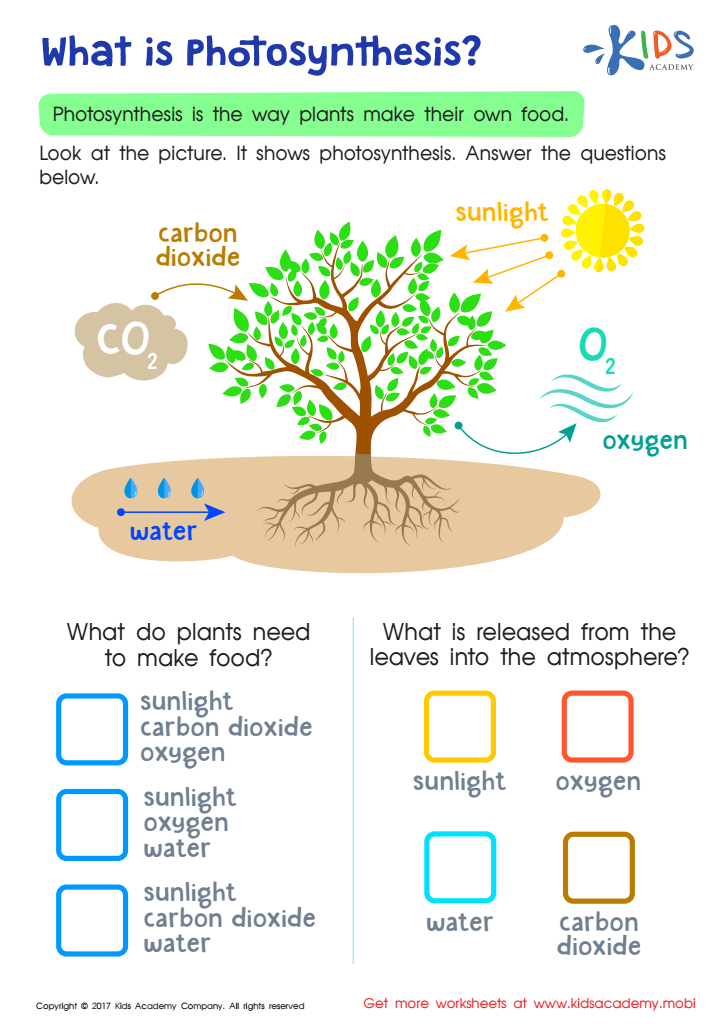
What is Photosynthesis Printable
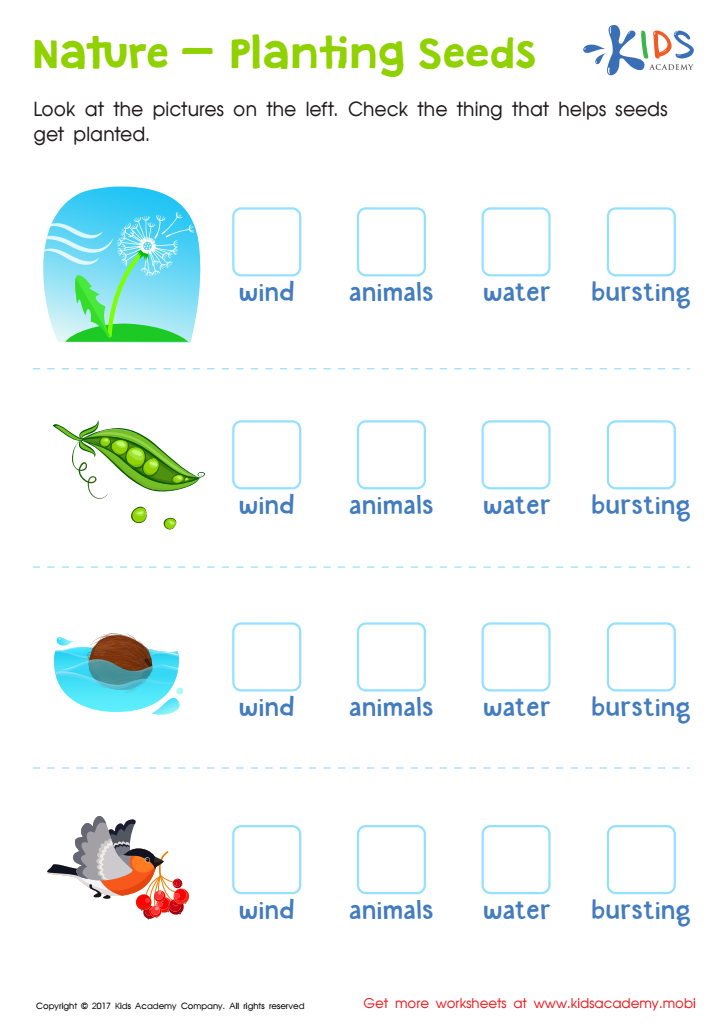
Nature Planting Seeds Worksheet
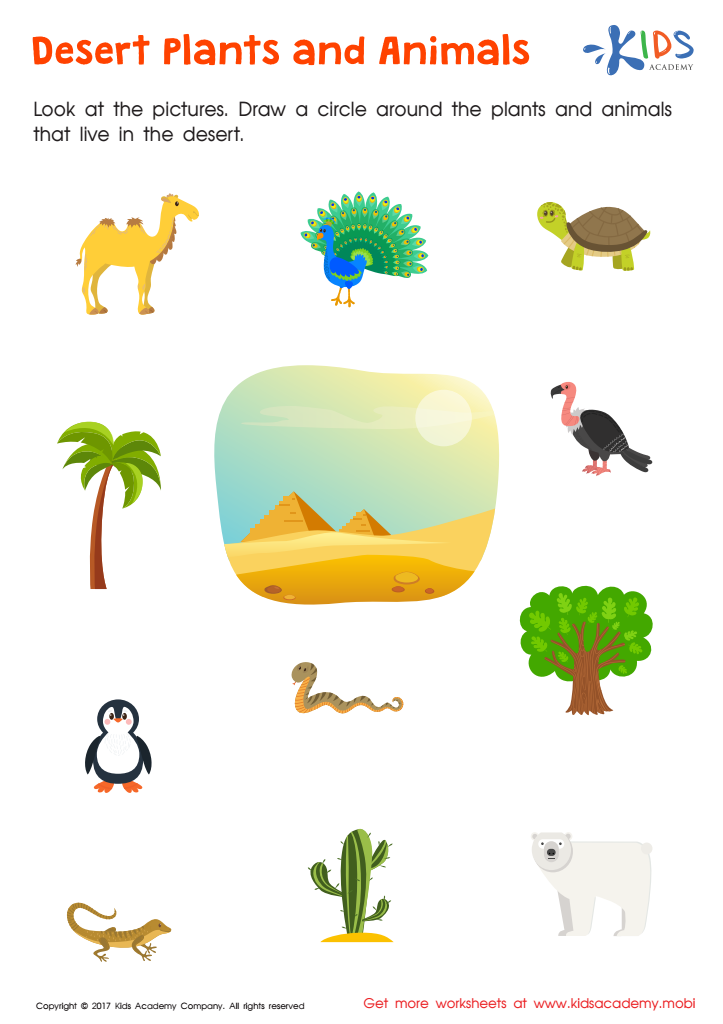
Desert Plants Animals Printable
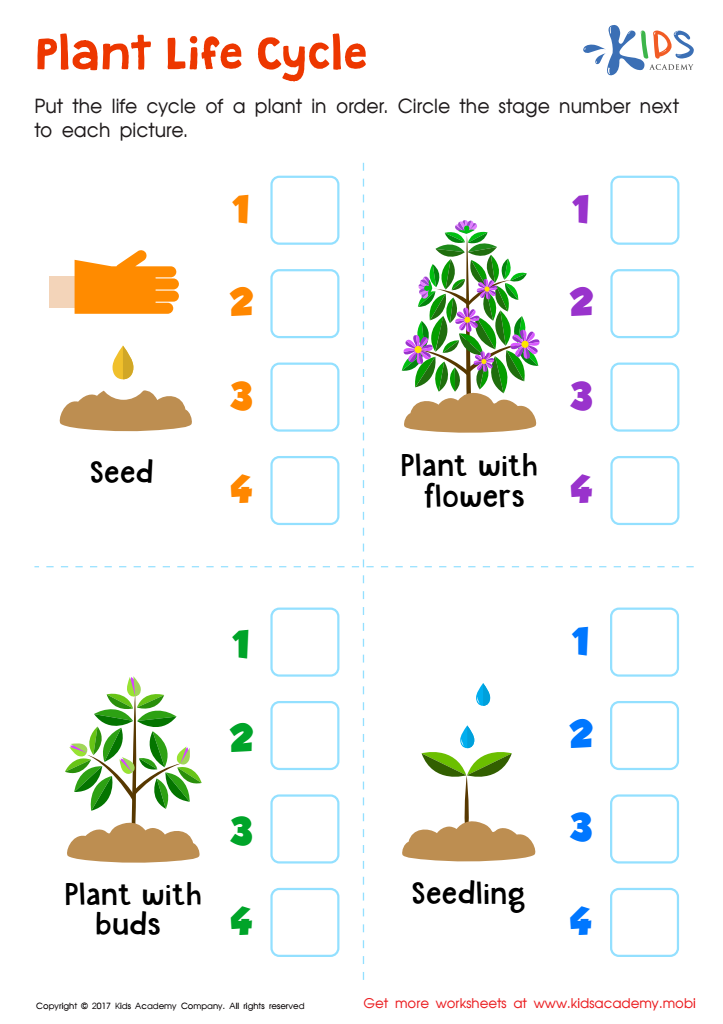
Plant Life Cycle Printable
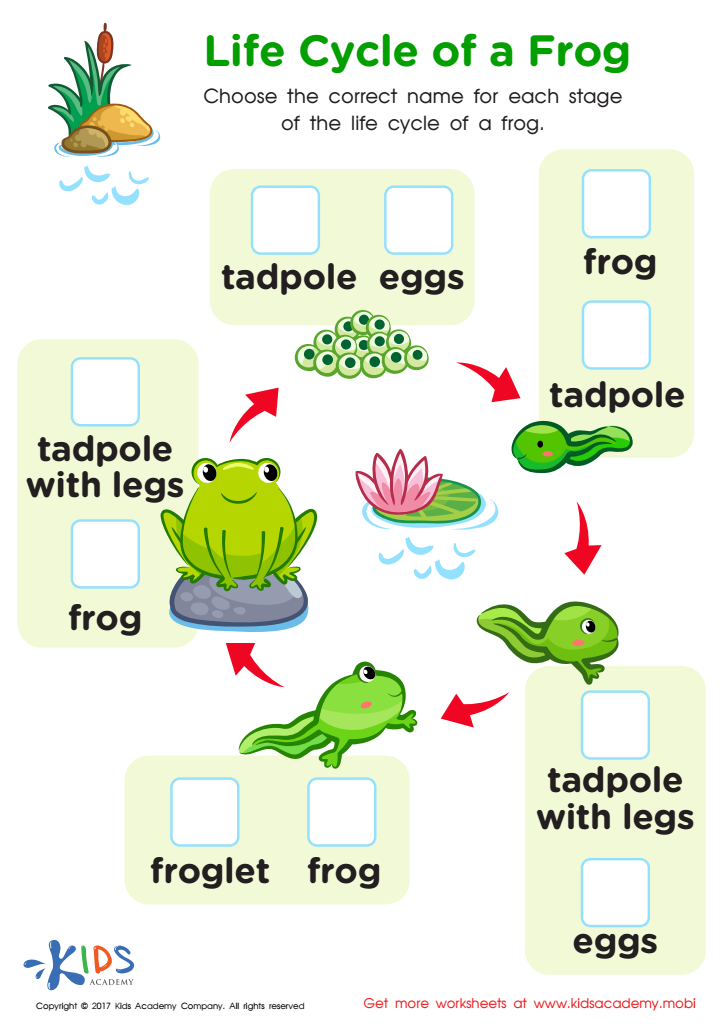
Life Cycle Frog Printable
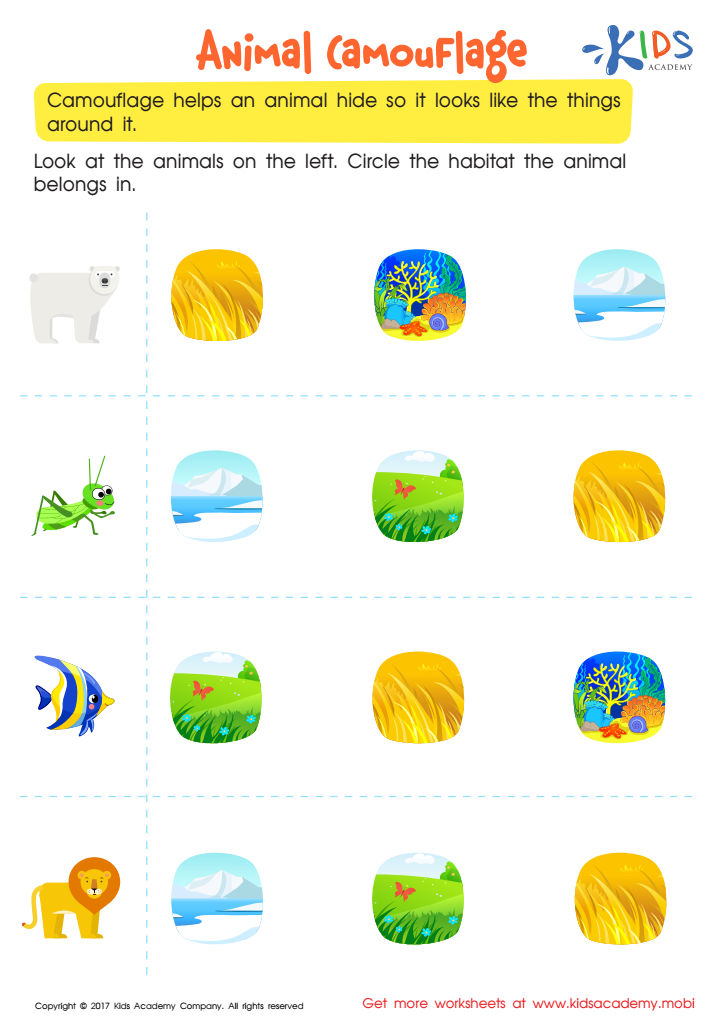
Animal Camouflage Worksheet
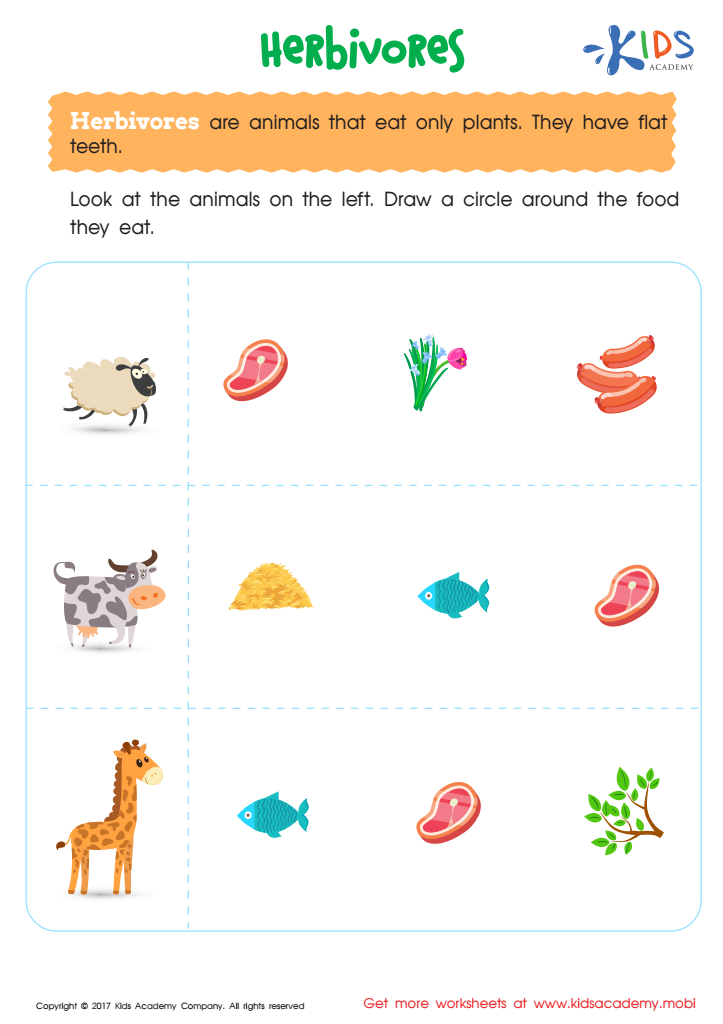
Herbivores Printable
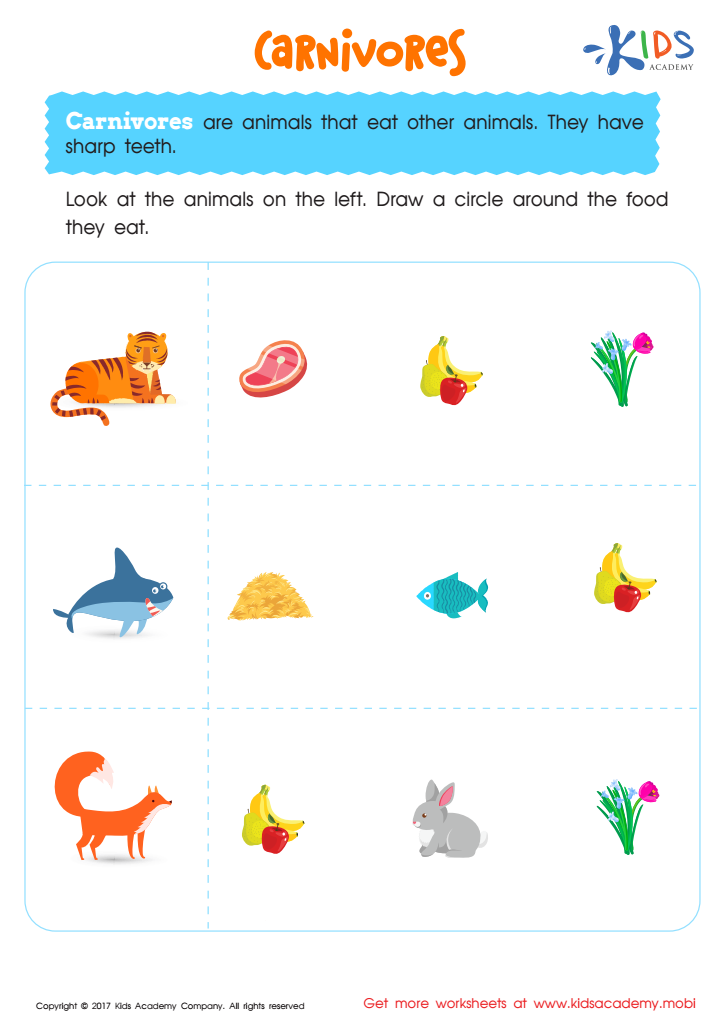
Carnivores Worksheet
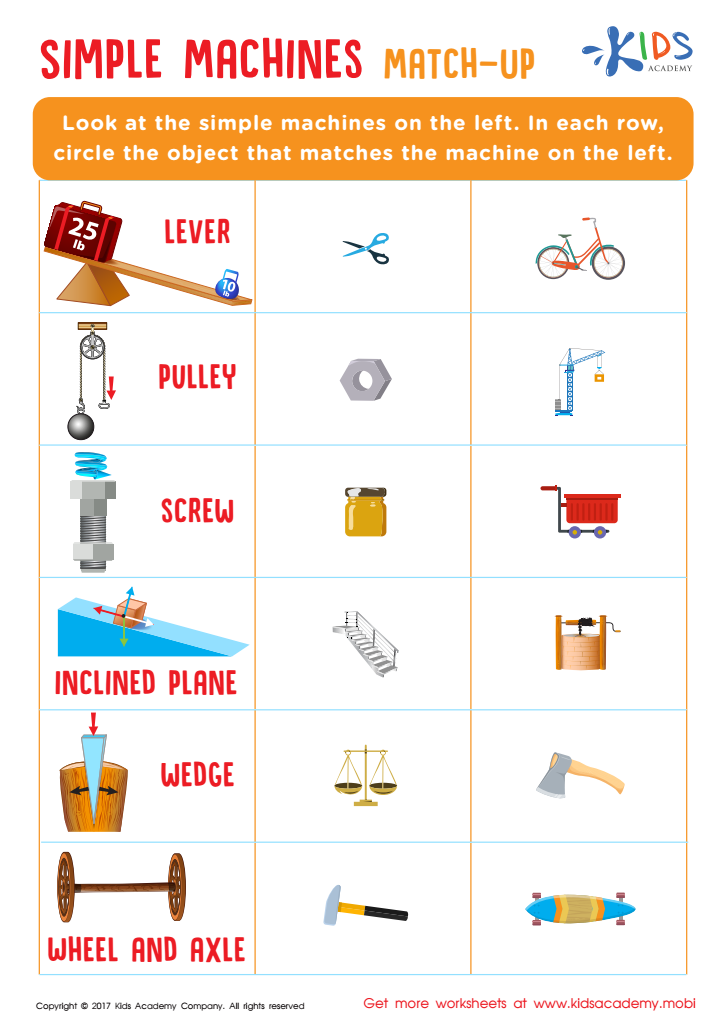
Simple Machines Worksheet
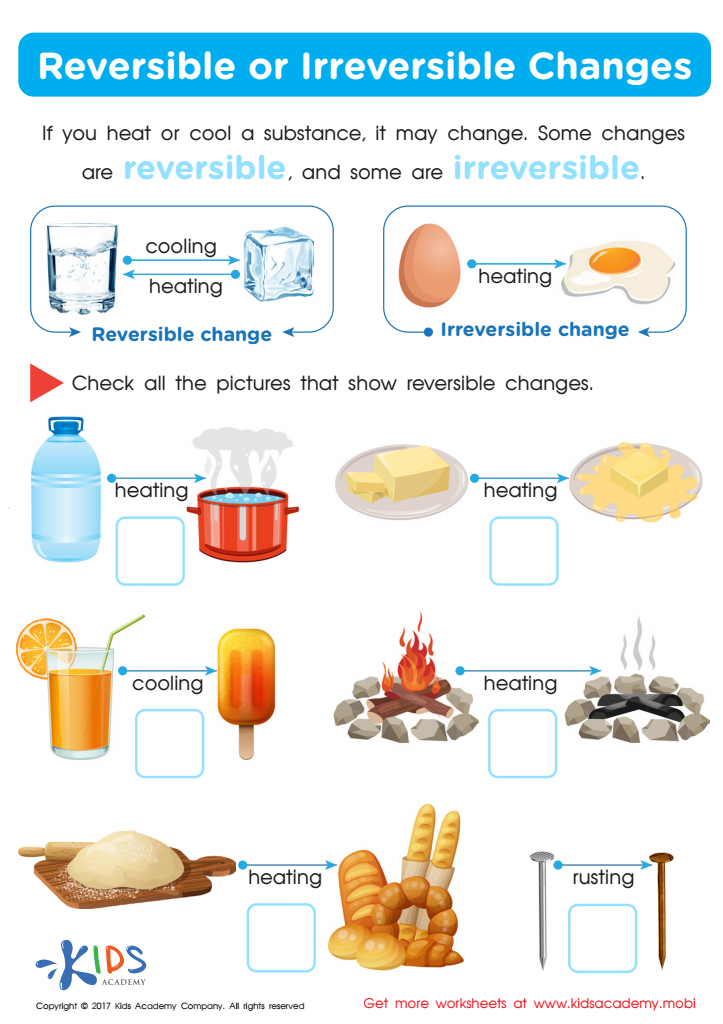
Reversible Irreversible Changes Worksheet
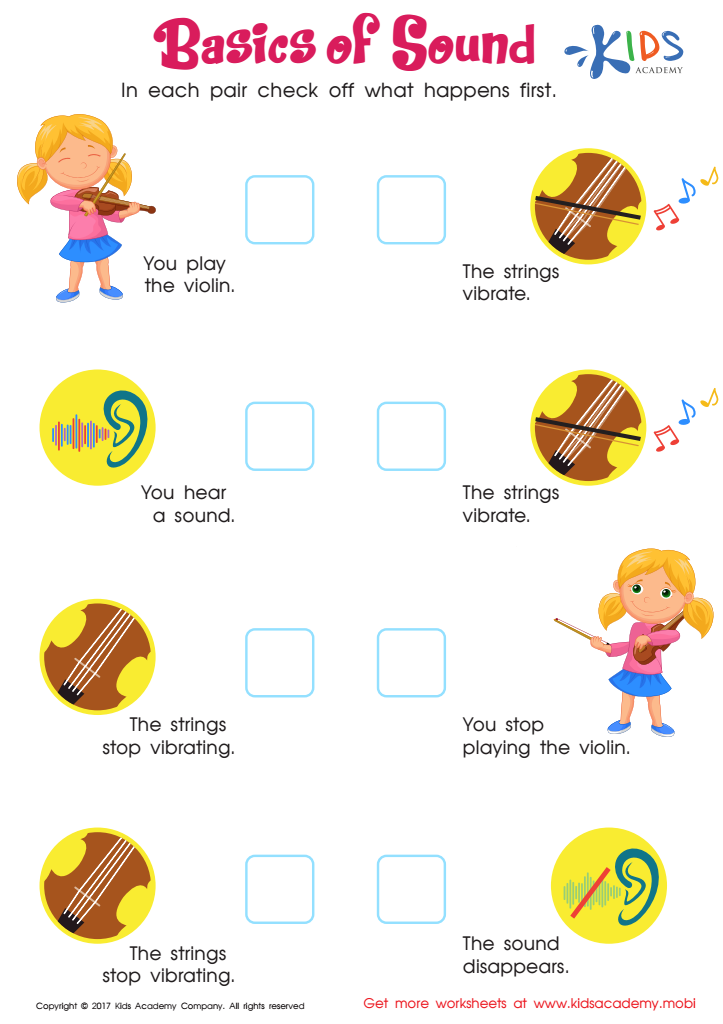
Basics Of Sound Worksheet
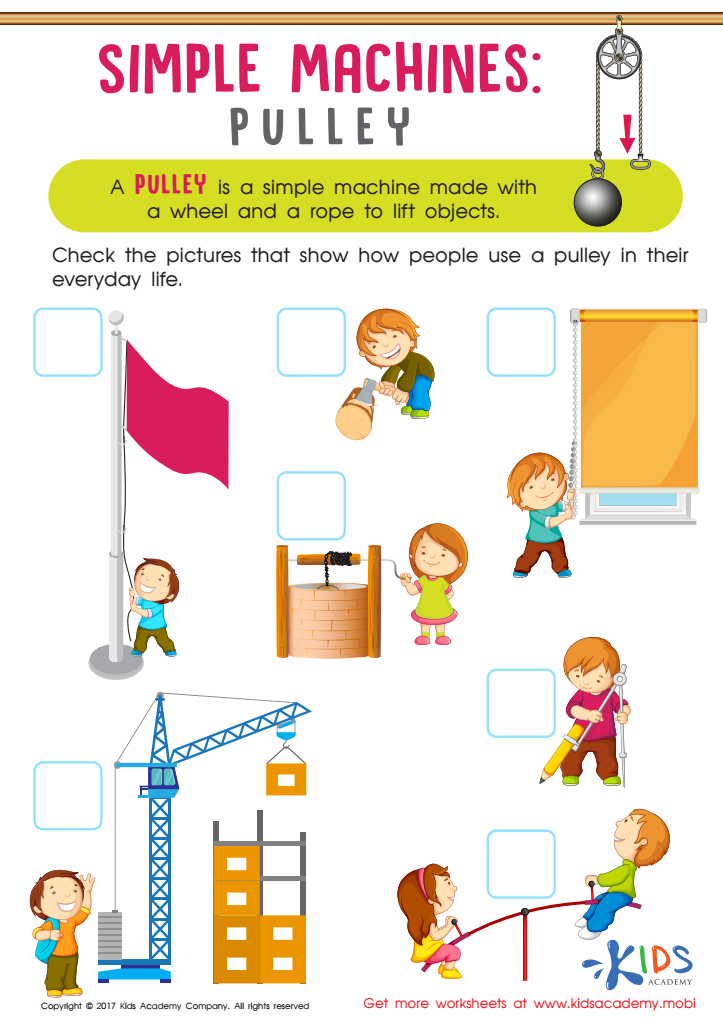
Simple Machines Pulley Worksheet
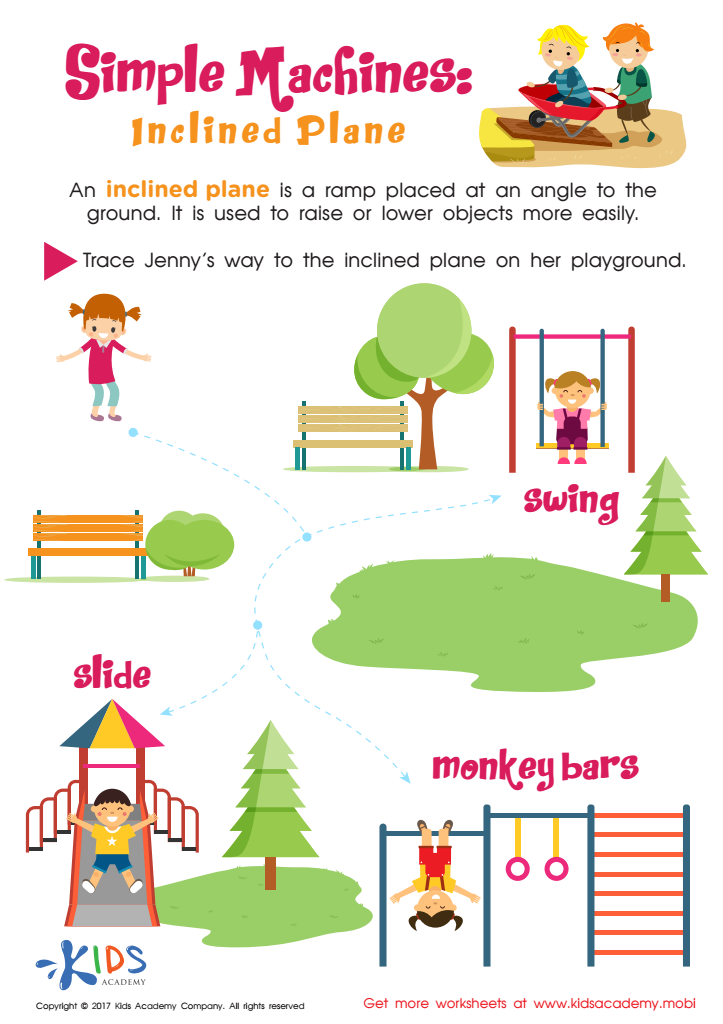
Simple Machines Inclined Plane Worksheet
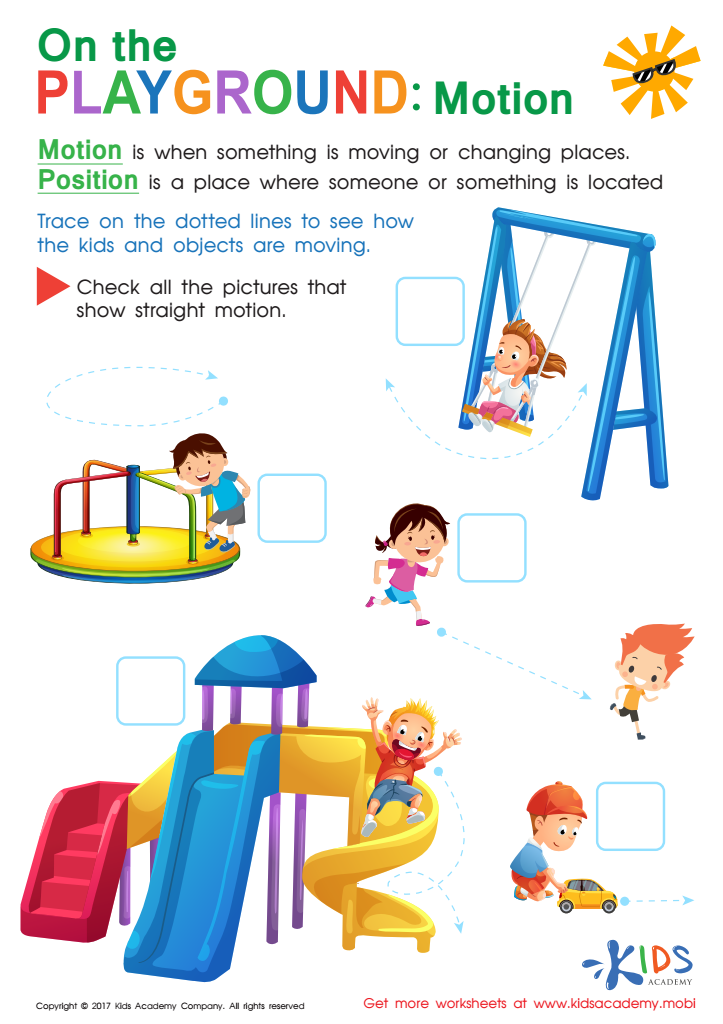
Position and Motion Worksheet
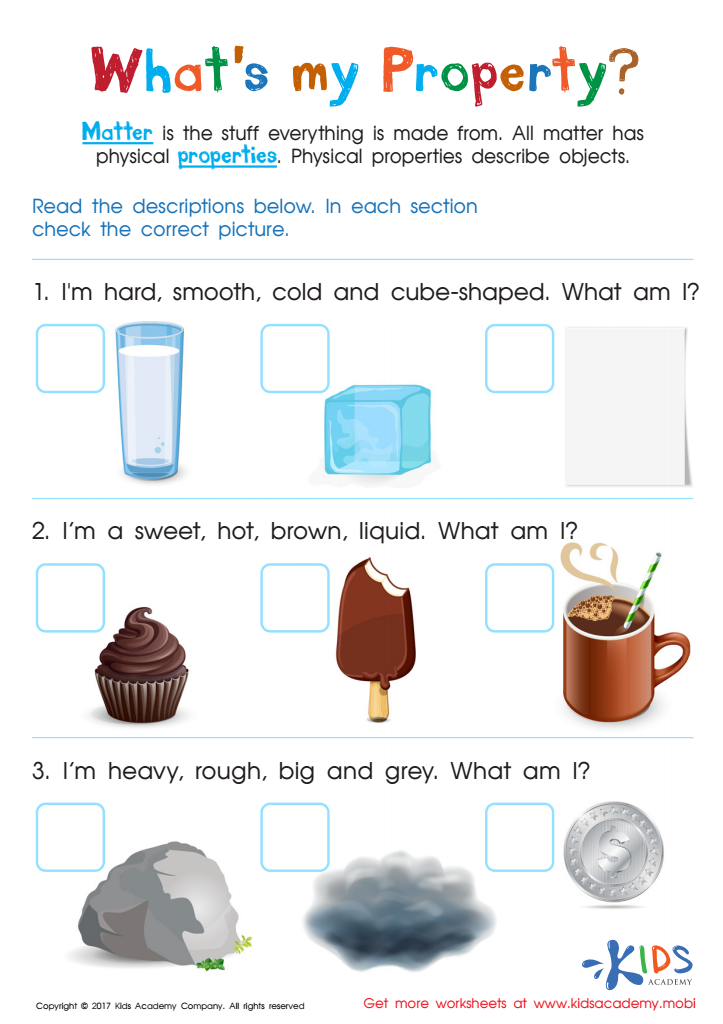
Physical Properties Of Matter Worksheet
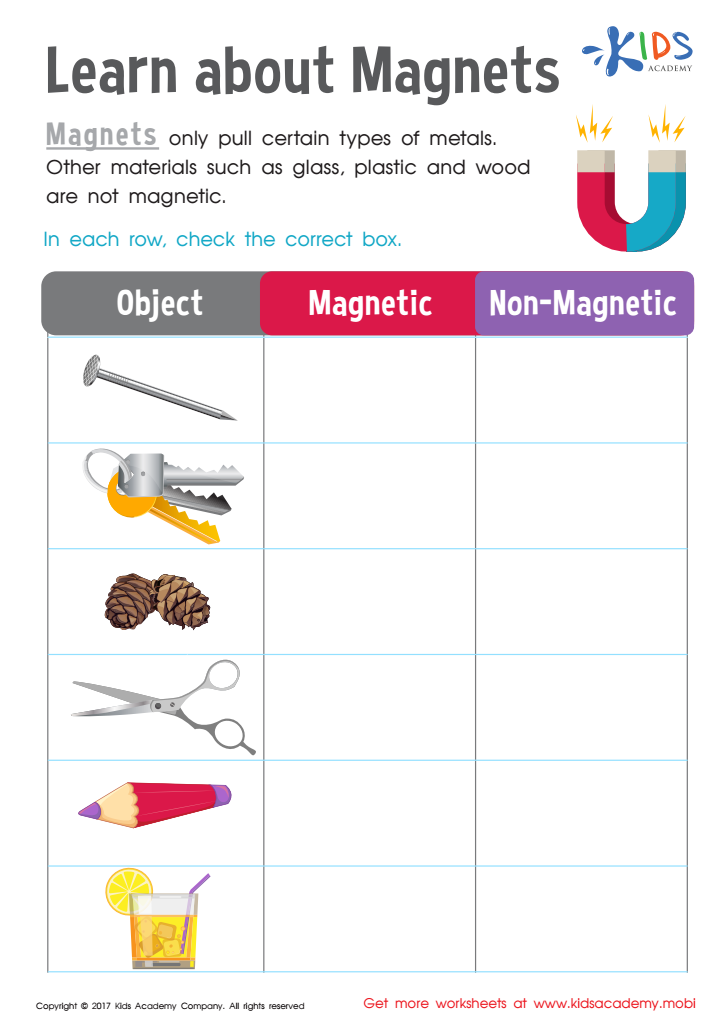
Magnetic Or Not Worksheet
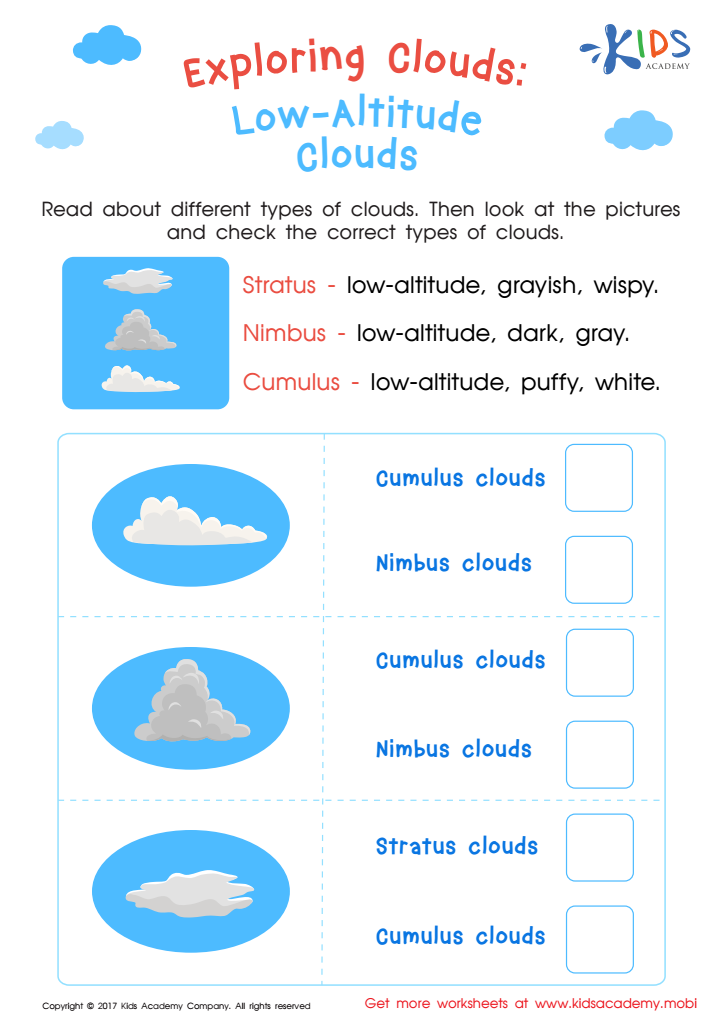
Exploring Clouds: Low Altitude Clouds Printable
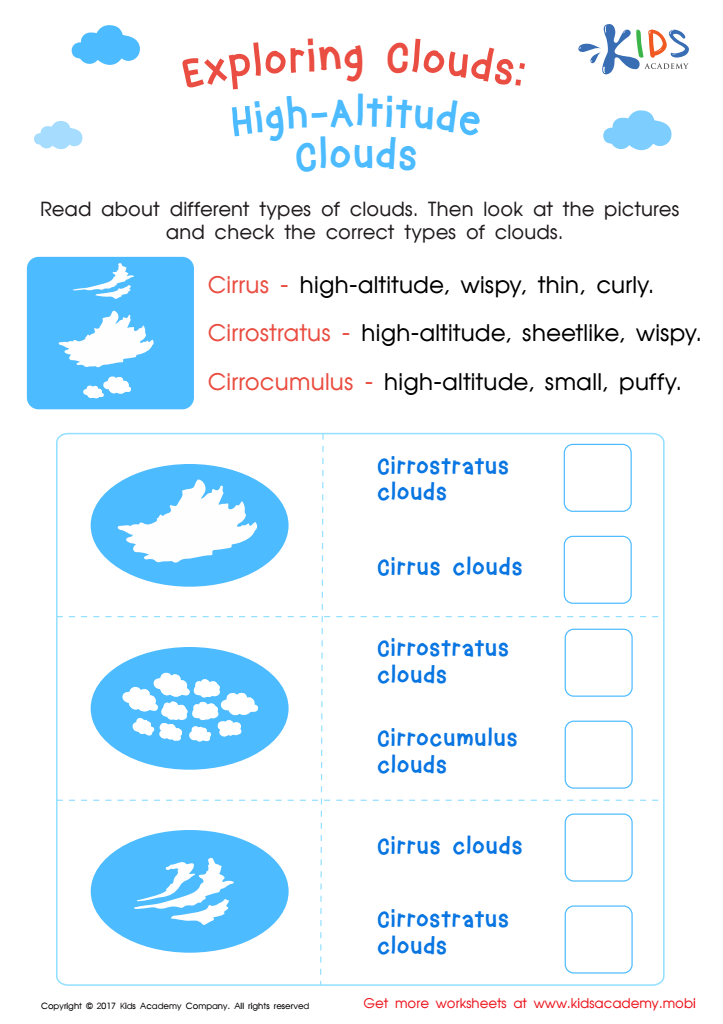
Exploring Clouds: High Altitude Clouds Worksheet
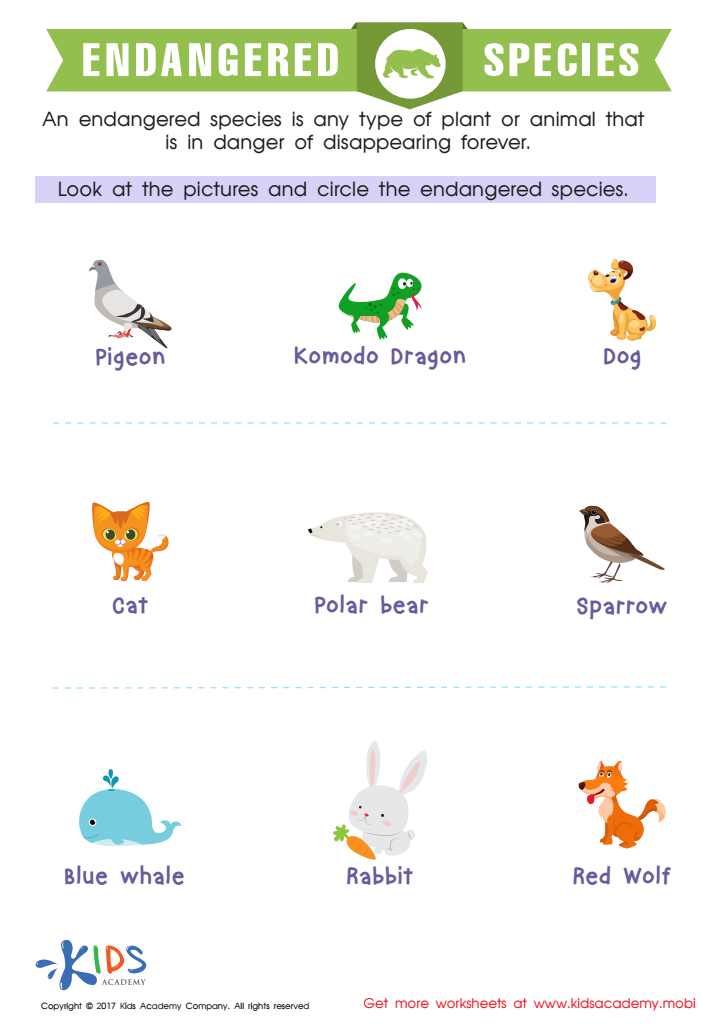
Endangerd Species Printable
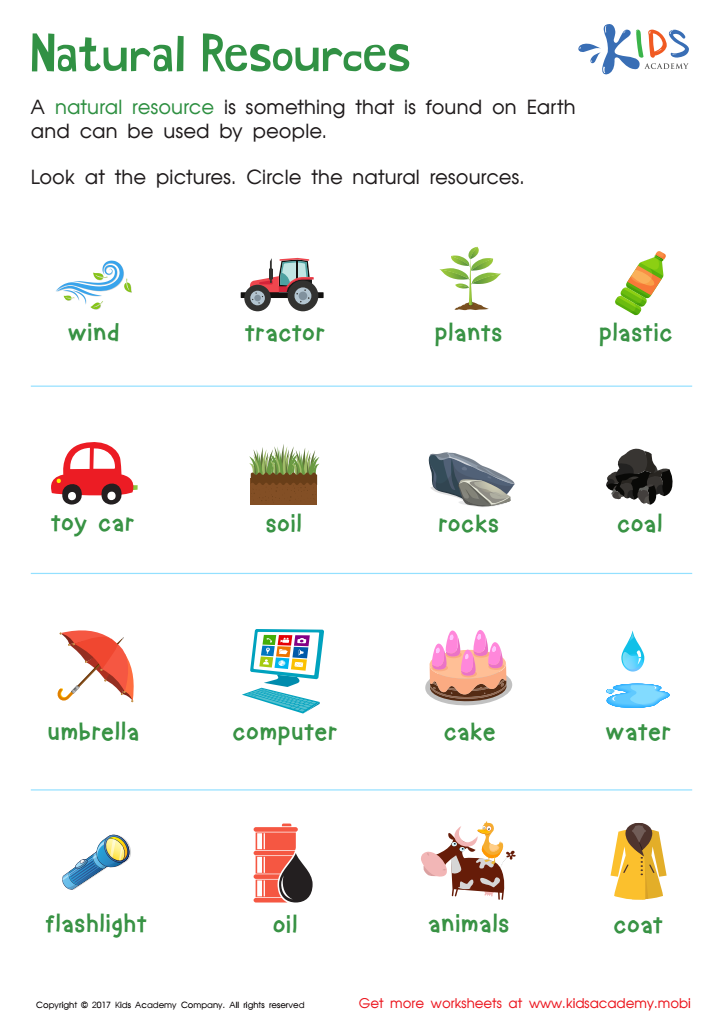
Natural Resources Worksheet
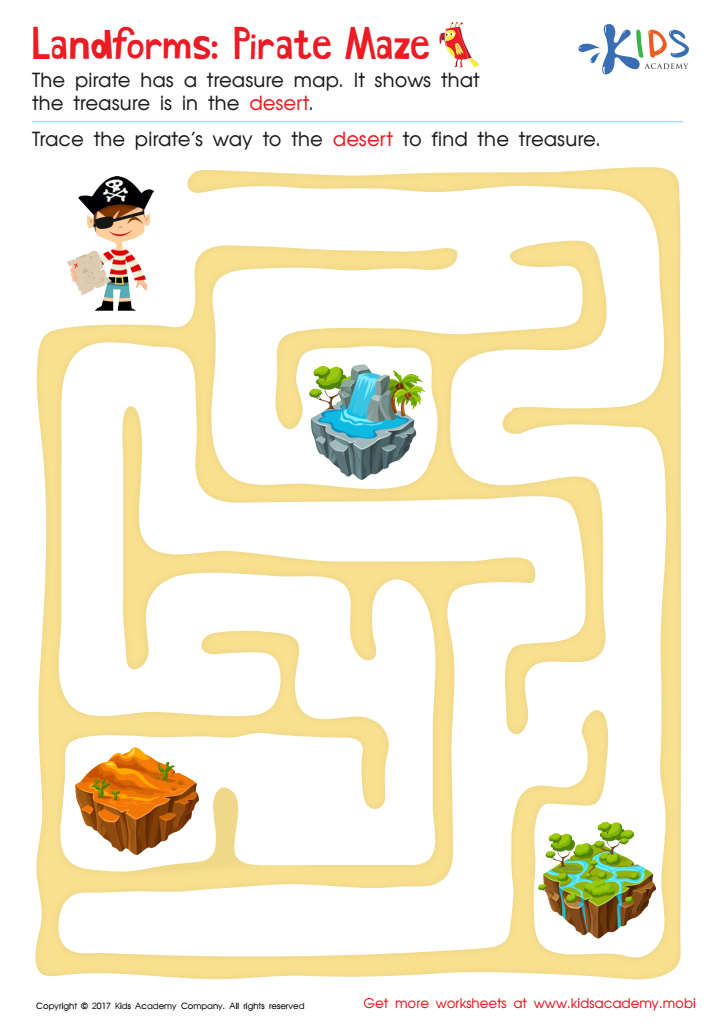
Landforms: Pirate Maze Printable



.jpg)


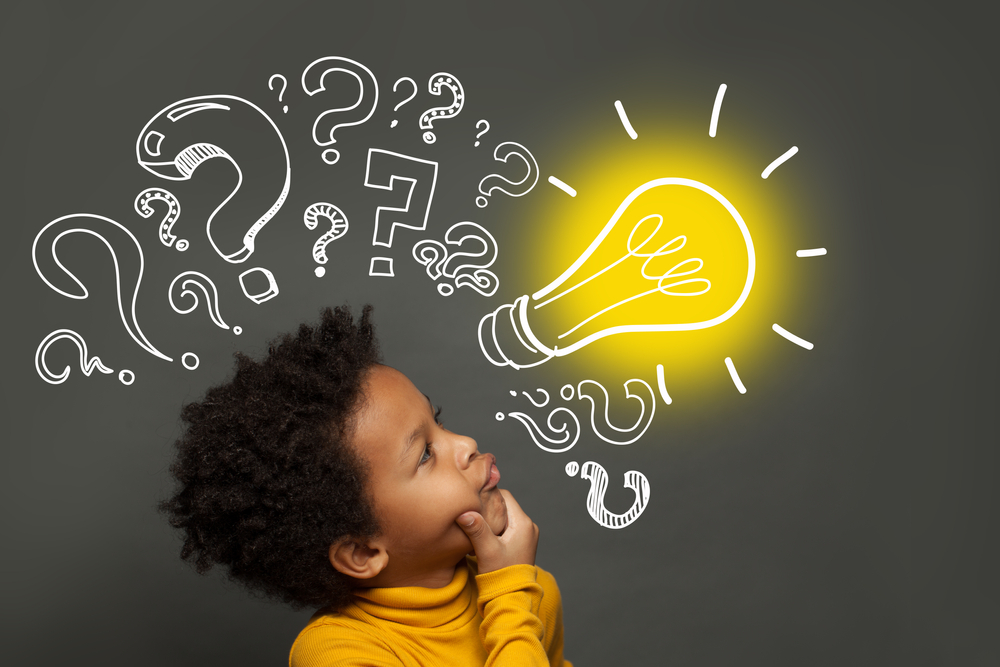
Normal Science provides a foundational understanding of how the natural world works, making it essential for children aged 5-8. At this developmental stage, children are naturally curious and eager to explore their surroundings. Introducing them to Normal Science nurtures this curiosity and fosters critical thinking skills.
By engaging in simple scientific concepts—like understanding the water cycle, plant growth, or basic physics—children learn to observe, ask questions, and seek explanations for everyday phenomena. This approach encourages active participation rather than passive learning, igniting a love for discovery.
Furthermore, learning Normal Science enhances a child’s cognitive, social, and emotional development. It promotes teamwork through collaborative experiments and cultivates confidence as children navigate challenges and make hypotheses. Additionally, science education supports literacy and numeracy skills, as students read about concepts and measure results.
Lastly, instilling a scientific mindset early on prepares children for future academic success in STEM fields. The world is increasingly driven by technology and scientific understanding; fostering a positive relationship with science in young learners ultimately equips them with the skills necessary to compete and innovate in a rapidly changing landscape. Thus, fostering Normal Science in young children is crucial for their holistic development and future pathways.







