Normal Our Planet and Environment Worksheets for Ages 5-8 - Page 3
68 filtered results
-
From - To
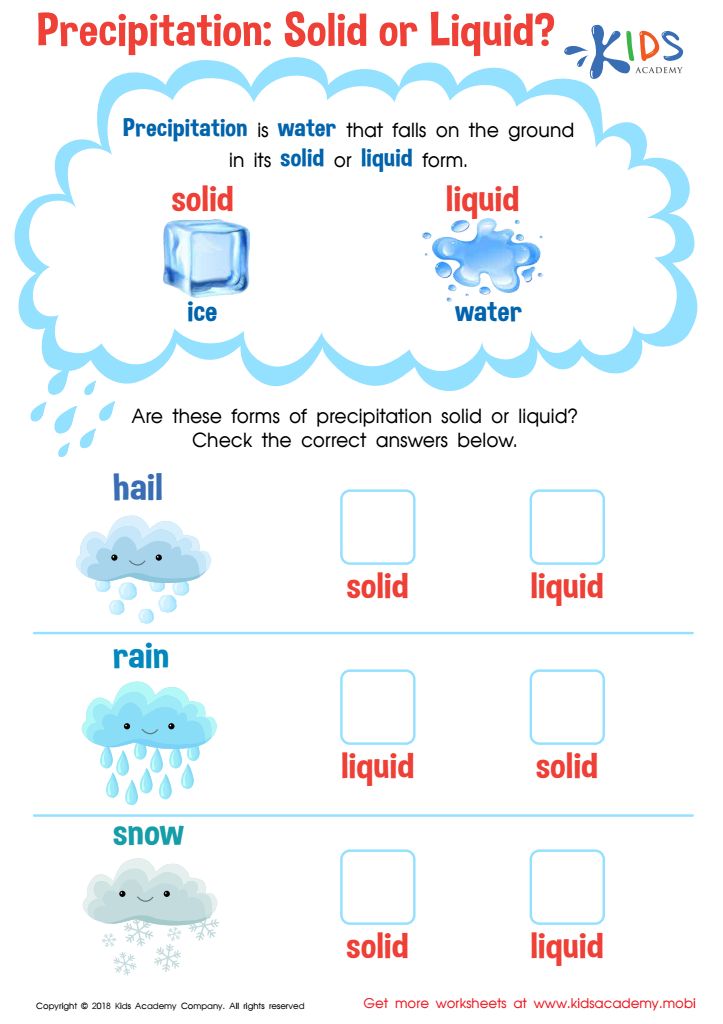
Precipitation: Solid or Liquid? Worksheet
 Assign to My Students
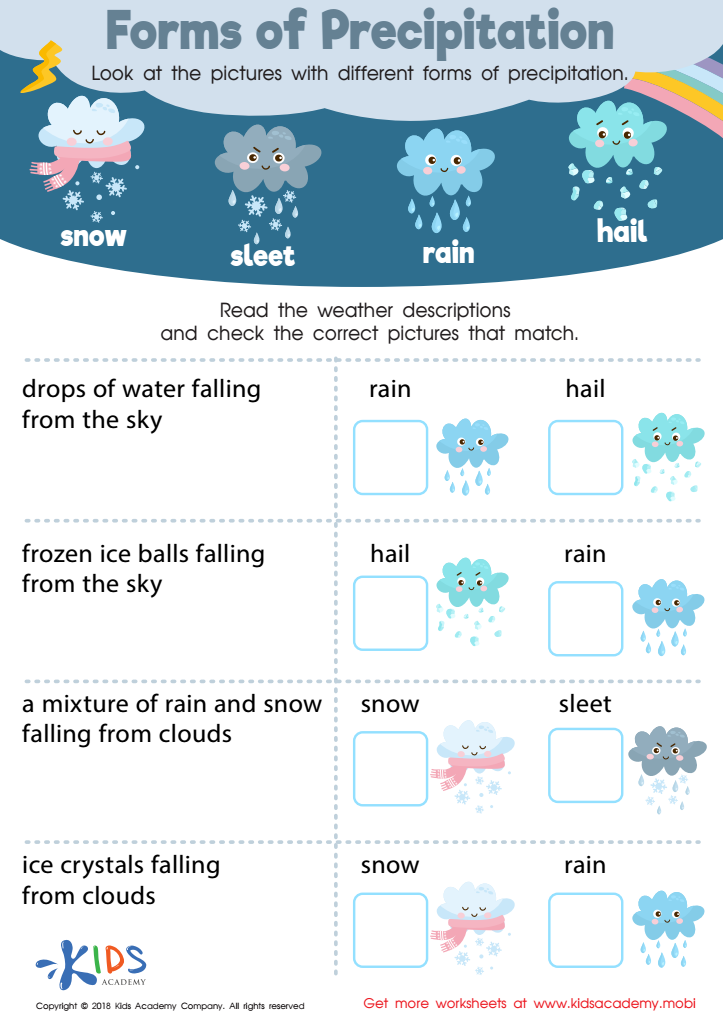
Forms of Precipitation Worksheet
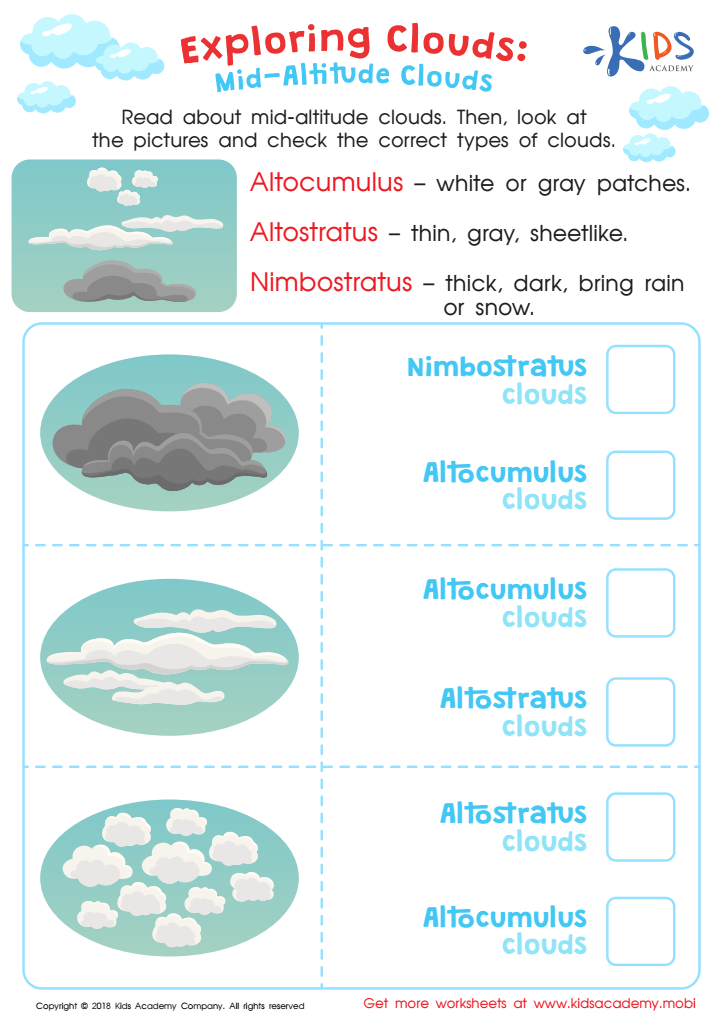
Exploring Clouds: Mid-altitude Clouds Worksheet
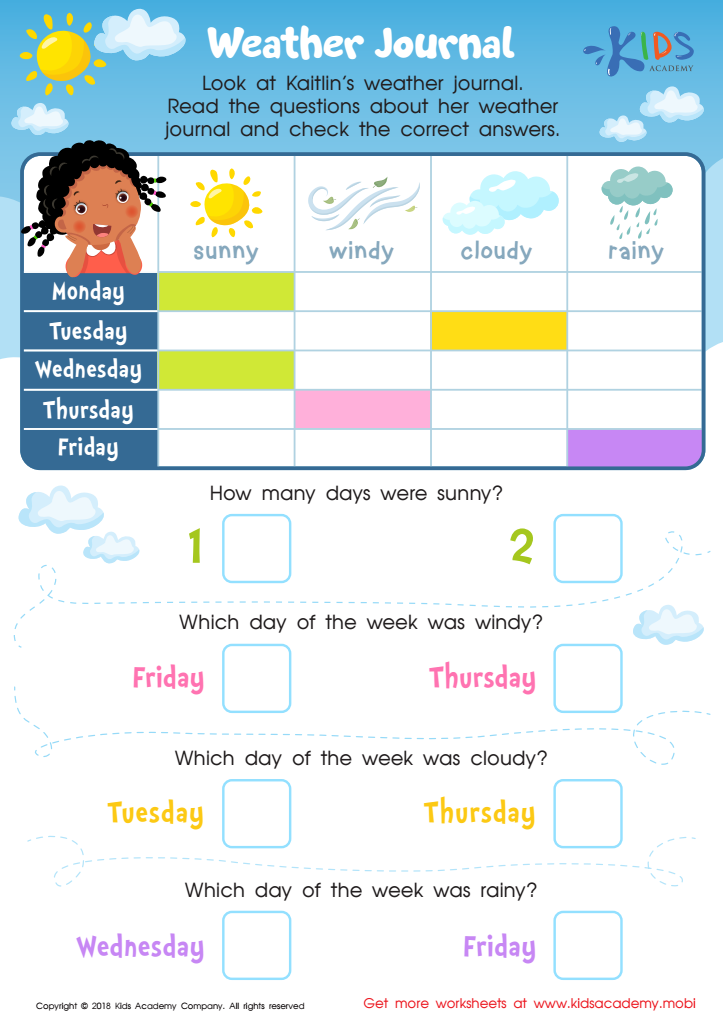
Weather Journal Worksheet
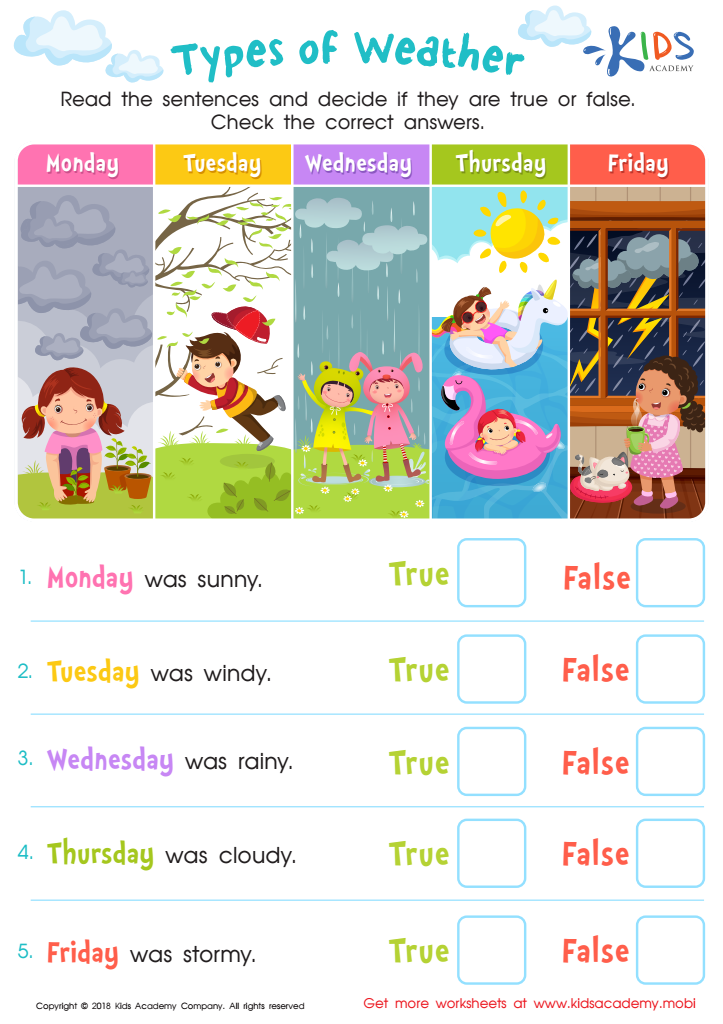
Types of Weather Worksheet
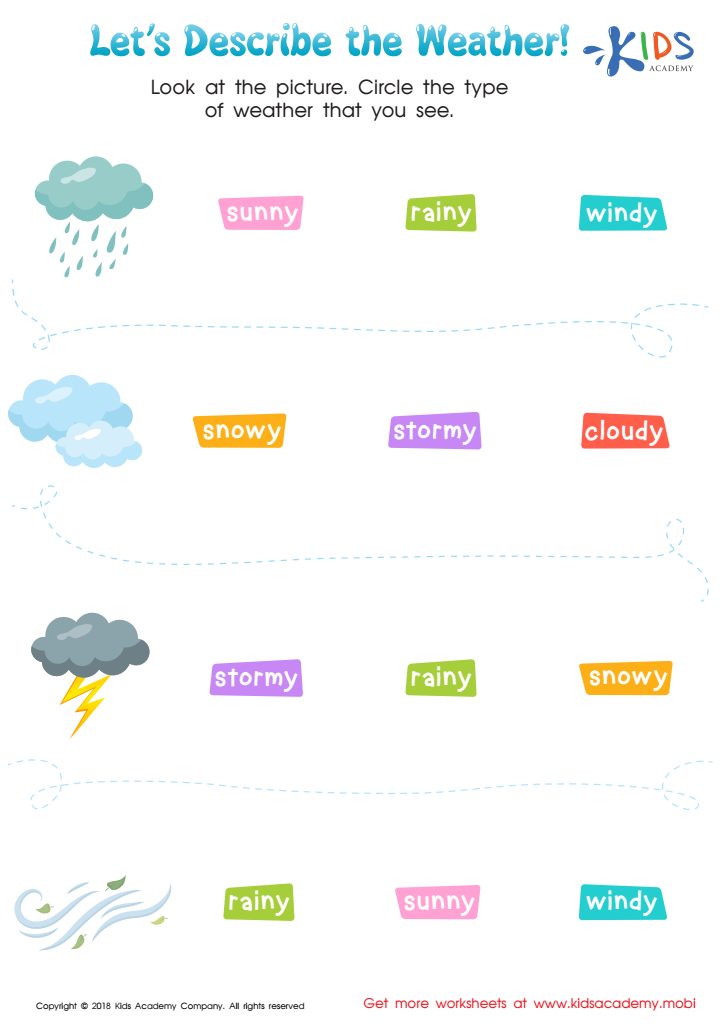
Let's Describe the Weather! Worksheet
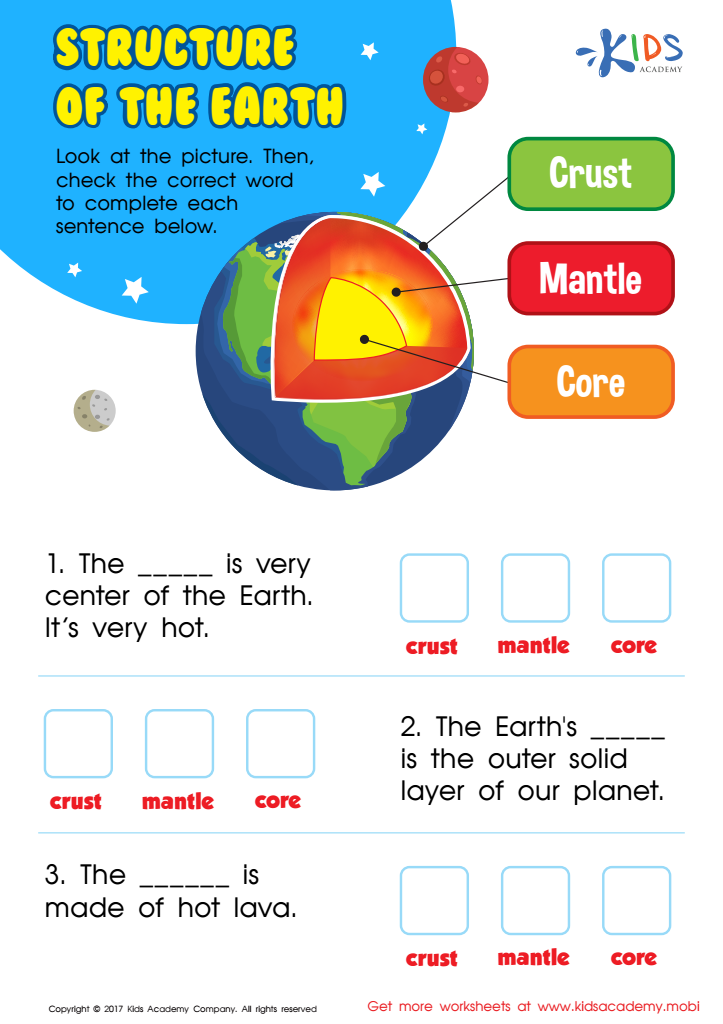
Structure of the Earth Worksheet
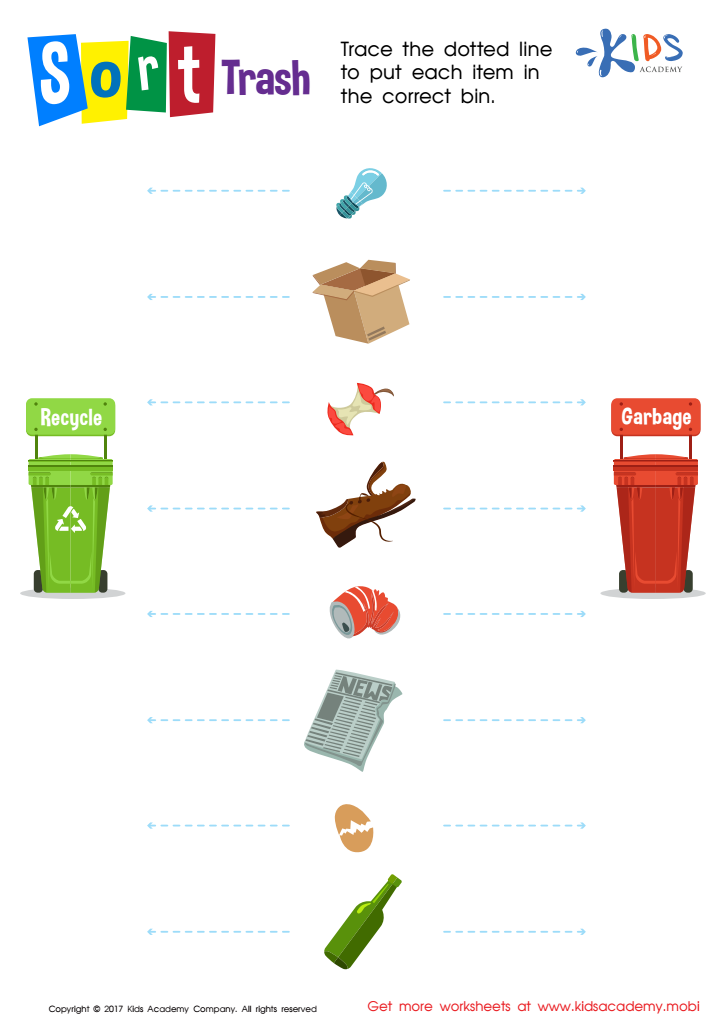
Trash Sorting Worksheet
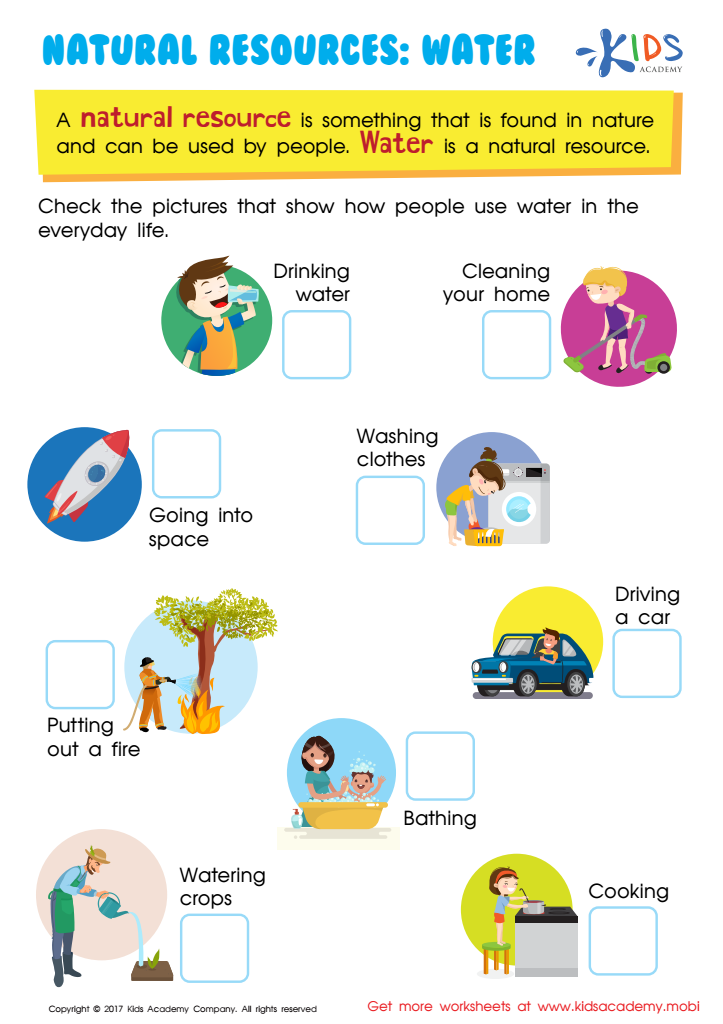
Natural Resources: Water Worksheet
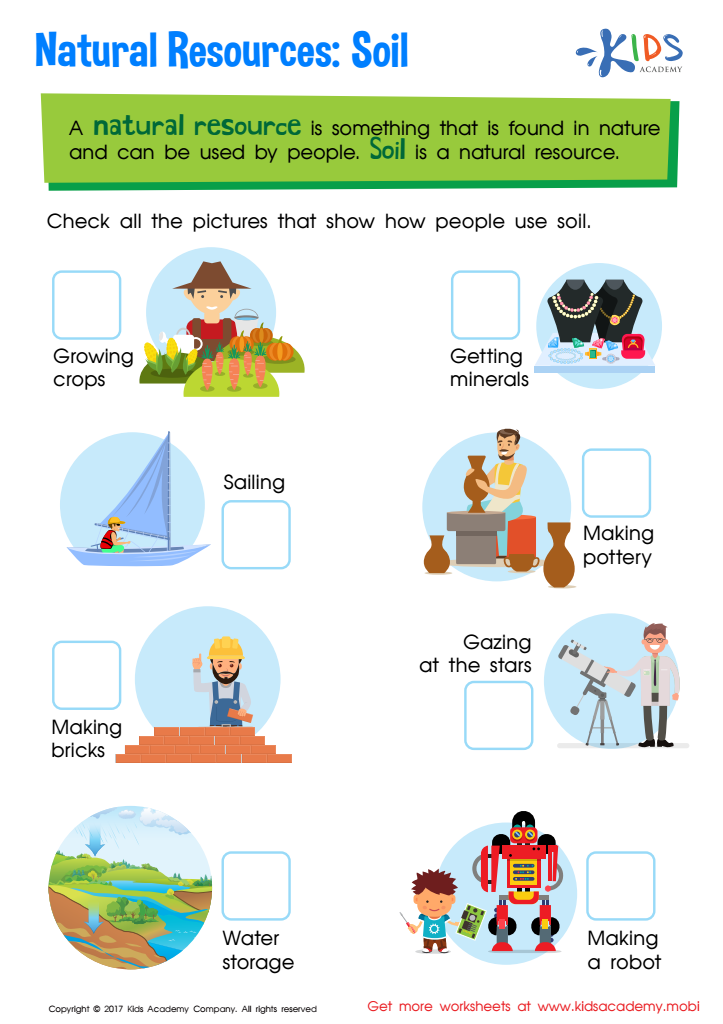
Natural Resources: Soil Worksheet
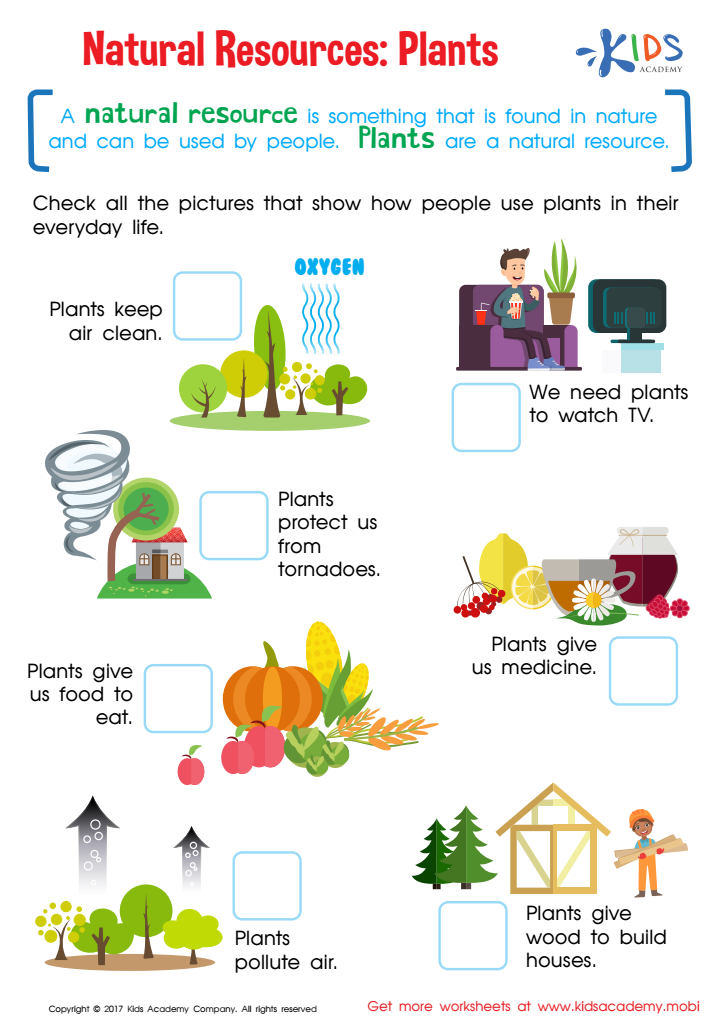
Natural Resources: Plants Worksheet
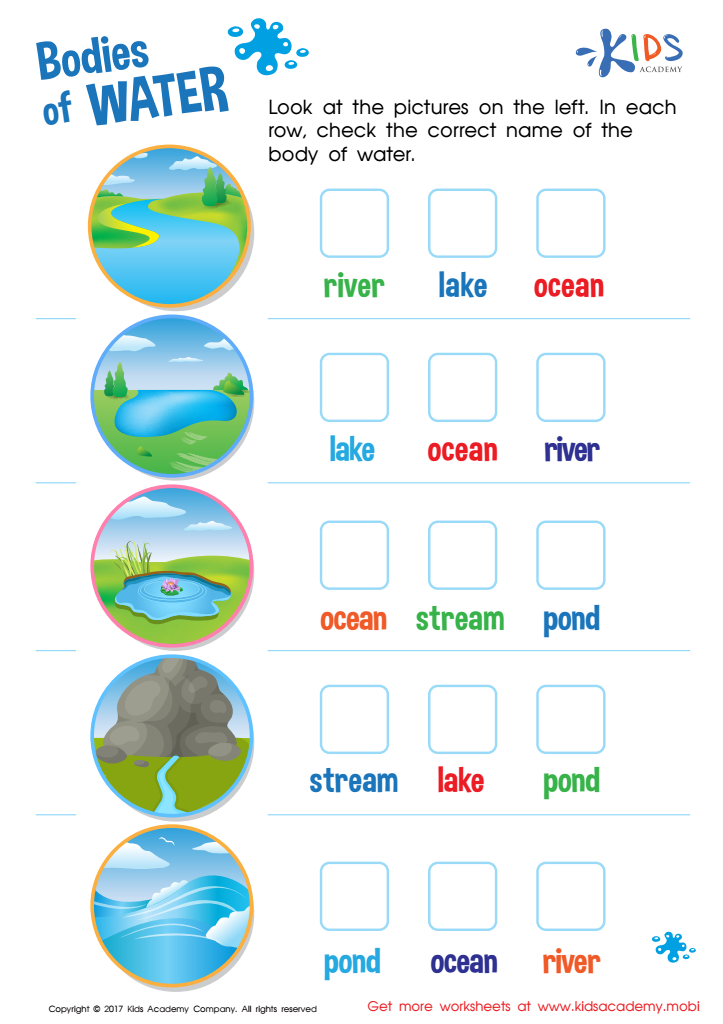
Bodies of Water Worksheet
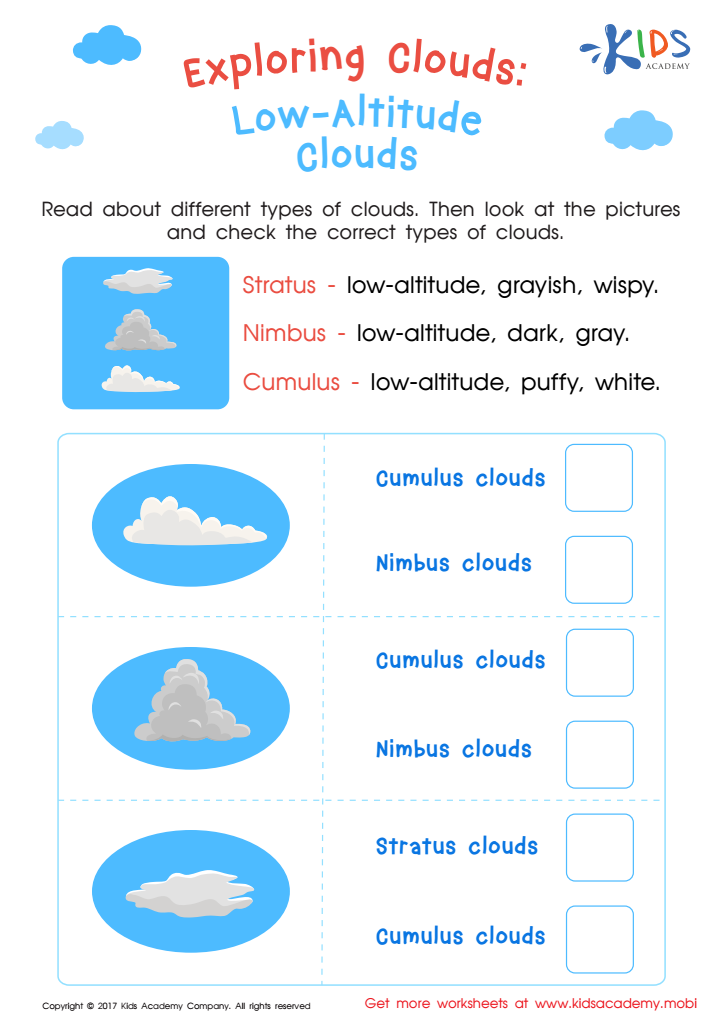
Exploring Clouds: Low Altitude Clouds Printable
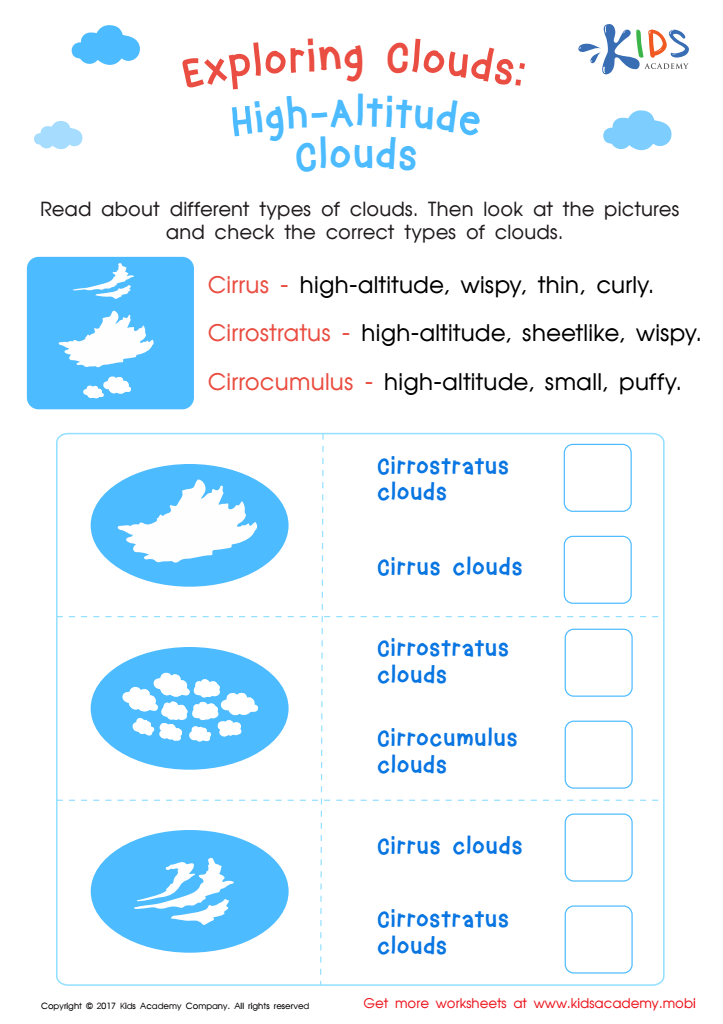
Exploring Clouds: High Altitude Clouds Worksheet
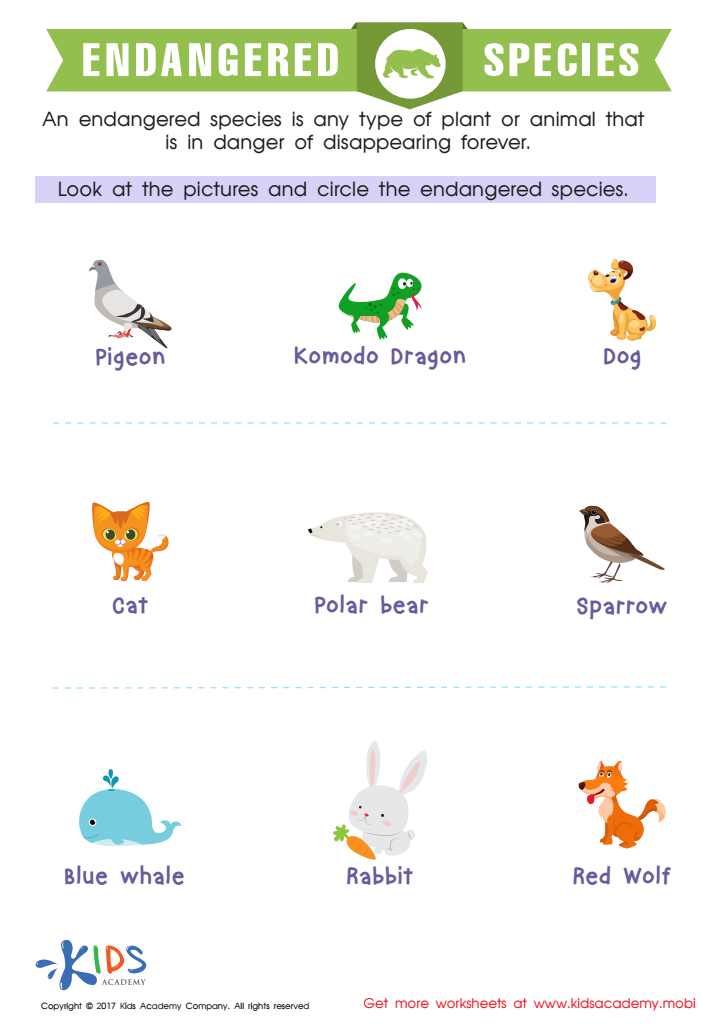
Endangerd Species Printable
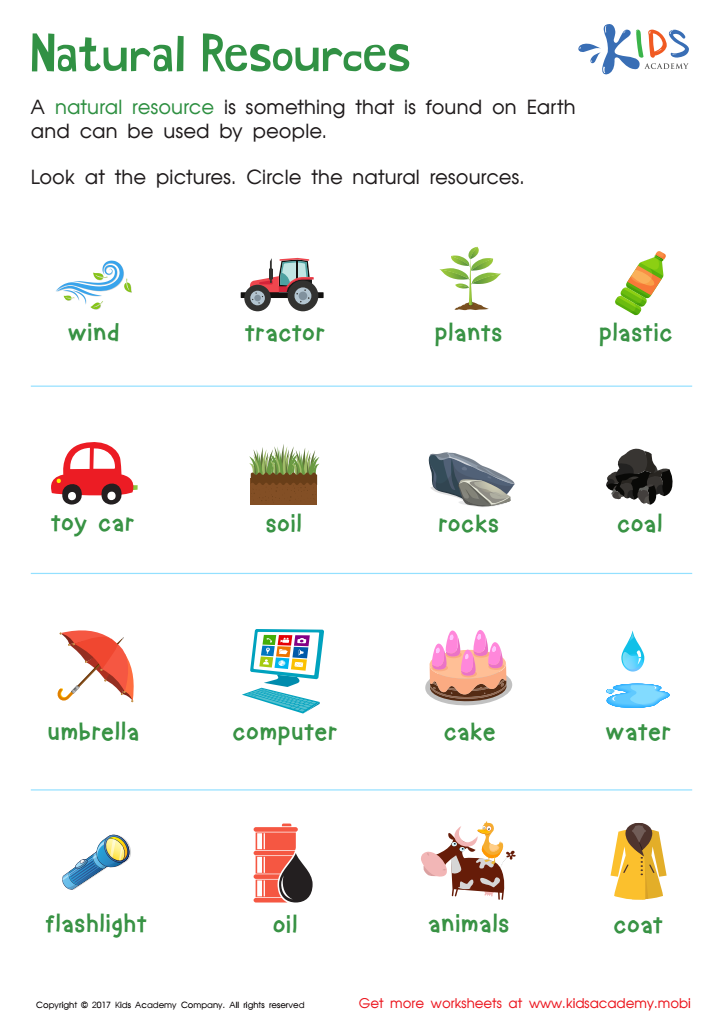
Natural Resources Worksheet
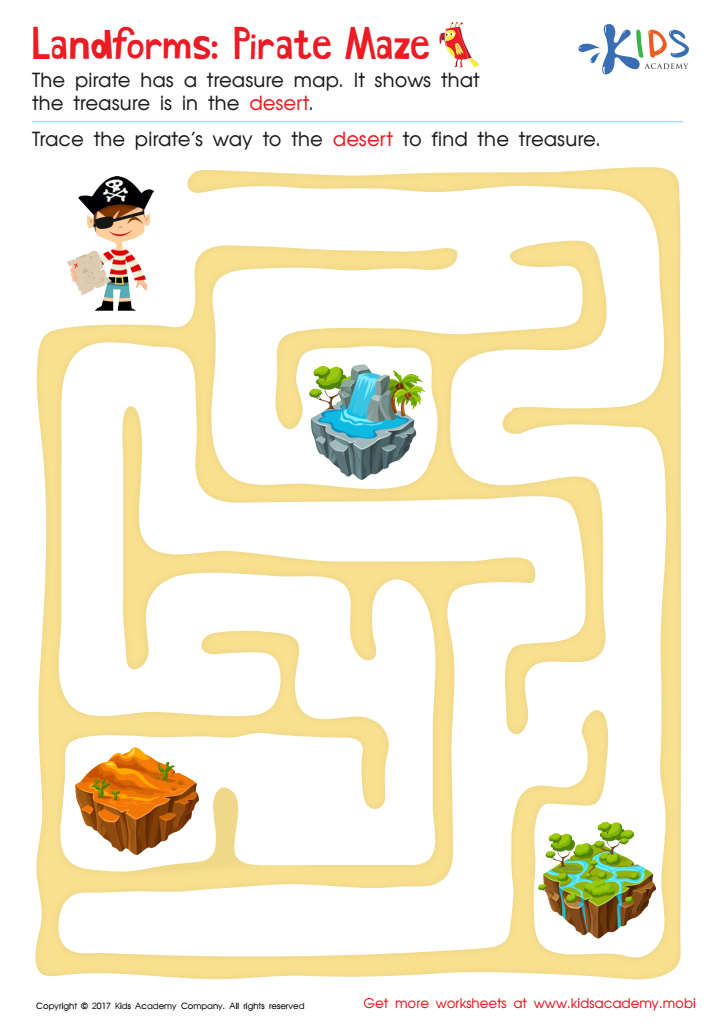
Landforms: Pirate Maze Printable
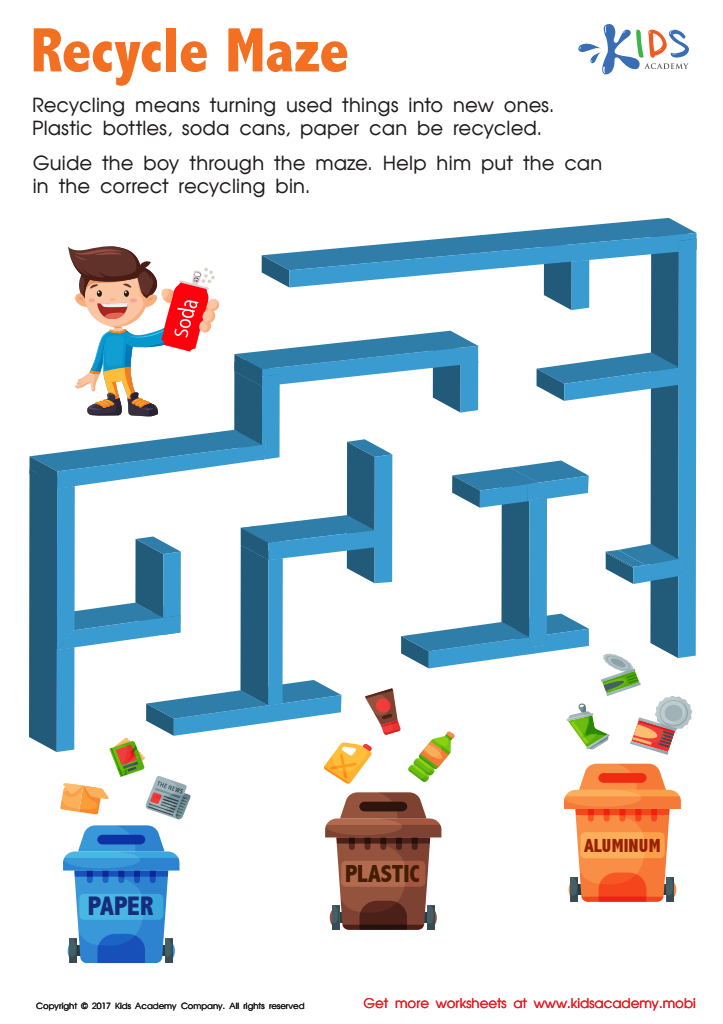
Recycle Maze Worksheet
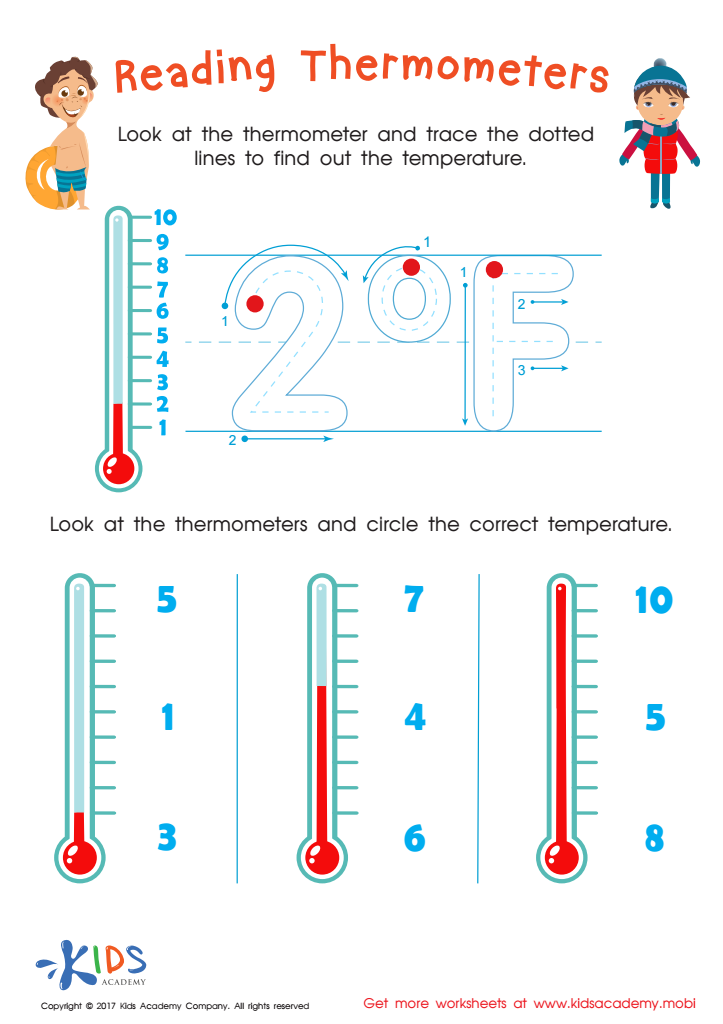
Reading Thermometers Printable
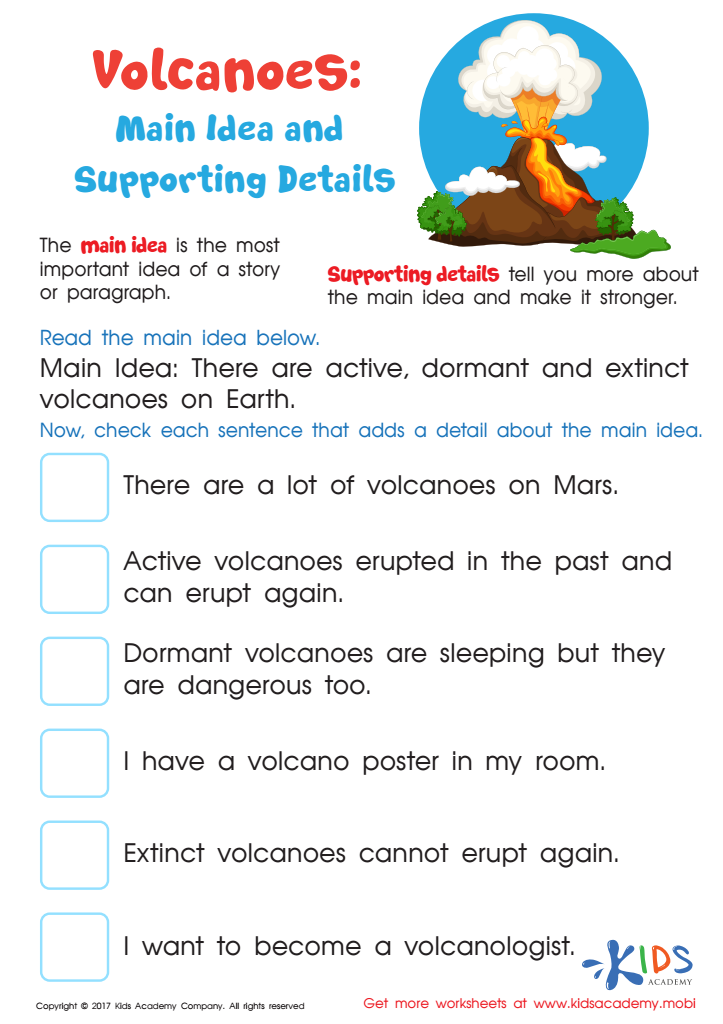
Volcano Facts Worksheet




Parents and teachers should care about normalizing discussions about our planet and environment for children aged 5-8 because these early years are crucial for developing lifelong habits and attitudes. Introducing concepts of sustainability, conservation, and environmental awareness at a young age helps children build a sense of responsibility toward the Earth. Engaging kids with nature and environmental education encourages curiosity, fostering their love for the environment and promoting exploration.
Learning about the planet empowers children to understand their role in preserving it. It awakens a sense of wonder about the natural world, making them more likely to adopt eco-friendly practices as they grow. Discussing environmental issues in an age-appropriate manner allows young learners to grasp the basics of ecosystems, wildlife, and resource conservation, setting a foundation for more complex discussions in the future.
Moreover, by integrating environmental themes into daily activities and lessons, parents and teachers can model responsible behaviors that children can emulate. Simple actions, like recycling, conserving water, or gardening, can be turned into fun, educational experiences. In essence, normalizing environmental awareness at this stage nurtures informed, responsible future citizens dedicated to creating a healthier planet. Engaging children early on ensures that they will grow up with a conscientious mindset toward our world.







