Normal Physical Science Worksheets for Ages 5-8 - Page 3
71 filtered results
-
From - To
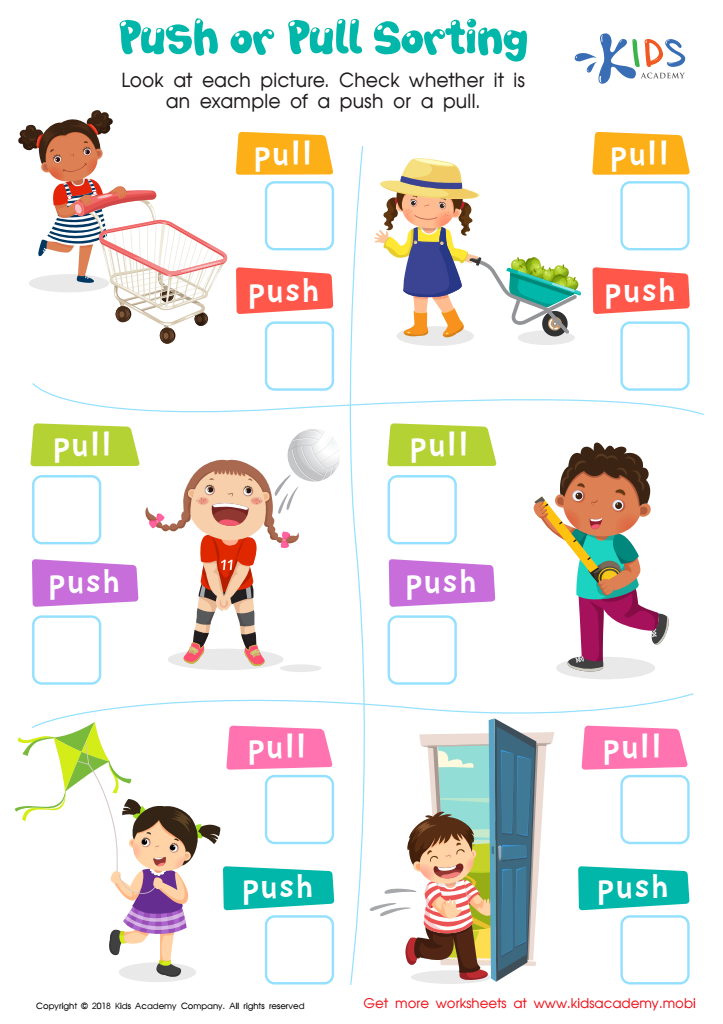
Push or Pull Sorting Worksheet
 Assign to My Students
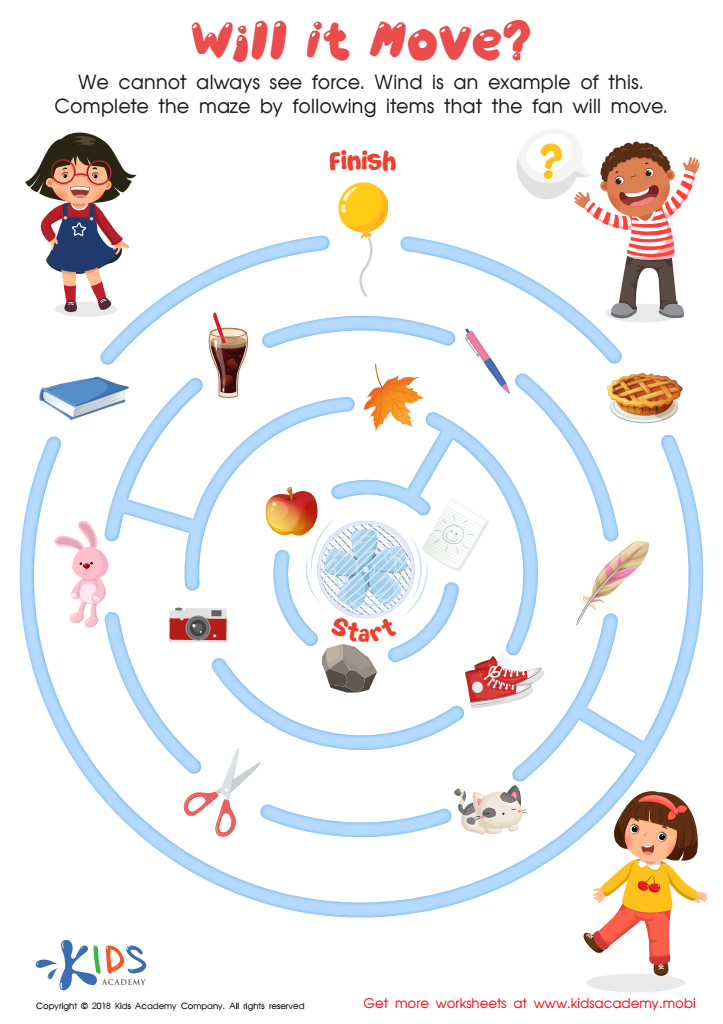
Will it Move? Worksheet
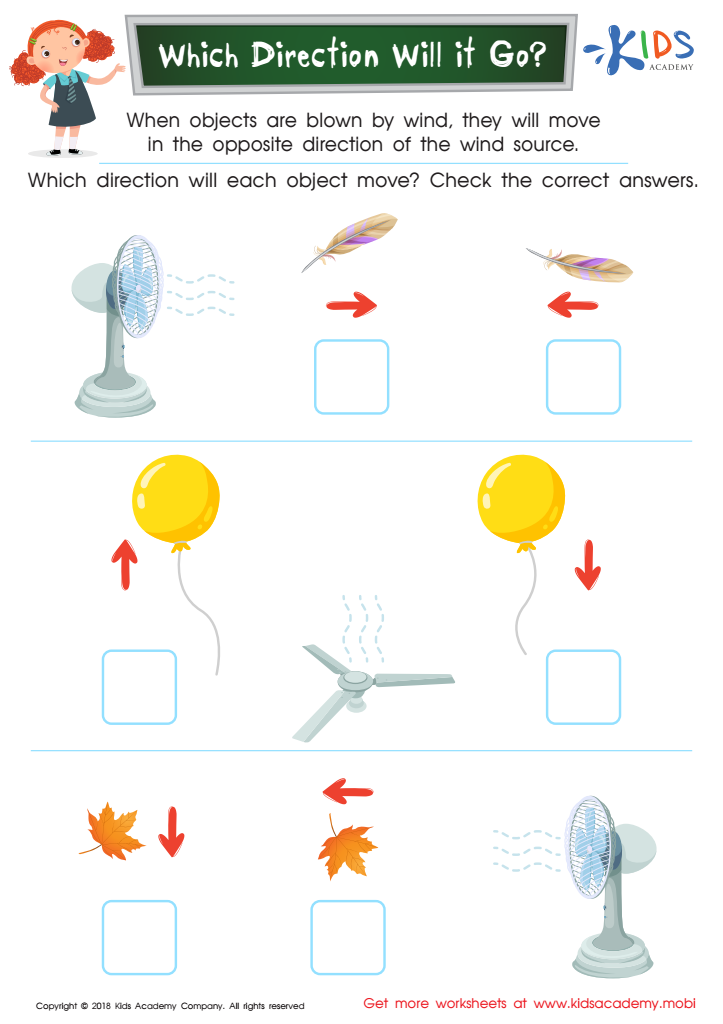
Which Direction Will it Go? Worksheet
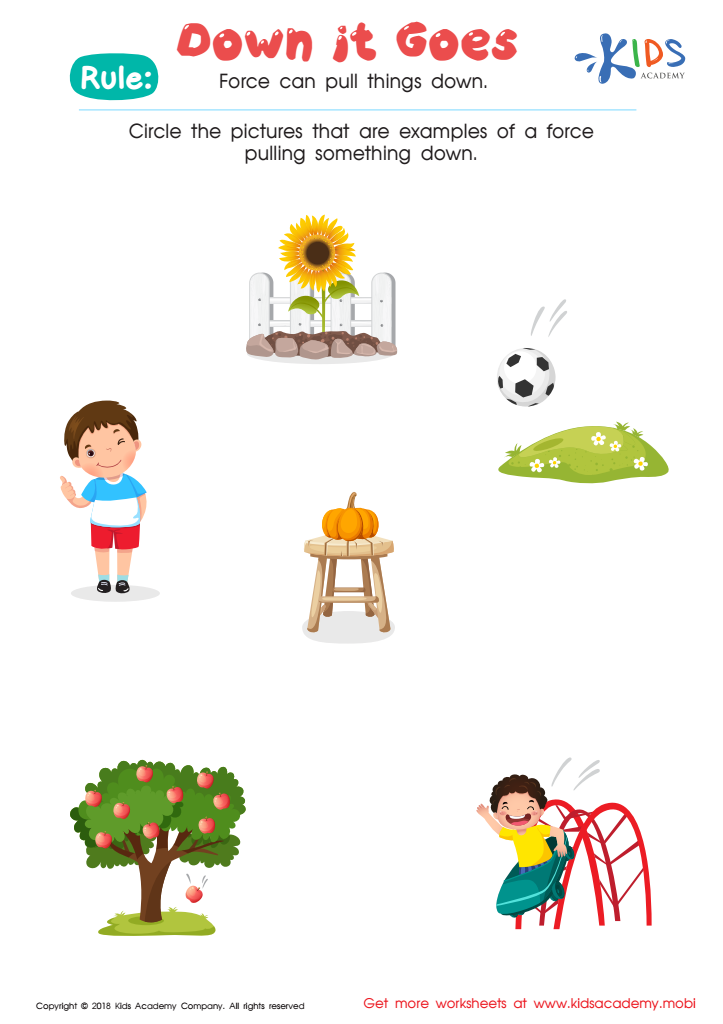
Down it Goes Worksheet
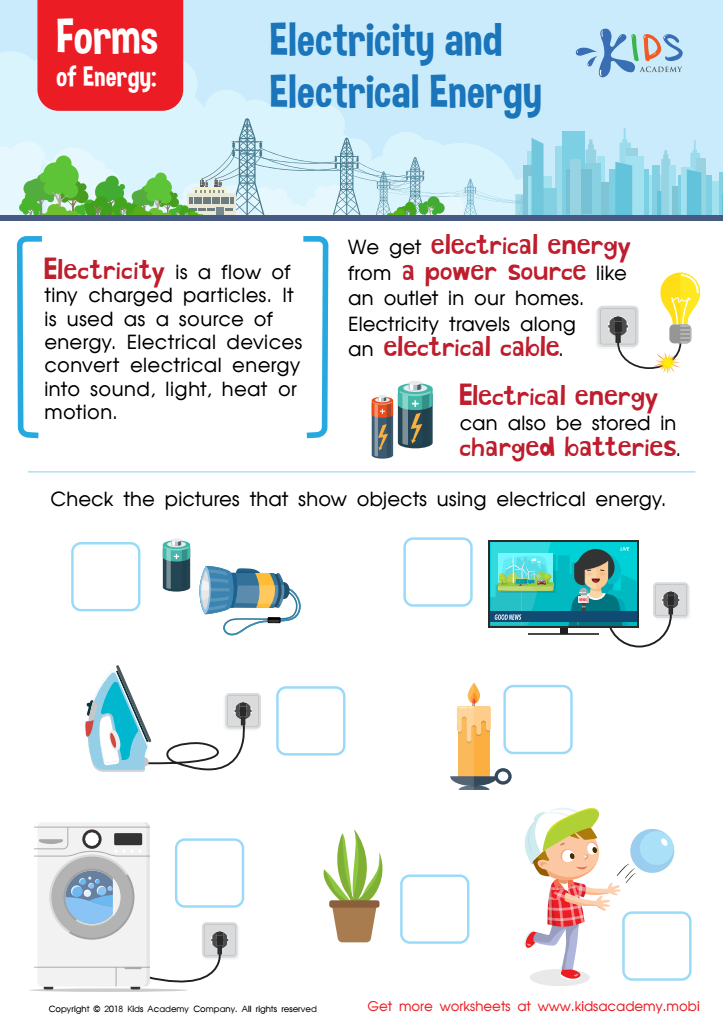
Forms of Energy Worksheet
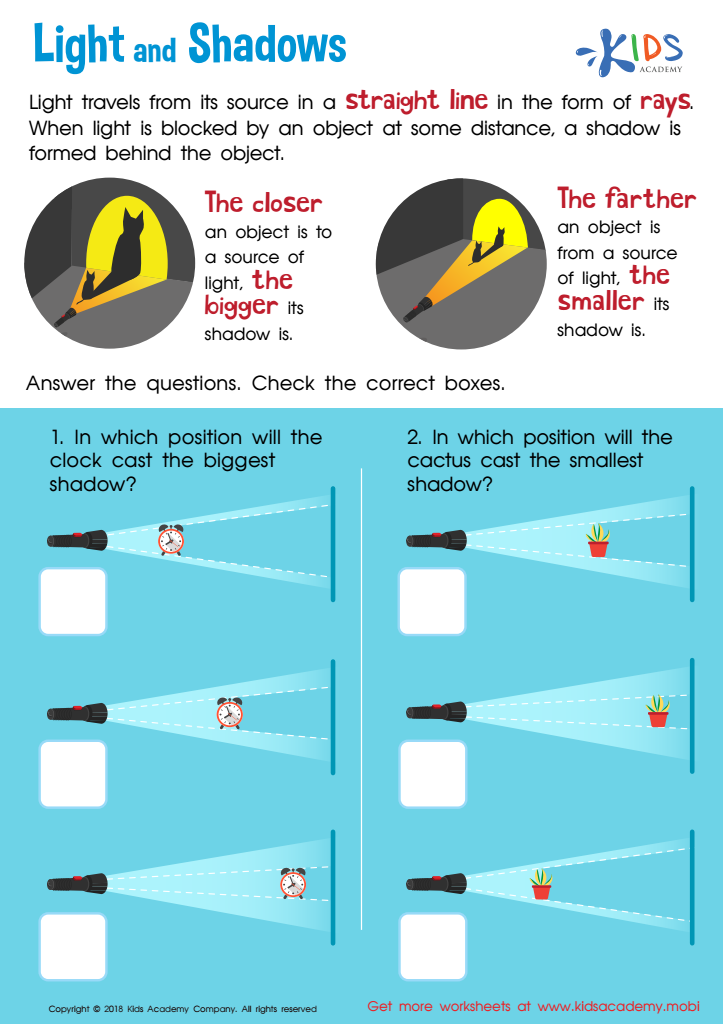
Light and Shadow Worksheet for Grade 3
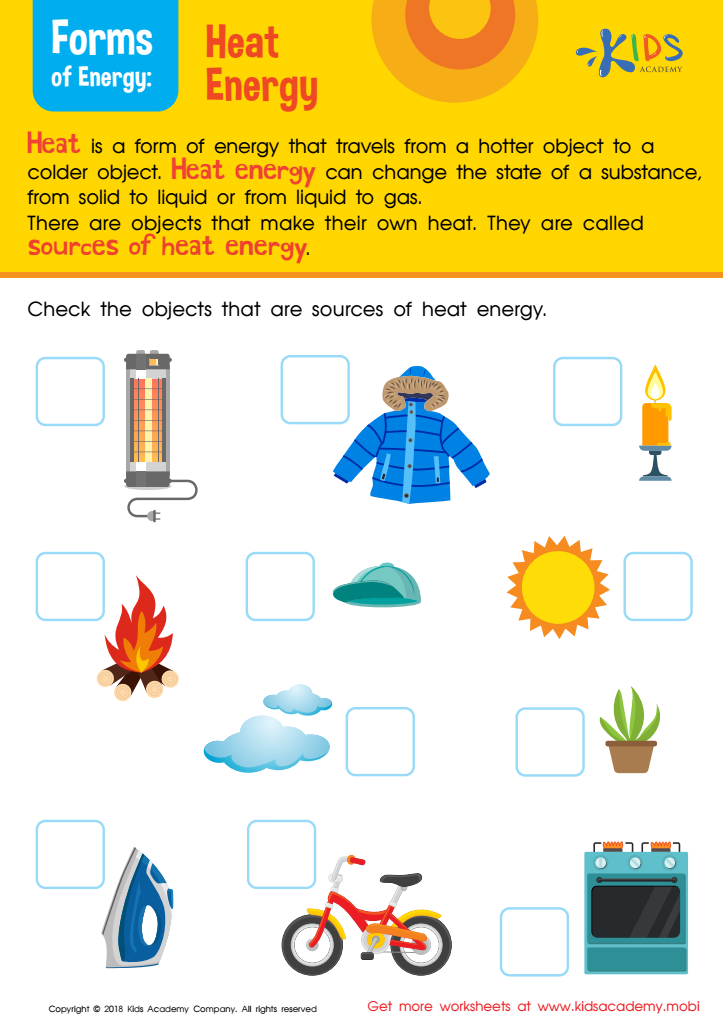
Sources of Heat Energy Worksheet
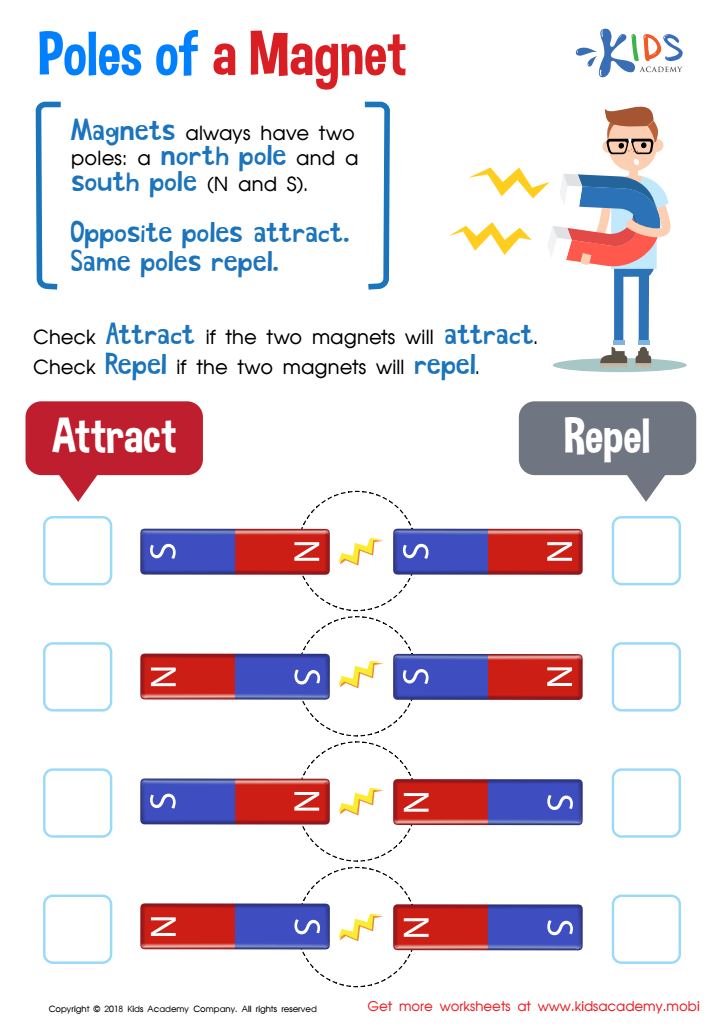
Magnet Poles Attract or Repel Worksheet
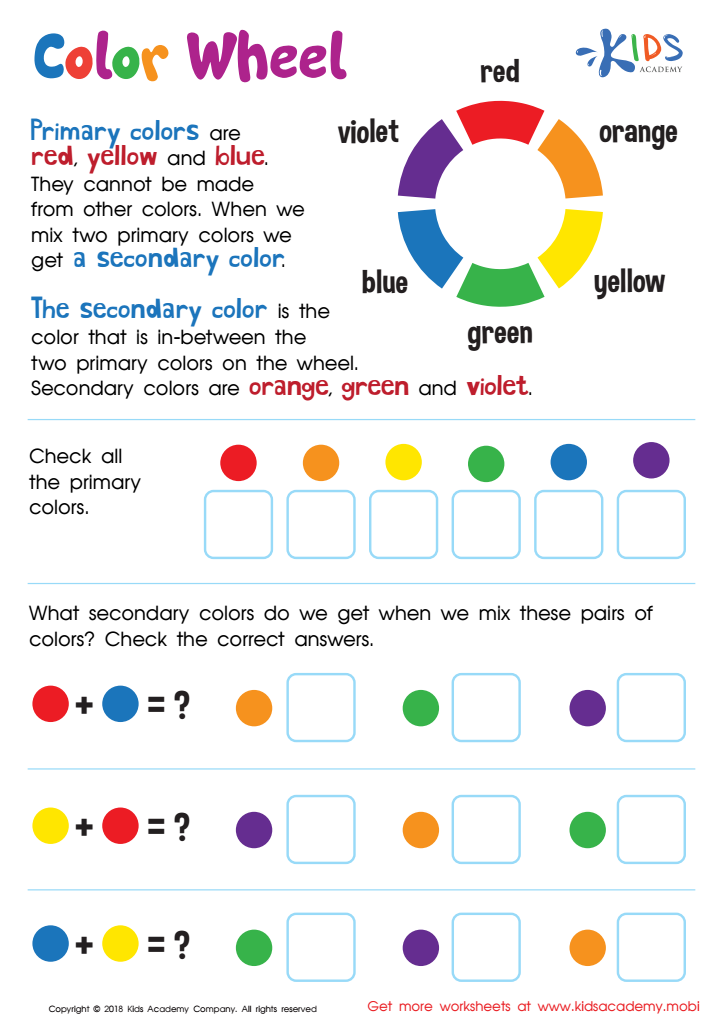
Primary and Secondary Colors Worksheet
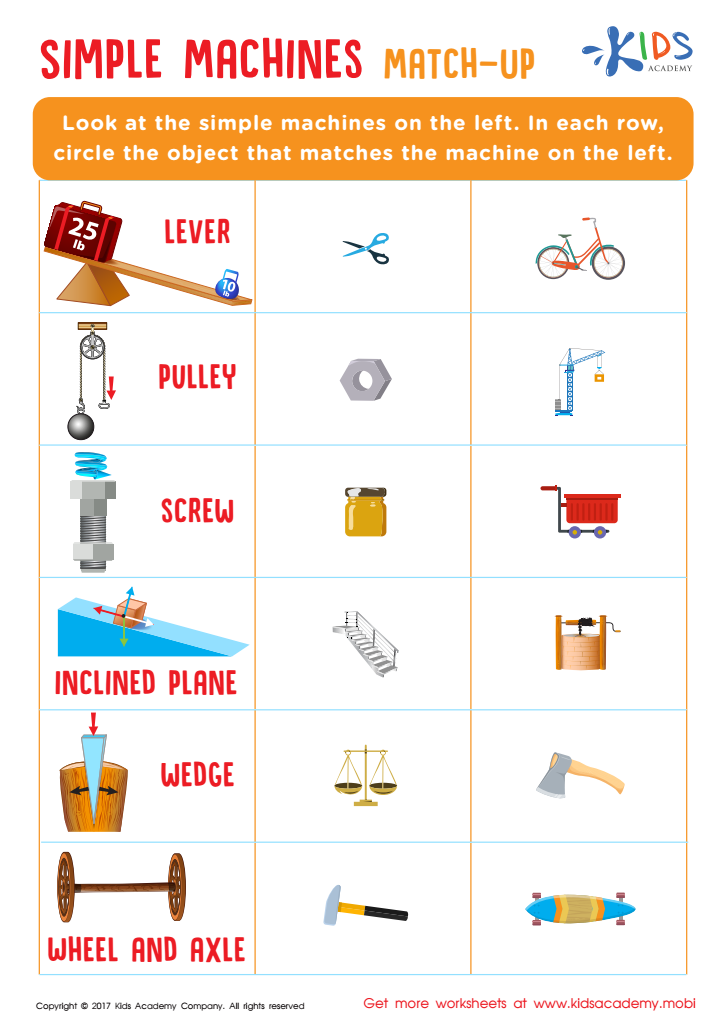
Simple Machines Worksheet
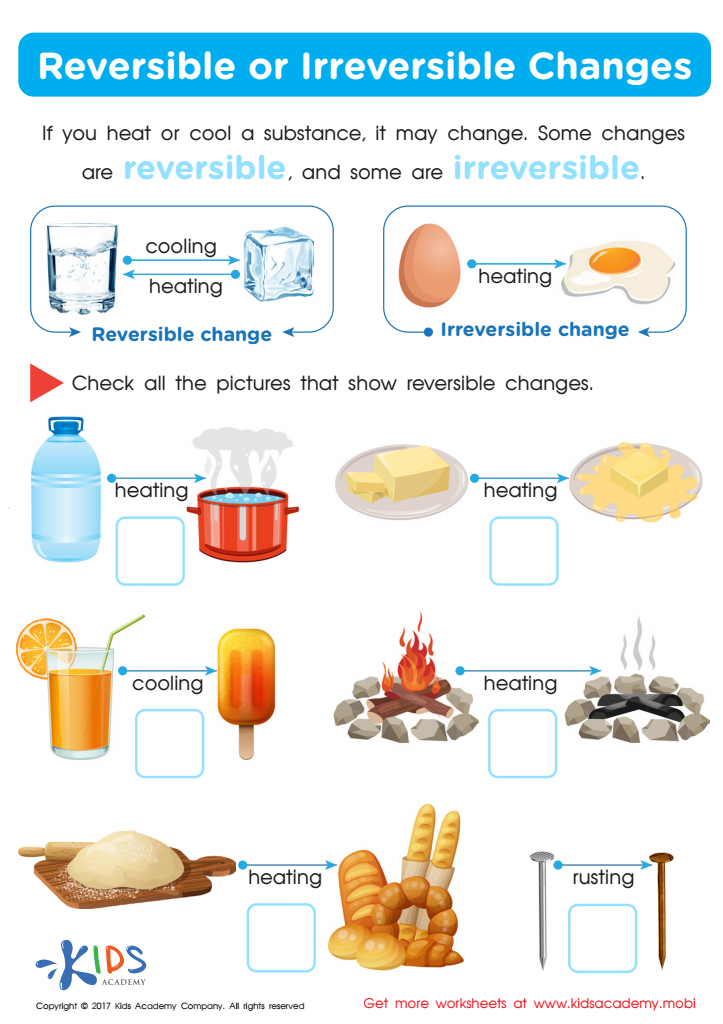
Reversible Irreversible Changes Worksheet
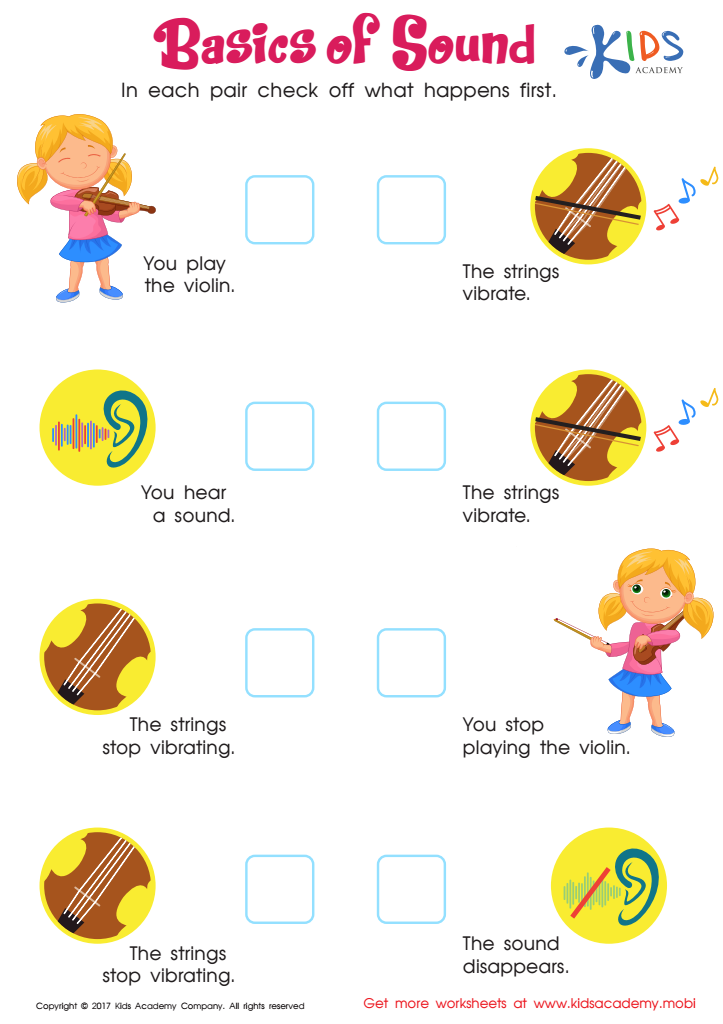
Basics Of Sound Worksheet
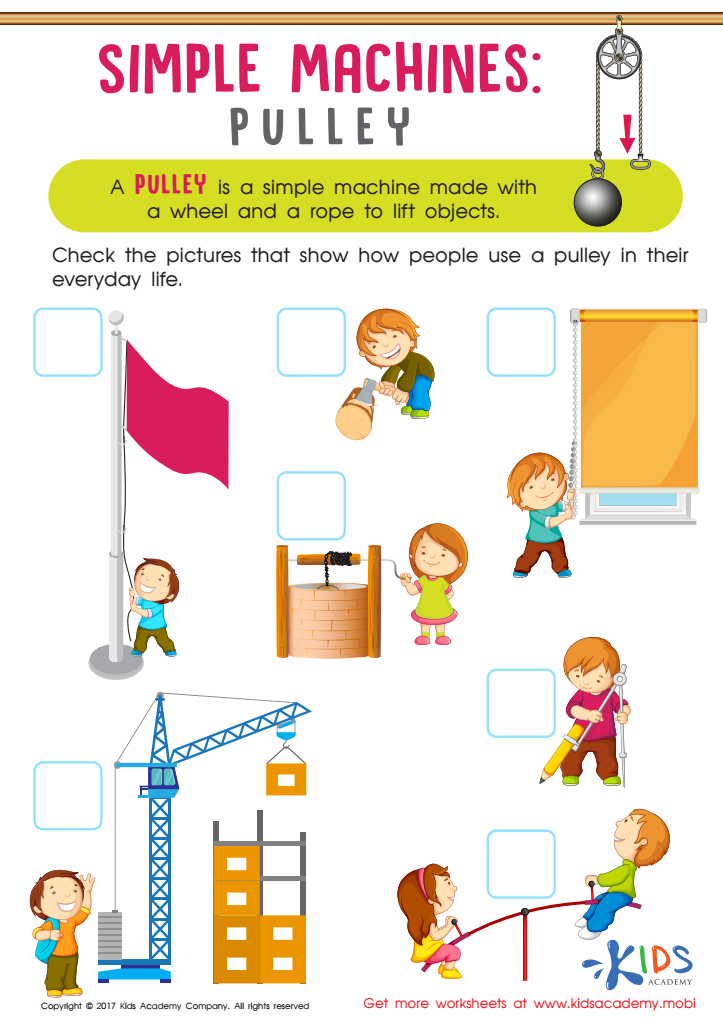
Simple Machines Pulley Worksheet
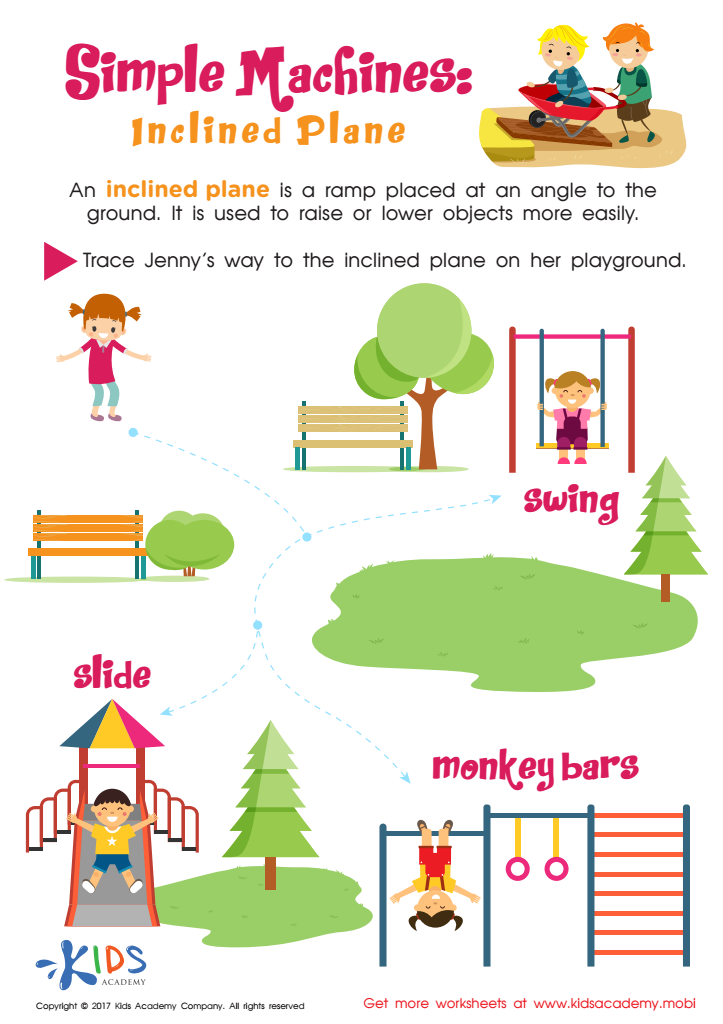
Simple Machines Inclined Plane Worksheet
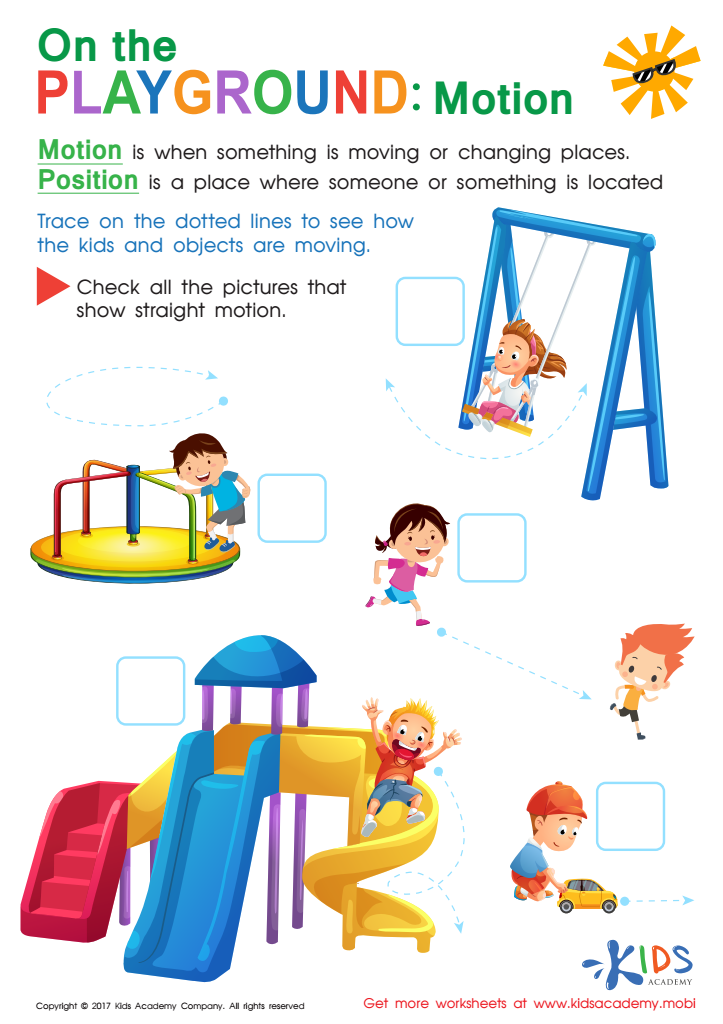
Position and Motion Worksheet
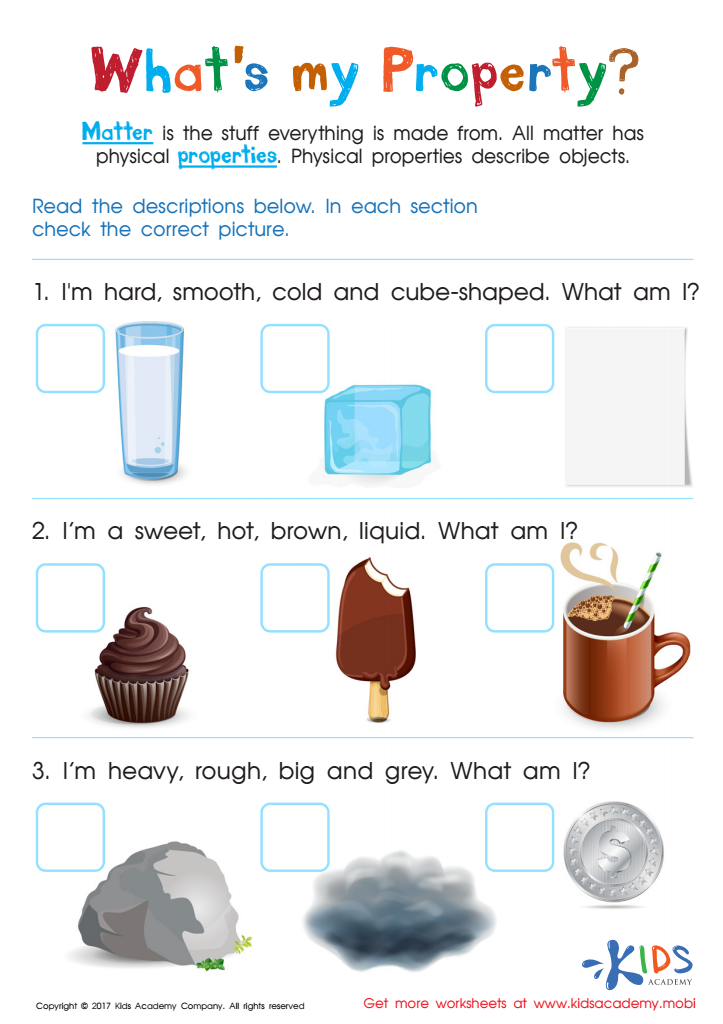
Physical Properties Of Matter Worksheet
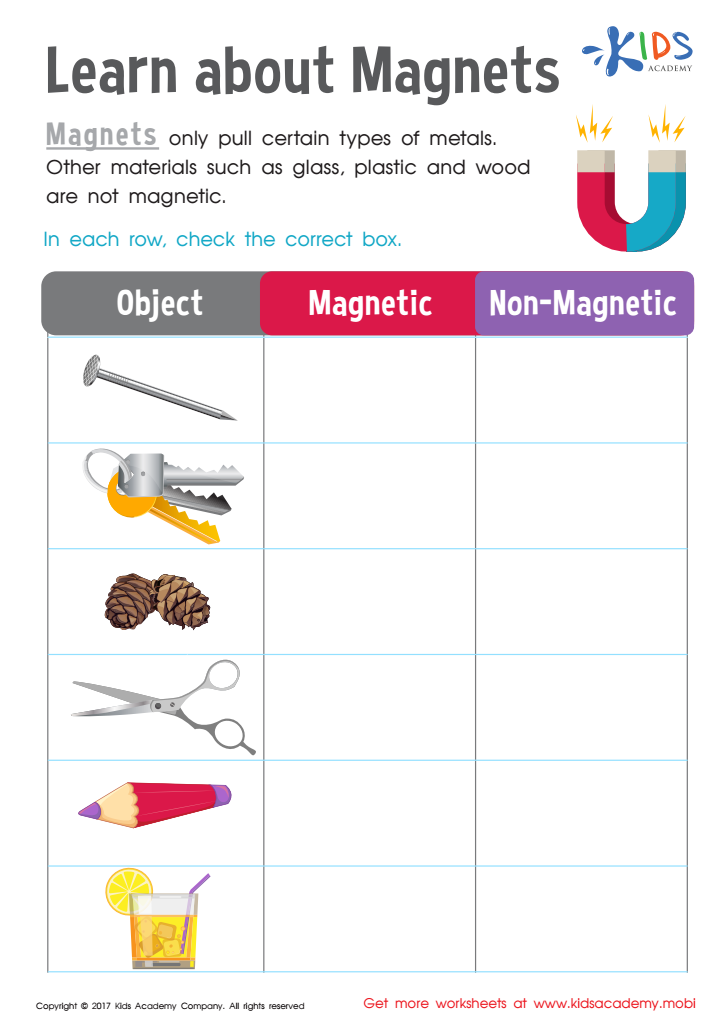
Magnetic Or Not Worksheet
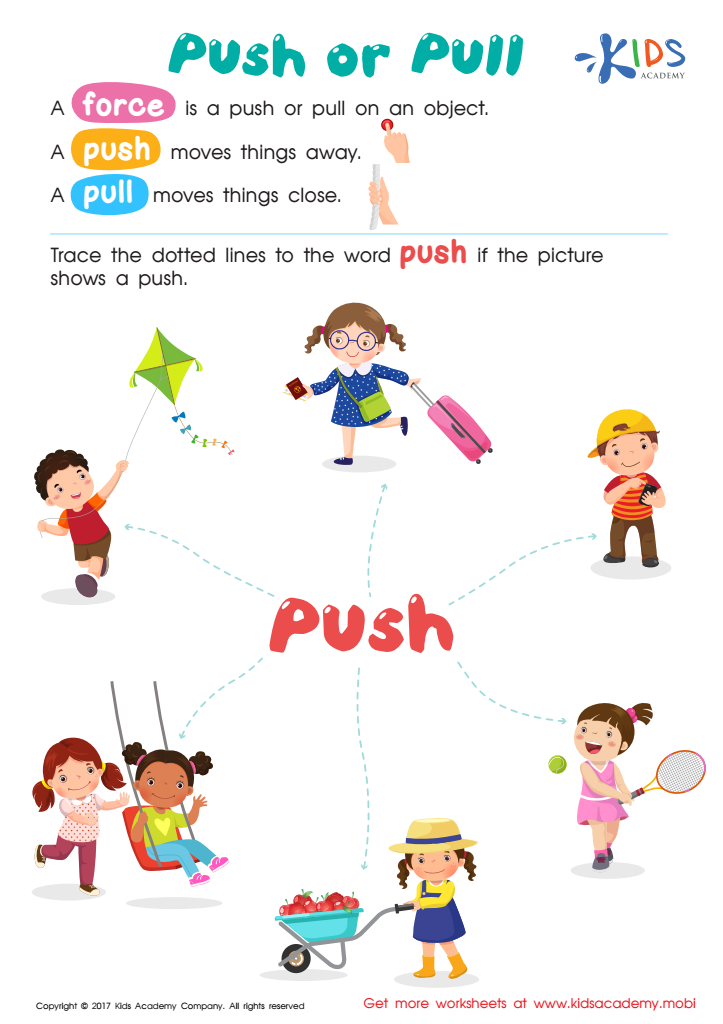
Push or Pull Worksheet
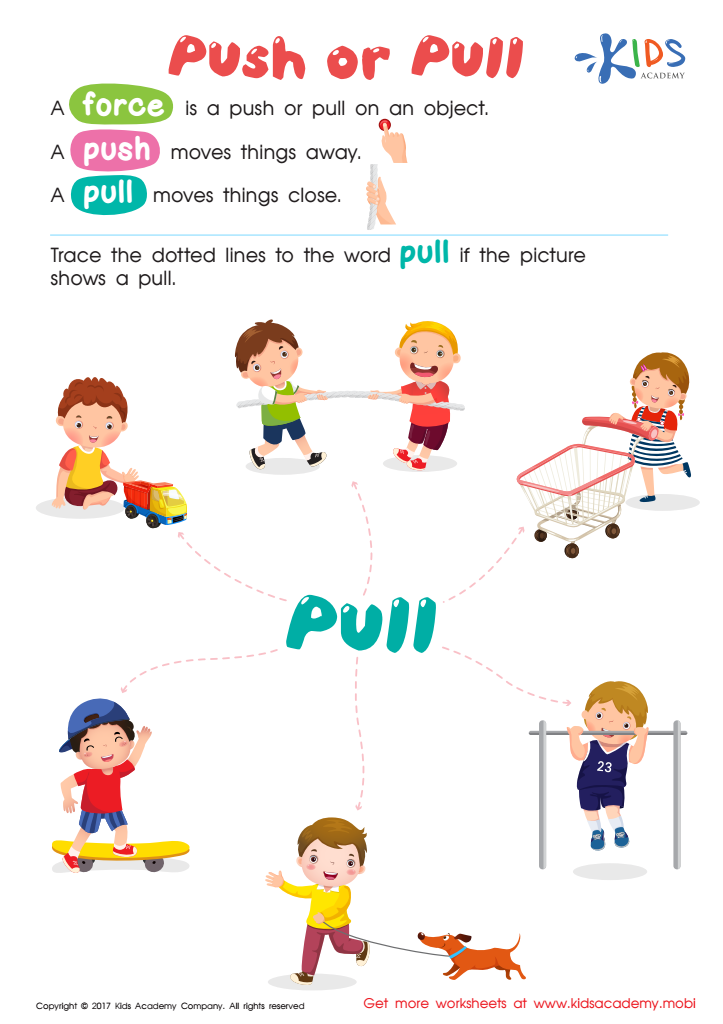
Pull or Push Worksheet
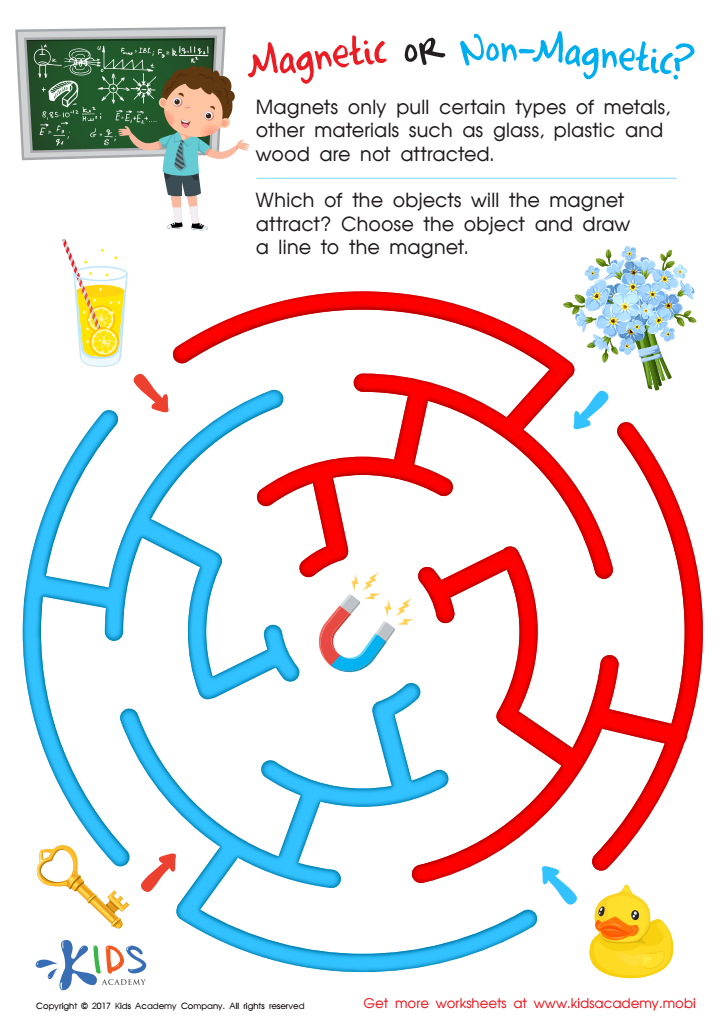
Magnetic or Non–Magnetic Worksheet
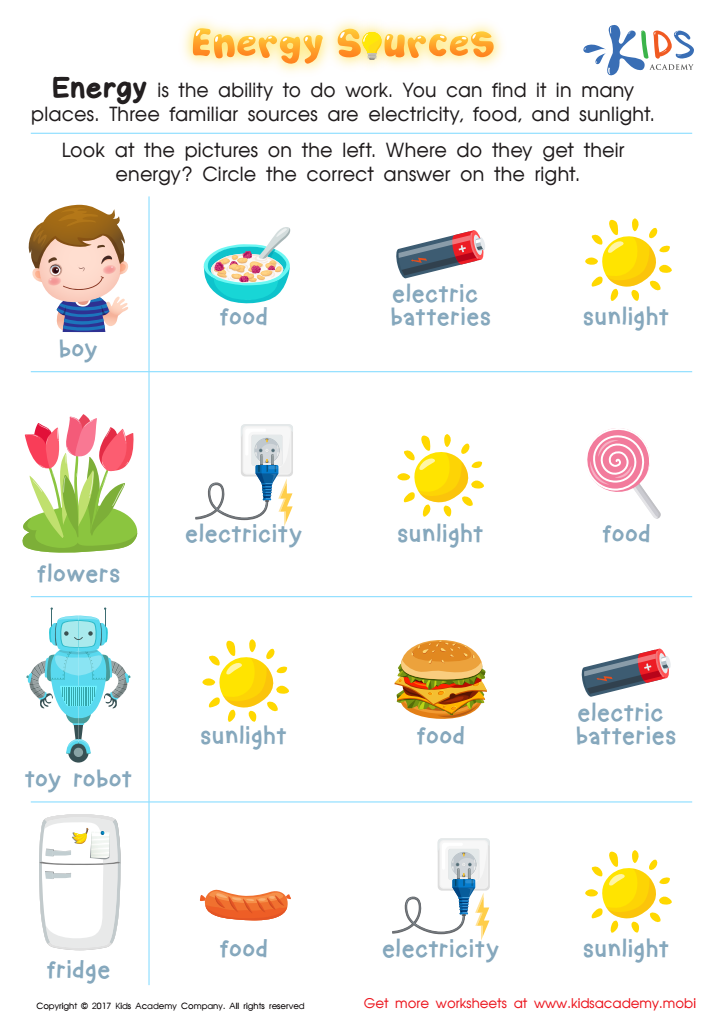
Energy Sources Printable
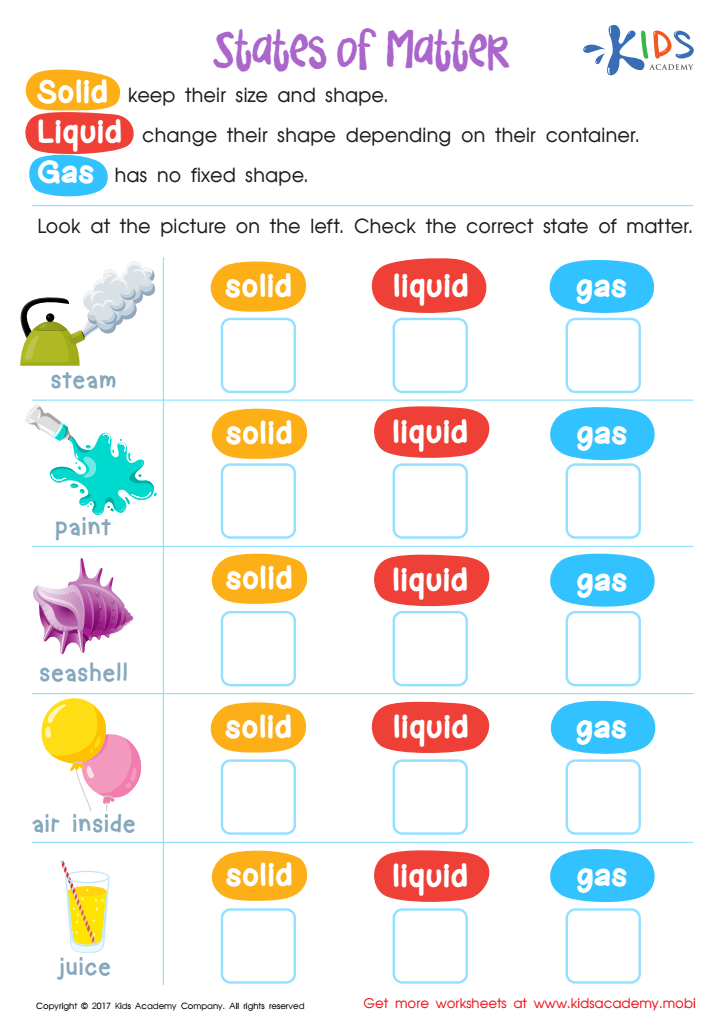
Physical Science: States of Matter Worksheet
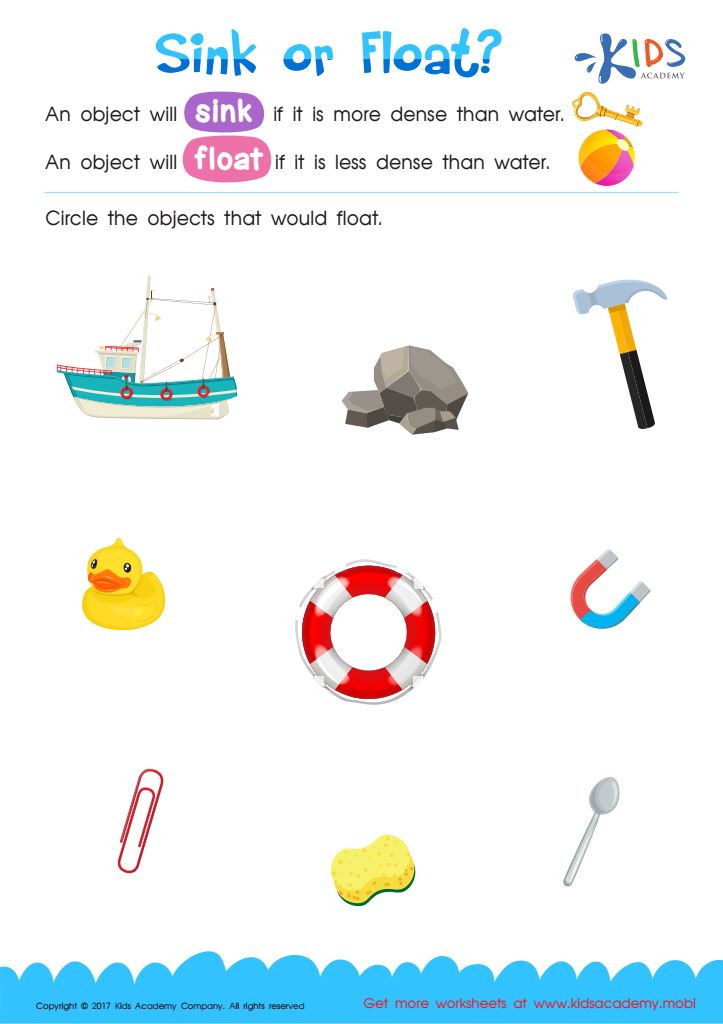
Sink or Float Printable







Parents and teachers should care about normal physical science education for ages 5-8 because early exposure to scientific concepts lays a critical foundation for future learning and intellectual development. At this age, children are naturally curious and eager to explore the world around them. Introducing simple physical science concepts, such as gravity, magnetism, and states of matter, can stimulate their curiosity and critical thinking skills.
Understanding these concepts helps children make sense of everyday phenomena and fosters a sense of wonder and appreciation for the natural world. It aids in developing problem-solving skills, logical reasoning, and creativity. For example, simple experiments, like observing how different objects sink or float, enable children to grasp basic principles and practice methodical thinking.
Moreover, early physical science education supports cognitive development, enhancing language, math skills, and overall intellectual growth. It also lays the groundwork for more advanced scientific studies and can spark a lifelong interest in STEM (Science, Technology, Engineering, and Mathematics) fields, which are pivotal for career opportunities in the future.
Involving children in physical science activities also provides valuable quality time with parents and teachers, reinforcing positive attitudes towards learning and instilling a sense of achievement. This makes early physical science not just educationally powerful but holistically enriching for young minds.







