Normal Geography Worksheets for Ages 5-8 - Page 3
51 filtered results
-
From - To
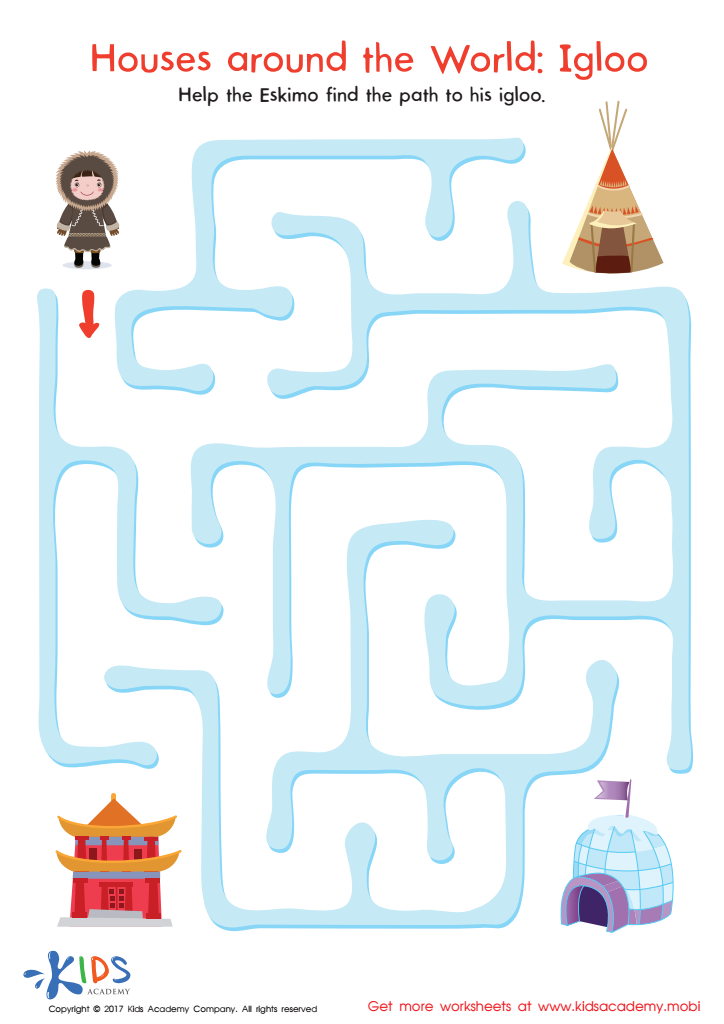
Houses Around the World: Igloo Printable
 Assign to My Students
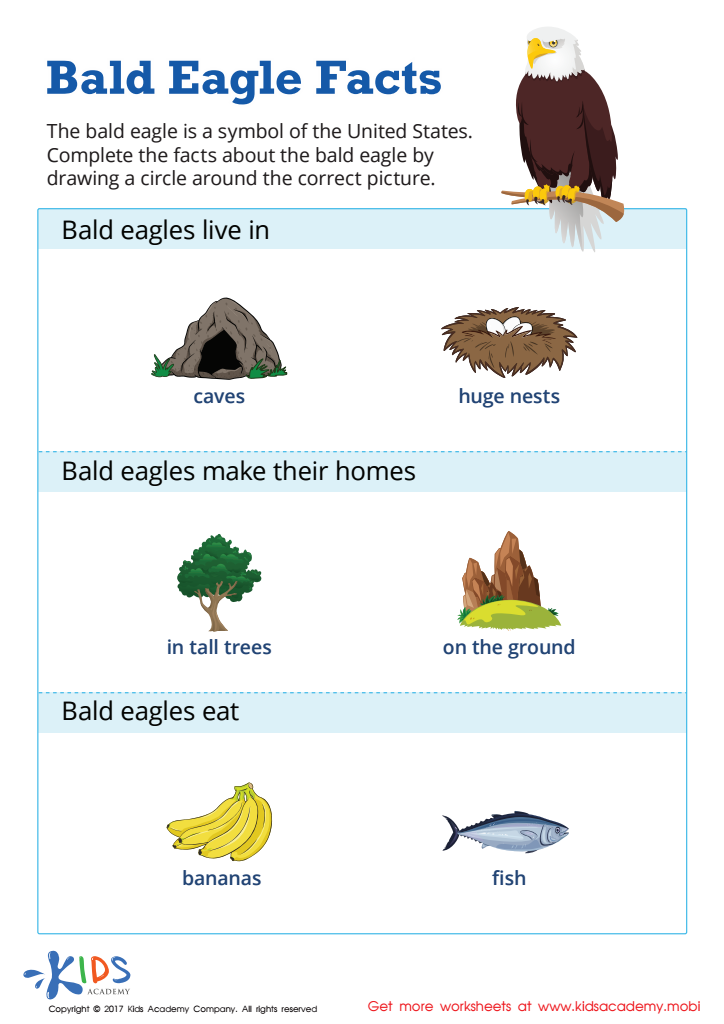
Bald Eagle Facts Worksheet
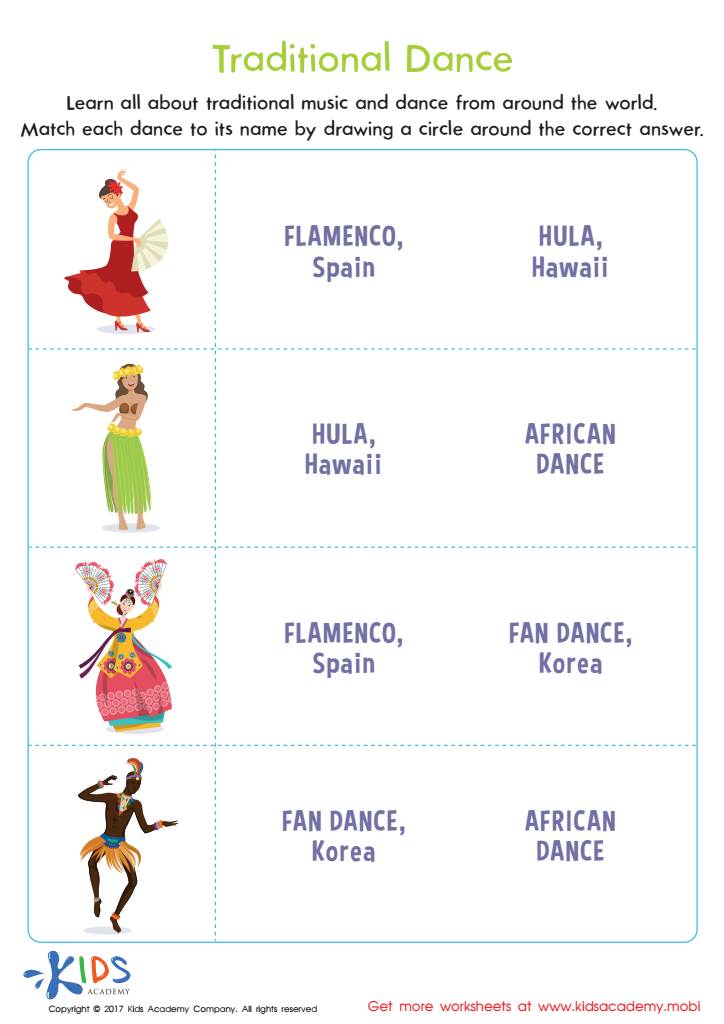
Traditional Dance Printable





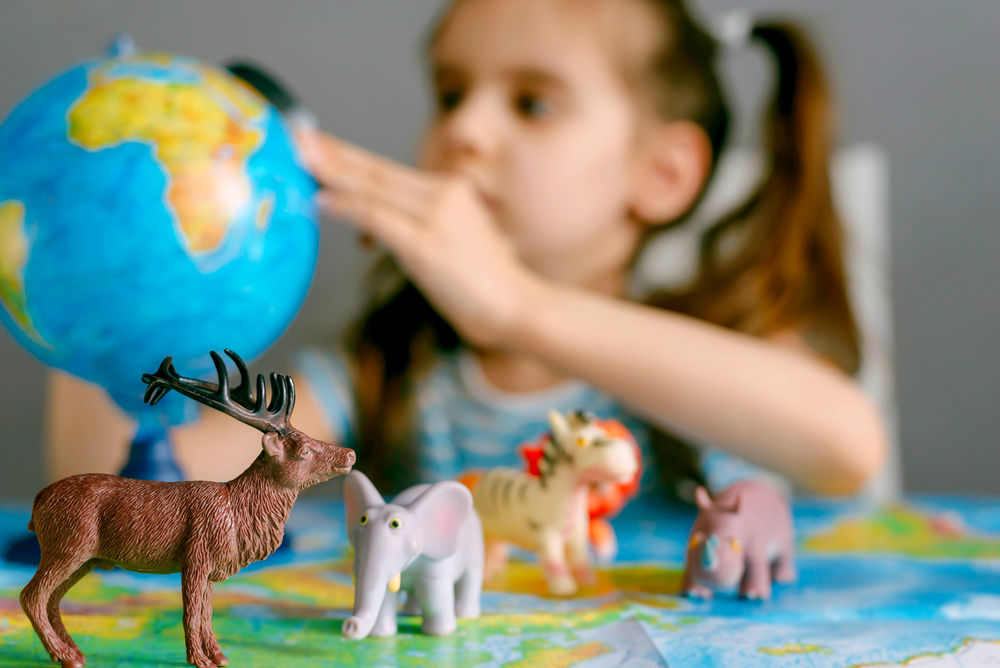

Normal Geography (often featuring basic geographical concepts and local environments) is essential for children aged 5-8 as it lays the foundation for their understanding of the world. At this age, kids are naturally curious and eager to explore their surroundings. Learning about geography helps them build spatial awareness, fostering curiosity about their local communities, diverse cultures, and global interconnectedness.
For parents and teachers, an early introduction to Normal Geography cultivates critical thinking and observational skills as children learn to identify landforms, climates, and human-made structures. By engaging in geographic discussions, kids develop language and vocabulary specific to geography, which supports their literacy.
Furthermore, geography education encourages environmental awareness, steering children toward understanding sustainability and conservation from a young age. Exploring maps, globes, and local environments makes learning tactile and dynamic, often leading to outdoor activities that promote physical health.
Engaging children in geography aligns classroom learning with real-world contexts, allowing lessons to be vivid and relatable. Ultimately, normalizing geographical knowledge empowers children to become informed global citizens, ready to tackle the complexities of the world, thus solidifying why caregivers should actively foster a love for geography in early education.








