Normal Worksheets for Ages 5-9 - Page 69
1638 filtered results
-
From - To
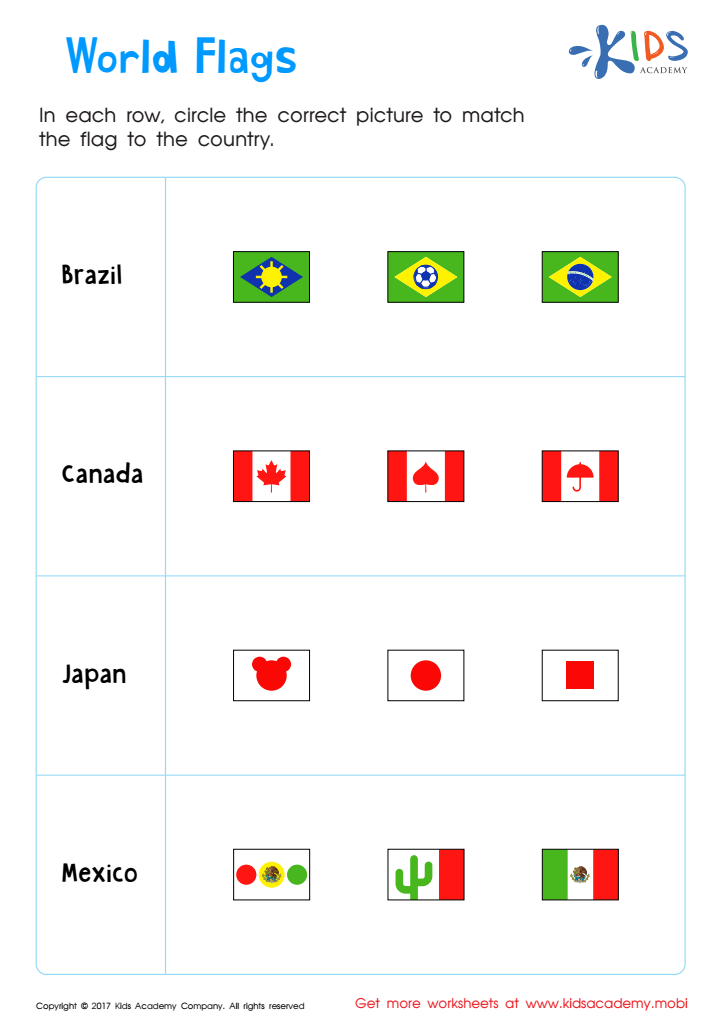
World Flags Printable
 Assign to My Students
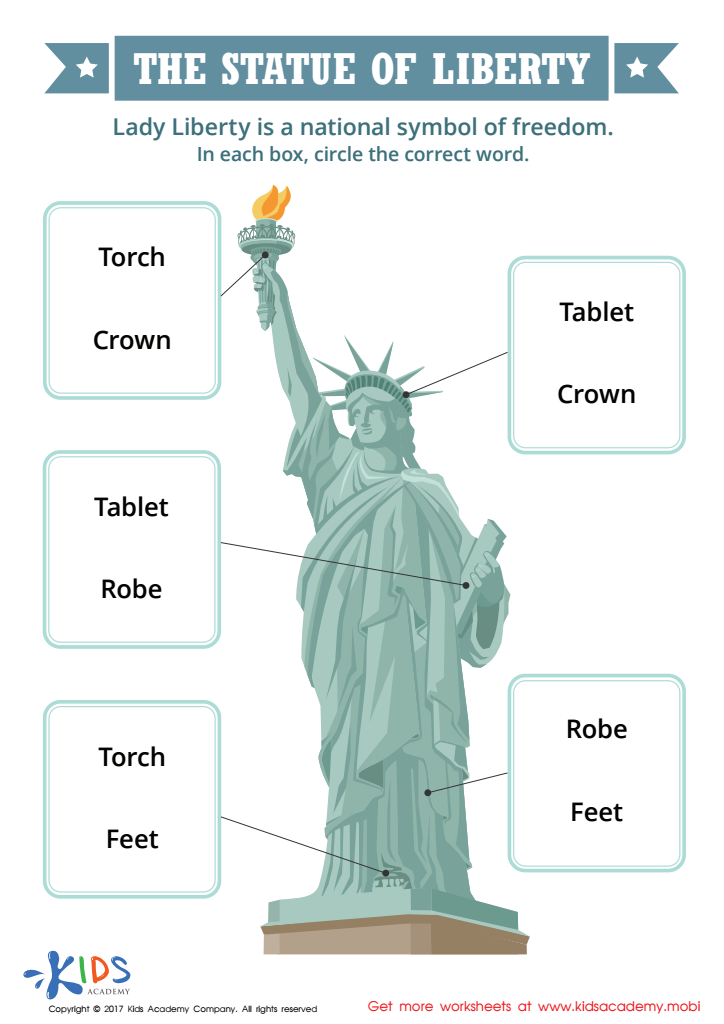
The Statue of Liberty Printable

Houses Around the World: Igloo Printable
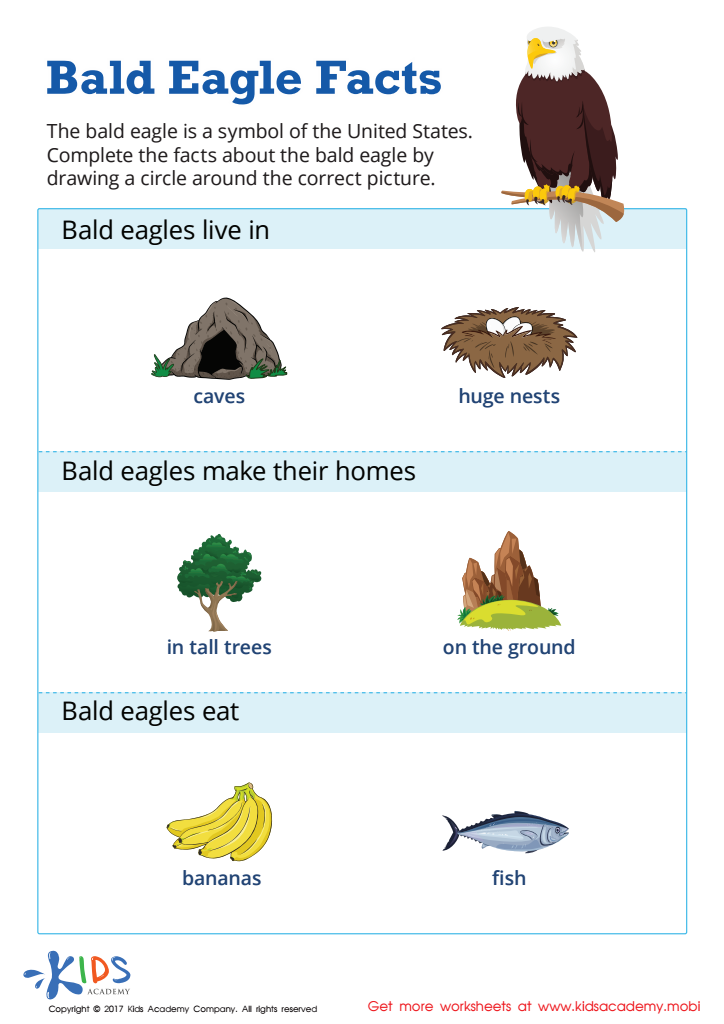
Bald Eagle Facts Worksheet
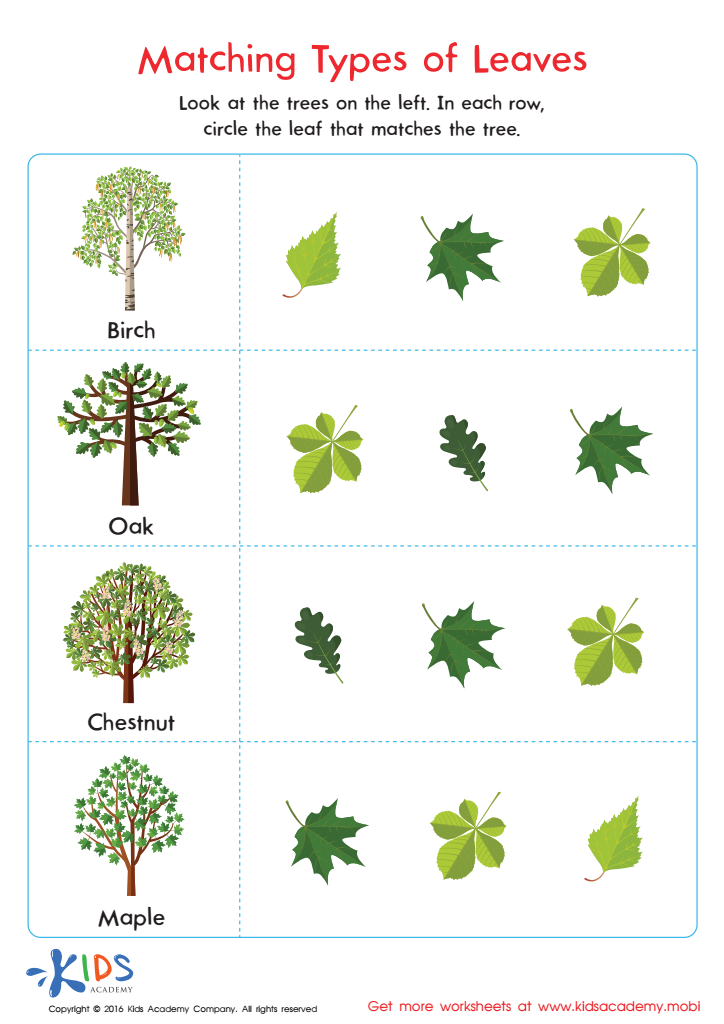
Matching Types of Leaves Printable
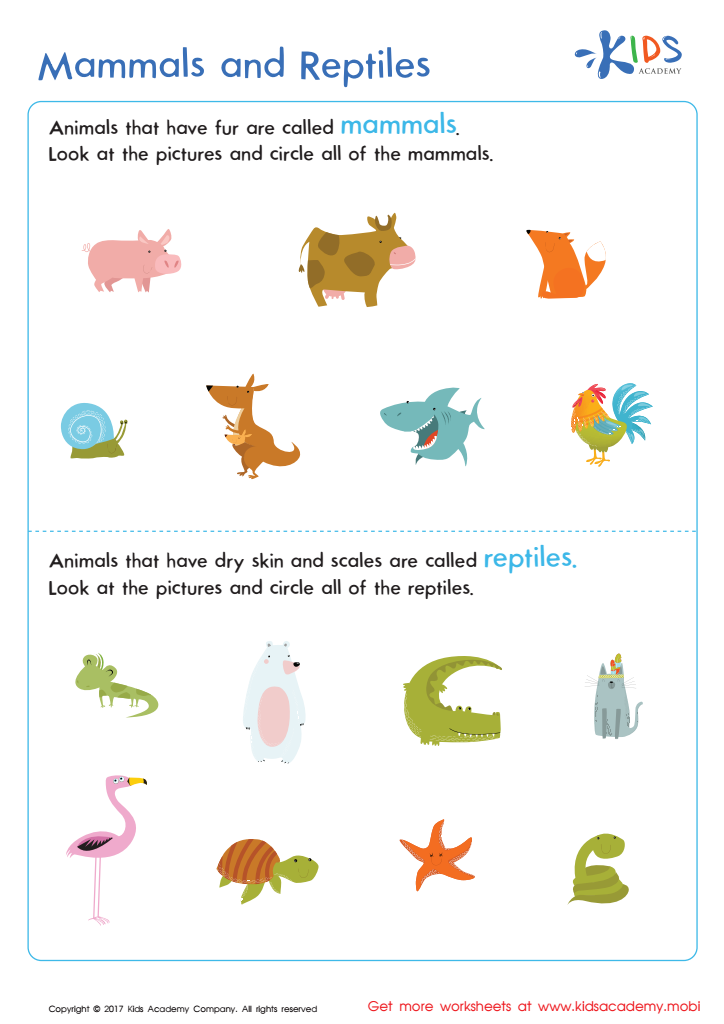
Mammals and Reptiles Worksheet







Parents and teachers should care about developmental norms for ages 5-9 because these benchmarks provide crucial insights into children's growth across physical, cognitive, emotional, and social domains. Understanding what is typical for this age group helps adults identify any deviations that might indicate potential developmental delays or disorders, enabling early intervention. Early detection is vital in addressing challenges promptly, providing the necessary support to help children catch up with their peers.
At this stage, children undergo significant changes: they start school, develop foundational academic skills, and build essential social relationships. Recognizing normal behaviors and skills ensures that parents and teachers can foster an environment that promotes healthy development. They can tailor educational activities, learning strategies, and social interactions to align with children's developmental stages, thus supporting effective learning and emotional well-being.
Moreover, awareness of these norms helps in setting realistic expectations, reducing undue pressure on children while encouraging appropriate challenges that stimulate growth. It empowers parents and teachers to celebrate milestones, providing positive reinforcement that builds a child's confidence and motivation. In essence, understanding developmental norms enables a nurturing approach that harmonizes with each child's unique pace of development, ensuring a balanced and supportive pathway to future success.








