Normal Geography Worksheets for Ages 5-9
50 filtered results
-
From - To
Explore our engaging Normal Geography Worksheets for ages 5-9, meticulously crafted to captivate young minds and foster an early appreciation for our world. Our diverse collection includes activities like map reading, identifying countries, and learning about continents and oceans. Each worksheet combines fun with foundational geography skills to support your child’s social studies education. Perfect for both classroom use and homeschooling, these resources are designed to fit seamlessly into any learning plan, helping children build confidence and curiosity about the diverse world they inhabit. Empower your child to be a global explorer with our interactive, easy-to-use geography worksheets!
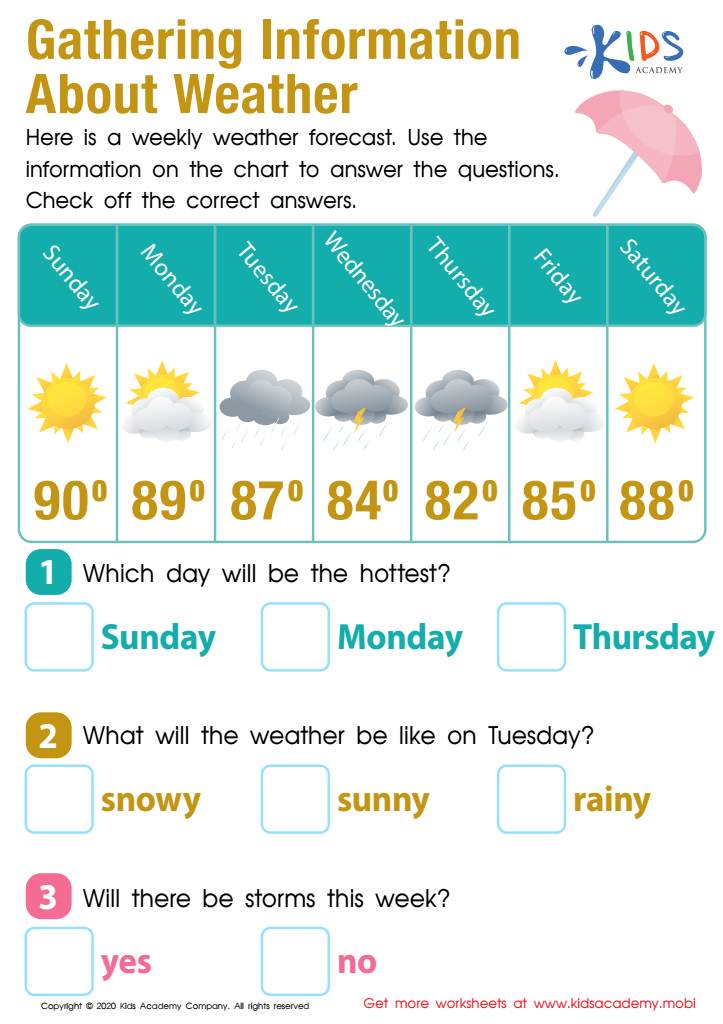
Gathering Information About the Weather Worksheet
 Assign to My Students
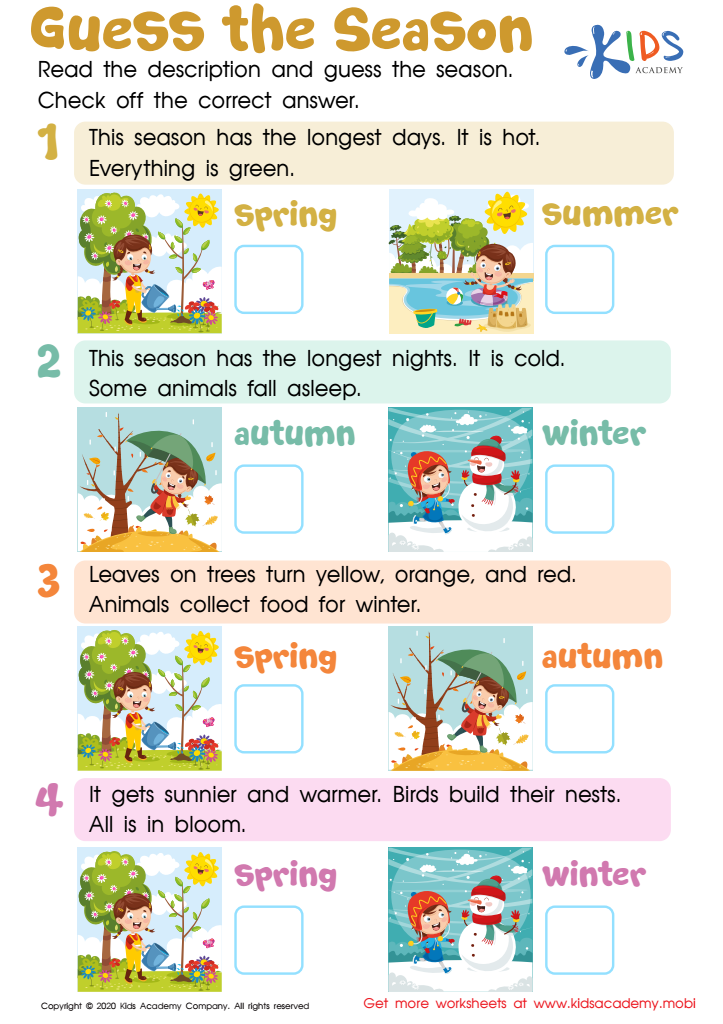
Guess the Season Worksheet
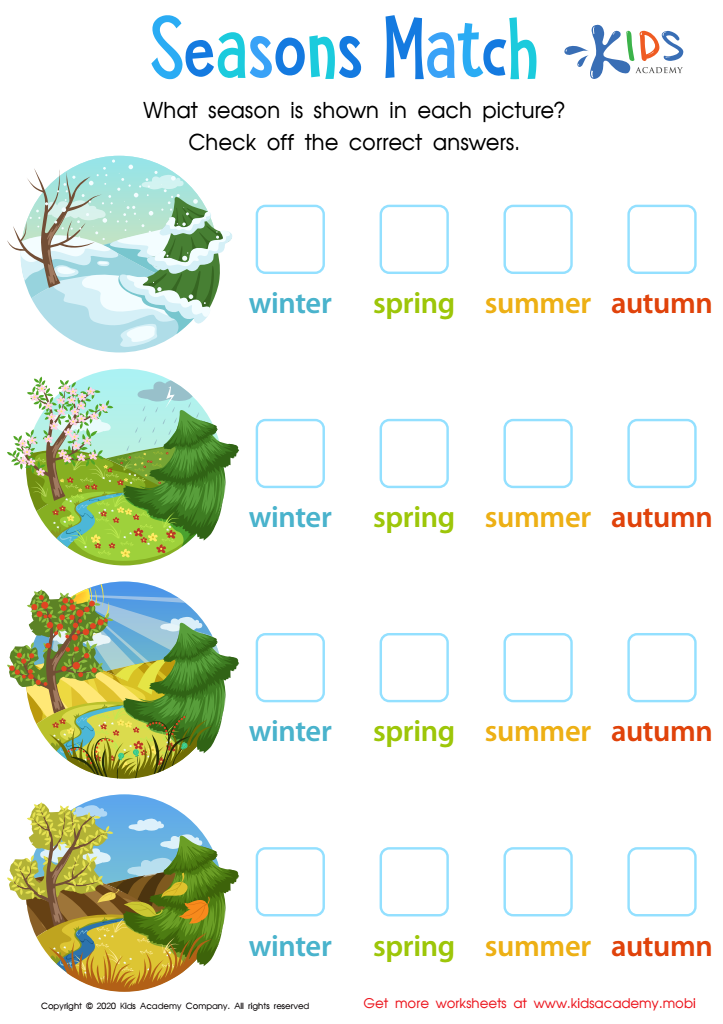
Seasons Match Worksheet
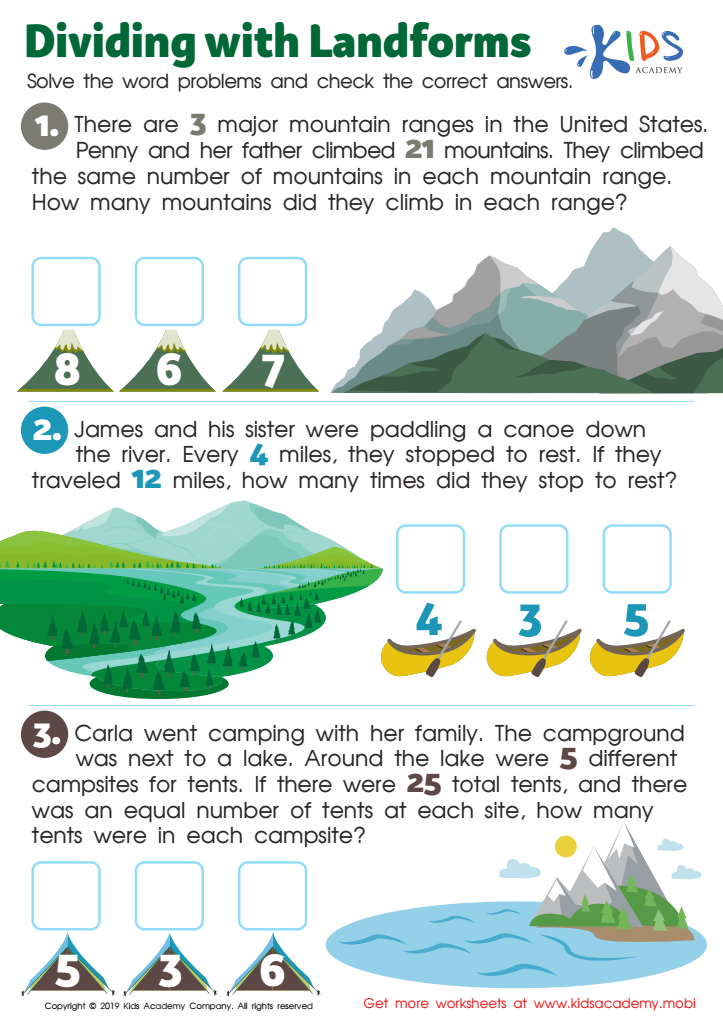
Dividing with Landforms
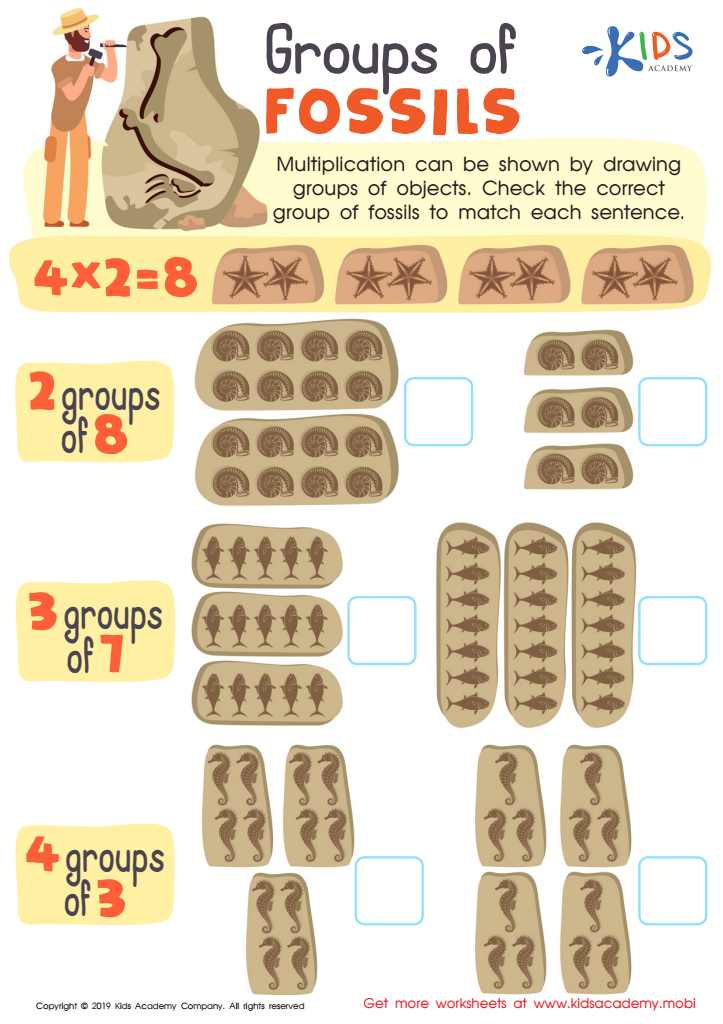
Groups of Fossils Worksheet
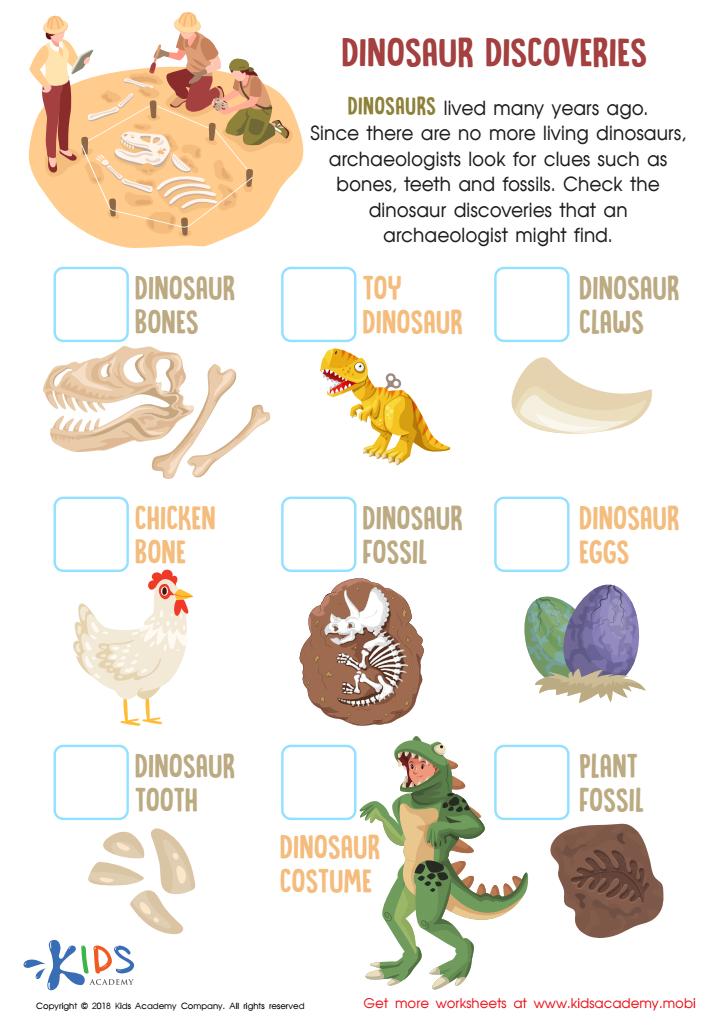
Dinosaur Discoveries Worksheet
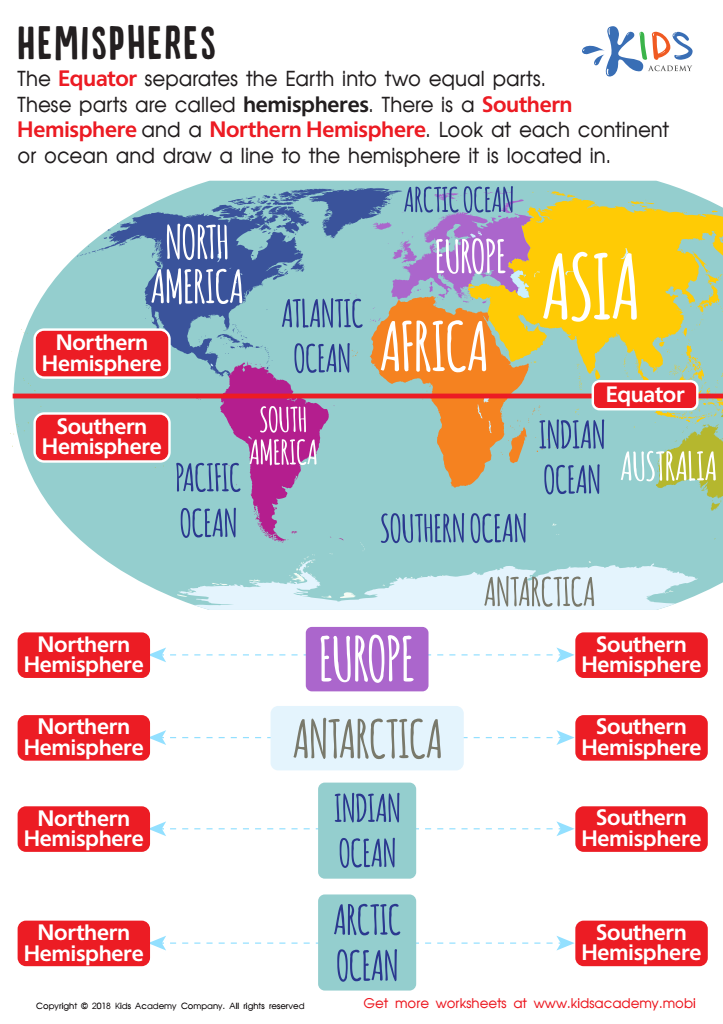
Hemispheres Worksheet
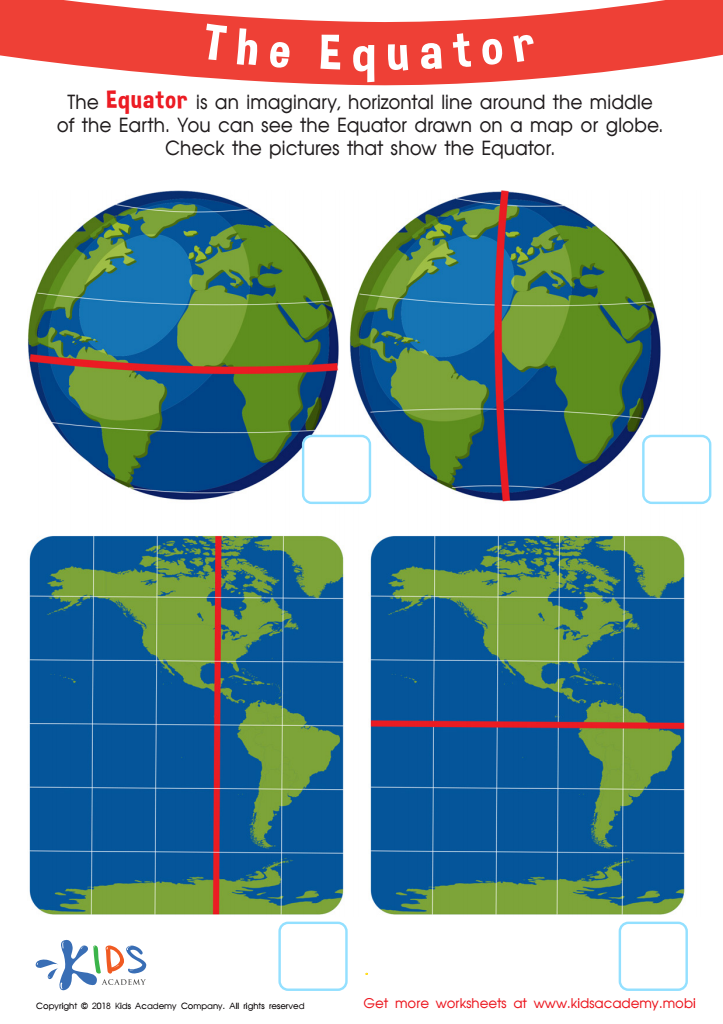
The Equator Worksheet
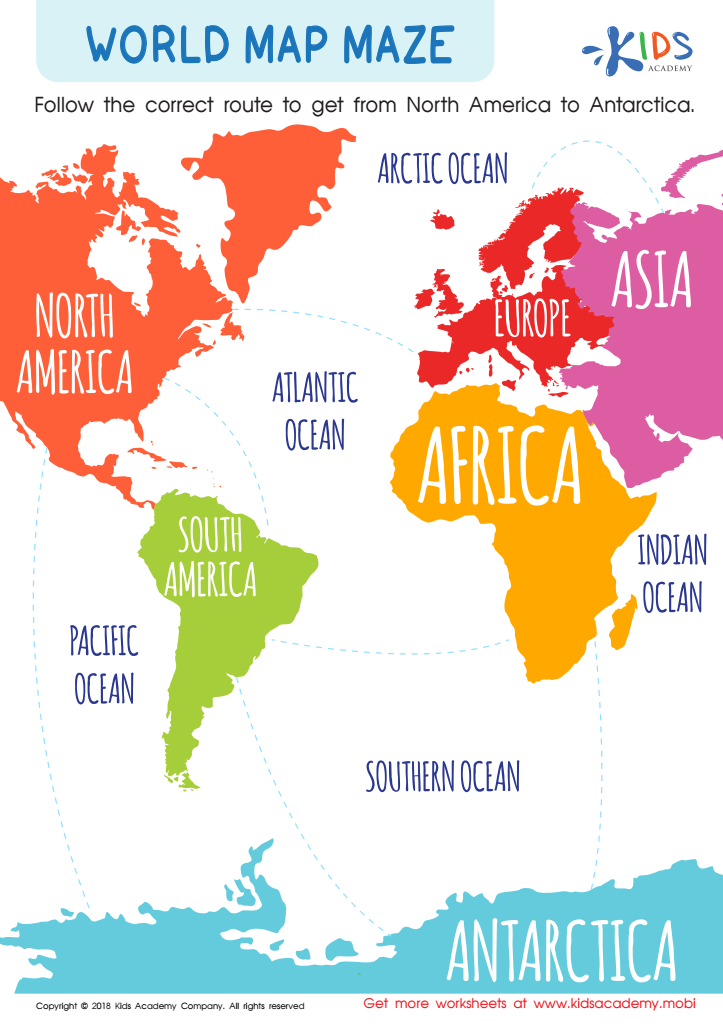
World Map Maze Worksheet
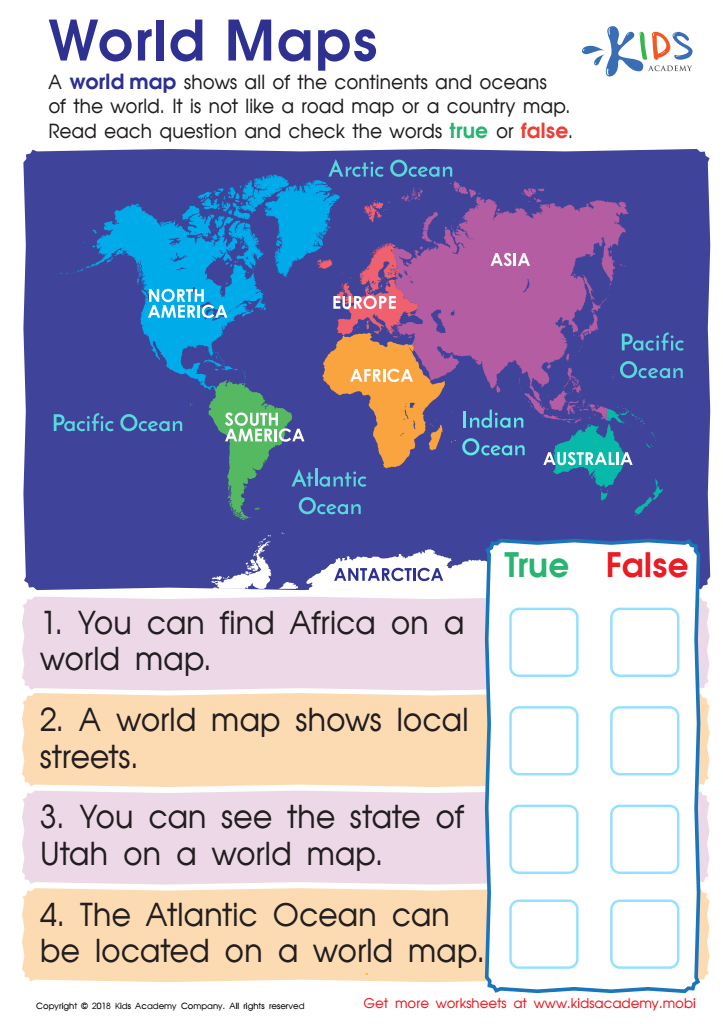
World Maps Worksheet
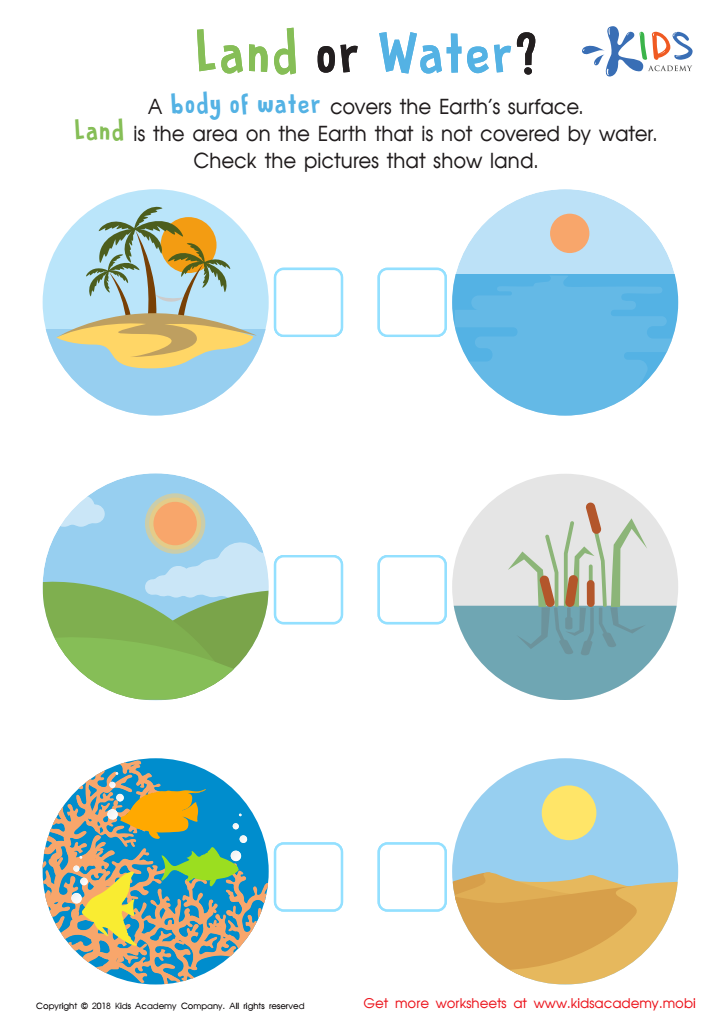
Land or Water Worksheet
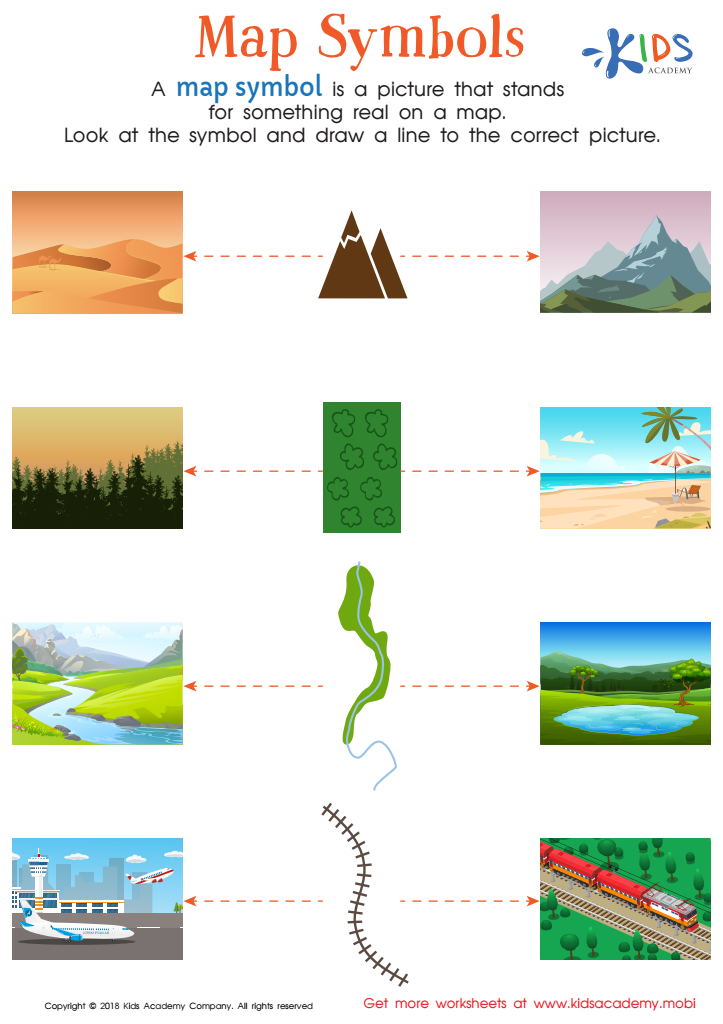
Map Symbols Worksheet
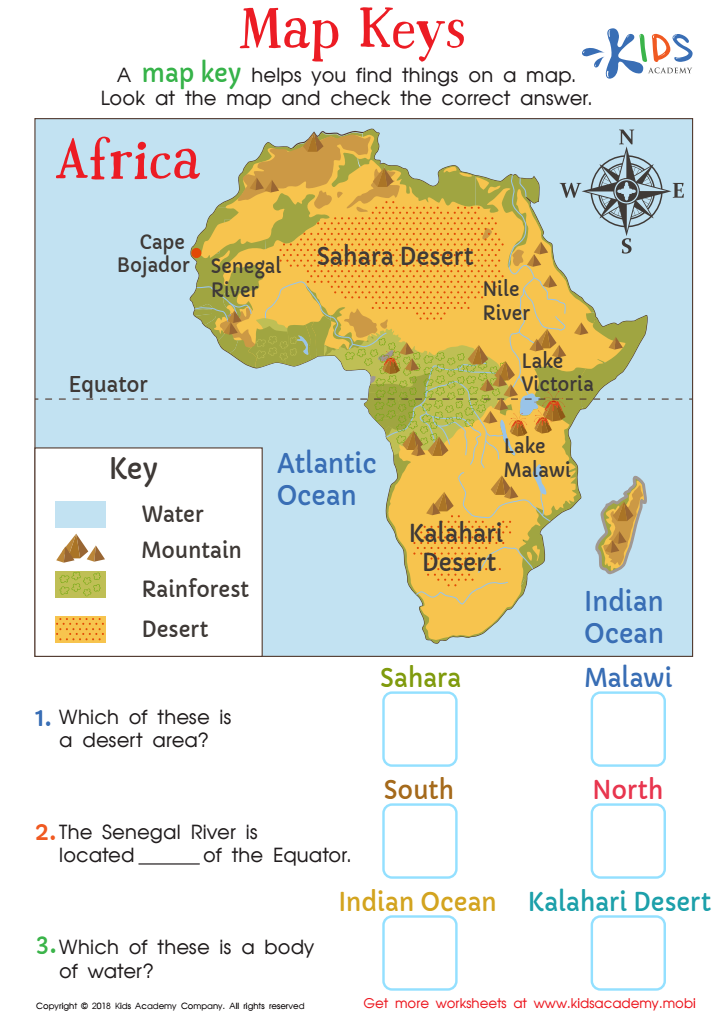
Map Keys Worksheet
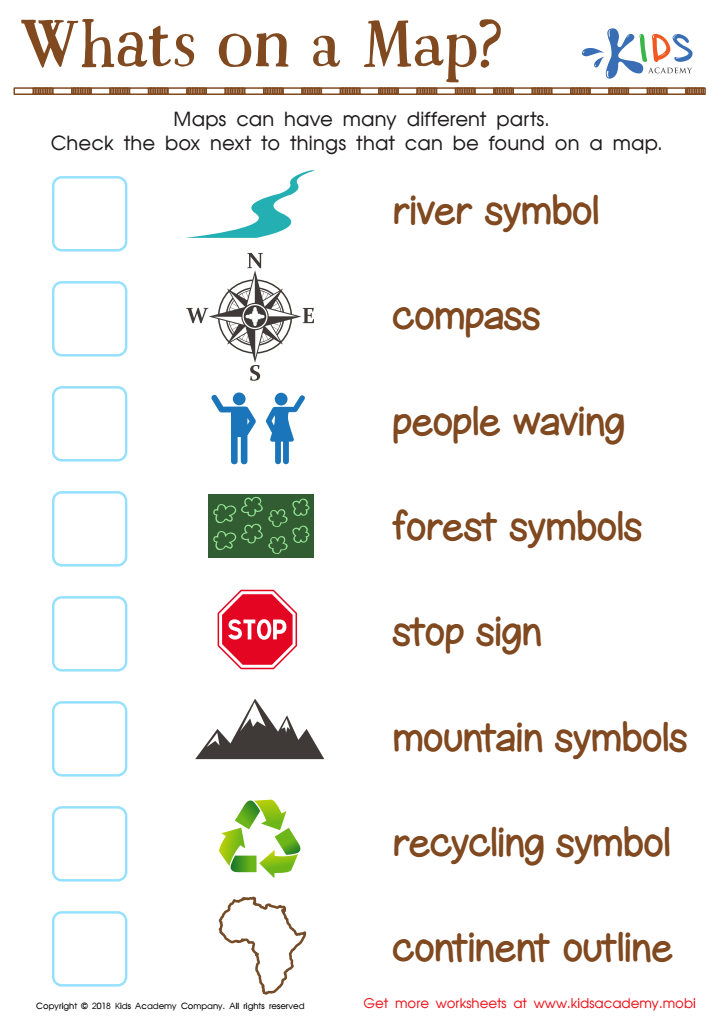
Whats on a Map? Worksheet
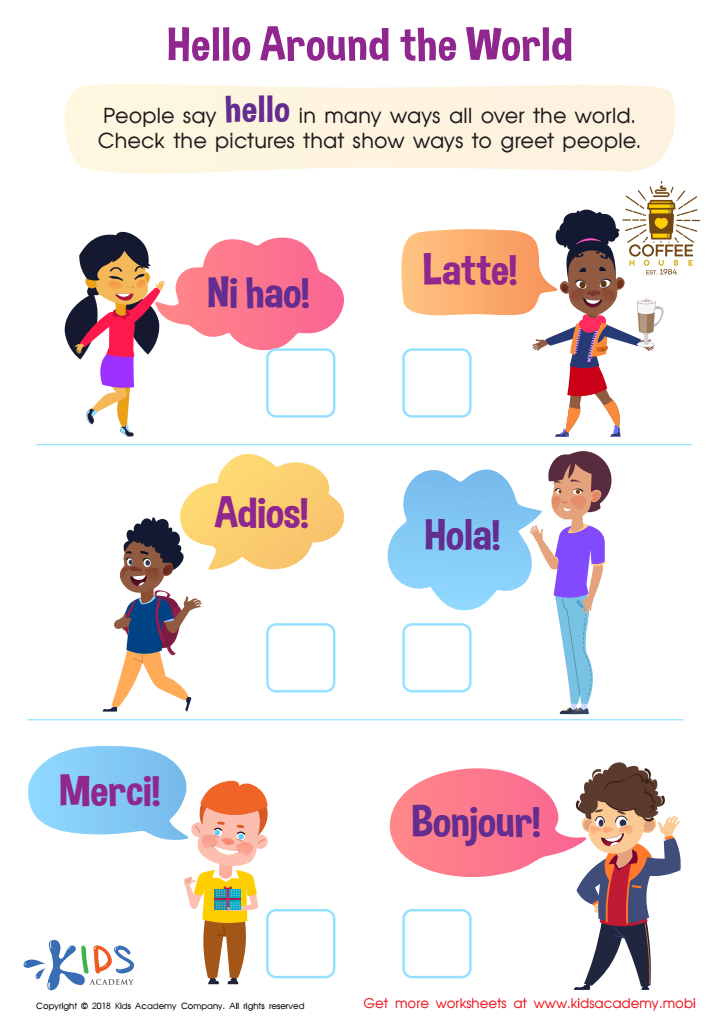
Hello Around the World Worksheet
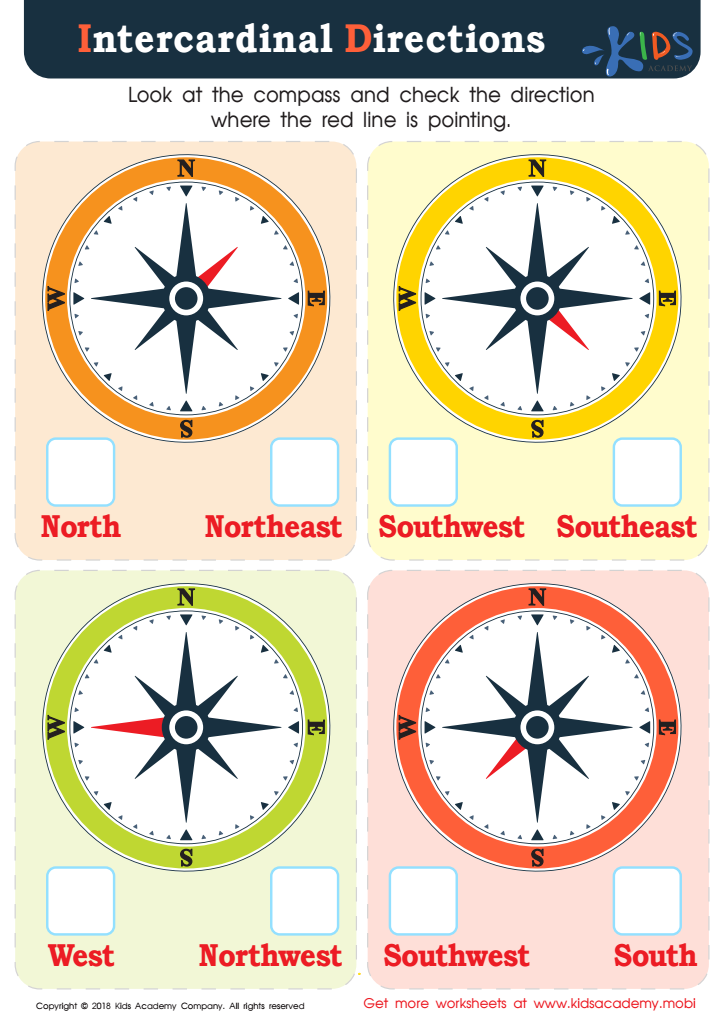
Intercardinal Directions Worksheet
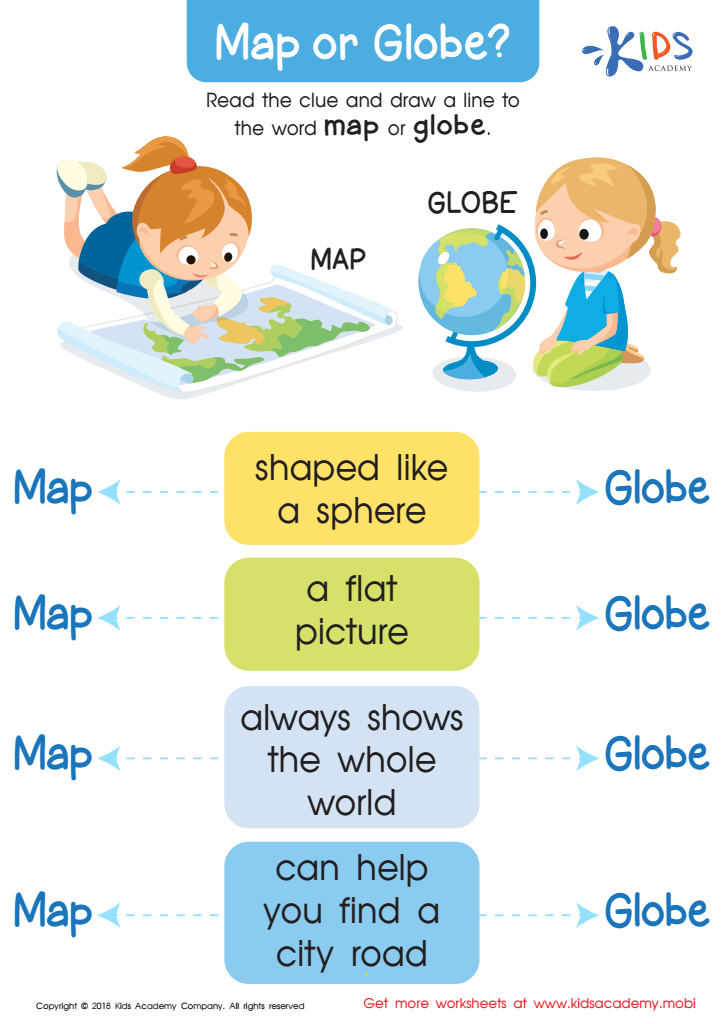
Map or Globe? Worksheet
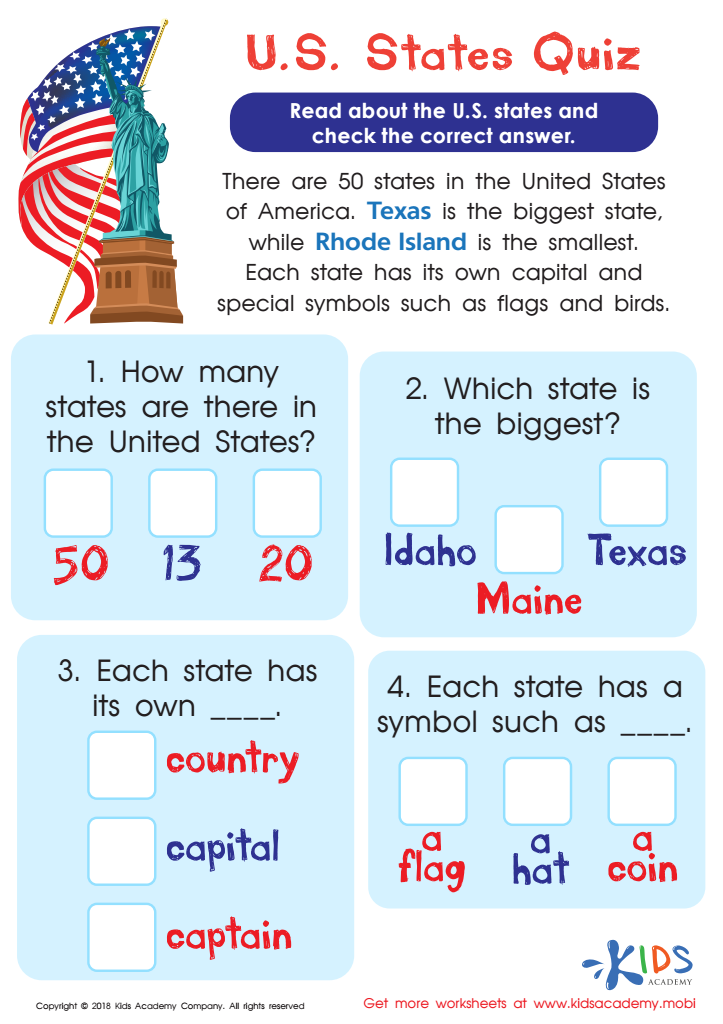
U.S. States Quiz Worksheet
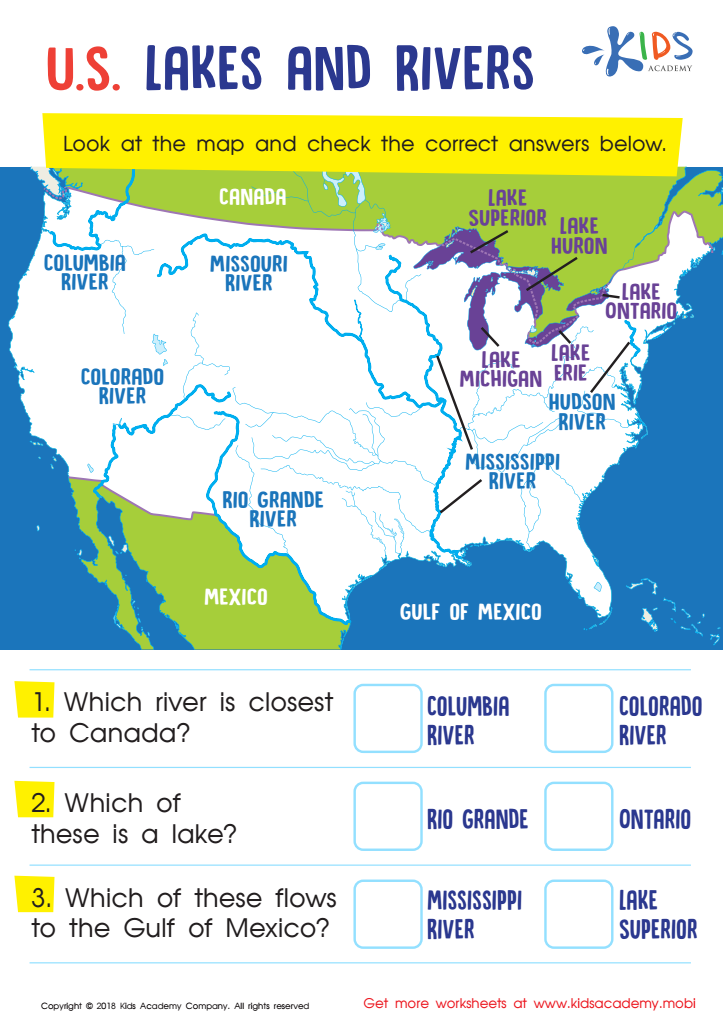
U.S. Lakes and Rivers Worksheet
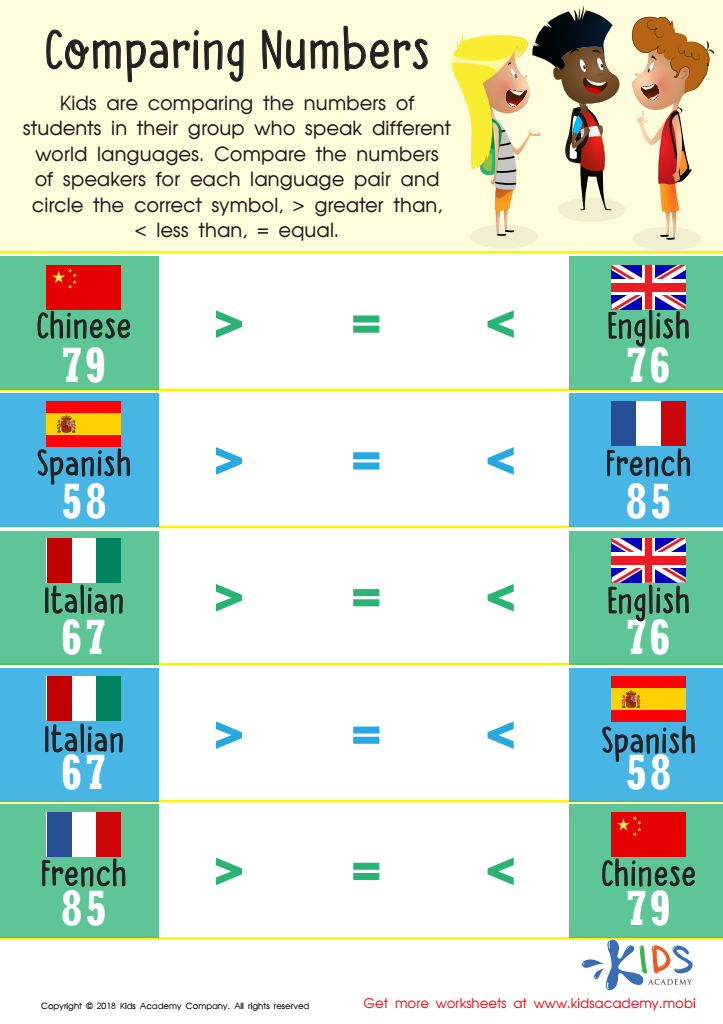
Comparing Numbers Worksheet for 1st Grade
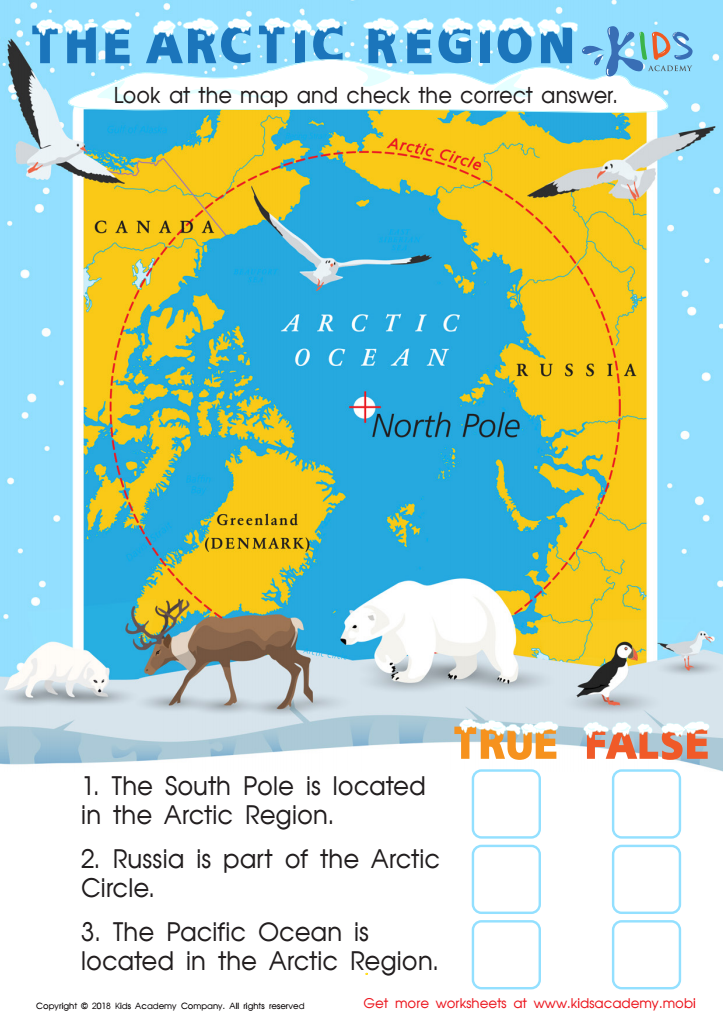
The Arctic Region Worksheet
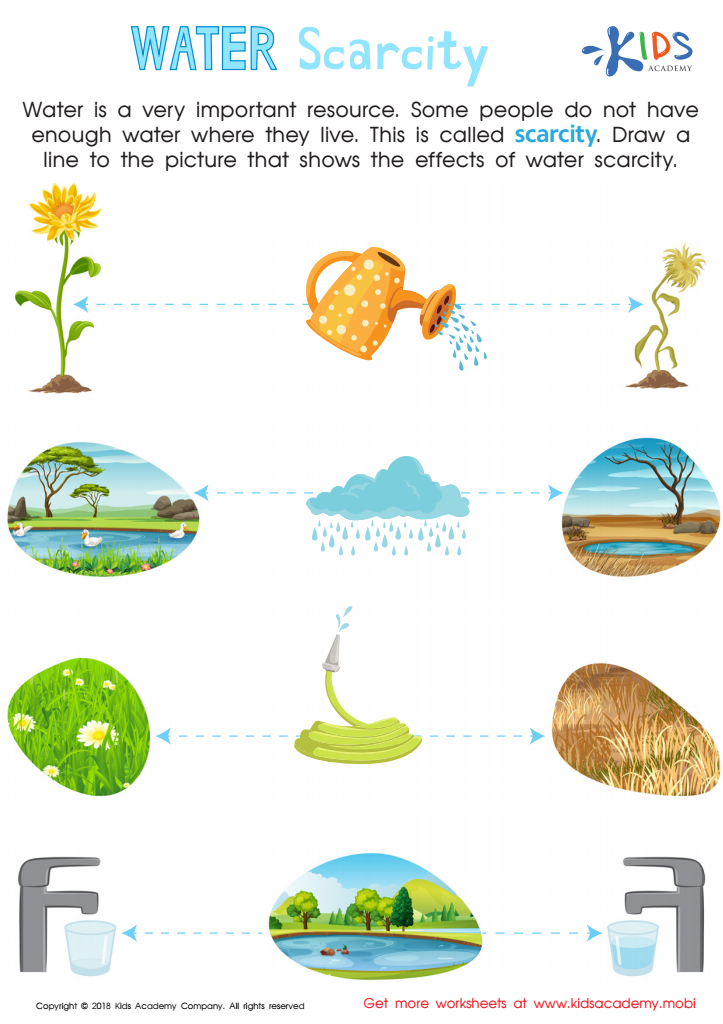
Water Scarcity Worksheet
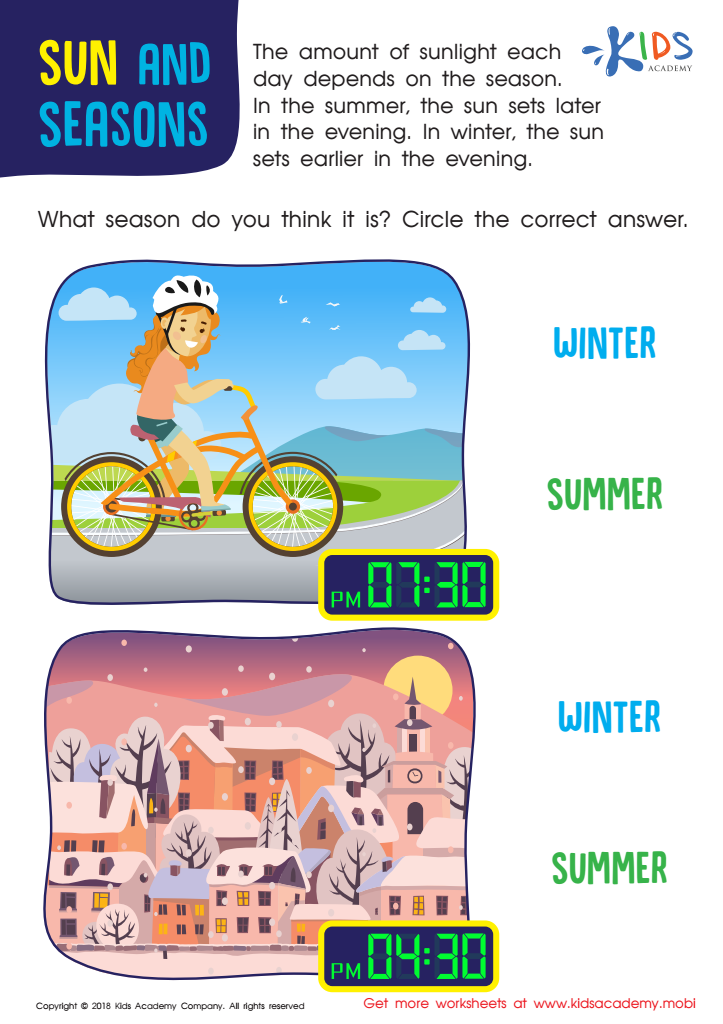
Sun and Seasons Worksheet
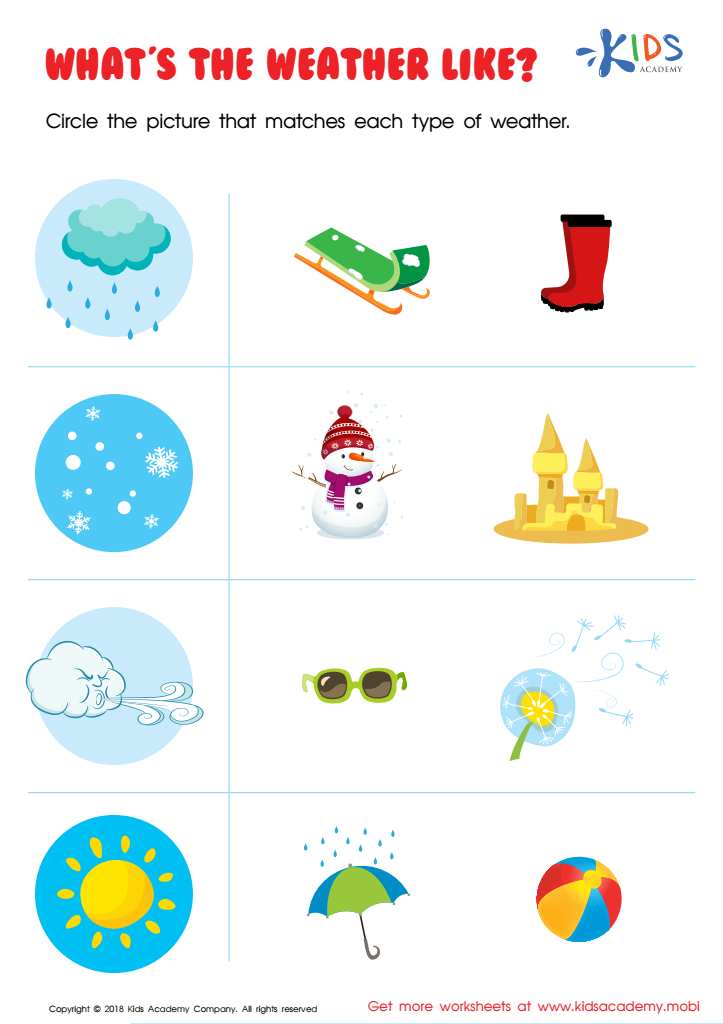
What's the Weather Like? Worksheet






Understanding normal geography is pivotal for young learners aged 5-9 as it lays the foundation for cognitive development, cultural awareness, and practical life skills. At this impressionable age, children are naturally curious about the world around them. Teaching them geography nurtures this curiosity, transforming it into knowledgeable exploration.
Firstly, geography enhances spatial thinking. Early lessons about maps, landforms, and environments help children grasp fundamental concepts about location, distance, and space, which are critical for everyday navigation and advanced learning in subjects like mathematics and science. Furthermore, it reinforces cognitive skills like reading comprehension and critical thinking by encouraging kids to analyze and interpret their observations.
Secondly, discussing various cultures and regions fosters global awareness and empathy. When children learn about different communities, they develop appreciation and respect for diversity, promoting inclusivity from an early age. They begin to understand that people in different parts of the world may have varied lifestyles, traditions, and challenges, which broadens their worldview.
Lastly, knowledge of geography is practical. Understanding basic geographical concepts helps children make informed decisions about their environment. For example, they learn about weather patterns, resource conservation, and sustainability, which instills a sense of responsibility towards their planet.
In summary, integrating normal geography in early education enriches children's academic skills, nurtures cultural understanding, and equips them with practical knowledge for responsible living.