Phonics Skills Normal Worksheets for Ages 6-8 - Page 3
55 filtered results
-
From - To
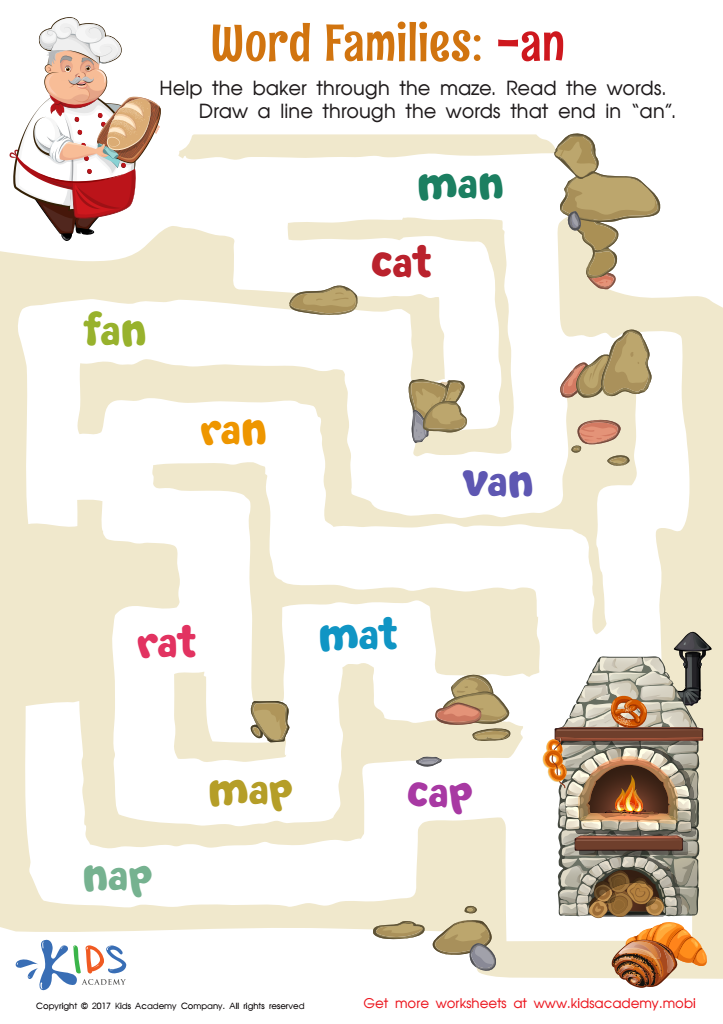
Words Families "an" Spelling Worksheet
 Assign to My Students
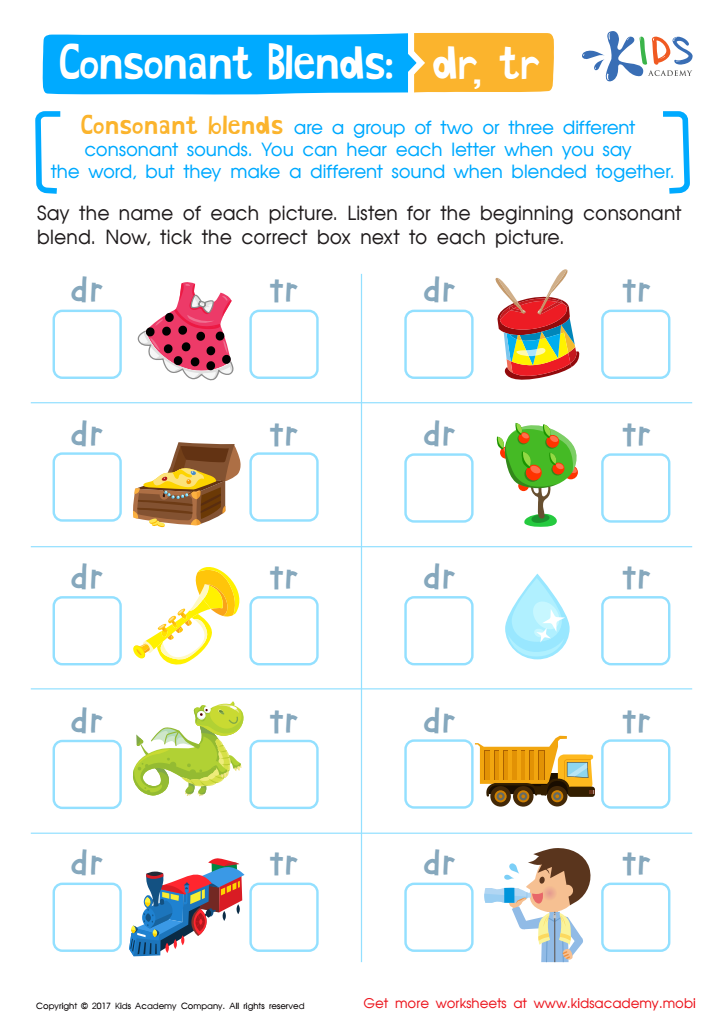
Consonant Blends: "Dr" and "Tr" Printable
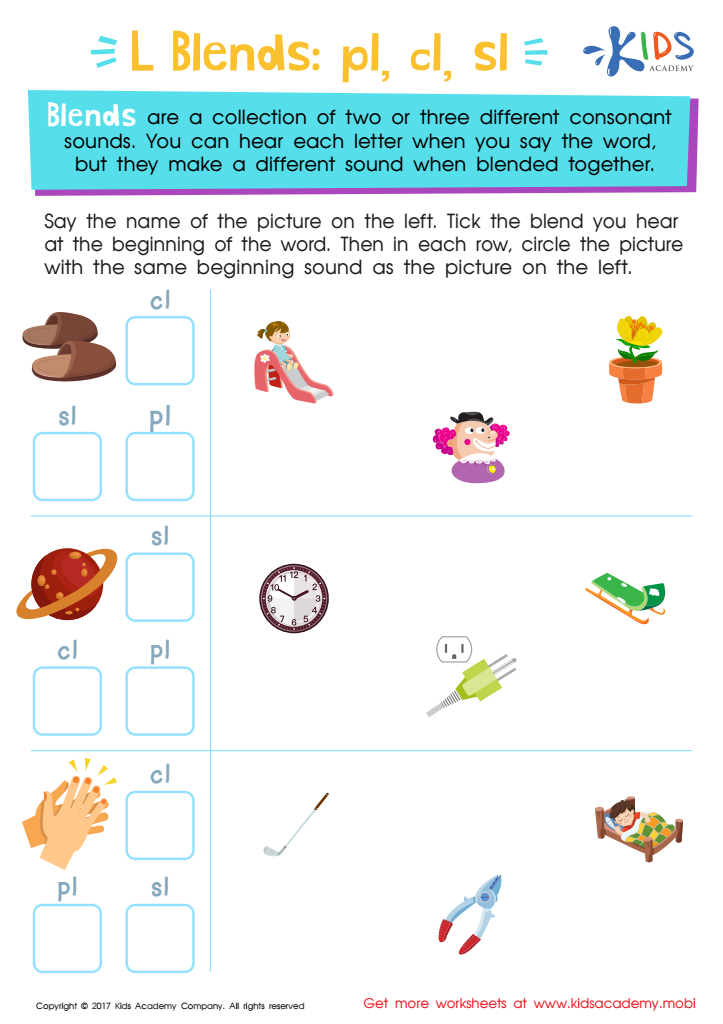
L Blends: "Pl", "Cl" and "Sl" Printable
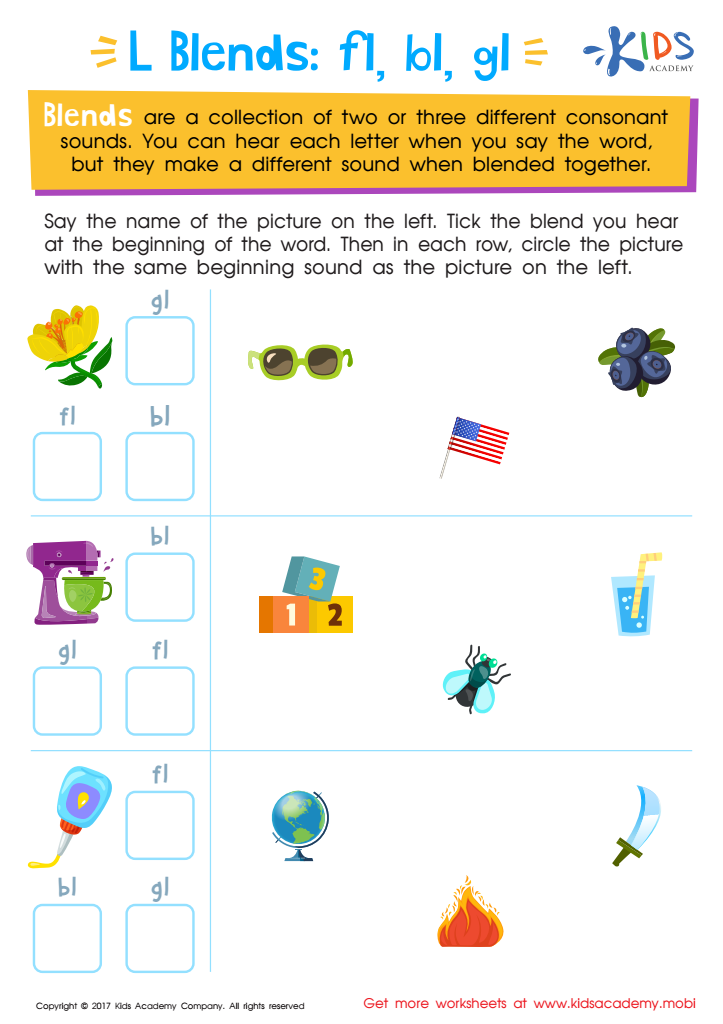
Blending Consonants: "Fl", "Bl" and "Gl" Printable
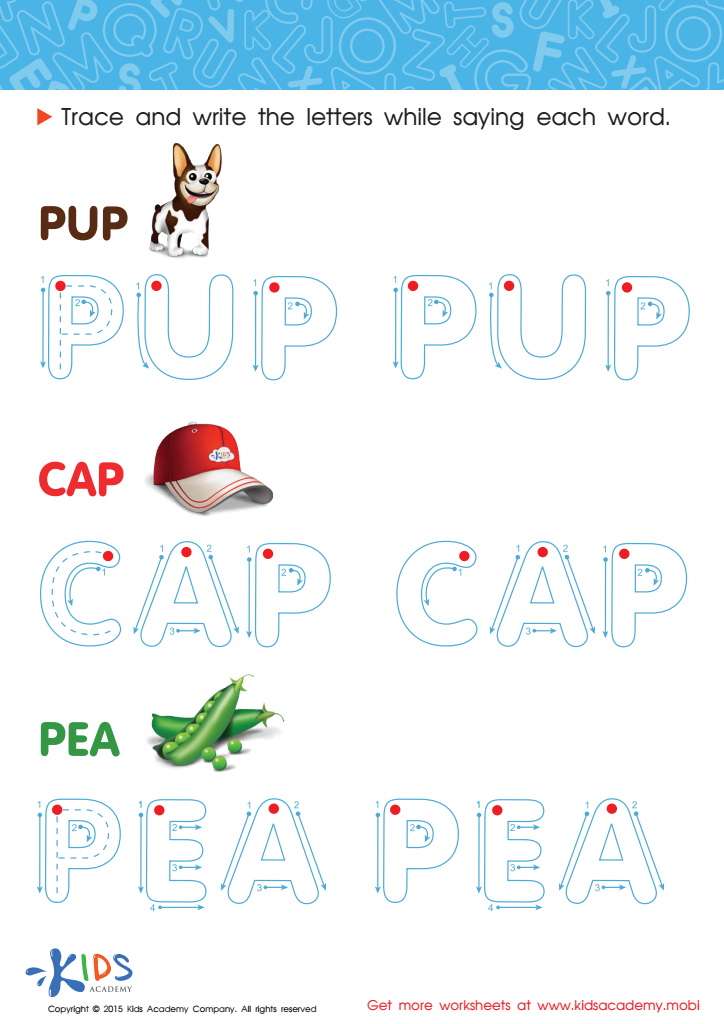
A Pup, a Cap and a Pea Spelling Worksheet
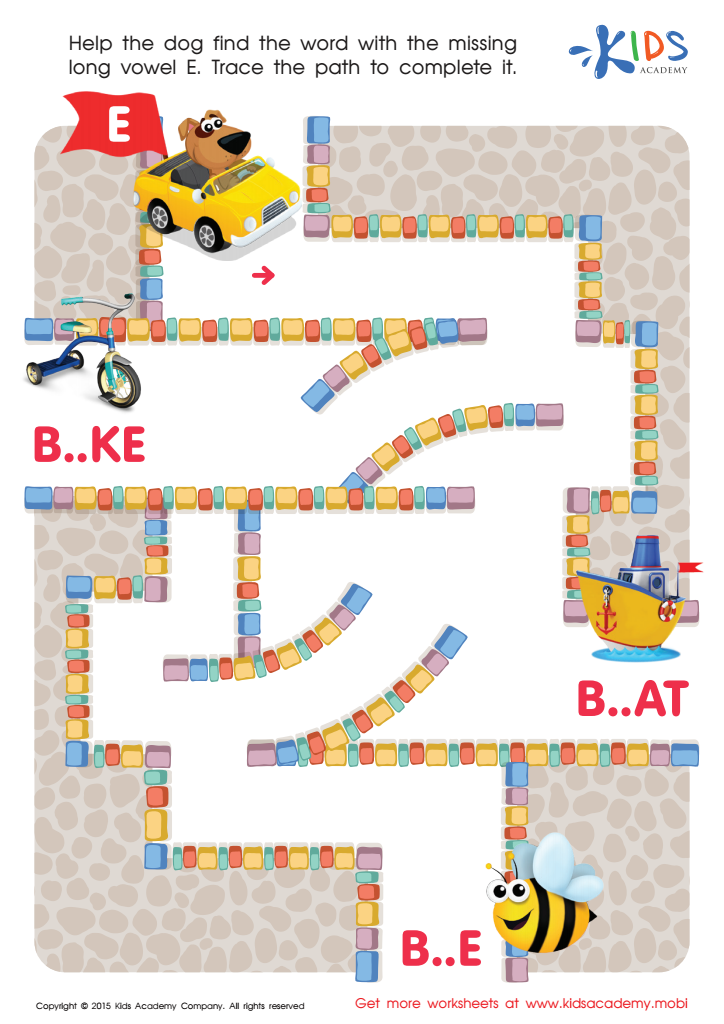
Long Vowel Sound E Worksheet
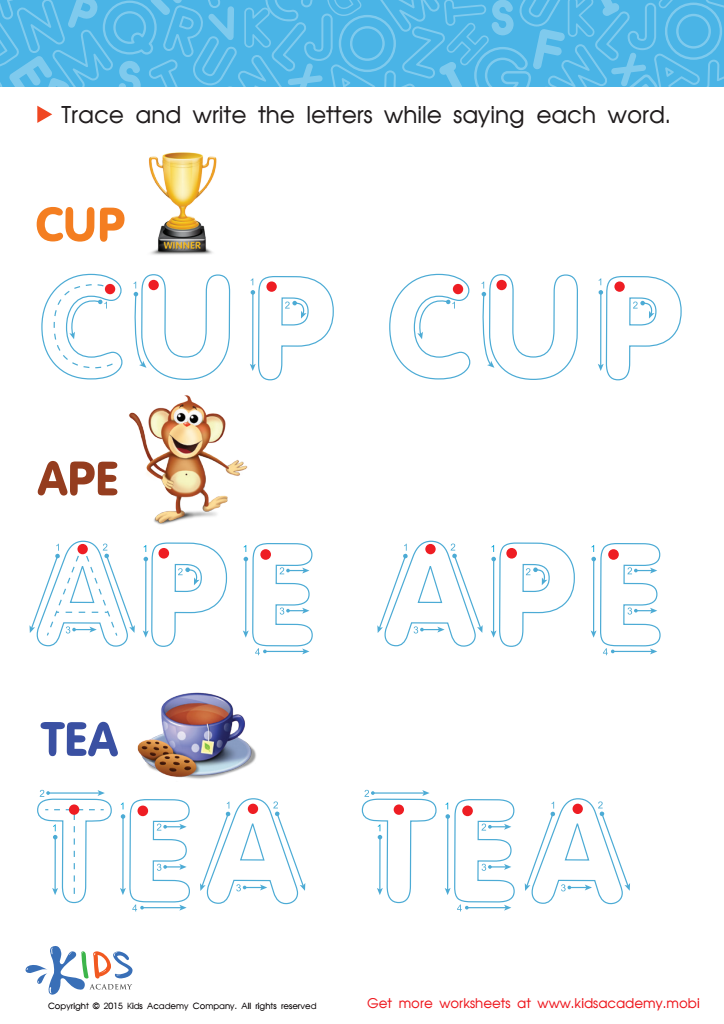
A Cup, an Ape and Tea Spelling Worksheet


.jpg)
.jpg)



Phonics skills are essential for children aged 6-8 as they form the foundation for language development and literacy. At this age, students are transitioning from identifying individual letters to reading fluently, so understanding the relationship between letters and sounds is crucial. Phonics instruction helps children decode unfamiliar words, enhances their reading comprehension, and boosts their confidence as readers.
Parents and teachers should invest time and effort into phonics for several reasons. Firstly, strong phonics skills allow children to efficiently decode words, making reading quicker and more accurate. This skill frees up cognitive resources, allowing children to focus more on comprehension rather than just decoding. Secondly, early phonics education supports spelling development, making it easier for children to translate sounds into written words accurately.
Additionally, children who master phonics are more likely to develop a lifelong love for reading. This joy in reading can lead to greater academic success across all subjects. Early struggles with reading can negatively affect a child's self-esteem and educational progress, but phonics can mitigate these issues by providing a clear, manageable path to literacy.
Overall, attention to phonics for ages 6-8 sets the groundwork for educational achievement and a confident, positive attitude towards learning and reading.








