Normal Letter Recognition Worksheets for Ages 6-9 - Page 3
67 filtered results
-
From - To
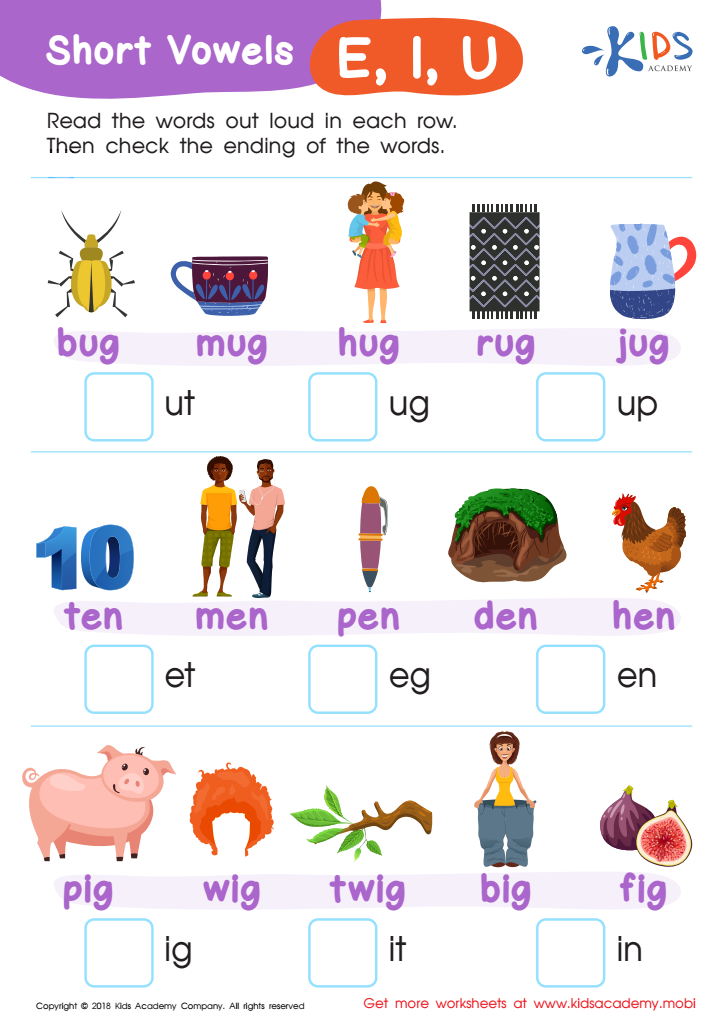
Short Vowels /e/, /i/, and /u/ Worksheet
 Assign to My Students
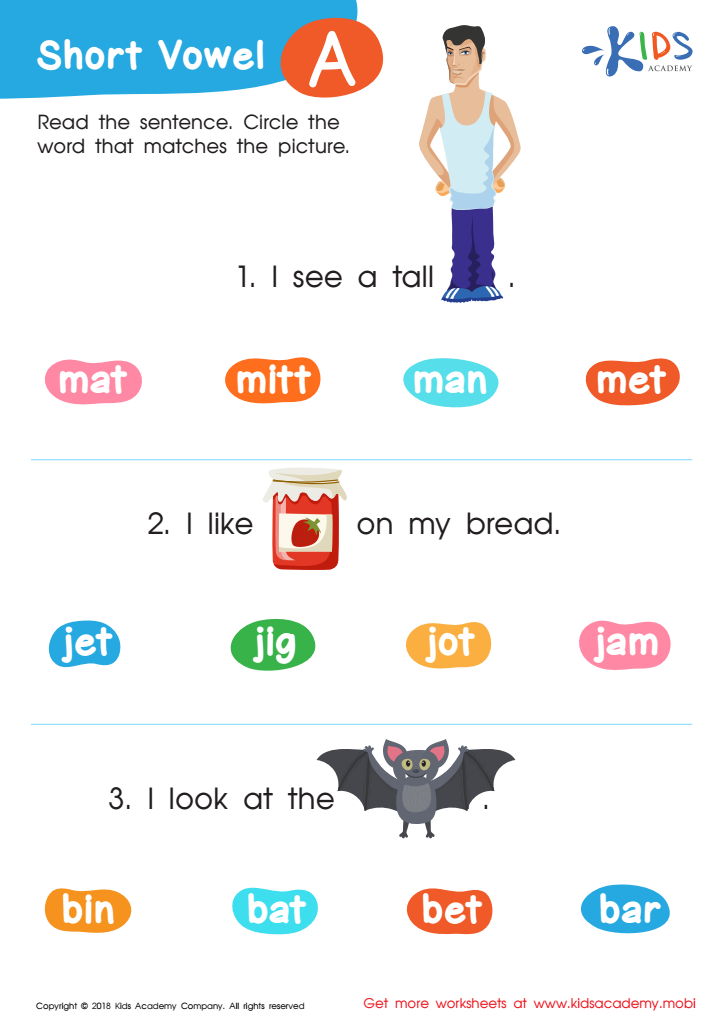
Short Vowel /a/ Worksheet
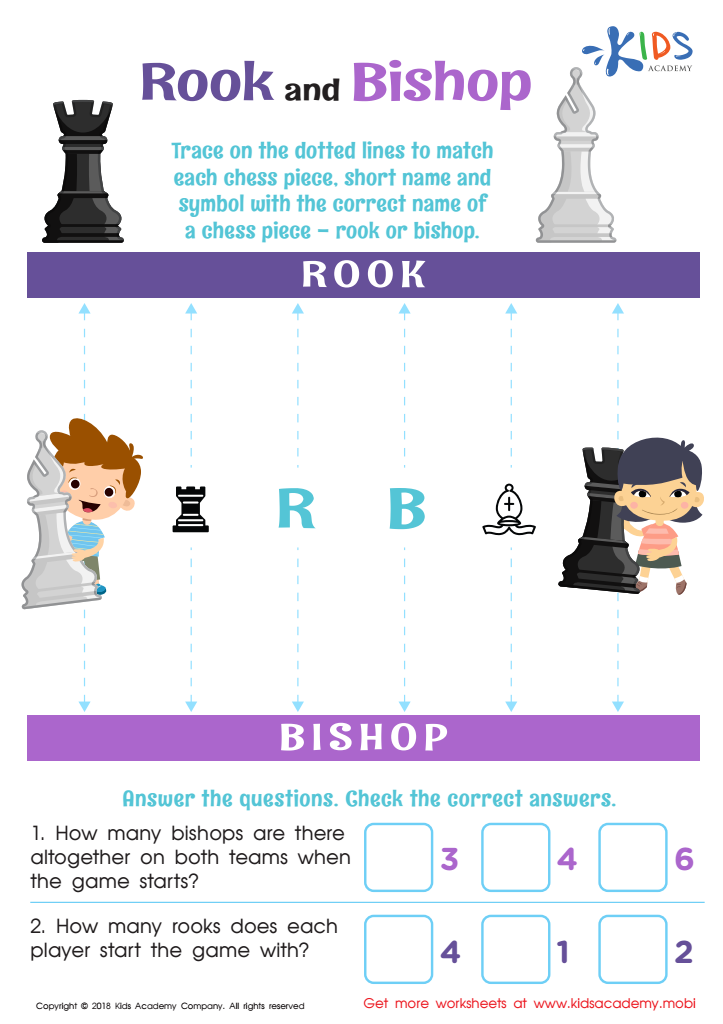
Rook and Bishop Worksheet
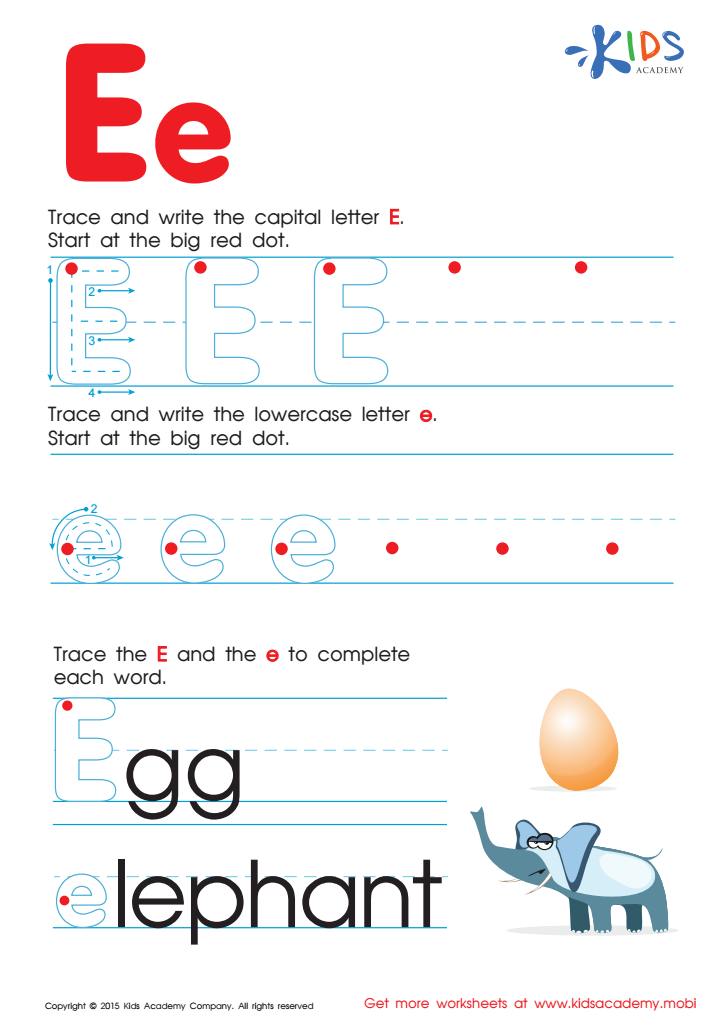
Letter E Tracing Page
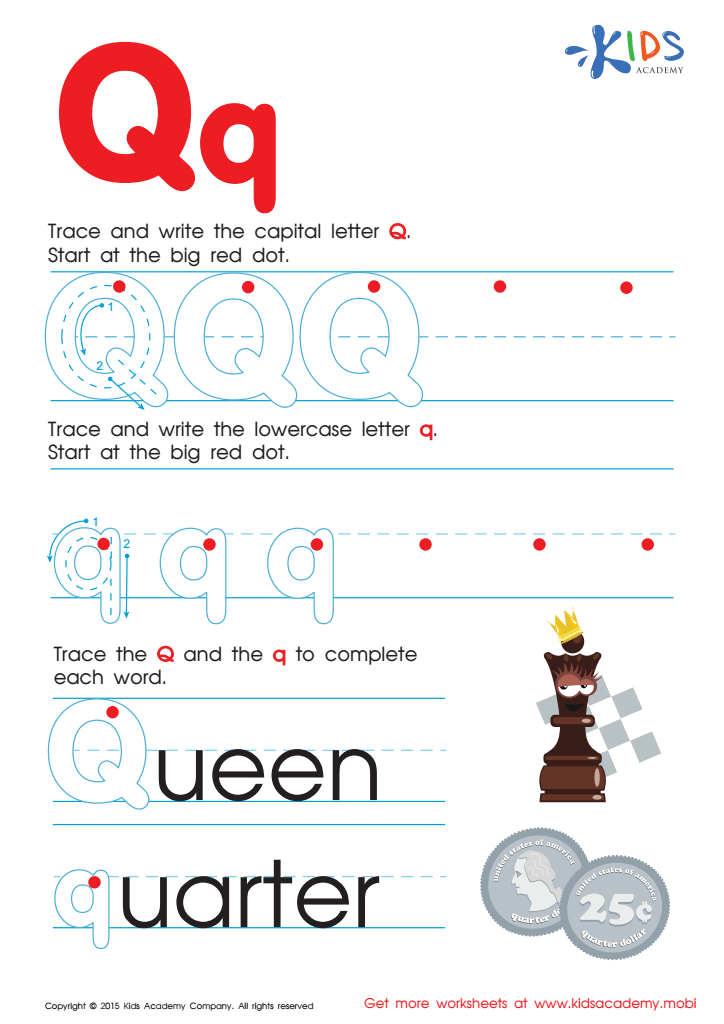
Letter Q Tracing Page
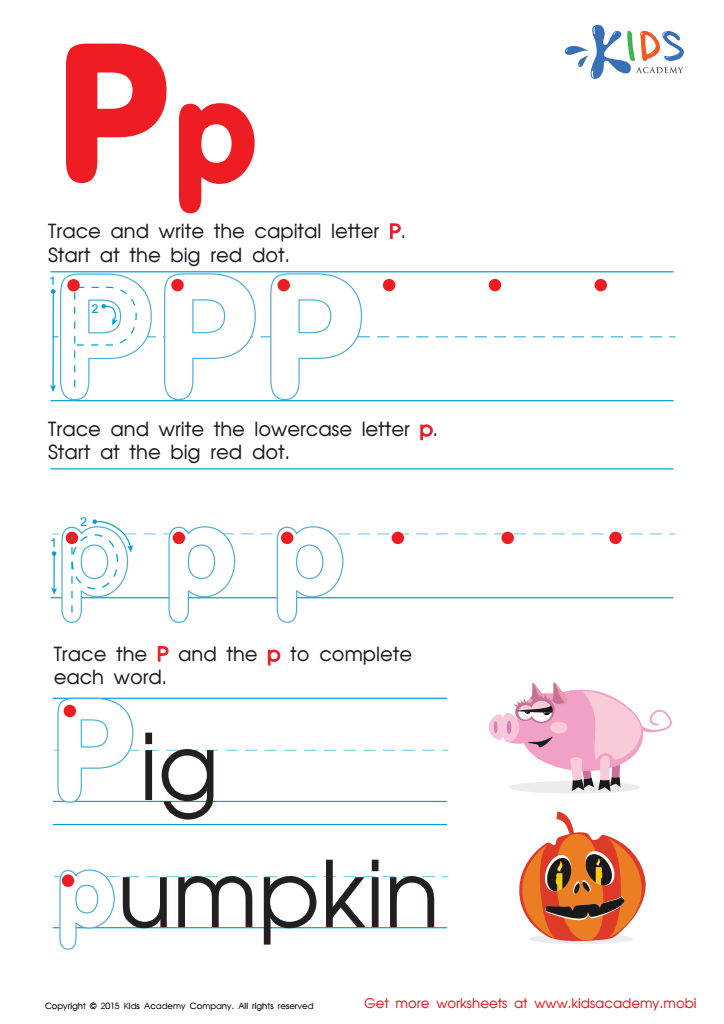
Letter P Tracing Page
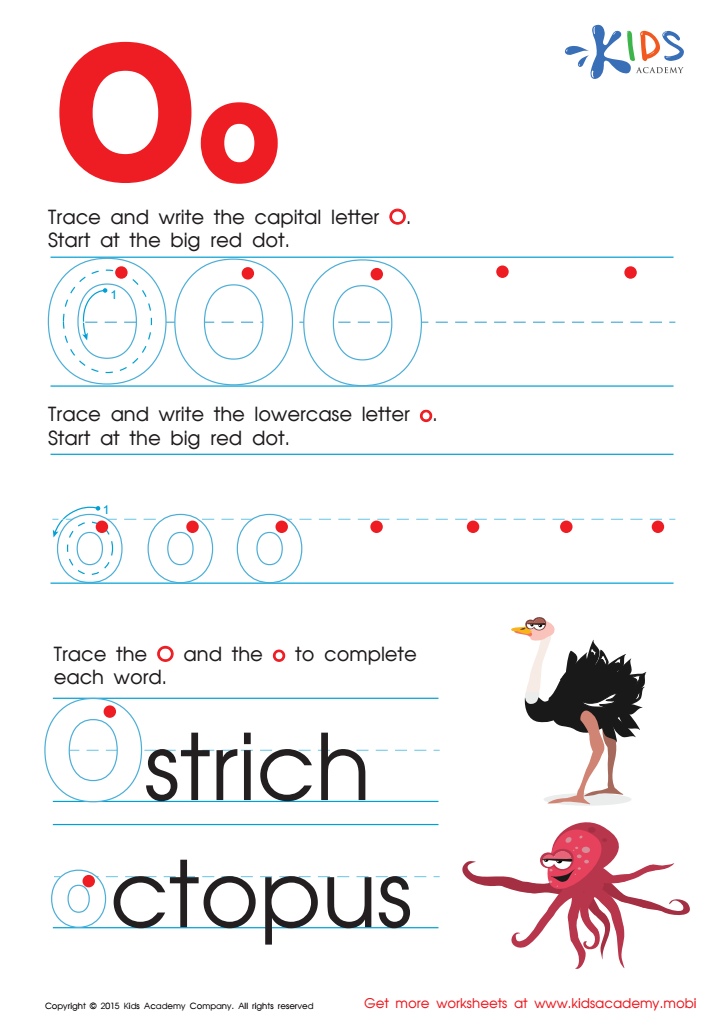
Letter O Tracing Page
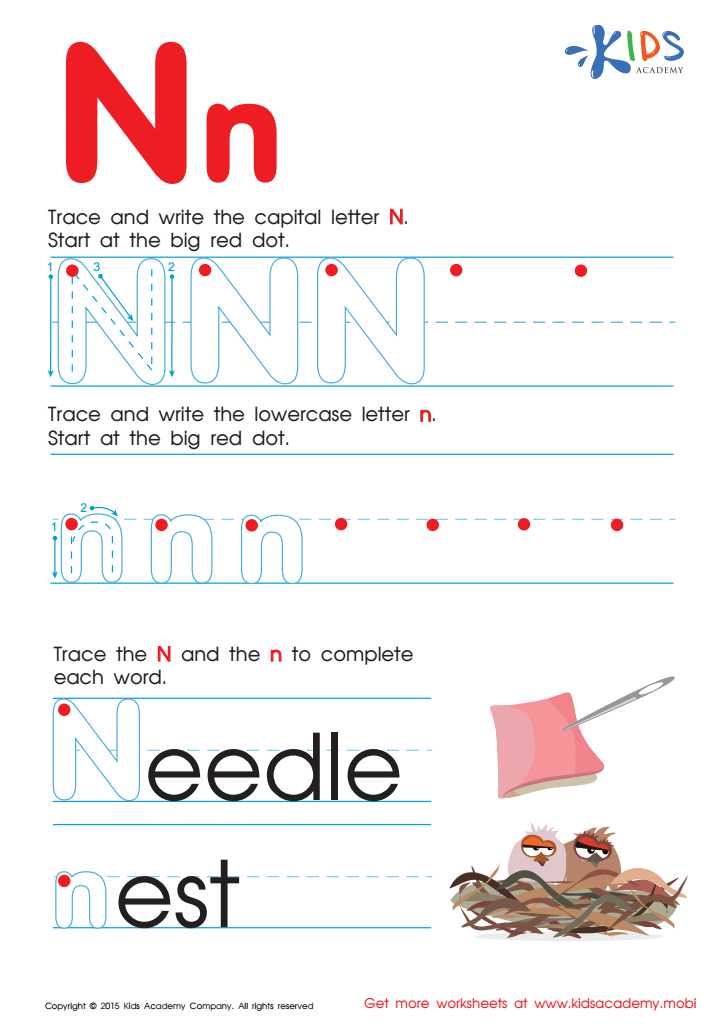
Letter N Tracing Page
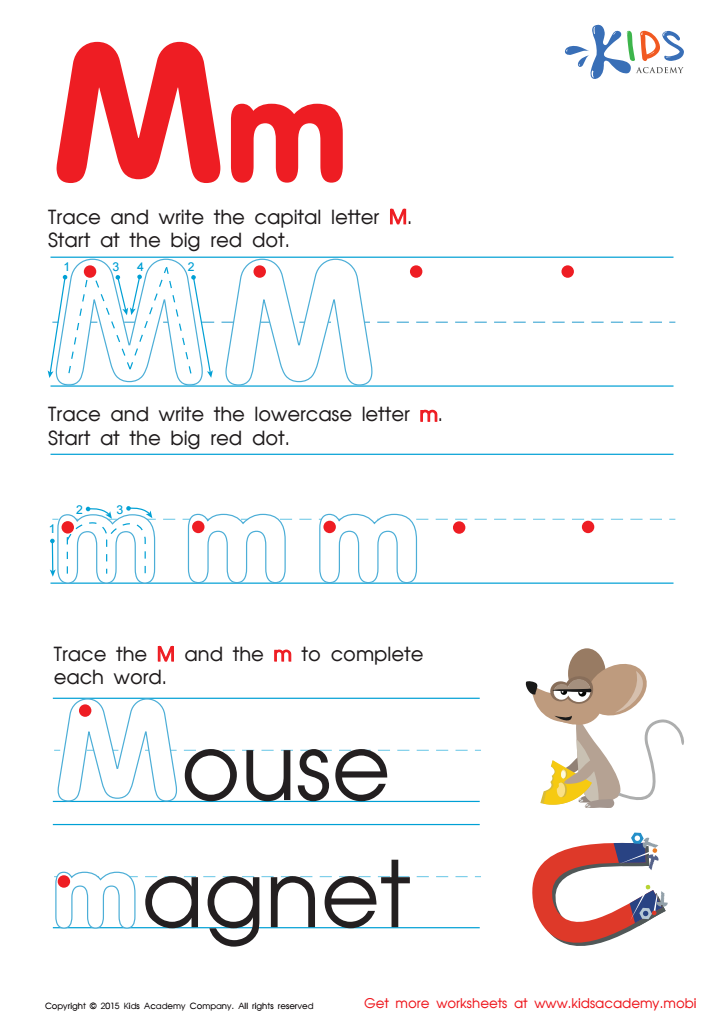
Letter M Tracing Page
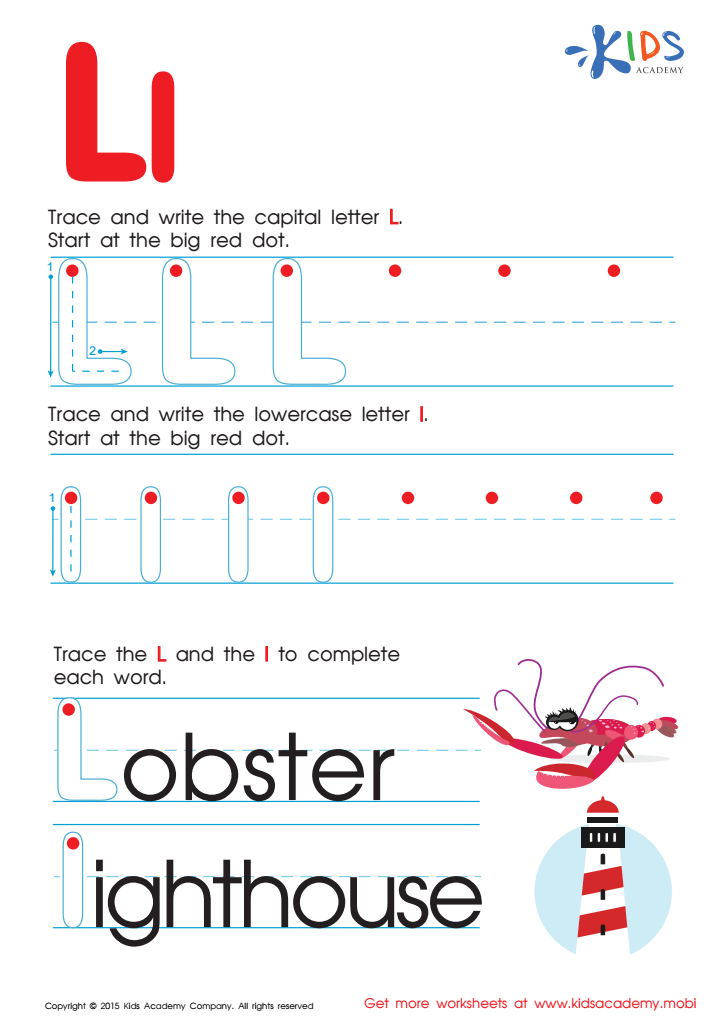
Letter L Tracing Page
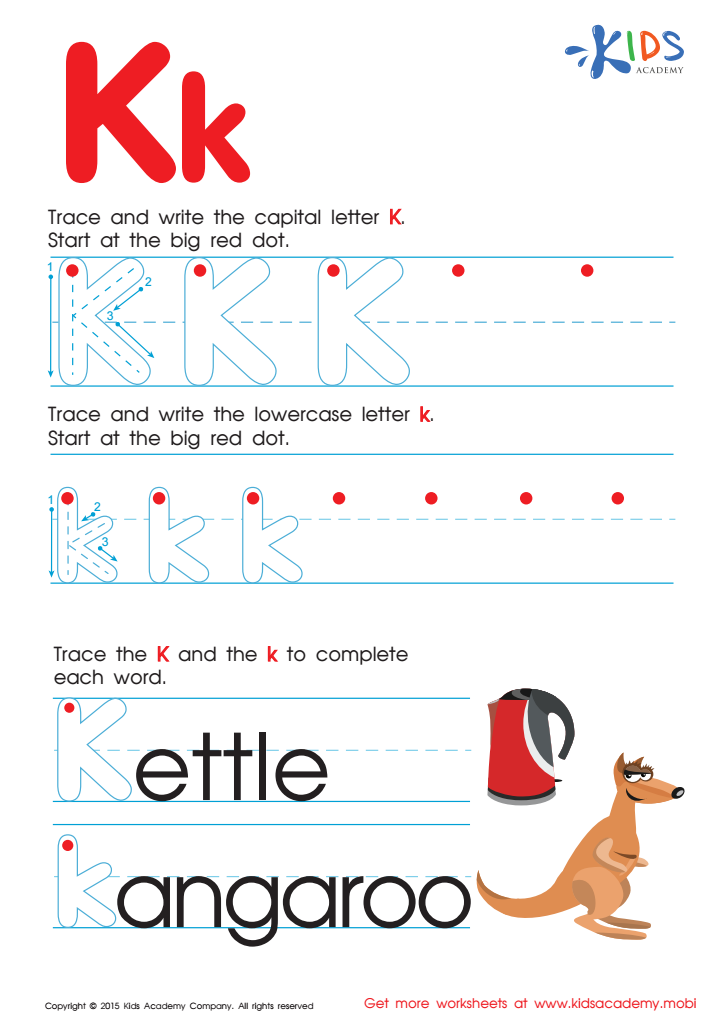
Letter K Tracing Page
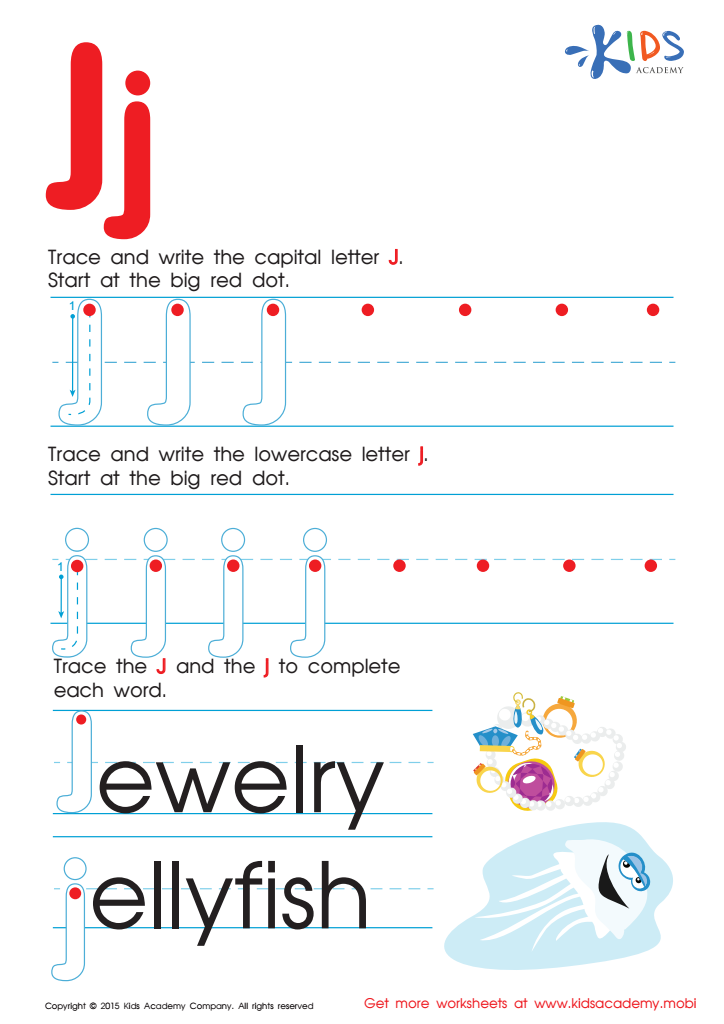
Letter J Tracing Page
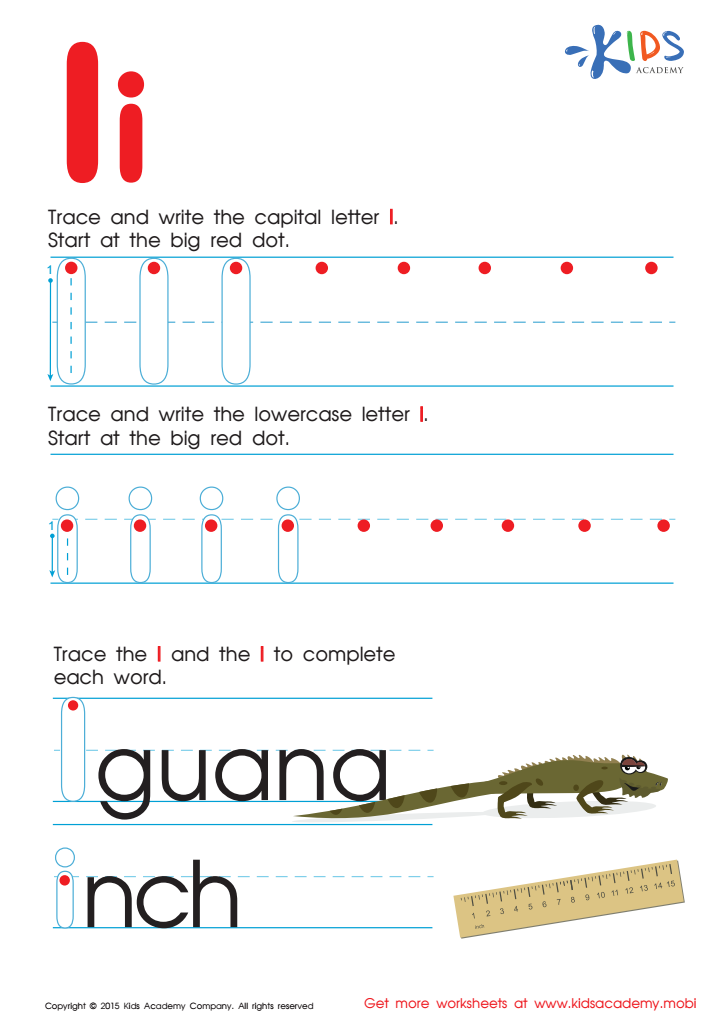
Letter I Tracing Page

Letter H Tracing Page
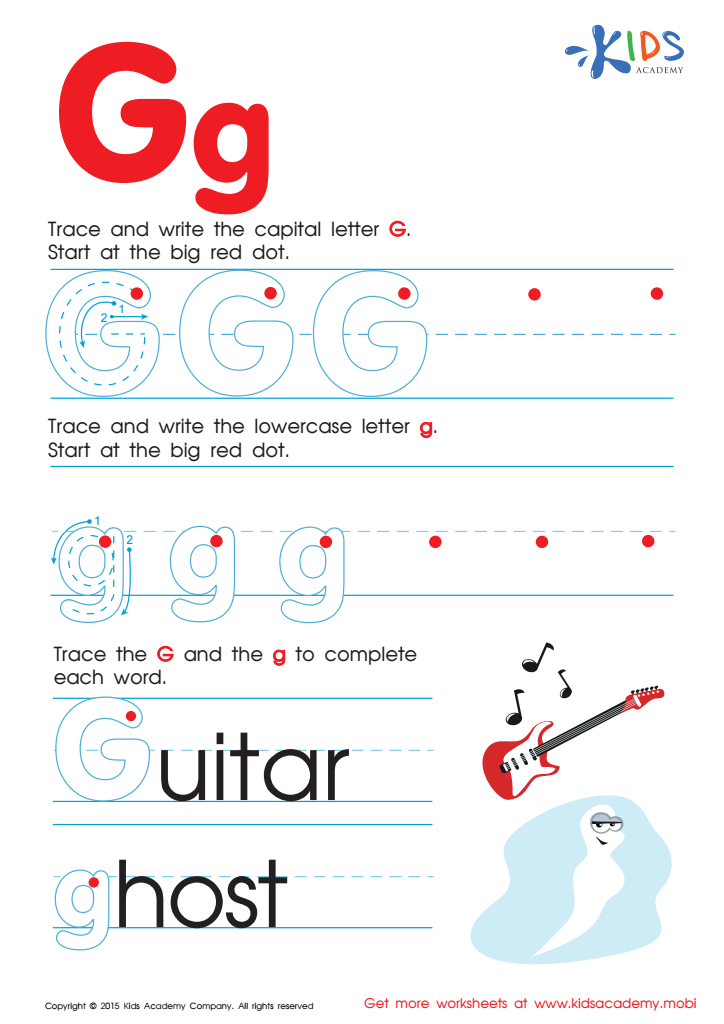
Letter G Tracing Page
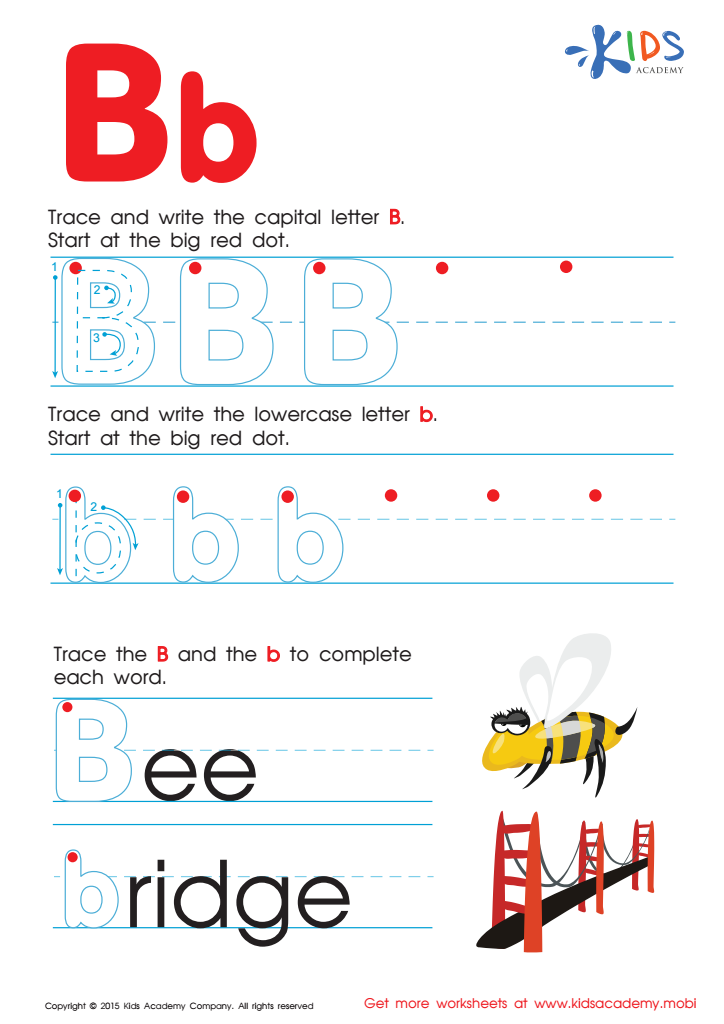
Letter B Tracing Page
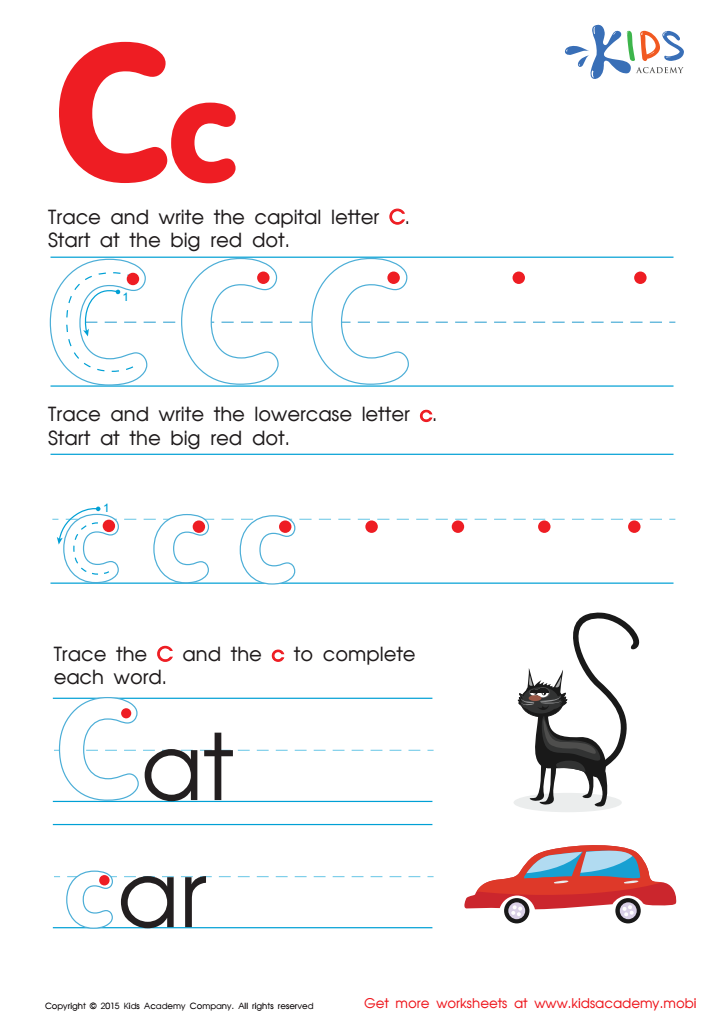
Letter C Tracing Page
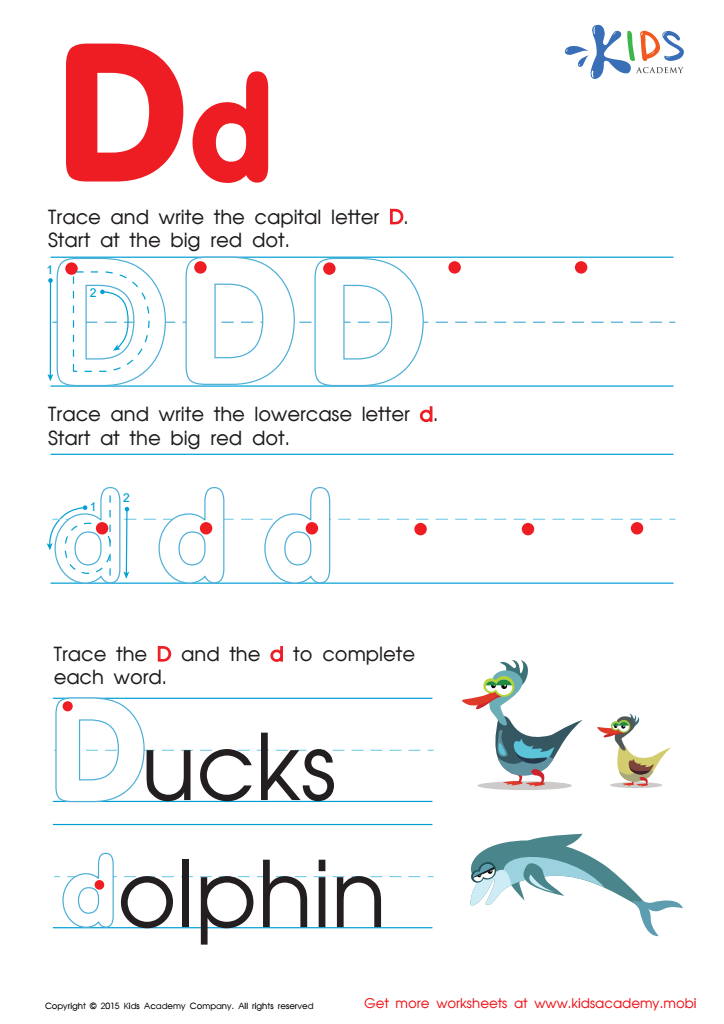
Letter D Tracing Page
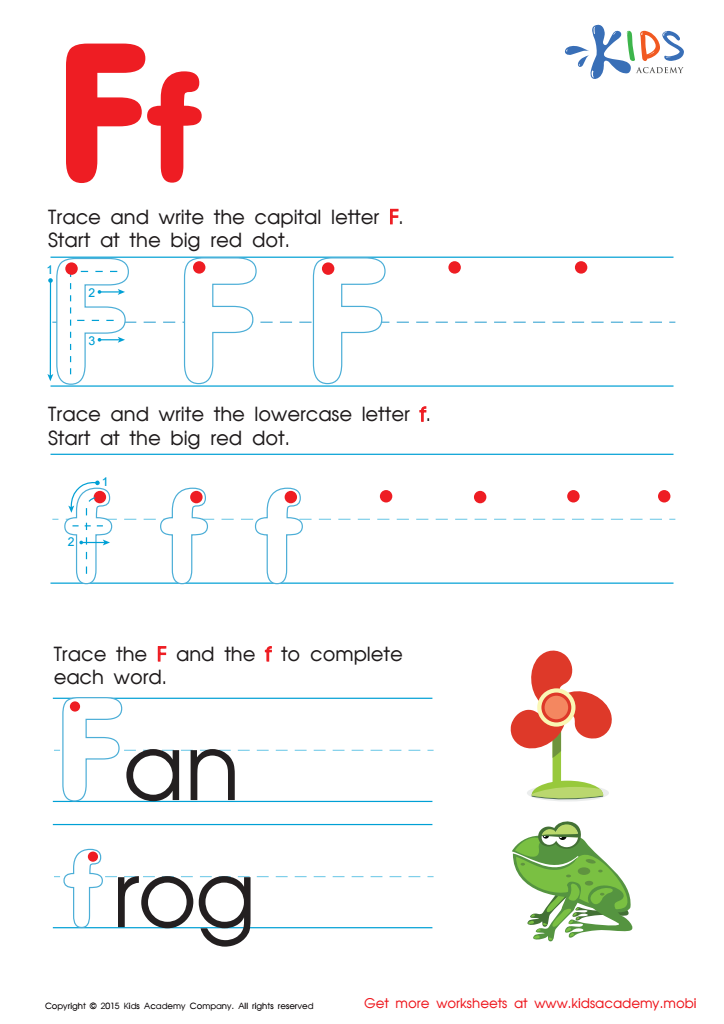
Letter F Tracing Page








Normal letter recognition is crucial for children aged 6 to 9 as it serves as a foundation for literacy skills critical to their academic success. At this age, children are transitioning from pre-reading to early reading and writing stages. Being able to recognize letters strengthens their phonemic awareness, which is essential for decoding words and understanding the relationship between sounds and written text.
When children can effortlessly identify letters, they become more confident in exploring reading materials, which fosters a love of reading. This confidence cultivates independent learning and critical thinking as they engage with texts that intrigue them. Moreover, strong letter recognition skills contribute to improved spelling and writing abilities, enabling children to express their thoughts more clearly.
Parents and teachers play a pivotal role in supporting and reinforcing these skills. Through interactive games, storytelling, and engaging activities, they can create a rich literacy environment. Monitoring and promoting letter recognition can significantly impact children's overall academic performance and social-emotional development, as strong readers often display greater confidence and higher self-esteem. Thus, caring about and prioritizing normal letter recognition is essential to nurturing a child's lifelong love for reading and learning.








