Normal Addition and Subtraction Word Problems Worksheets for Ages 6-9 - Page 2
29 filtered results
-
From - To
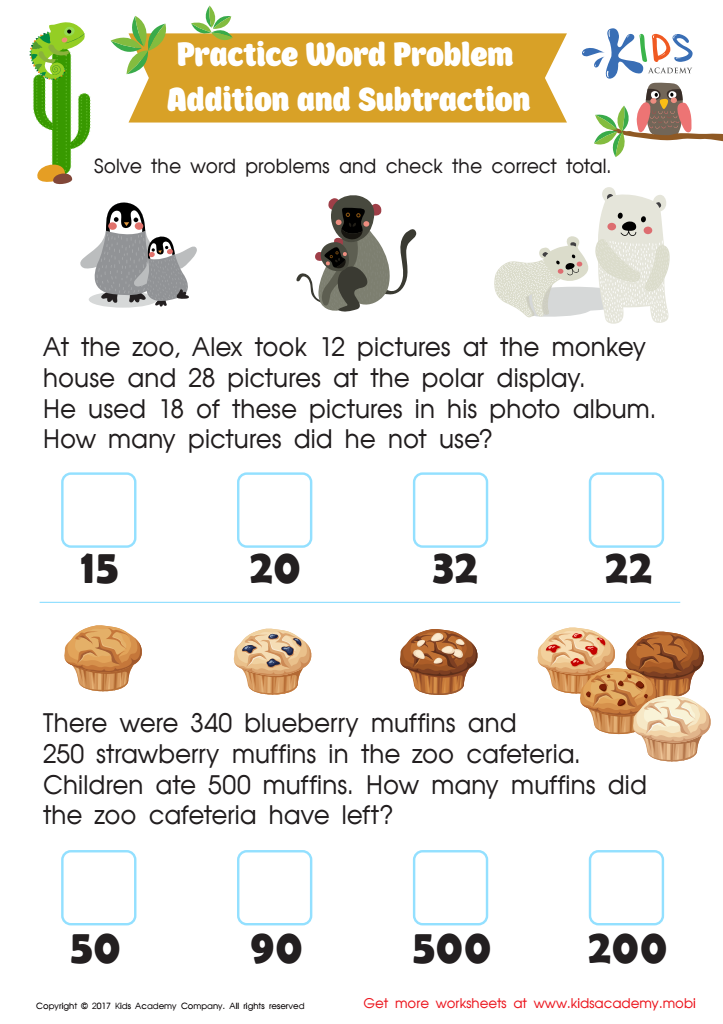
Addition and Subtraction: Word Problems Worksheet
 Assign to My Students
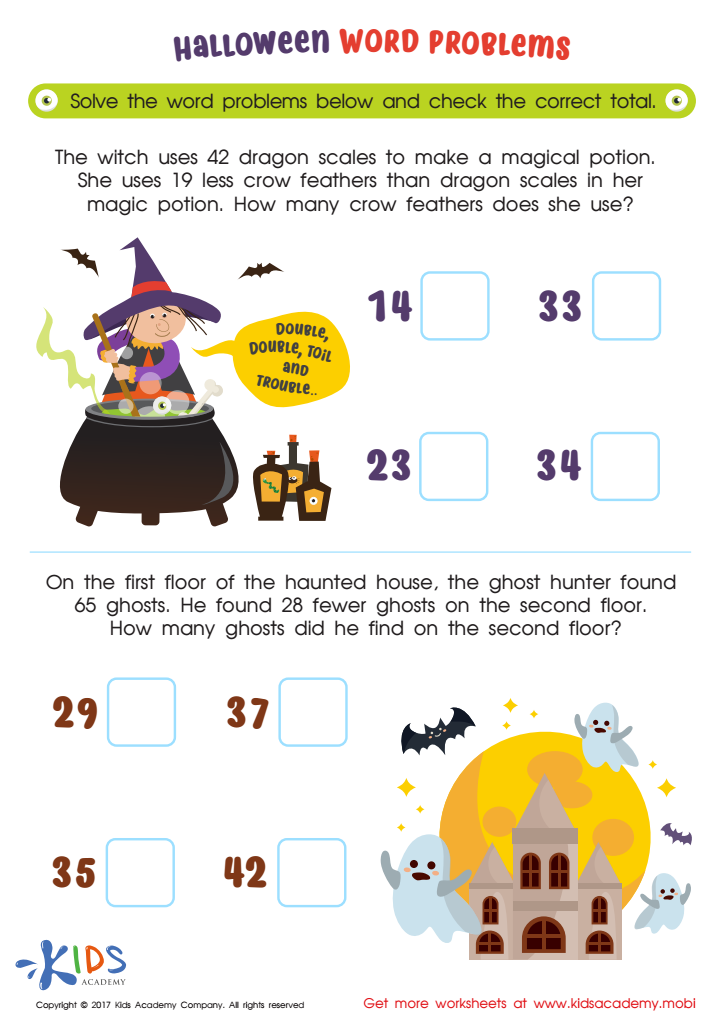
Halloween Word Problems Printable
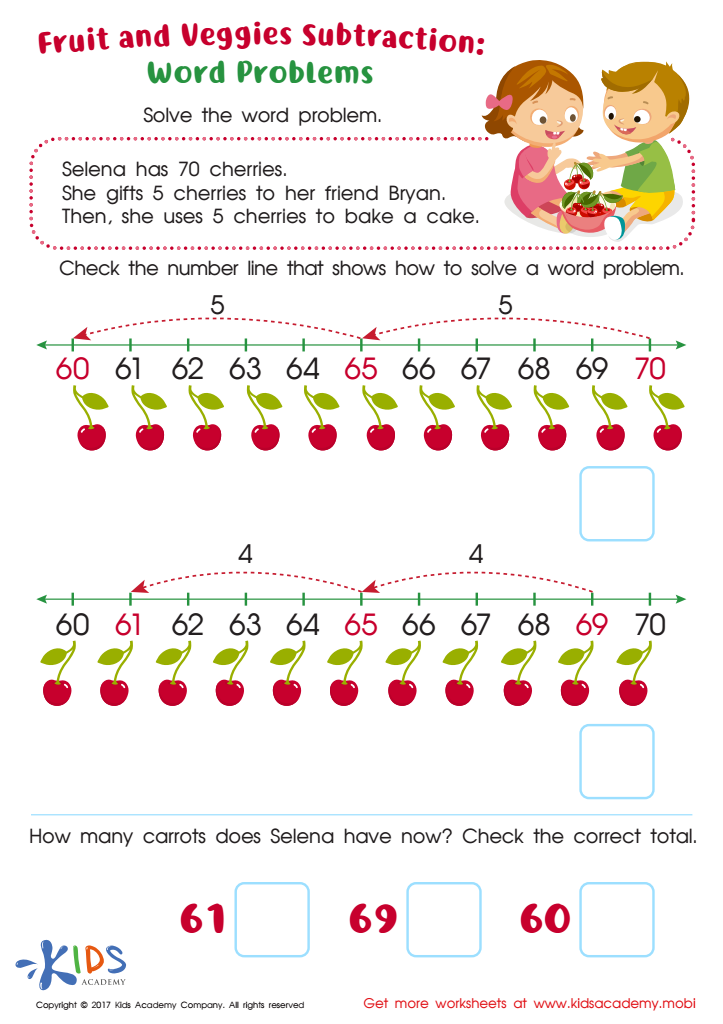
Subtraction Word Problems Free Printable
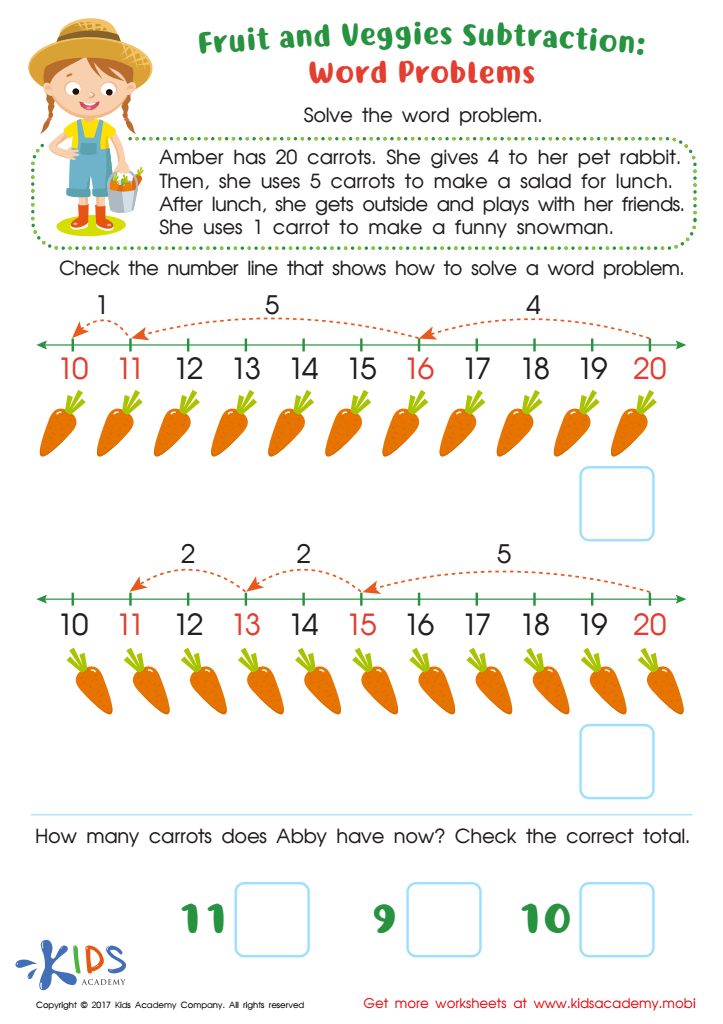
Subtraction Word Problems Printable
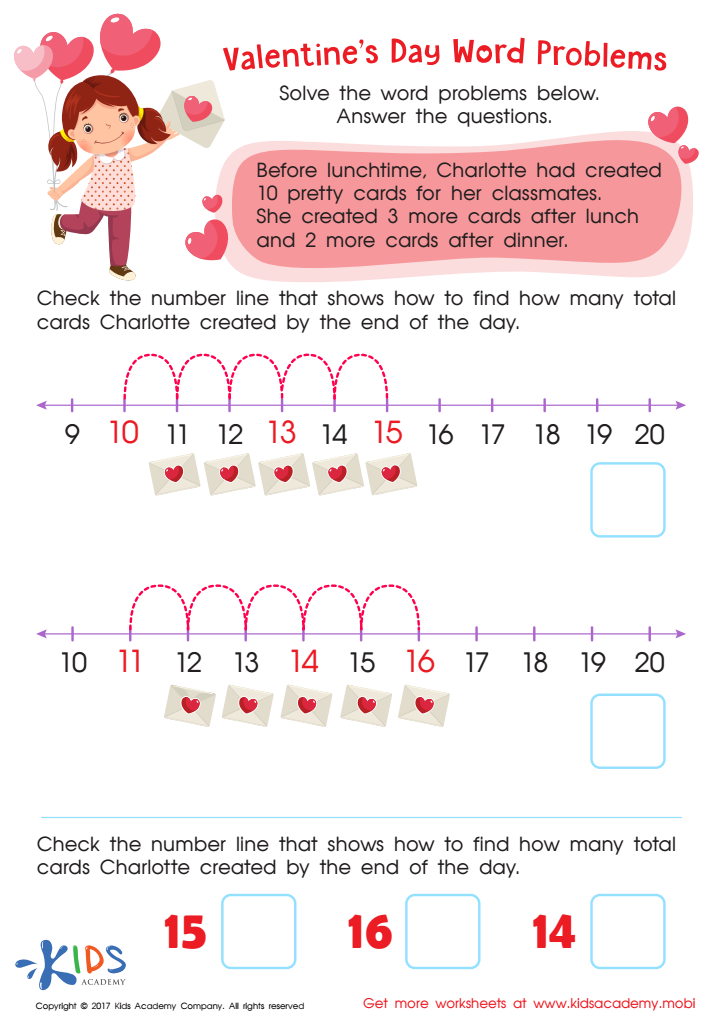
Valentines Day Word Problem Worksheet








Normal addition and subtraction word problems are fundamental components of early mathematics education, especially for children aged 6-9. These problems serve as more than just arithmetic exercises; they cultivate critical thinking and problem-solving skills. By engaging with word problems, students learn to decipher linguistic cues and translate them into mathematical operations. This transition from language to numbers is essential for developing comprehension and reasoning abilities.
Moreover, these word problems help children apply mathematical concepts to real-world scenarios, making learning relevant and interesting. When students understand how to contextualize mathematics, they become more motivated and confident in their skills. For parents and teachers, it’s crucial to encourage children to tackle these problems because they foster resilience. Mistakes made during problem-solving can be viewed as learning opportunities, thereby nurturing a growth mindset.
Additionally, regular practice with word problems can enhance a child’s vocabulary and reading comprehension skills, as they learn to process information analytically. Overall, by prioritizing normal addition and subtraction word problems, adults can empower young learners to build a strong foundation in mathematics that will benefit them in higher-level math and everyday life.