Normal Plants and Animals Worksheets for Ages 6-9 - Page 5
99 filtered results
-
From - To
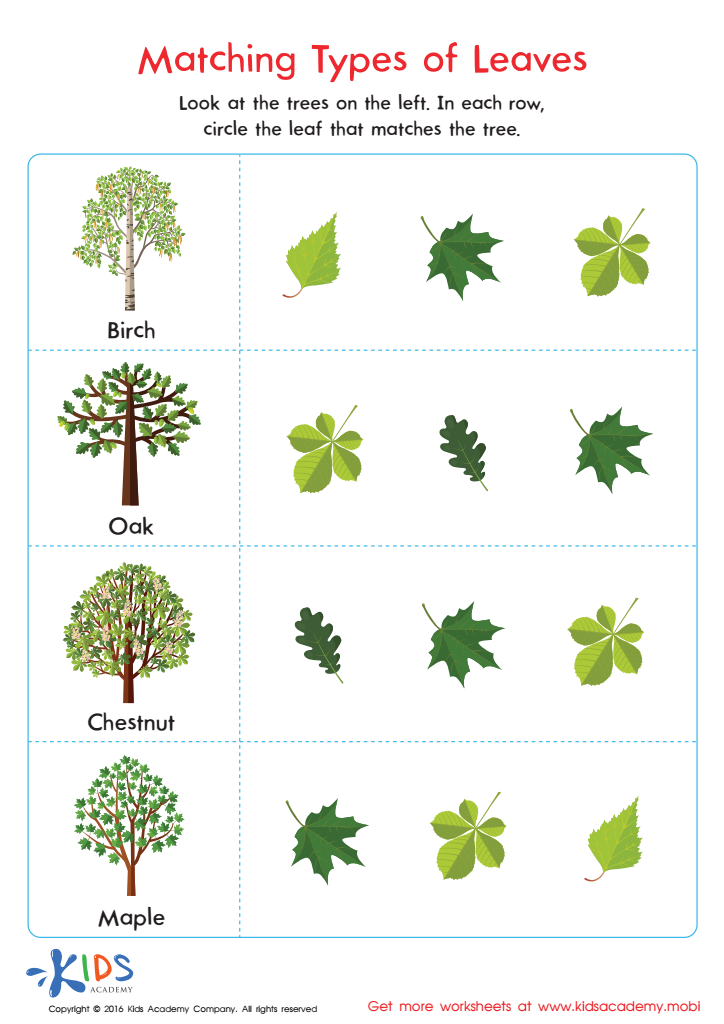
Matching Types of Leaves Printable
 Assign to My Students











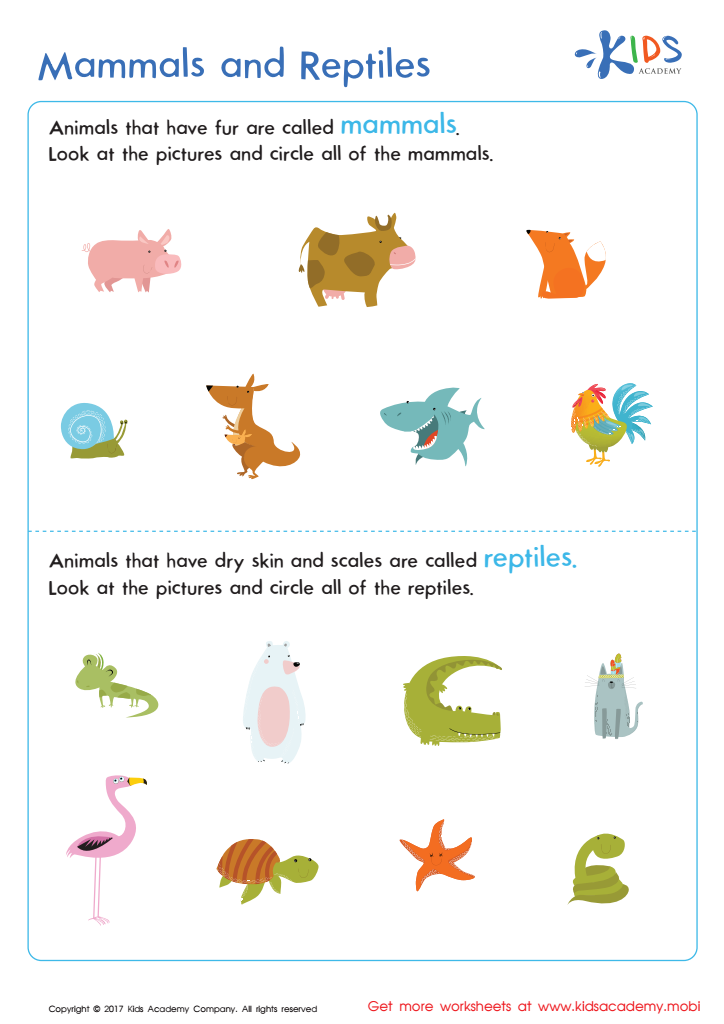
Mammals and Reptiles Worksheet
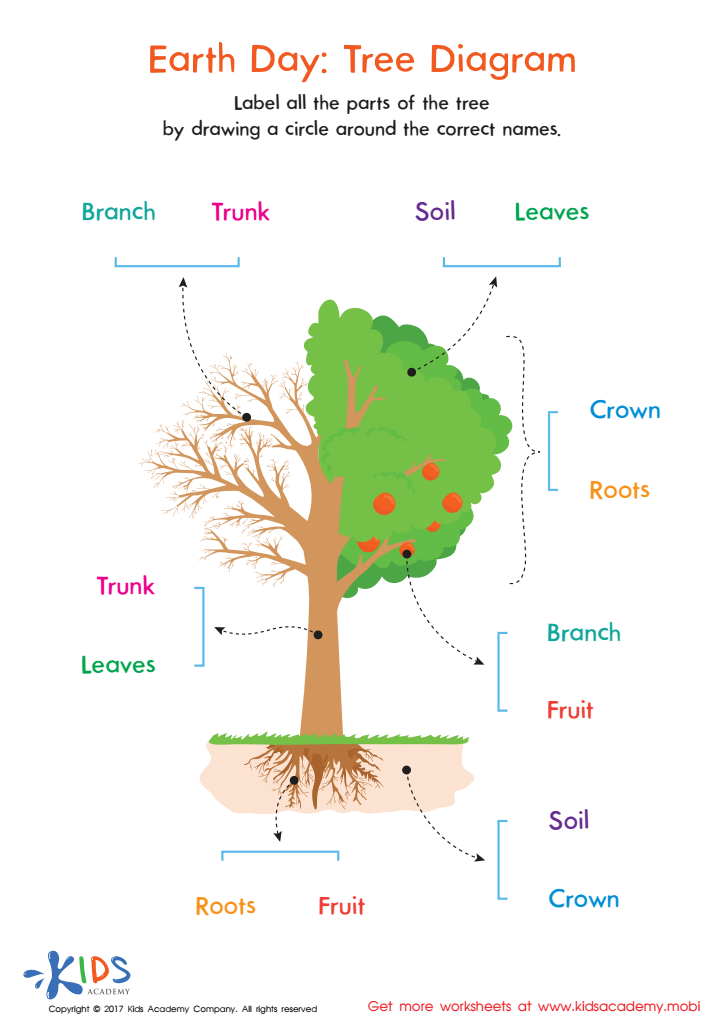
Earth Day: Tree Diagram Worksheet








Understanding normal plants and animals is crucial for children aged 6-9, as it lays the foundation for environmental awareness and appreciation of nature. At this developmental stage, children are naturally curious and eager to explore the world around them. Learning about the plants and animals common to their local environment can foster a sense of wonder and connection to nature.
Teachers and parents play a vital role in nurturing this curiosity. By integrating lessons about local flora and fauna into educational activities, they promote critical thinking and observational skills. Children learn the importance of biodiversity and ecosystem balance, which can inspire future interests in science and conservation.
Moreover, studies have shown that exposure to nature enhances children's physical and mental well-being. Engaging with normal plants and animals encourages outdoor play, which is essential for healthy development and reducing screen time.
As children learn to identify and respect living things, they develop empathy and responsibility. This early understanding promotes stewardship of the environment, encouraging them to become caring adults who protect our planet. In essence, caring about normal plants and animals nurtures informed, compassionate citizens who will appreciate and advocate for a sustainable world.







