Normal Plants and Animals Worksheets for Ages 7-9 - Page 4
76 filtered results
-
From - To
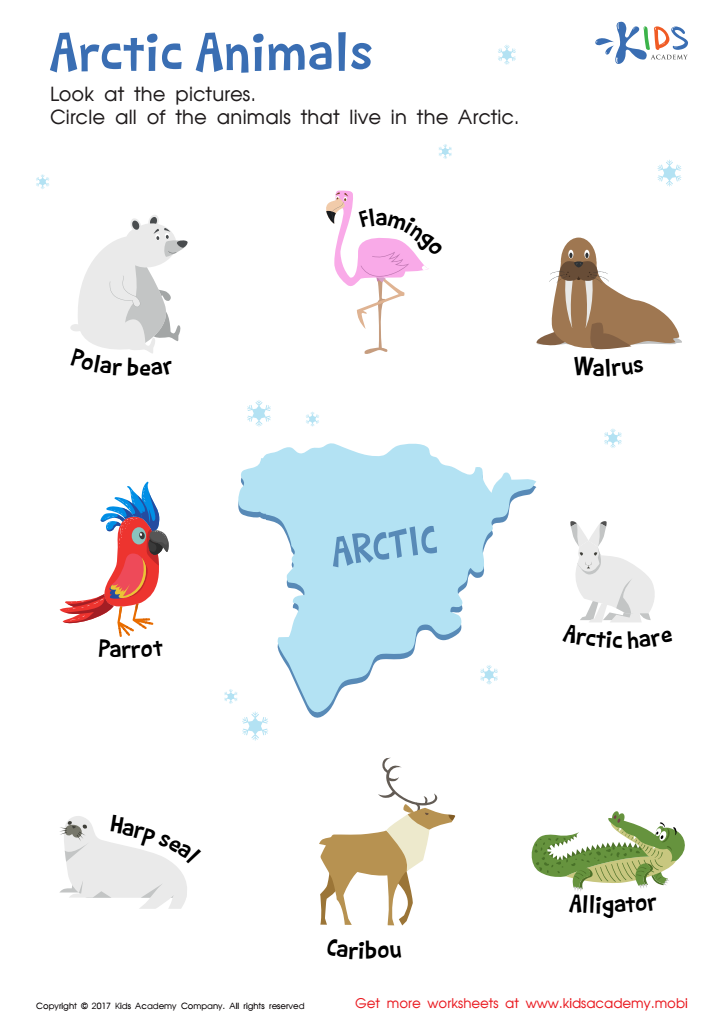
Arctic Animals Worksheet
 Assign to My Students
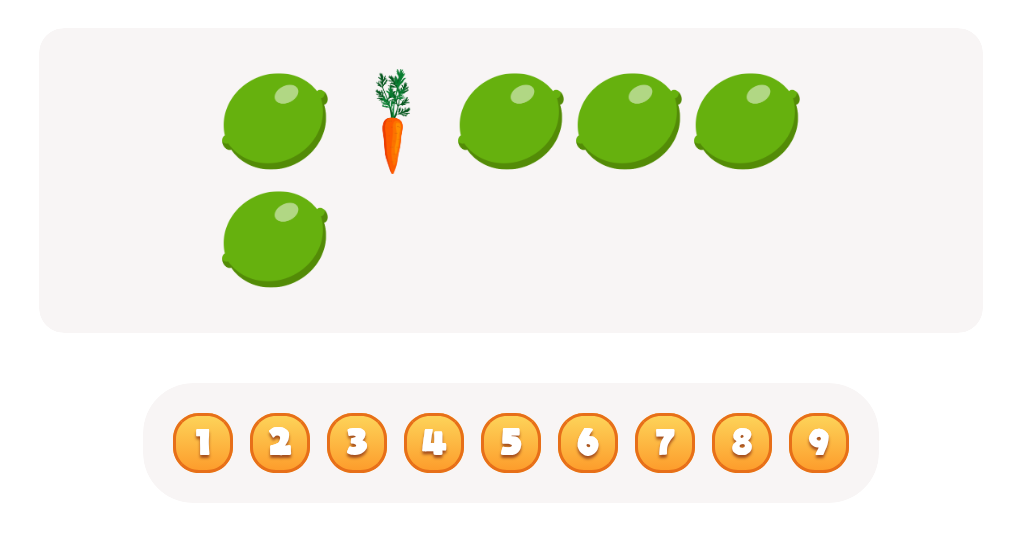


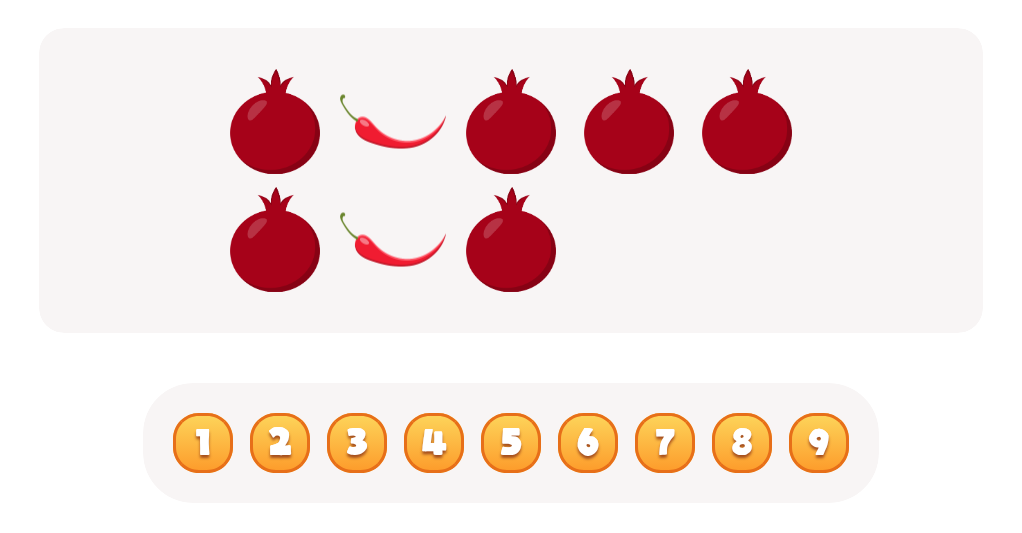
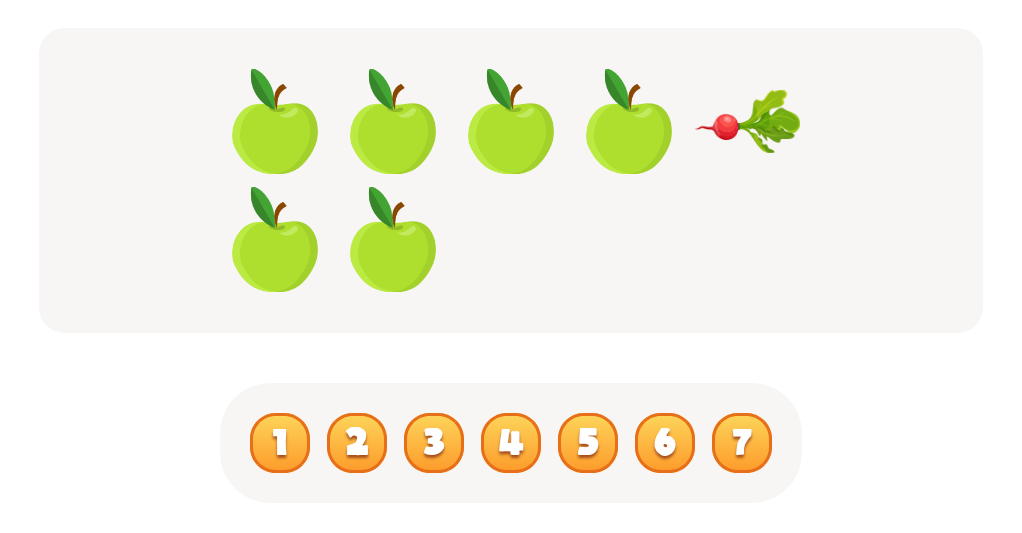
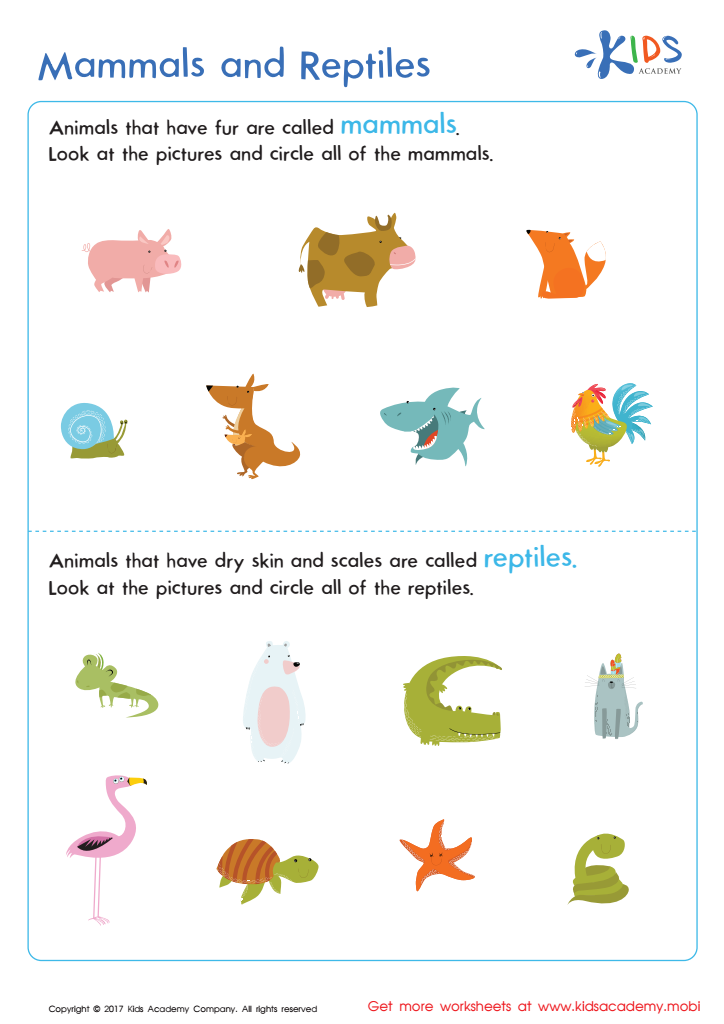
Mammals and Reptiles Worksheet
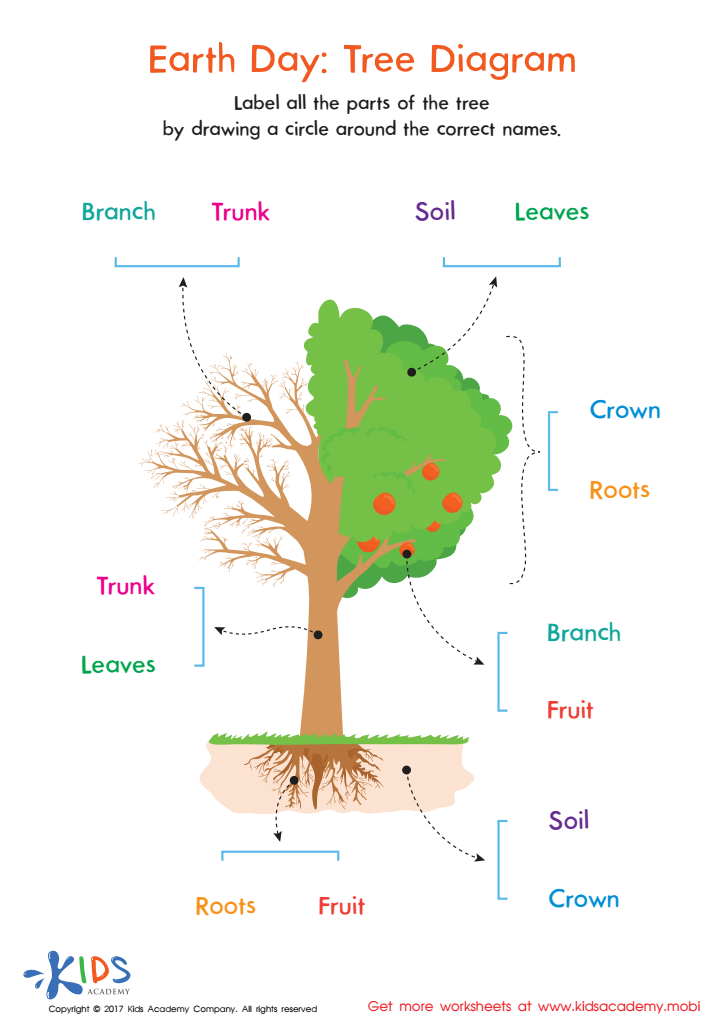
Earth Day: Tree Diagram Worksheet








Understanding normal plants and animals is essential for children ages 7-9 because it fosters curiosity about the natural world, promoting a sense of connection and respect for living things. At this age, children are developing their observational skills; learning about plants and animals enhances their ability to pay attention to details, encouraging critical thinking and inquiry-based learning.
Exploring the role of plants and animals in their ecosystems helps children comprehend concepts such as food chains, habitats, and biodiversity. This awareness can spark a desire to protect the environment and underscores the importance of conservation efforts. Moreover, engaging with normal plants and animals provides a practical foundation for topics in life sciences, ensuring children grasp fundamental biological concepts.
In addition to academic growth, studying the natural world encourages outdoor activities, improving physical health and promoting social skills through collaborative learning experiences. These interactions foster empathy and responsibility towards all living things, setting the groundwork for responsible citizenship.
Ultimately, when parents and teachers prioritize knowledge about normal plants and animals, they help cultivate well-rounded individuals who appreciate nature, are equipped with critical thinking skills, and are motivated to engage in environmental stewardship in the future.







