Addition Practice Normal Math Worksheets for 7-Year-Olds - Page 2
27 filtered results
-
From - To
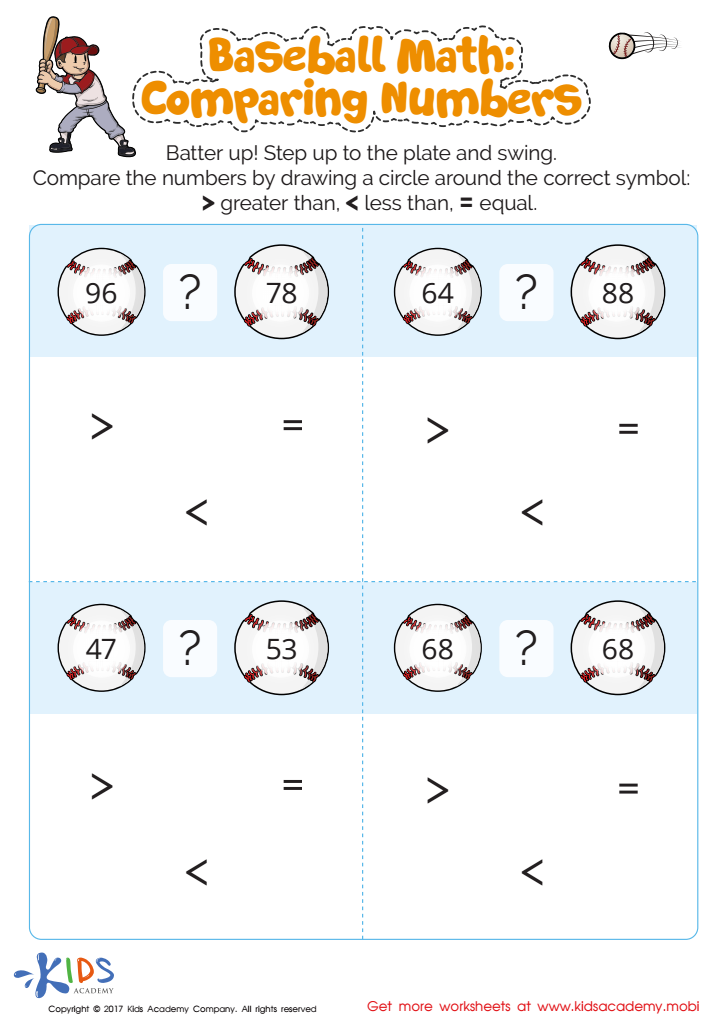
Compare Numbers Printable
 Assign to My Students
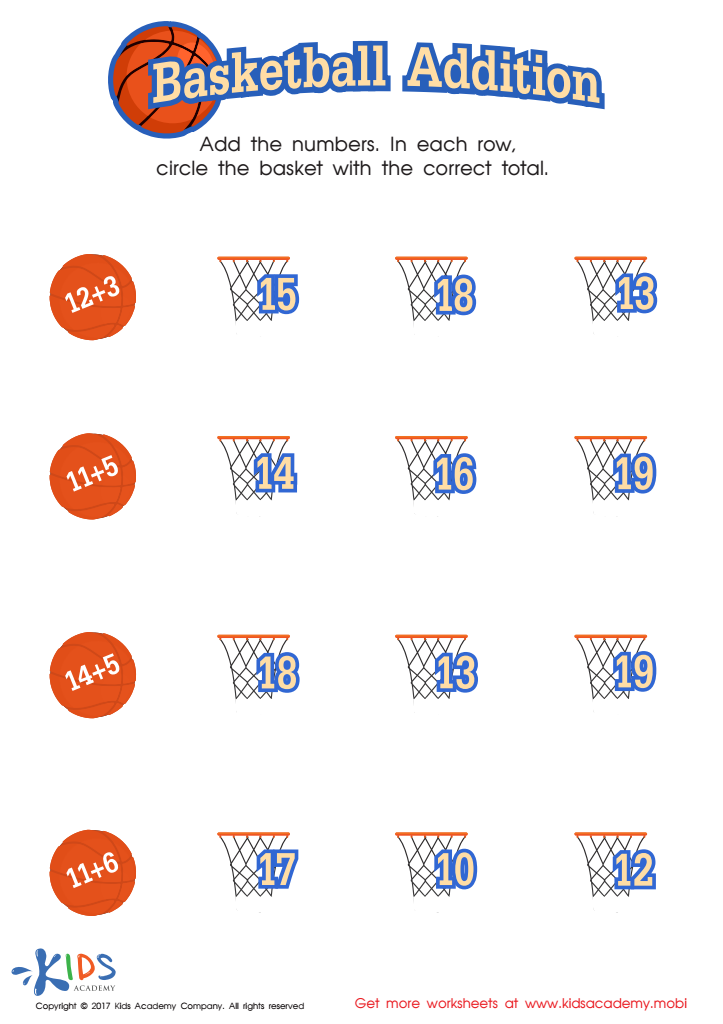
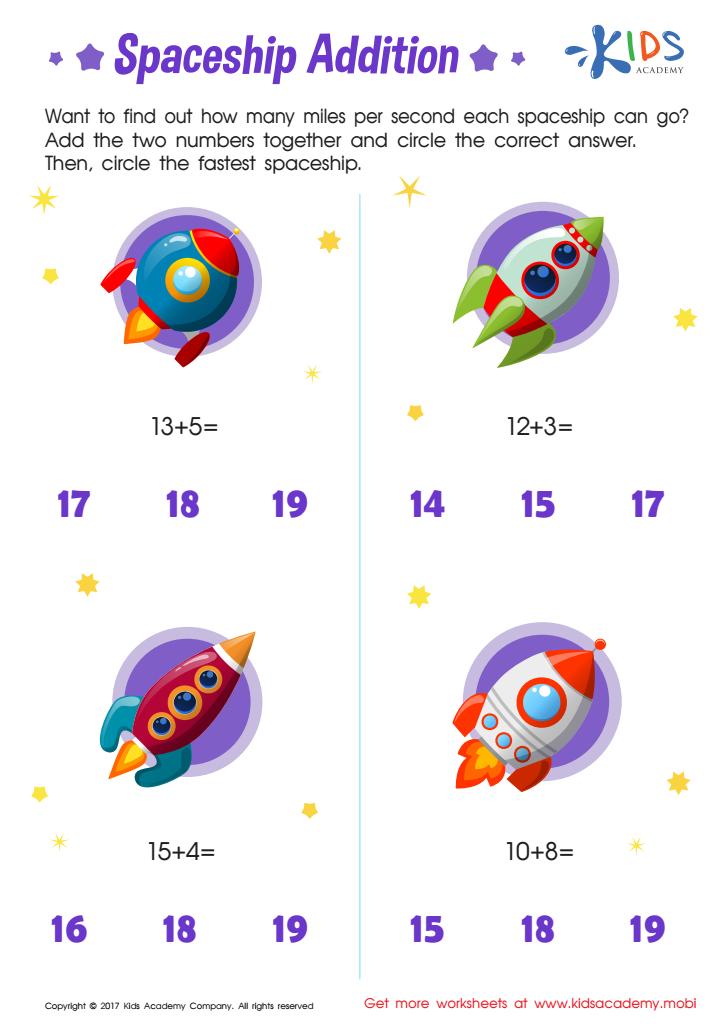








Parents and teachers should care about addition practice for 7-year-olds because it forms the cornerstone of their mathematical development. At this age, children are in the crucial stages of understanding numerical relationships and developing problem-solving skills. Practicing addition helps solidify their basic arithmetic foundation, which will be essential for tackling more advanced math concepts in the future.
Addition practice enhances computational fluency, meaning that children can perform calculations more quickly and accurately. This speed and accuracy are not only vital for math with larger numbers but also help in everyday tasks and other subjects that include quantitative problems, such as science. Engaging in regular practice boosts confidence and reduces math anxiety, making it more likely for children to see math as enjoyable rather than intimidating.
Moreover, addition practice nurtures logical thinking and patterns recognition. While adding numbers, children begin to notice patterns and can apply these observations to solve problems efficiently. These skills are transferable and benefit overall cognitive development, enhancing their ability to approach various challenges methodically.
Involving parents and teachers in addition practice ensures children receive consistent support, encouragement, and positive reinforcement, creating a learning environment where they can thrive. Thus, dedicating effort to mastering addition at an early age prepares children for a future of academic success and practical life skills.








