Handwriting practice Preschool English for Beginners Worksheets - Page 2
43 filtered results
-
From - To
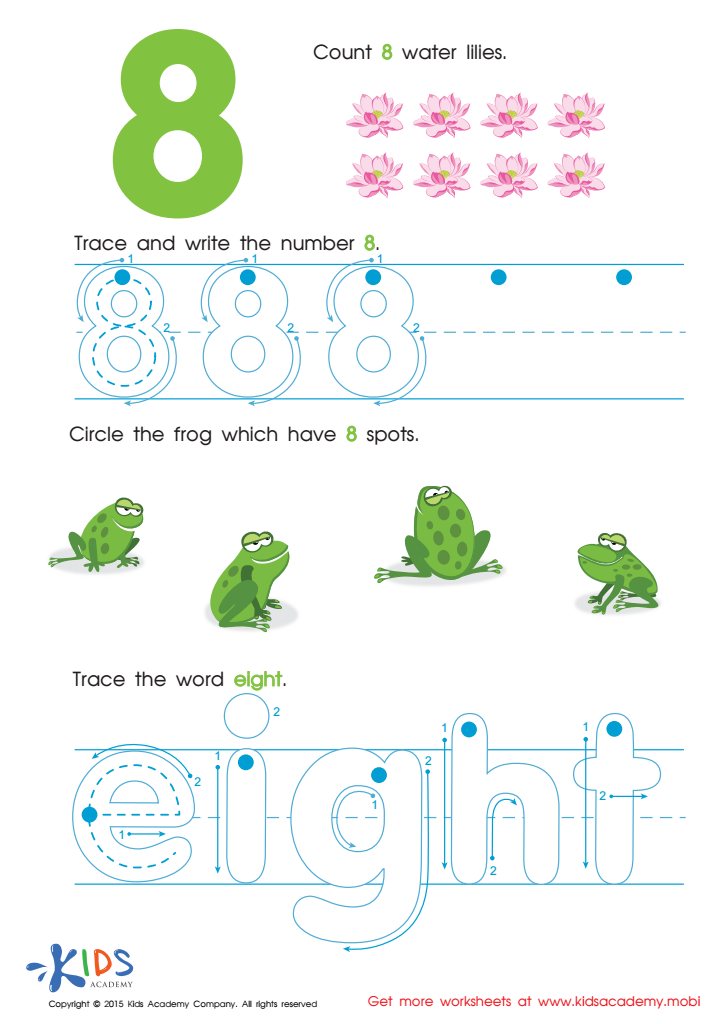
Learn Number 8 Easily Worksheet
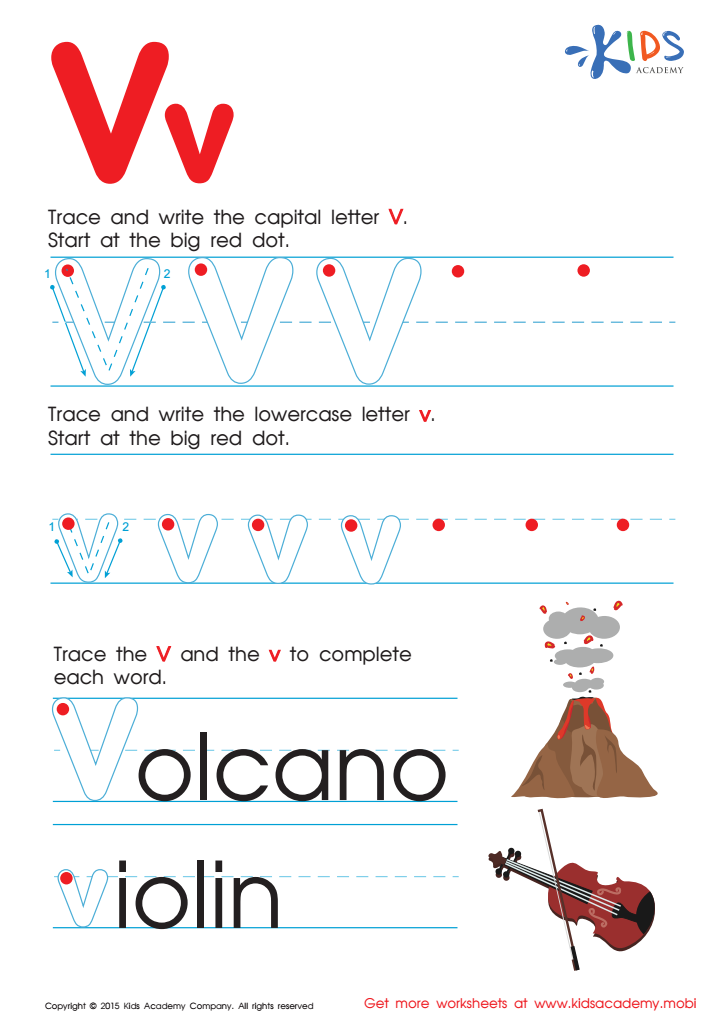
Letter V Tracing Page
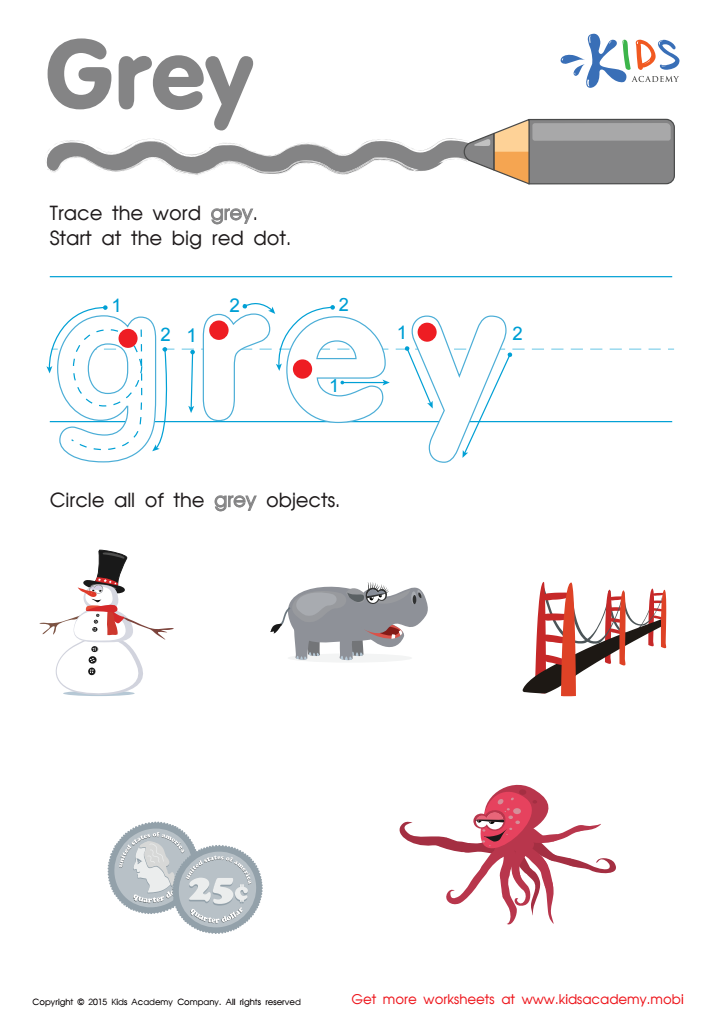
Grey Tracing Color Words Worksheet
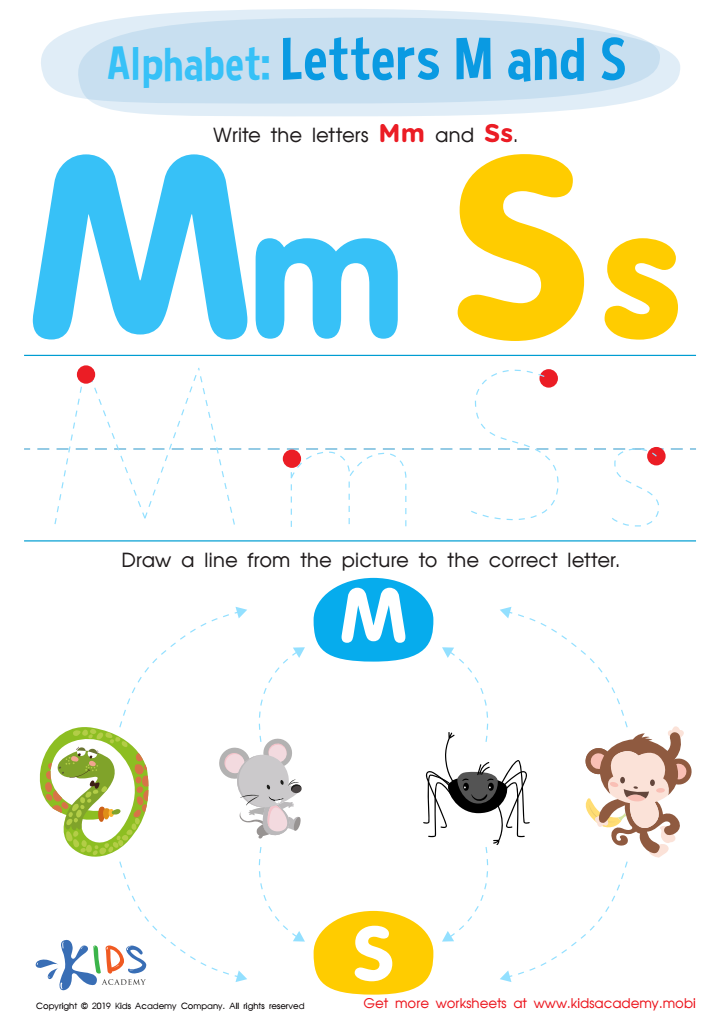
Letters M and S Tracing Worksheet
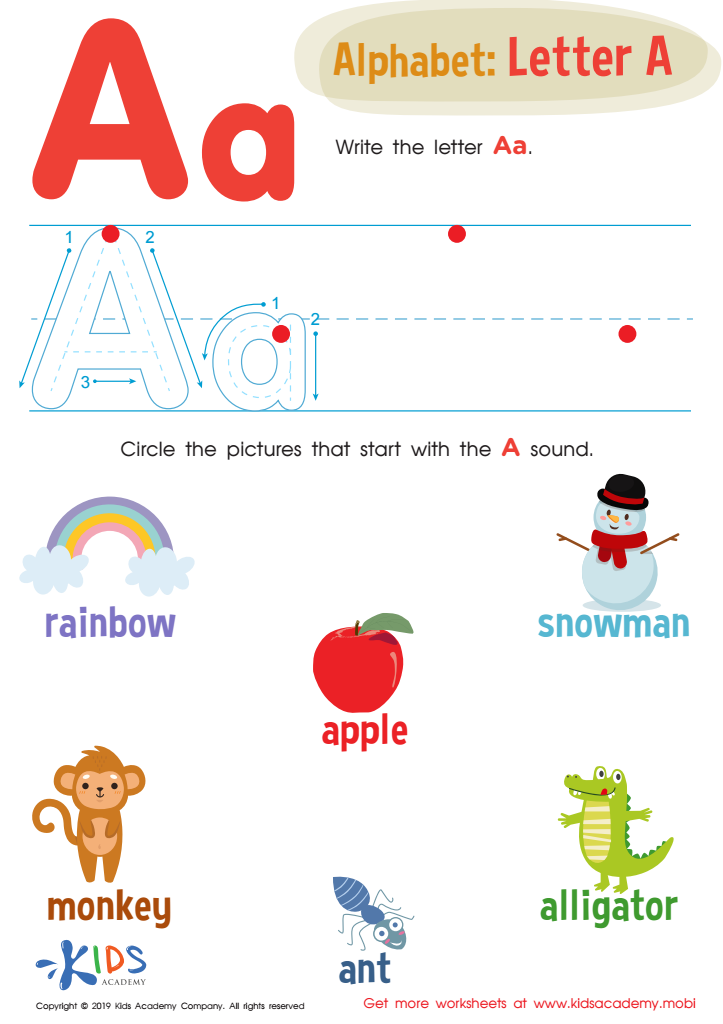
Letter A Tracing Worksheet
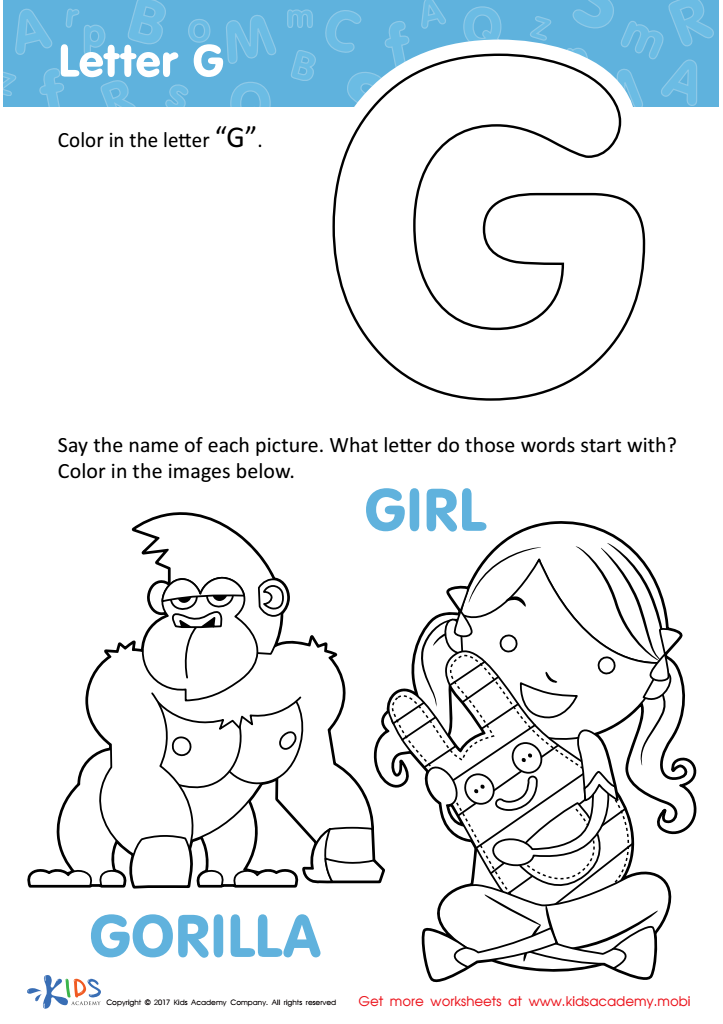
Letter G Coloring Sheet
 Assign to My Students
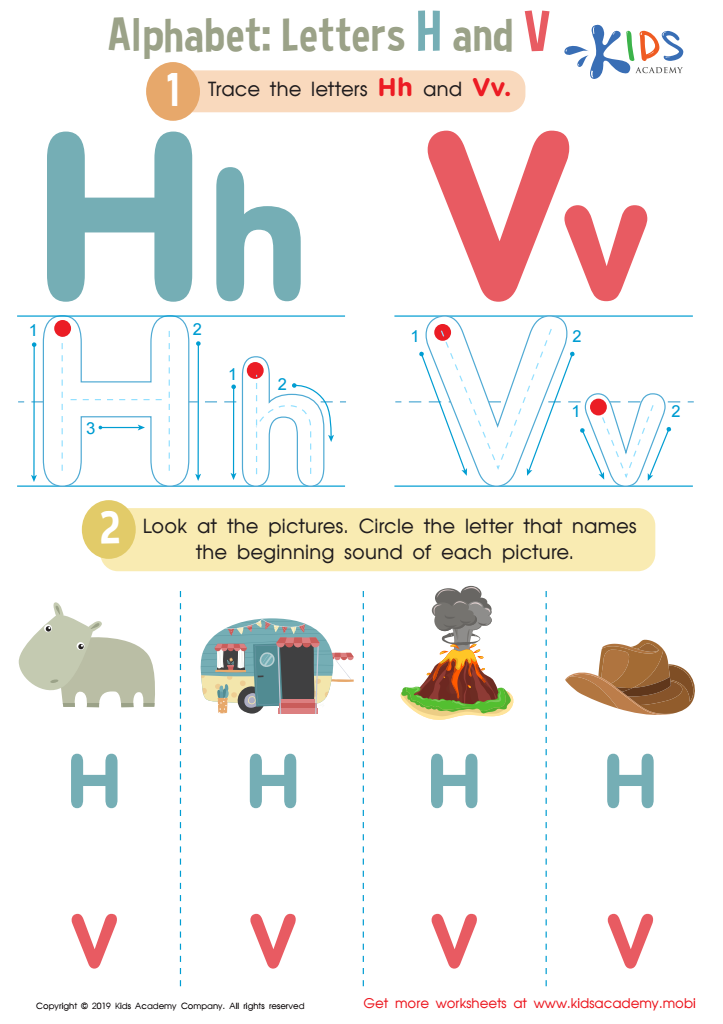
Letters H and V Tracing Worksheet
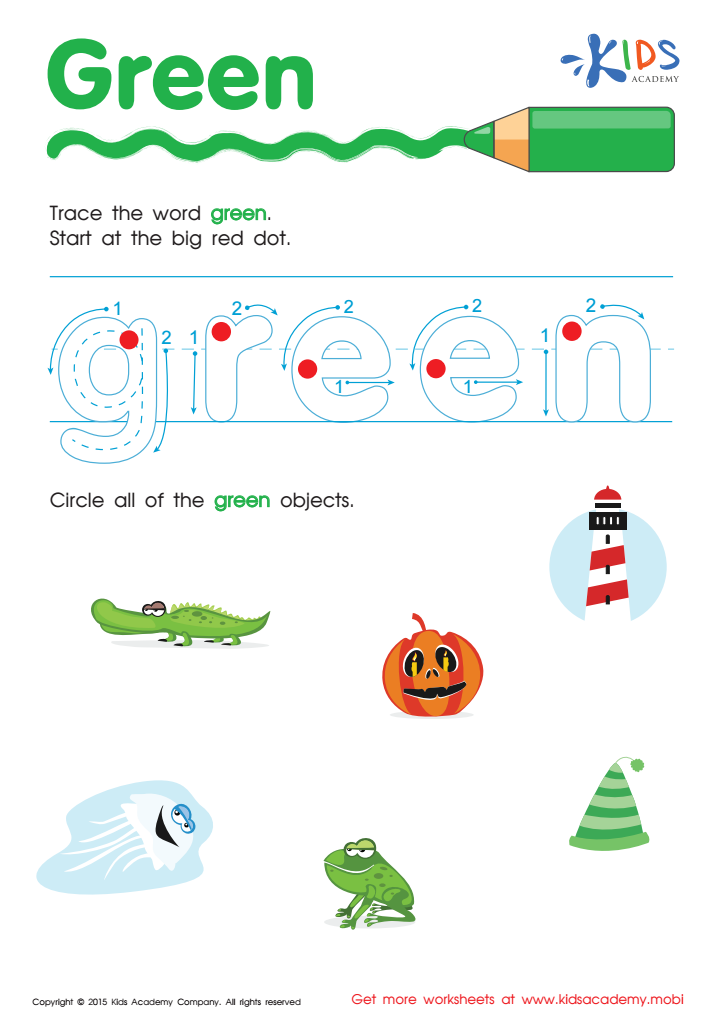
Green Tracing Color Words Worksheet
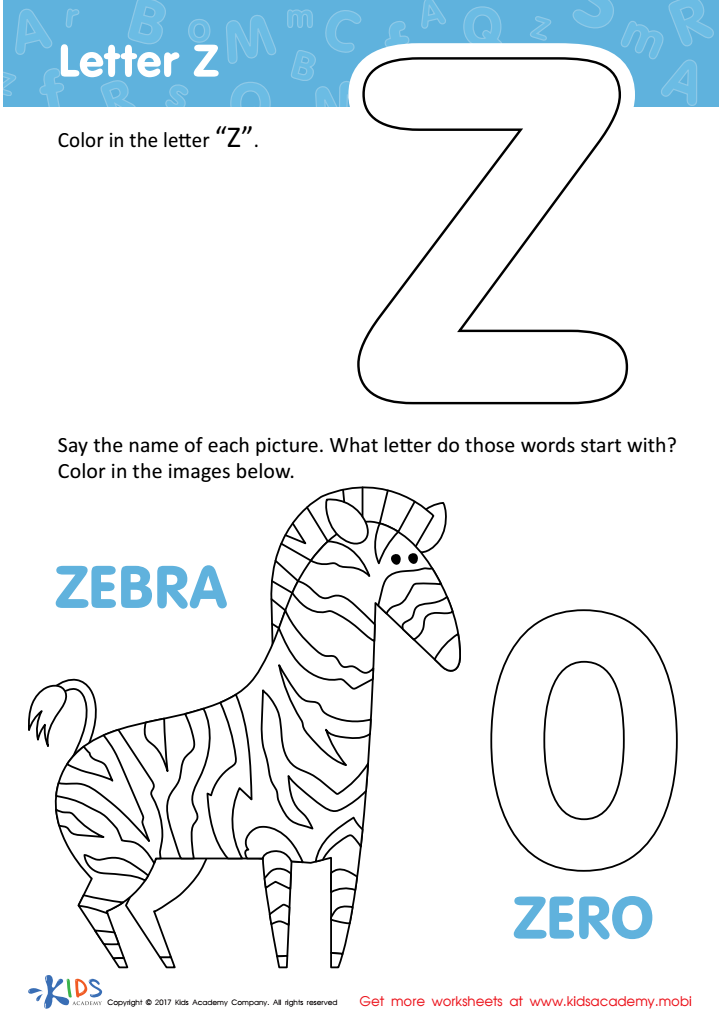
Letter Z Coloring Sheet
Assign to My Students
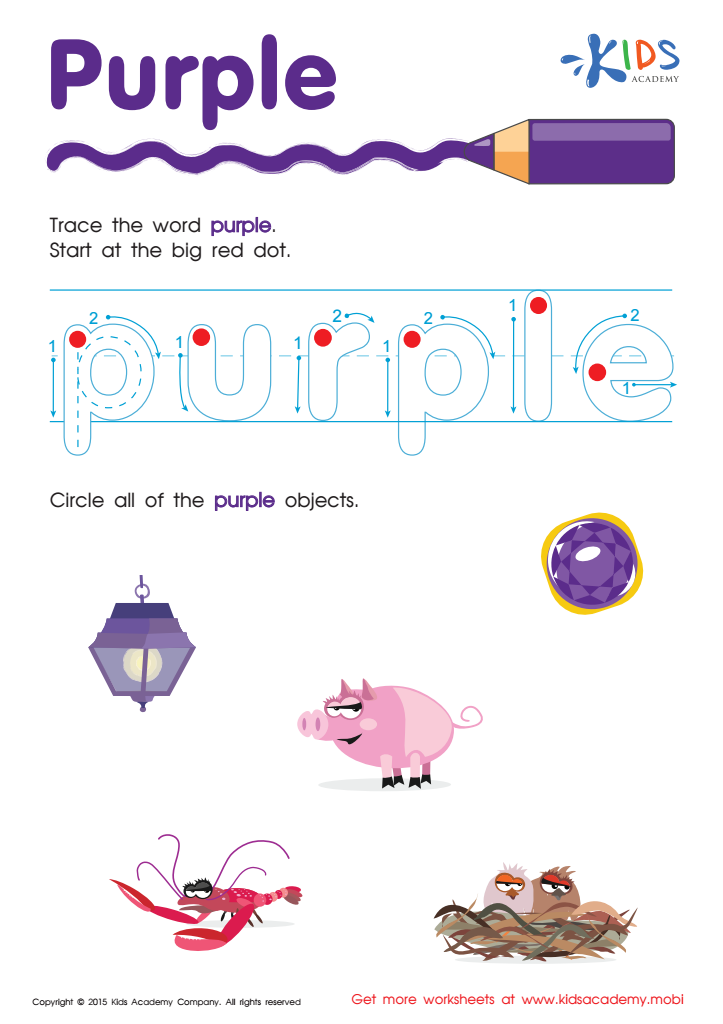
Purple Tracing Color Words Worksheet
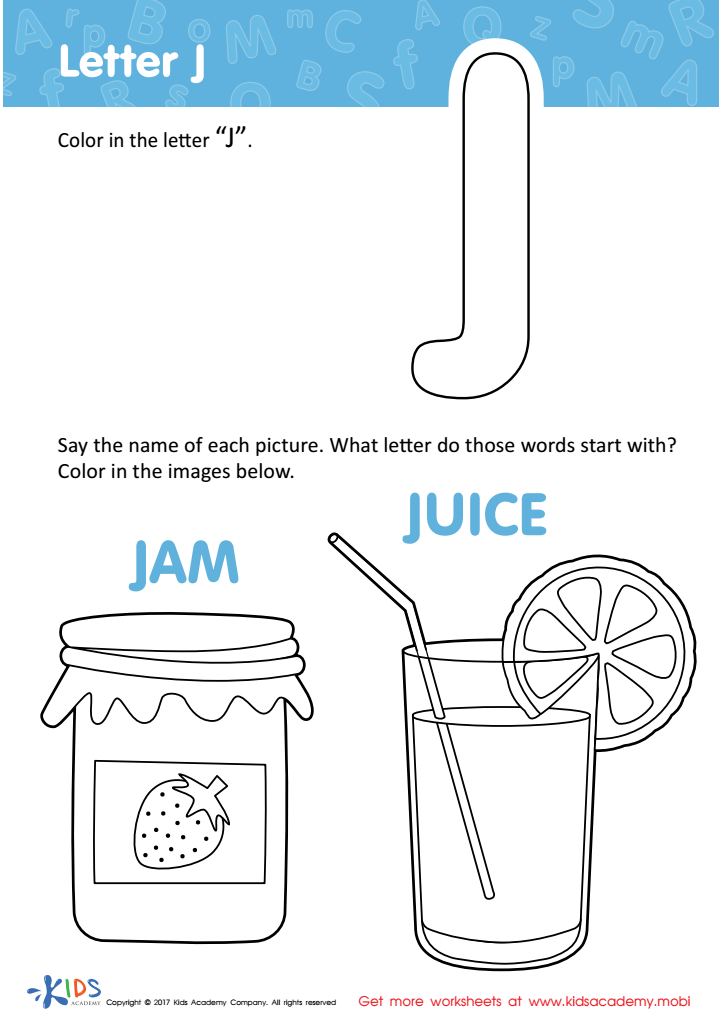
Letter J Coloring Sheet
Assign to My Students
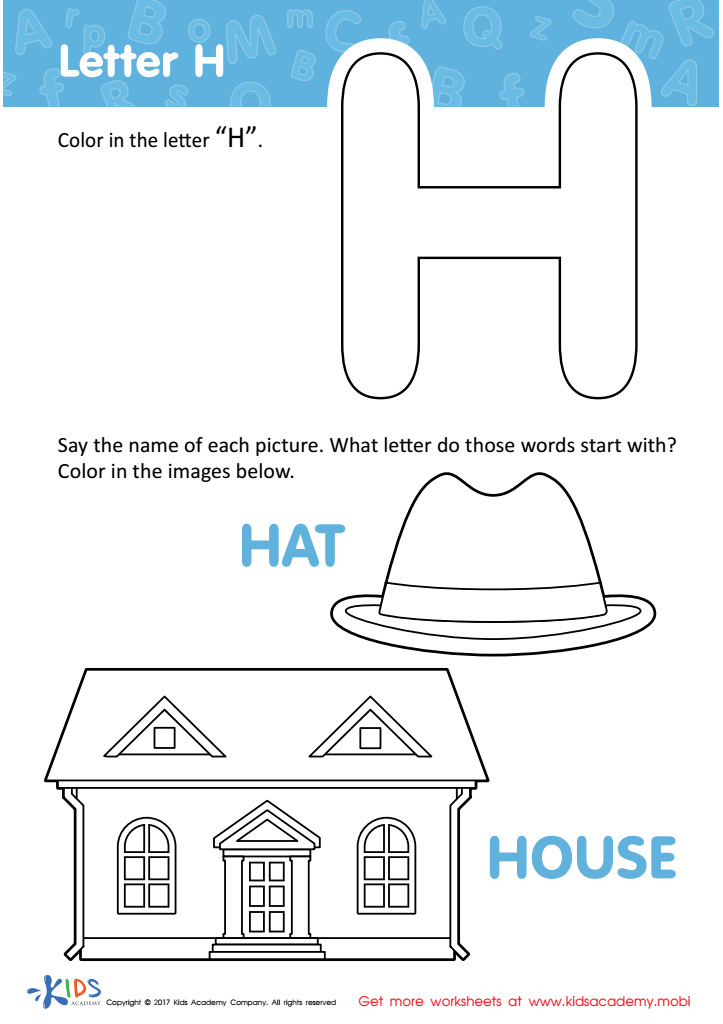
Letter H Coloring Sheet
Assign to My Students
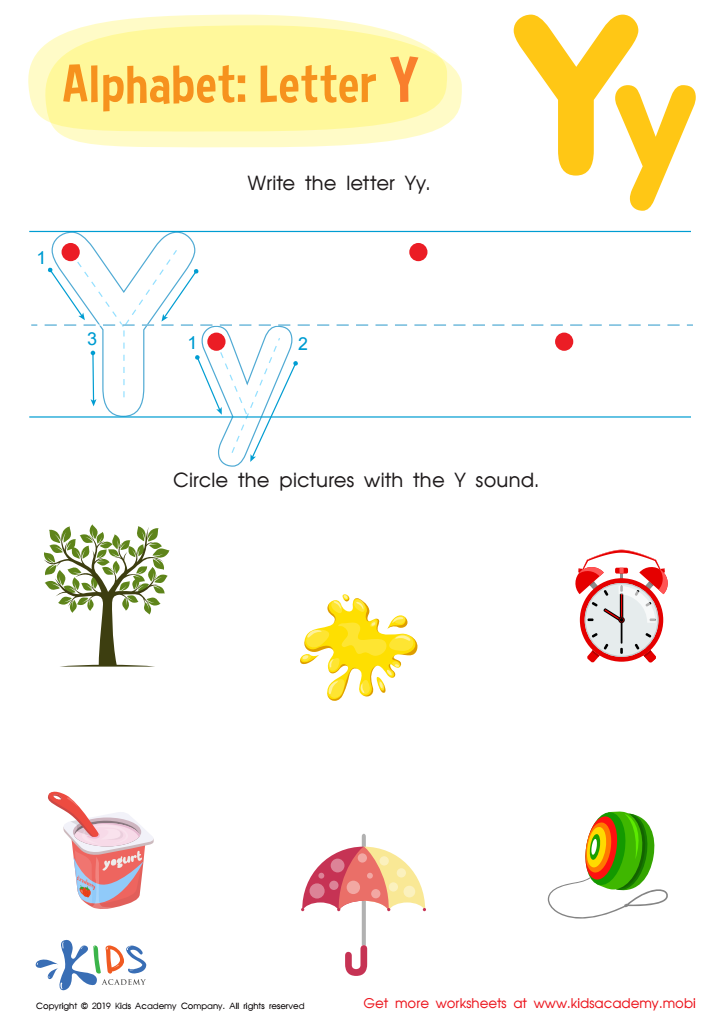
Letter Y Tracing Worksheet
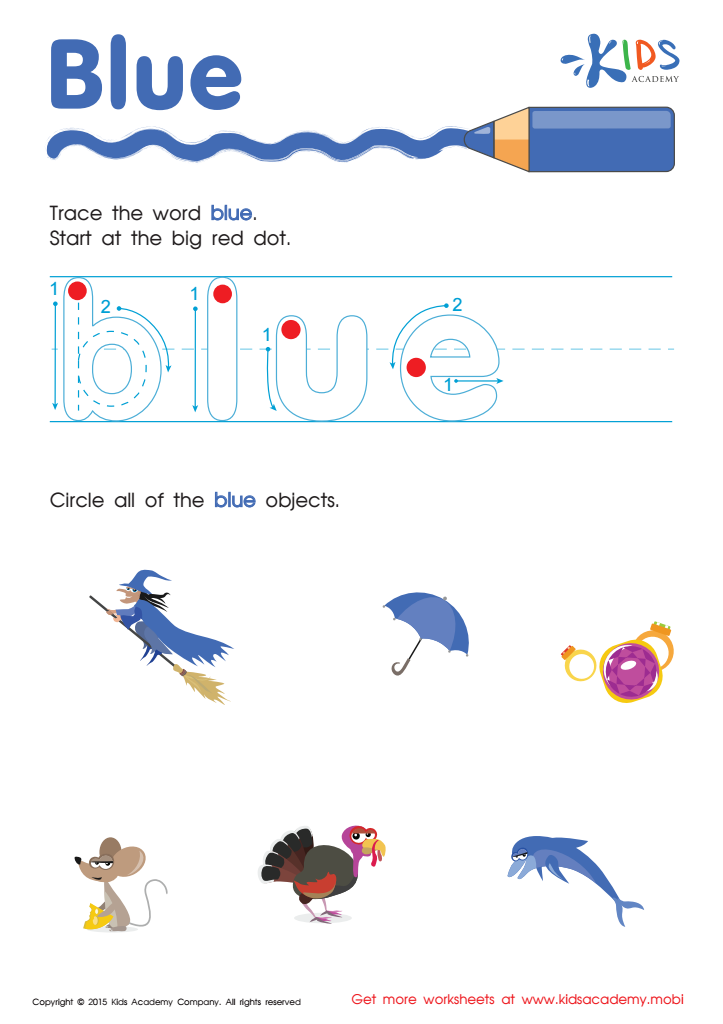
Blue Tracing Color Words Printable
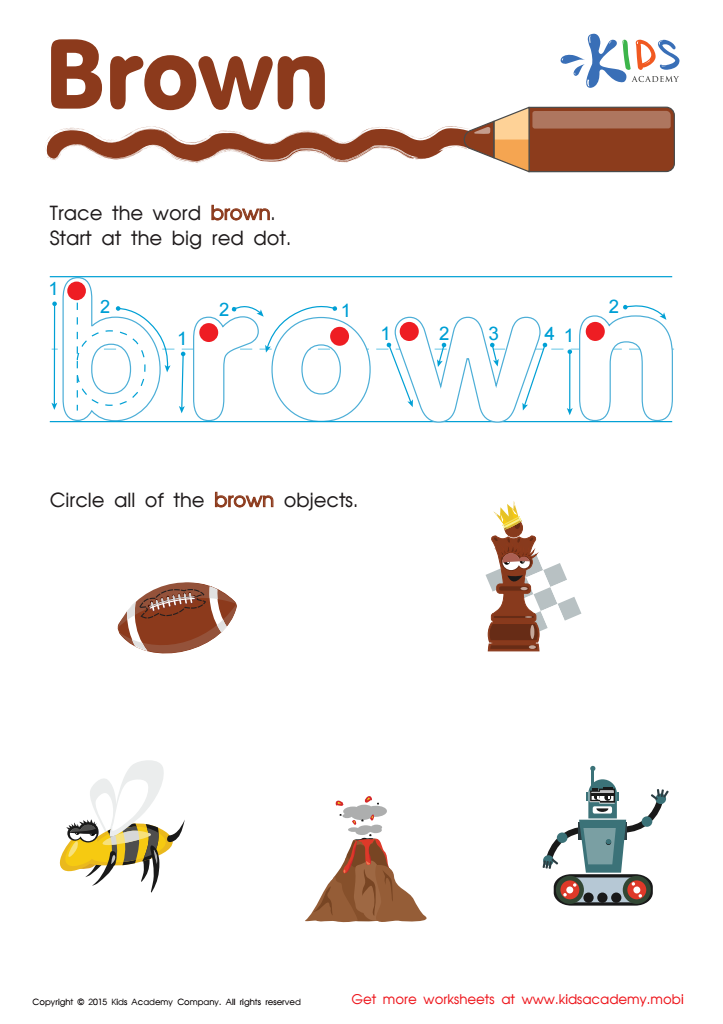
Brown Tracing Color Words Worksheet
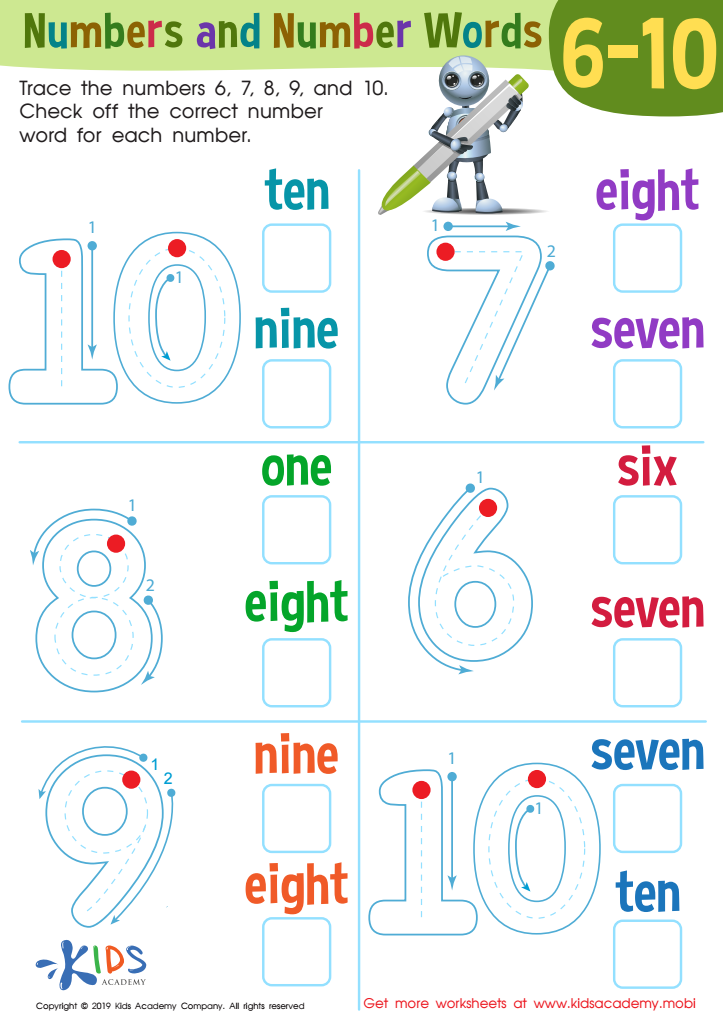
Numbers and Number Words 6–1 Worksheet
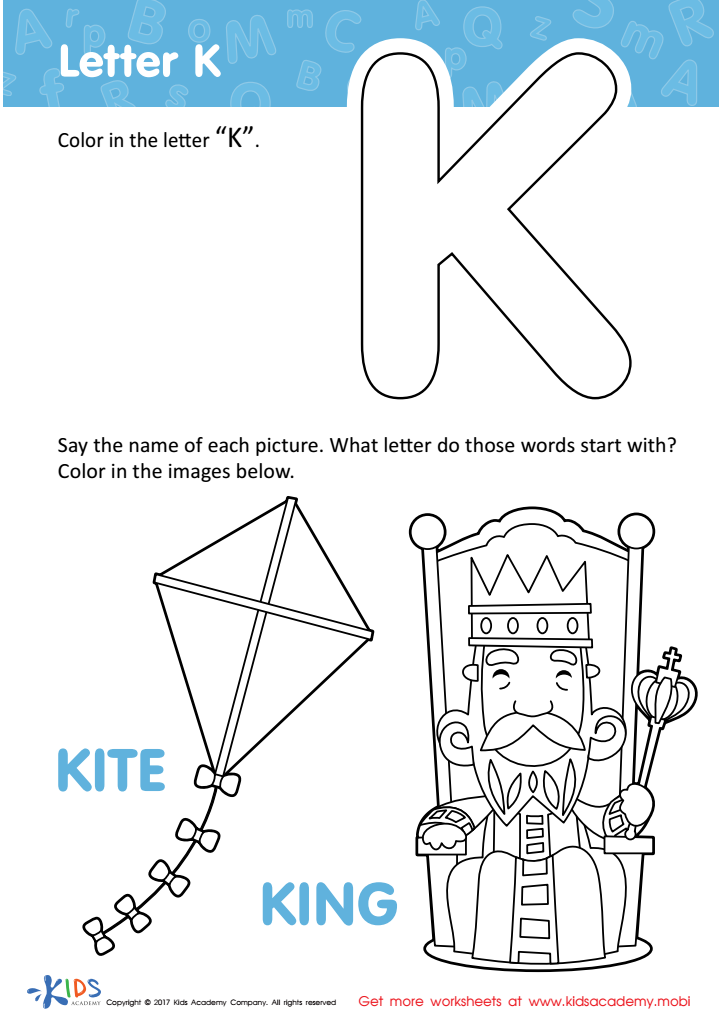
Letter K Coloring Sheet
Assign to My Students
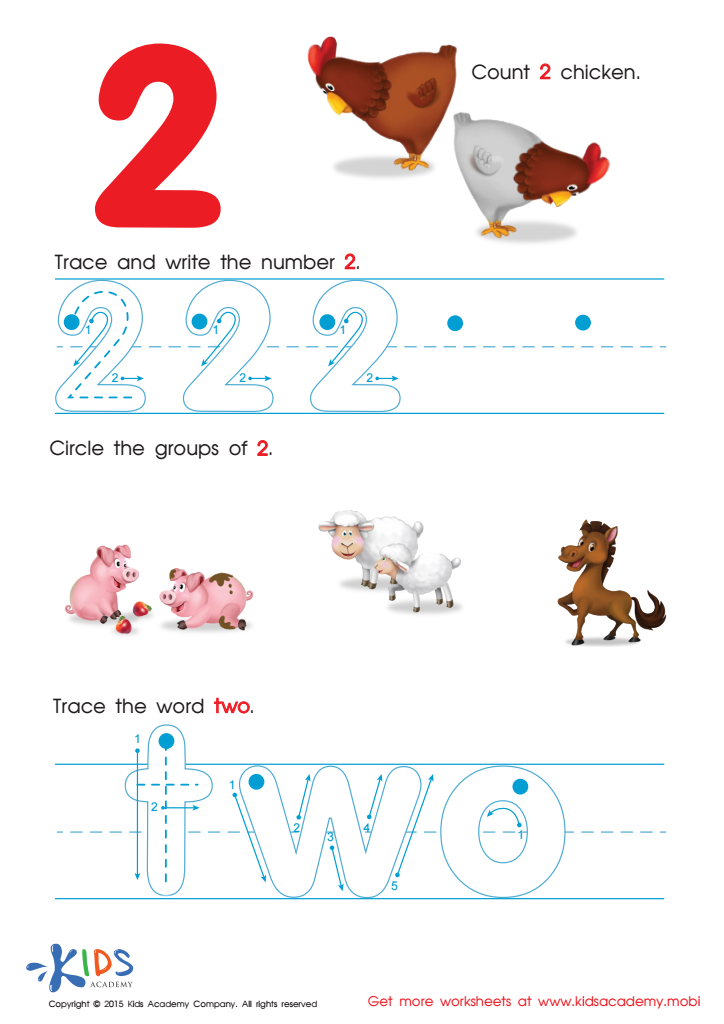
Learn to Write the Number 2 Worksheet
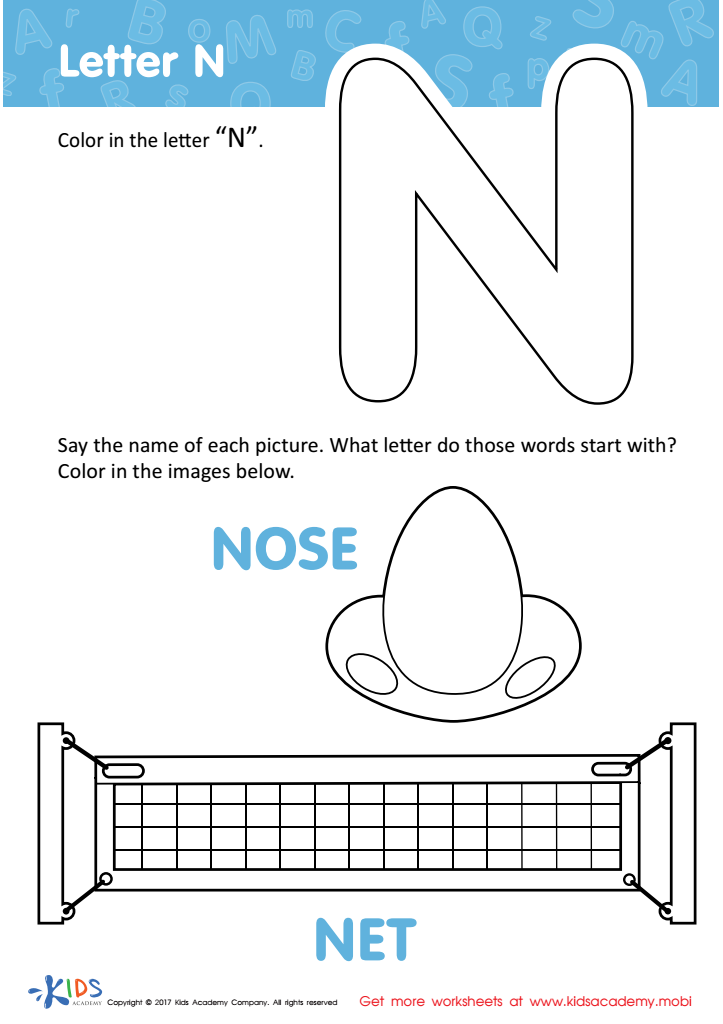
Letter N Coloring Sheet
Assign to My Students



Handwriting practice is essential for preschoolers learning English, and both parents and teachers should prioritize it for several reasons. First, developing fine motor skills through handwriting tasks helps strengthen children's hand-eye coordination, dexterity, and muscle control, which are crucial as they progress in their overall education. Writing engages multiple areas of the brain, enhancing cognitive skills and contributing to better memory retention.
Additionally, handwriting promotes language development; practicing letters shapes improves phonemic awareness and aids in the understanding of sound-letter relationships, which are fundamentals in reading. As children articulate words through writing, they also get to explore their creativity, express themselves, and gain confidence in their communication abilities.
Moreover, handwriting instills discipline and focus—qualities that are vital for academic success. Regular practice helps establish a strong academic foundation that transcends language arts, benefiting subjects like math and science, which require precise communication.
Finally, handwriting practice fosters a sense of pride in one's work. By watching their progress through improved penmanship, children learn perseverance and the value of consistent effort, setting a positive example for their approach to learning in the years ahead.