Animal identification Preschool Worksheets - Page 2
39 filtered results
-
From - To
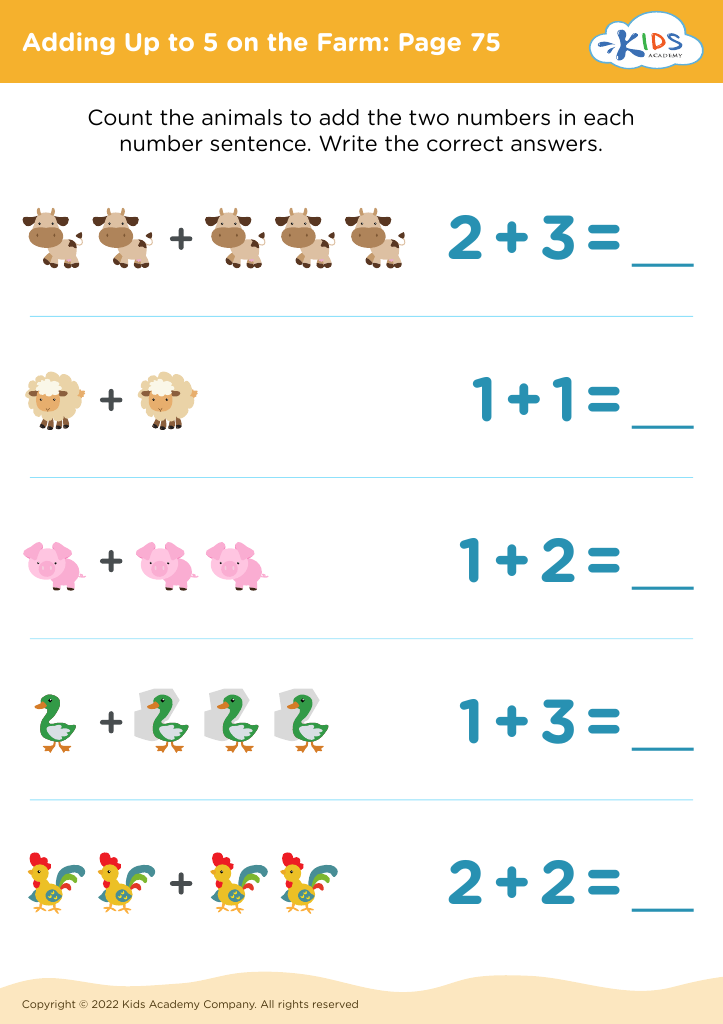
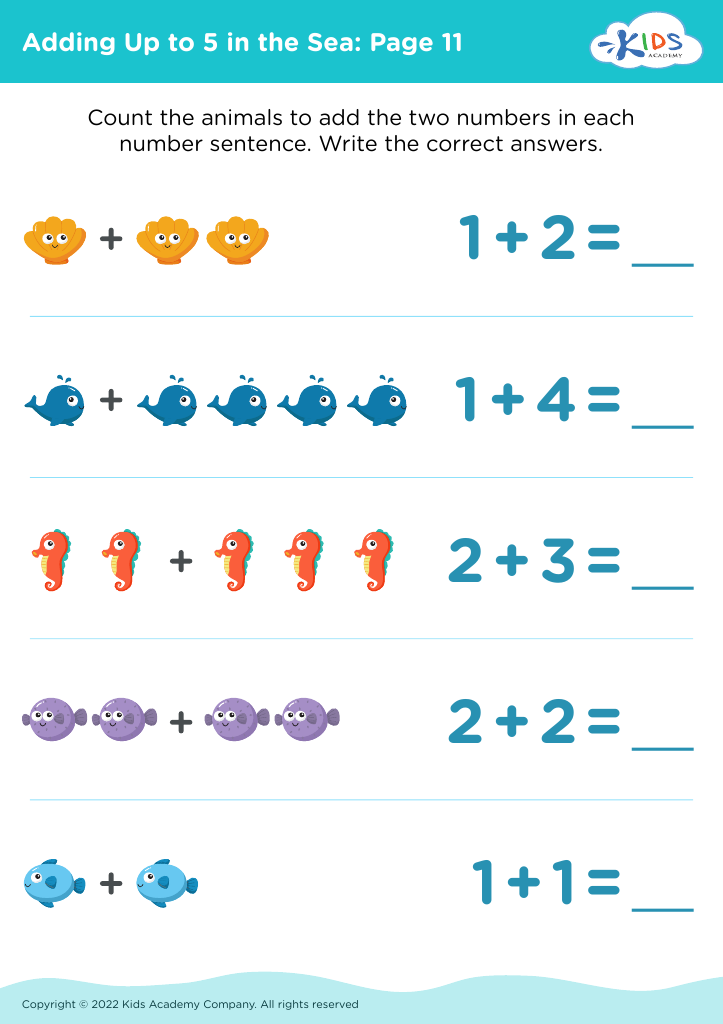
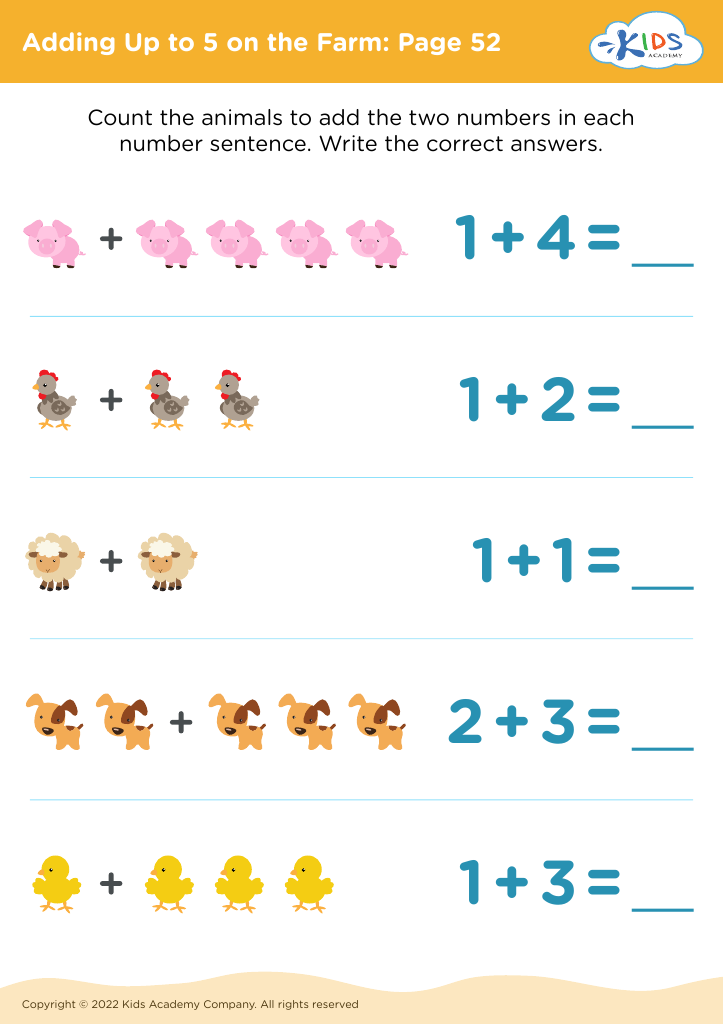
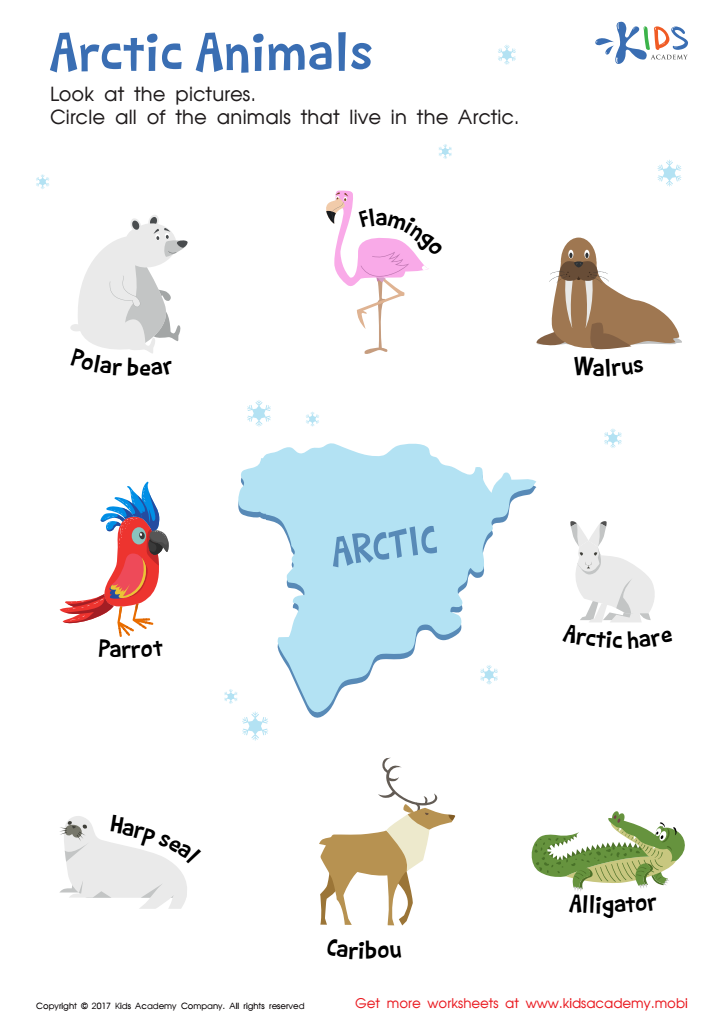
Arctic Animals Worksheet
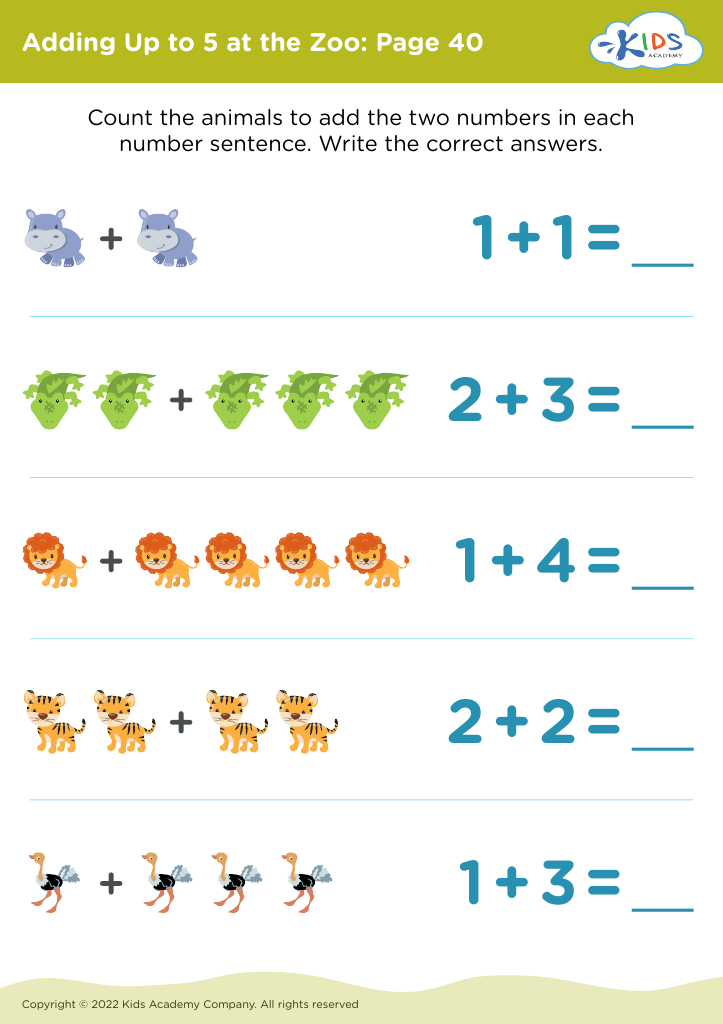
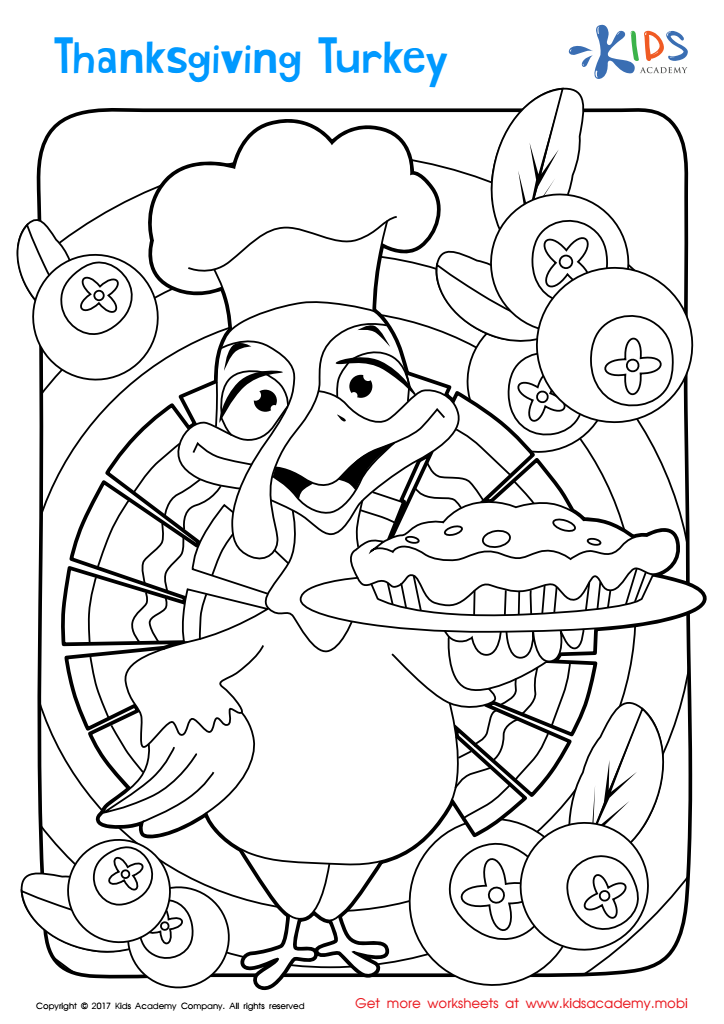
Turkey Thanksgiving Day Worksheet
 Assign to My Students
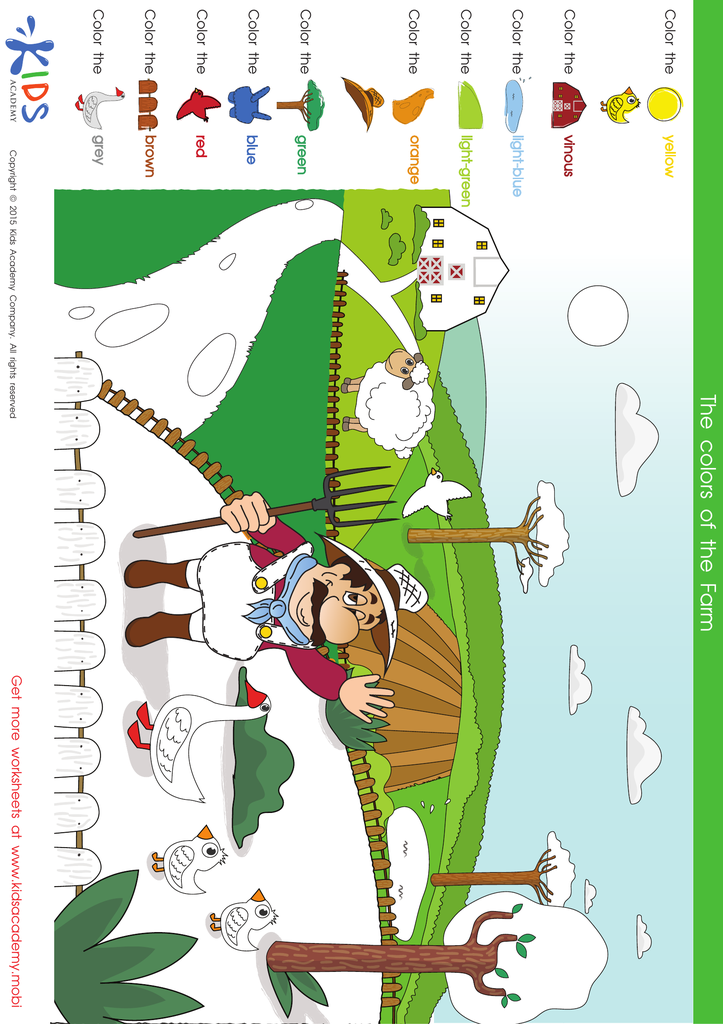
Color the Farmer and His Geese Coloring Pages
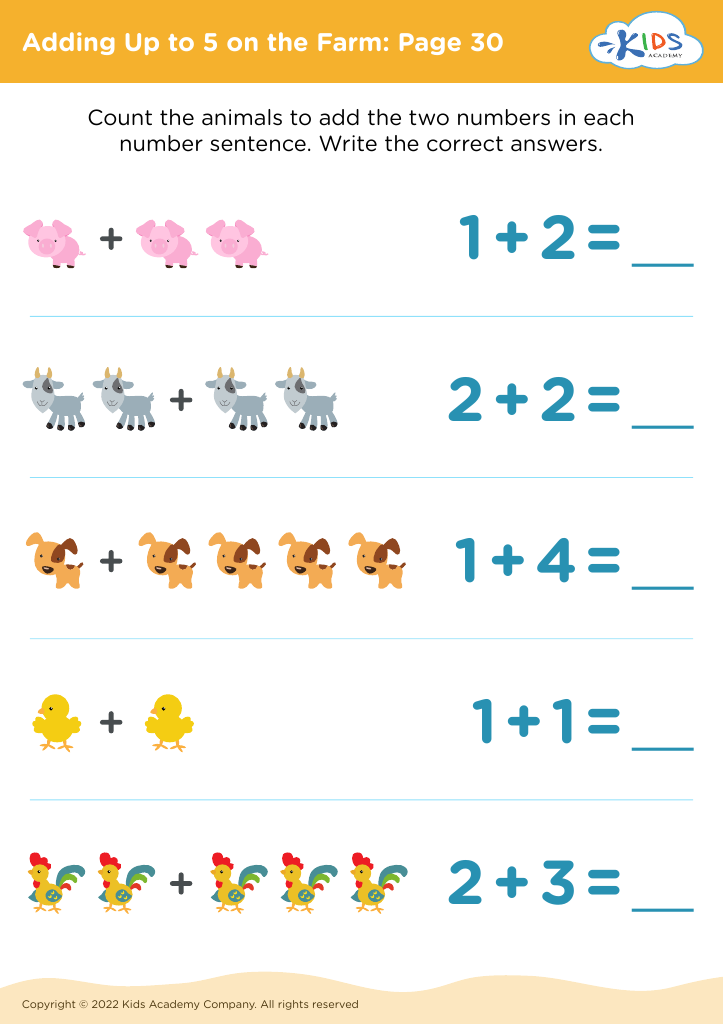
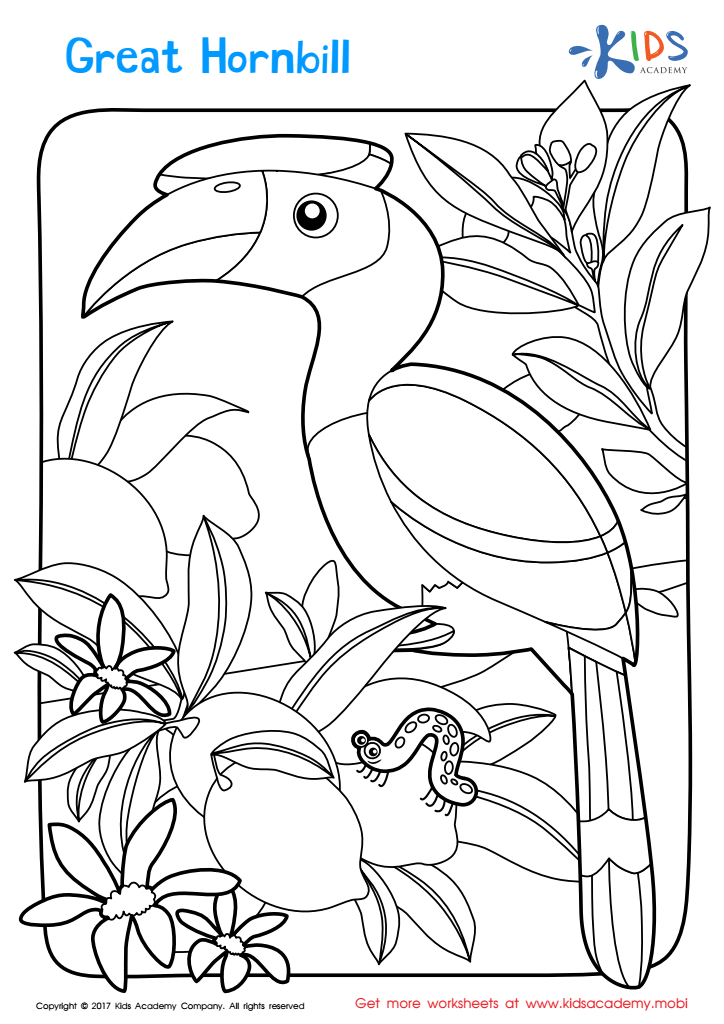
Great Hornbill Worksheet
Assign to My Students
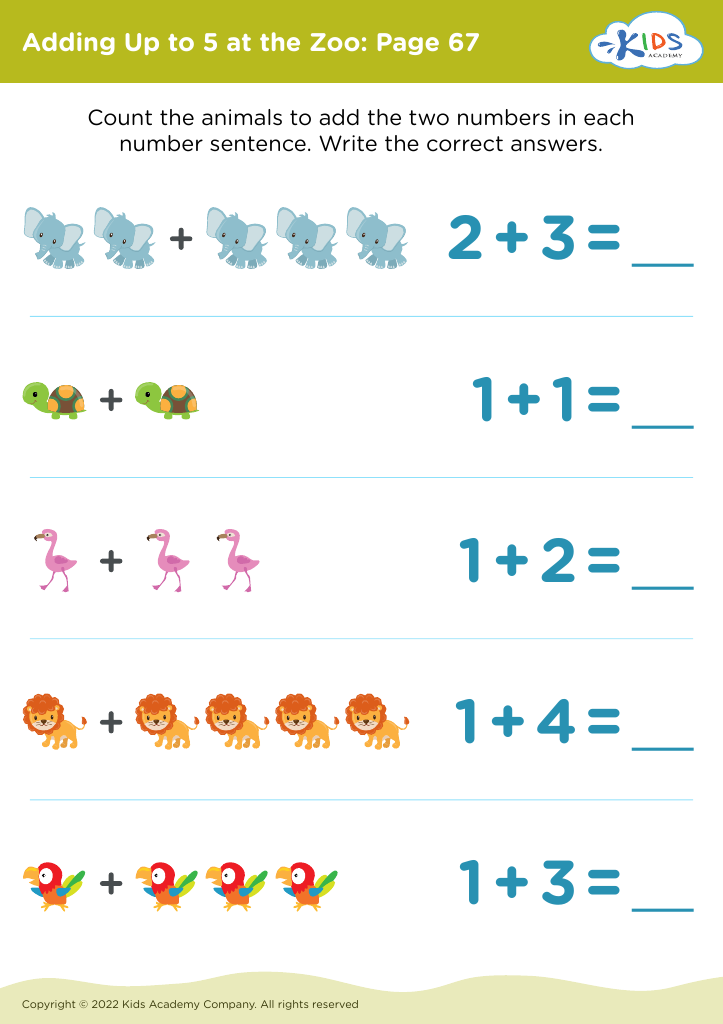
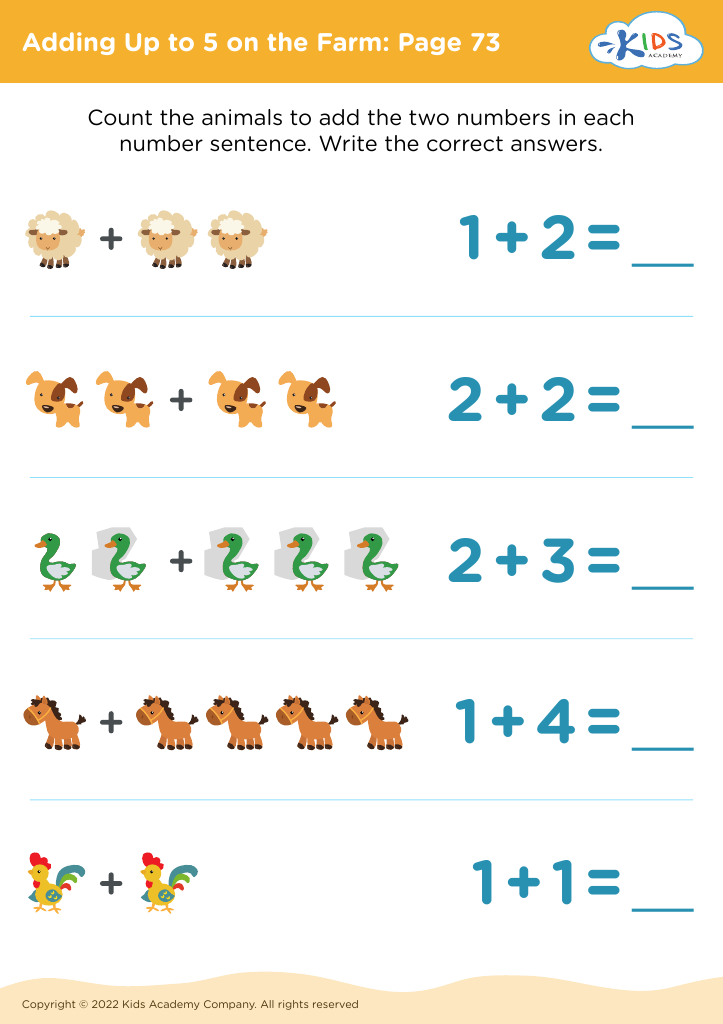
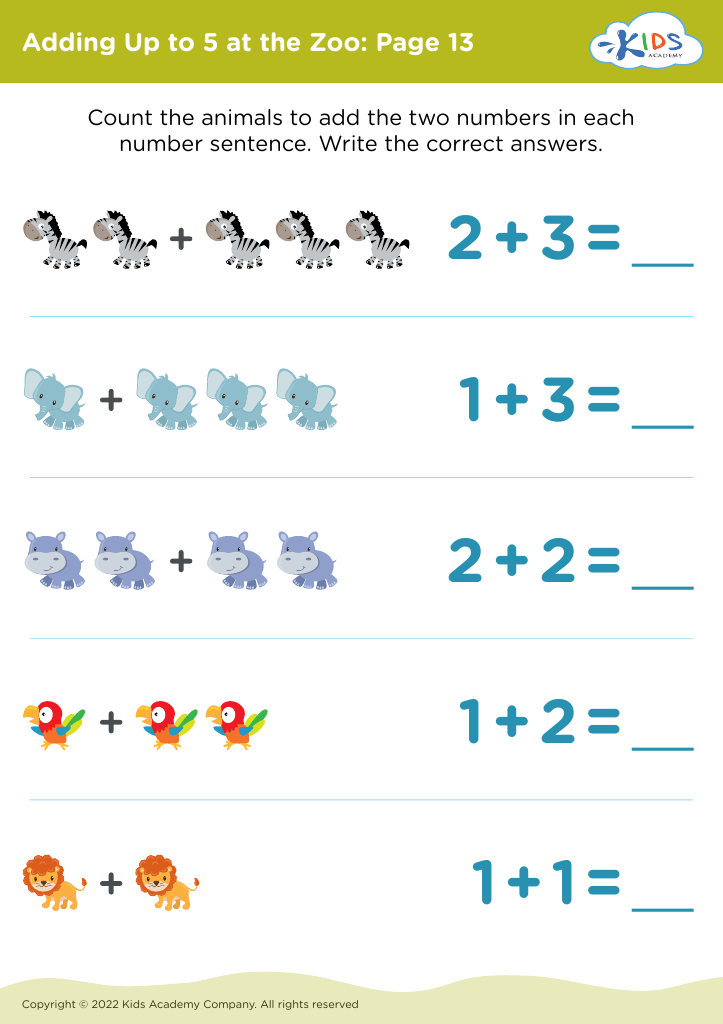








Parents and teachers should care about animal identification in preschool for several crucial reasons. Firstly, understanding animals and their characteristics enhances children's cognitive development. Identifying specific animals, their sounds, and habitats stimulates curiosity and evidence-based thinking, laying the foundation for scientific literacy.
Secondly, it nurtures language skills. Learning animal names and related vocabulary expands a child’s lexicon, encouraging better communication and storytelling abilities. Such activities often spark engaging discussions that improve verbal skills and comprehension.
Thirdly, this element of the preschool curriculum promotes social and emotional growth. Connecting with animals often fosters empathy and responsibility. Interactive learning activities, such as role-playing or group projects about animals, encourage teamwork, sharing, and respect for living beings.
Moreover, animal identification supports fine and gross motor skills through activities like drawing, matching games, and sensory play. Labeling animal parts or patterns aids in fine motor precision, while activities emulating animal movements promote gross motor development.
Lastly, it embeds an early appreciation and respect for nature and conservation. Witnessing diverse species cultivates environmental awareness, instilling values that contribute to responsible global citizenship.
In essence, animal identification is a comprehensive educational tool that bolsters cognitive, linguistic, social, emotional, and physical development, preparing children for future learning and instilling vital ethical values.