Basic math concepts Preschool Worksheets
14 filtered results
Difficulty Level
Grade
Age
-
From - To
Subject
Activity
Standards
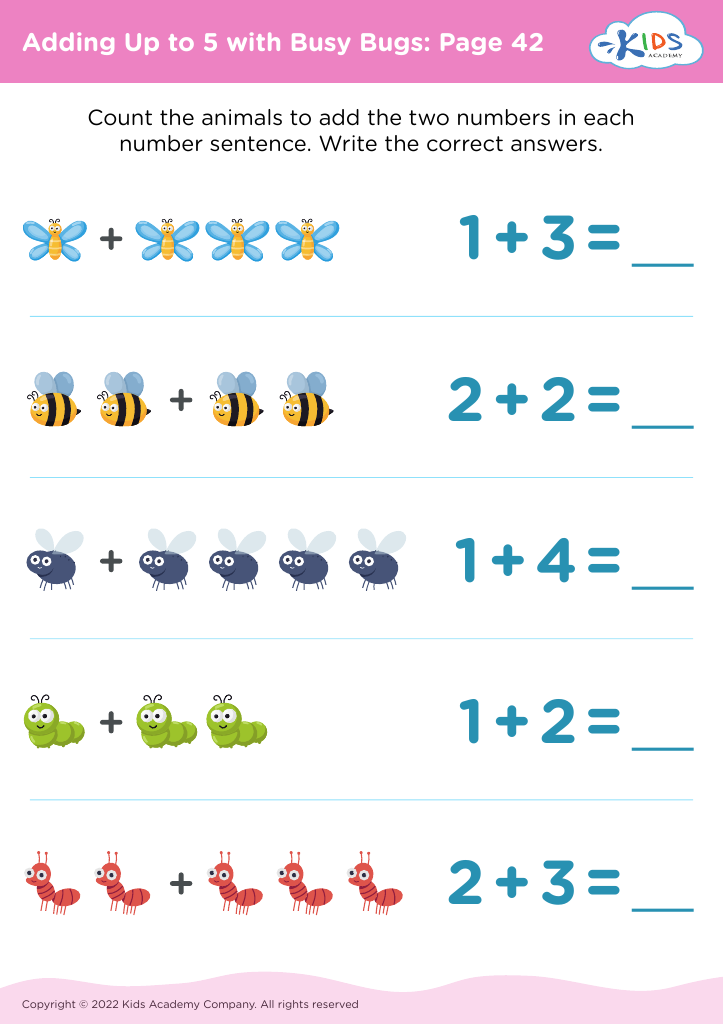
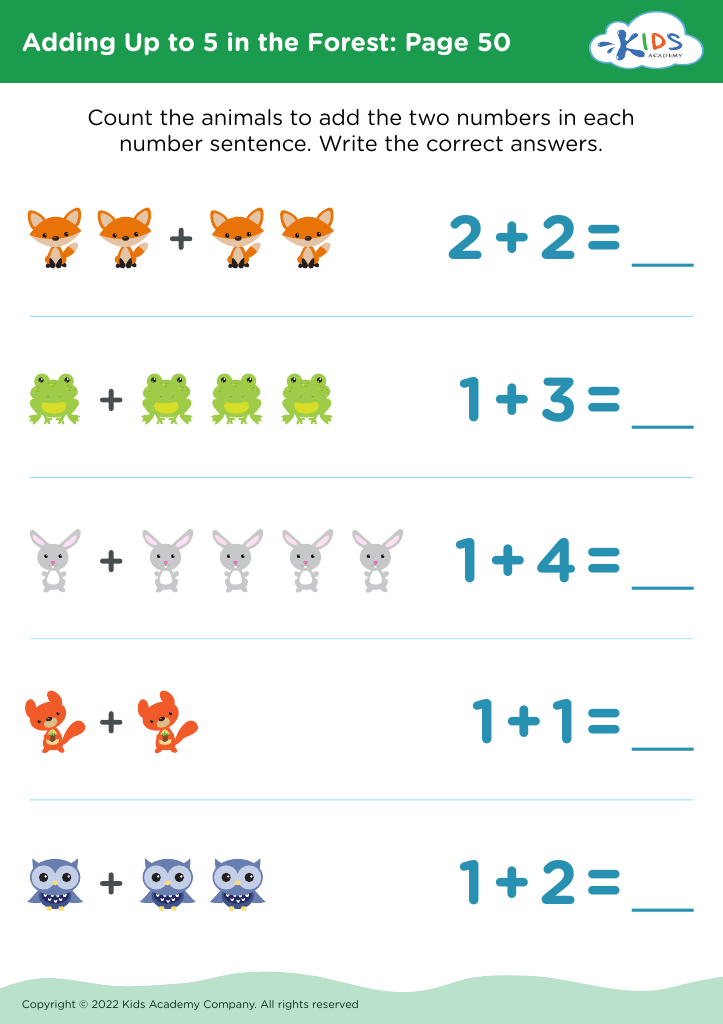
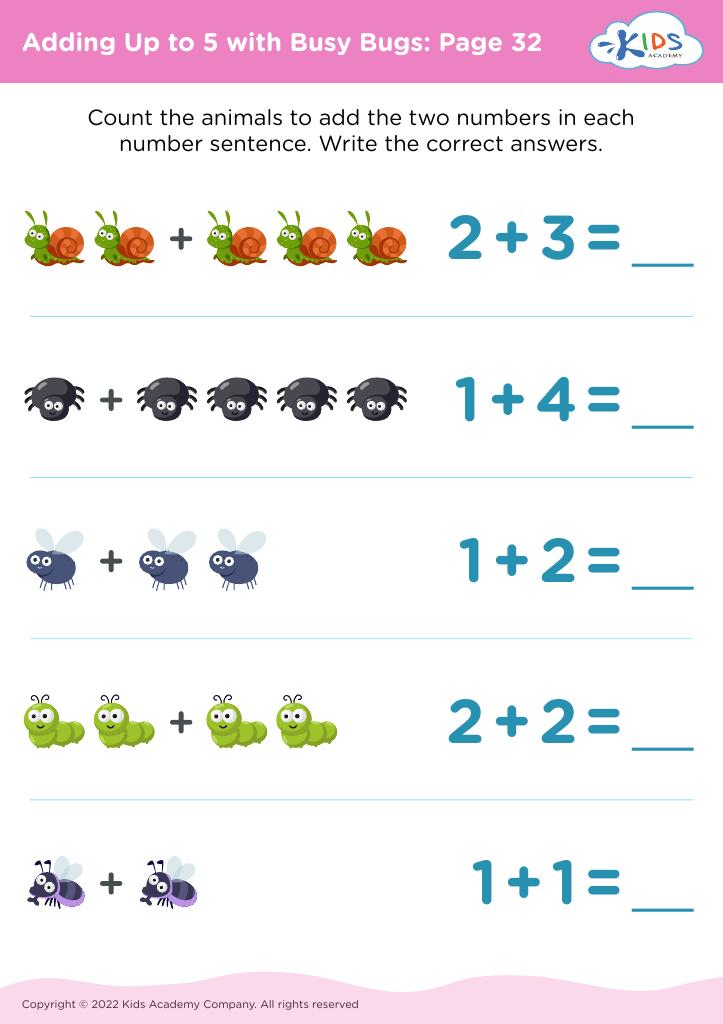
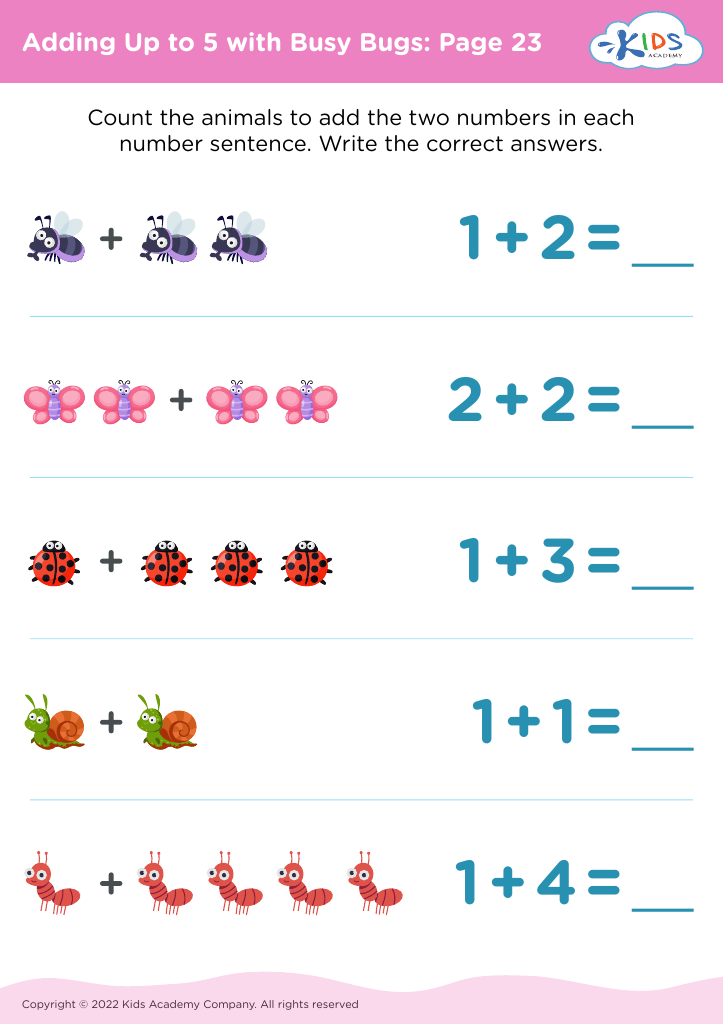
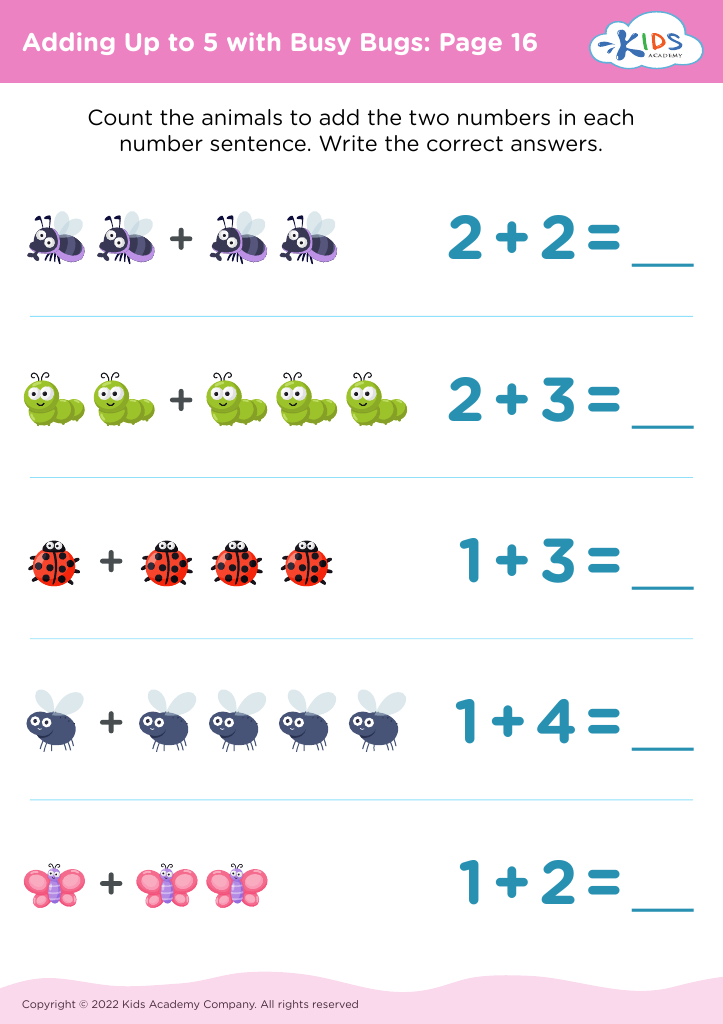
Discover our engaging "Basic Math Concepts Preschool Worksheets" designed to introduce young learners to essential math skills! These printable worksheets cover foundational topics such as counting, number recognition, addition, and subtraction. Our activities stimulate cognitive development while making learning fun and interactive. Tailored for preschool children, these worksheets encourage hands-on practice and help improve fine motor skills through tracing and coloring tasks. With vibrant visuals and age-appropriate exercises, children will enjoy exploring numbers and mathematical concepts. Perfect for both home and classroom environments, our resources support early math comprehension and prepare little ones for future academic success. Download today and inspire young minds!
Favorites
With answer key
Interactive
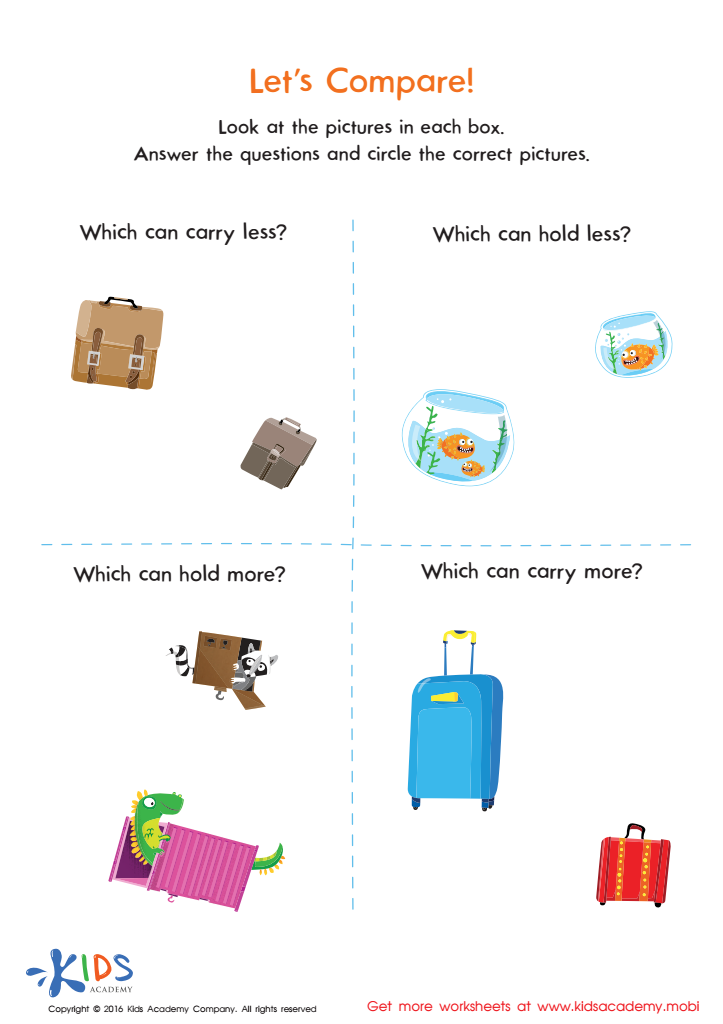
Let's Compare Worksheet: Big or Small
This worksheet will help your child gain an awareness of simple geometry and strengthen cognitive skills. Visualizing objects in 3D and comparing sizes helps to practice solving problems mentally and build analytical skills. Let's Compare worksheet will challenge your child to think hard.
 Assign to My Students
Let's Compare Worksheet: Big or Small
Worksheet
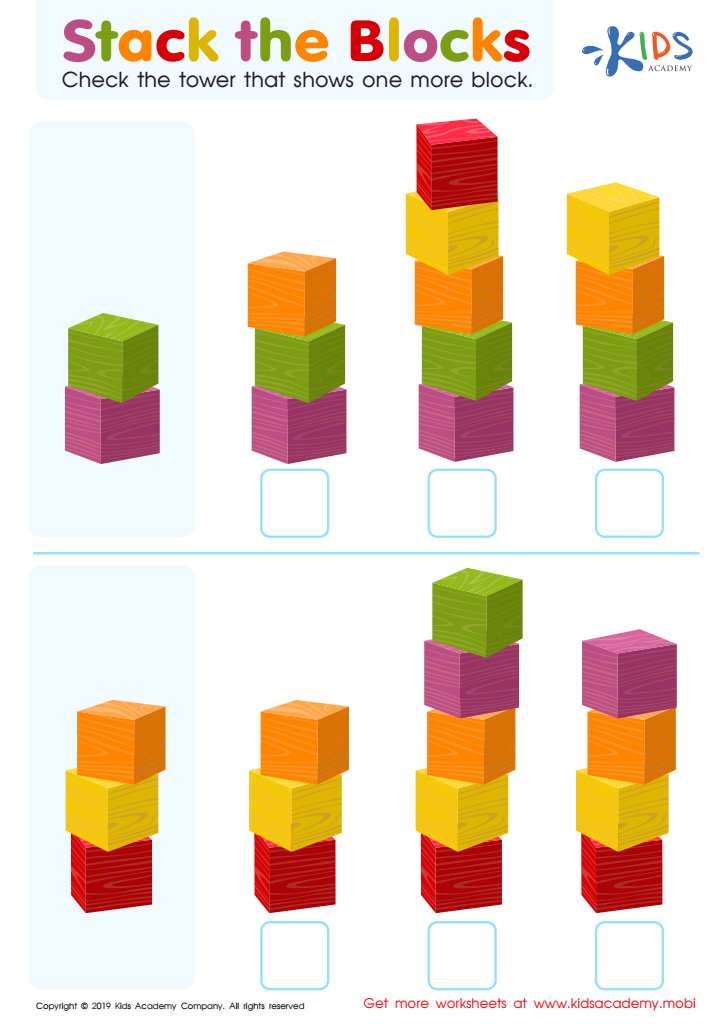
Stack the Blocks Worksheet
Playing with blocks is a great way for kids to learn! They can create patterns, shapes, and even count. In this worksheet, ask them to identify the colors and count each stack of blocks. If they can spot one extra block in the tower, even better! Encourage learning through play with these fun blocks.
Stack the Blocks Worksheet
Worksheet
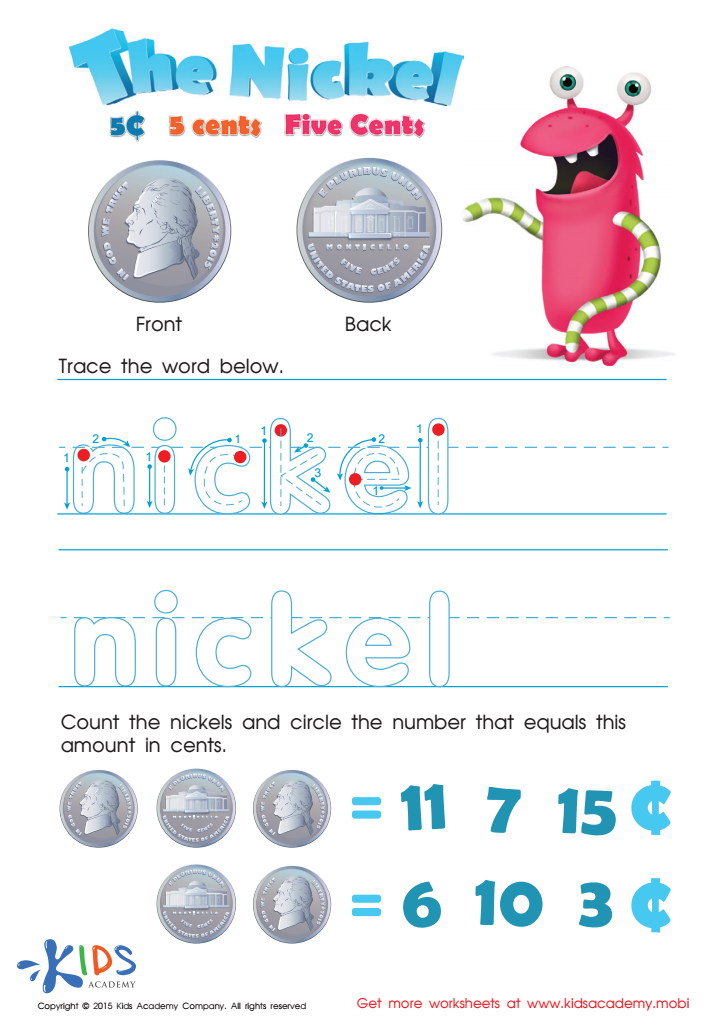
Five Cents or the Nickel Money Worksheet
Counting money games help kids make learning money fun and easy. Next up: the 5 cent coin, or nickel. Look at both sides and remember them. Then, trace the word "nickel" to help you remember. Finally, count the nickels and work out amounts in cents. Let's do this! Kids Academy helps make money learning easy and fun!
Five Cents or the Nickel Money Worksheet
Worksheet
Join Kids Academy for Free
Who is primarily going to use this learning content?







Basic math concepts in preschool serve as a foundation for children's cognitive development and future academic success. At this early stage, children are naturally curious and eager to explore patterns, quantities, and shapes, which enhances their problem-solving skills and critical thinking abilities. Introducing preschoolers to math through play and engaging activities helps to make learning enjoyable and relatable.
Moreover, early exposure to math concepts aids in developing numeracy skills essential for more advanced mathematics later on. Children who understand basic math concepts such as counting, measuring, or recognizing shapes are better prepared for structured learning in kindergarten and beyond.
Parents and teachers play a crucial role in nurturing these skills. By fostering a positive attitude towards numbers and problem-solving early on, they can reduce math anxiety and instill confidence in students as they progress through their education. Engaging preschoolers with math in daily activities—like cooking, shopping, or sorting—creates valuable real-life connections and ignites a lifelong appreciation for the subject.
Ultimately, prioritizing basic math education in preschool not only equips children with essential skills for school readiness but also lays the groundwork for critical thinking, logical reasoning, and a successful future in various aspects of life.