Problem-Solving Skills Preschool Worksheets - Page 4
135 filtered results
-
From - To
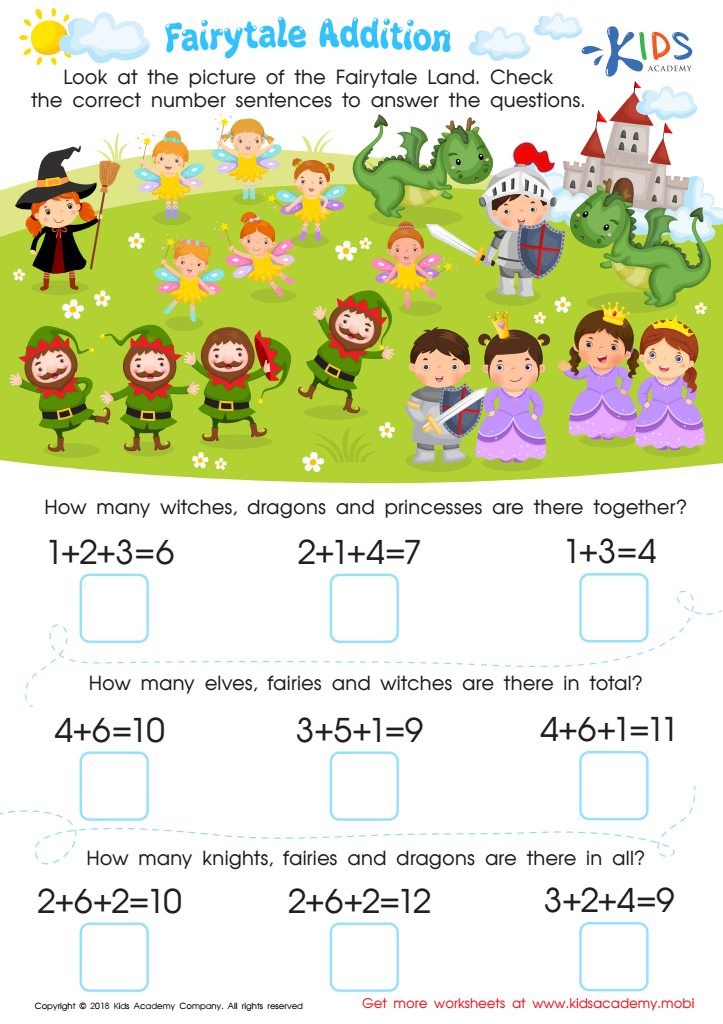
Fairytale Addition Worksheet
 Assign to My Students
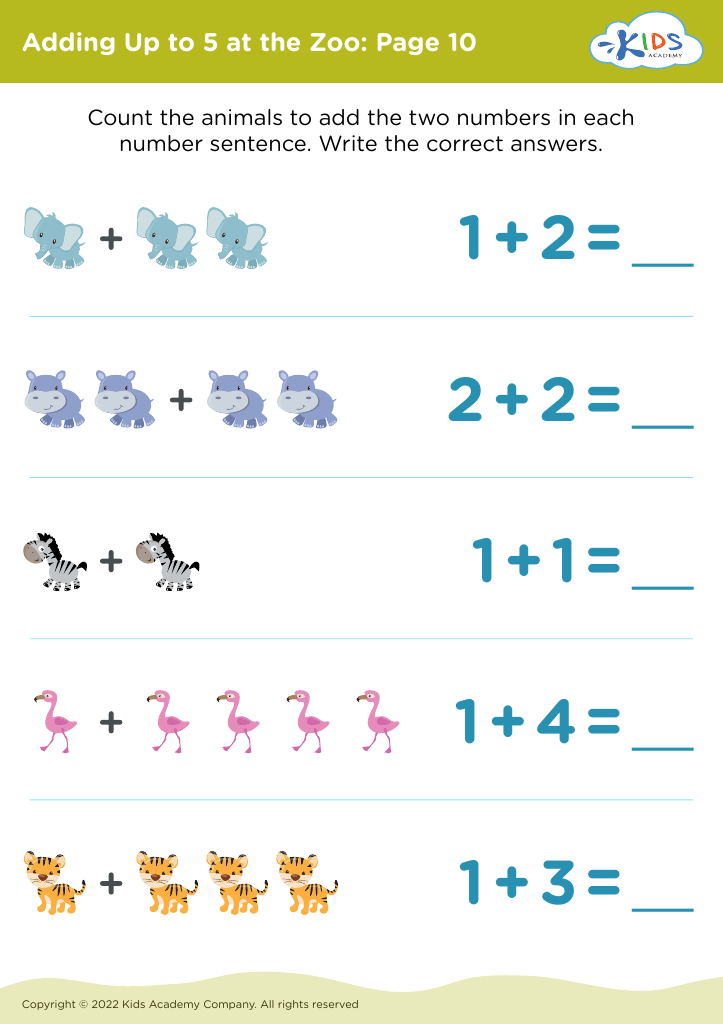
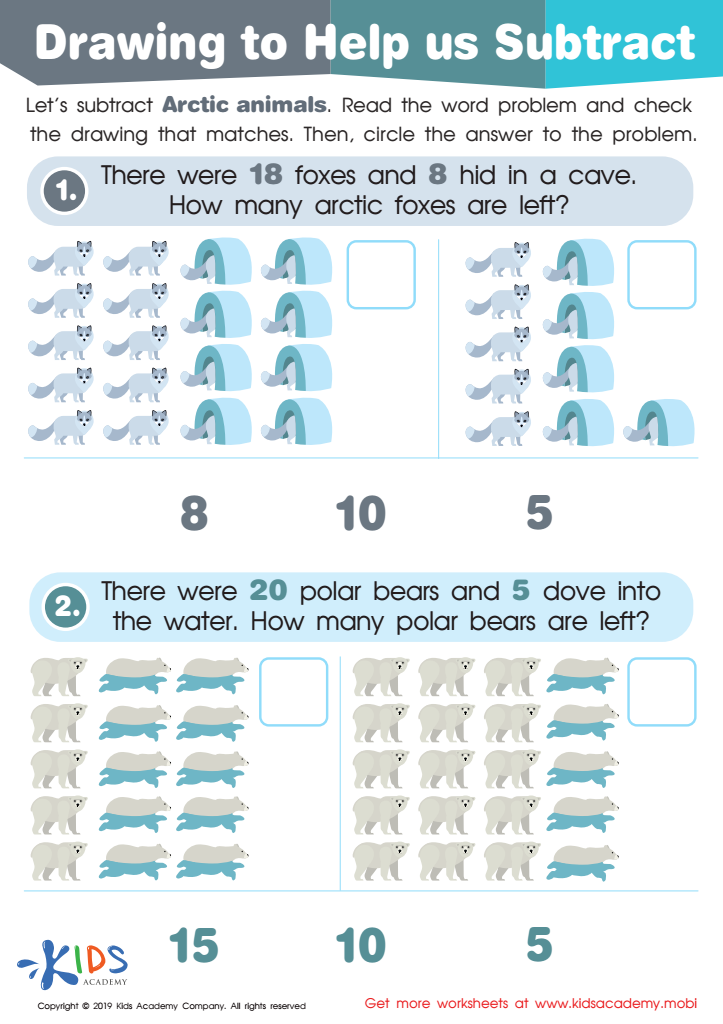
Drawing to Help Us Subtract Worksheet
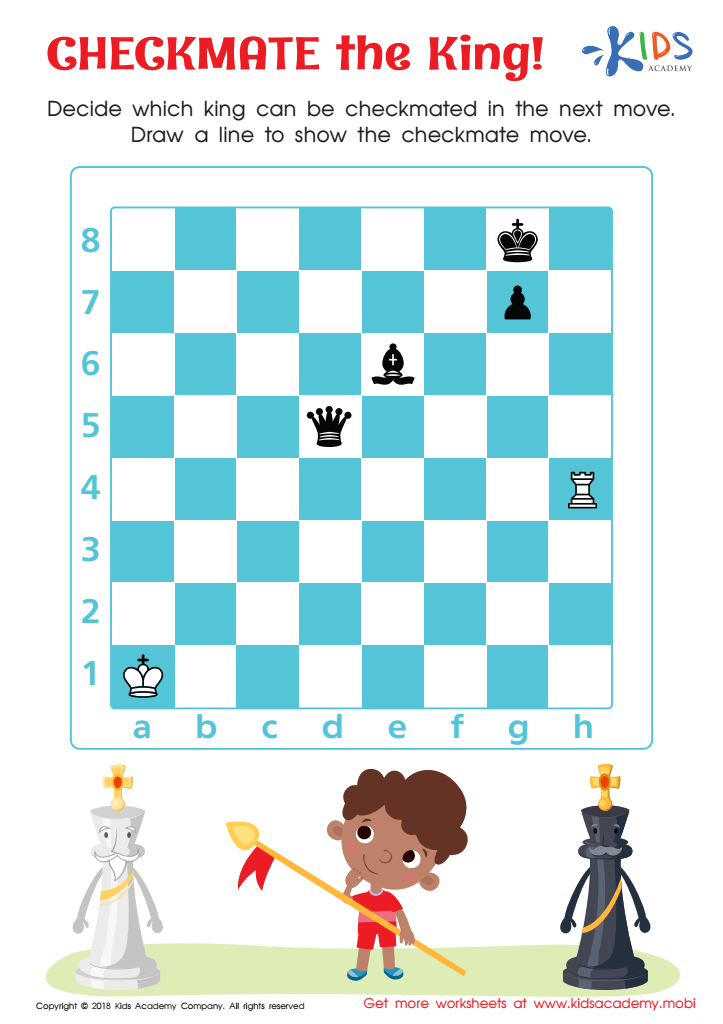
Checkmate the King Worksheet
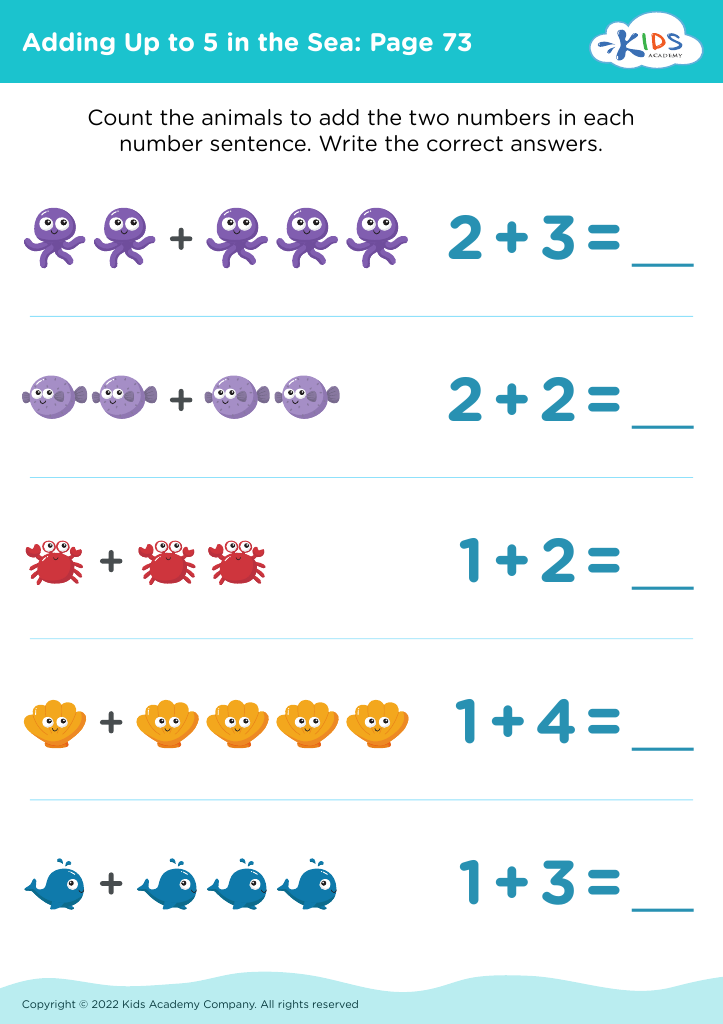
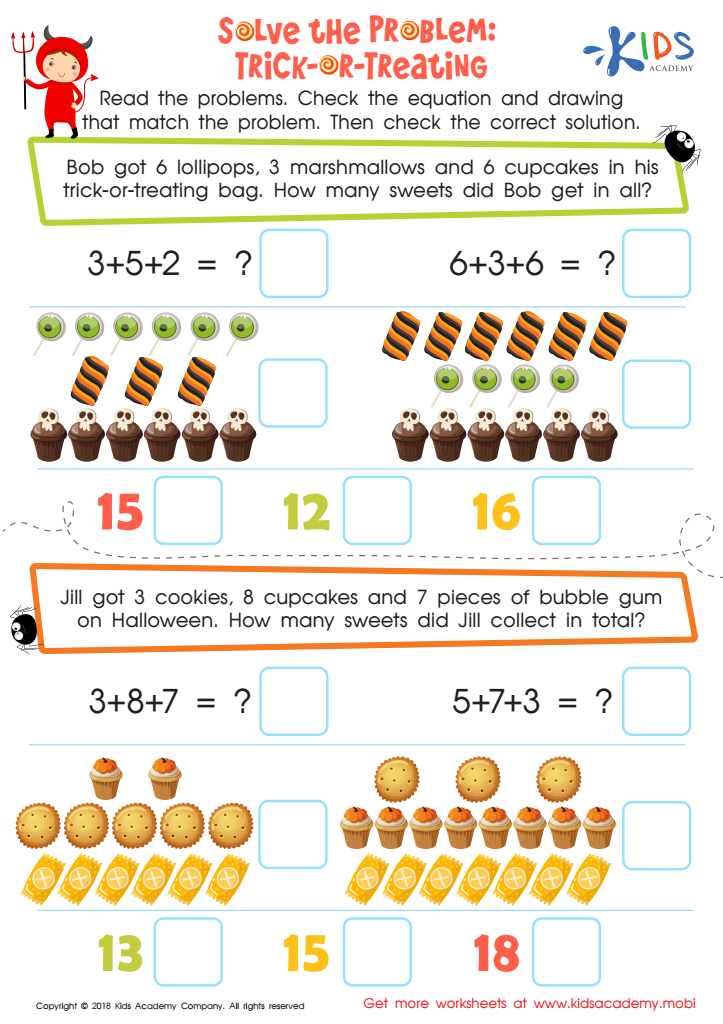
Solve the Problem: Trick–or–treating Worksheet
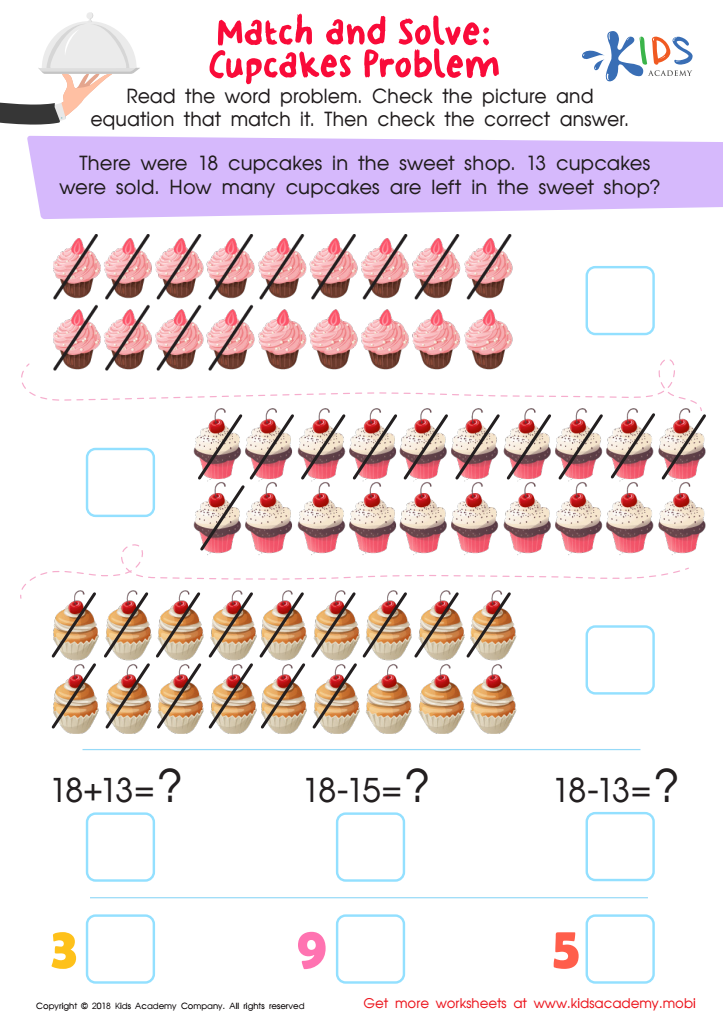
Match and Solve: Cupcakes Problem Worksheet
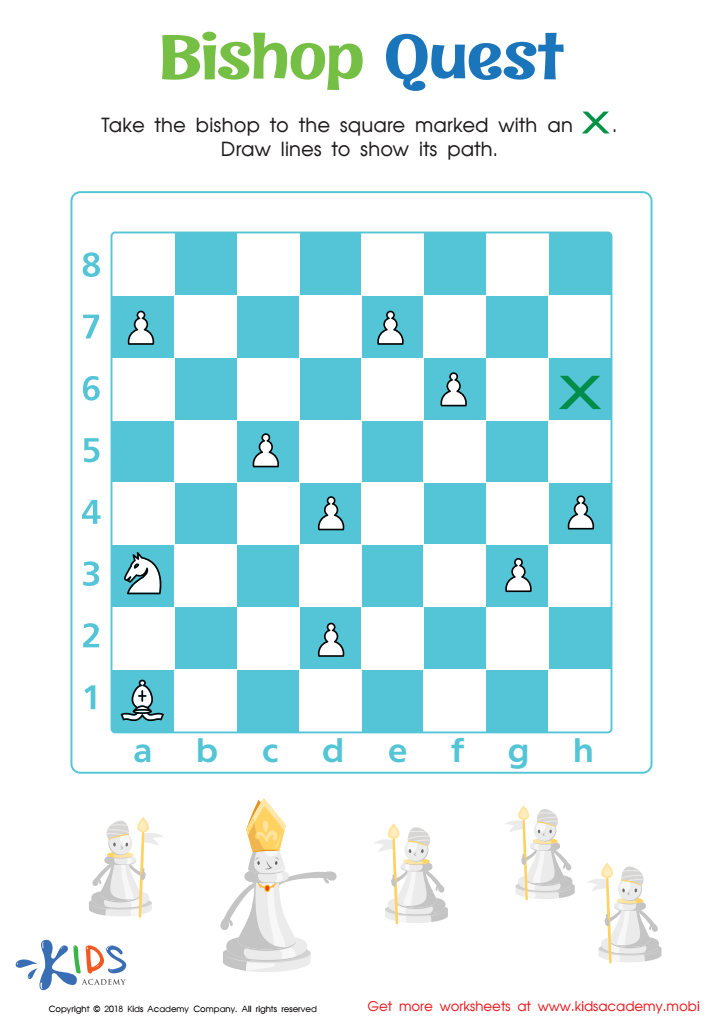
Bishop Quest Worksheet
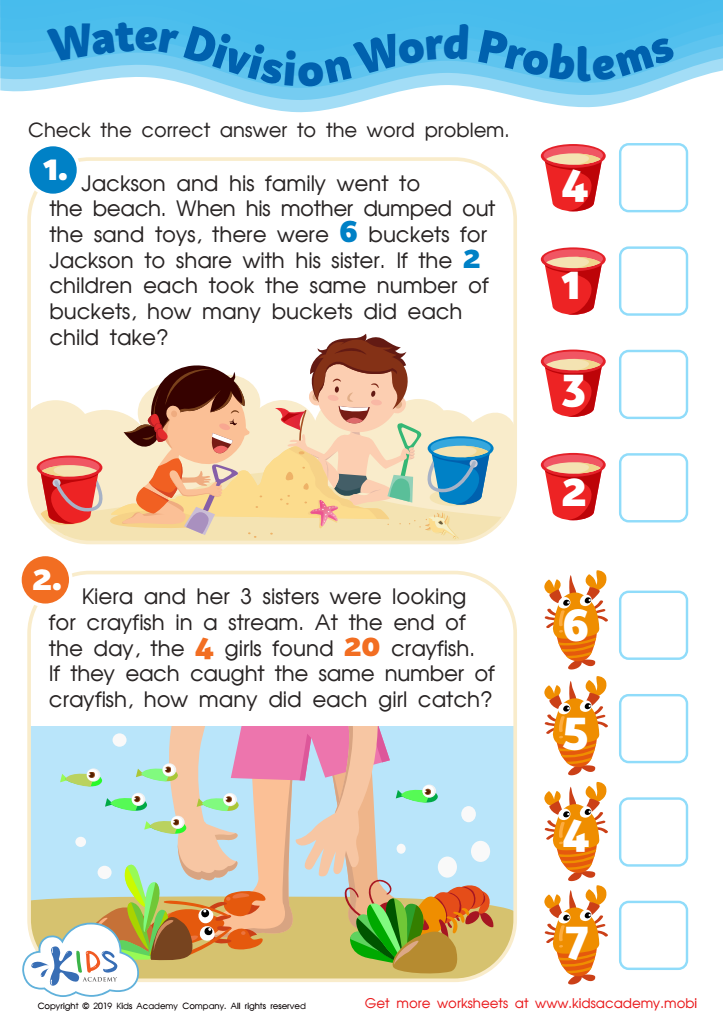
Water Division Word Problems Worksheet
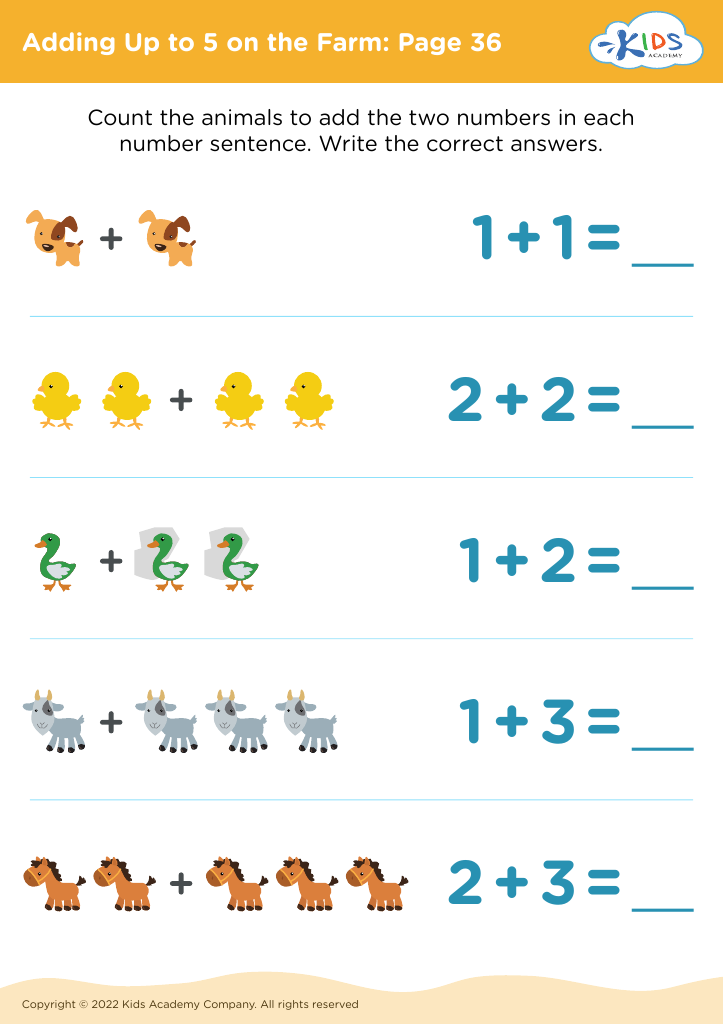
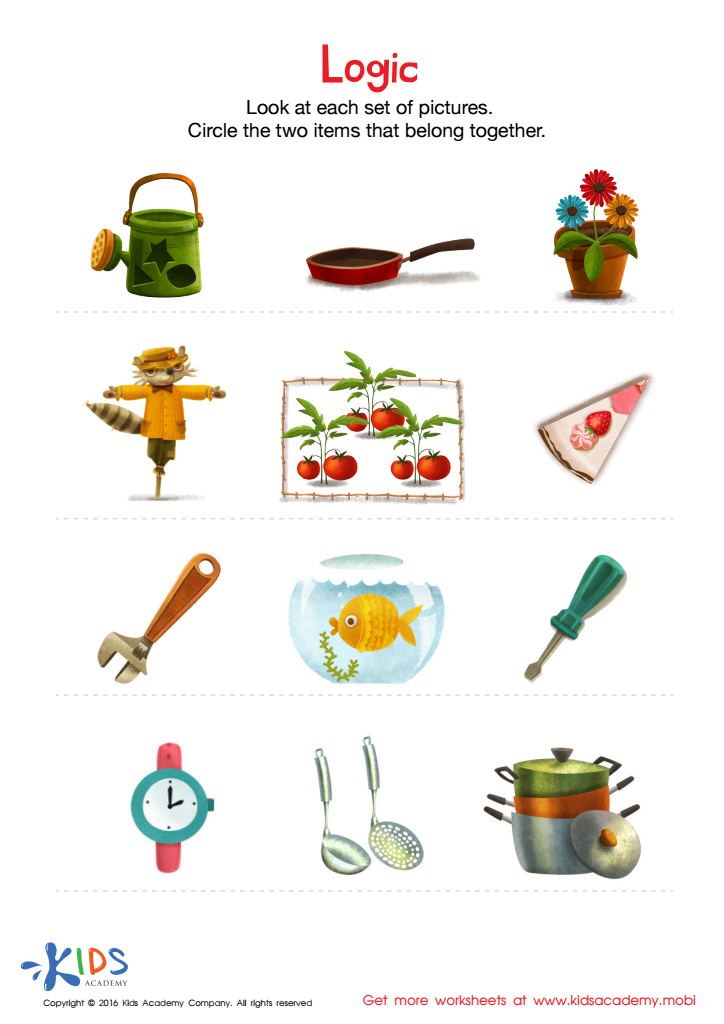
Logic Game Sorting Worksheet
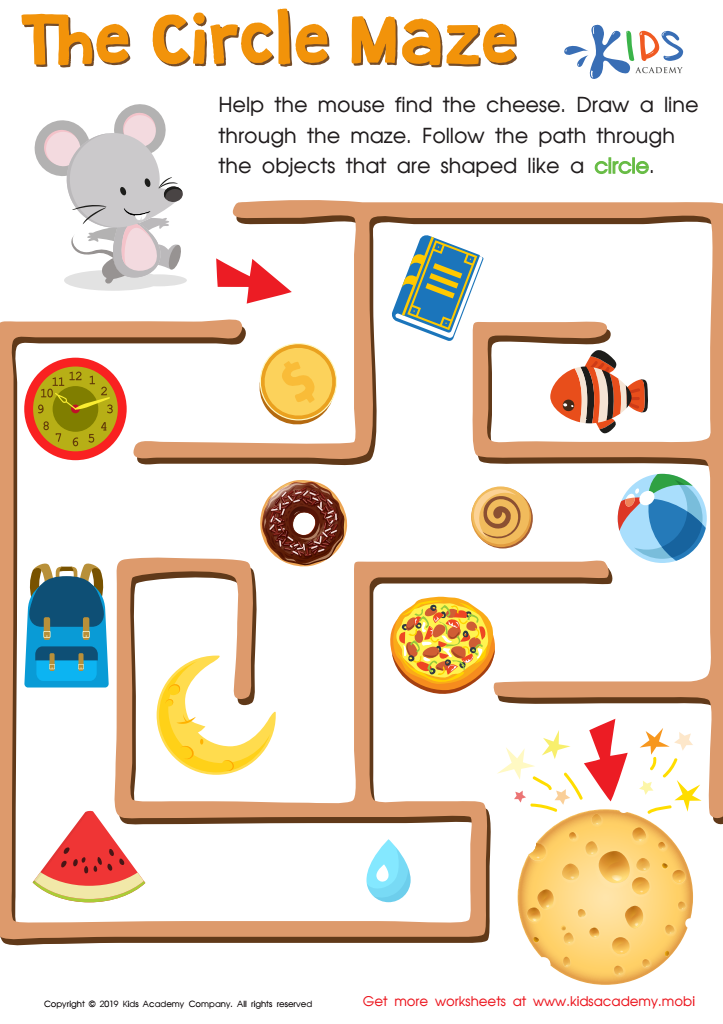
The Circle Maze Worksheet
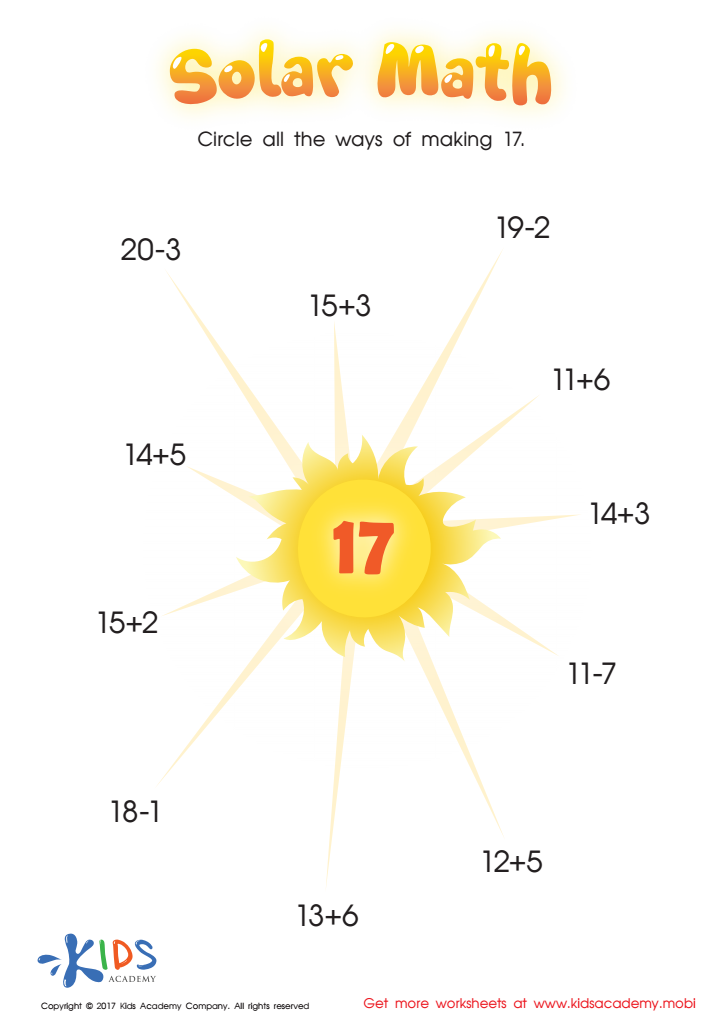
Solar Math Substraction Worksheet
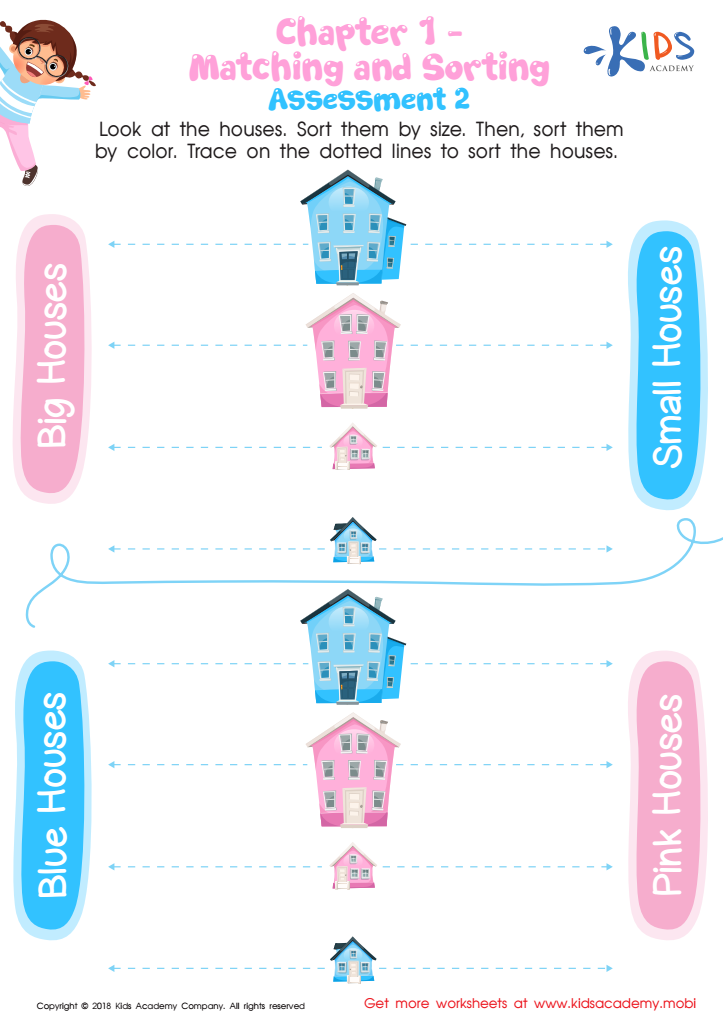
Matching and Sorting for Preschool: Assessment 2 Worksheet
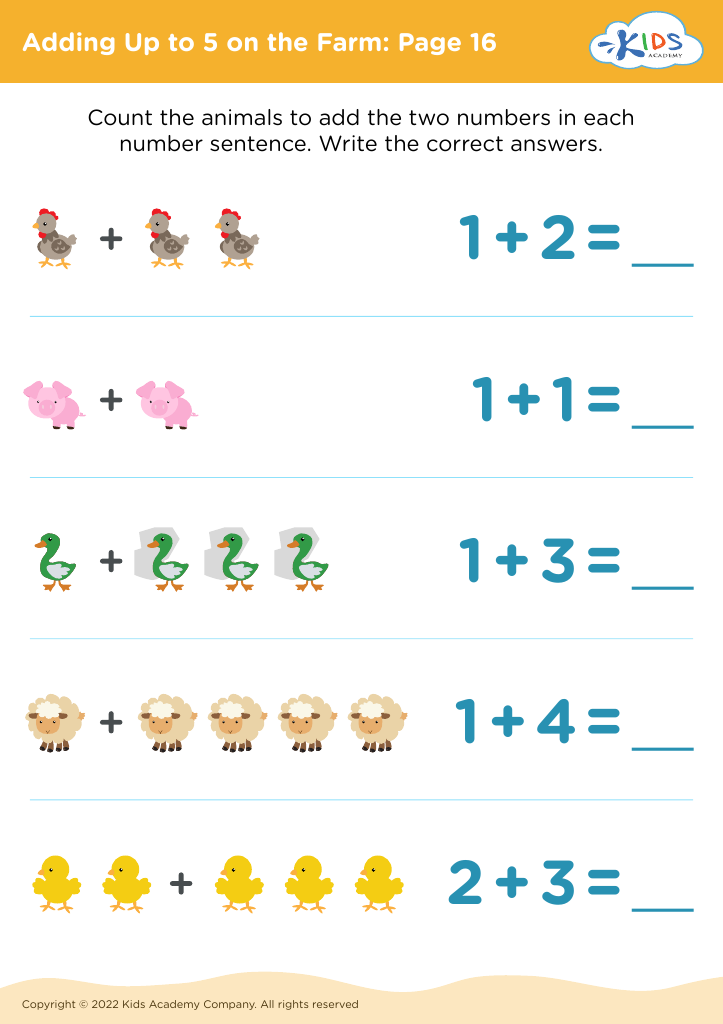
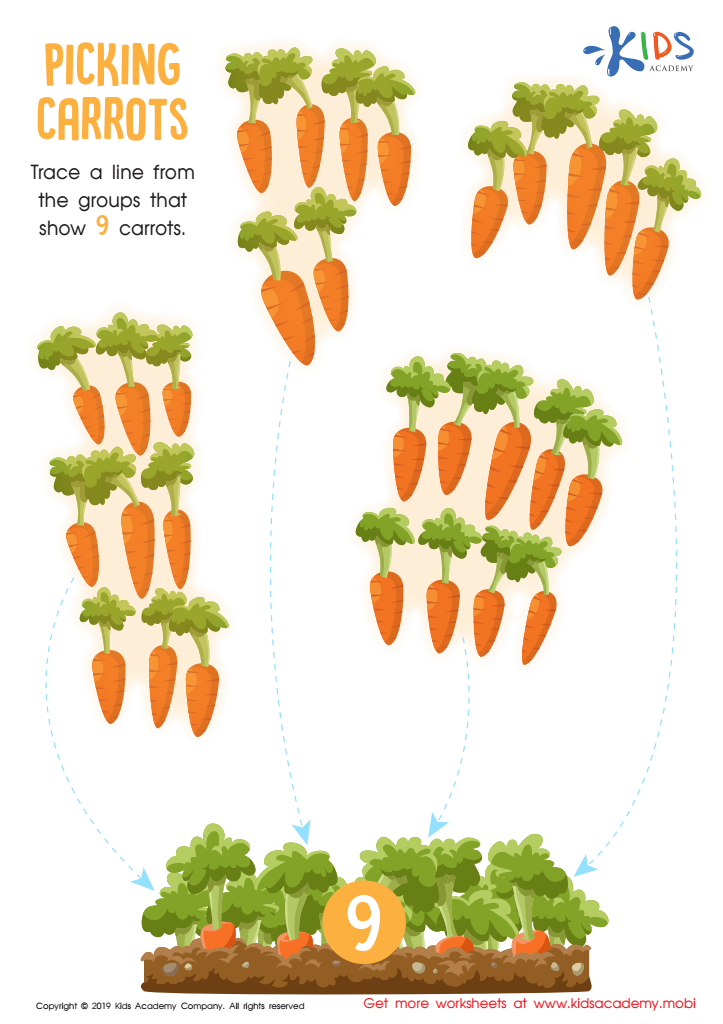
Picking Carrots Worksheet
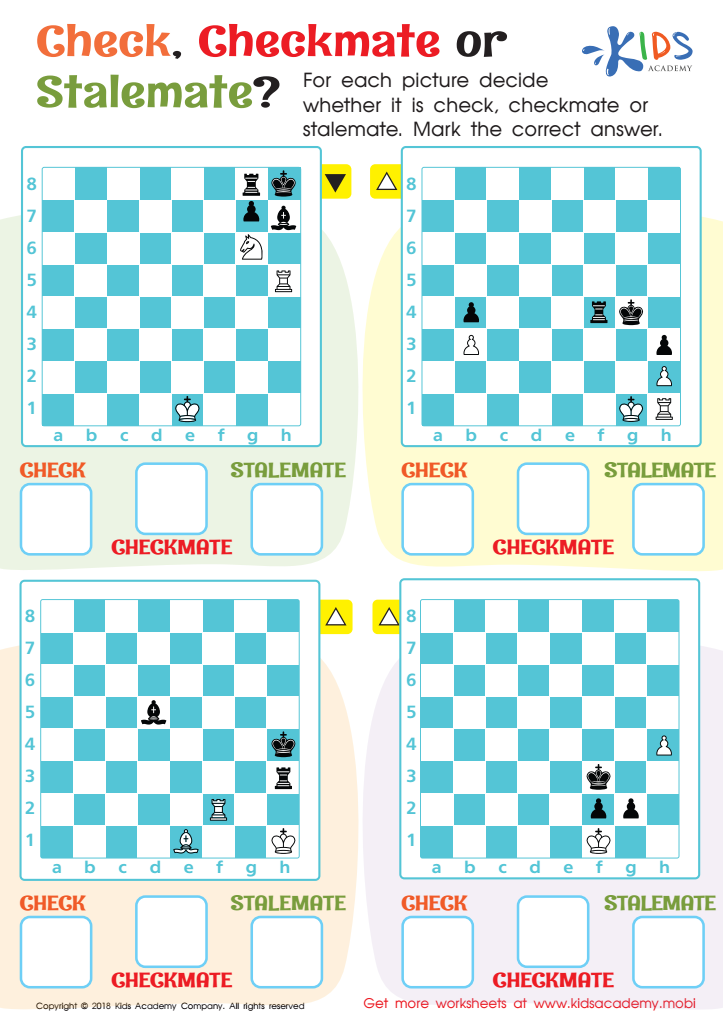
Check. Checkmate or Stalemate? Worksheet
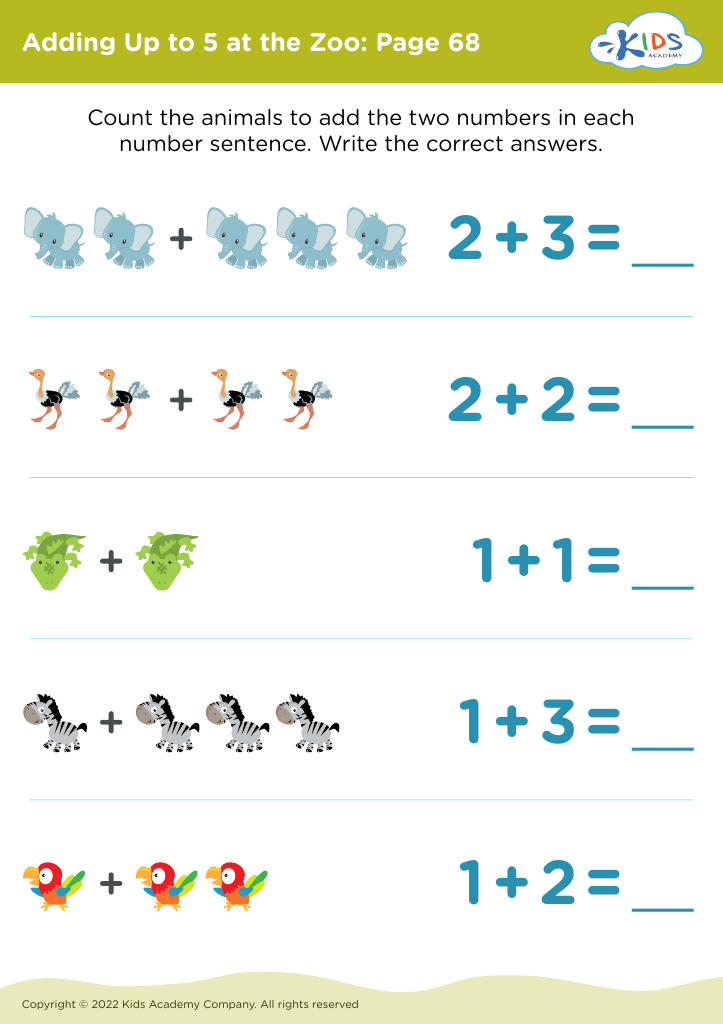
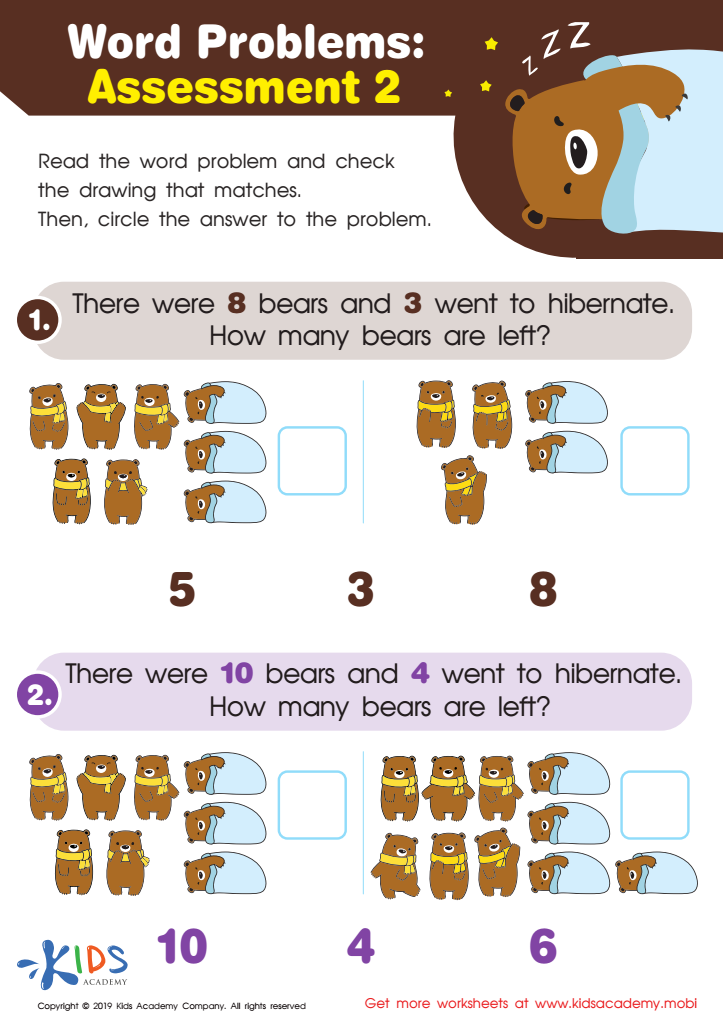
Word Problems: Assessment 2 Worksheet
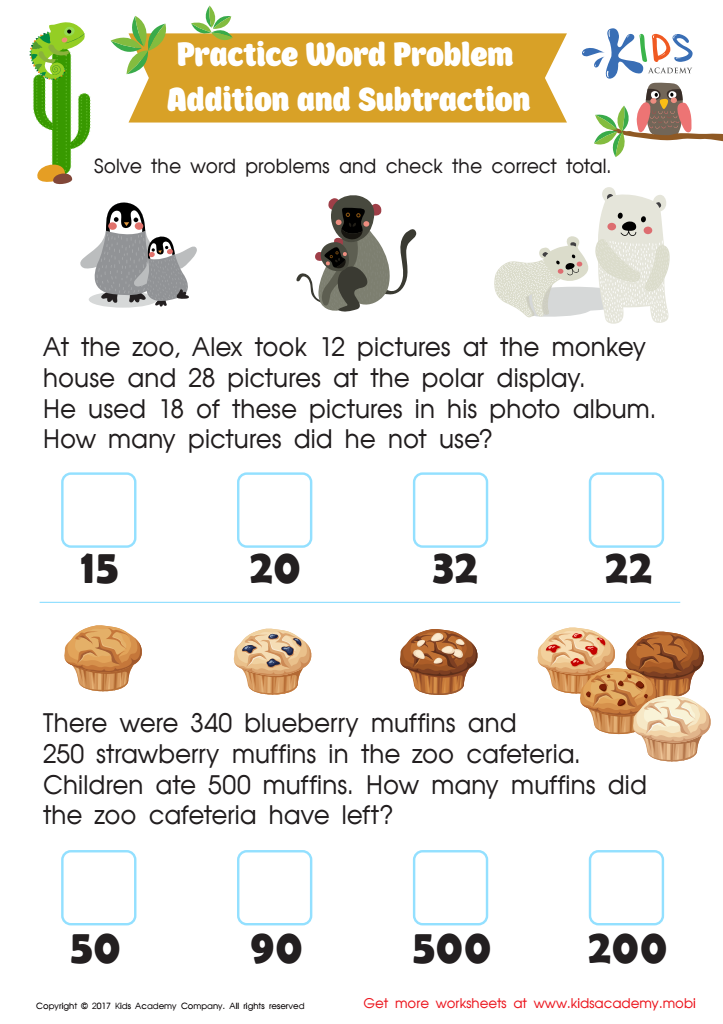
Addition and Subtraction: Word Problems Worksheet
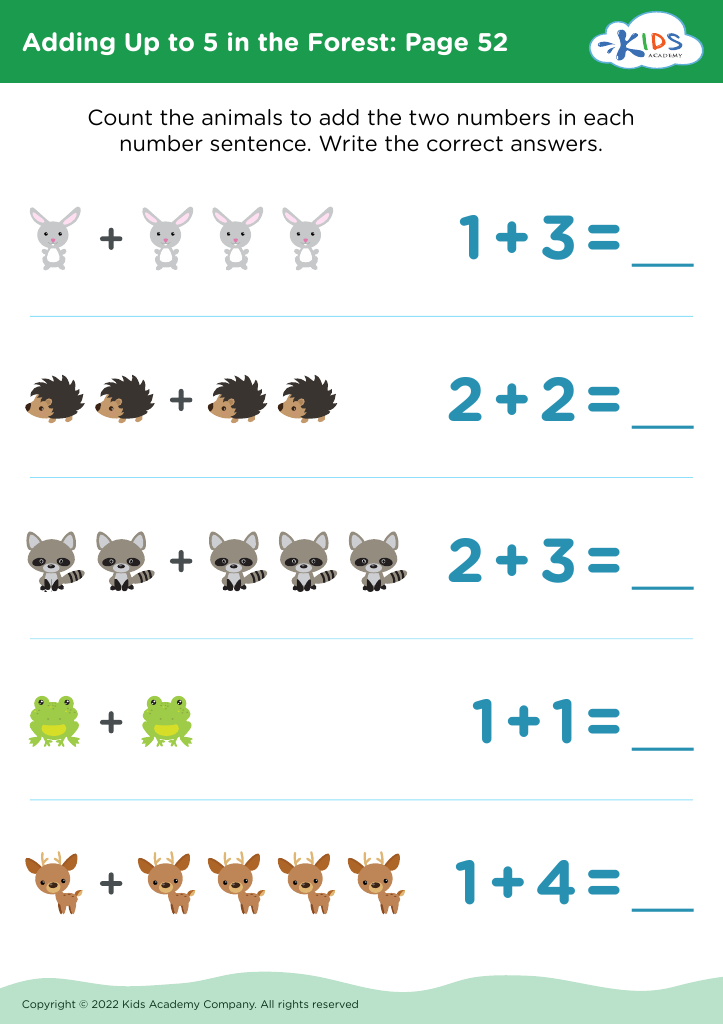

Vegetable Gardens Worksheet








Problem-solving skills are essential for preschoolers as they lay the foundation for lifelong learning. Parents and teachers should prioritize nurturing these skills because they empower young children to navigate challenges and think critically. When children engage in problem-solving activities, they develop resilience, adaptability, and creativity. These skills are crucial not just in academic settings but also in daily life situations.
Moreover, problem-solving fosters independence. By encouraging children to think through problems, whether it’s figuring out how to share toys or complete a puzzle, they enhance their decision-making abilities and emotional intelligence. This early training can lead to improved social skills as children learn to cooperate and empathize with others during collaborative problem-solving.
Engaging in structured activities that develop these skills can also strengthen cognitive abilities, helping preschoolers with reasoning and logic. As they encounter different scenarios, children learn to approach problems systematically, reflecting a pattern of thinking that is valuable throughout their education.
Ultimately, by focusing on problem-solving skills in preschool, parents and teachers provide children with tools to become effective learners and confident individuals, ensuring they are well-prepared for future academic and social challenges.