Reading skills improvement Preschool Worksheets
6 filtered results
-
From - To
Enhance your preschooler's reading abilities with our expertly crafted Reading Skills Improvement Preschool Worksheets from Kids Academy. These engaging and colorful worksheets are designed to capture young learners' attention while improving foundational reading skills. Our activities focus on letter recognition, phonics, vocabulary building, and early reading comprehension, ensuring a comprehensive approach to early literacy. Perfect for parents and educators, these printable worksheets make learning fun and effective. Foster a love for reading and give your child a head start in their educational journey with our trusted resources. Visit Kids Academy today to explore our wide range of offerings.
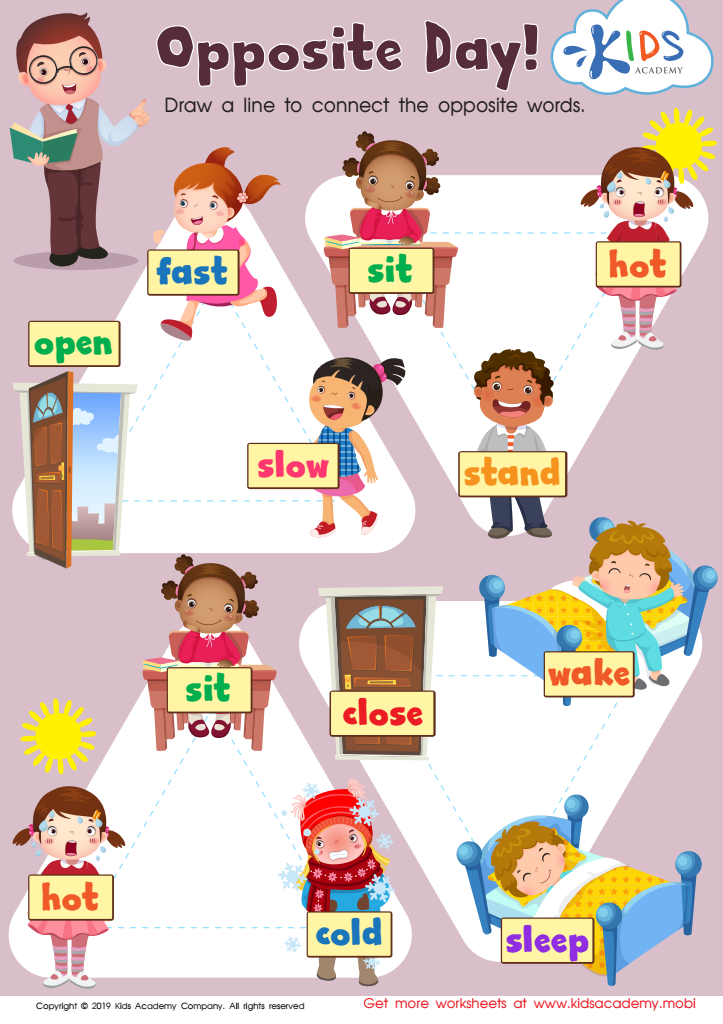
Opposite Day Worksheet
 Assign to My Students
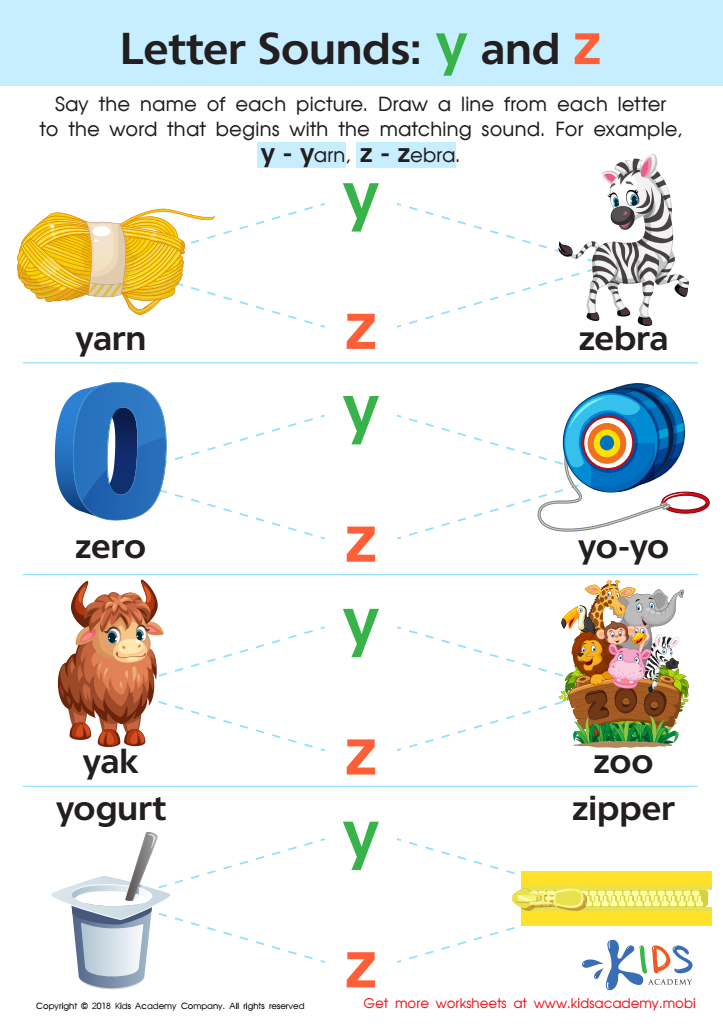
Letter Y and Z Sounds Worksheet
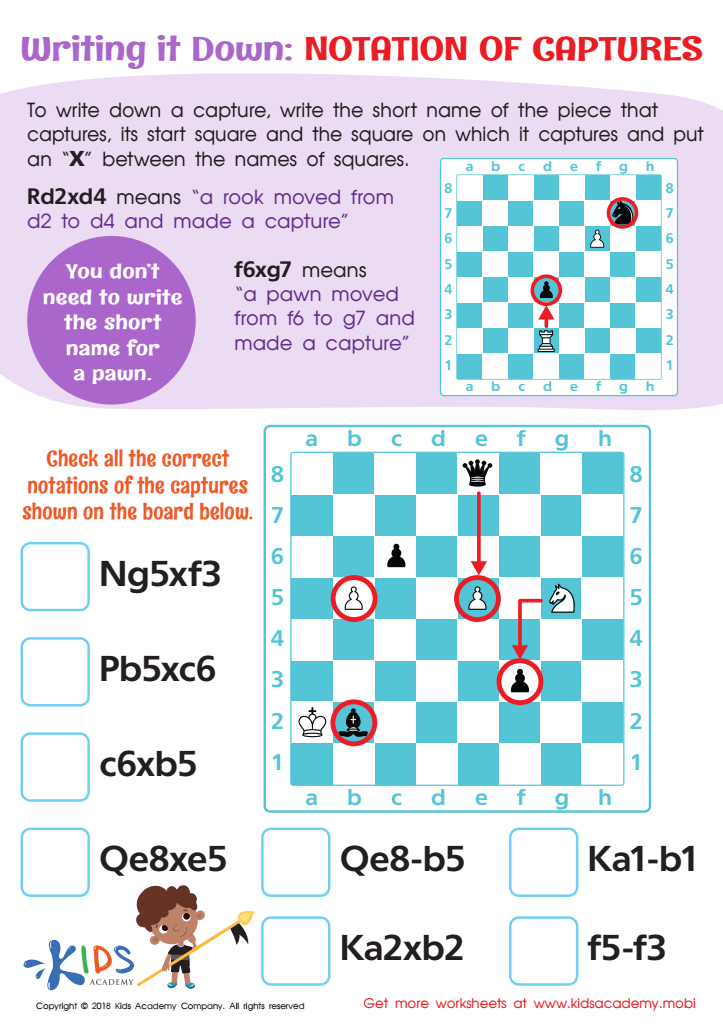
Notation of Captures Writing it Down Worksheet
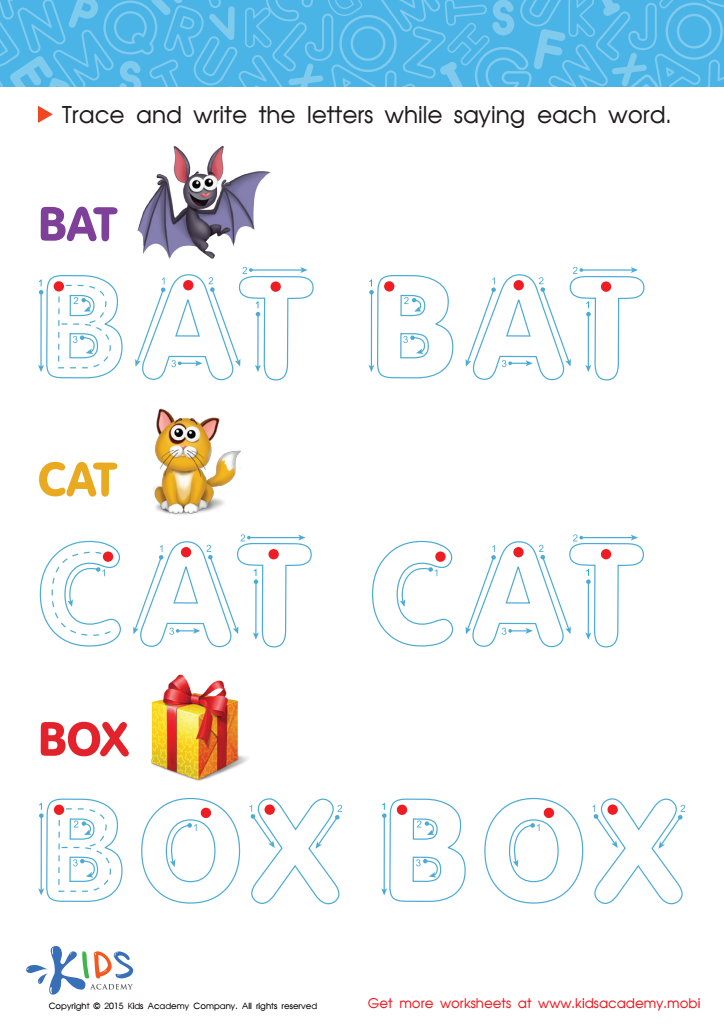
A Bat, a Cat and a Box Spelling Worksheet
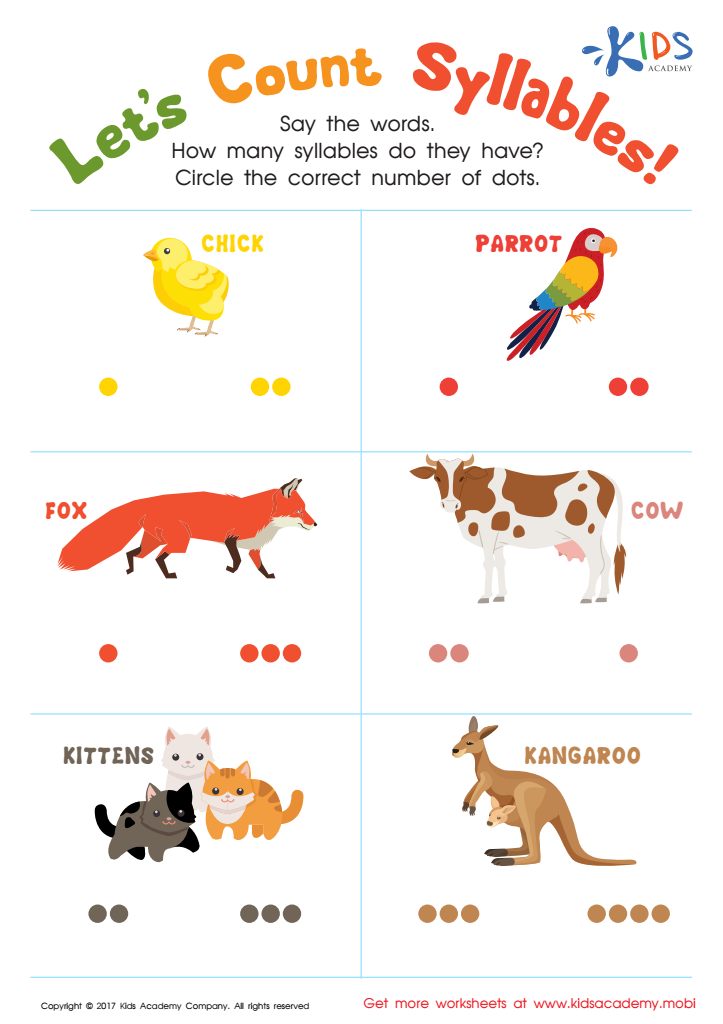
Lets Count Syllables Worksheet
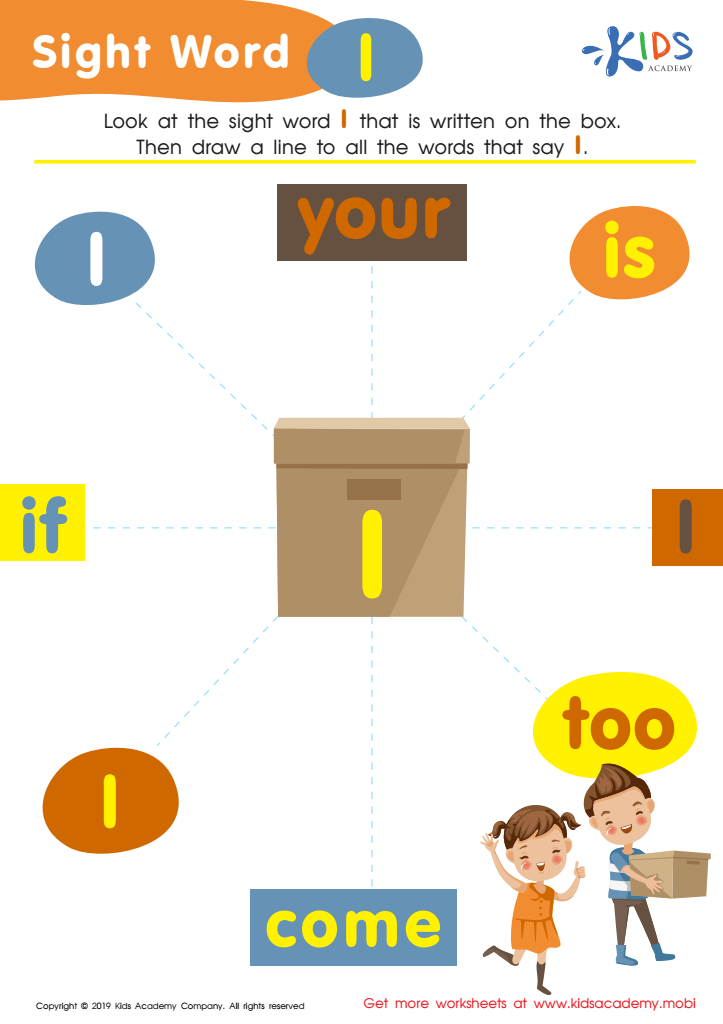
Sight Word I Worksheet








Reading skills improvement in preschool is crucial as it lays the foundation for lifelong learning and academic success. The early years are a critical developmental period; during this time, children's brains are exceptionally receptive to acquiring language and literacy skills. When parents and teachers focus on reading skills at this stage, they help children develop key cognitive abilities such as vocabulary, comprehension, and critical thinking.
Engaging preschoolers in reading activities fosters a love for books, stimulating their imaginations and enhancing creativity. Research has also shown that early literacy skills are strong predictors of future academic achievement, influencing a child’s ability to learn other subjects like math, science, and social studies. Children who build a solid reading foundation are more likely to perform better in school, exhibit higher levels of self-esteem, and overtime become enthusiastic readers and learners.
Additionally, reading together offers a valuable bonding experience, promoting emotional and social development. By investing time and effort in improving reading skills during preschool, parents and teachers not only contribute significantly to a child’s educational journey but also impart a lasting love for reading that benefits them throughout their lives. This early start can help bridge achievement gaps and set children on a trajectory for success both inside and outside the classroom.