Visual perception Preschool Worksheets
36 filtered results
-
From - To
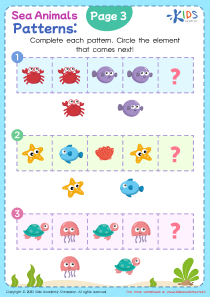
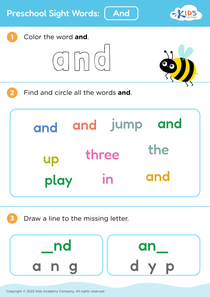
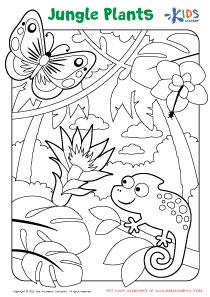
Enhance your child's visual perception skills with our engaging Preschool Worksheets! Designed specifically for early learners, these worksheets help develop essential skills such as color recognition, shape identification, and spatial awareness. Our fun-filled activities promote critical thinking and observational abilities through exciting exercises and puzzles tailored for preschoolers. Ideal for use at home or in the classroom, these printable resources support young children's cognitive development while keeping them entertained. Foster a love for learning as your child builds a strong foundation for future academic success. Explore our selection of visual perception worksheets today and watch your child's confidence soar!
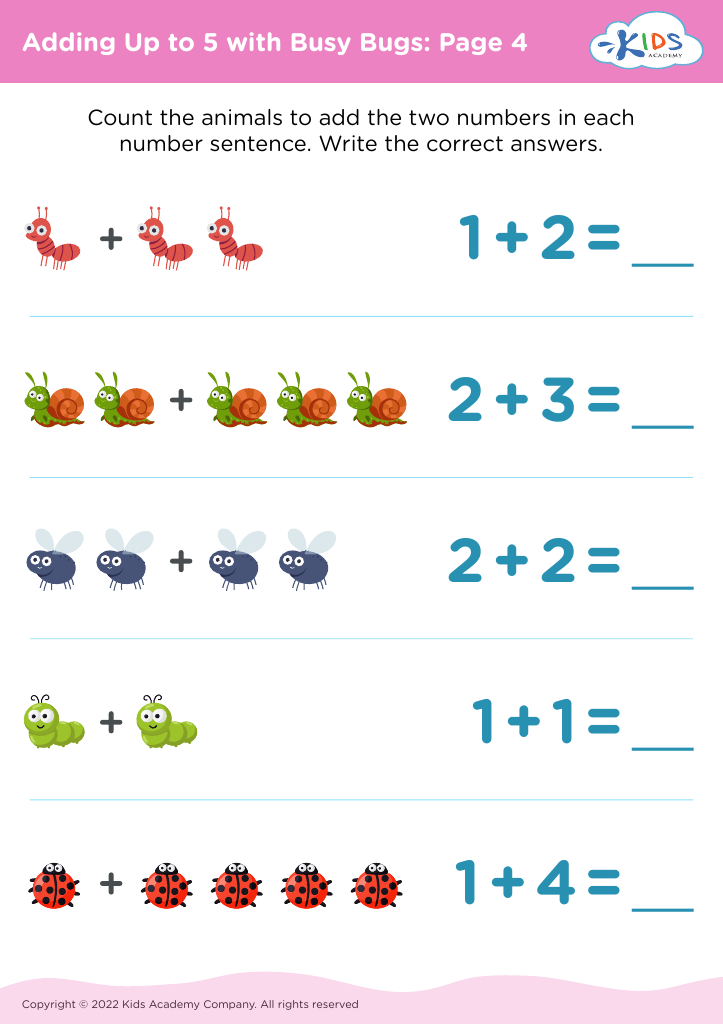
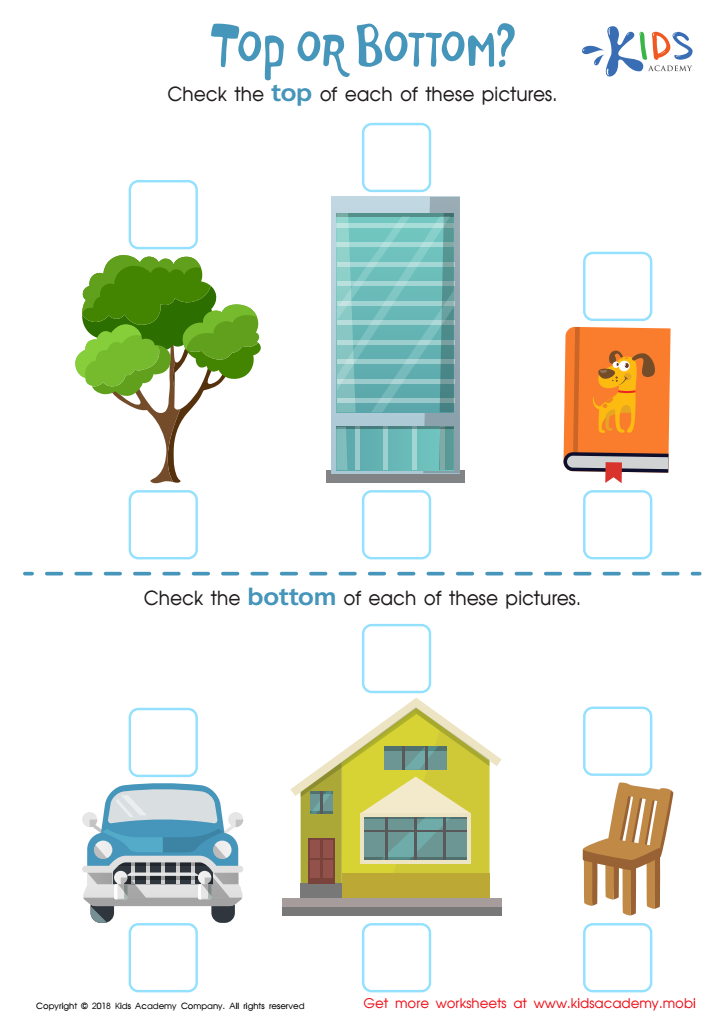
Top or Bottom Worksheet
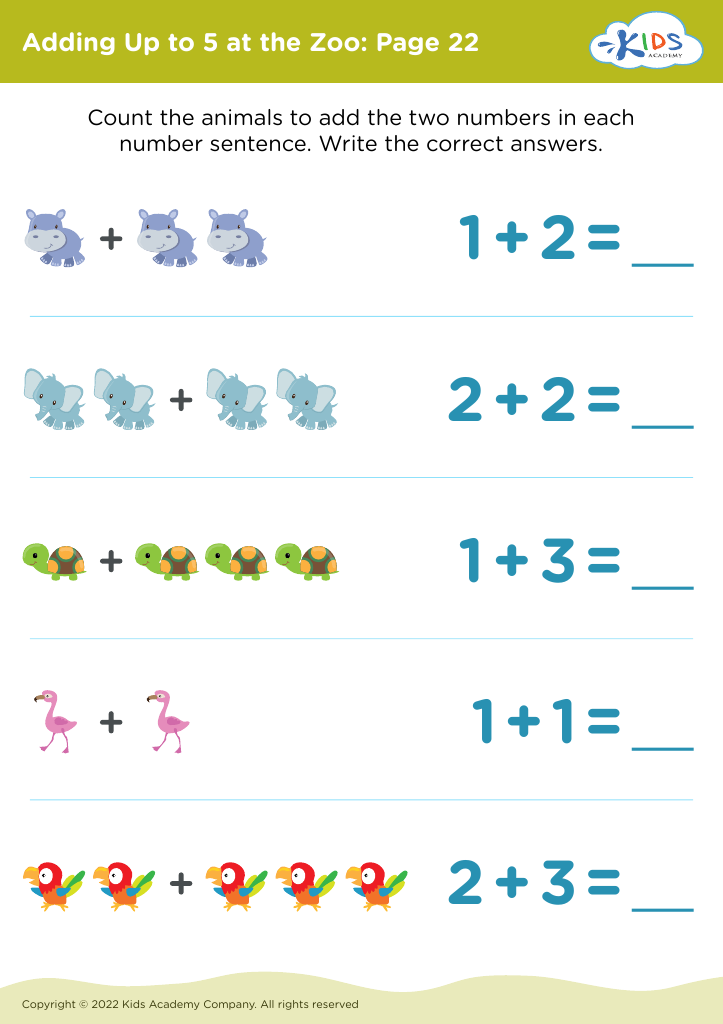
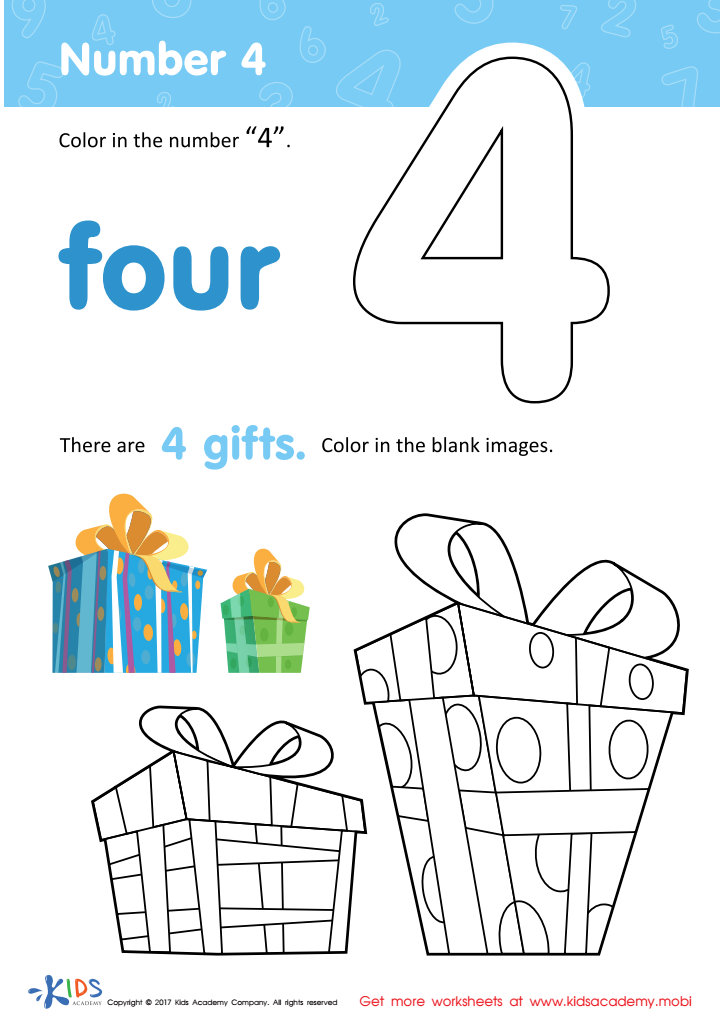
Number 4 Printable
 Assign to My Students
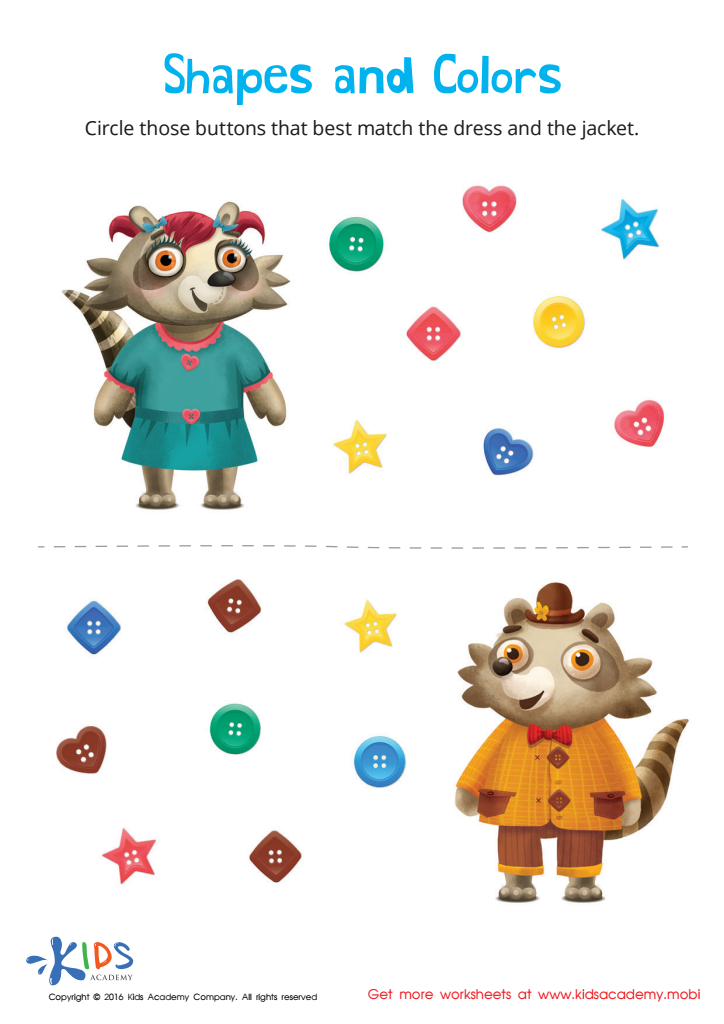
Matching: Shapes and Colors Worksheet
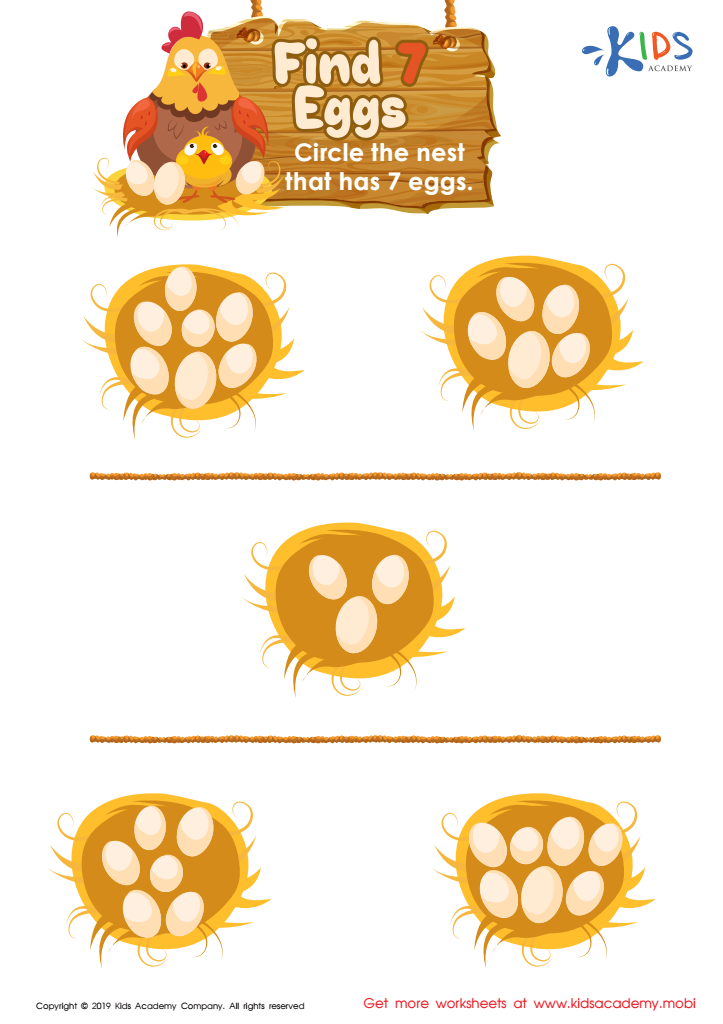
Find 7 Eggs Worksheet
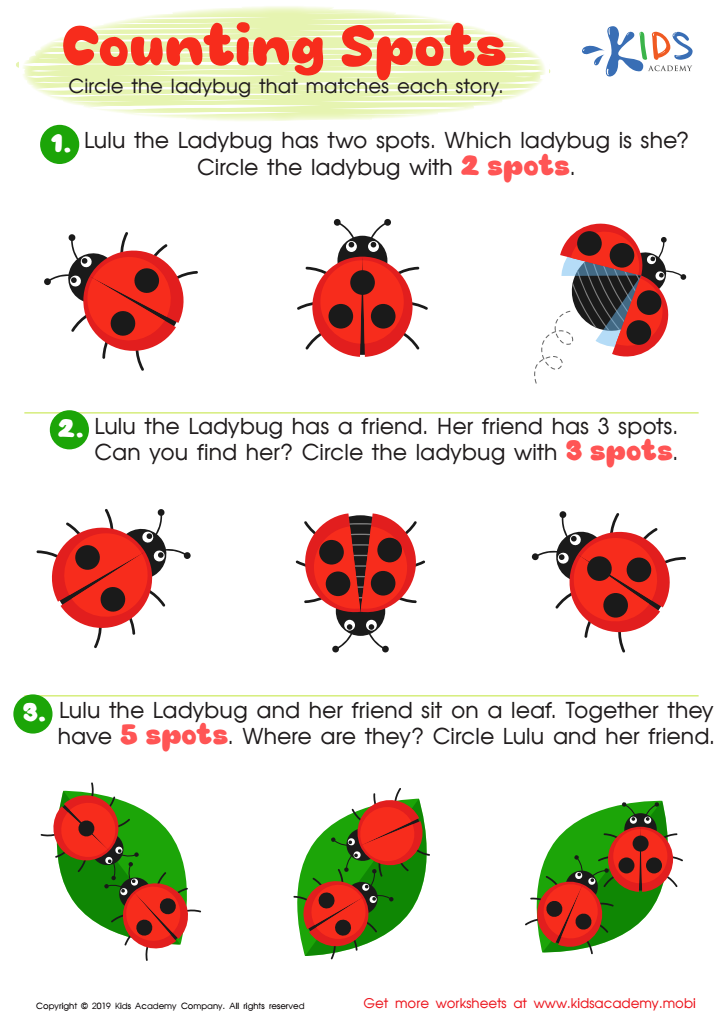
Counting Spots Worksheet
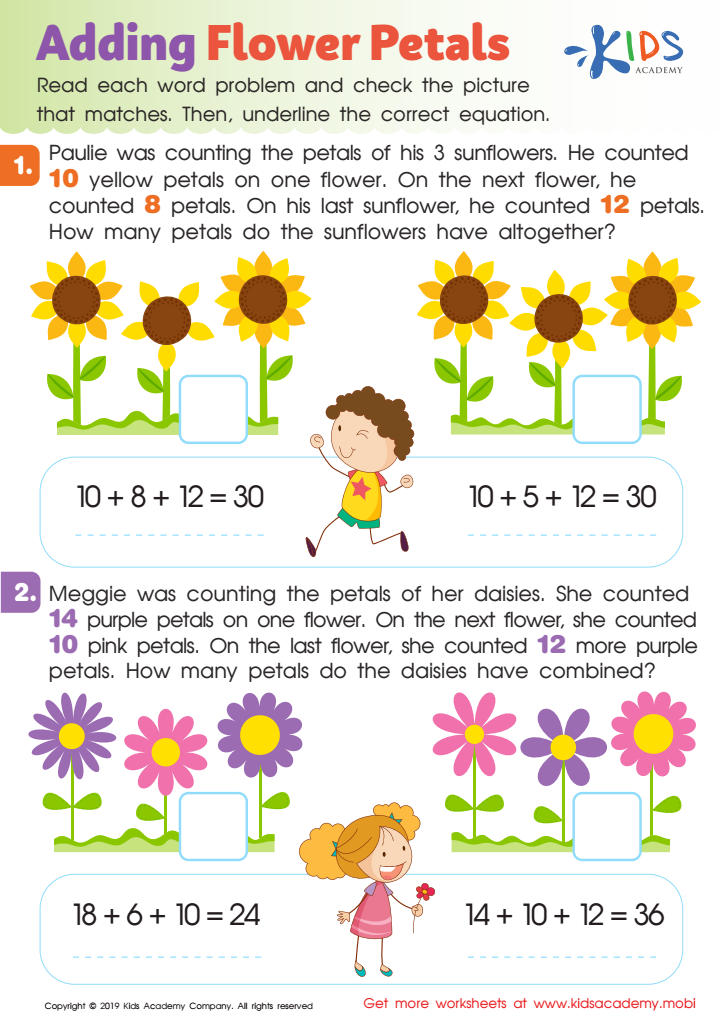
Adding Flower Petals Worksheet
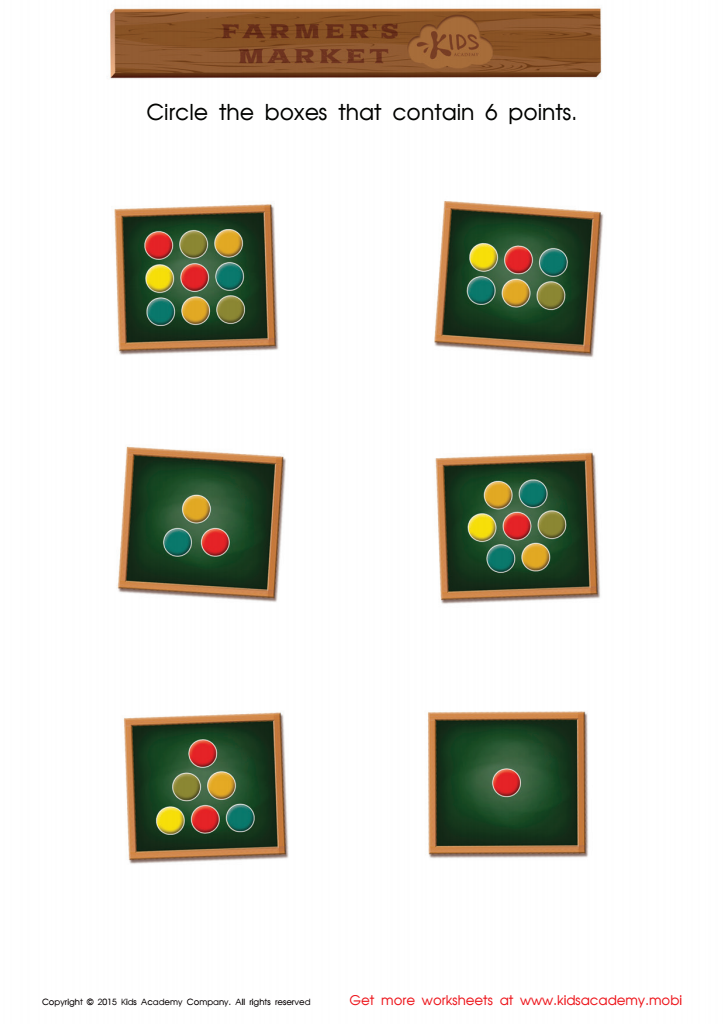
Count and Match Points 6 Math Worksheet
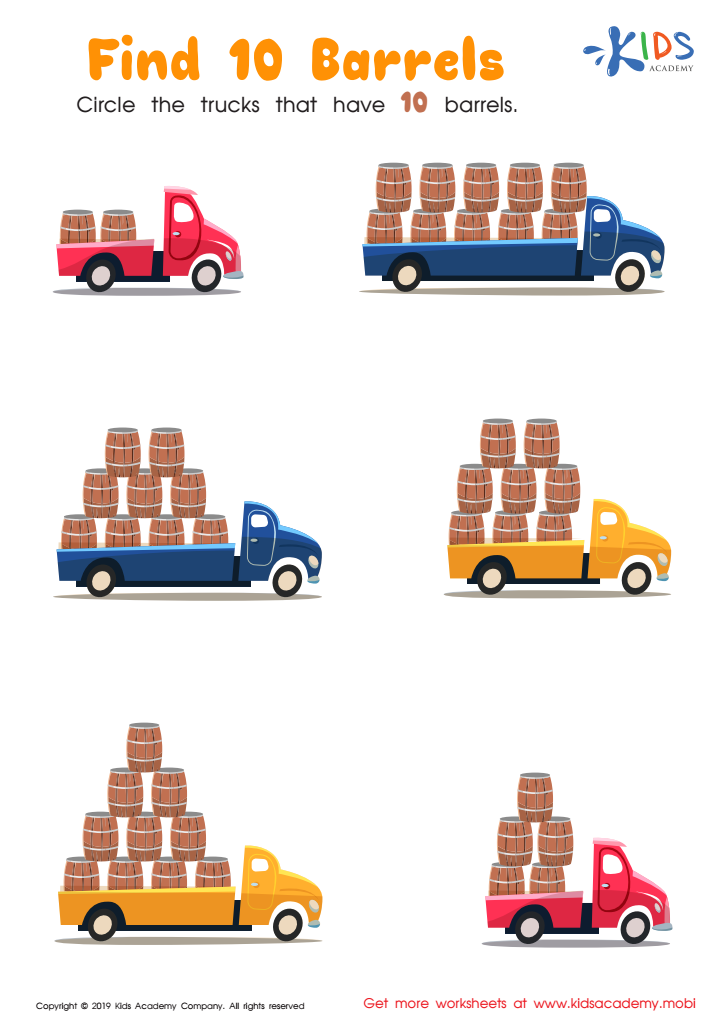
Find 10 Barrels Worksheet
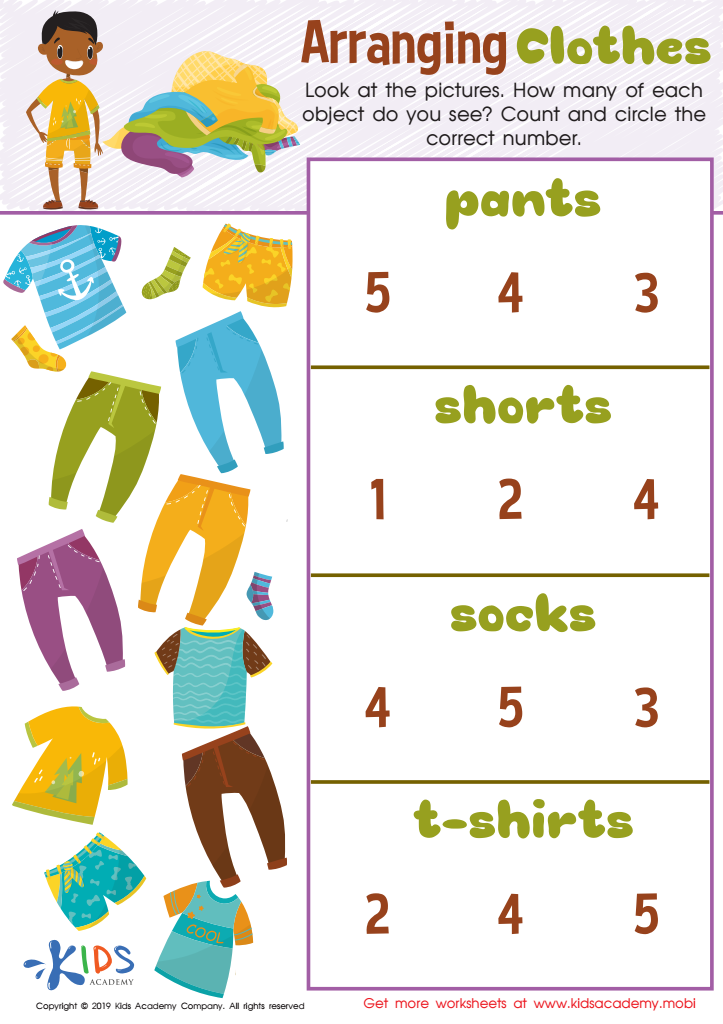
Arranging Clothes Worksheet
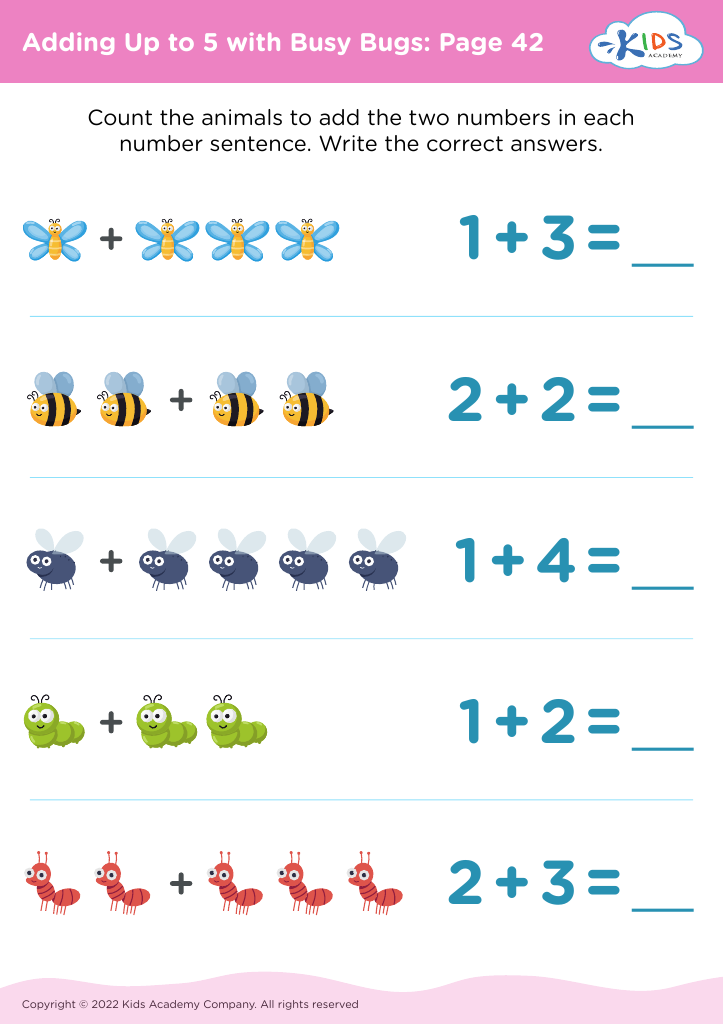
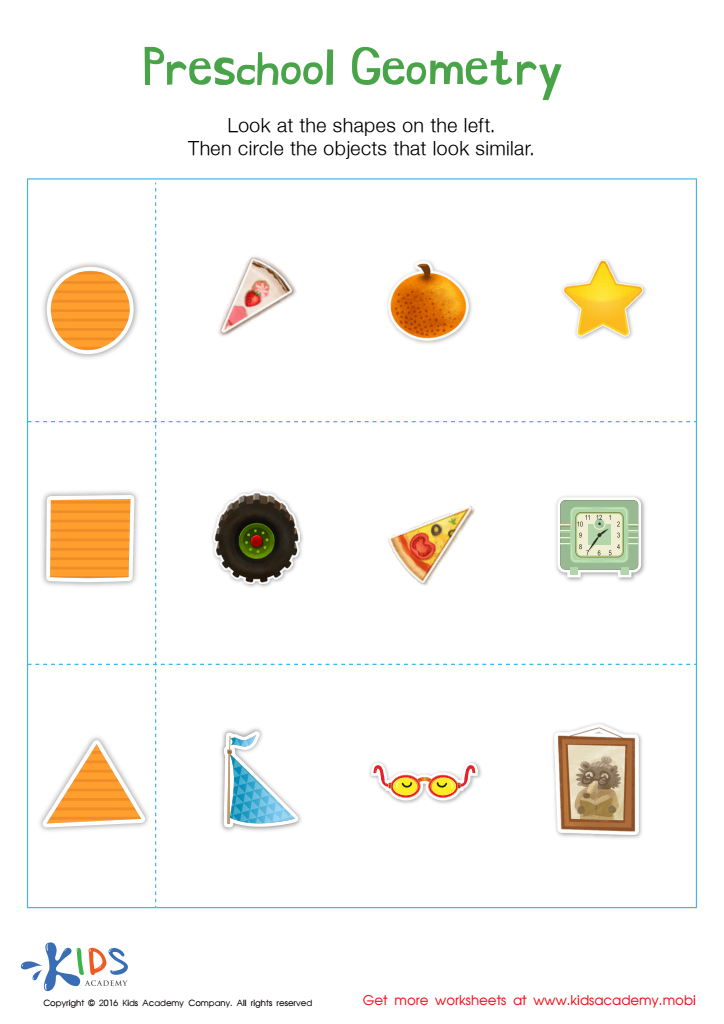
Preschool Geometry Match Up Worksheet
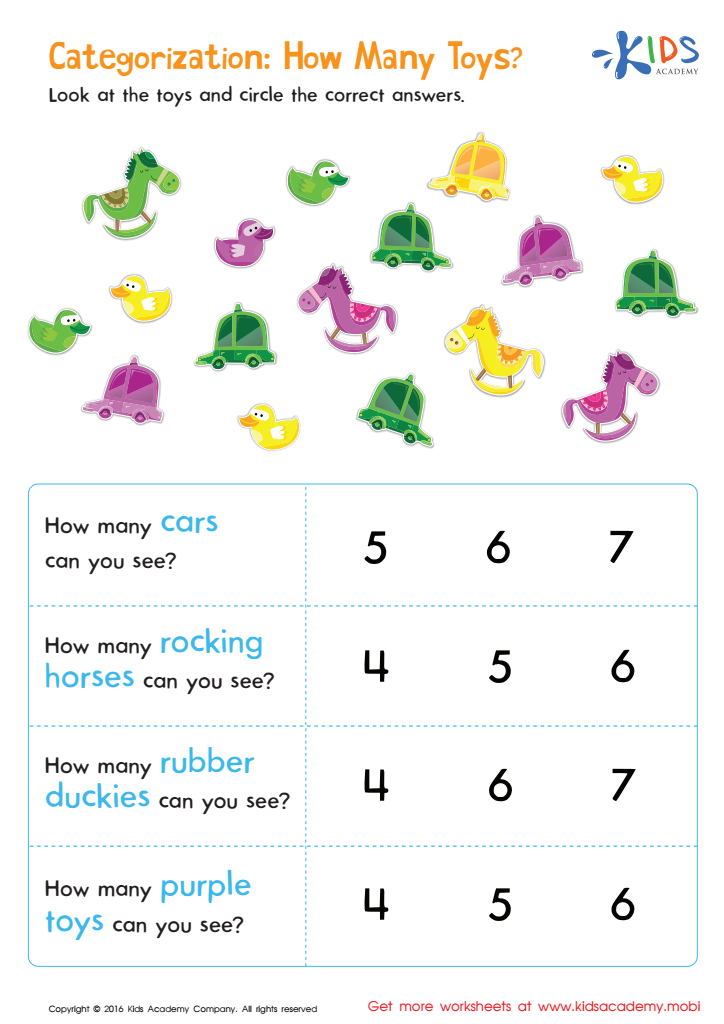
Classifying Toys by Type and Color Sorting Worksheet
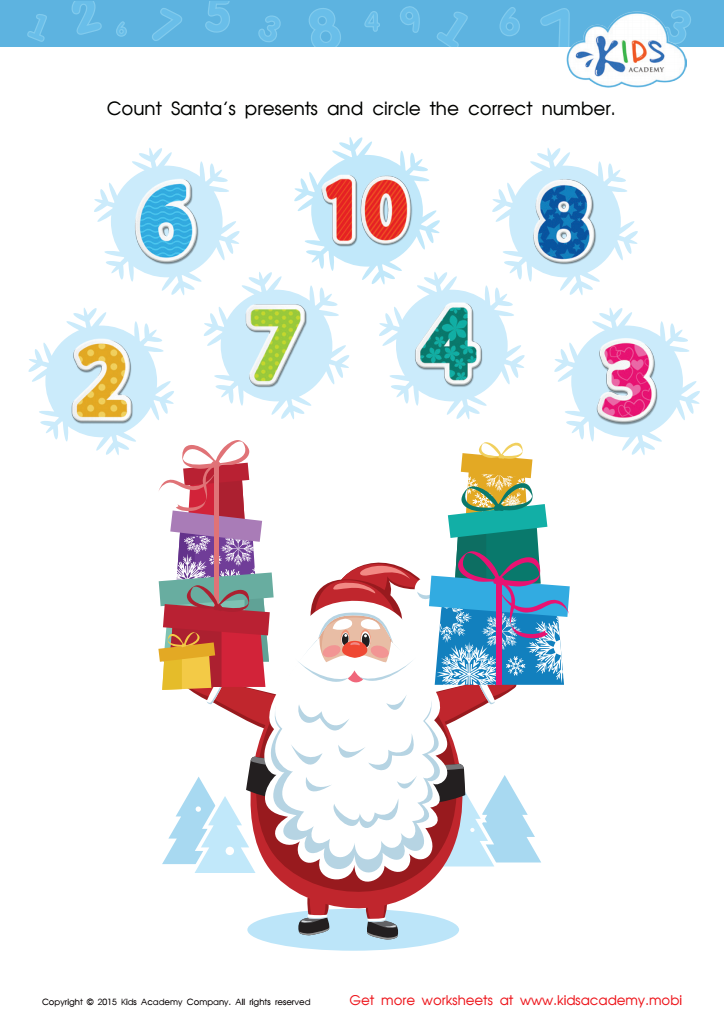
Count Santa's Presents Worksheet
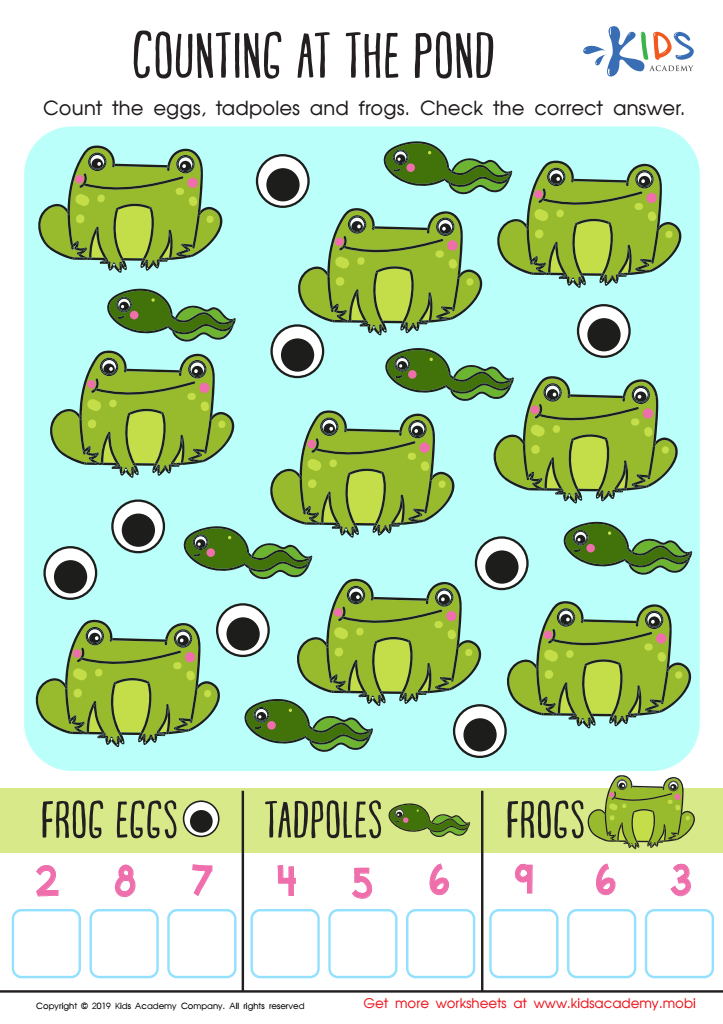
Counting at the Pond Worksheet
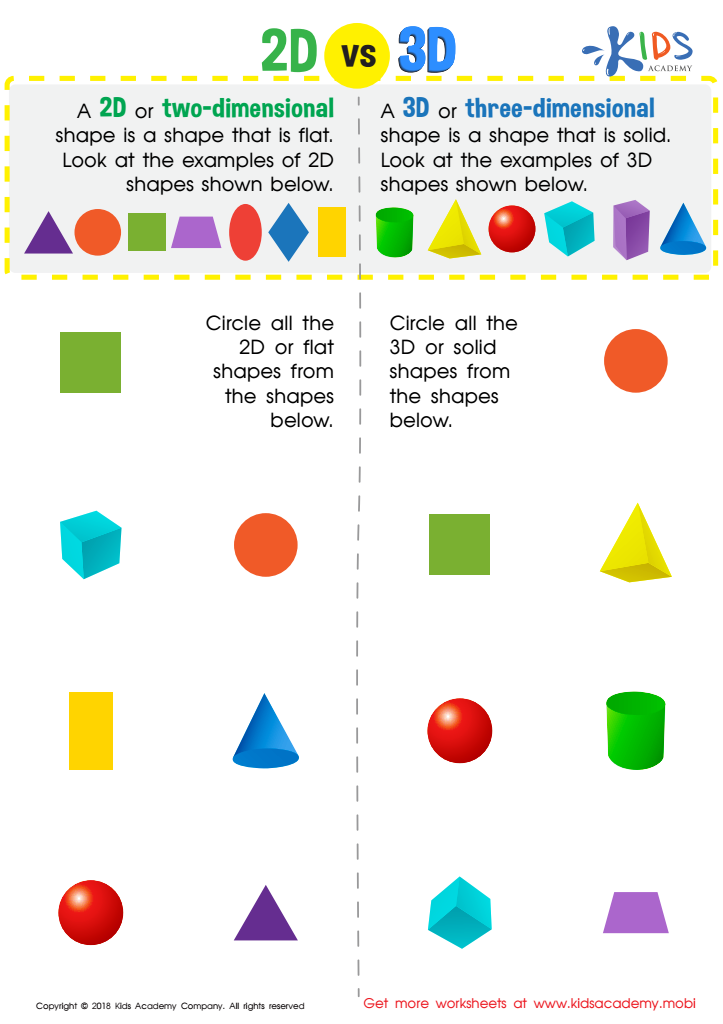
2D vs 3D Shapes Worksheet
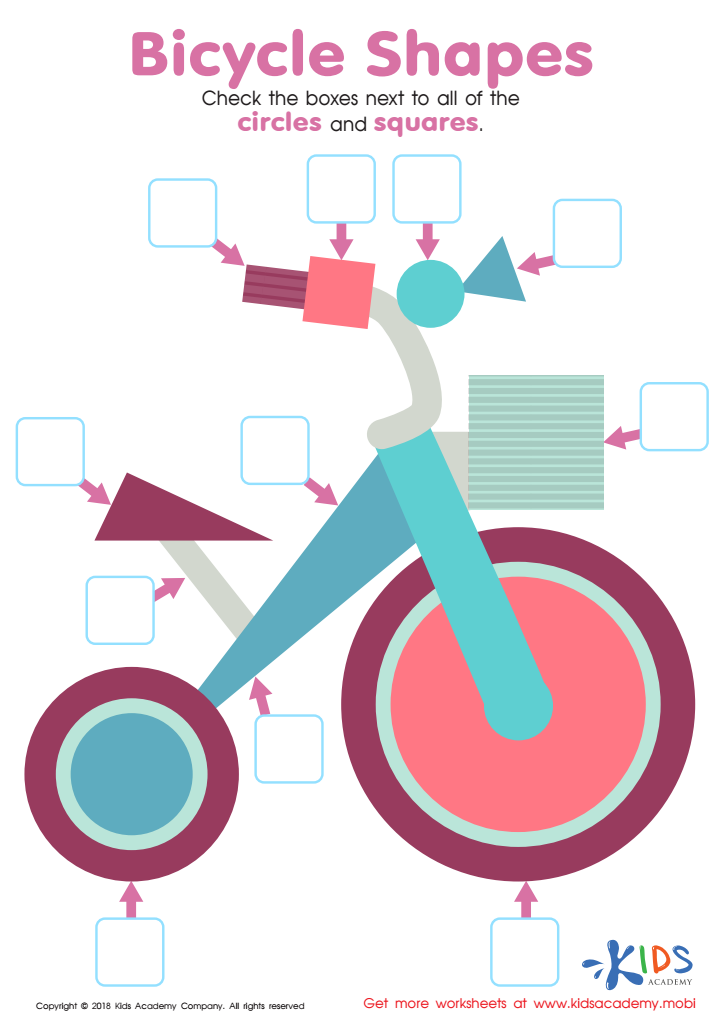
Bicycle Shapes Worksheet
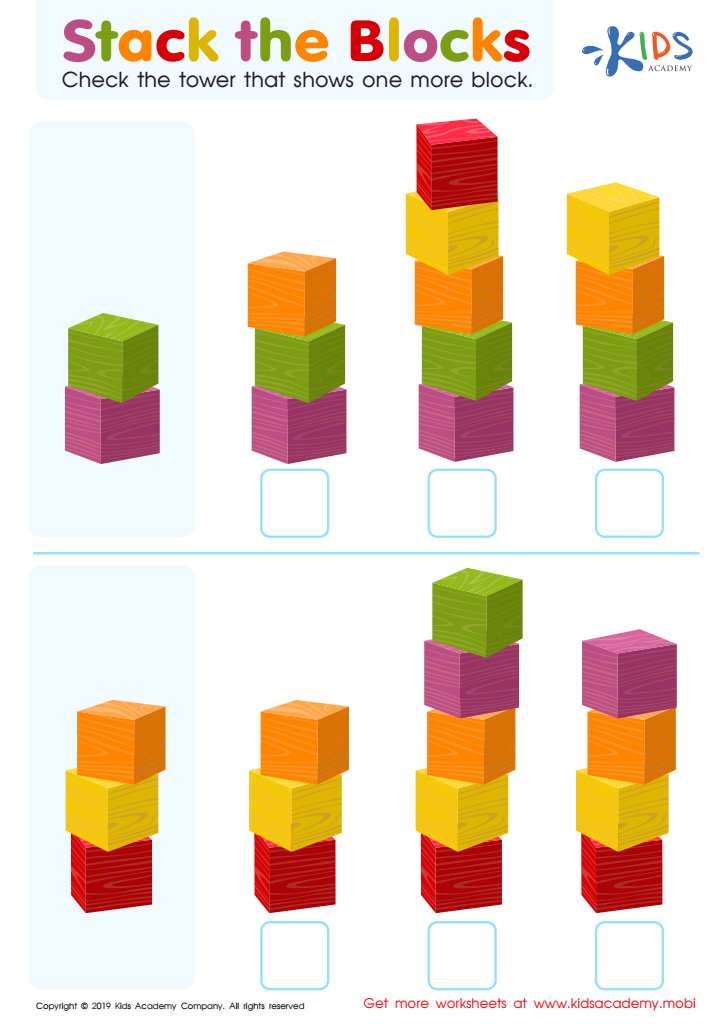
Stack the Blocks Worksheet








Visual perception is a crucial skill that develops in preschool-aged children, and it plays a significant role in their academic and social success. Parents and teachers should care about visual perception because it influences how children interpret and interact with the world around them. Strong visual perception skills enable children to recognize shapes, differentiate colors, and understand spatial relationships, which are foundational for tasks such as reading, writing, and math.
Children with well-developed visual perception are better equipped to follow instructions, notice details, and anticipate outcomes in their environment—creating a more engaged learning experience. Conversely, difficulties in visual perception can lead to challenges in academic performance and increased frustration in children, impacting their self-esteem.
By focusing on visual perception through targeted activities such as puzzles, matching games, and art projects, both parents and teachers can promote these essential skills early on. This support not only benefits cognitive development but also enhances fine motor skills and fosters creativity. A strong emphasis on visual perception lays the foundation for lifelong learning and adaptability, making it a vital component of early childhood education. Engaging in the development of these skills ultimately prepares children for successful transitions into formal schooling and beyond.