Pattern recognition Preschool Math Worksheets
12 filtered results
-
From - To
Explore our engaging Pattern Recognition Preschool Math Worksheets, designed to enhance early math skills in young learners. These fun and interactive worksheets help preschoolers identify and create patterns through vibrant visuals and hands-on activities. By focusing on shapes, colors, and sequences, children will develop critical thinking and problem-solving abilities while laying a strong foundation for more complex mathematical concepts. Ideal for home or classroom use, our worksheets promote essential cognitive skills in a playful and stimulating environment. Download our resources today to inspire a love for math and pattern recognition in your preschooler!
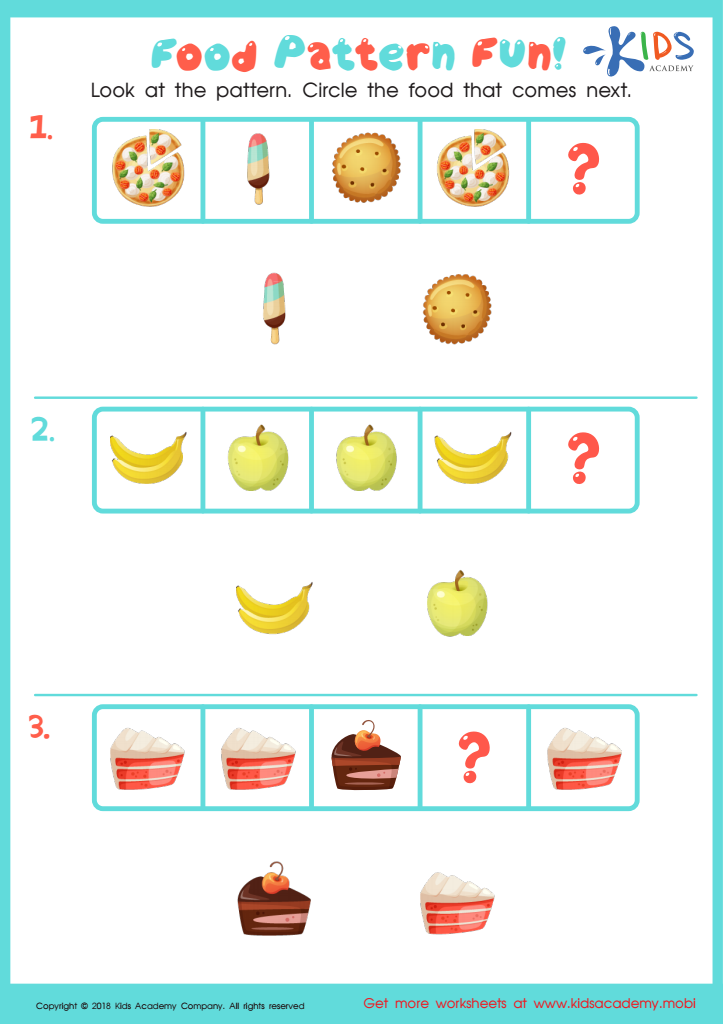
Food Pattern Fun Worksheet
 Assign to My Students
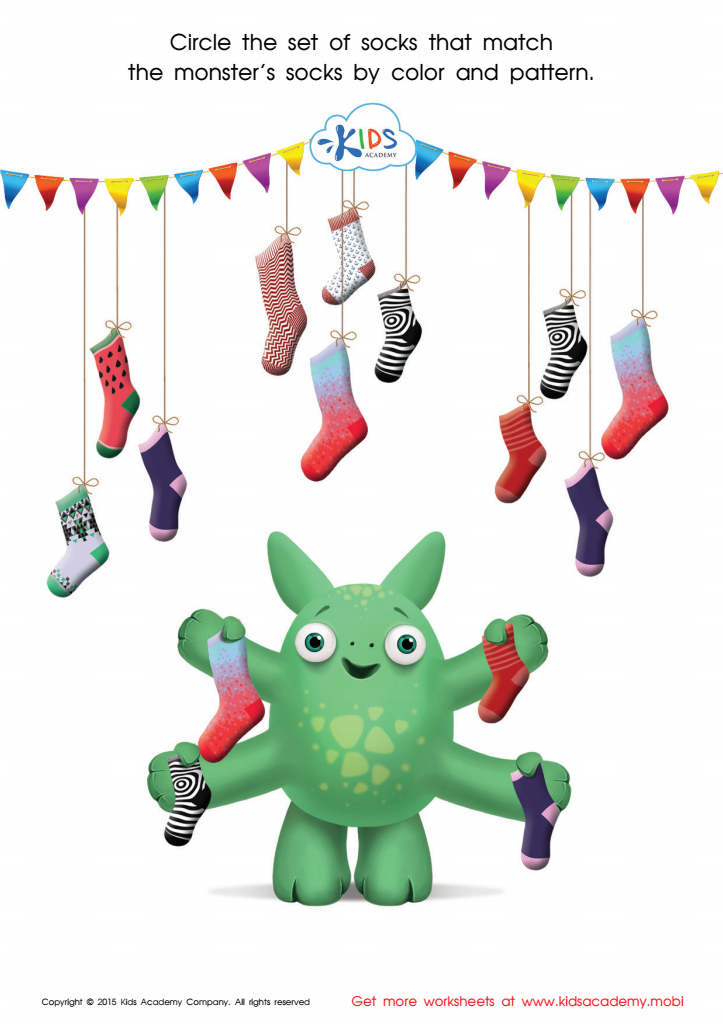
Sort the Monster's Socks Worksheet
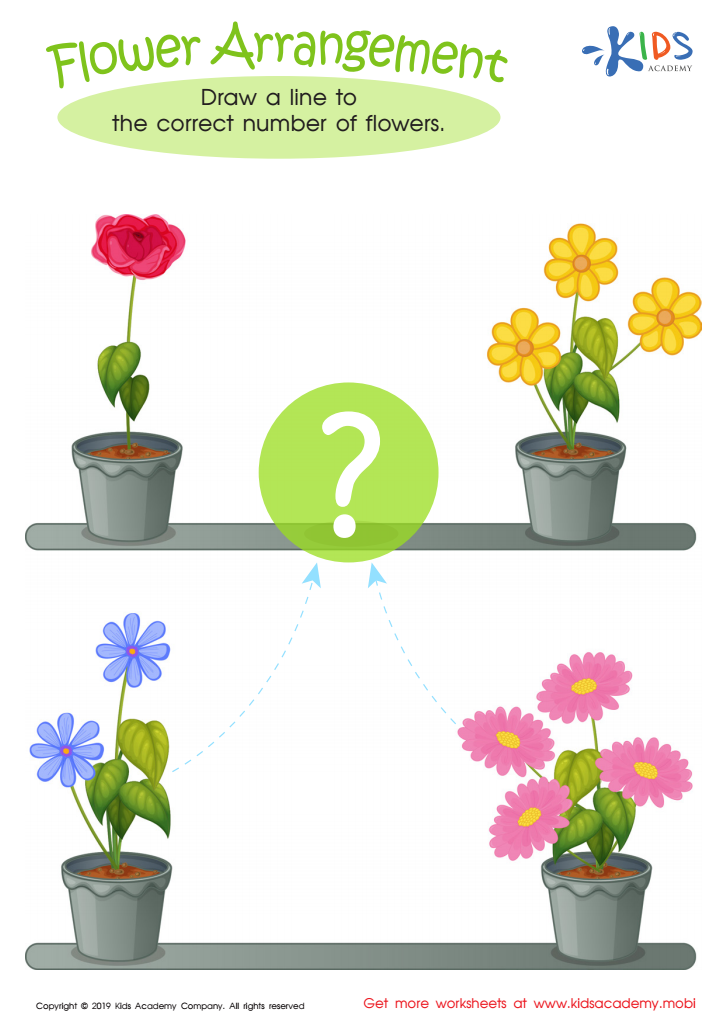
Flower Arrangement Worksheet
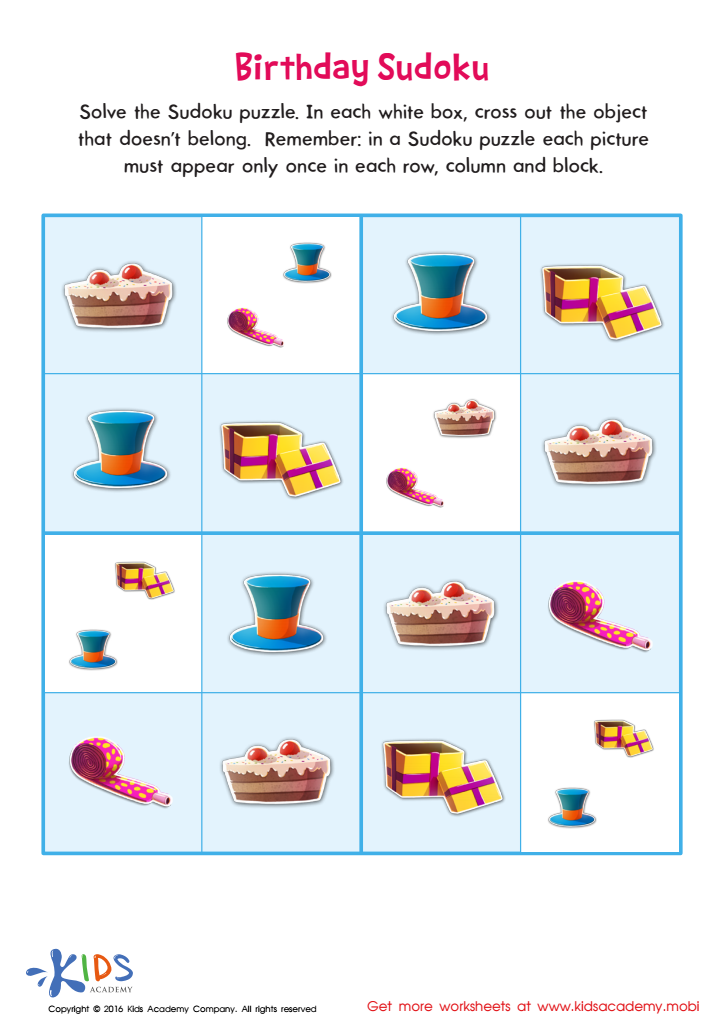
Birthday Sudoku Sorting Worksheet
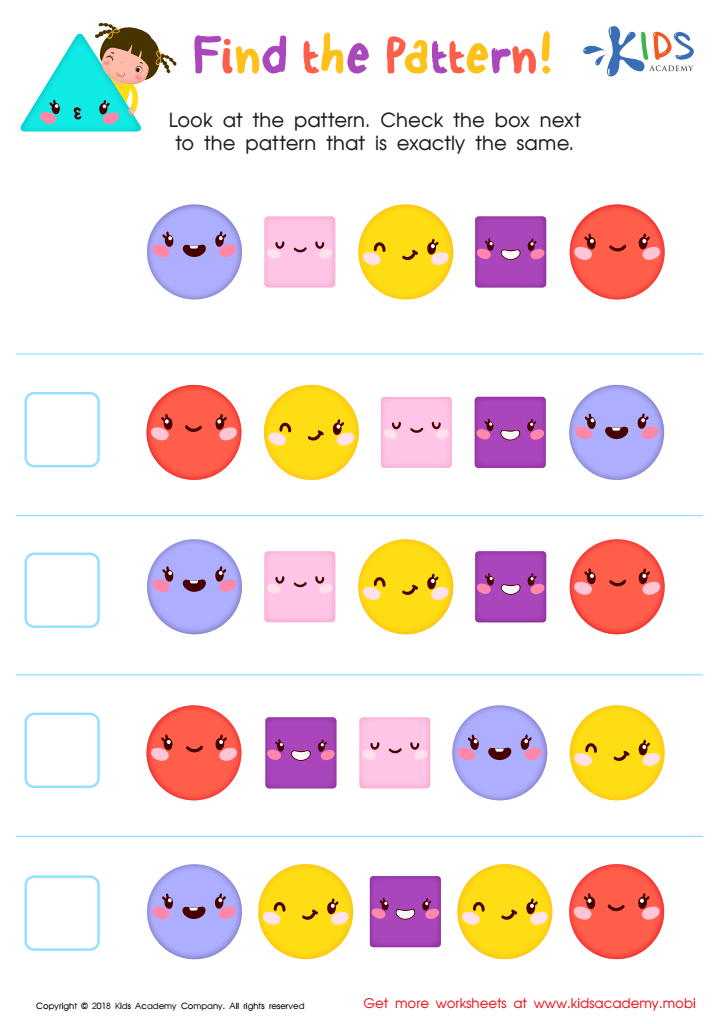
Find the Pattern Worksheet
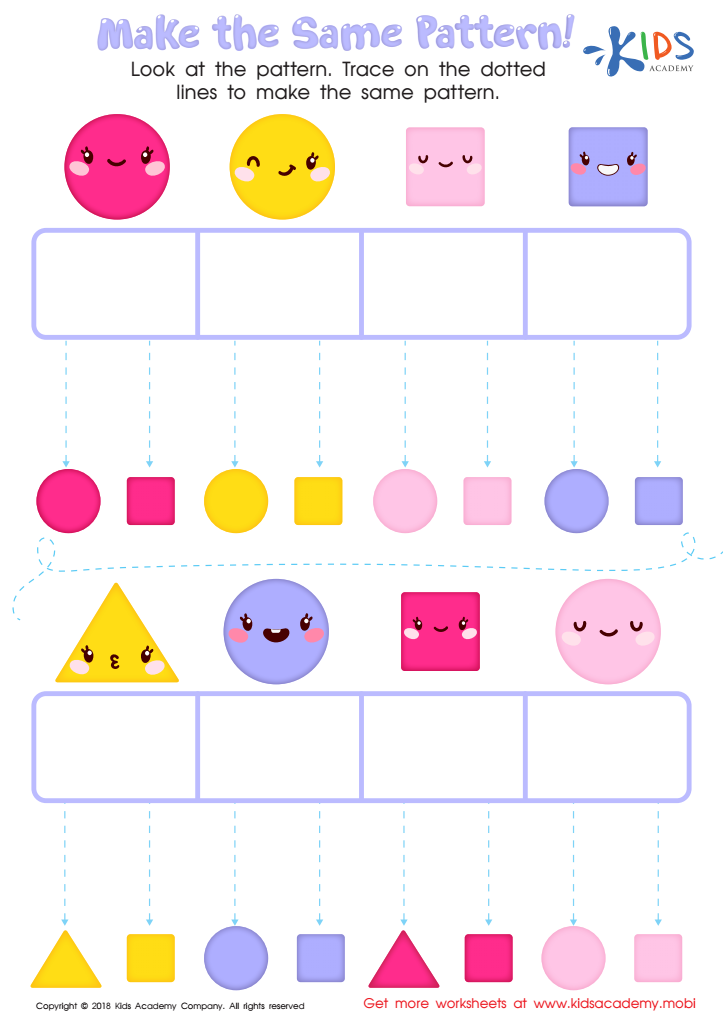
Make the Same Pattern Worksheet
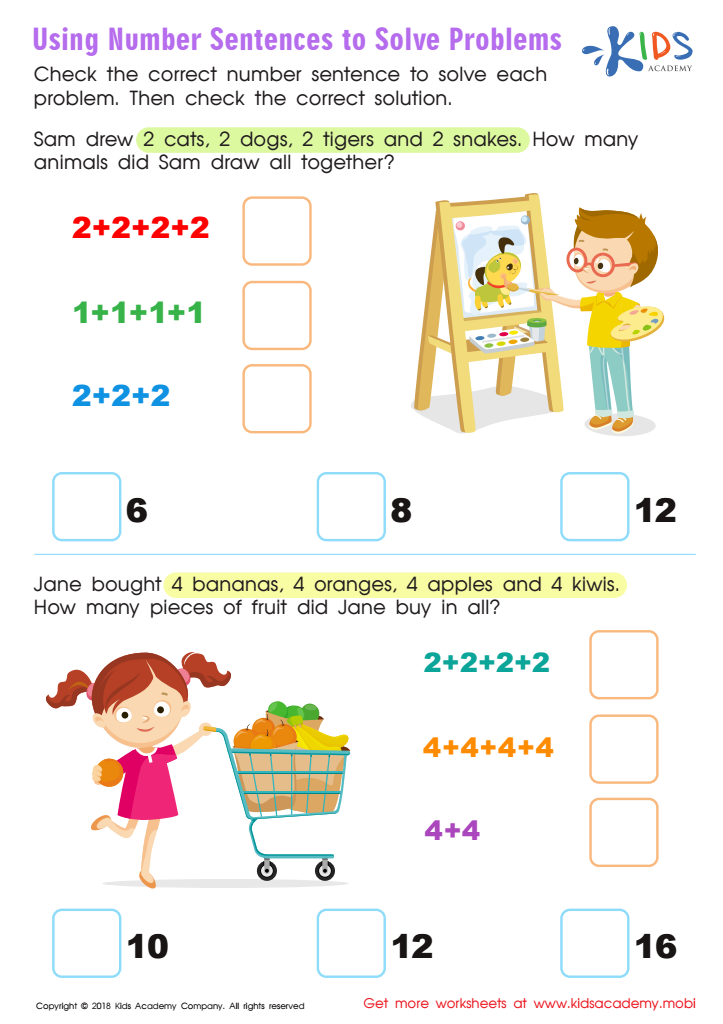
Using Number Sentences to Solve Problems Worksheet
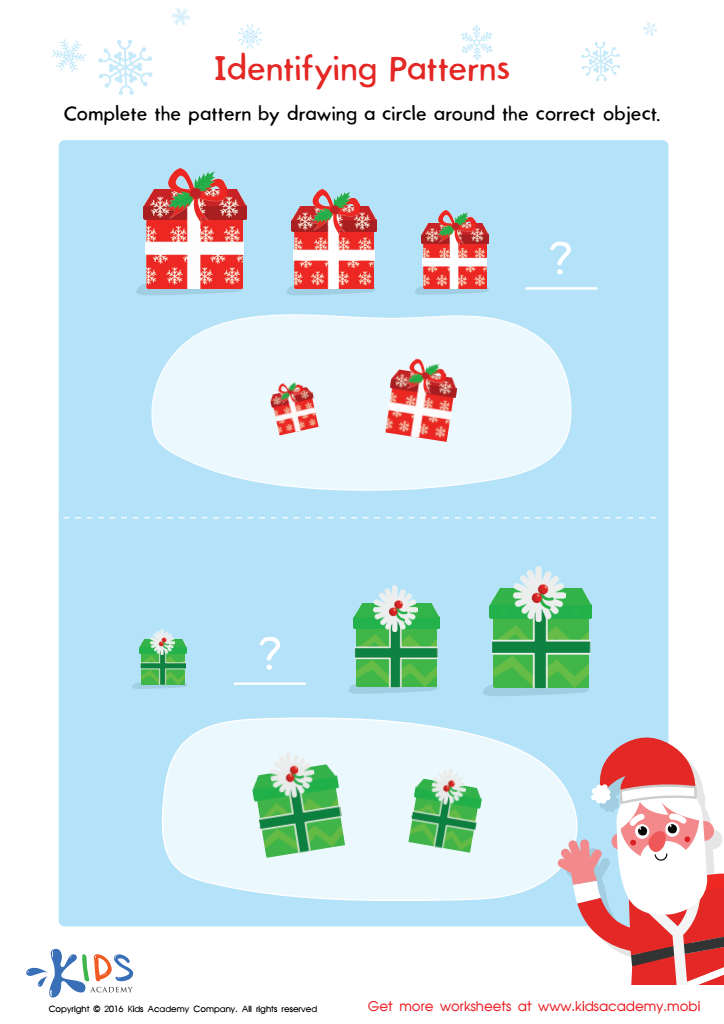
Identifying Patterns Worksheet
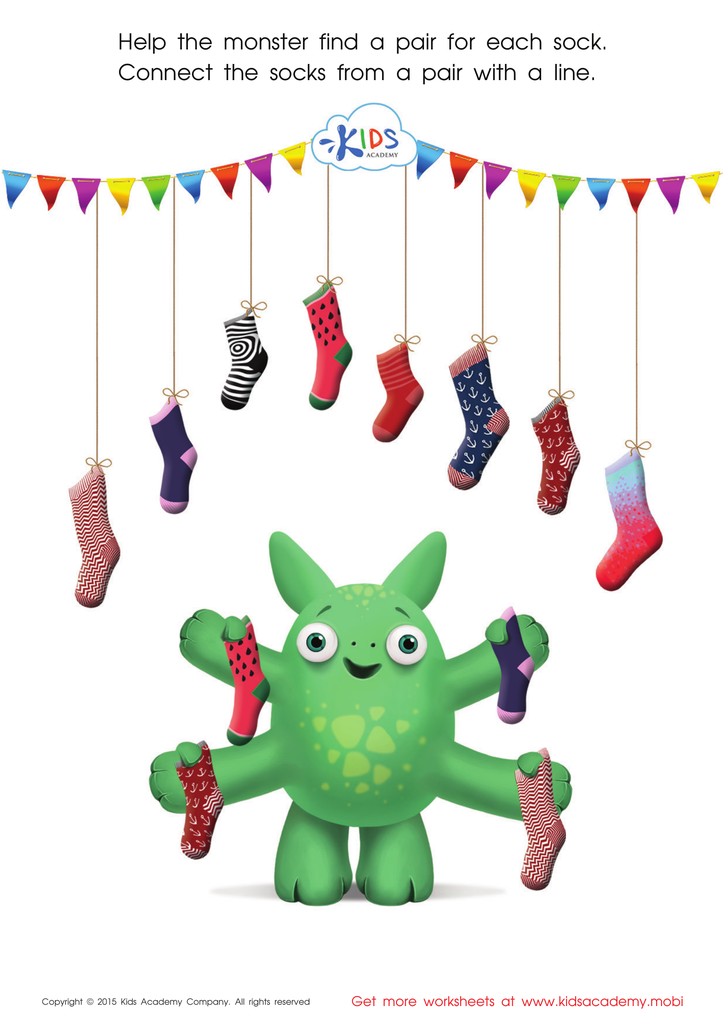
Math Matching Game: Monsterв's Socks Worksheet
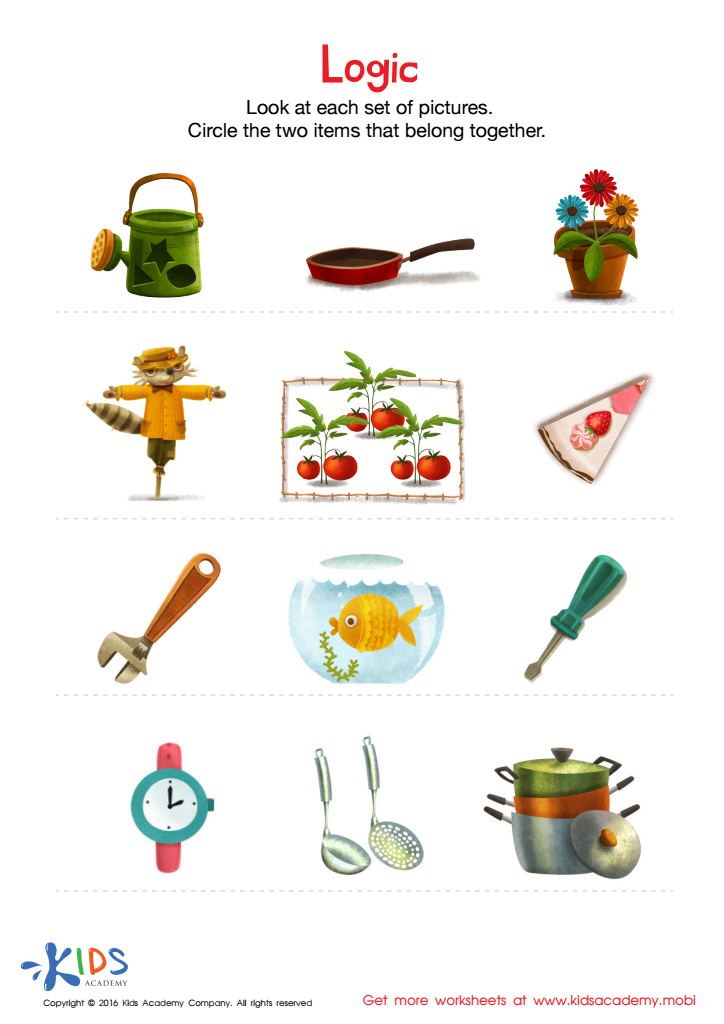
Logic Game Sorting Worksheet
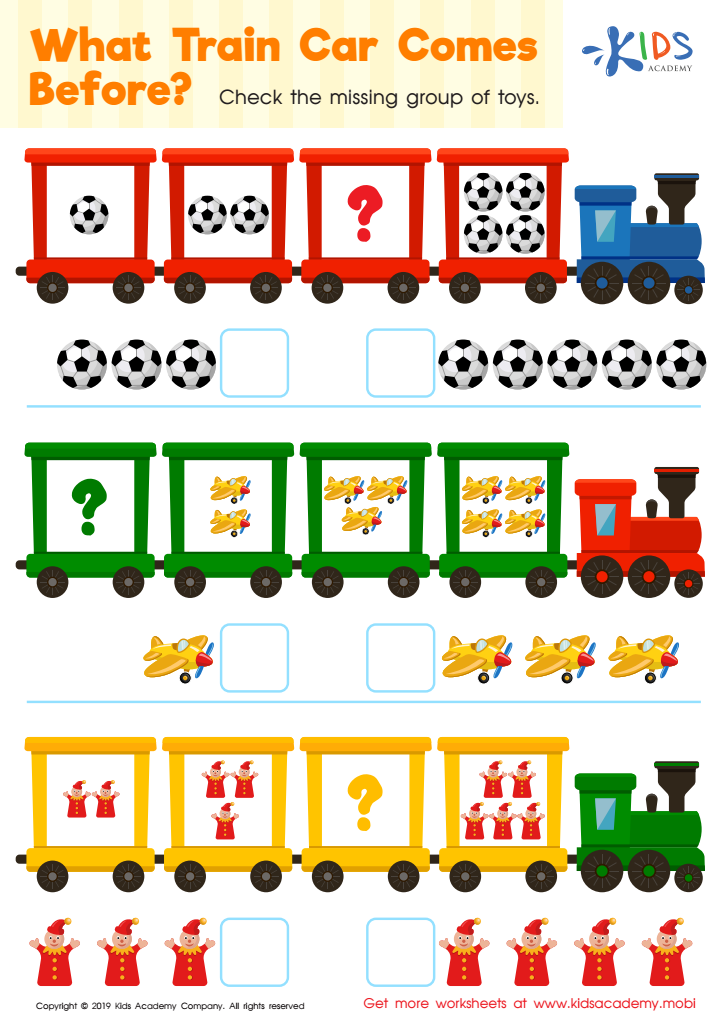
What Train Car Comes Before? Worksheet
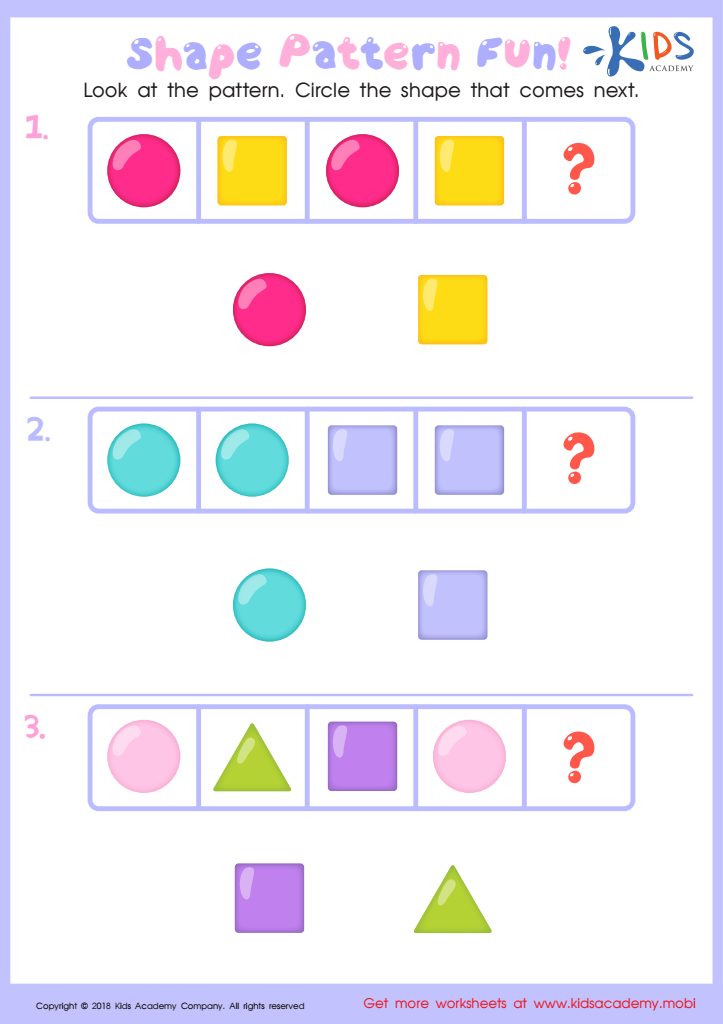
Shape Pattern Fun Worksheet







Pattern recognition is a foundational skill in preschool math that is essential for a child's cognitive development and future academic success. Understanding patterns helps children learn to predict, analyze, and problem-solve, which are crucial skills not only in math but in various areas of learning. When preschoolers engage with patterns, they enhance their ability to sort, classify, and make connections between concepts, nurturing critical thinking skills.
For parents and teachers, fostering this skill early on equips children with tools to understand more complex mathematical concepts later in their education. Pattern recognition directly correlates with abilities like sequencing, addition, and subtraction, leading to greater success in higher-level mathematics.
Additionally, engaging with patterns can boost a child's confidence and interest in math. Interactive activities centered around patterns—such as using colorful blocks or rhythm-based games—make learning enjoyable, thereby increasing motivation and engagement. This foundational understanding also supports literacy development as children begin to recognize structures in language, further emphasizing the interconnectedness of different subject areas.
Ultimately, by prioritizing pattern recognition in preschool math, parents and teachers invest in a child's comprehensive development and equip them for lifelong learning.