Handwriting practice Preschool Tracing Numbers Worksheets
6 filtered results
-
From - To
Discover our engaging Handwriting Practice Preschool Tracing Numbers Worksheets designed to support young learners in developing essential handwriting skills! These worksheets provide a fun and interactive way for preschoolers to practice tracing numbers, reinforcing number recognition and enhancing fine motor skills. Ideal for at-home learning or classroom activities, each worksheet is tailored for early developmental stages, ensuring a stress-free educational experience. With colorful designs and age-appropriate exercises, children will stay motivated and improve their writing techniques while building confidence. Let your little ones embark on an exciting learning journey with our high-quality tracing worksheets perfect for fostering early math skills!
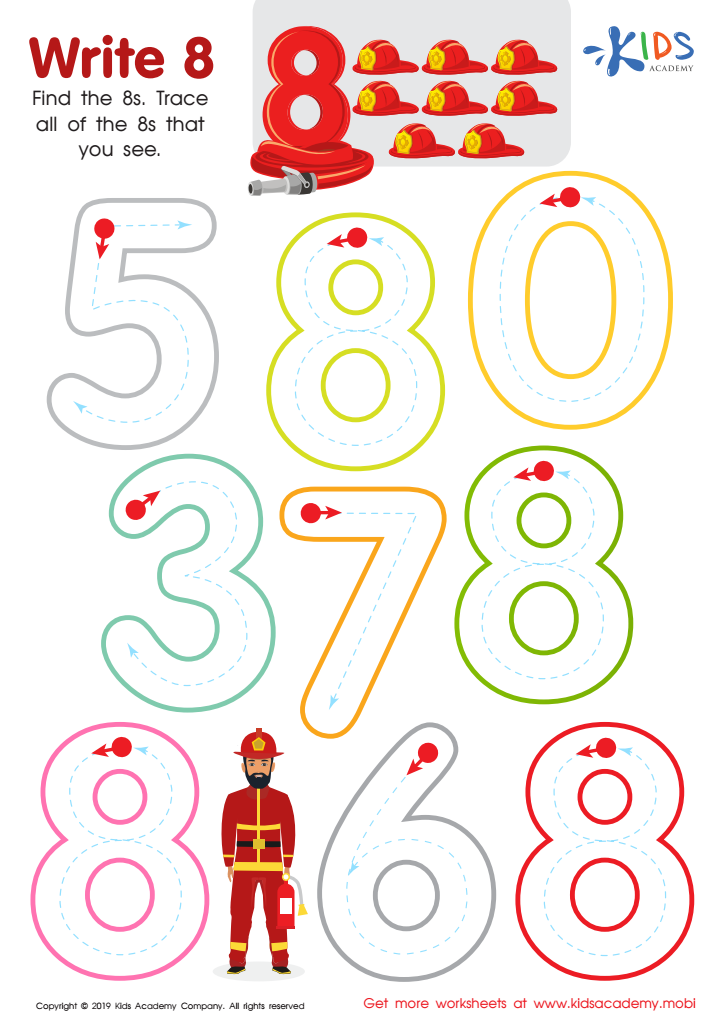
Write 8 Worksheet
 Assign to My Students
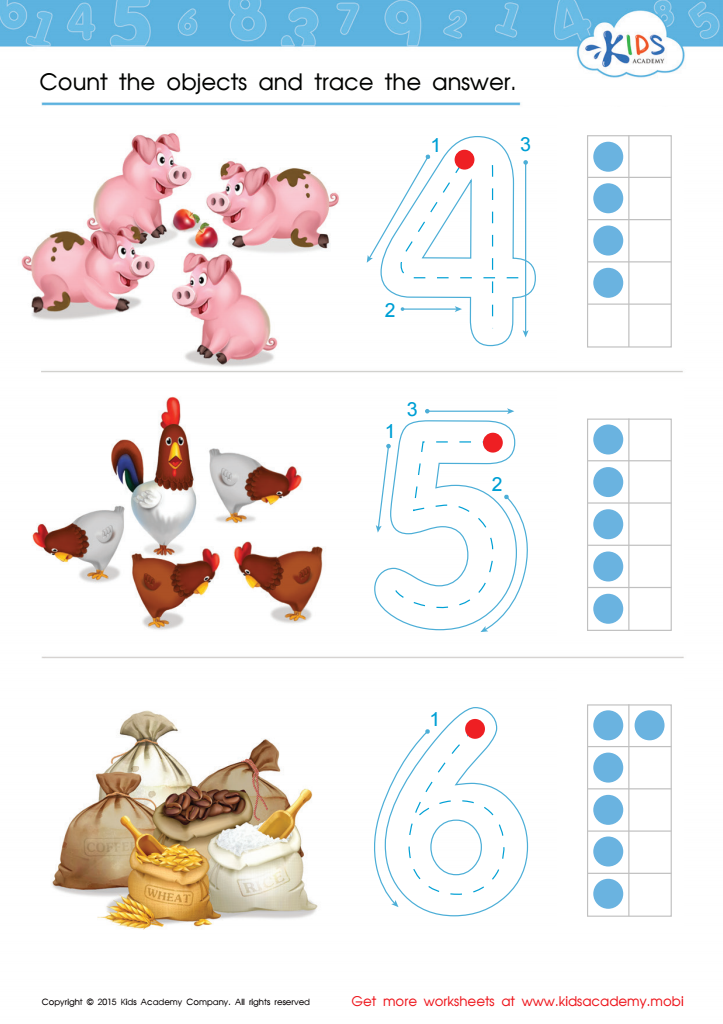
Count and Trace 4 – 6 Worksheet
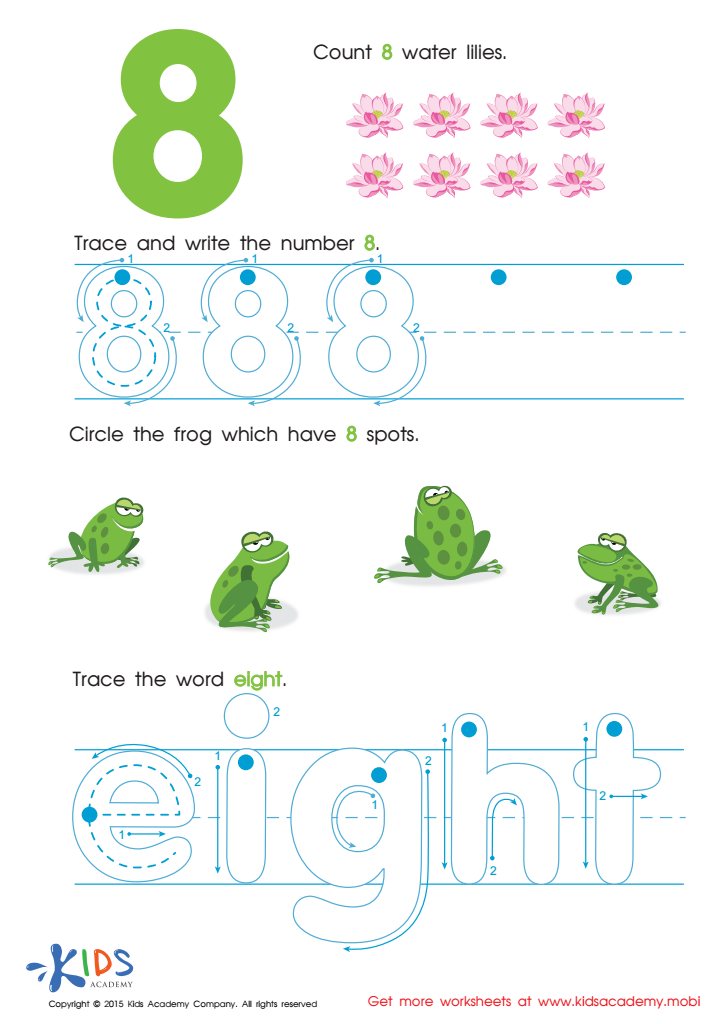
Learn Number 8 Easily Worksheet
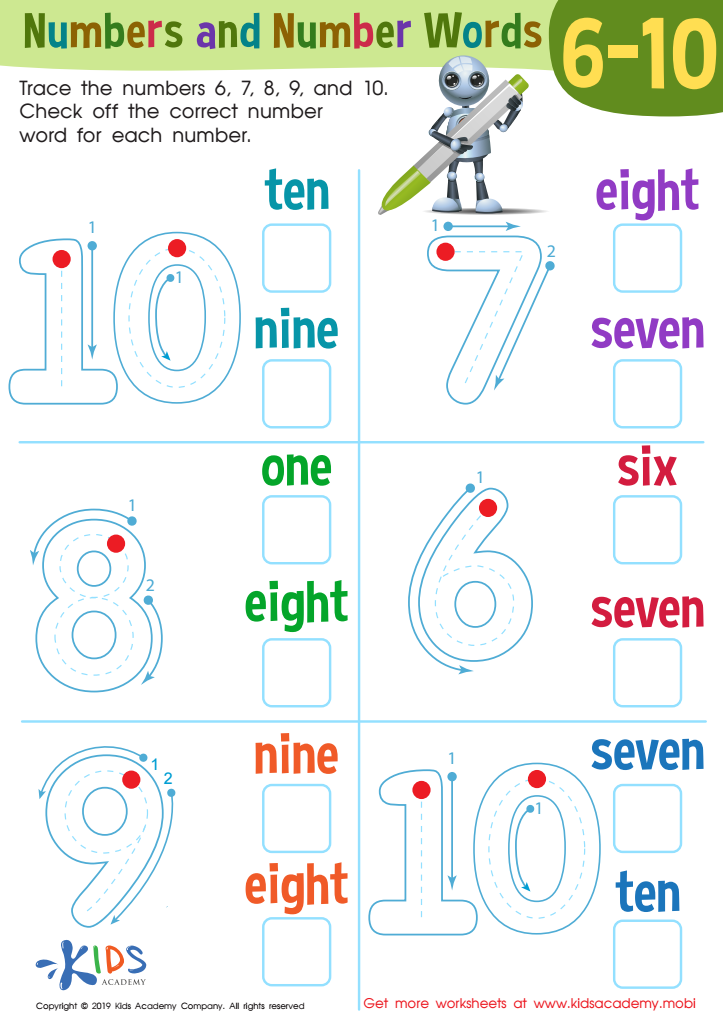
Numbers and Number Words 6–1 Worksheet
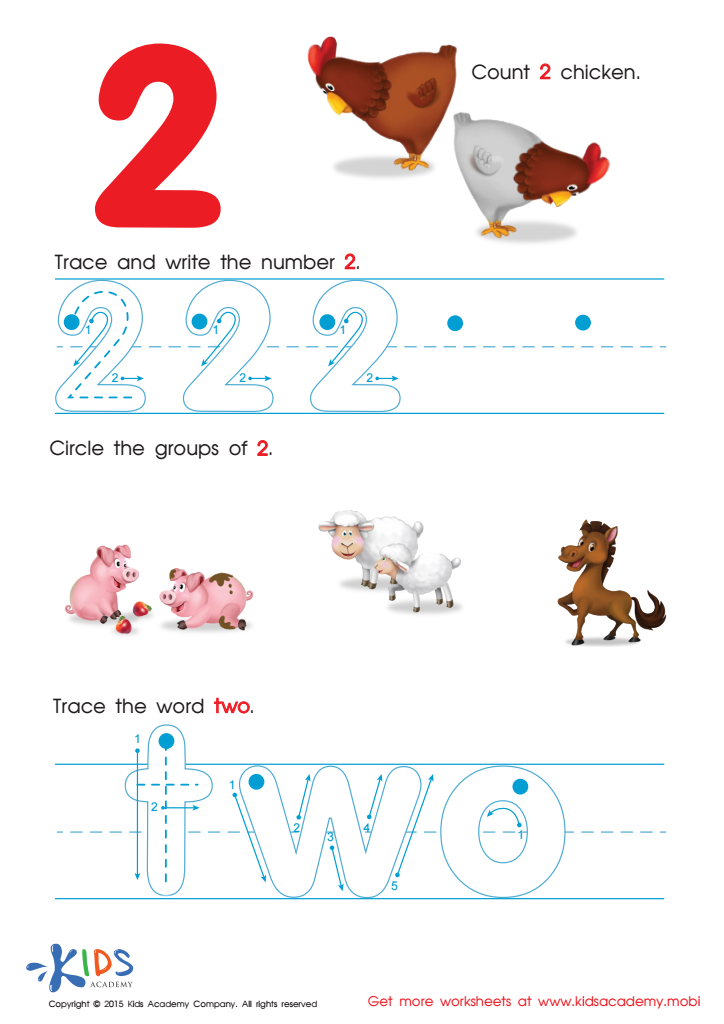
Learn to Write the Number 2 Worksheet
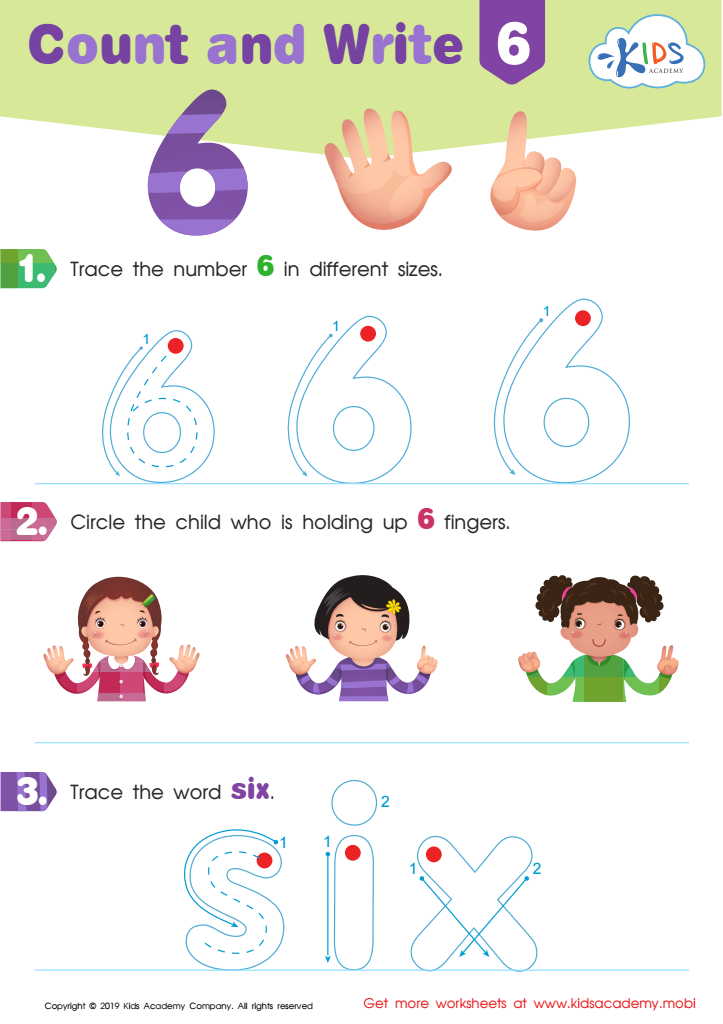
Count and Write 6 Worksheet






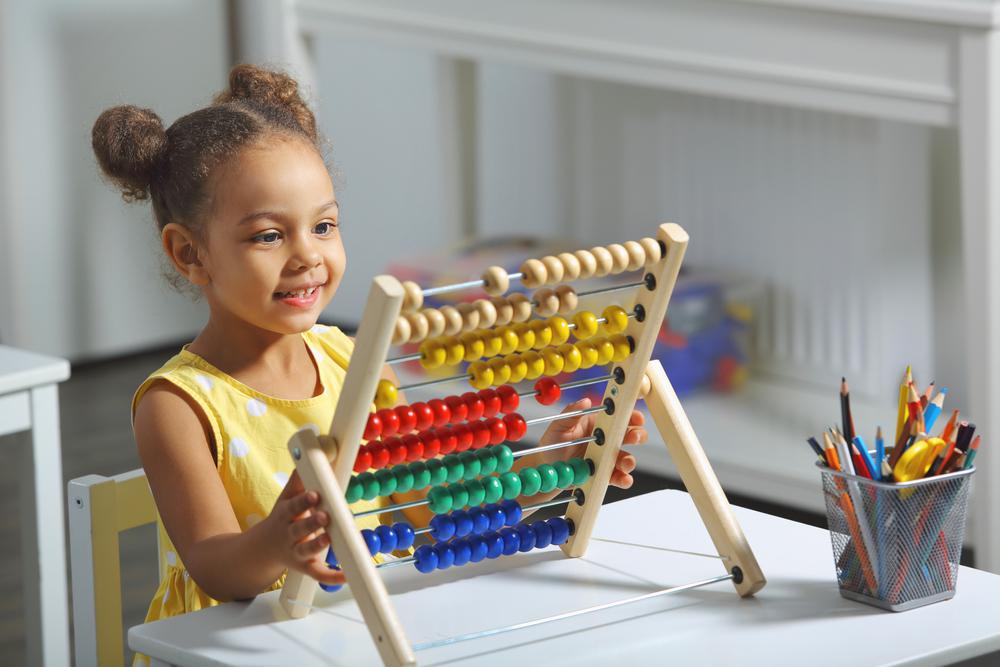

Handwriting practice, particularly tracing numbers in preschool, plays a crucial role in a child's early development. First and foremost, it fosters fine motor skills, helping young learners gain control over their hand movements. This control is essential for various daily activities, beyond just writing, such as gripping a pencil or using scissors. Tracing numbers also enhances cognitive recognition, allowing children to visually and physically engage with number shapes, which builds foundational math skills.
Moreover, handwriting promotes spatial awareness. As children trace, they learn how to position numbers correctly in a given space, which is vital when they later engage in addition, subtraction, and other numerical tasks. This practice helps reinforce number sequence comprehension, essential for mathematical literacy.
Additionally, consistent handwriting practice boosts children's confidence. As they see their skills improve, they become more comfortable and eager to engage in writing tasks. Establishing good handwriting early also influences their ability to express ideas clearly as they progress through their education.
In essence, handwriting practice, such as preschool tracing of numbers, is integral not only for fine motor skills development but also for academic success and self-assuredness, making it critical for parents and teachers to prioritize this activity.