Fine Motor Skills Reading Worksheets - Page 2
52 filtered results
-
From - To
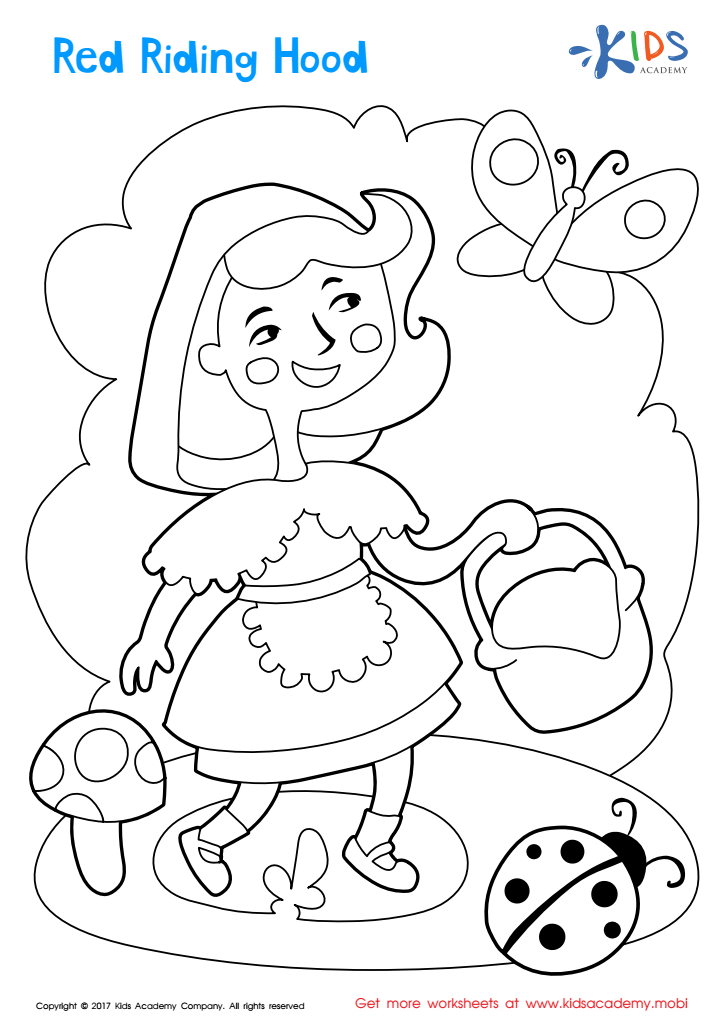
Red Riding Hood Coloring Page
 Assign to My Students
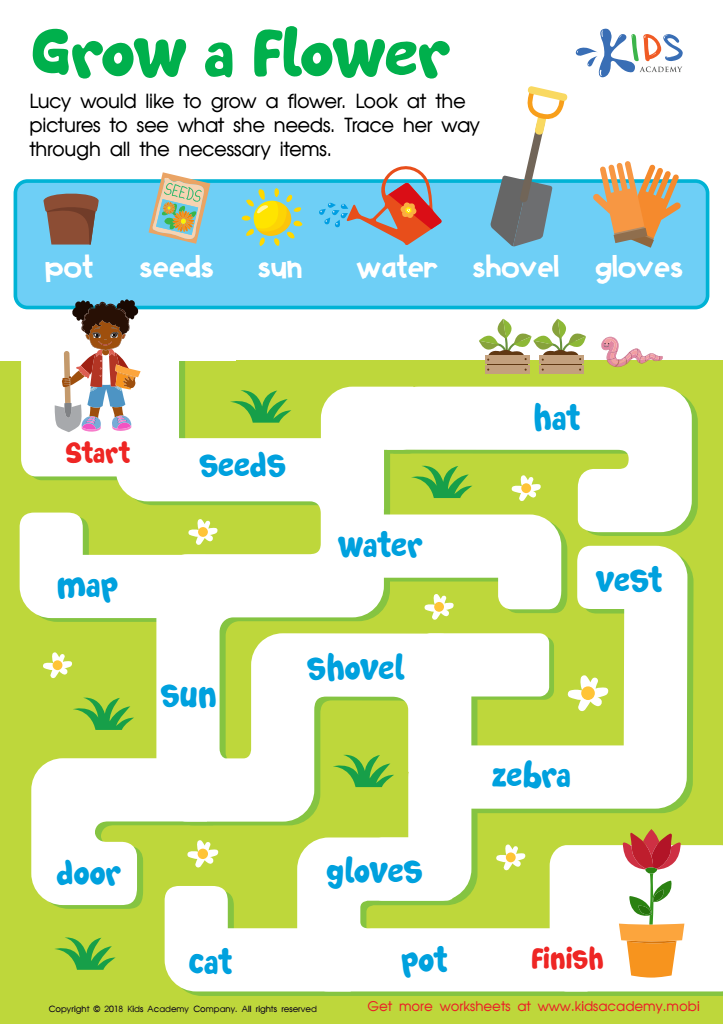
Grow a Flower Worksheet
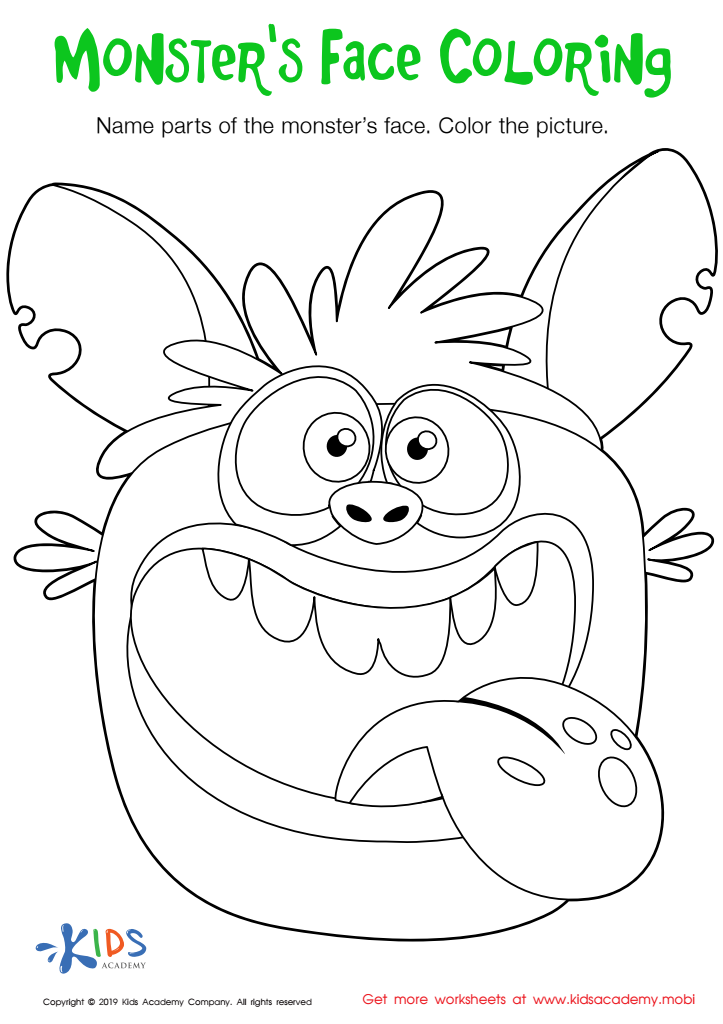
Monster's Face Coloring Worksheet
Assign to My Students
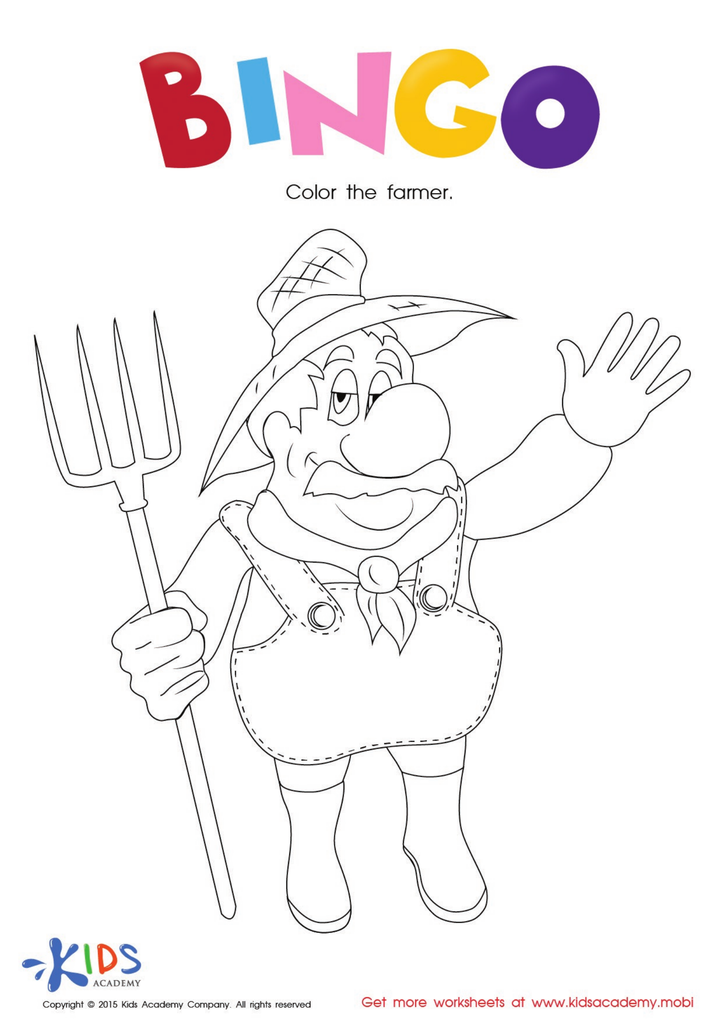
The Bingo Song: Coloring The Farmer Worksheet
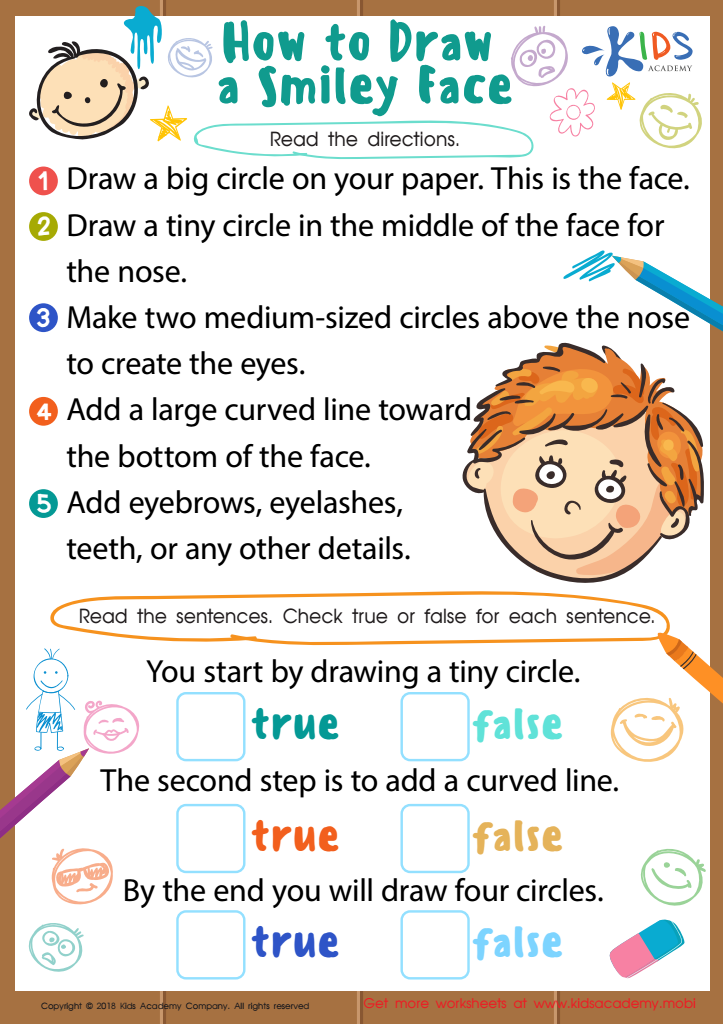
How to Draw a Smiley Face Worksheet
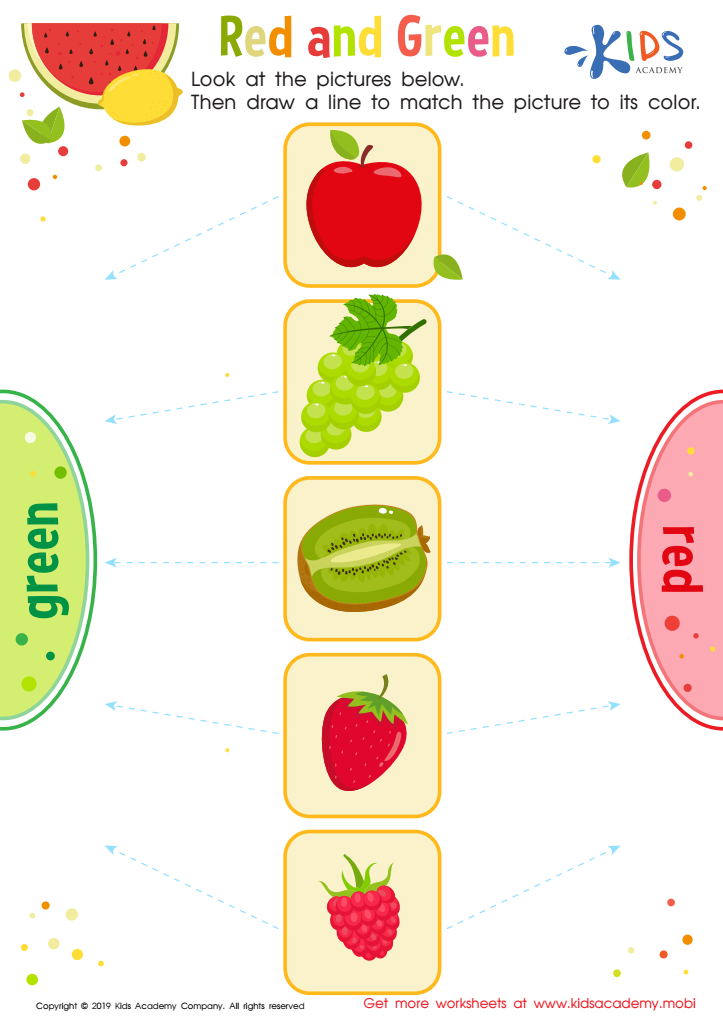
Red and Green Worksheet

Happy Family Coloring Worksheet
Assign to My Students
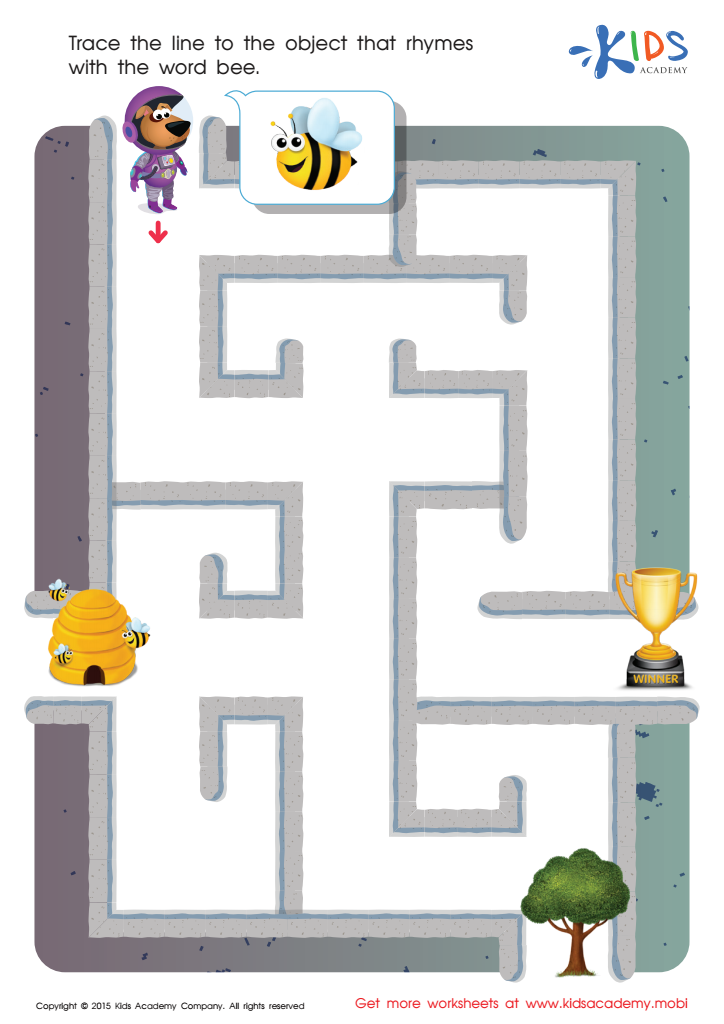
Bee Rhyming Words Worksheet
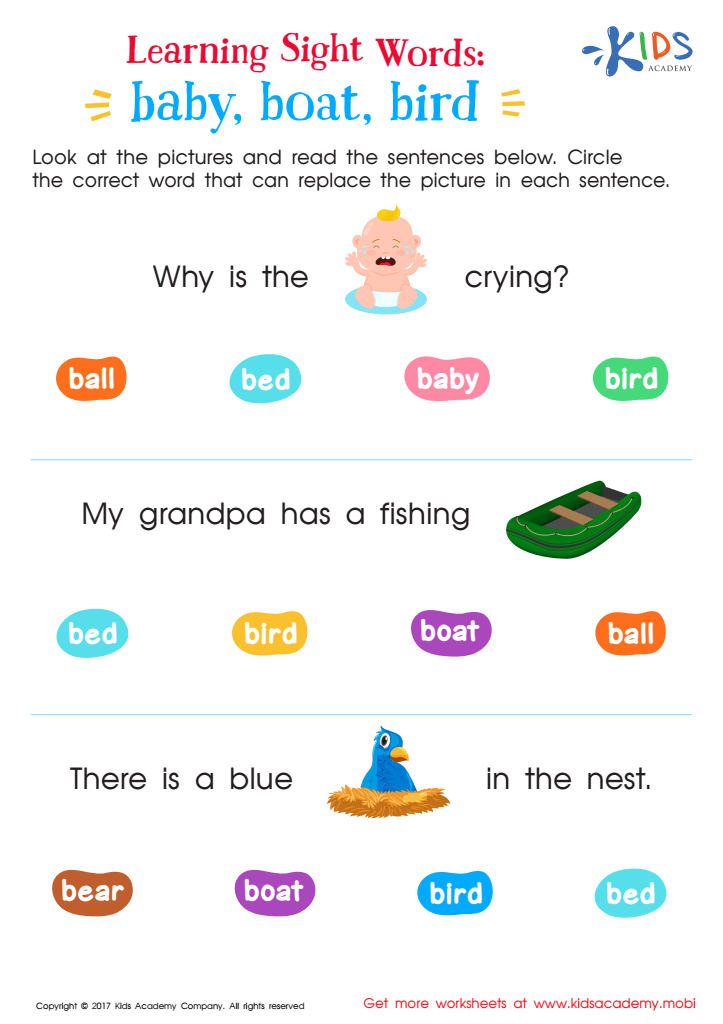
Baby, Boat, Bird Worksheet Sight Words Worksheet
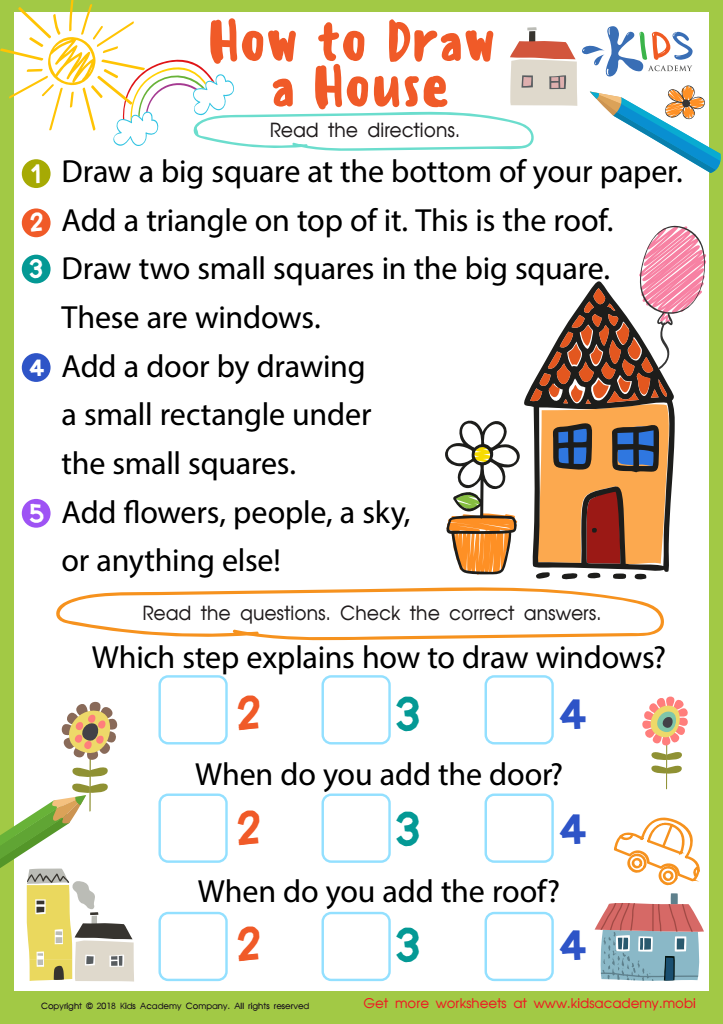
How to Draw House Worksheet

White and Pink Coloring Fun Worksheet
Assign to My Students
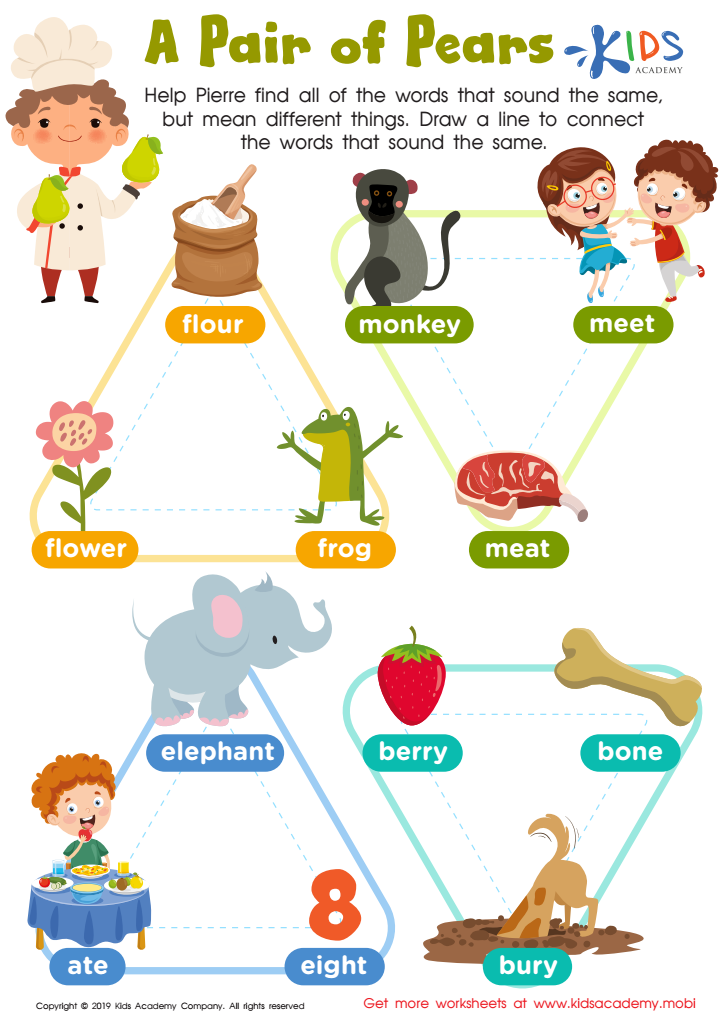
Pair Pears Worksheet
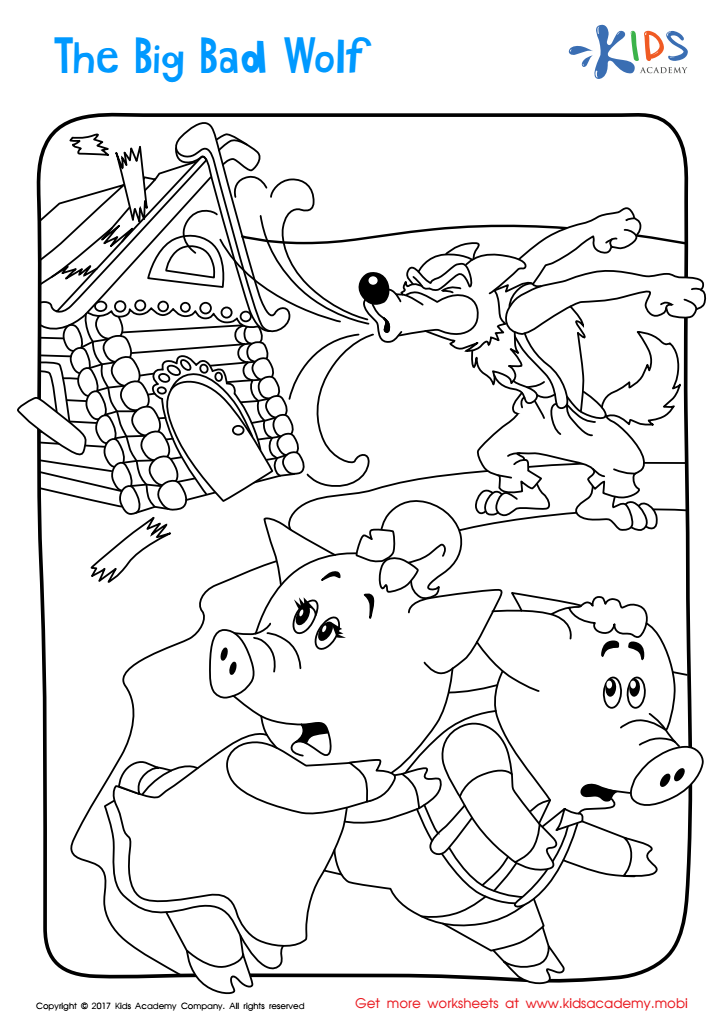
Big Bad Wolf Printable Coloring Page
Assign to My Students

The Bingo Song: Coloring The Dog Worksheet
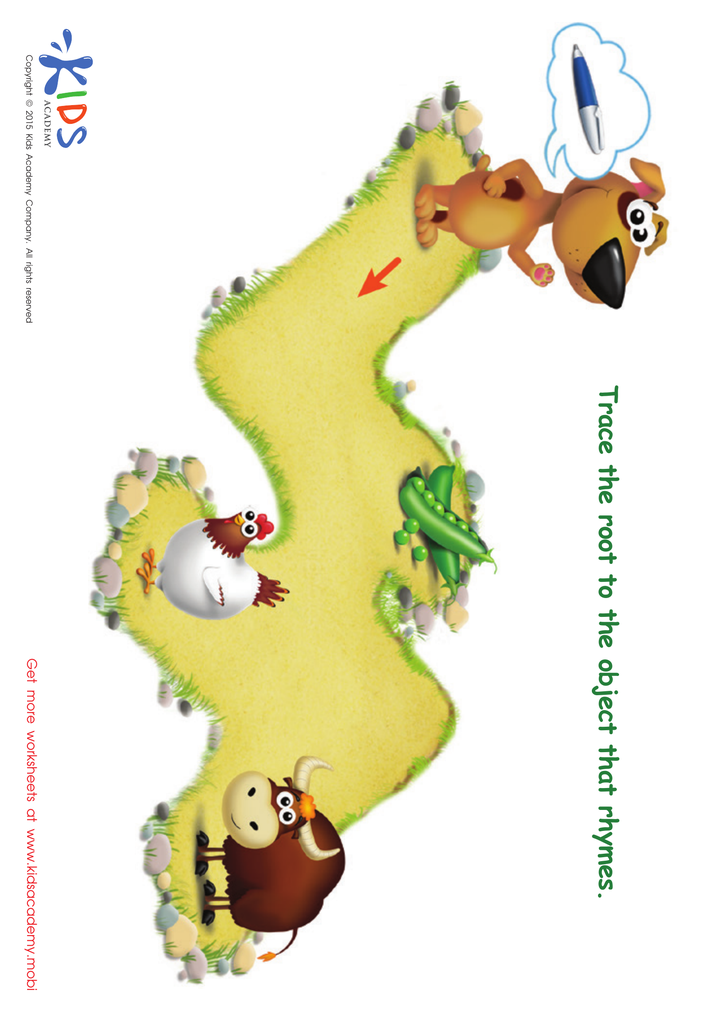
Pen Rhyming Words Worksheet

Twinkle, Twinkle, Little Star – Coloring by Numbers
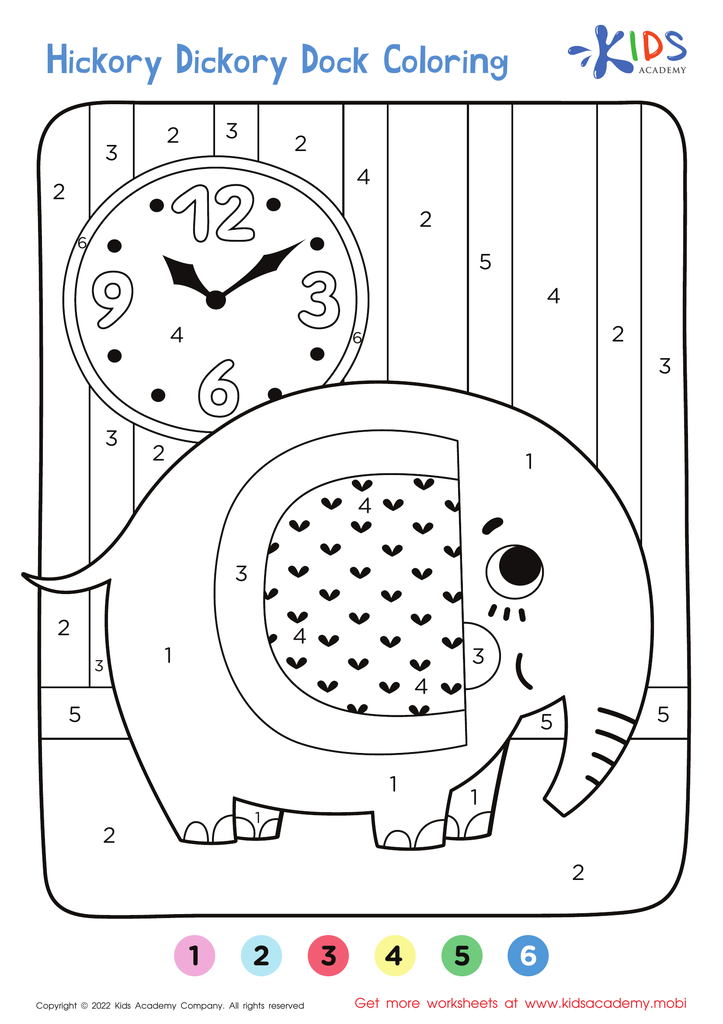
Hickory Dickory Dock – Coloring by Numbers
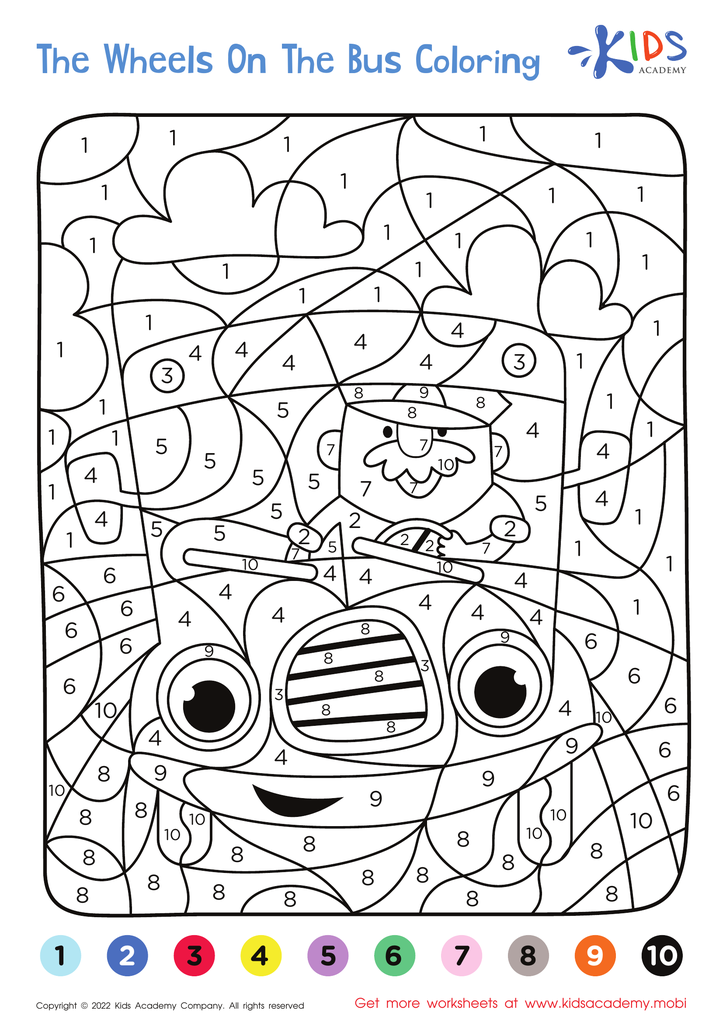
Wheels on the Bus – Coloring by Numbers
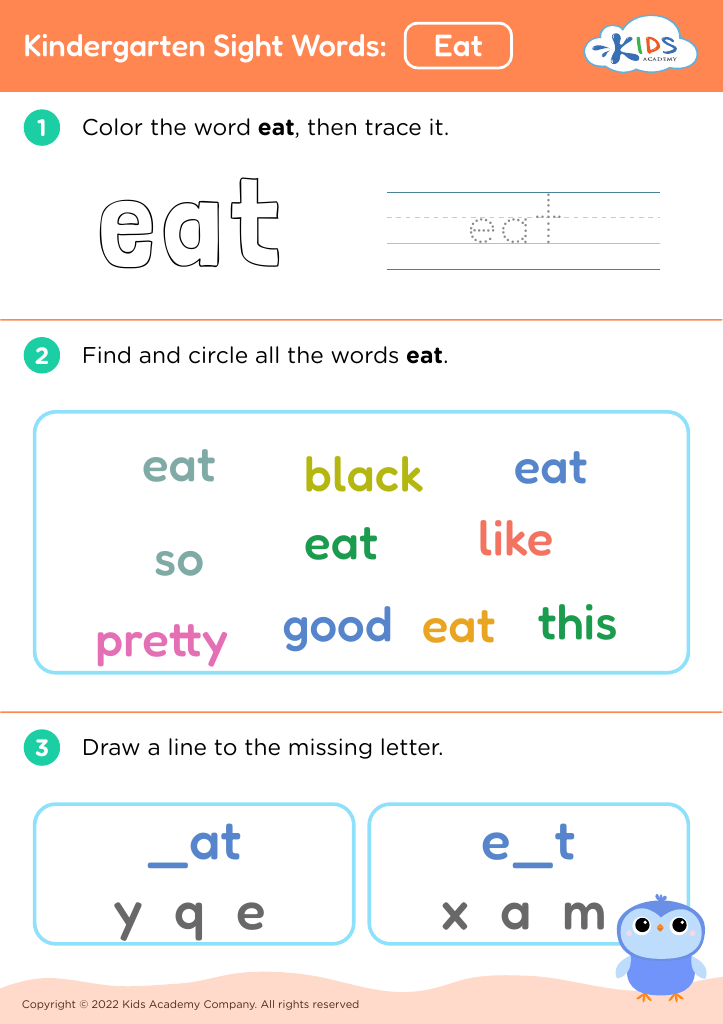
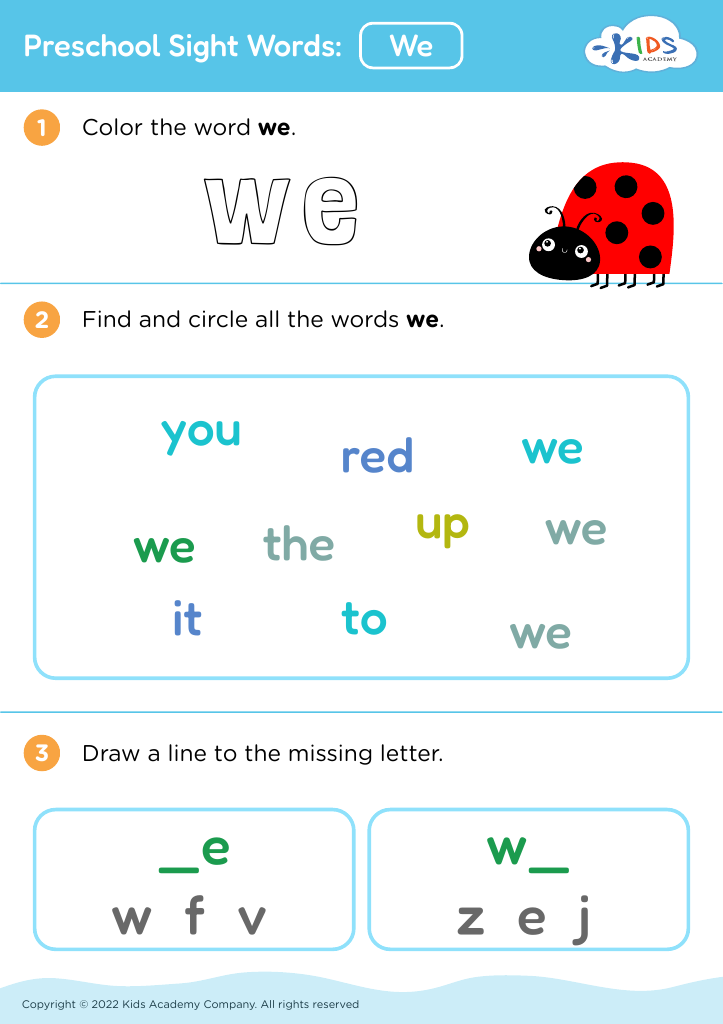
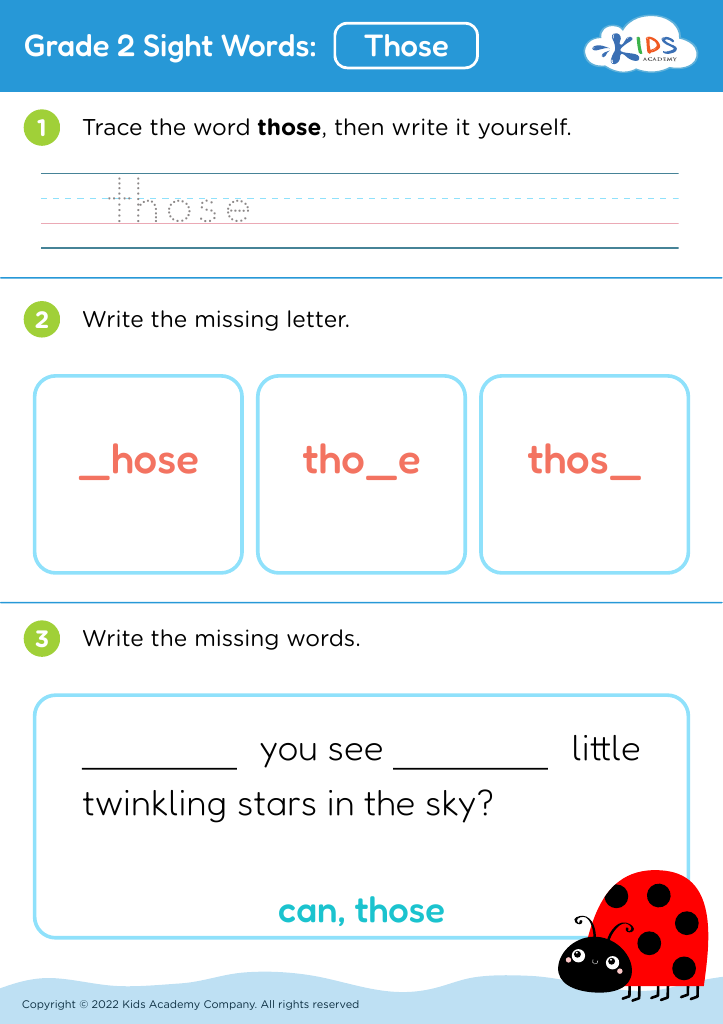
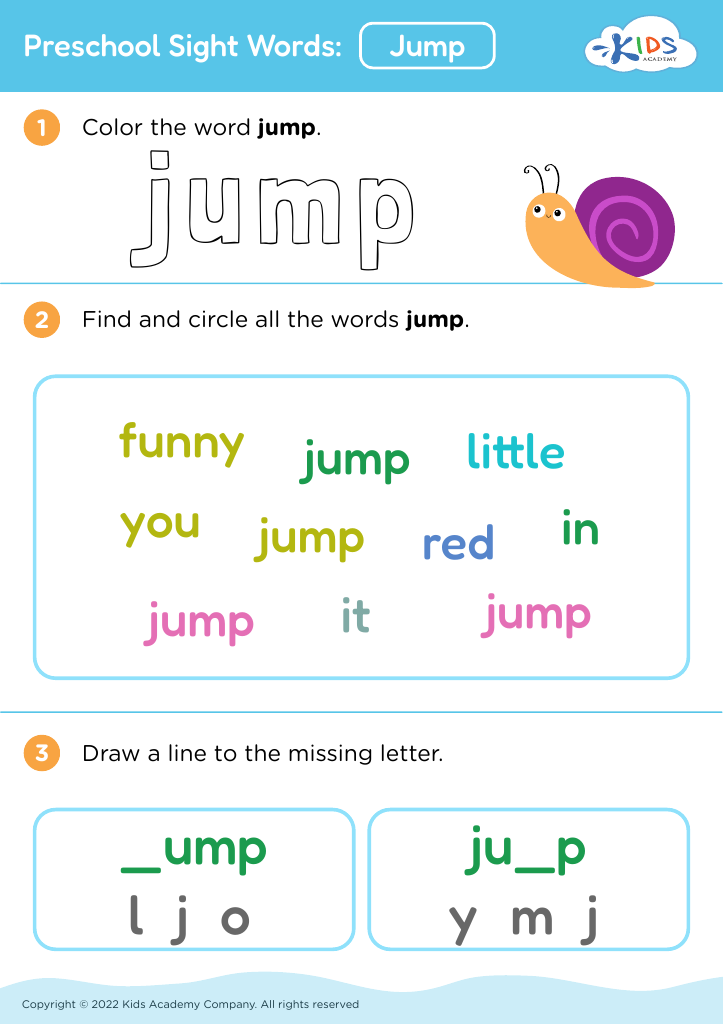


.jpg)





Fine motor skills are essential for children's overall development and learning, particularly in tasks such as writing, drawing, and other classroom activities. Parents and teachers should prioritize fostering these skills, as they are foundational for literacy and reading proficiency. When children develop fine motor skills, they gain better control over tools like pencils, scissors, and paper, which enhances their ability to engage in written language activities crucial for reading readiness.
These skills also support cognitive development. For instance, manipulating small objects not only strengthens hand-eye coordination but also encourages problem-solving and critical thinking. Moreover, exploring textures and engaging in crafts boosts children's sensory integration, which is linked to their ability to decode words and comprehend text.
By promoting fine motor skills, educators and parents equip children with the capabilities to express themselves creatively through writing, thereby building a stronger connection to literacy. Trust in the child's ability to fine-tune these skills leads to higher self-esteem and motivation to engage with reading. Ultimately, investing time in developing fine motor skills serves as a vital stepping stone towards a child's academic success, making it imperative for parents and teachers to work collaboratively in this effort.








