Numerical problem solving Reading Worksheets
3 filtered results
-
From - To
Explore our engaging Numerical Problem Solving Reading Worksheets, specifically designed to enhance children's math and reading skills simultaneously. Each worksheet provides a fun and interactive experience by integrating captivating stories with challenging numerical problems. Students will develop critical thinking, logical reasoning, and comprehension abilities as they decode word problems and apply mathematical concepts. Ideal for early learners, these worksheets offer a balanced approach to learning, fostering both literacy and numeracy development. Elevate your child's educational journey with Kids Academy's carefully crafted resources that make learning enjoyable and effective. Visit Kids Academy for more exciting materials.
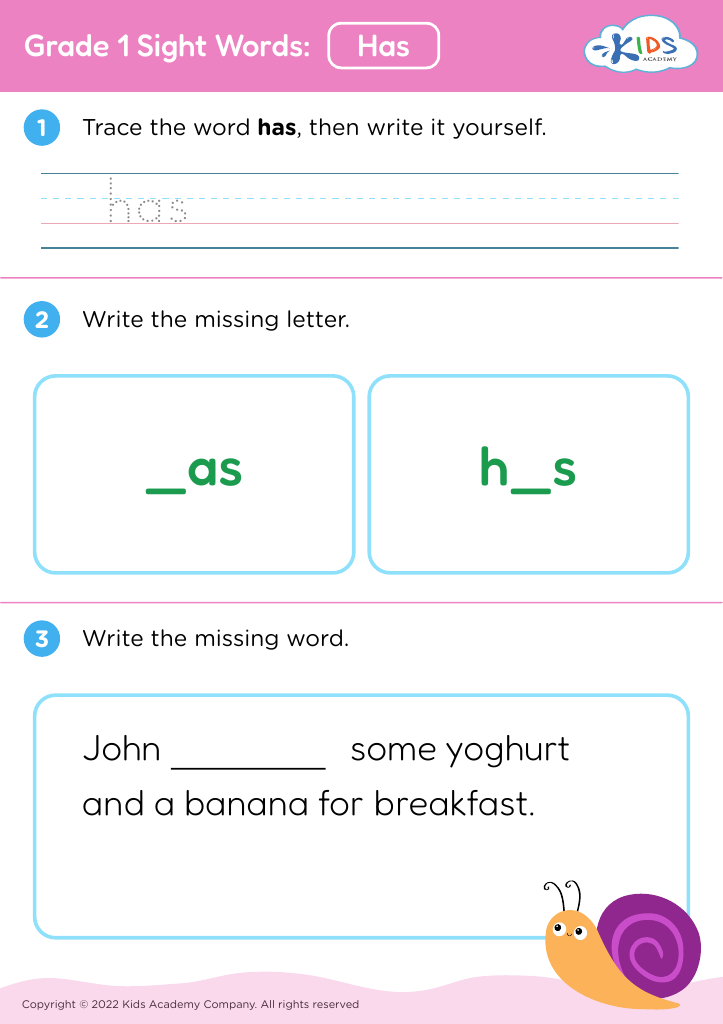
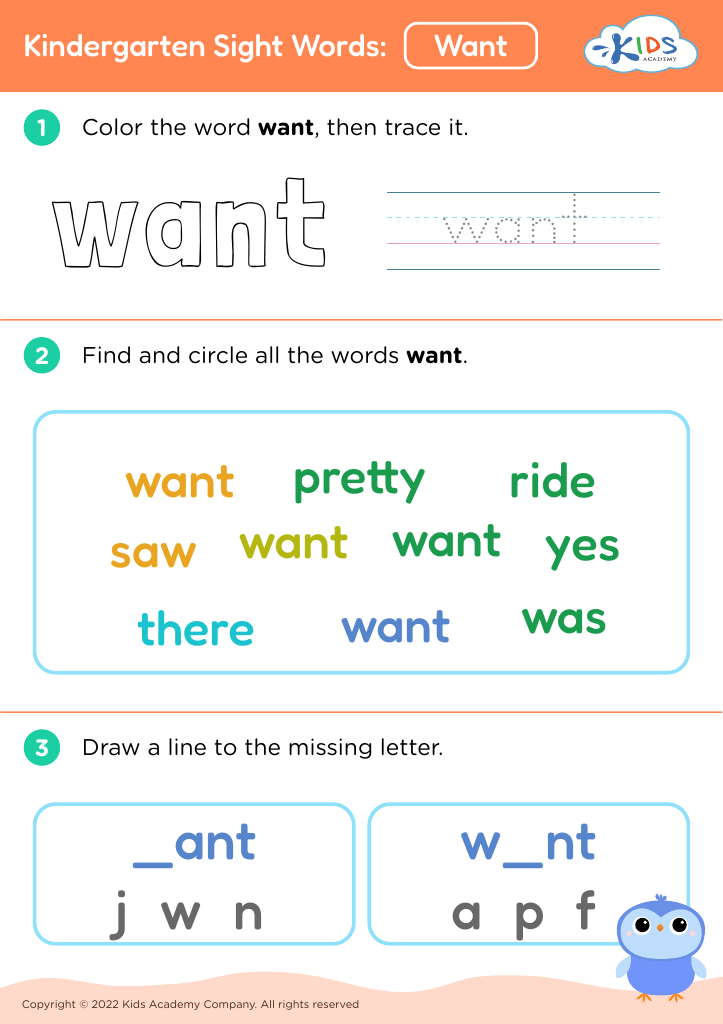
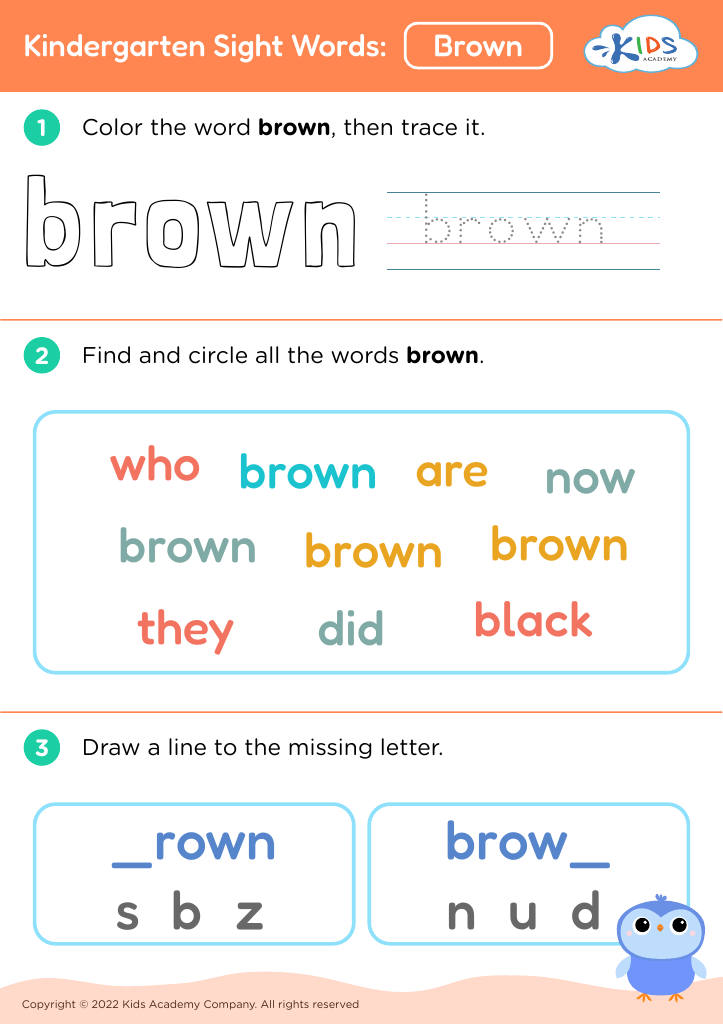








Parents and teachers should deeply care about numerical problem-solving reading because it goes beyond mere number crunching and cultivates crucial life skills. Firstly, numerical problem-solving encourages critical thinking. Children learn to analyze, strategize, and apply logical processes to find solutions, extending these skills to other academic disciplines and real-life situations.
Secondly, this type of learning is foundational for future academic success and career opportunities. Proficiency in numerical problem-solving early on paves the way for advanced study in science, technology, engineering, and mathematics (STEM)—fields that are increasingly in demand.
Thirdly, comfort with numbers enhances financial literacy, empowering children to make informed financial decisions as adults. They become adept at budgeting, saving, and investing, essential skills for personal financial well-being.
Moreover, numerical literacy builds confidence. When children understand numbers and use them effectively, their academic self-esteem grows, motivating them to tackle other challenging subjects.
Engaging young learners in numerical problem-solving also encourages a growth mindset. They learn that persistence and effort can improve mathematical ability, fostering resilience.
Lastly, numerical problem-solving reading often involves collaborative activities, promoting teamwork. When students solve problems together, they develop communication and social skills. Therefore, caring about numerical problem-solving isn’t just about mathematics—it’s an investment in a child's holistic future development.








