Problem-Solving Skills Reading Worksheets - Page 2
47 filtered results
-
From - To
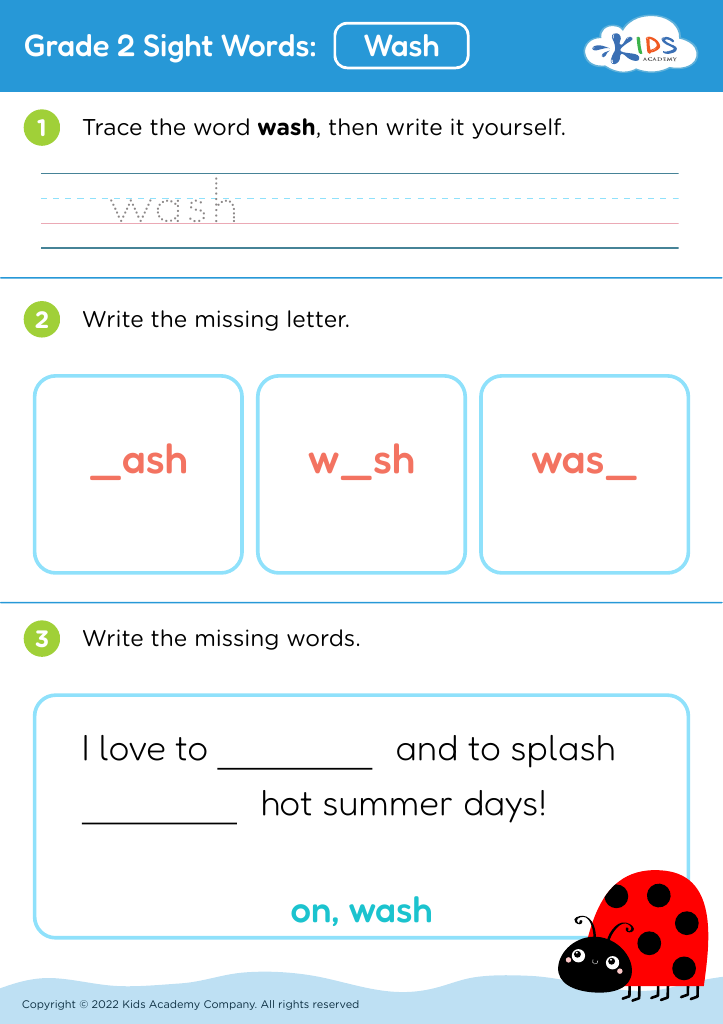
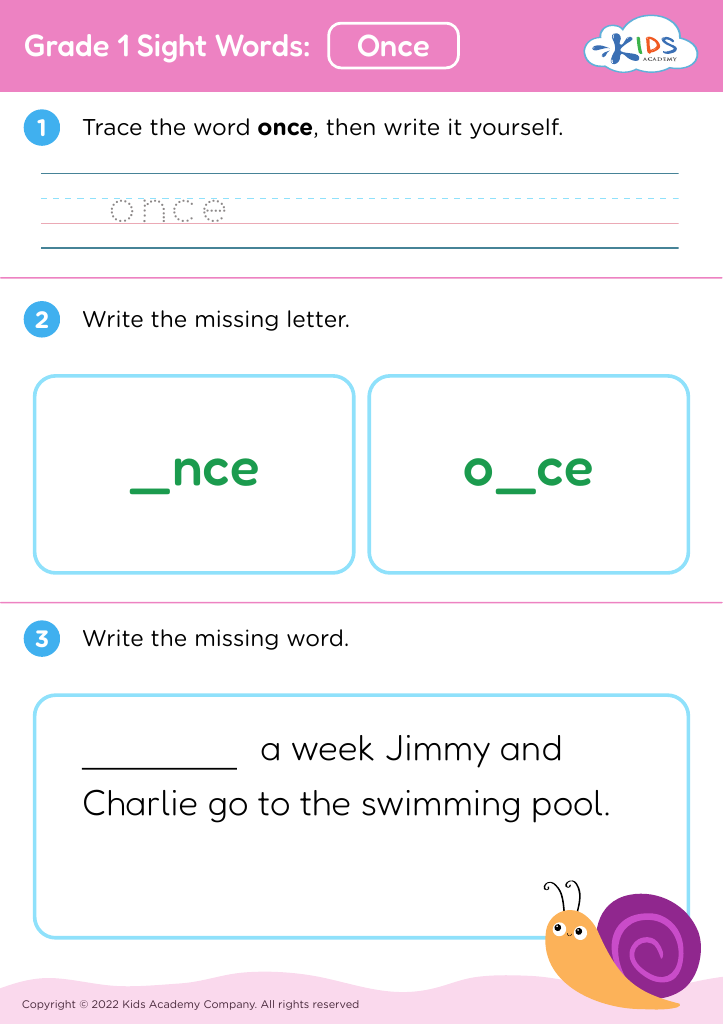
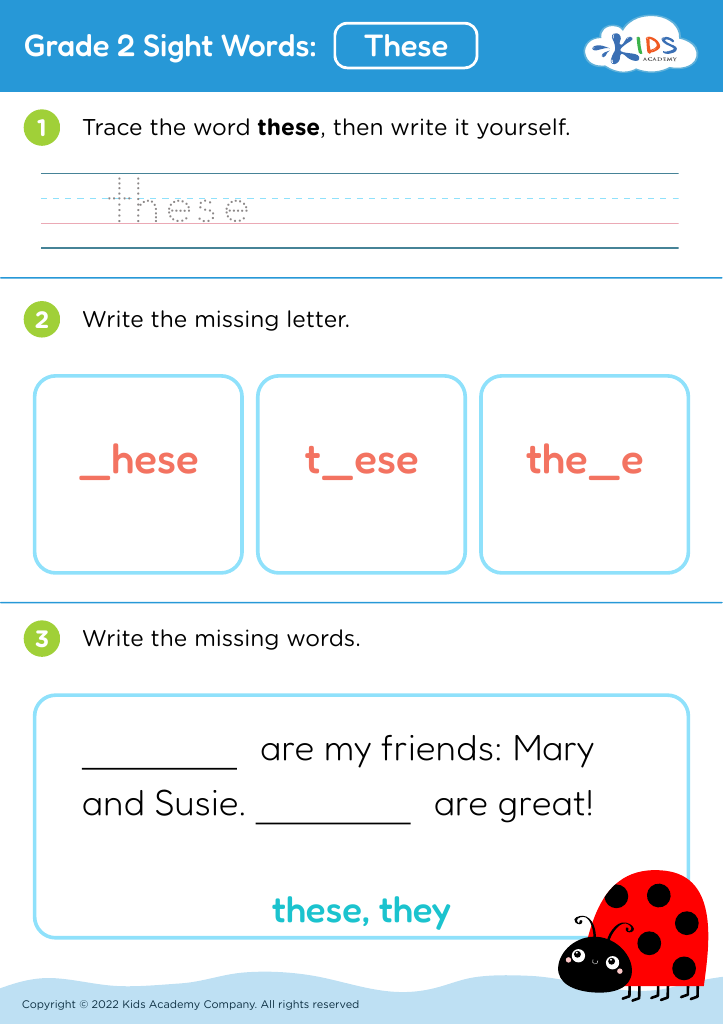
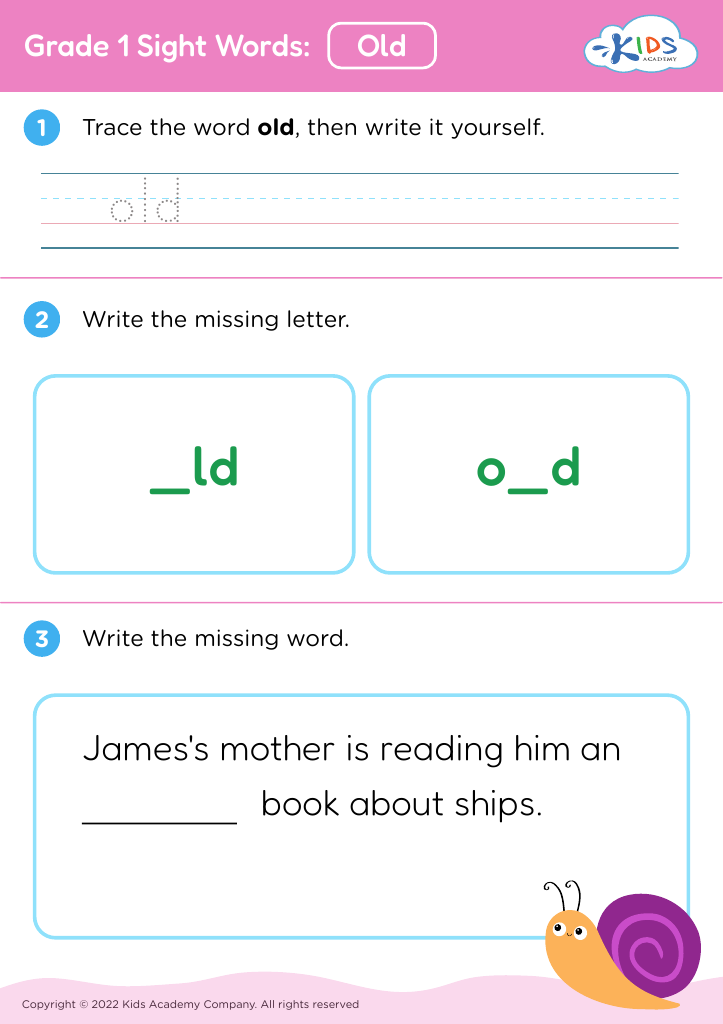
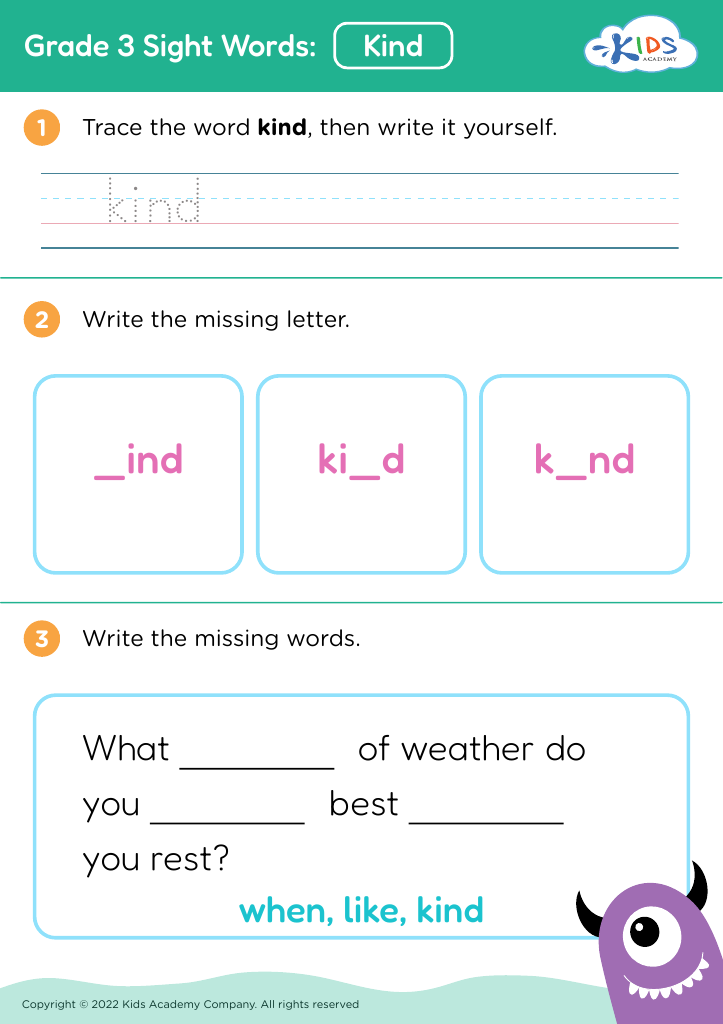
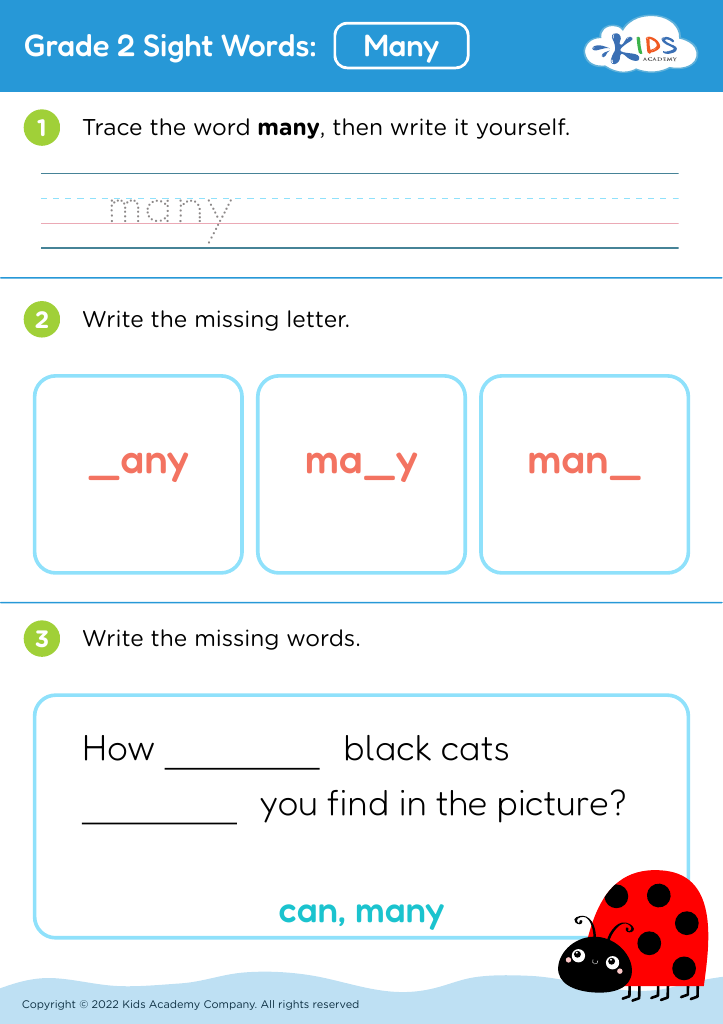
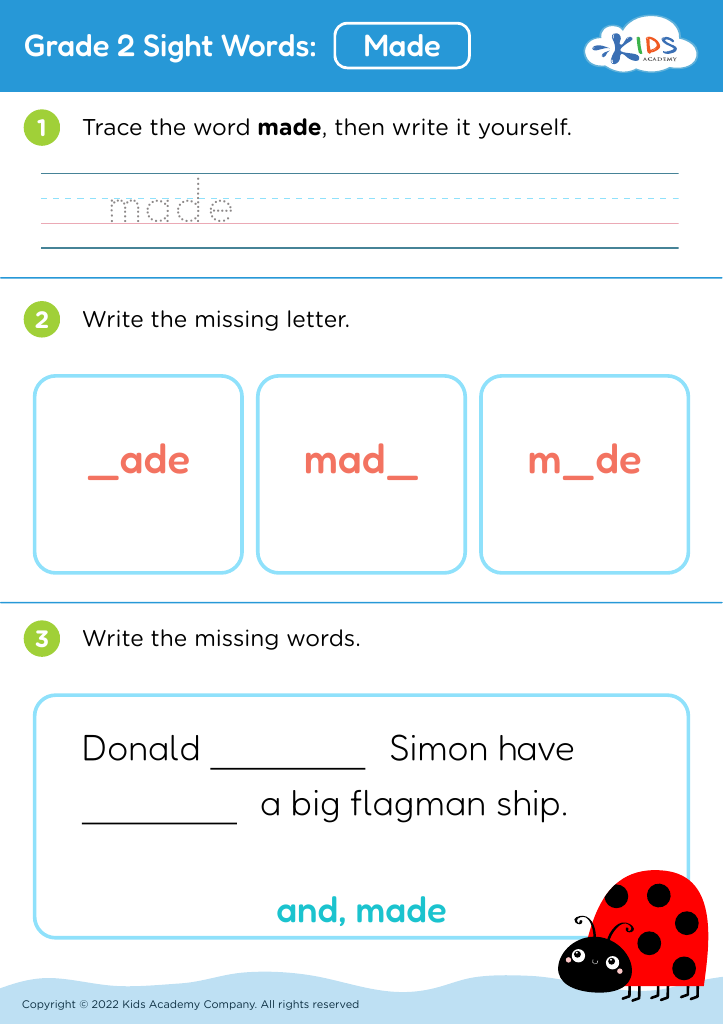
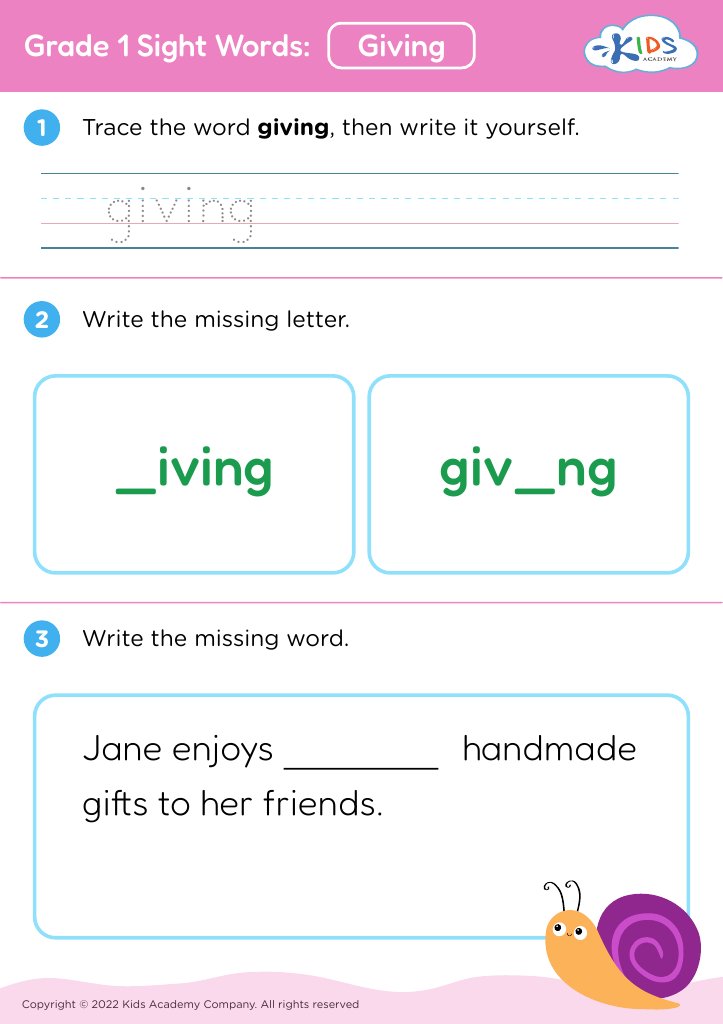
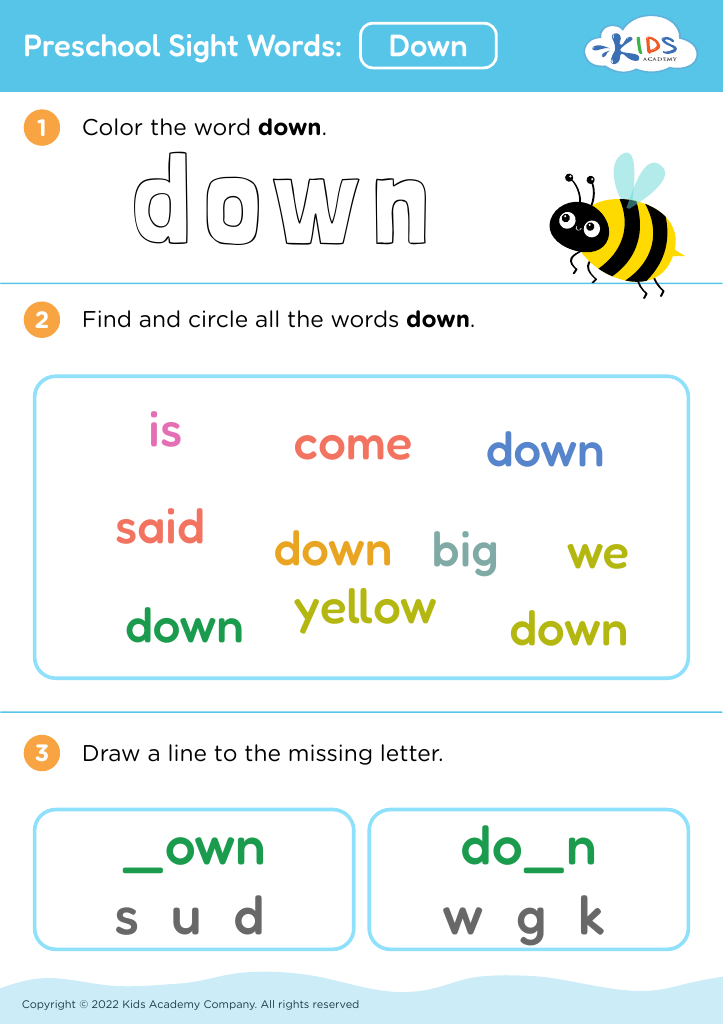
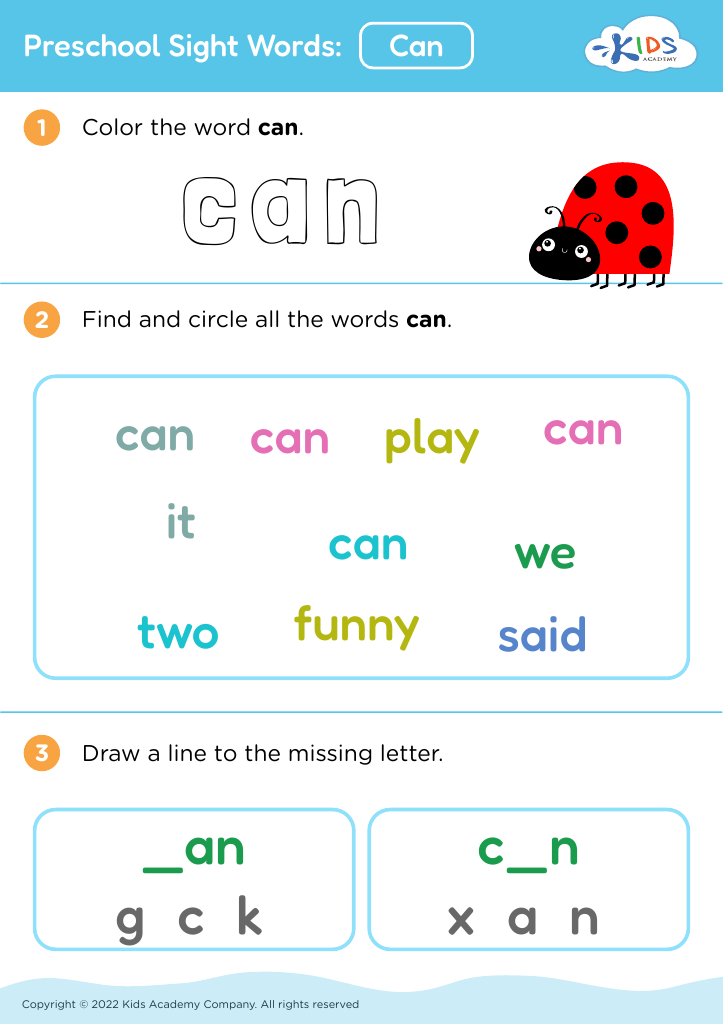
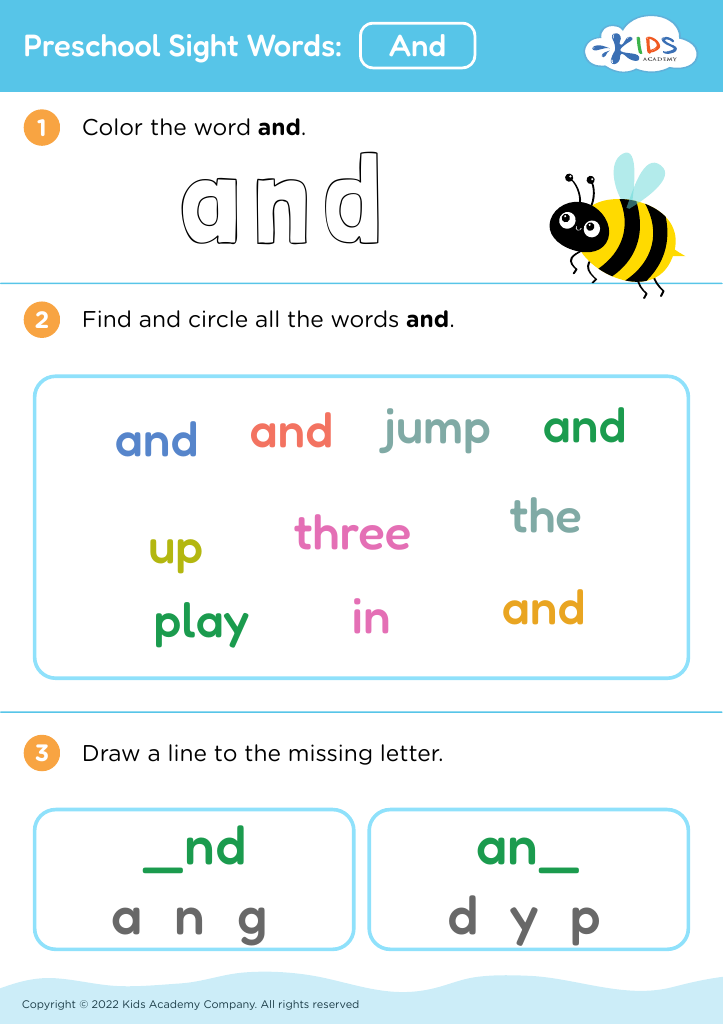
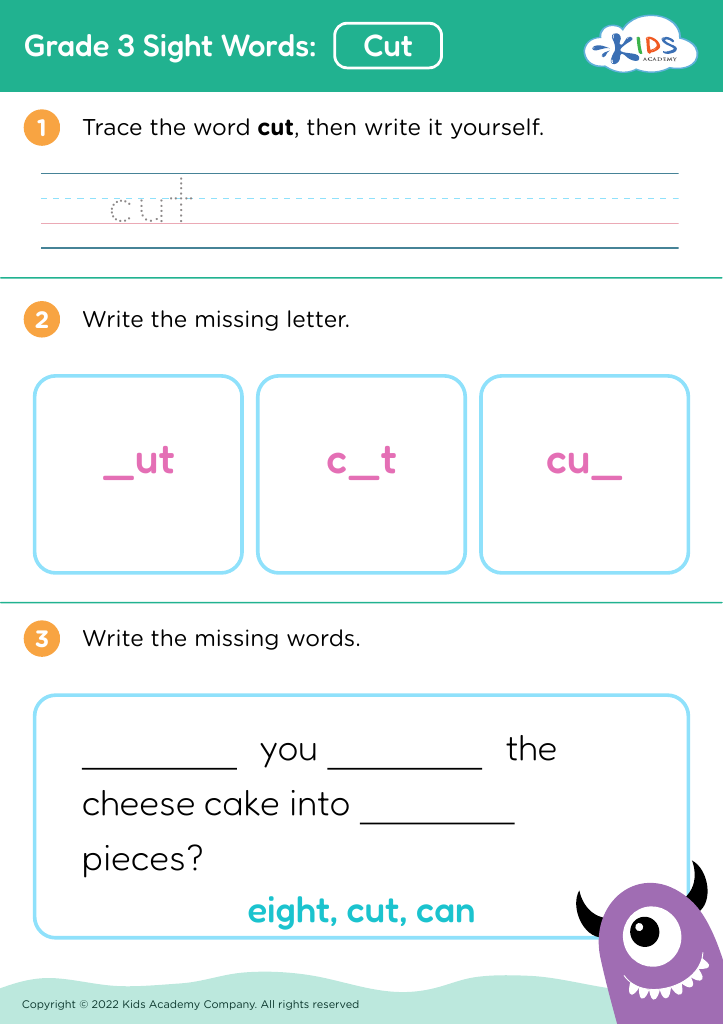
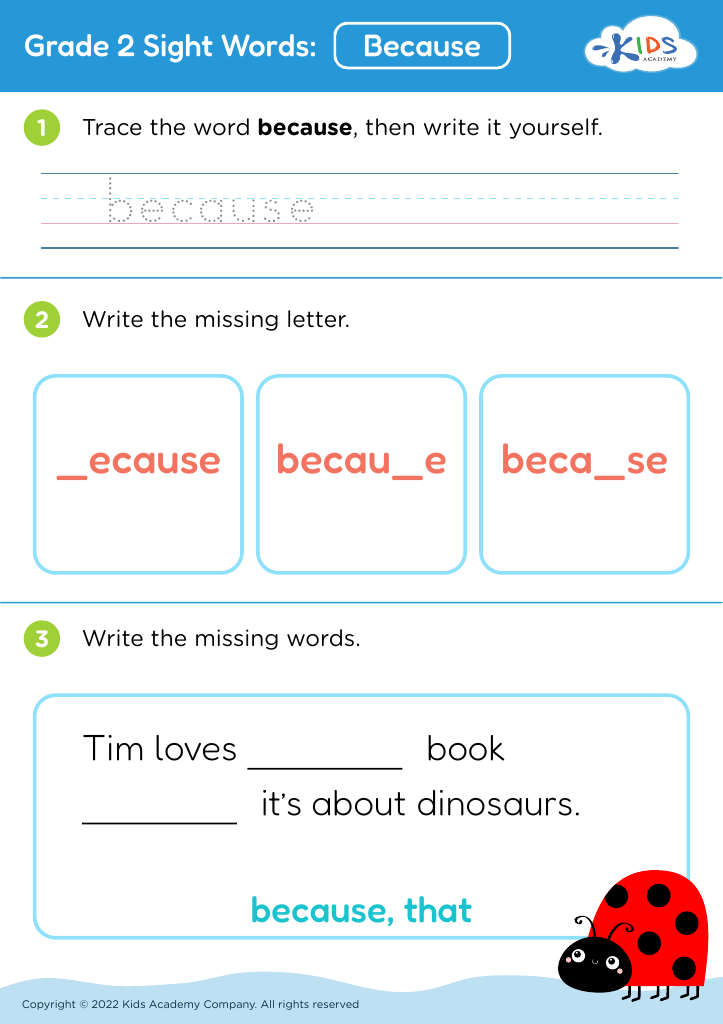
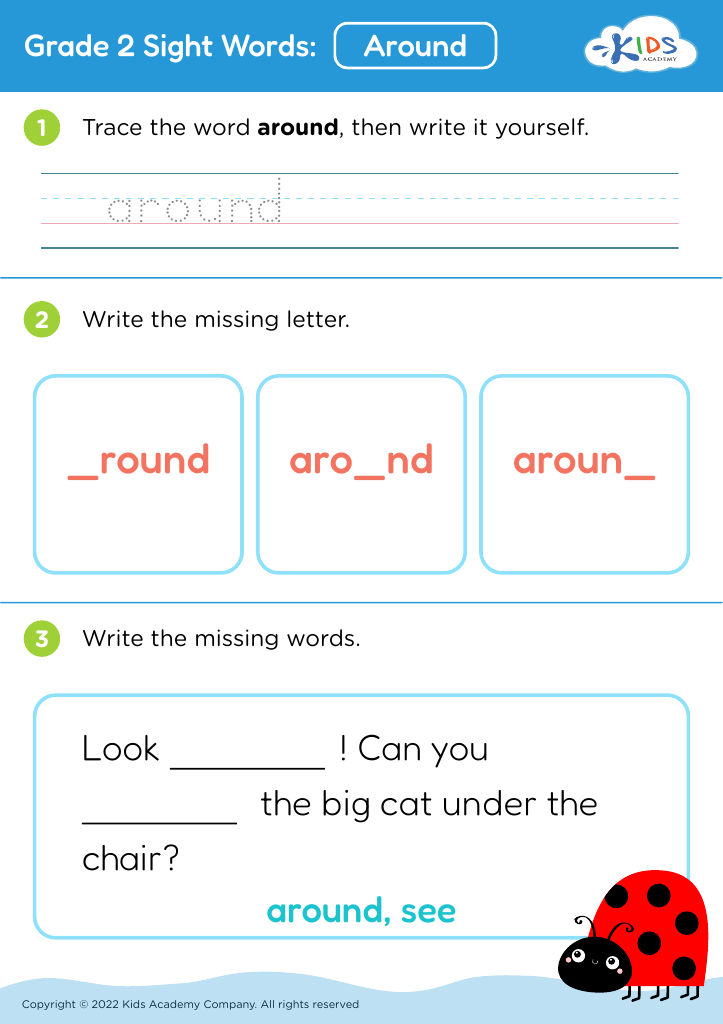
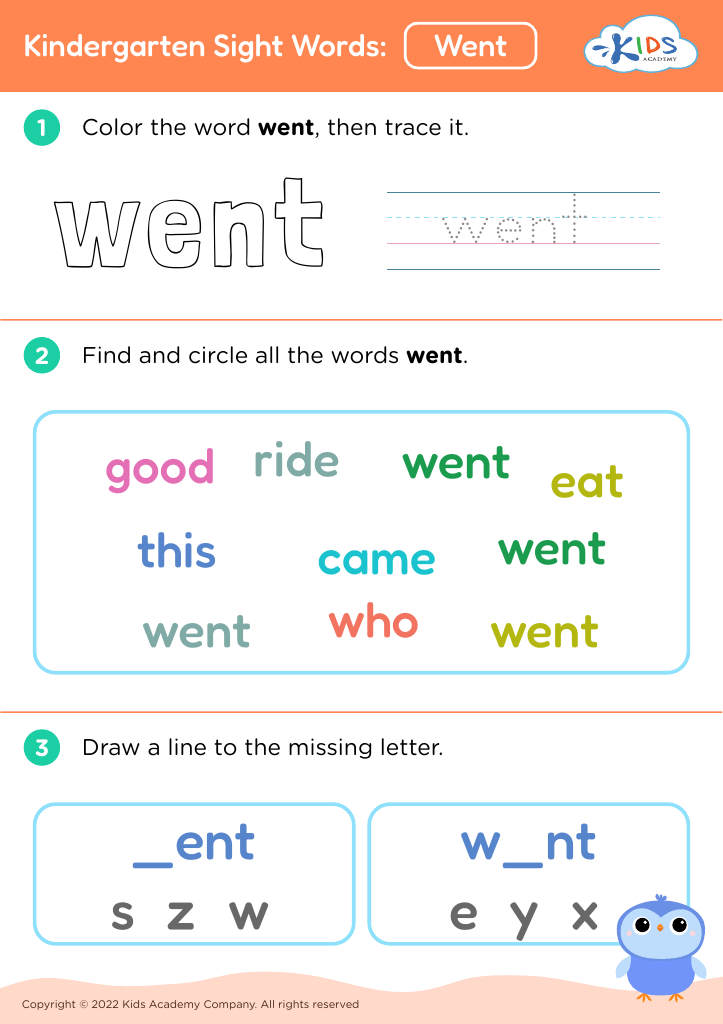
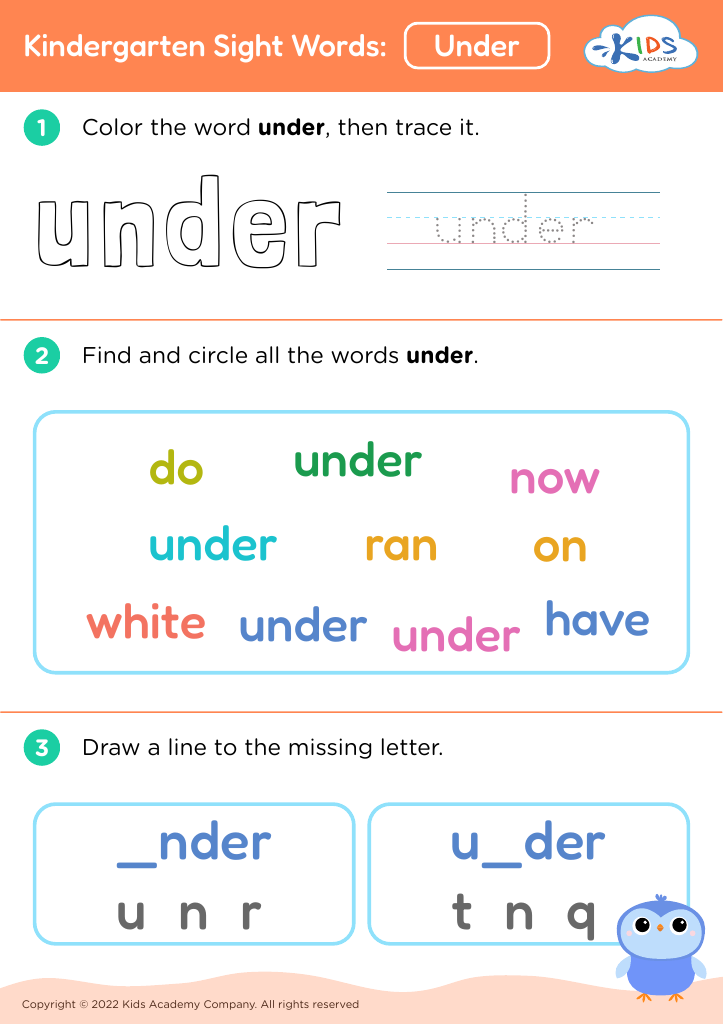
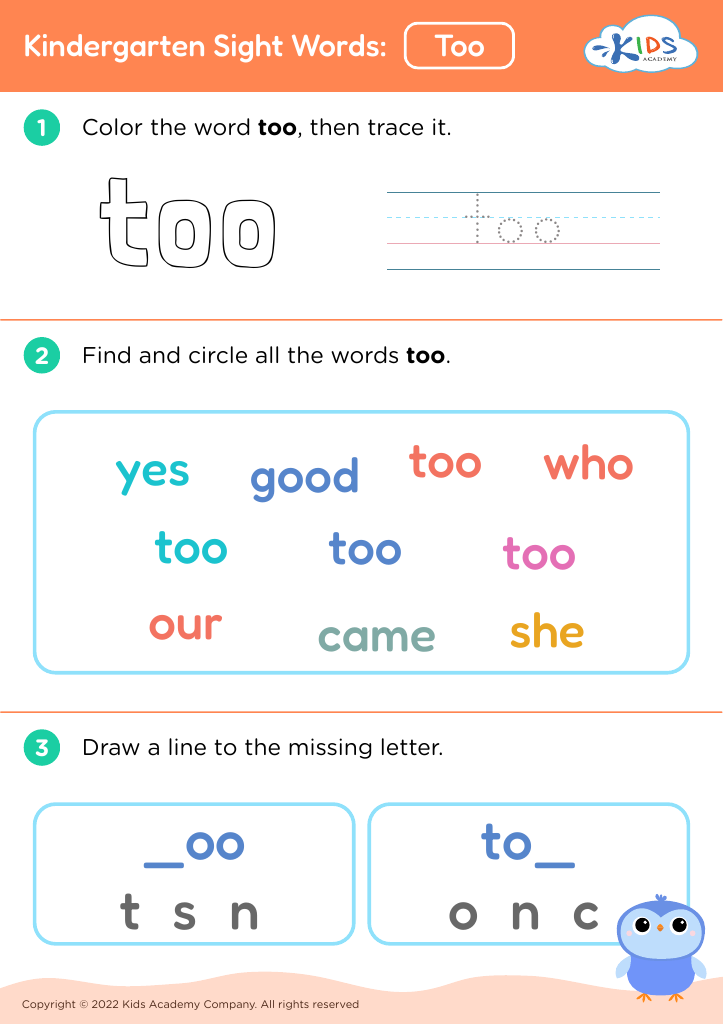
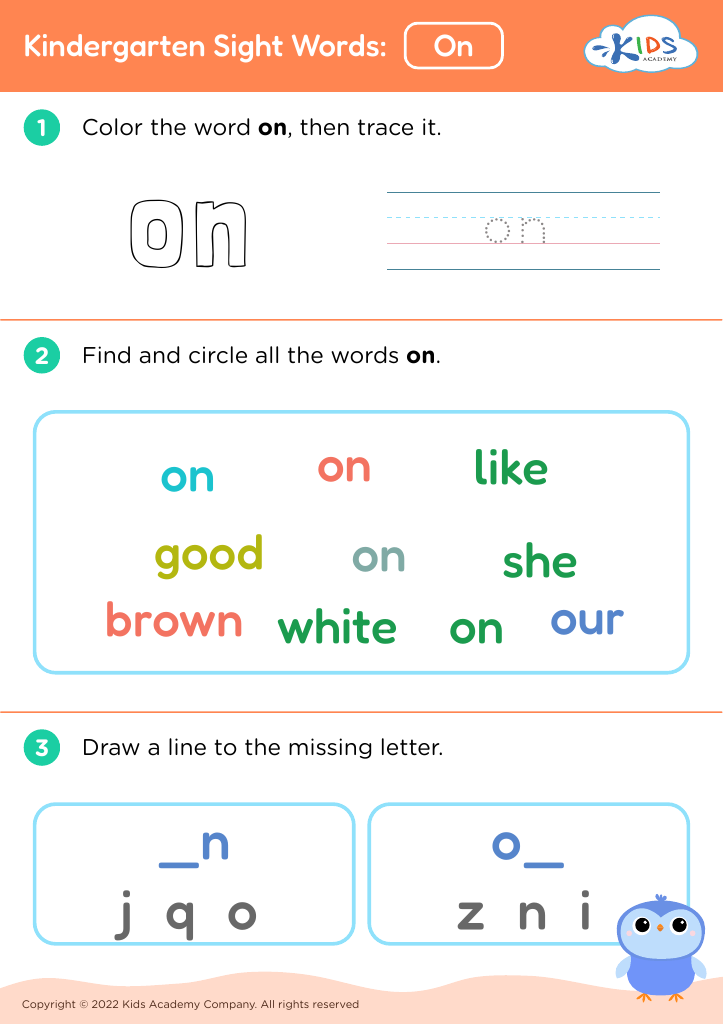
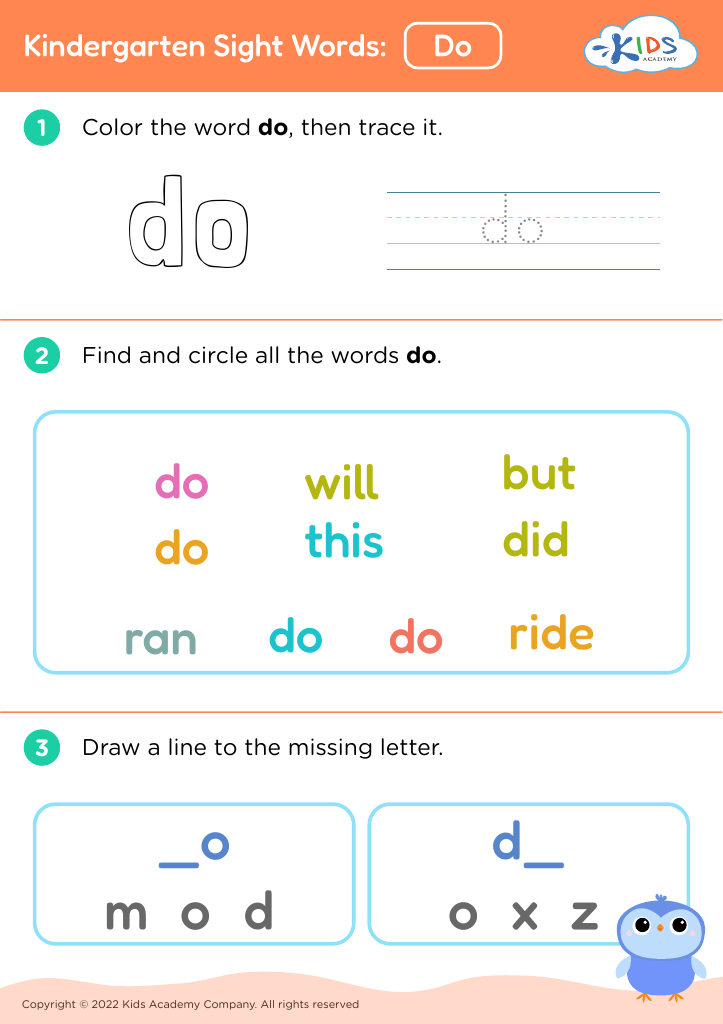
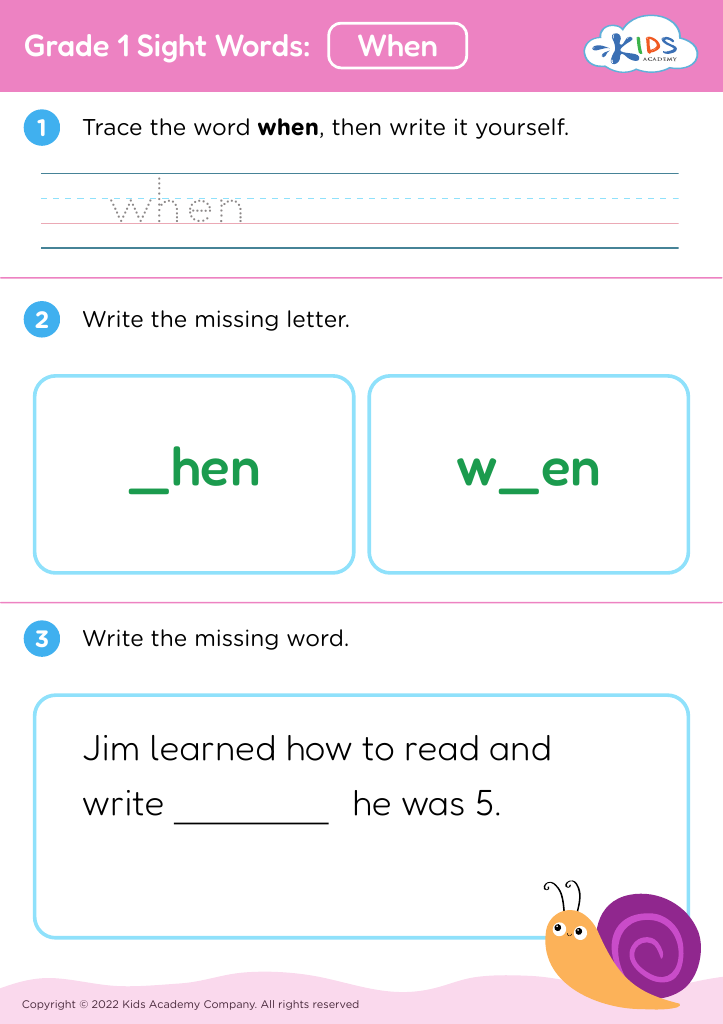







Parents and teachers should care about Problem-Solving Skills Reading because it fosters critical thinking and independence in children. By engaging with text-based problems, children learn to analyze information, identify key issues, and develop strategies to find solutions. This process enhances cognitive abilities, such as logical reasoning and comprehension, which are crucial across all academic subjects and real-life situations.
Moreover, problem-solving skills are foundational for lifelong learning. When children practice these skills early, they acquire a toolkit that serves them in complex scenarios both in school and beyond. It encourages them to ask questions, seek out resources, and be resilient when facing challenges — qualities vital for personal and professional success.
Reading comprehension tied to problem-solving also improves literacy, as students learn to process and interpret information more effectively. This, in turn, boosts their confidence and motivation to explore new topics and ideas, fostering a love for learning.
Therefore, integrating problem-solving into reading activities builds not just academic skills but also emotional and social aptitude. These comprehensive benefits underscore the importance for parents and teachers to prioritize and nurture problem-solving skills through reading from an early age.








