
Recognizing numbers Reading Worksheets
3 filtered results
Difficulty Level
Grade
Age
-
From - To
Subject
Activity
Standards
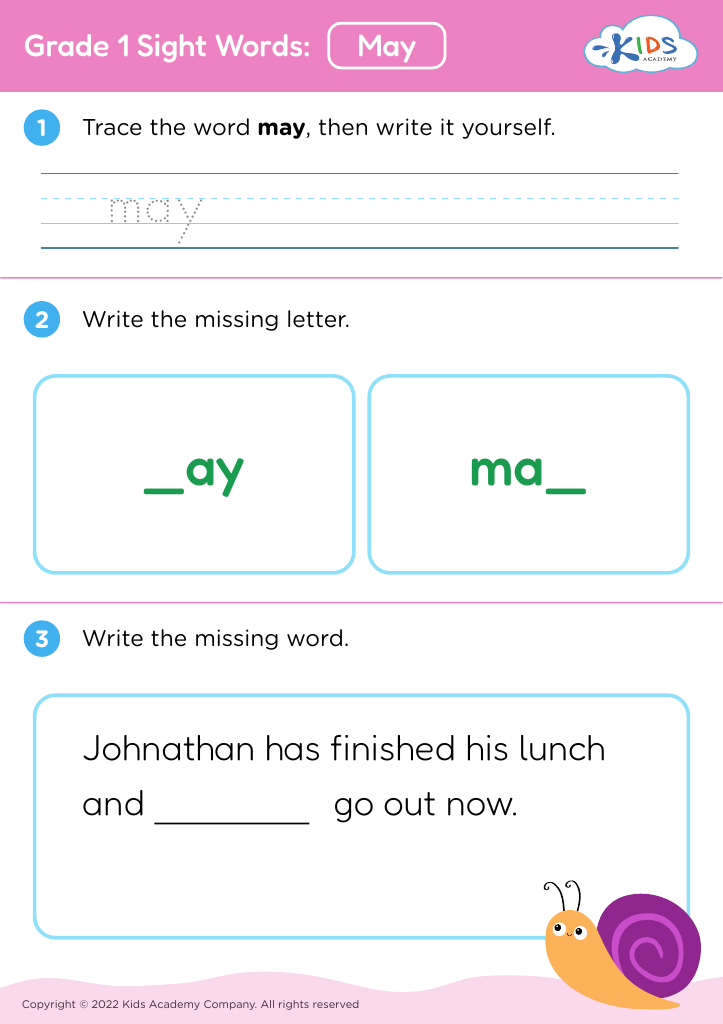
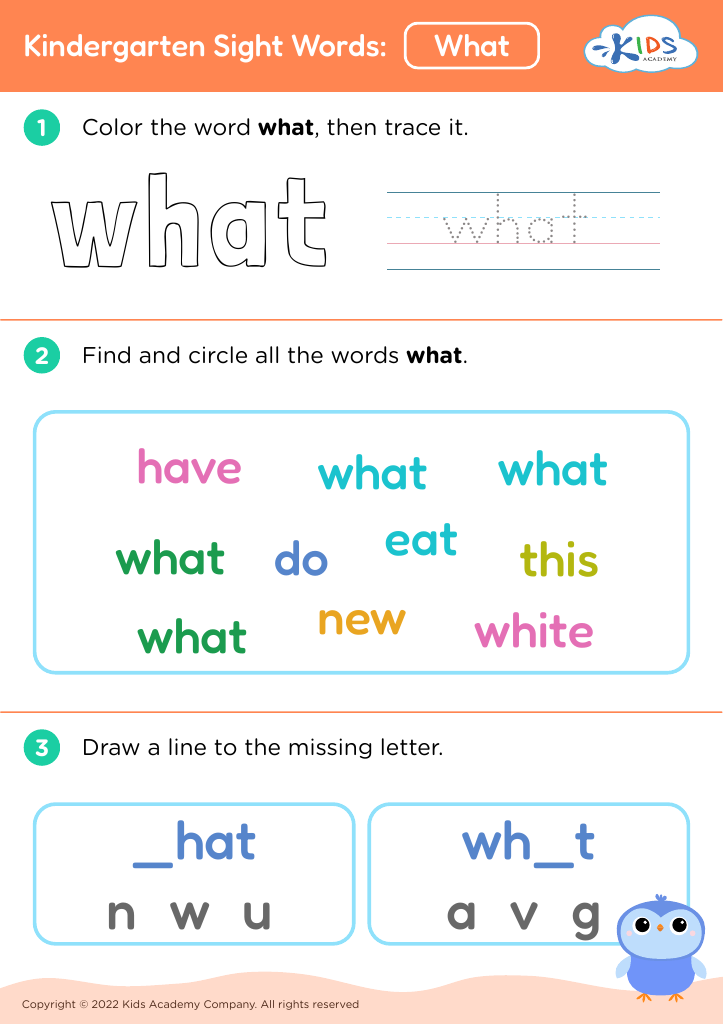
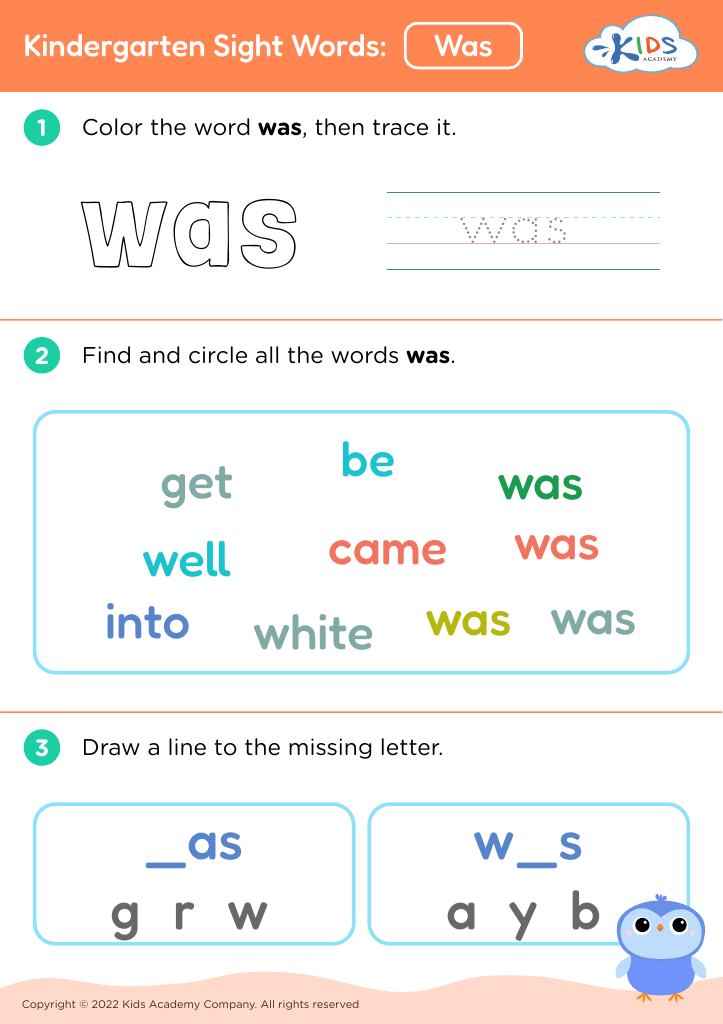
Enhance your孩子's learning with our "Recognizing Numbers Reading Worksheets." Designed to develop essential math skills, these engaging worksheets help young learners identify and understand numbers in a fun and interactive way. Each worksheet features colorful illustrations, relatable themes, and a variety of activities tailored to different learning styles. As children practice recognizing numbers through tracing, coloring, and counting exercises, they build a strong foundation for future mathematical concepts. Suitable for preschool and early elementary students, these worksheets are a great resource for parents and teachers seeking to boost number recognition skills. Download now and watch your孩子's confidence grow!
Favorites
With answer key
Interactive
Join Kids Academy for Free
Who is primarily going to use this learning content?







Recognizing numbers is a fundamental skill that lays the foundation for mathematical understanding and everyday functioning. Parents and teachers should care about this vital skill because it not only contributes to academic success but also fosters confidence in young learners. Early recognition of numbers aids in building a child’s ability to engage with basic arithmetic, problem-solving, and logical reasoning, which are crucial for later stages of education.
Additionally, number recognition enhances a child’s practical skills in life outside the classroom. Tasks as simple as reading prices, telling time, or counting objects are greatly influenced by a solid understanding of numbers. When parents and teachers prioritize number recognition, they are investing in a child’s overall cognitive development and independence.
Moreover, supporting children in recognizing numbers can stimulate interest in mathematics, transforming a subject often viewed with apprehension into one that can be enjoyable and rewarding. Engaging children with games, activities, and discussions around numbers helps create a positive association with math and learning in general. Collaborative efforts from both home and school environments foster a well-rounded understanding and can pave the way for lifelong skills essential for future academic and real-world challenges.








