Categorizing objects Science Worksheets
4 filtered results
-
From - To
Welcome to our Categorizing Objects Science Worksheets page, designed to engage young learners in the exciting world of science! These worksheets encourage students to sort and classify various items, enhancing their critical thinking and organizational skills. With fun and colorful activities, children will learn to group objects based on shared characteristics, promoting a deeper understanding of scientific concepts. Our printable resources cater to various learning styles and are suitable for home or classroom use. Ideal for early grade teachers and parents, these worksheets foster a sense of curiosity in children while building foundational skills essential for future learning. Start exploring today!
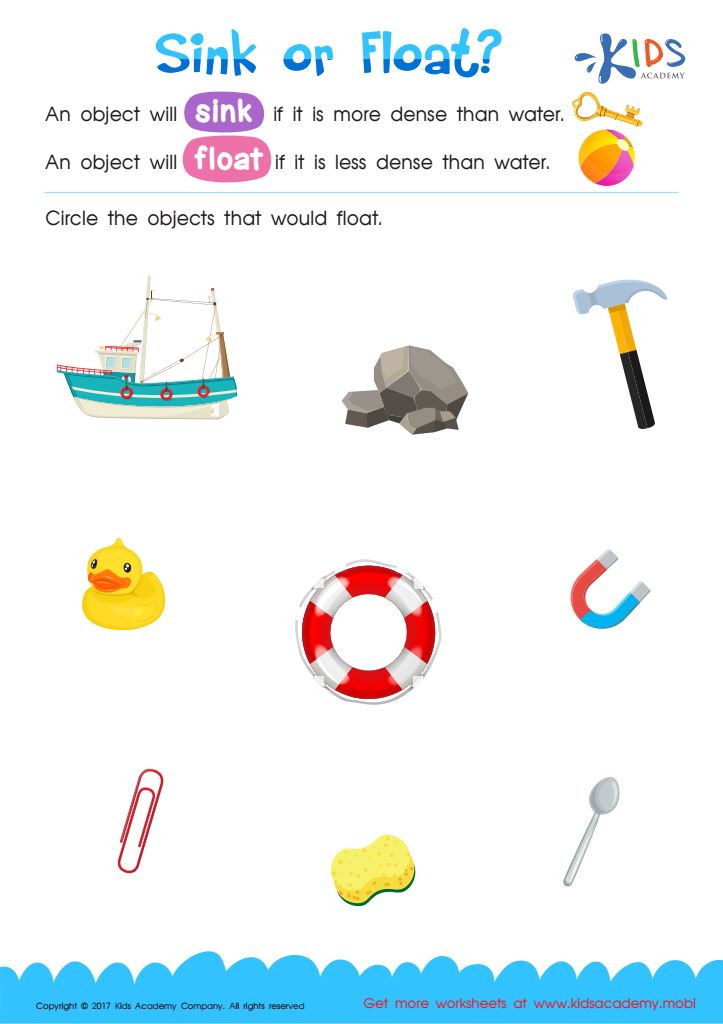
Sink or Float Printable
 Assign to My Students
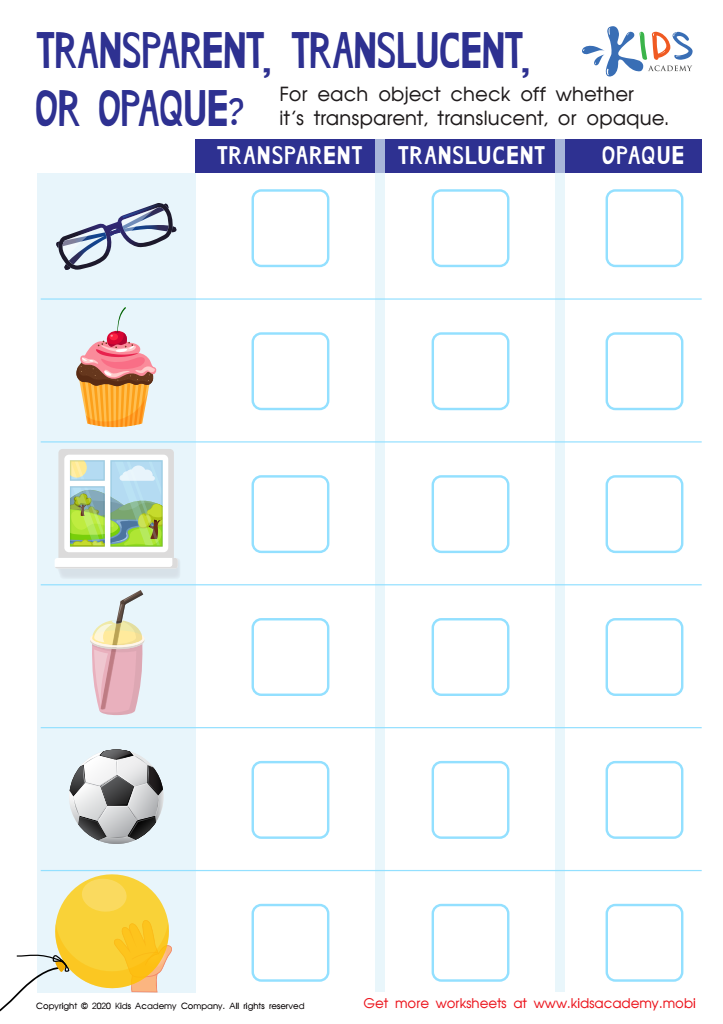
Transparent, Translucent, or Opaque Worksheet
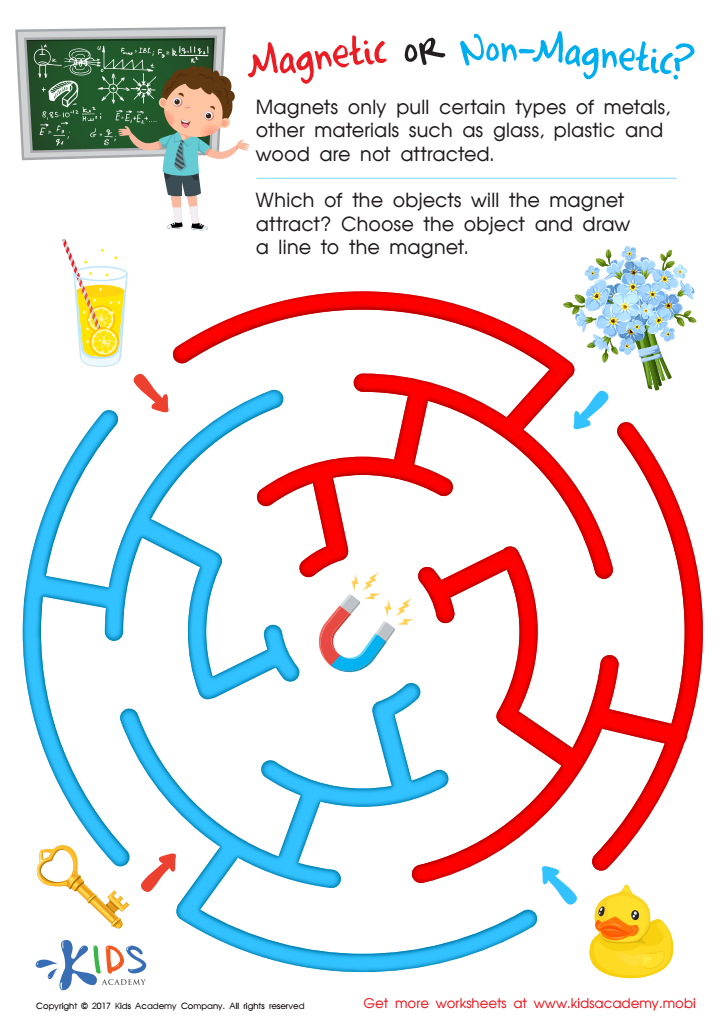
Magnetic or Non–Magnetic Worksheet
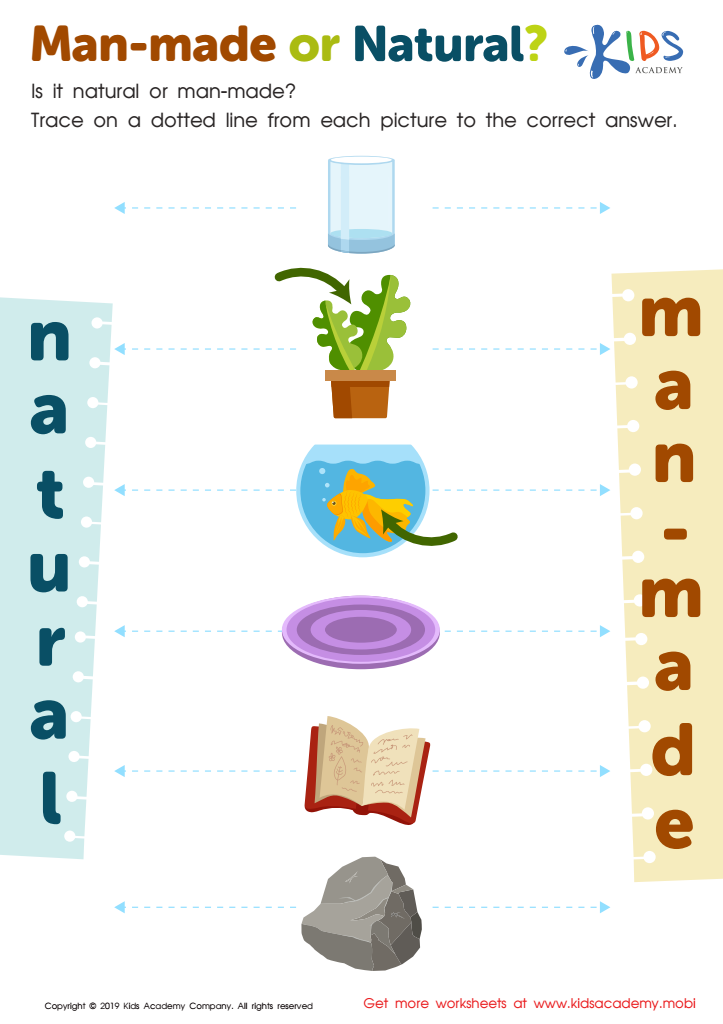
Man-Made or Natural? Worksheet


.jpg)



Categorizing objects is a fundamental aspect of early science education that serves as the foundation for critical thinking and cognitive development in children. When parents or teachers encourage students to classify objects, they help them develop essential skills such as observation, comparison, and reasoning. These skills are vital for stimulating curiosity and a deeper understanding of the world around them.
Categorization promotes logical thinking, as children learn to identify similarities and differences. This analytical skill not only aids in subjects like science but also enhances literacy and math capabilities. For instance, recognizing patterns in grouping can translate into better problem-solving skills.
Moreover, engaging in categorization activities, whether through sorting games or nature walks, fosters collaboration and communication among peers. This collaborative environment helps develop social skills while cultivating a sense of community and shared learning.
Additionally, the process nurtures creativity, as categorization is intertwined with the ability to create systems and structures. This creativity can lead to innovative thinking in various areas of life. Overall, by prioritizing the categorization of objects, parents and teachers play a pivotal role in nurturing well-rounded, critically thinking individuals ready to navigate and understand the complexities of their environment.







