Counting practice Science Worksheets
6 filtered results
-
From - To
Discover our engaging Counting Practice Science Worksheets designed to make learning fun and interactive for young learners! Ideal for early grade students, these worksheets integrate essential counting skills with fascinating science concepts. Kids will explore numbers while learning about nature, animals, and ecosystems. Our printable resources encourage hands-on practice, reinforcing mathematical understanding in a science context. Perfect for use at home or in the classroom, these worksheets foster critical thinking and a love for science. Download our Counting Practice Science Worksheets today and watch your child's confidence and curiosity grow as they master counting in exciting new ways!
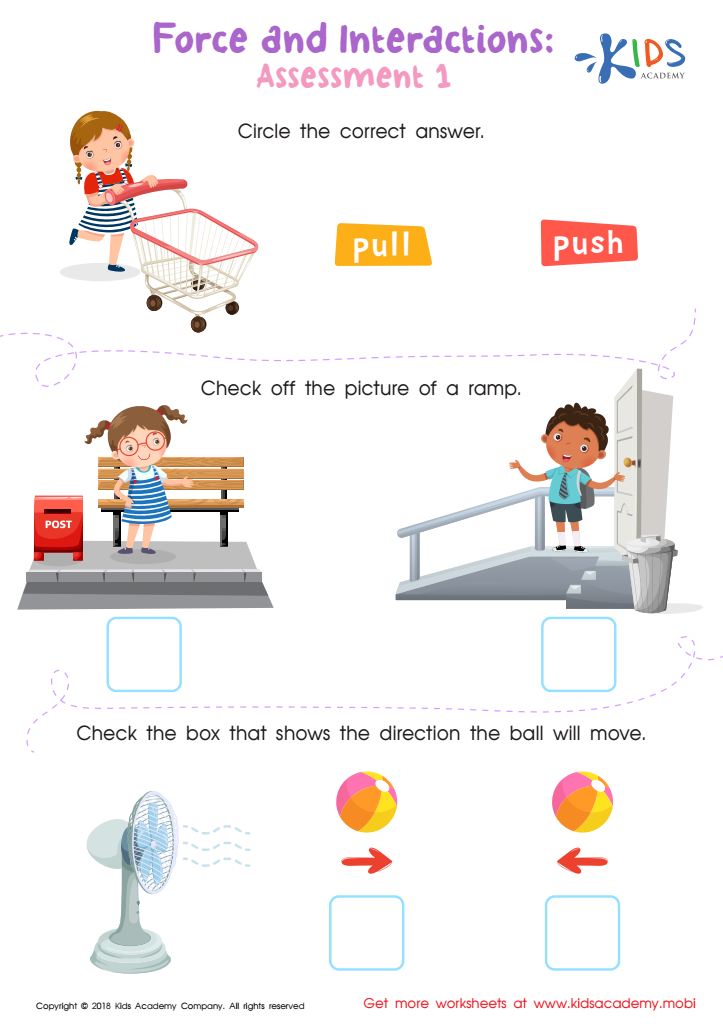
Force and Interactions: Assessment 1 Worksheet
 Assign to My Students
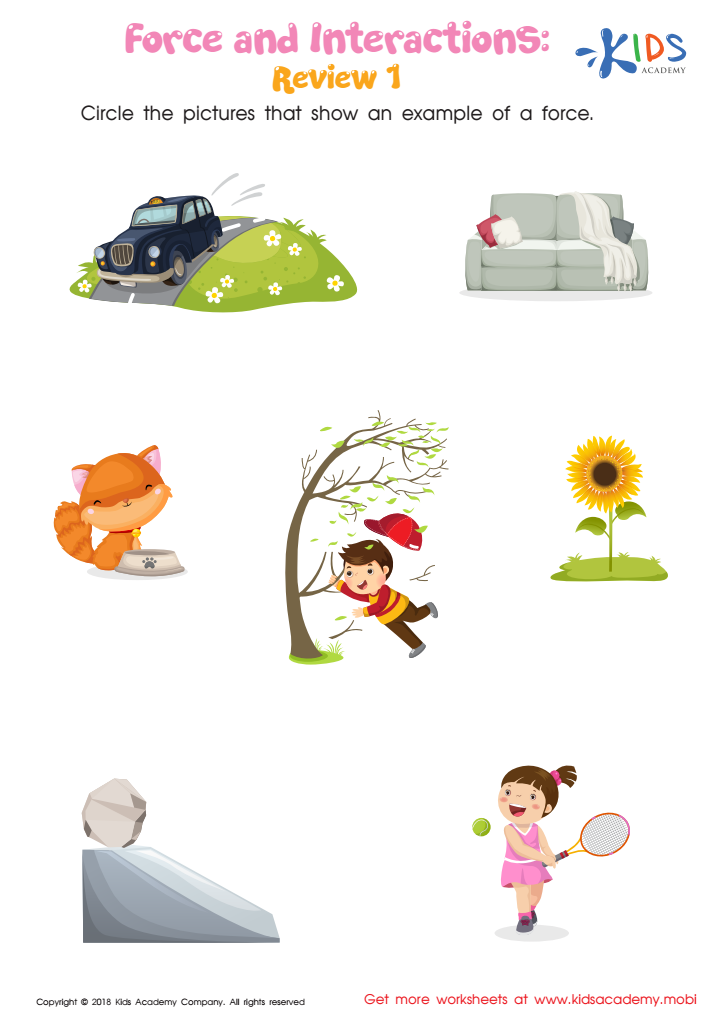
Force and Interactions: Review 1 Worksheet
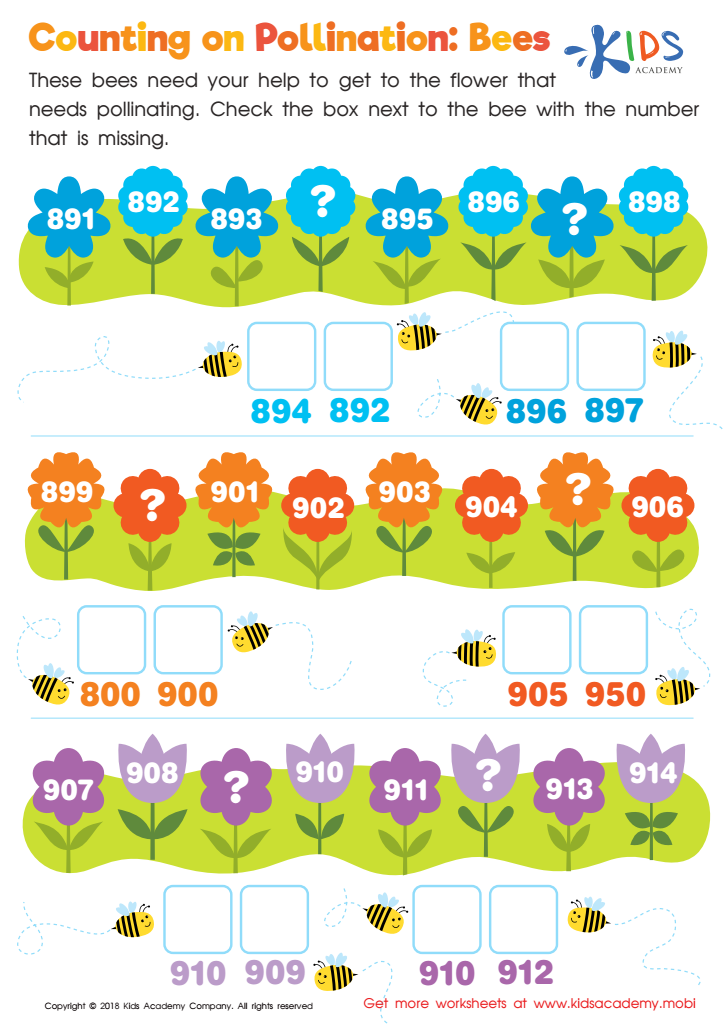
Counting on Pollination: Bees Worksheet
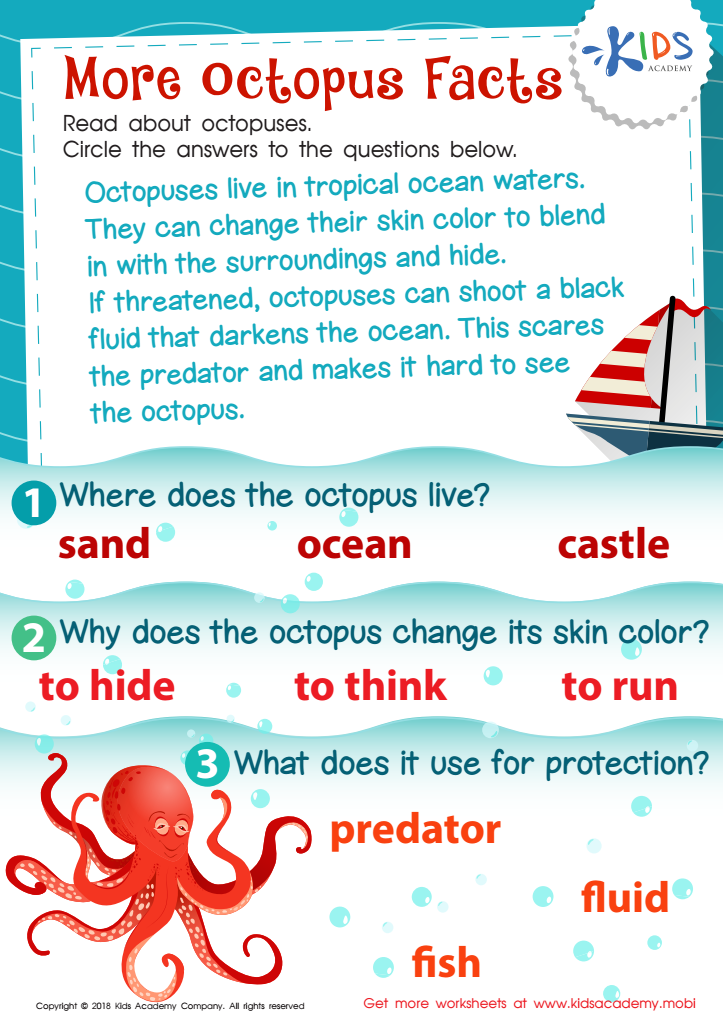
More Octopus Facts Worksheet
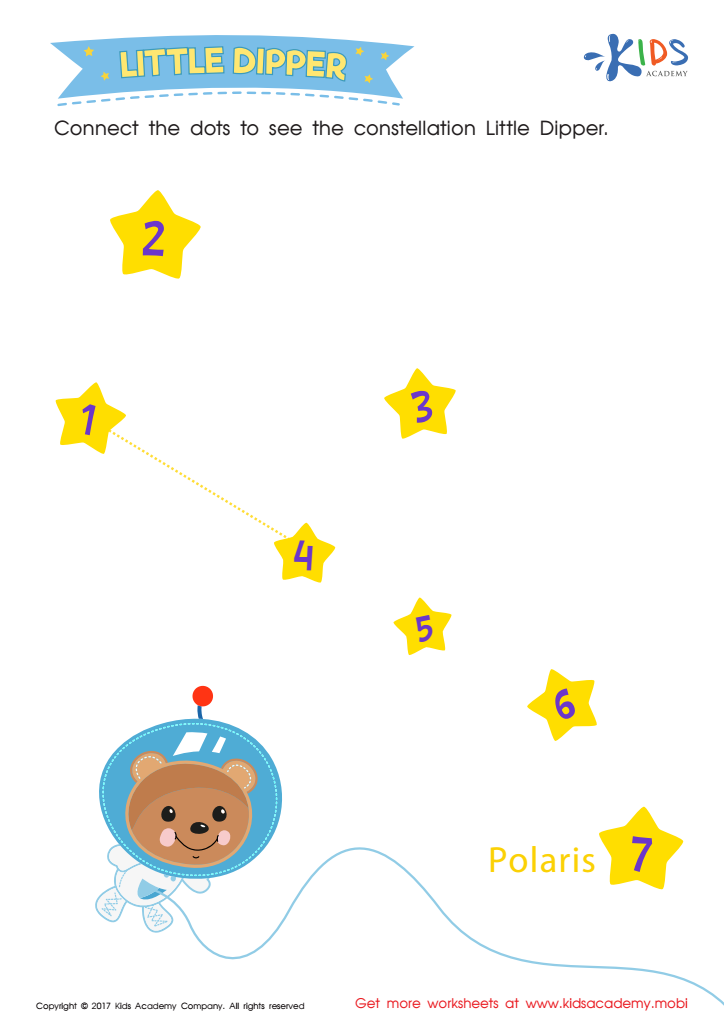
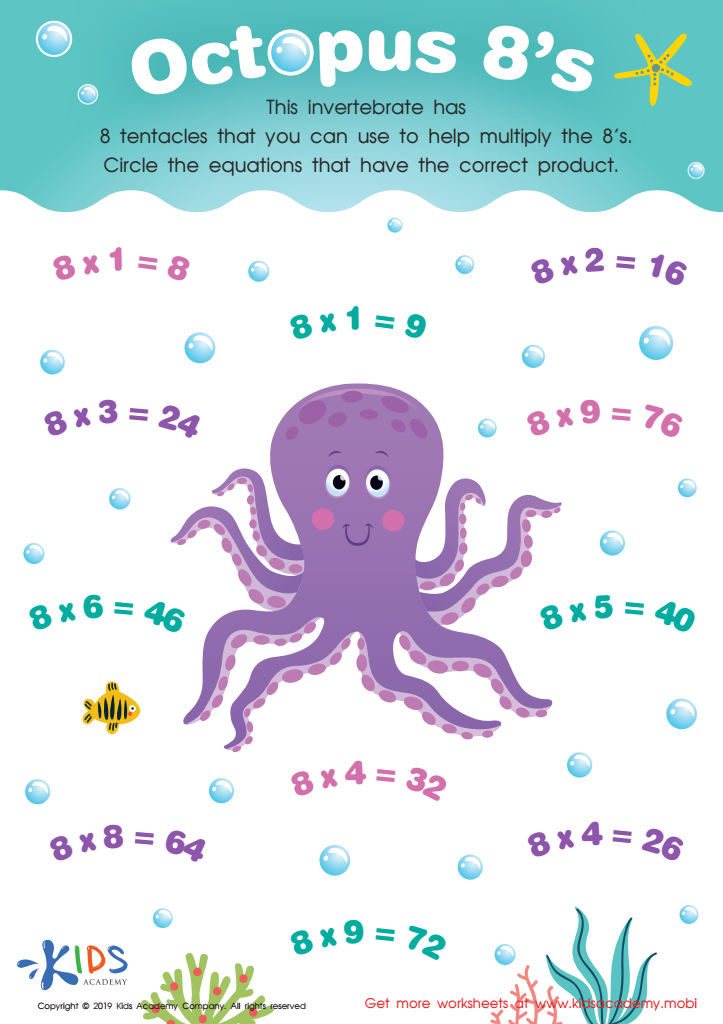
Octopus 8’s Worksheet








Parents and teachers should care about counting practice in science because it lays the foundation for critical thinking and problem-solving skills essential in understanding scientific concepts. Counting serves as a fundamental mathematical skill that underpins more complex operations, enabling students to engage in experiments, collect data, and analyze results effectively. For instance, when students count organisms in an experiment or compare quantities of materials, they acquire hands-on experience in observing natural phenomena.
Furthermore, engaging in counting activities fosters a love for science by making it interactive and accessible. Young learners learn to classify and organize information logically. Combining counting with scientific exploration helps develop an inquiry-based mindset, encouraging students to ask questions and seek answers. This early exposure also supports key cognitive development as students begin to see patterns, make predictions, and draw conclusions based on their observations.
Lastly, integrating counting practice into science nurtures a sense of curiosity and engagement, aligning with state educational standards in STEM fields. It instills essential quantitative literacy, which is increasingly important in our technology-driven world, ensuring students are well-prepared for future academic challenges and informed citizenship.







