Critical thinking skills Science Worksheets
13 filtered results
-
From - To
Enhance your child’s analytical abilities with our "Critical Thinking Skills Science Worksheets". Developed purposefully for young minds, these engaging resources strike a balance between fun and learning. Each worksheet is meticulously designed to evoke problem-solving skills, deep thinking, and scientific reasoning through interactive exercises and captivating challenges. From logical puzzles to creative tasks, these worksheets promote intellectual growth and a keen understanding of scientific concepts. Perfect for both homeschooling and classroom settings, these printables assist in building foundational skills vital for academic success. Equip your child with the tools to think critically and succeed in science with our comprehensive collection.

Protecting Our Homes Worksheet
 Assign to My Students
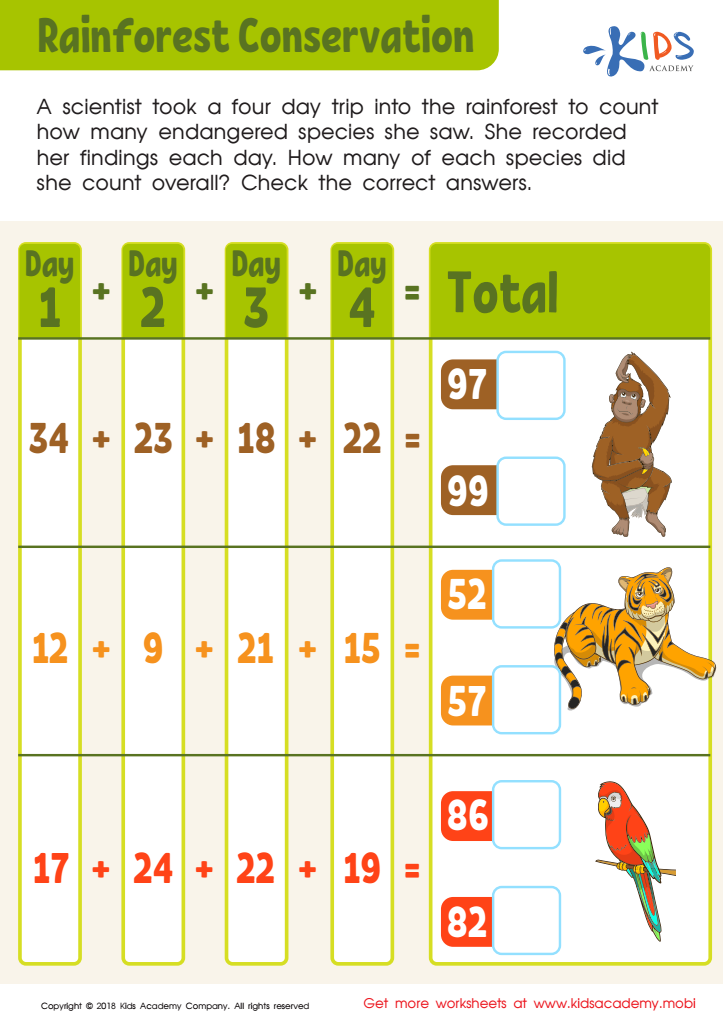
Rainforest Conservation Worksheet
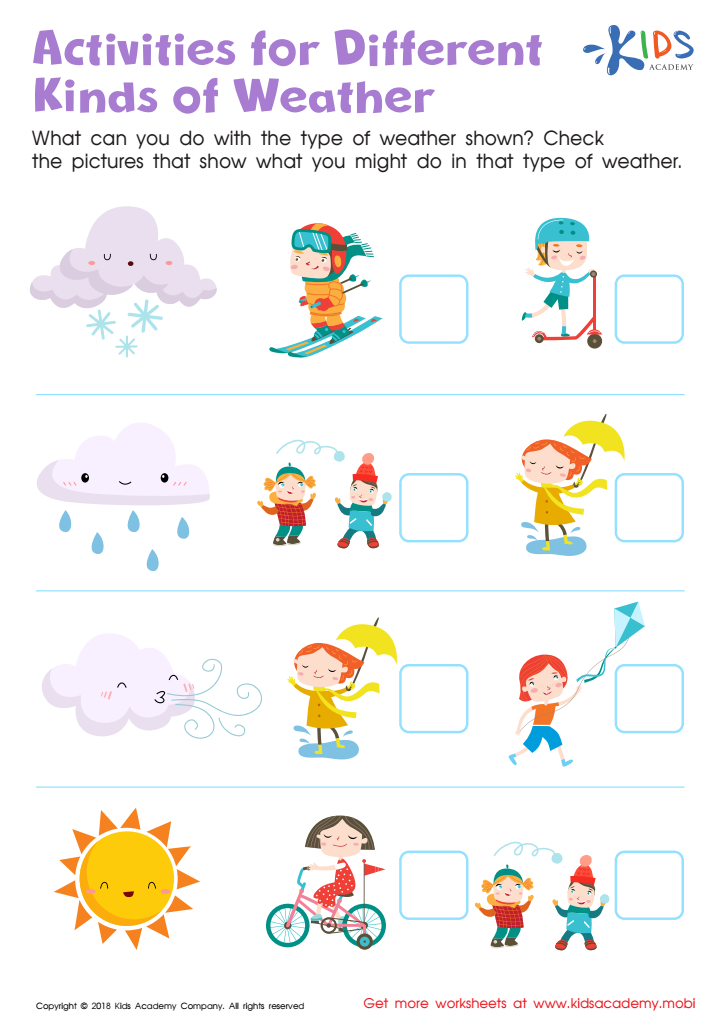
Activities for Different Kinds of Weather Worksheet
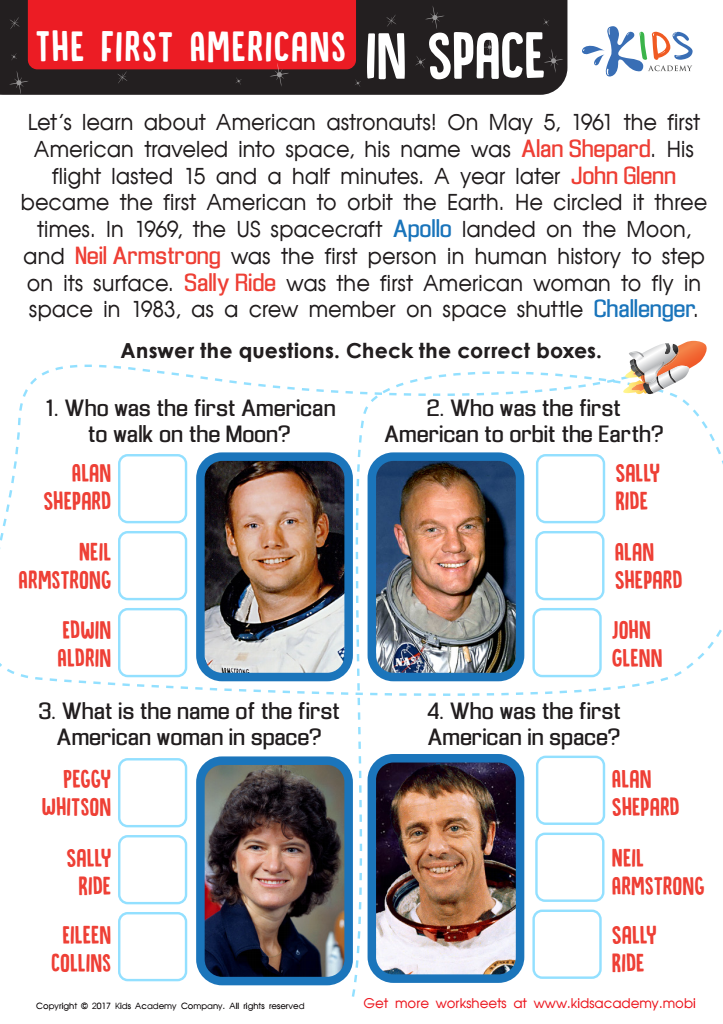
First Americans in Space Worksheet
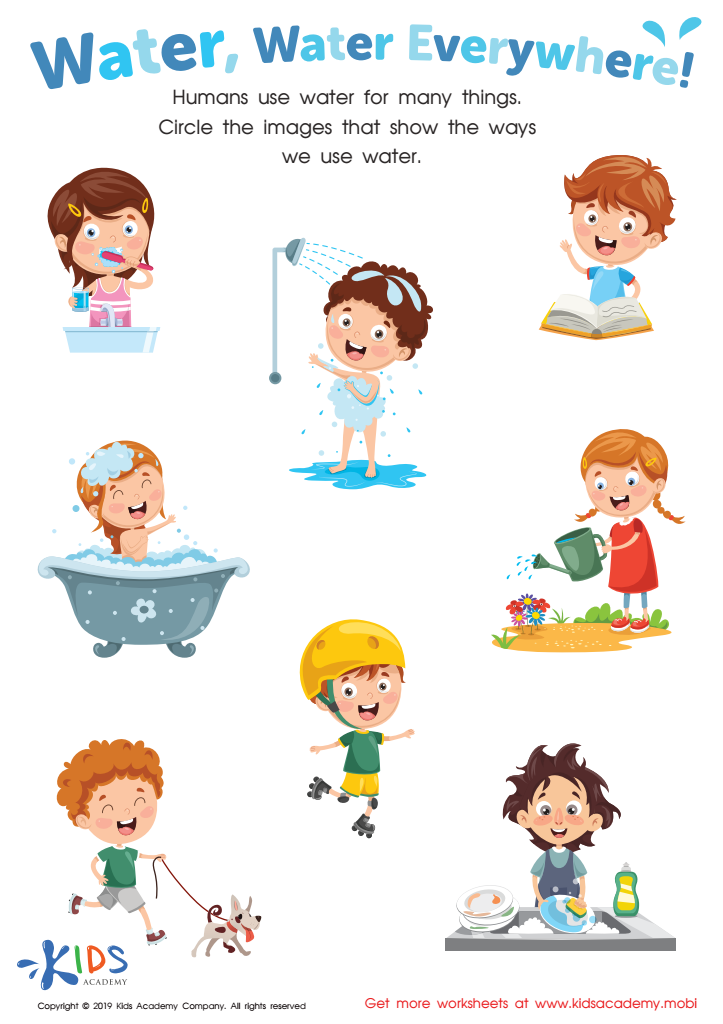
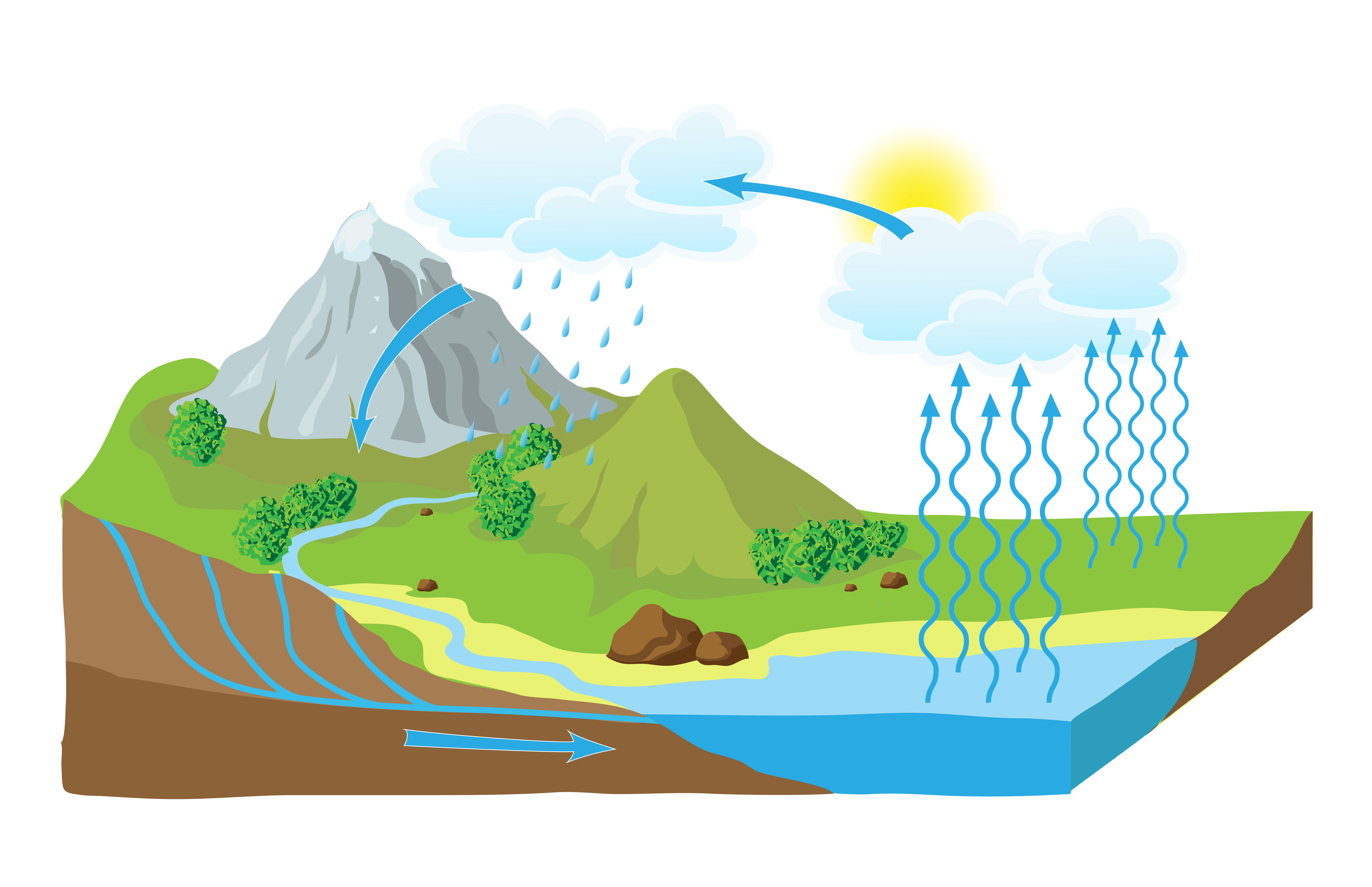
Water, Water Everywhere! Worksheet
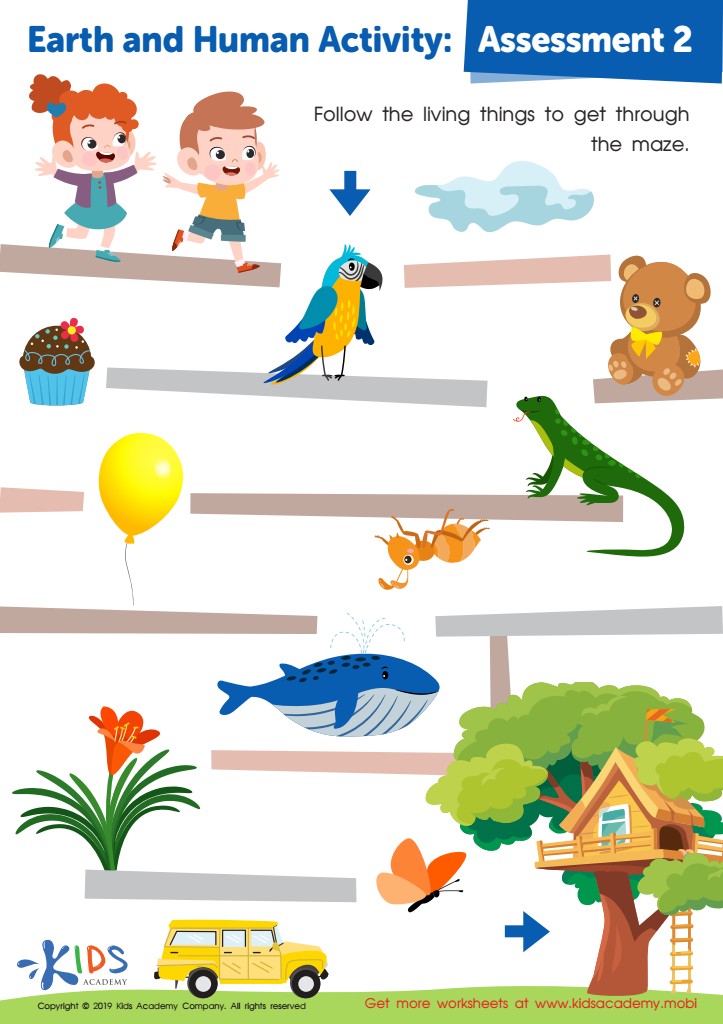
Earth and Human Activity: Assessment 2 Worksheet
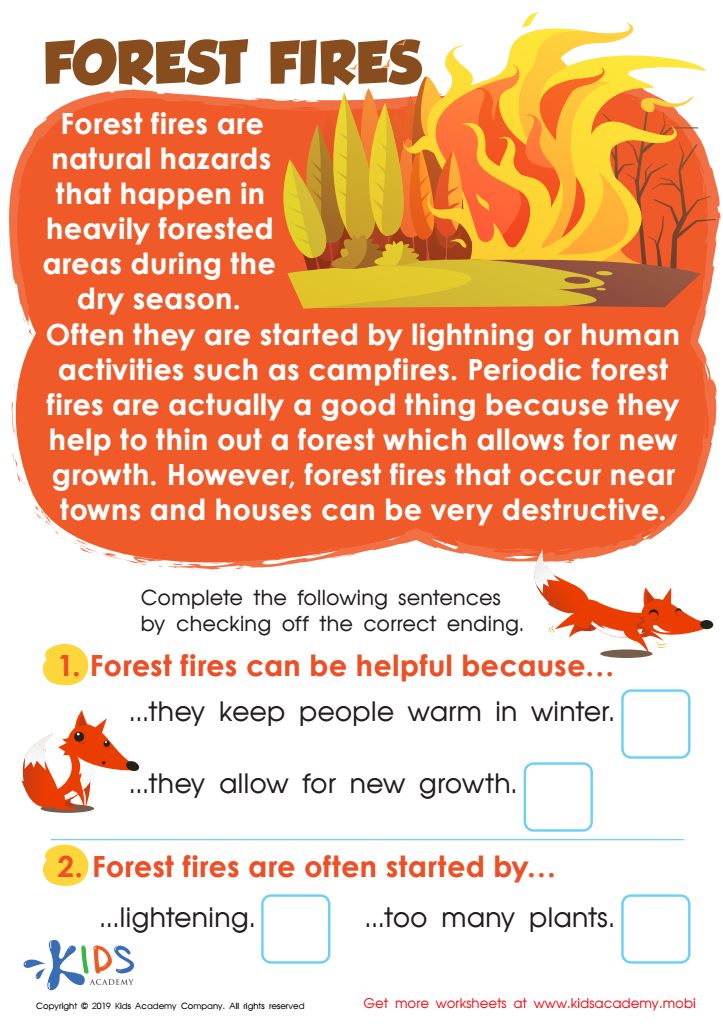
Forest Fires Worksheet
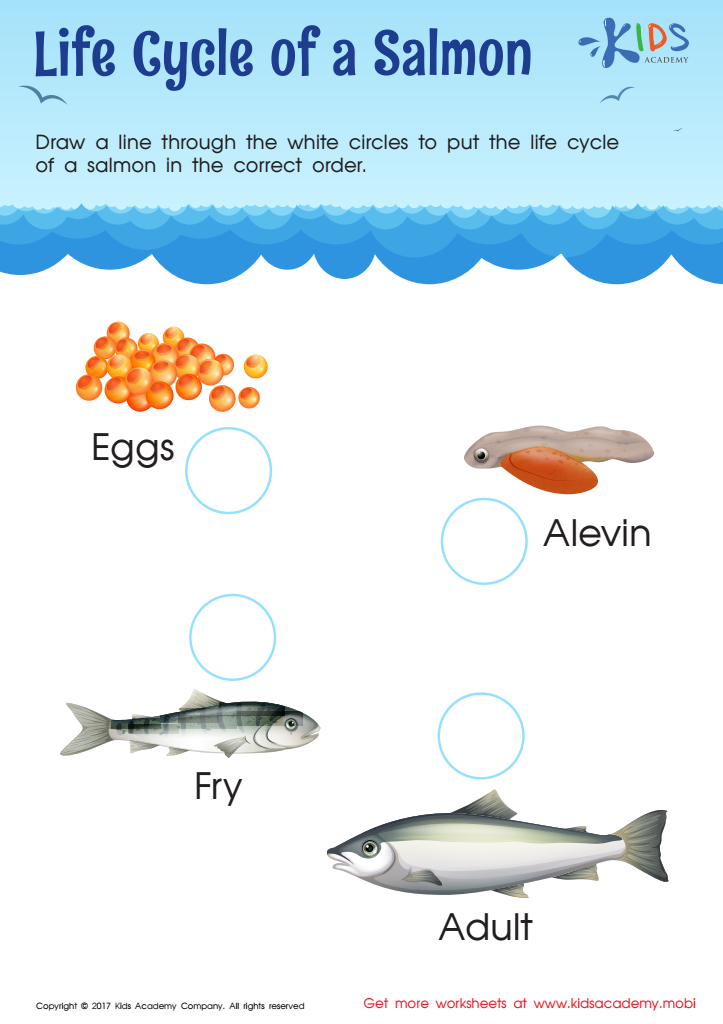
Cycle Of Salmon Worksheet
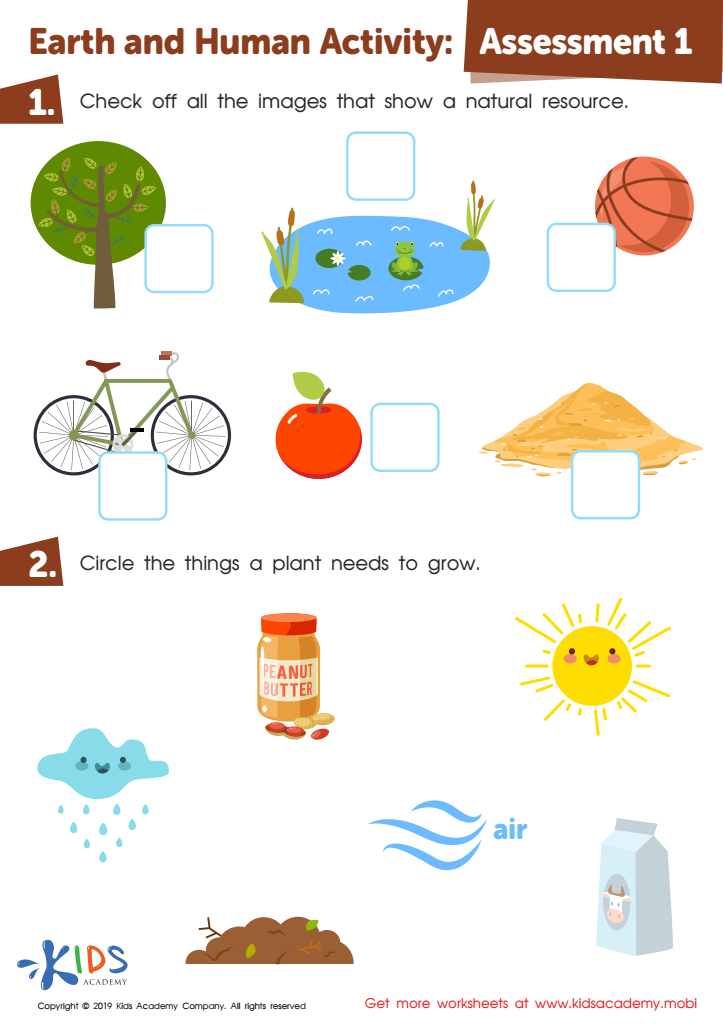
Earth and Human Activity: Assessment 1 Worksheet
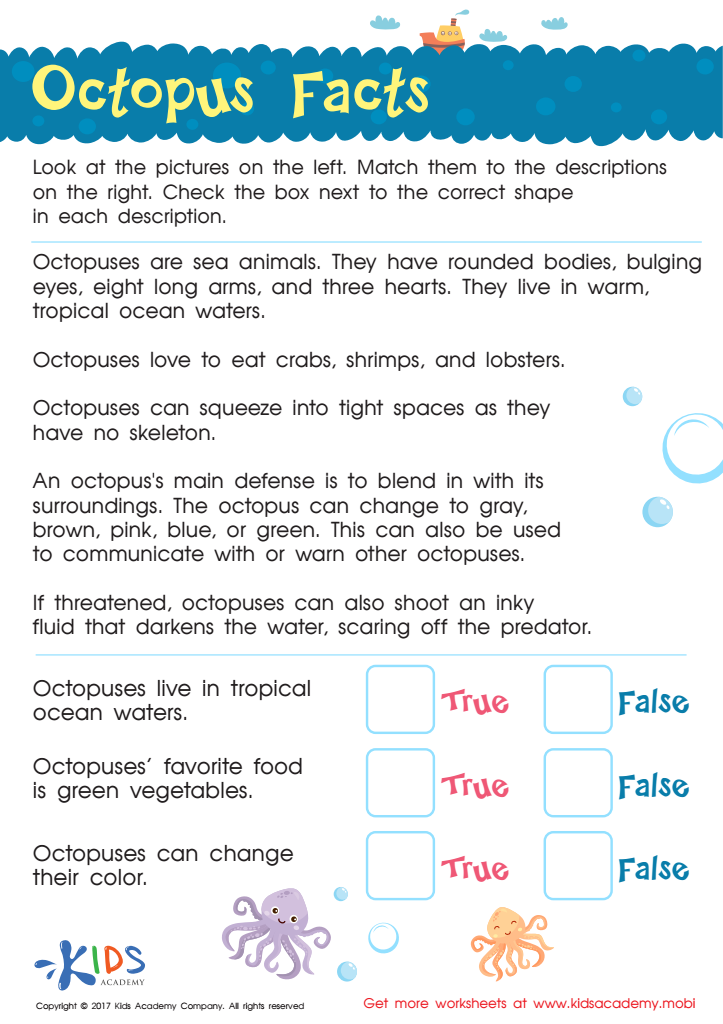
Octopus Facts Worksheet For Kids
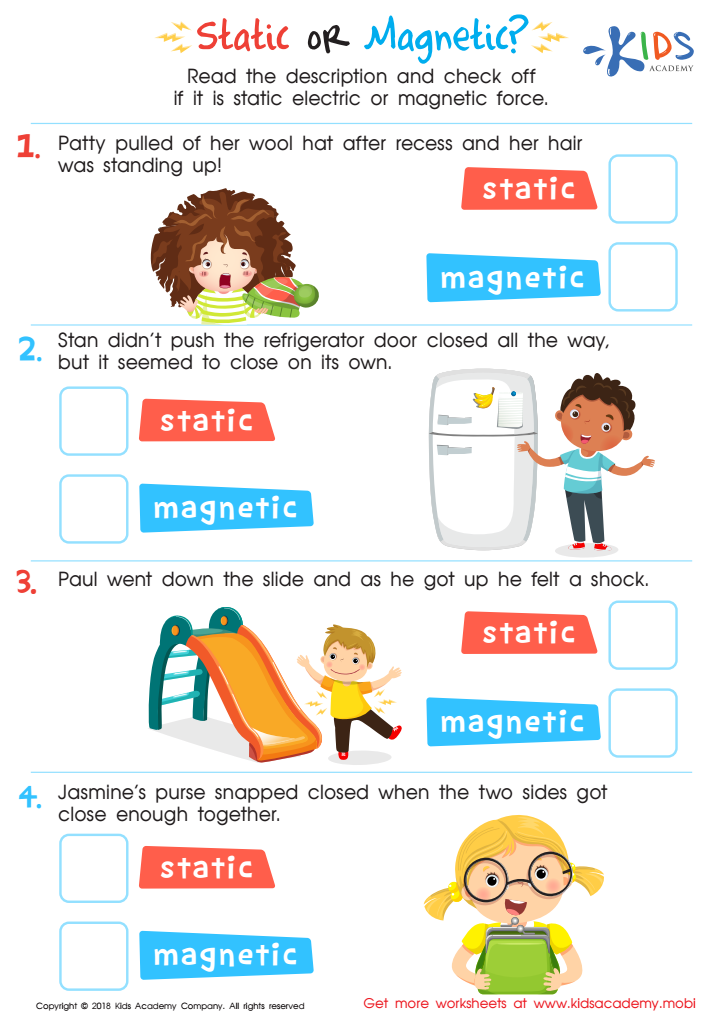
Static or Magnetic Printable Worksheet
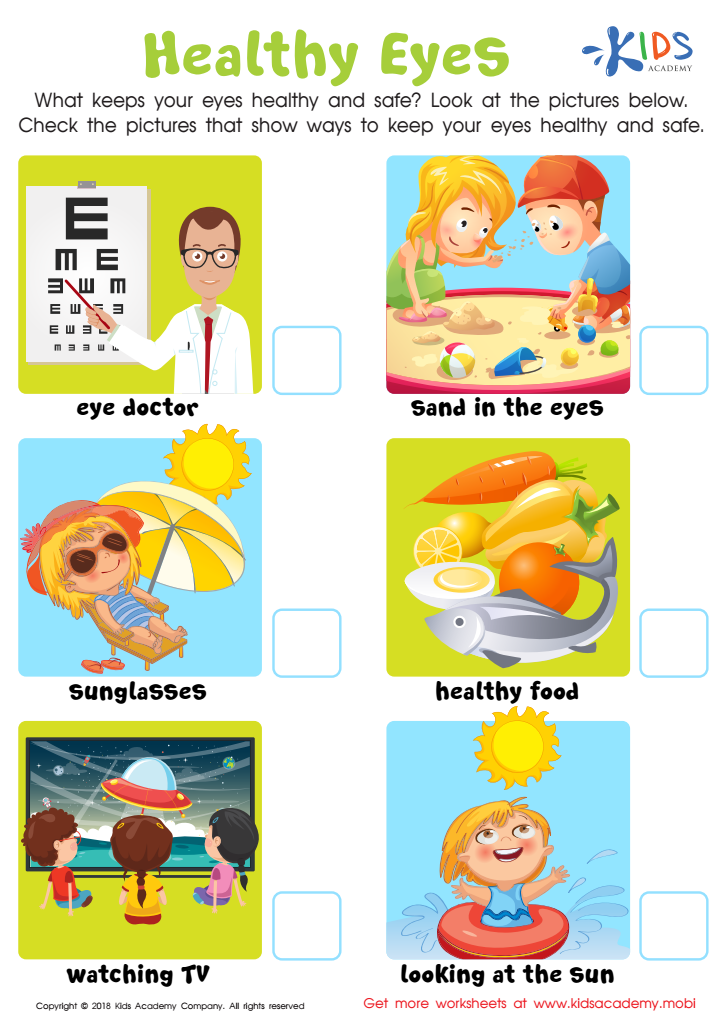
Healthy Eyes Worksheet
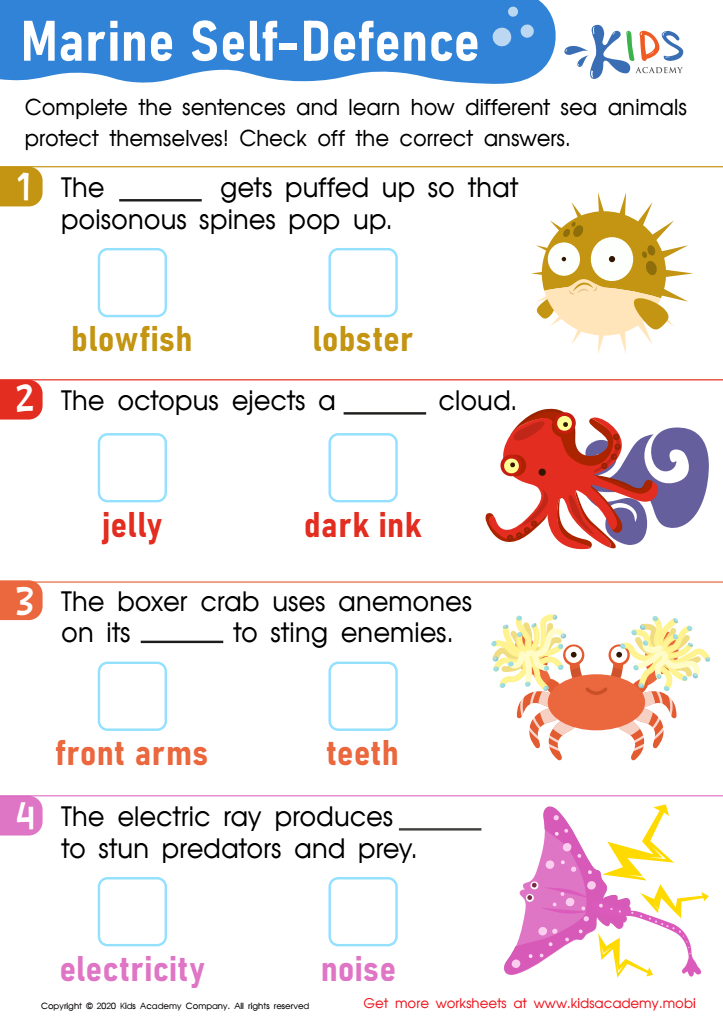
Marine Self-Defence Worksheet






Parents and teachers should place a high value on critical thinking skills in science because these skills underpin a student's ability to make informed decisions, solve problems, and engage deeply with the world around them. Critical thinking in science involves analyzing data, recognizing patterns, evaluating evidence, and applying logical reasoning to draw conclusions. These abilities are essential for understanding scientific concepts and methodologies, which are crucial in our rapidly advancing and often technologically complex world.
When children develop critical thinking skills in science, they become adept at questioning assumptions, exploring alternative explanations, and rigorously testing hypotheses. This cognitive rigor not only improves their scientific literacy but also hones their ability to think logically and critically in other areas of life, promoting lifelong learning and adaptability.
Moreover, critical thinking prepares students to navigate the abundance of information and misinformation they encounter daily. By being proficient in these skills, they can critically assess the credibility and relevance of sources, which is essential for making informed choices about their health, environment, and engagement with technological innovations.
In summary, fostering critical thinking skills in science cultivates inquisitive, discerning, and thoughtful individuals who are well-equipped to tackle future challenges and contribute meaningfully to society.







