Learning about ecosystems Science Worksheets
4 filtered results
-
From - To
Explore the amazing world of ecosystems with our engaging Science Worksheets designed for kids! Our carefully crafted activities help children understand the intricate relationships within different ecosystems. Through fun exercises and vibrant illustrations, students learn about food chains, animal habitats, and plant life cycles. Perfect for young learners, these worksheets foster a deep appreciation for nature and critical thinking skills. Whether in the classroom or at home, our educational resources provide an interactive way to discover the fascinating balance of life in various environments. Start your child's journey into the wonders of ecosystems today with our interactive and educational science worksheets!
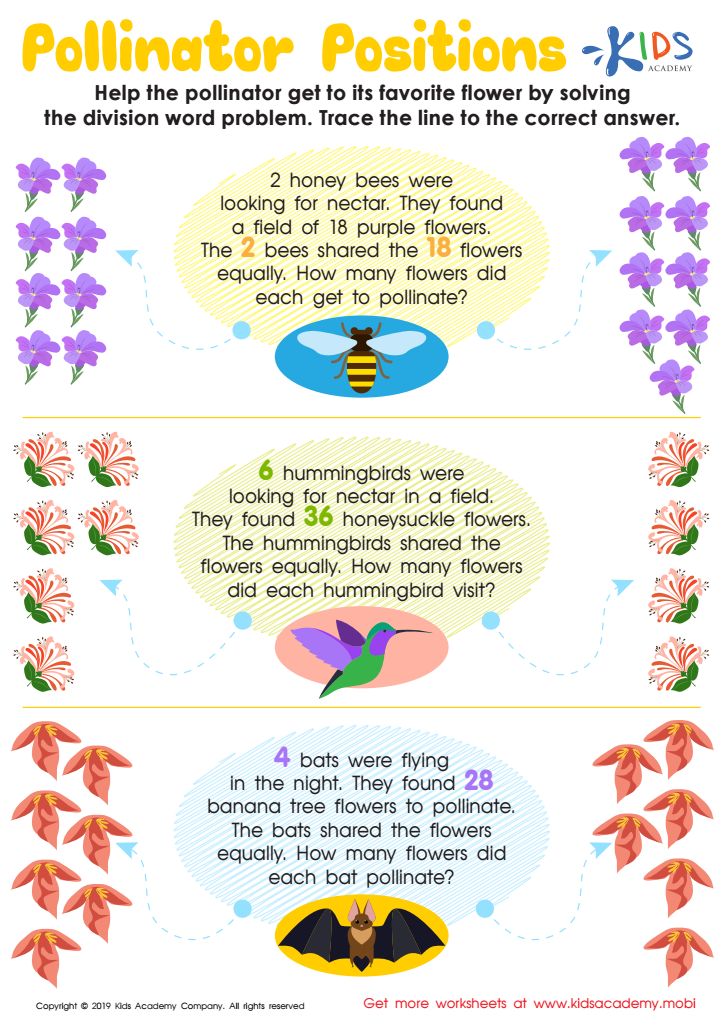
Pollinator Positions Worksheet
 Assign to My Students
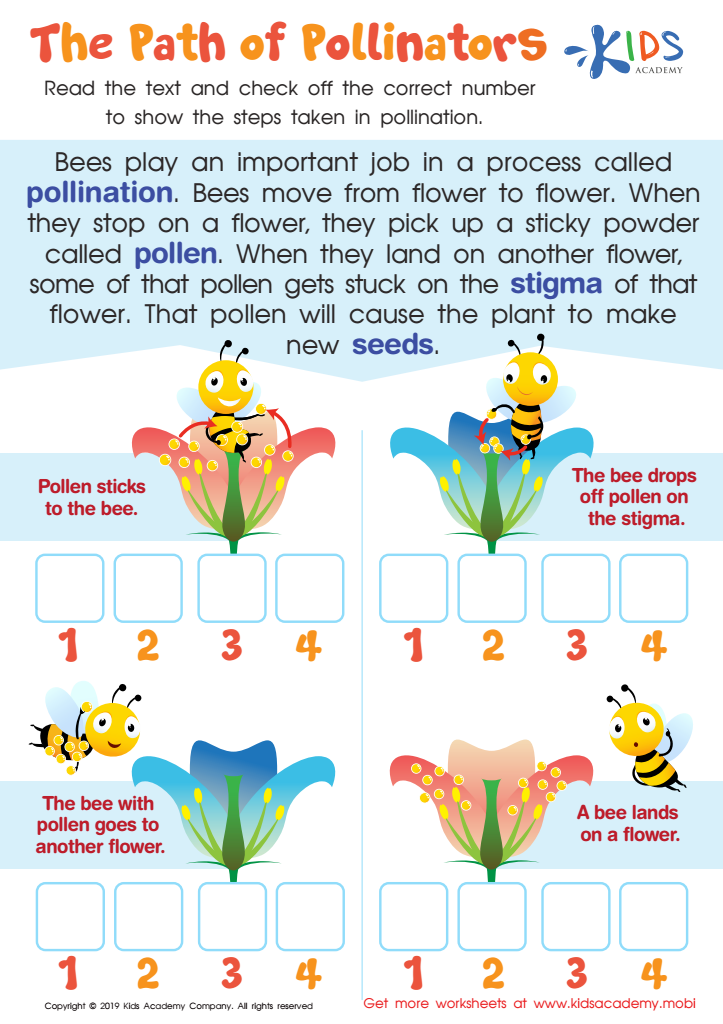
The Path of Pollinators Worksheet
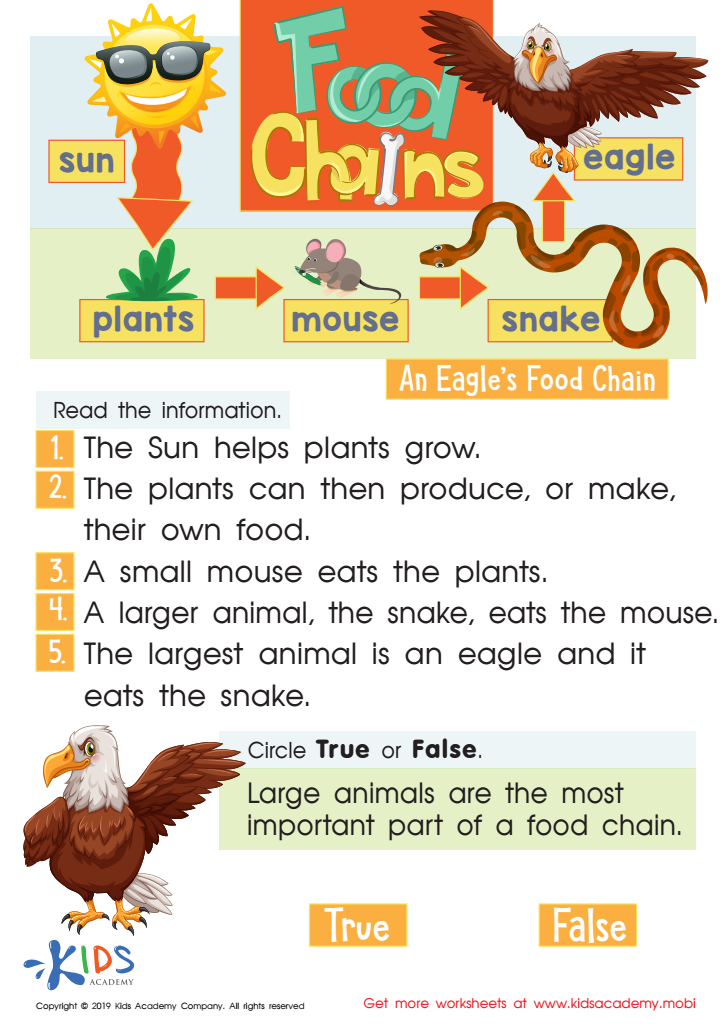
Food Chains Worksheet
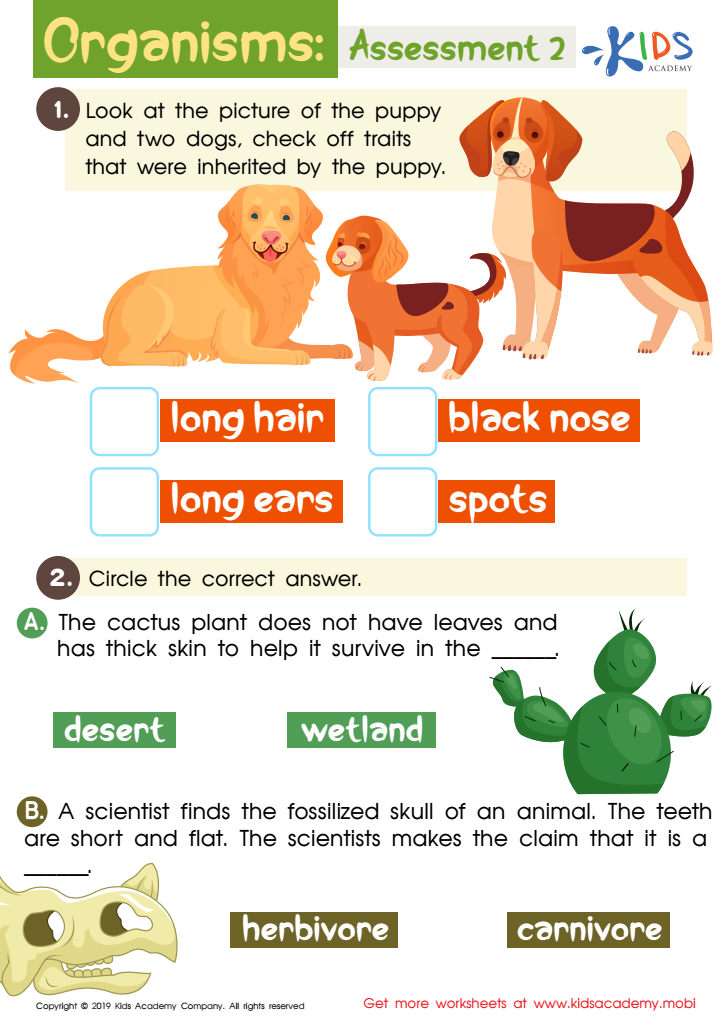
Organisms: Assessment 2 Worksheet


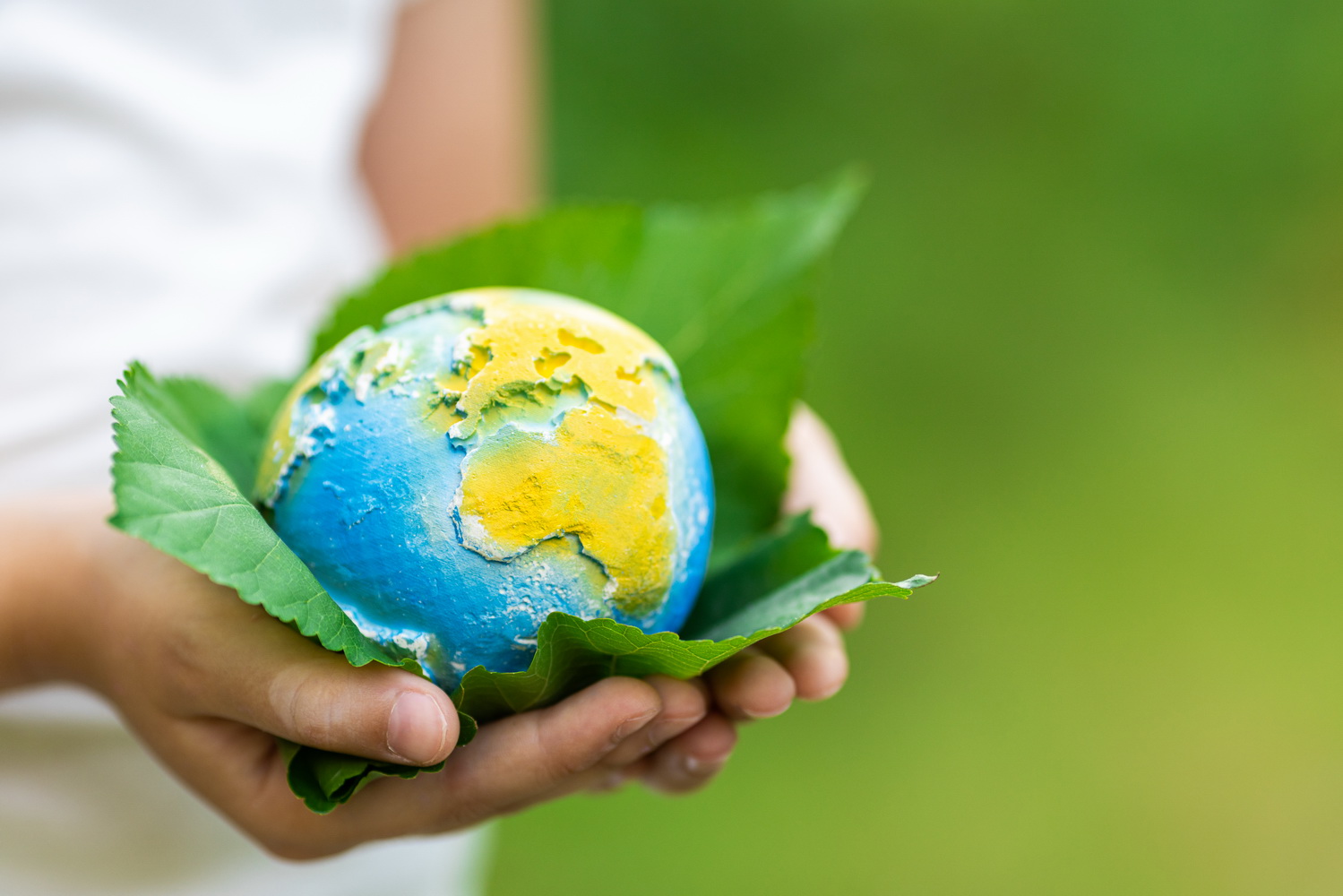



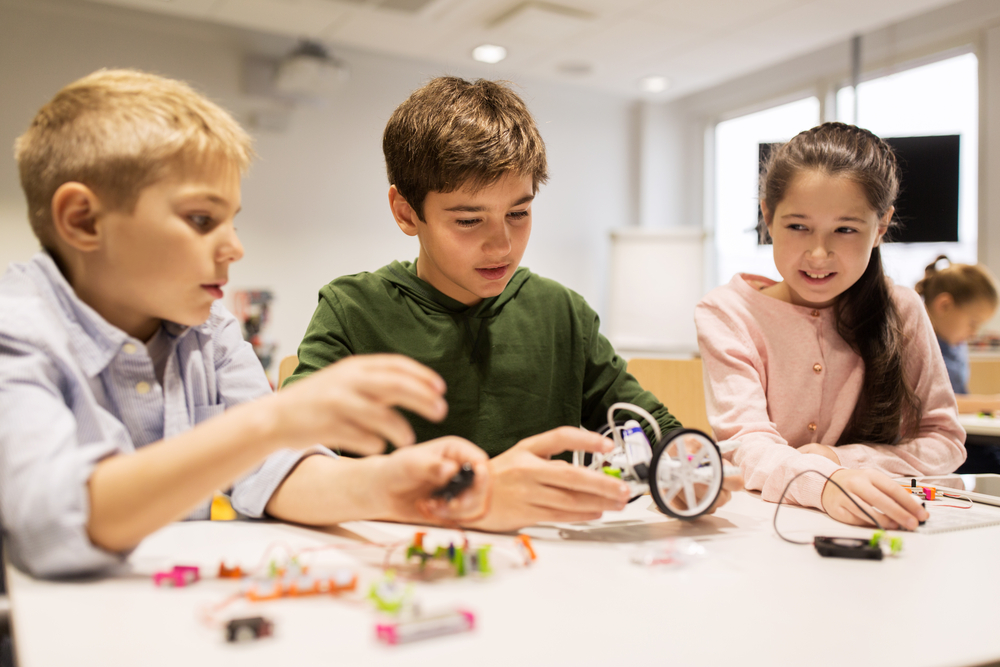
Learning about ecosystems is essential for parents and teachers to emphasize due to its multifaceted benefits for children's development and understanding of the world. First, knowledge of ecosystems fosters environmental literacy. When children comprehend how plants, animals, and microorganisms interact within their environments, they become more aware of the delicate balance in nature and the importance of conservation efforts. Such awareness can eventually lead to responsible and informed behaviors that support sustainable living.
Additionally, studying ecosystems encourages critical thinking and inquisitive learning. As children explore food chains, energy flow, and the impact of human activities on different habitats, they develop crucial analytical skills and an appreciation for scientific inquiry. These cognitive skills are transferable across subjects, enhancing overall academic performance.
Moreover, understanding ecosystems can inspire empathy and a sense of responsibility towards living organisms and natural systems. Through hands-on activities such as observing local flora and fauna or participating in recycling projects, children learn the importance of nurturing and protecting their surroundings.
Lastly, when parents and teachers prioritize ecosystem education, they cultivate a connection to nature that can have profound emotional and psychological benefits. This connection can promote mental health, reduce stress, and encourage outdoor physical activity, leading to healthier lifestyles. Therefore, integrating ecosystem science into education helps build knowledgeable, mindful, and ecologically-conscious individuals equipped to face future environmental challenges.







