Matching skills Science Worksheets
5 filtered results
-
From - To
Unlock the wonders of science for young learners with our engaging Matching Skills Science Worksheets! Designed for early grade students, these worksheets help improve crucial matching skills, fostering essential cognitive development through fun and interactive activities. Children will explore various science concepts, such as colors, shapes, and animals, while honing their ability to recognize and connect related information. Each worksheet is thoughtfully crafted to keep kids motivated and focused, making learning enjoyable. Perfect for classroom or home use, our Matching Skills Science Worksheets are a fantastic resource for sparking curiosity and passion for science in young minds. Start matching today for better learning tomorrow!
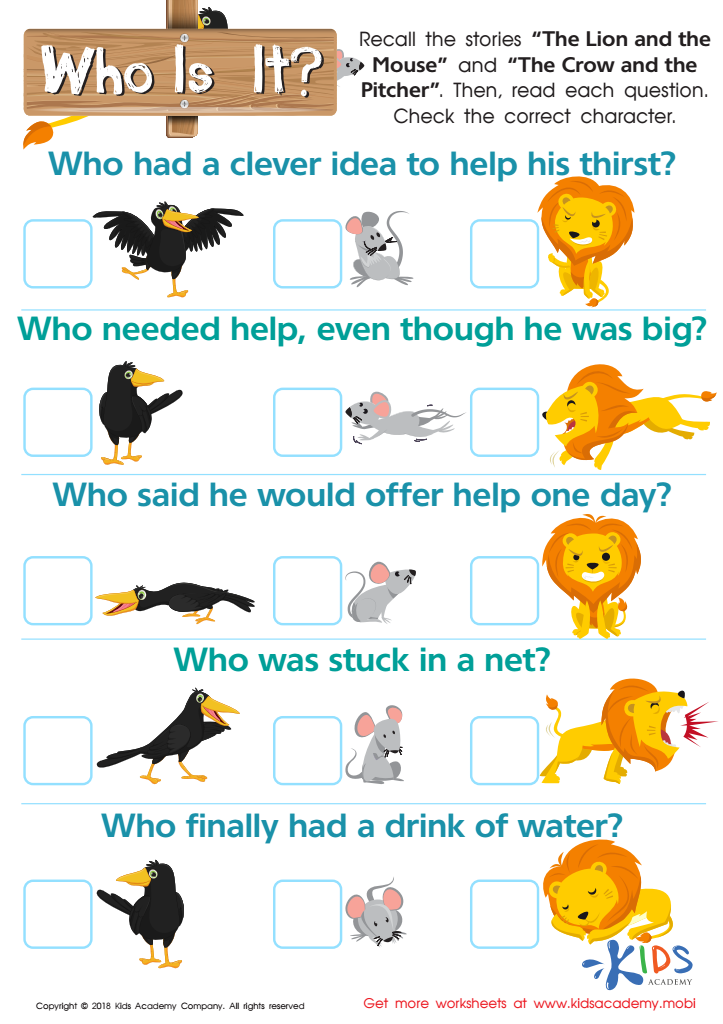
Who Is It? Worksheet
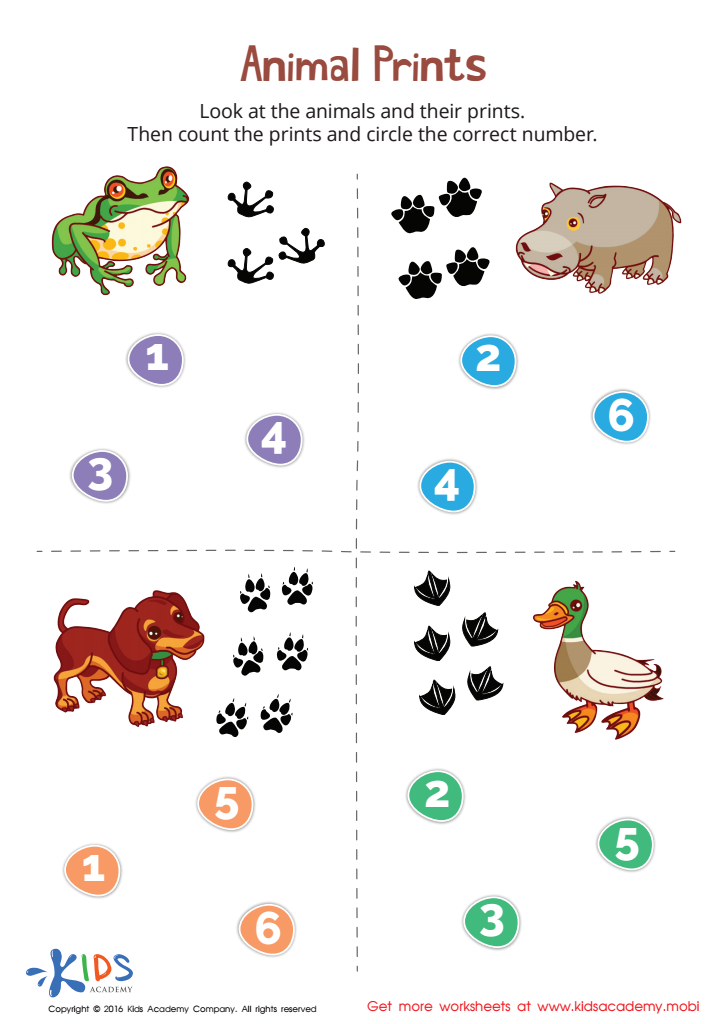
Animal Prints Match-Up Worksheet
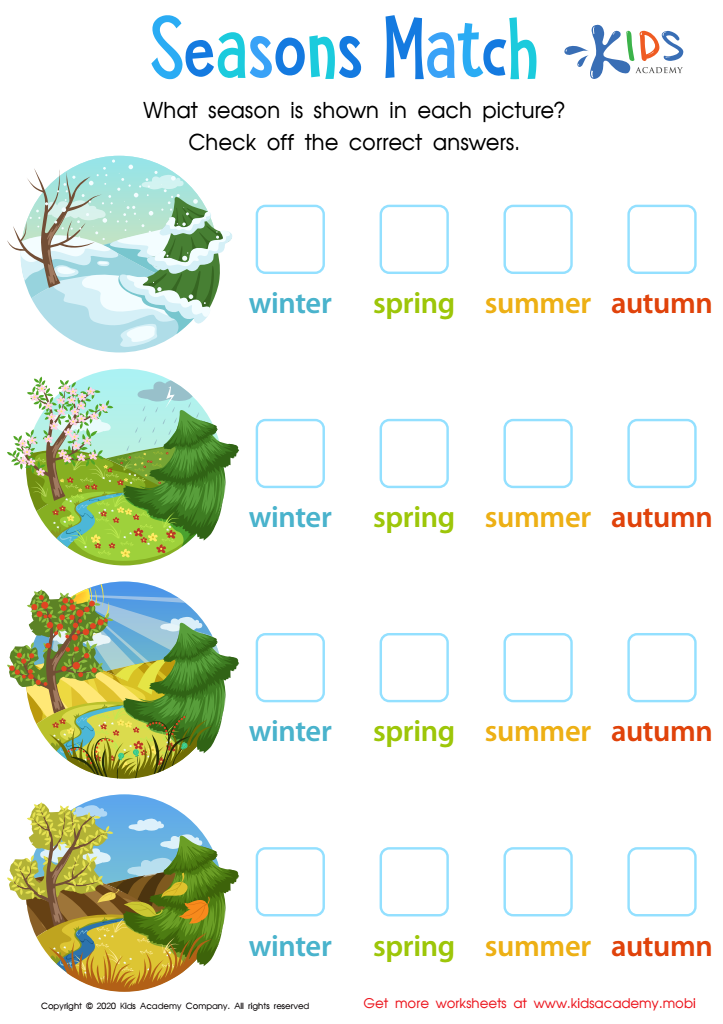
Seasons Match Worksheet
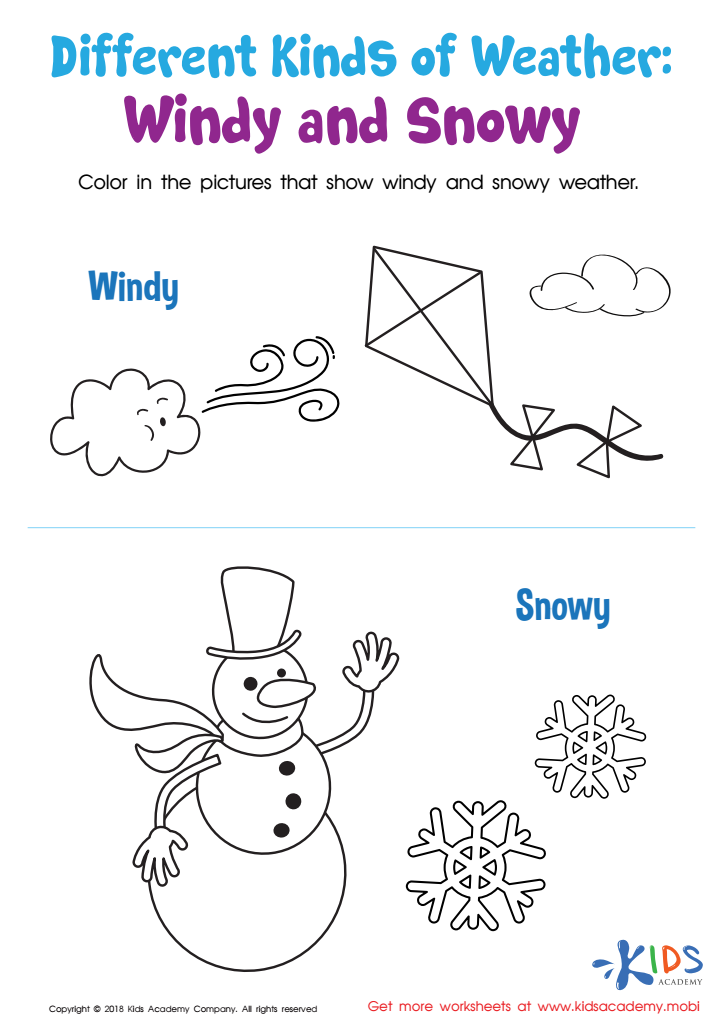
Different Kinds of Weather: Windy and Snowy Worksheet
 Assign to My Students
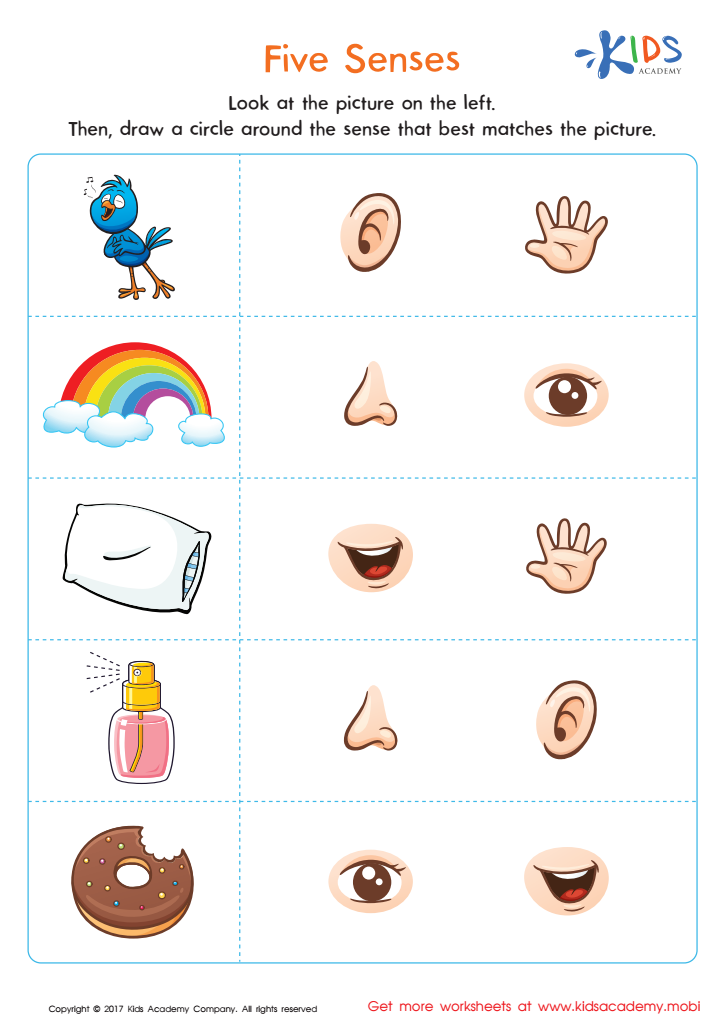
Five Senses Printable





.jpg)


Matching skills in science play a crucial role in early childhood education, making it essential for parents and teachers to prioritize this foundational skill. Understanding and explicitly working on matching skills not only promote cognitive development but also enhance observation, categorization, and critical thinking abilities in young learners. When children engage in matching activities, they boost their ability to identify similarities and differences, fostering essential analytical skills.
From a scientific perspective, matching can help children make connections between concepts, fostering a deeper understanding of the world around them. For example, matching animals to their habitats or plant parts to their functions encourages children to think critically about relationships in nature, further nurturing their inquiry skills.
Moreover, matching activities are an excellent way for parents to participate in their child's learning, providing opportunities for communication and bonding. Teachers can incorporate matching tasks into lesson plans across various science domains, making learning interactive and enjoyable. As children master these skills, they build confidence, setting the stage for successful learning experiences in science and beyond. By valuing and encouraging matching skills, parents and teachers contribute to well-rounded, knowledgeable future learners in an increasingly complex world.







