Understanding habitats Science Worksheets
5 filtered results
-
From - To
Enhance your students' learning experience with our "Understanding Habitats Science Worksheets." These engaging and informative resources are designed to help young learners explore various ecosystems, from forests to deserts. With captivating activities, illustrations, and questions, children will develop a deeper appreciation for the diverse habitats that sustain wildlife and plant life. Ideal for early grade teachers, these worksheets promote critical thinking and environmental awareness while aligning with educational standards. Each worksheet aims to make learning fun and interactive, providing students with the tools they need to understand the vital role habitats play in the ecosystem. Foster curiosity about nature with our comprehensive resources!
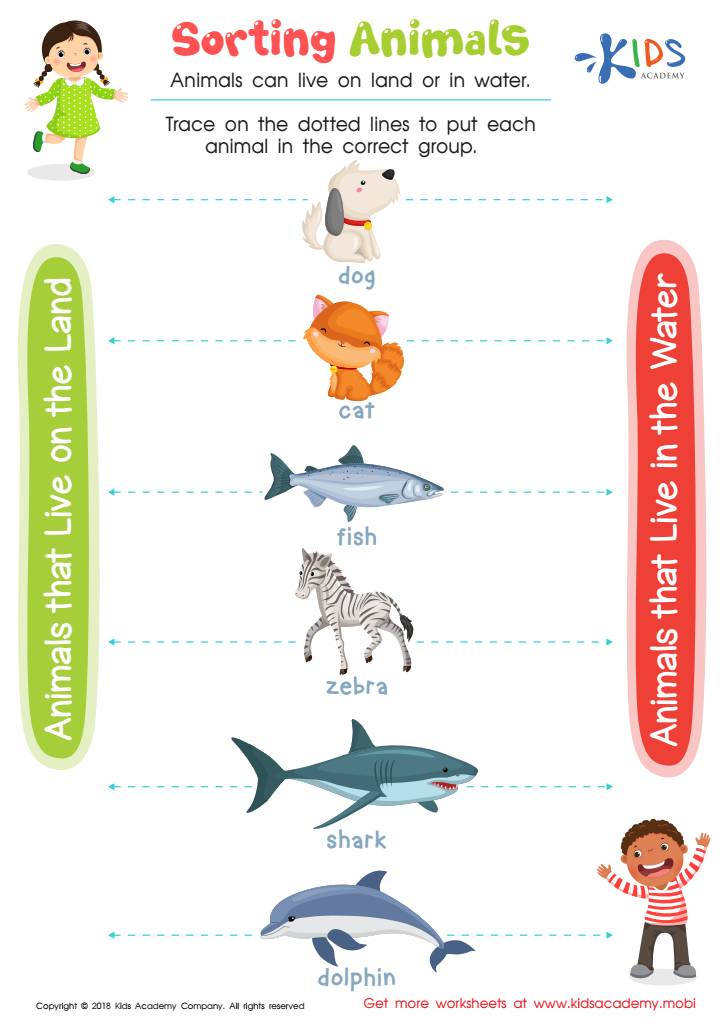
Sorting Animals Worksheet
 Assign to My Students
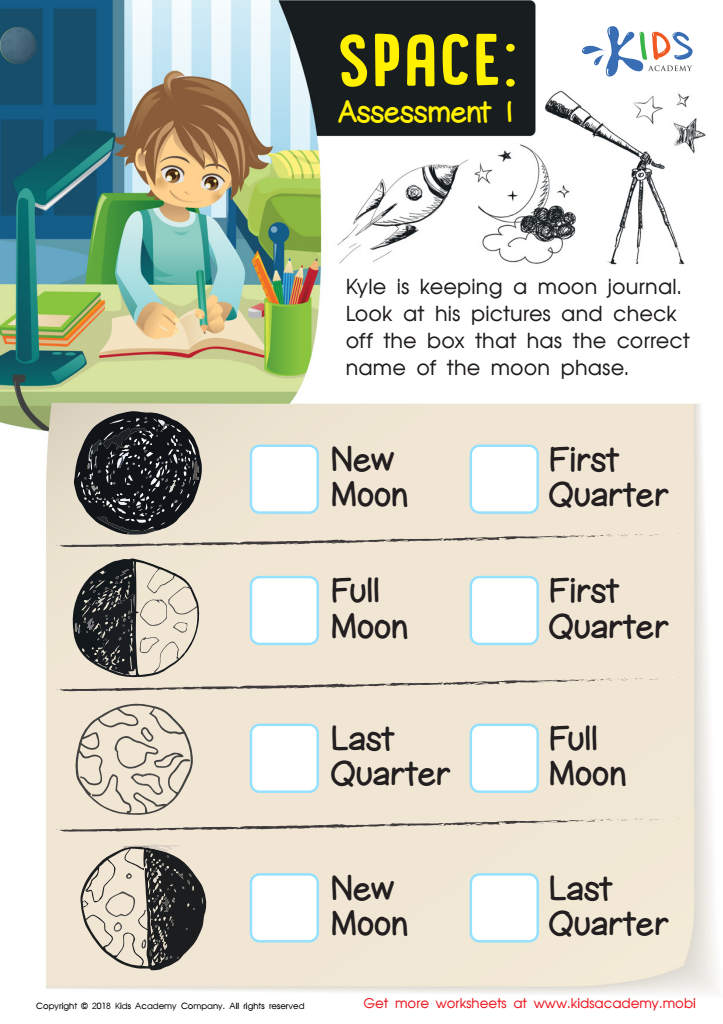
Space: Assessment 1 Worksheet
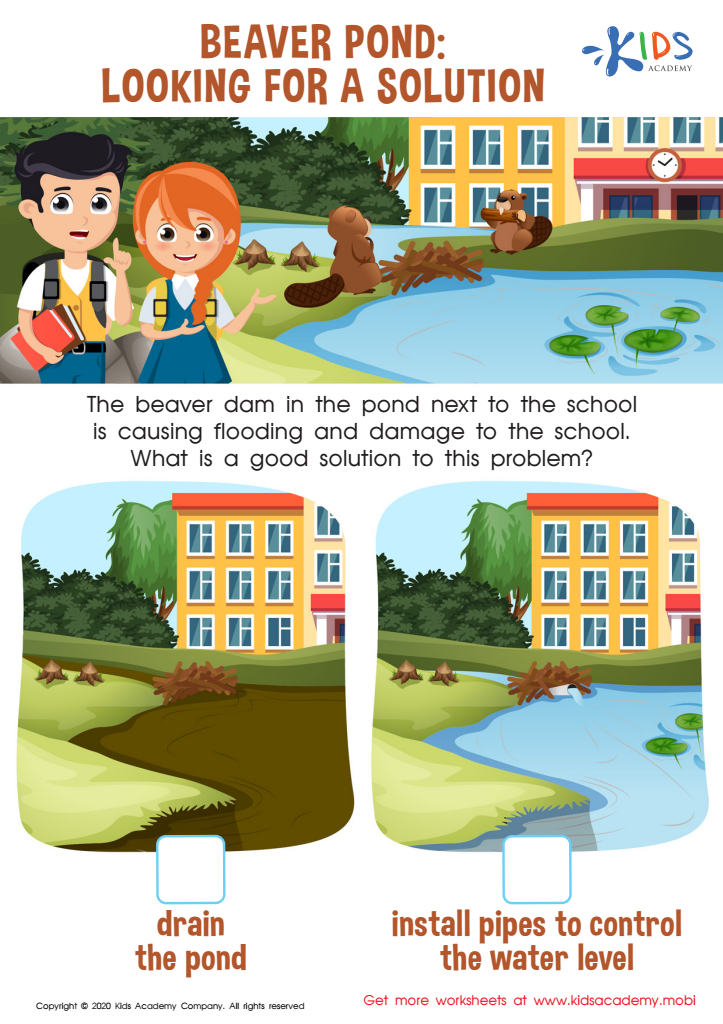
Beaver Pond: Looking for a Solution Worksheet
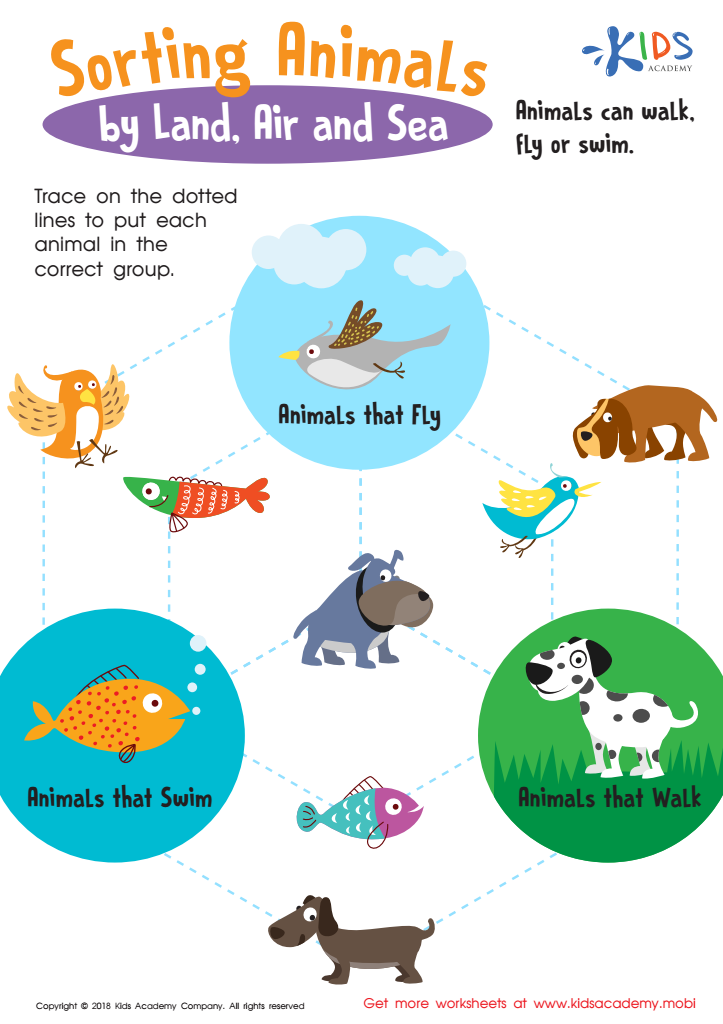
Sorting Animals by Land, Air and Sea Worksheet
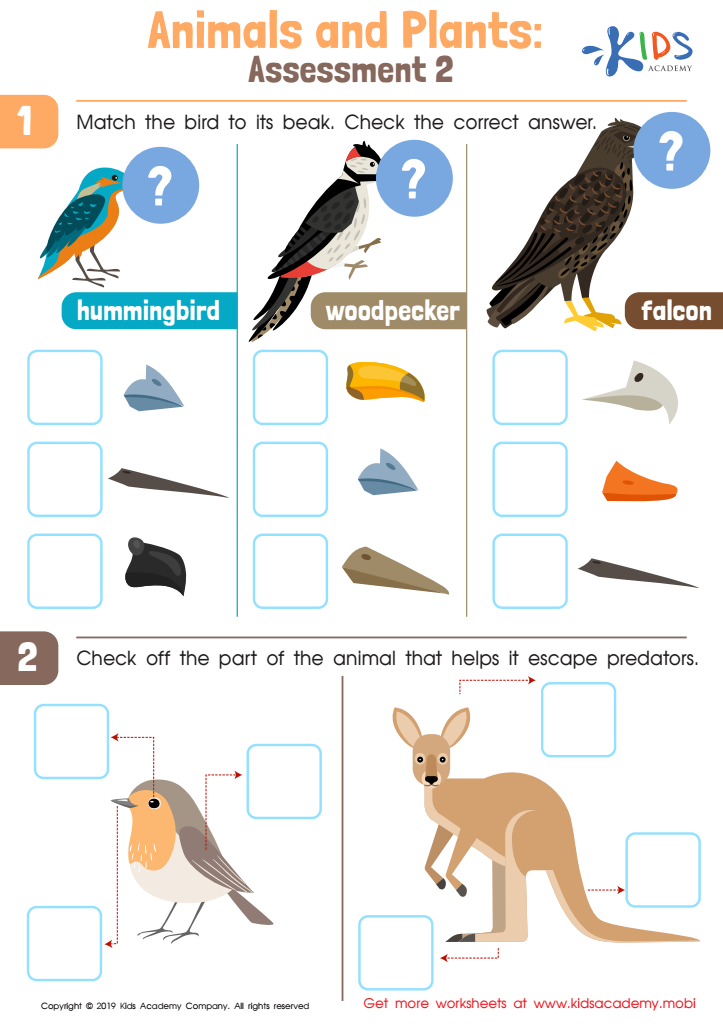
Animals and Plants: Assessment 2 Worksheet




.jpg)

Understanding habitats is crucial for parents and teachers because it forms the foundation for environmental literacy and stewardship in children. Habitats, the natural environments where organisms live, play a vital role in maintaining the balance of ecosystems. By learning about different habitats—such as forests, wetlands, deserts, and oceans—students develop a greater appreciation for biodiversity and the interconnectedness of life.
This knowledge fosters critical thinking skills and encourages children to observe, ask questions, and draw conclusions about the world around them. Furthermore, understanding habitats cultivates responsibility and awareness of environmental issues, such as habitat destruction and climate change. Engaging with this scientific content allows young learners to recognize their impact on the environment and inspires them to participate in conservation efforts.
In a broader context, when parents and teachers prioritize habitat education, they contribute to creating informed, environmentally-conscious future citizens. This transforms classrooms into spaces where students not only learn science but also feel empowered to take action in their communities. Ultimately, fostering a strong understanding of habitats helps shape a generation that values and protects the natural world, ensuring a sustainable future for both people and wildlife.







