Understanding life cycles Science Worksheets
8 filtered results
-
From - To
Explore our "Understanding Life Cycles" Science Worksheets designed specifically for young learners! These engaging resources help children grasp the fascinating stages of life—from plants to animals. Each worksheet incorporates vibrant illustrations and clear explanations, making complex concepts accessible for early grade students. Activities promote critical thinking, enhance observation skills, and reinforce learning through fun tasks like drawing, matching, and labeling. Perfect for classroom use or home study, our worksheets support curriculum goals while sparking curiosity about nature. Download and provide your students with the tools they need to understand life cycles in an interactive and captivating way!
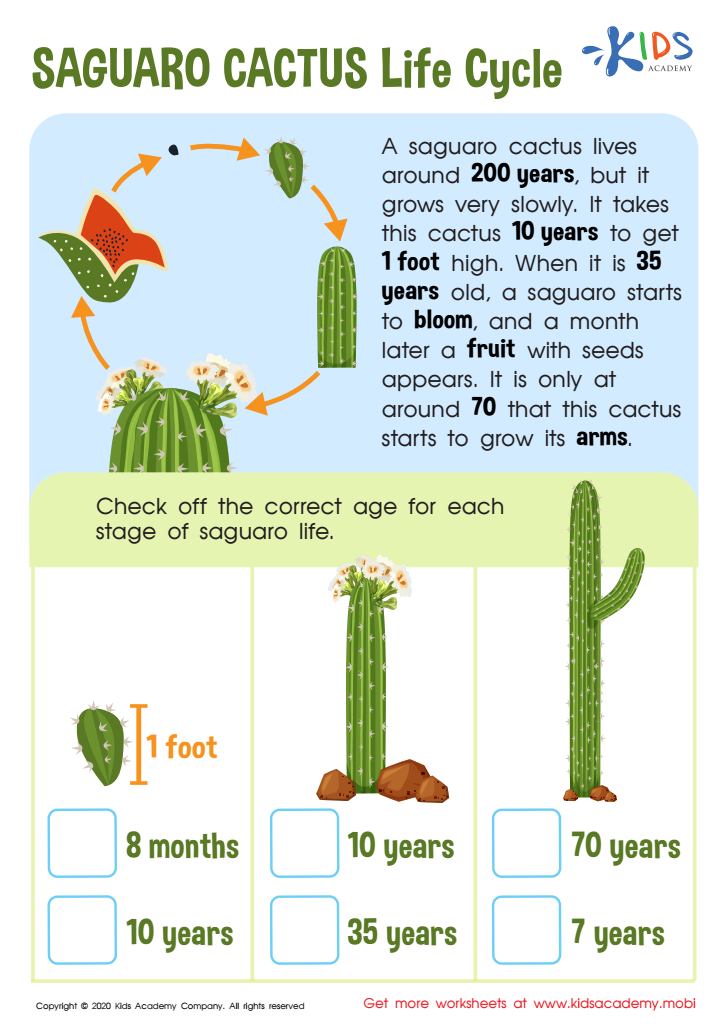
Saguaro Cactus Life Cycle Worksheet
 Assign to My Students
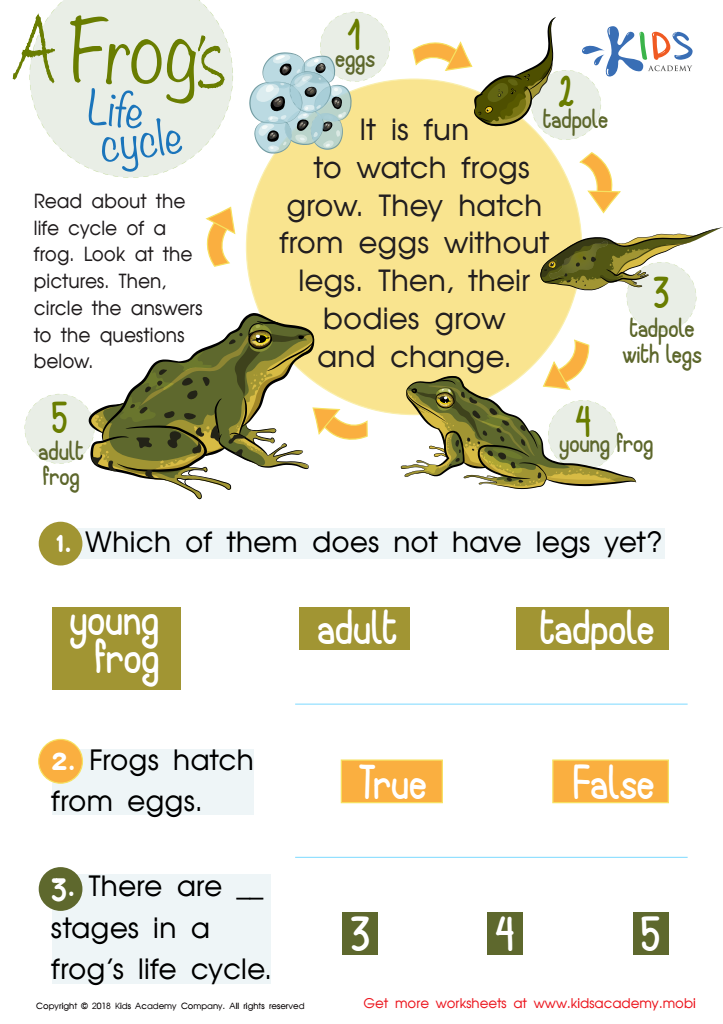
A Frog’s Life Cycle Worksheet
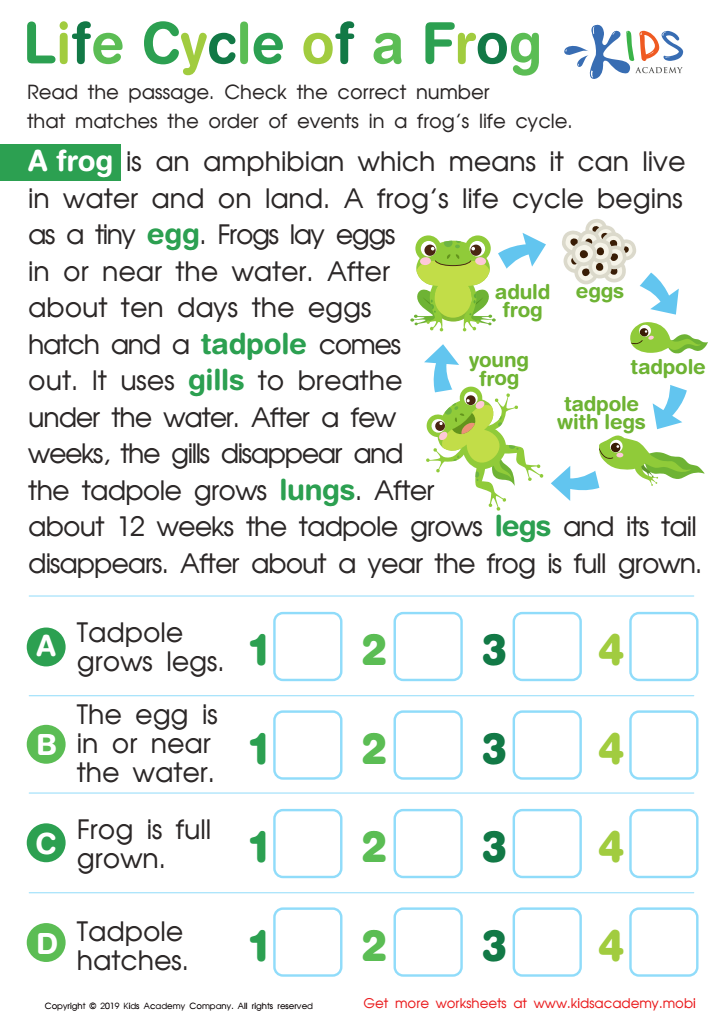
Life Cycle of a Frog Worksheet
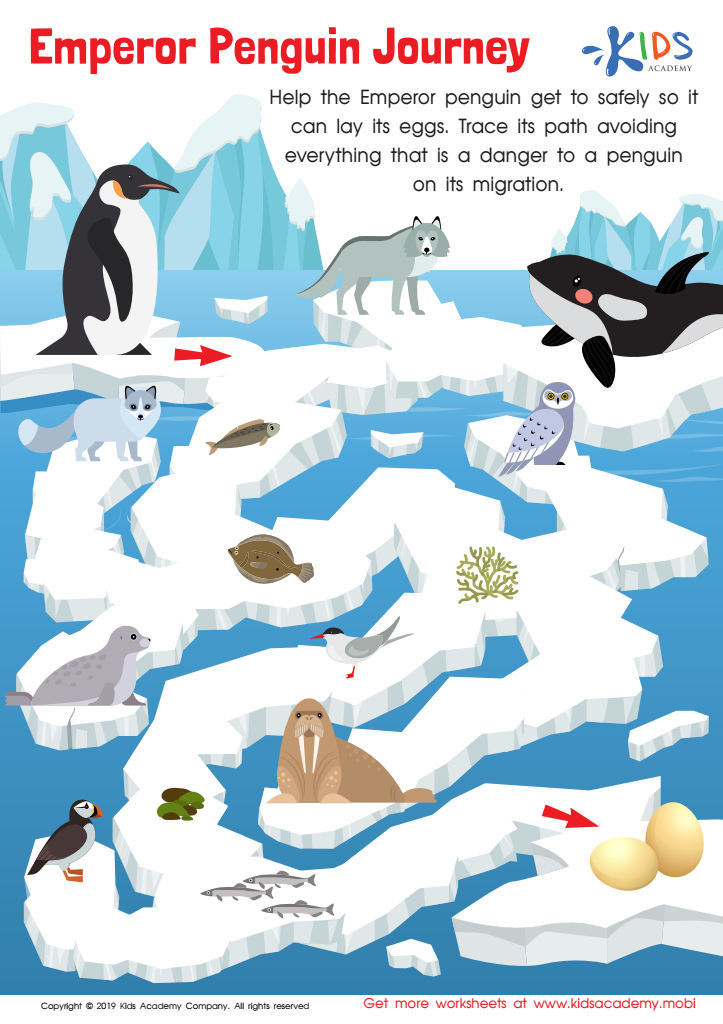
Emperor Penguin Journey Worksheet
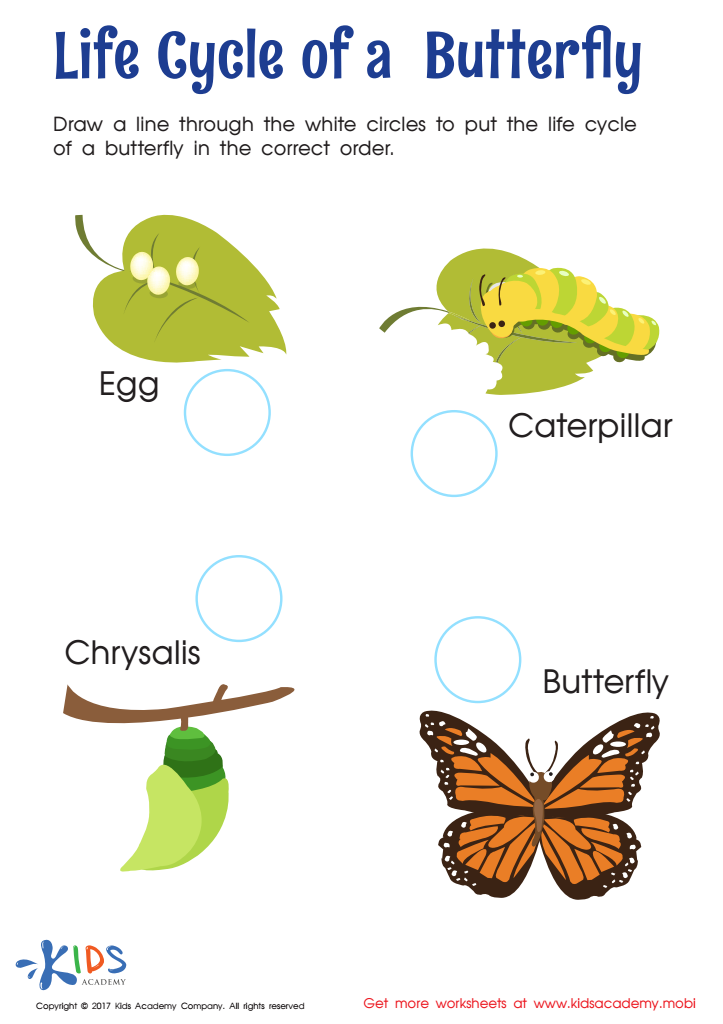
Life Cycle of Butterfly Worksheet
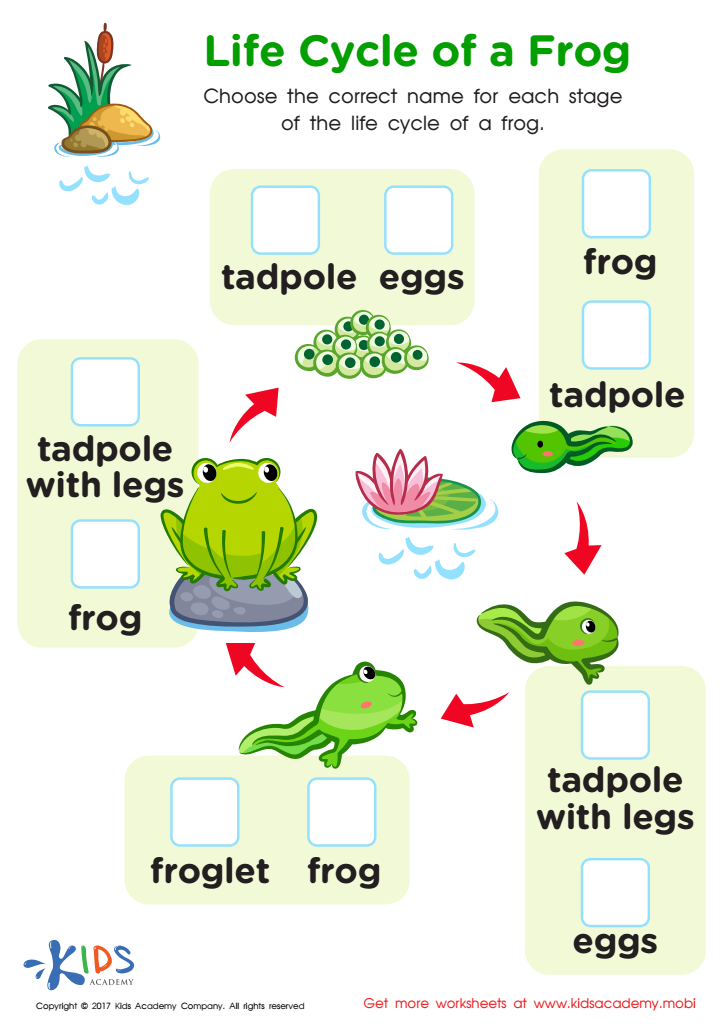
Life Cycle Frog Printable
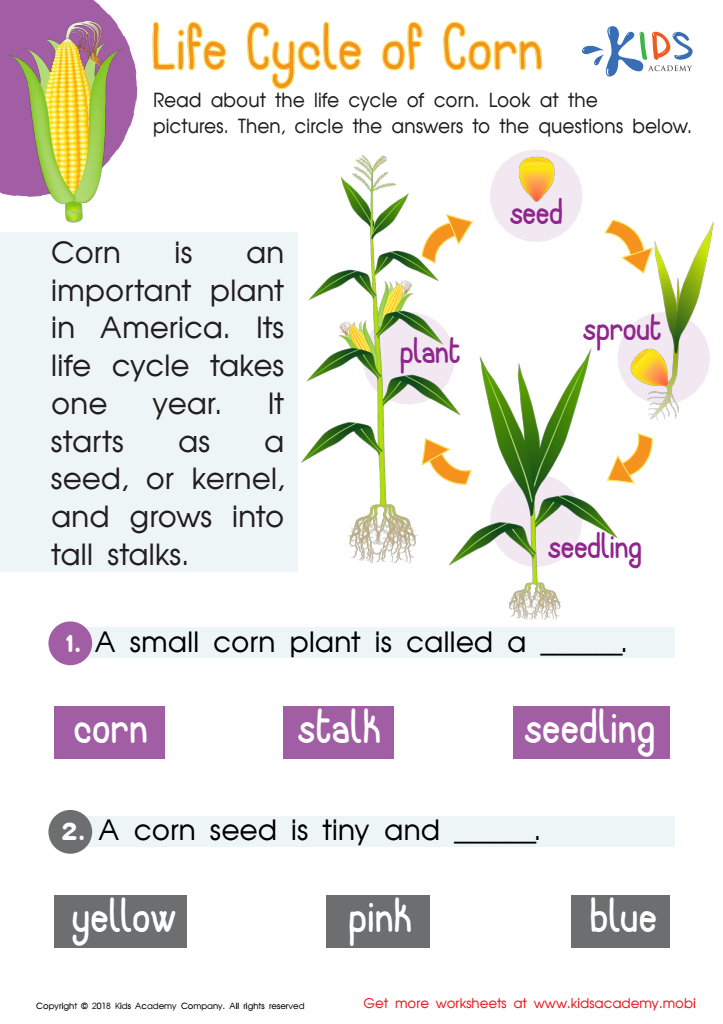
Life Cycle of Corn Worksheet
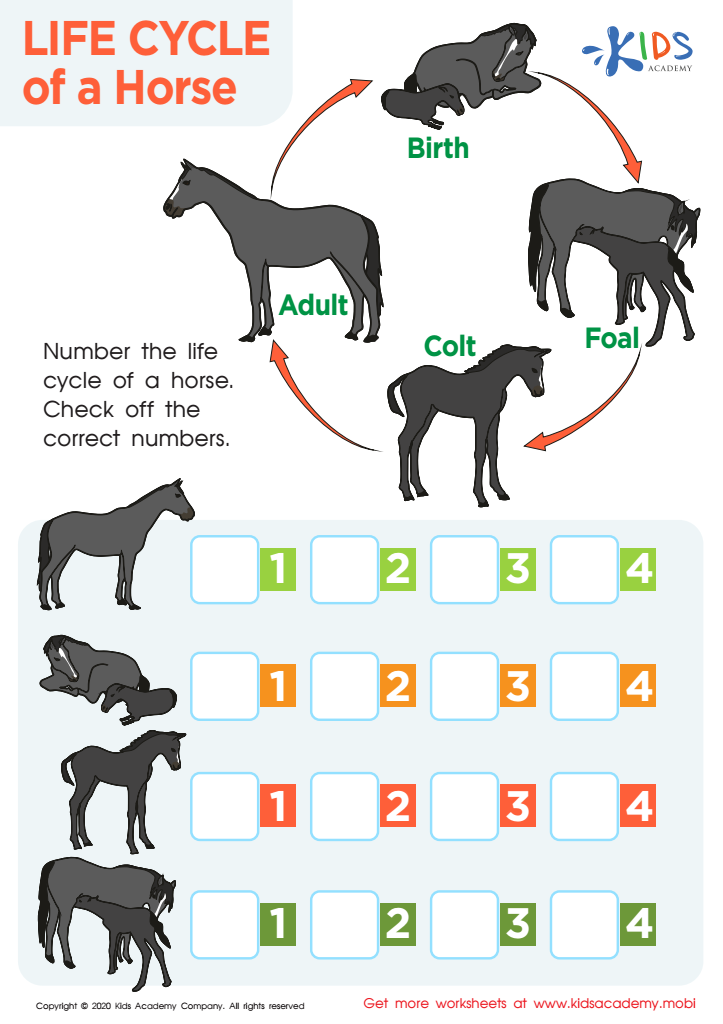
Life Cycle of a Horse Worksheet






Understanding life cycles in science is essential for parents and teachers as it lays a foundation for children’s knowledge about the natural world, fostering curiosity and critical thinking. Life cycles, which reveal the stages through which living organisms develop—from birth to reproduction and death—help children grasp the interconnectedness of ecosystems. This understanding promotes environmental awareness, emphasizing the importance of biodiversity and the roles different species play.
Moreover, life cycles can teach valuable lessons about growth, change, and resilience, paralleling personal experiences in a child's own life. Discussing concepts like metamorphosis in butterflies or the growth of plants equips youngsters with the ability to respect life and its processes, igniting a sense of wonder and appreciation for the natural world.
For educators, integrating life cycles into the curriculum supports hands-on learning experiences, encouraging students to engage in observation and exploration. Through activities like gardening, nurturing classroom pets, or observing insects, teachers provide meaningful contexts for scientific inquiry. Ultimately, comprehension of life cycles enriches students' overall education and well-being, helping them develop a holistic perspective about their role in a larger ecosystem and fostering responsible stewardship of the planet.







