Critical Thinking Physical Science Worksheets
3 filtered results
-
From - To
Enhance your students' understanding of physical science with our engaging Critical Thinking Physical Science Worksheets! Designed for early learners, these thoughtfully-crafted resources encourage children to explore and analyze key concepts in physics and chemistry. Our worksheets promote problem-solving skills, enabling students to hypothesize, experiment, and draw scientific conclusions. With interactive activities that inspire curiosity, children will learn about forces, matter, and energy while developing valuable critical thinking abilities. Perfect for classroom use or at-home practice, these worksheets foster a deeper comprehension of essential scientific principles. Discover a fun way to spark inquiry and creativity in your budding scientists today!
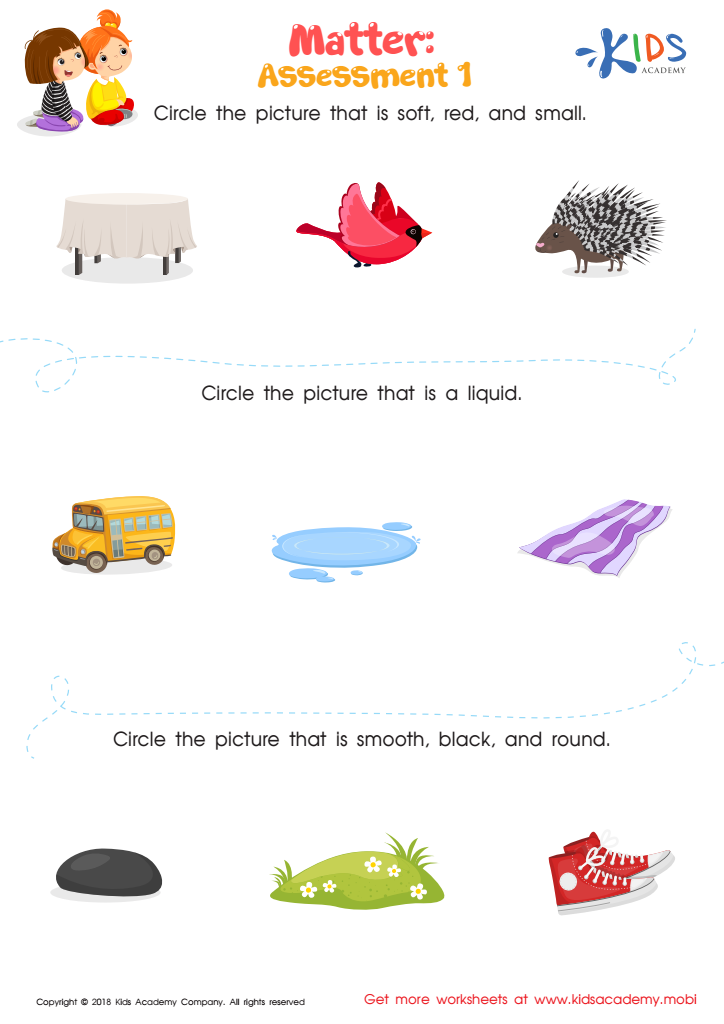
Matter: Assessment 1 Worksheet
 Assign to My Students
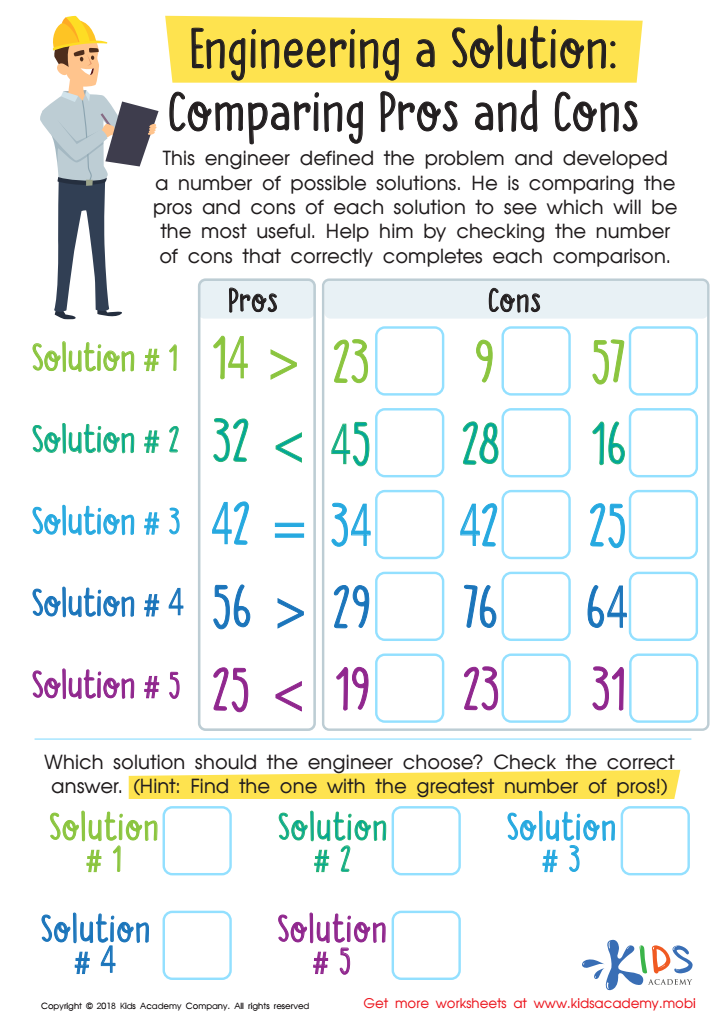
Engineering a Solution: Comparing Pros and Cons Worksheet
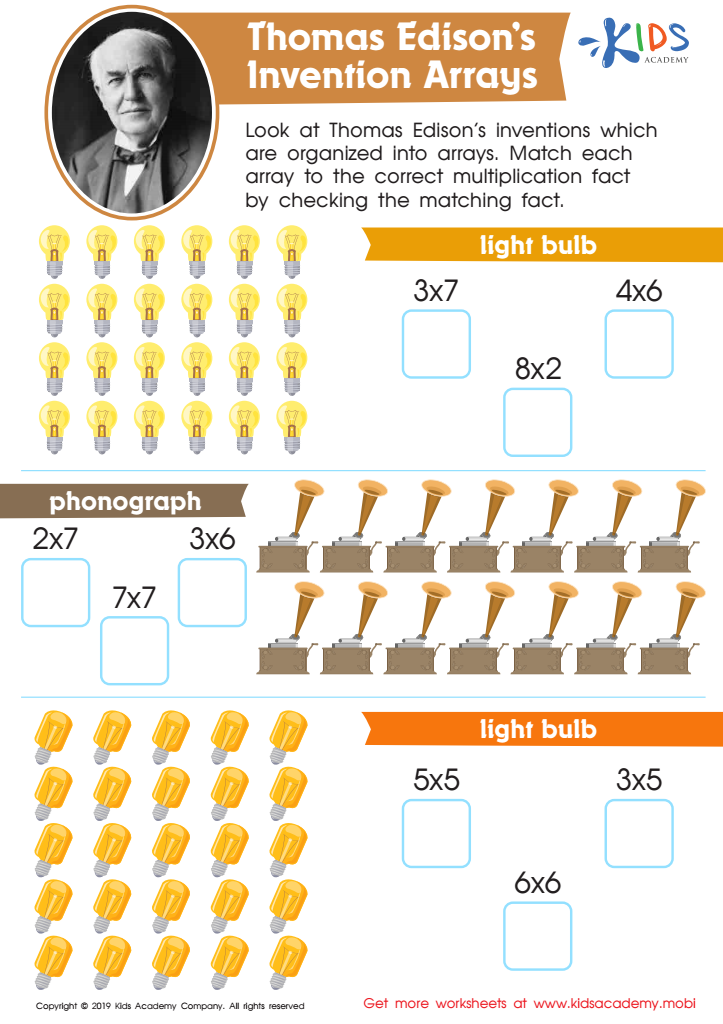
Thomas Edison’s Invention Arrays Worksheet





.jpg)
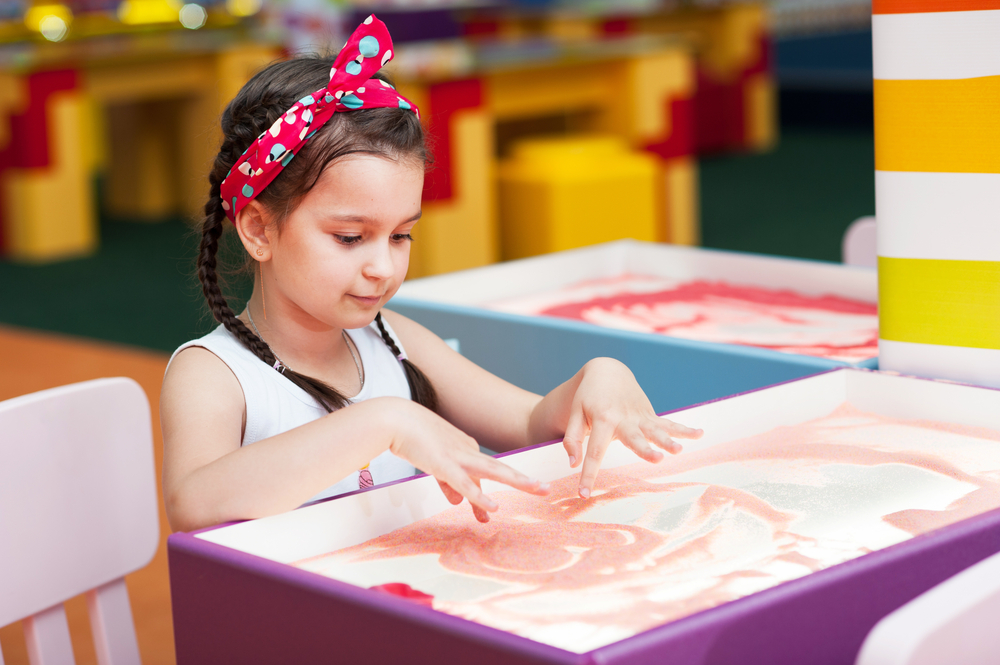

Critical thinking in physical science is essential for fostering a deeper understanding of the world around us, making it a priority for parents and teachers. It encourages students to analyze information, ask questions, and draw conclusions based on evidence, cultivating curiosity and a proactive mindset. As children develop critical thinking skills, they learn to differentiate between opinion and fact, helping them make informed decisions in their daily lives.
Moreover, physical science topics—such as physics, chemistry, and earth sciences—present real-world challenges that require innovative solutions. By engaging in scientific inquiry, children enhance their problem-solving abilities and learn to approach complex issues with a structured mindset. This intellectual foundation not only serves their academic pursuits but also equips them for future careers in an array of fields, including technology, engineering, medicine, and environmental science.
Additionally, in an era marked by misinformation, critical thinking in physical science empowers students to evaluate claims critically, fostering independent thought. Parents and teachers play a crucial role in nurturing these skills, ensuring that children become informed, responsible citizens who can actively participate in discussions about scientific advancements and environmental sustainability. Emphasizing critical thinking in physical science cultivates not only knowledge but wisdom and responsibility in our future leaders.







