Environmental awareness Plants and Animals Worksheets
4 filtered results
-
From - To
Discover our engaging Environmental Awareness Plants and Animals Worksheets, designed to foster a love for nature while teaching essential ecological concepts! Ideal for early learning classrooms, these worksheets help young students understand the vital roles that plants and animals play in our ecosystem. Through a variety of fun activities, including coloring, matching, and critical thinking exercises, children will develop a deeper awareness of environmental conservation. Our resources are tailored to support educators in promoting sustainability, encouraging curiosity, and nurturing responsible behaviors towards the environment. Empower your students with knowledge and skills to become future stewards of the planet! Explore our collection today!
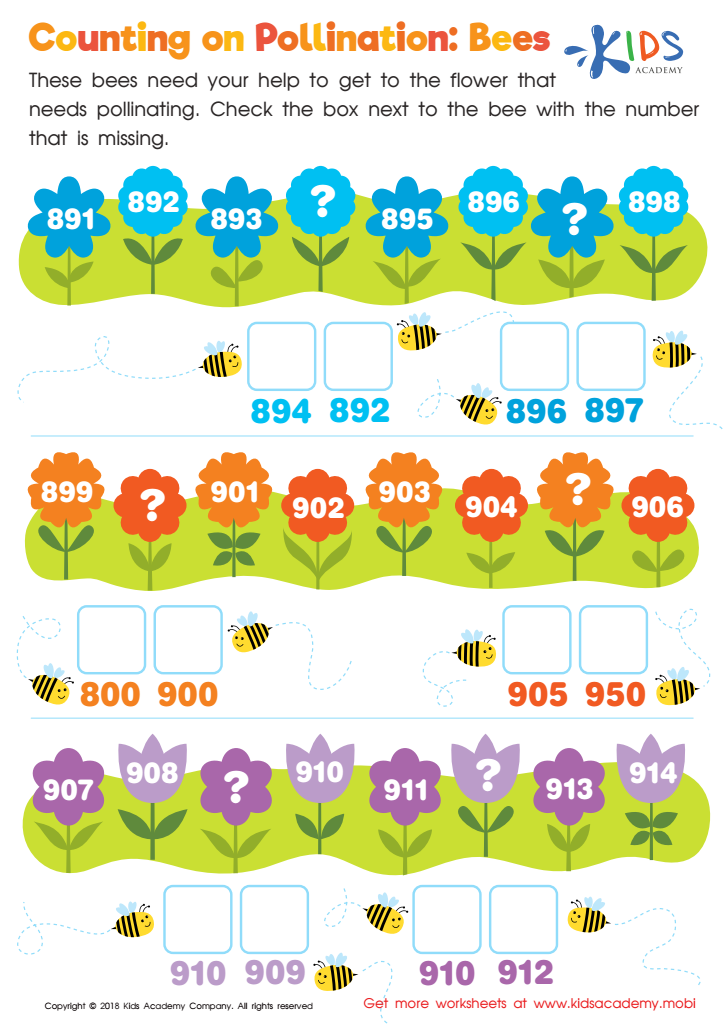
Counting on Pollination: Bees Worksheet
 Assign to My Students











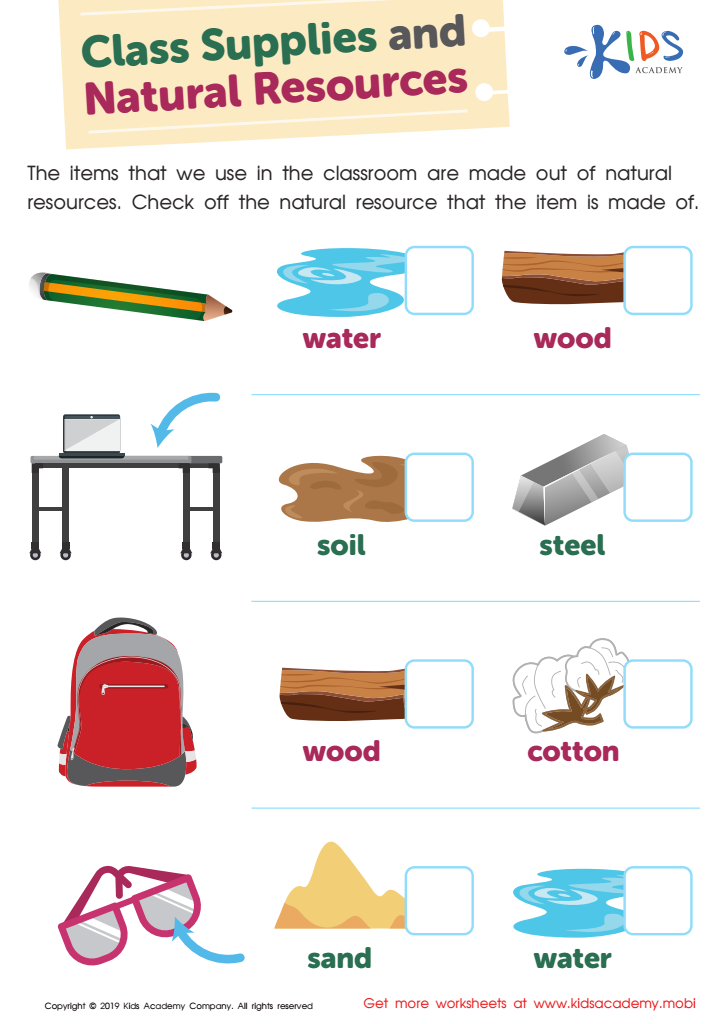
Class Supplies and Natural Resources Worksheet
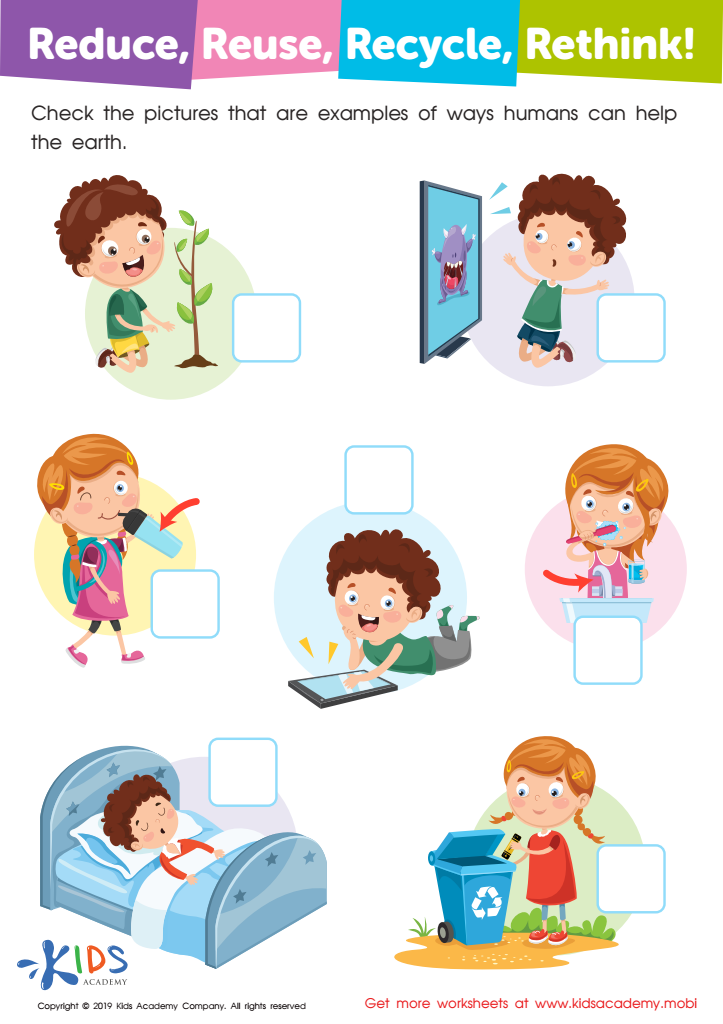
Reduce, Reuse, Recycle, Rethink Worksheet
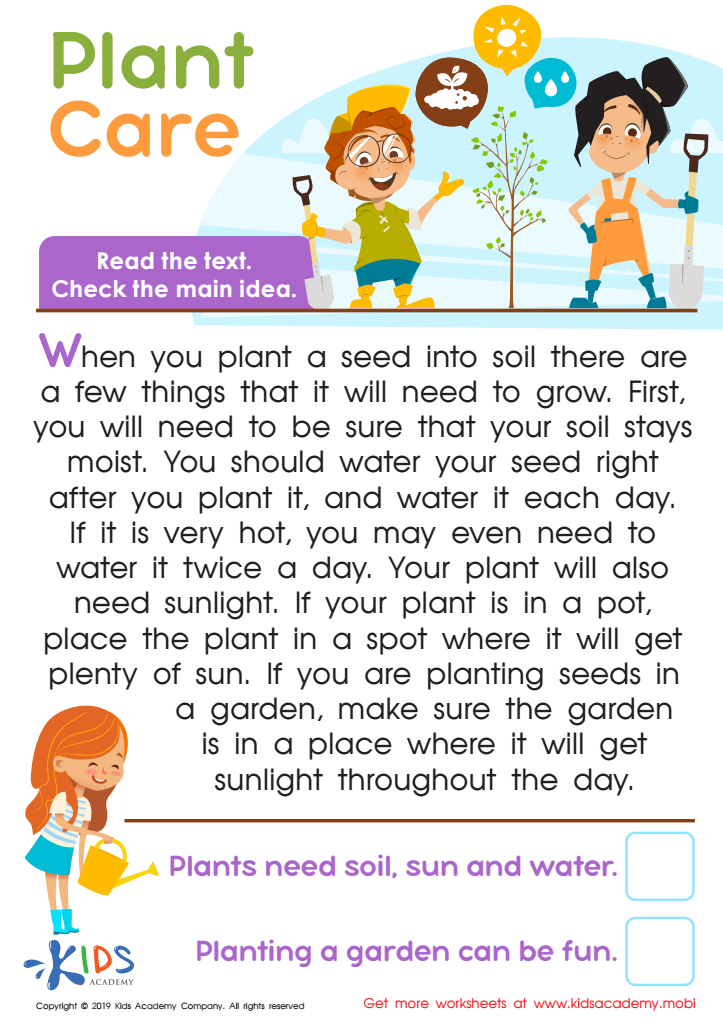
Plant Care Worksheet


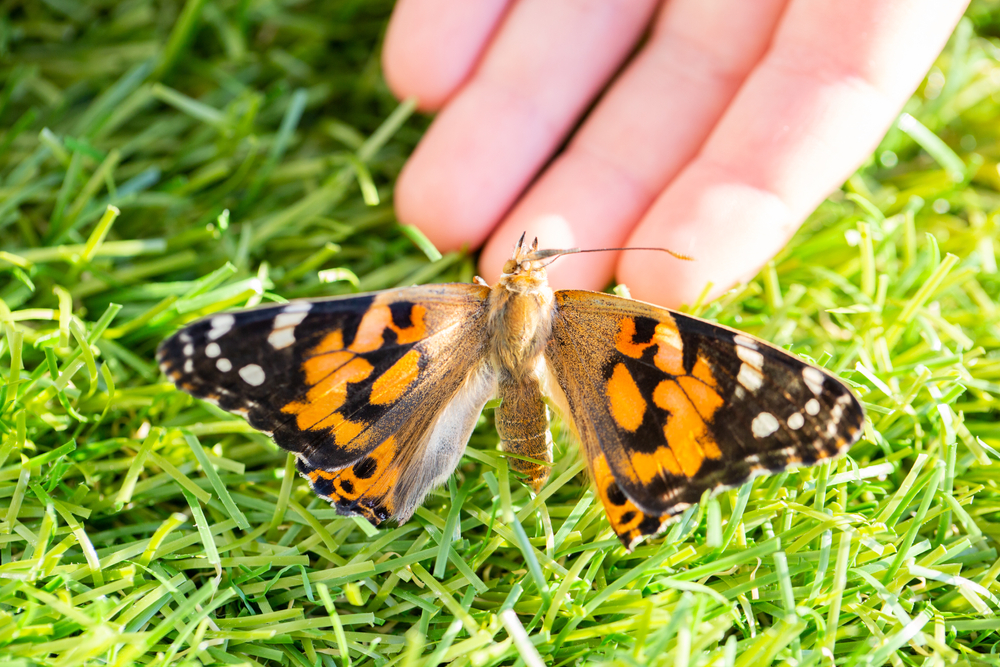


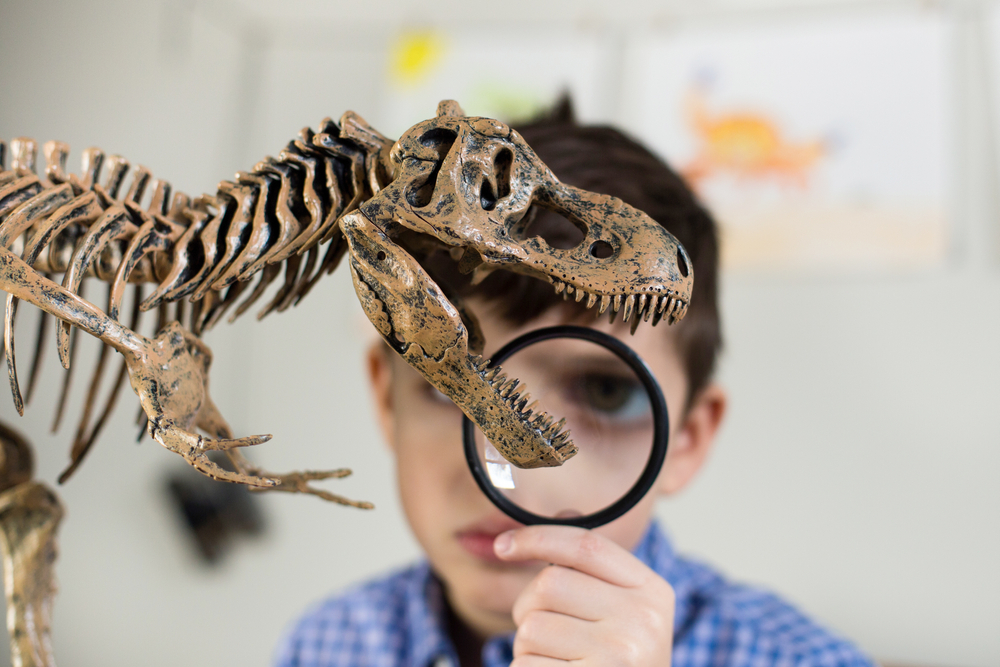


Environmental awareness, particularly regarding plants and animals, is crucial for parents and teachers as it lays the foundation for a sustainable future. By nurturing an understanding and respect for nature in children, adults can instill values that promote conservation and responsible stewardship of the Earth.
Healthy ecosystems provide essential services, such as clean air, water, and food resources, which are vital for human survival. Teaching children about the roles that plants and animals play in our world helps them appreciate biodiversity and the intricate interconnections within ecosystems. As they learn about the impacts of pollution, climate change, and habitat destruction, they become more informed and empowered to advocate for change.
Moreover, early exposure to environmental issues fosters critical thinking and problem-solving skills, encouraging students to devise innovative solutions for real-world problems. It also promotes empathy, as children learn to value all forms of life. Ultimately, increasing environmental awareness in young minds equips the next generation with the knowledge they need to build a sustainable world, making it essential for today’s educators and parents to engage in discussions and activities focused on the natural world. Through this awareness, we can help secure a better future for our planet and all its inhabitants.