Plant identification Plants and Animals Worksheets
5 filtered results
-
From - To
Discover the exciting world of botany with our Plant Identification Worksheets on Kids Academy! Designed for early learners, these printable activities help young scientists explore various plant species through interactive exercises. From recognizing leaf shapes to labeling plant parts, our worksheets make plant identification engaging and educational. Perfect for both classroom and home use, they enhance observational skills, promote curiosity, and foster a love for nature. With vibrant illustrations and easy-to-follow instructions, our plant identification worksheets are the ideal tool to inspire budding botanists. Visit Kids Academy today to bring the wonders of plant science into your child's learning journey!
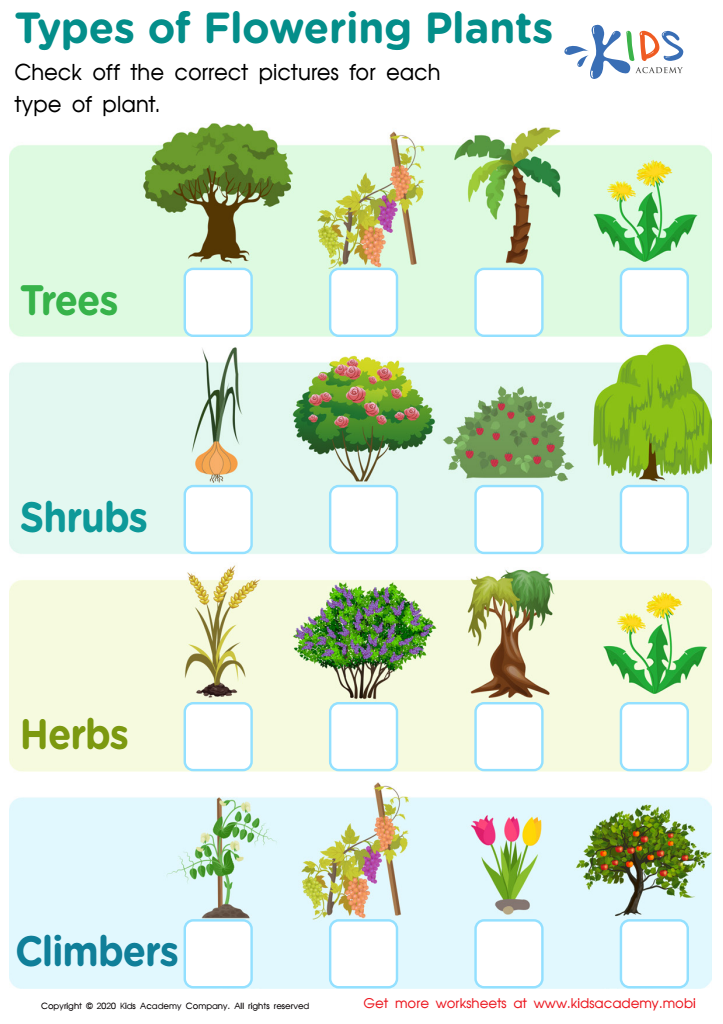
Types of Flowering Plants Worksheet
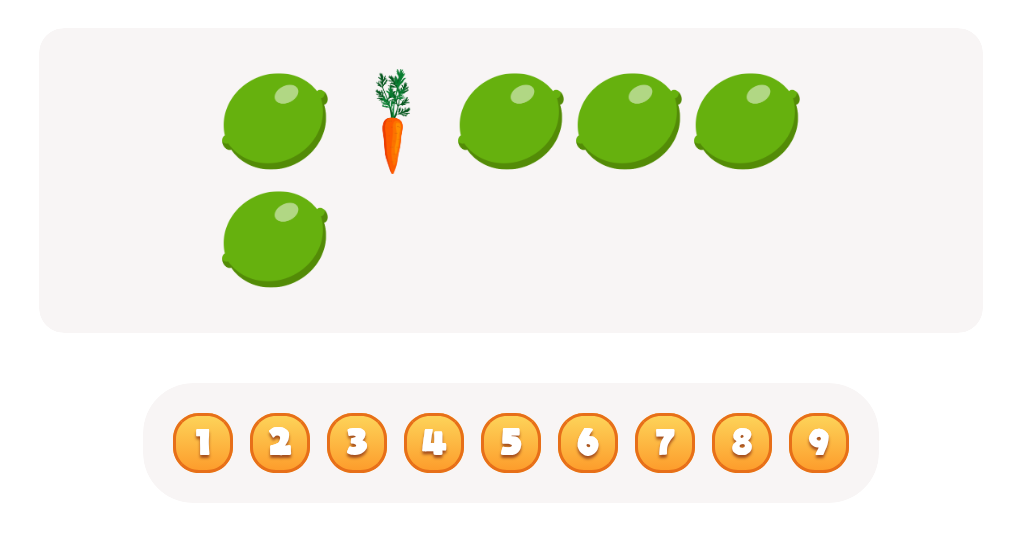


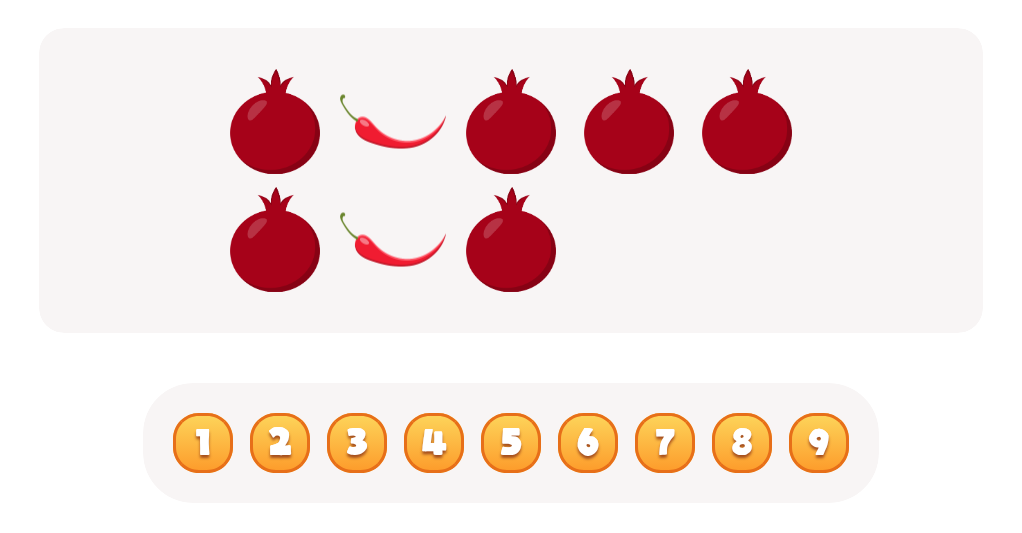
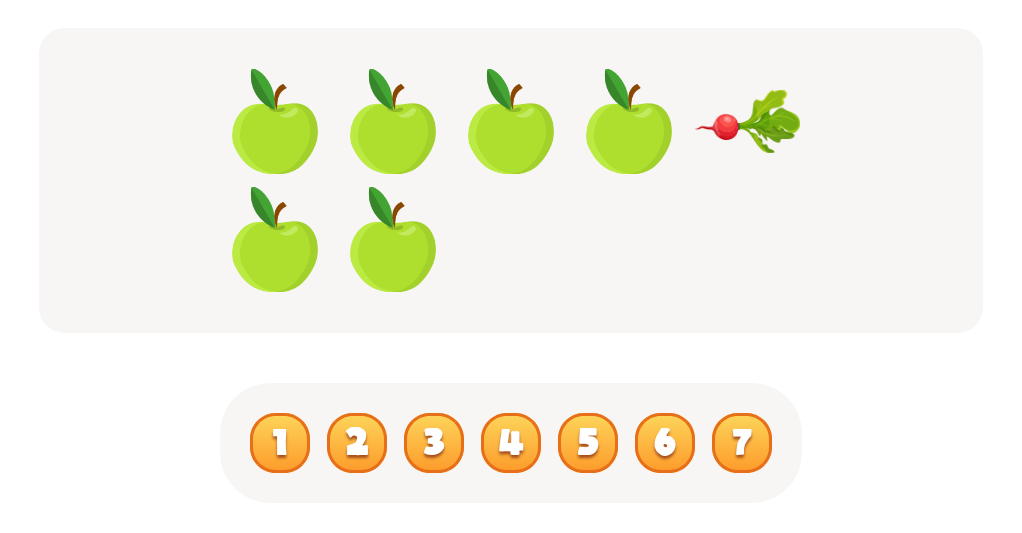
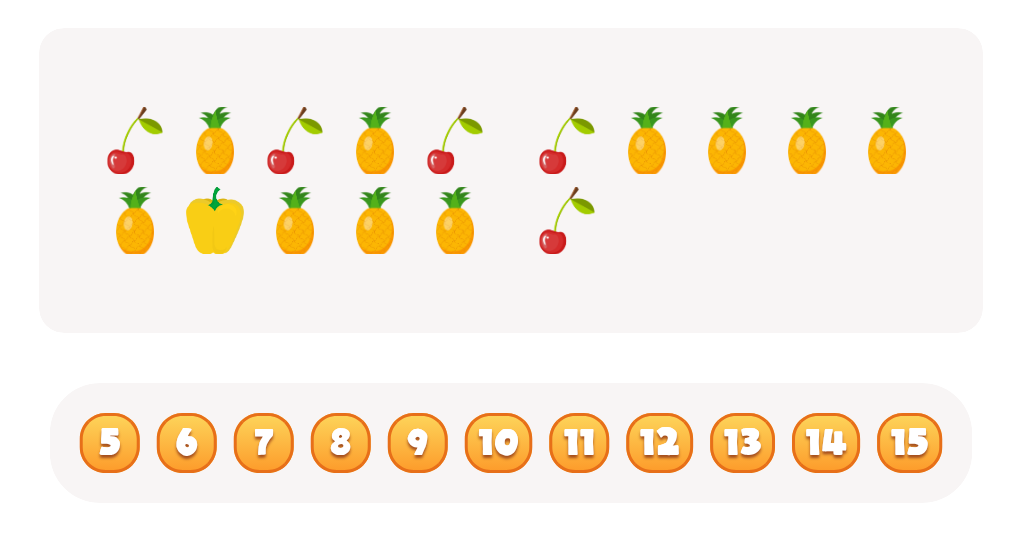
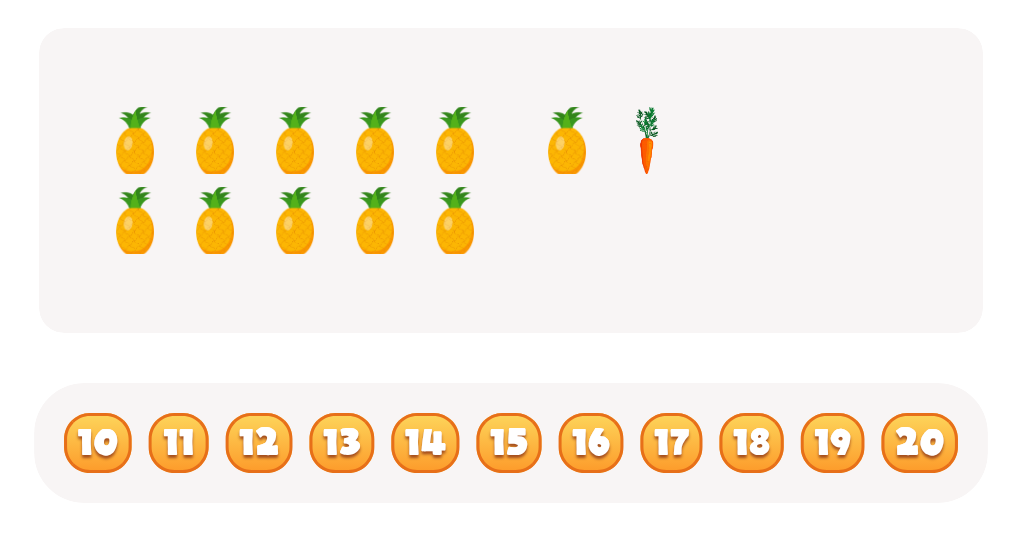
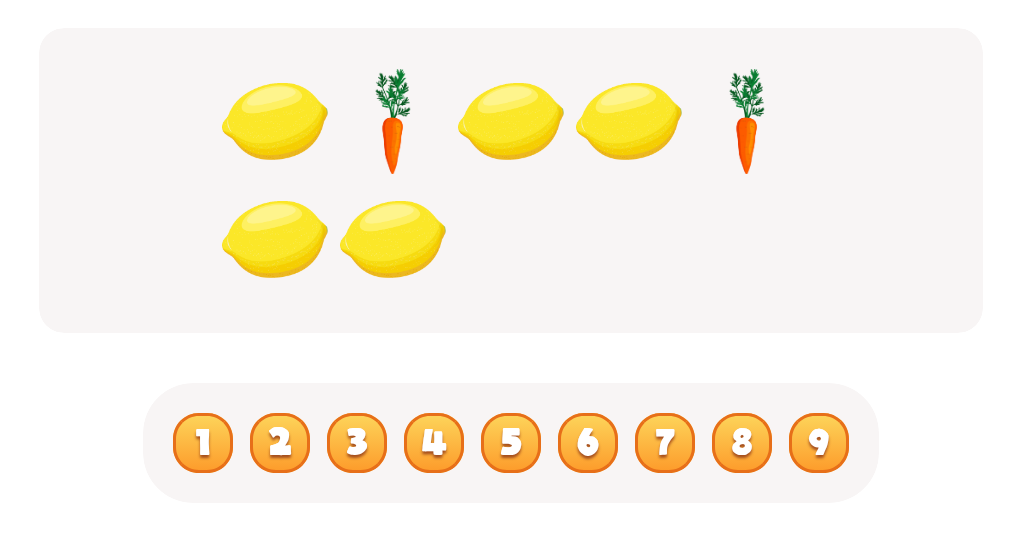
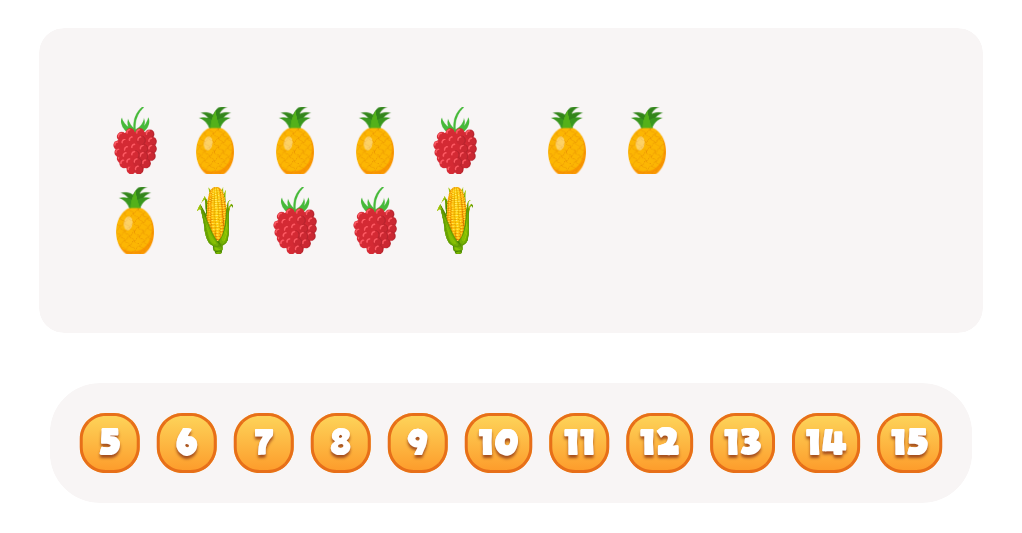
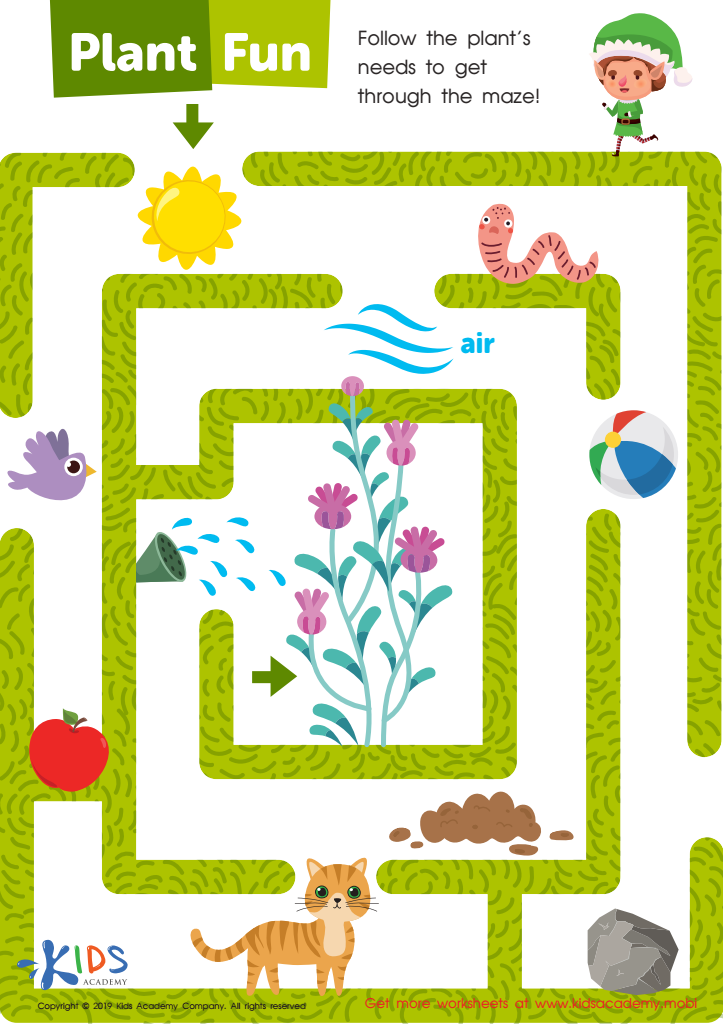
Plant Fun Worksheet
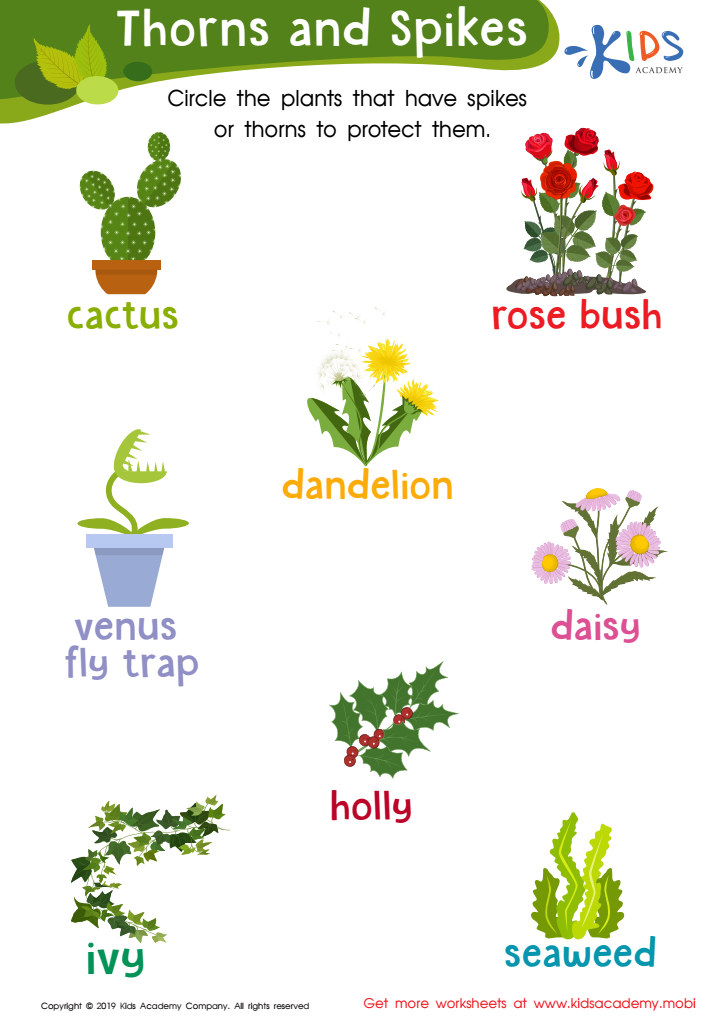
Thorns and Spikes Worksheet
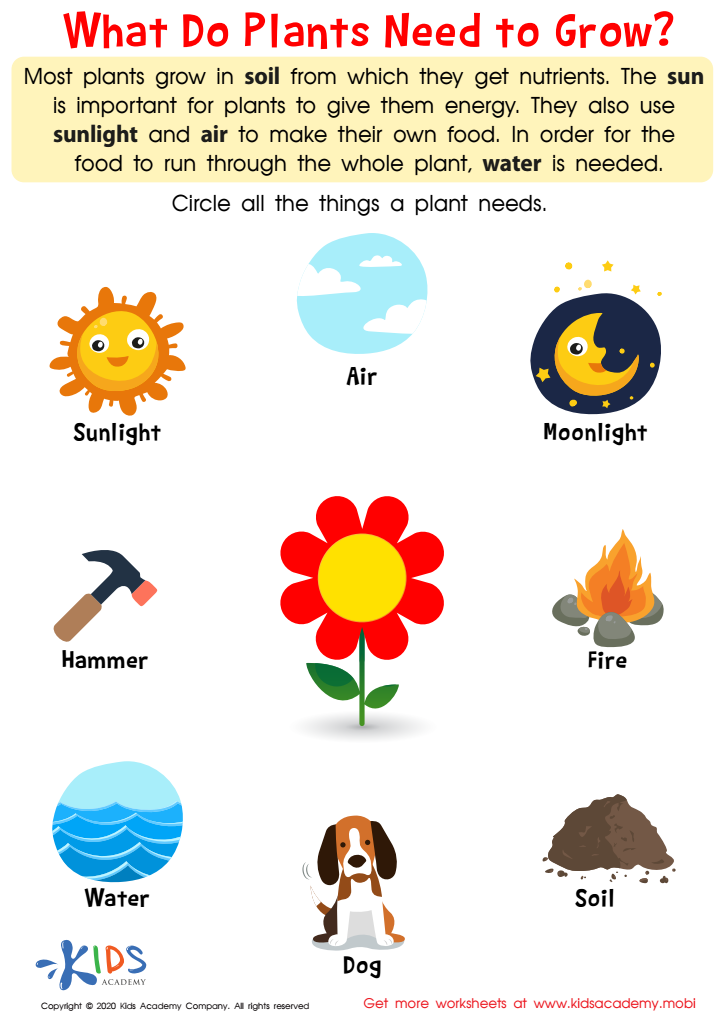
What Do Plants Need to Grow Worksheet
Jungle Plants Worksheet
 Assign to My Students




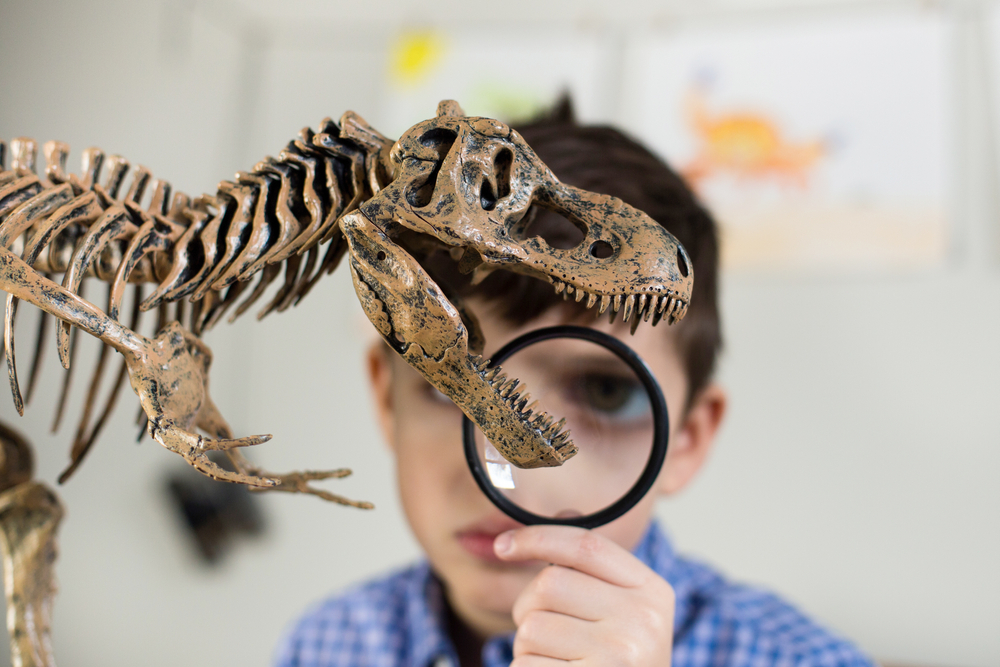



Parents and teachers should prioritize plant and animal identification as it plays a pivotal role in fostering a child's understanding of the environment. Knowing how to identify plants and animals cultivates an appreciation for nature, promoting a sense of responsibility and stewardship. Recognizing various species enhances observational skills and curiosity, encouraging children to engage more deeply with their surroundings.
Understanding plant and animal identification also has educational benefits. It integrates subjects like science, geography, and art, making learning more interconnected and fun. For example, identifying plants can lead to lessons on photosynthesis, ecosystems, and nutrition, while recognizing animals can introduce topics related to biodiversity, habitats, and conservation.
Practically, this knowledge is critical for safety and health. Recognizing poisonous plants like poison ivy or dangerous animals helps prevent accidents and injuries. Moreover, it can inspire healthier lifestyles by encouraging outdoor activities, gardening, and an interest in local foods.
Furthermore, in an age where many children spend considerable time indoors, reconnecting with nature can have therapeutic benefits, reducing stress and enhancing well-being. Therefore, by teaching plant and animal identification, parents and teachers equip children with life skills, grounding their education in real-world relevance and fostering a deeper connection to our planet.








