Color recognition Grade 2 Worksheets - Page 2
72 filtered results
-
From - To
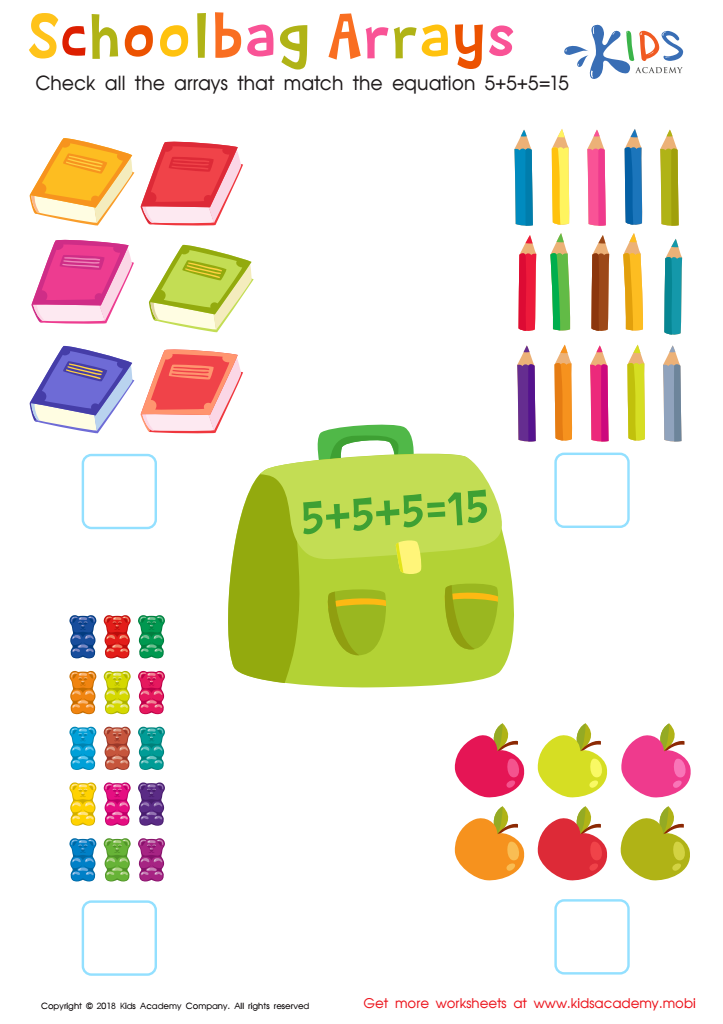
Schoolbag Arrays Worksheet
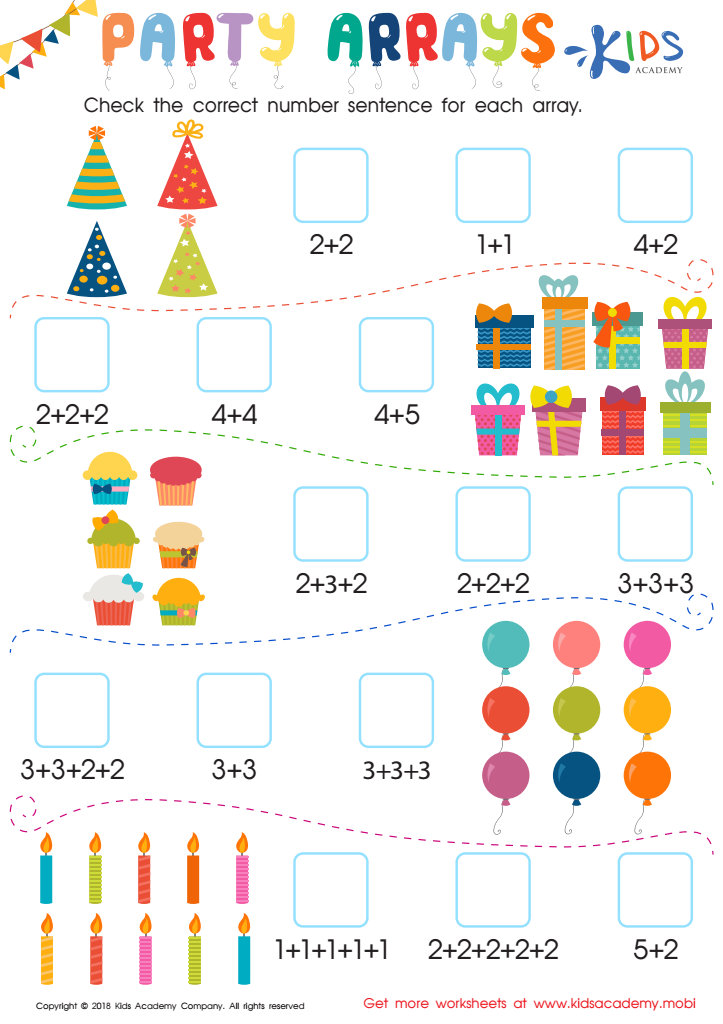
Party Arrays Worksheet
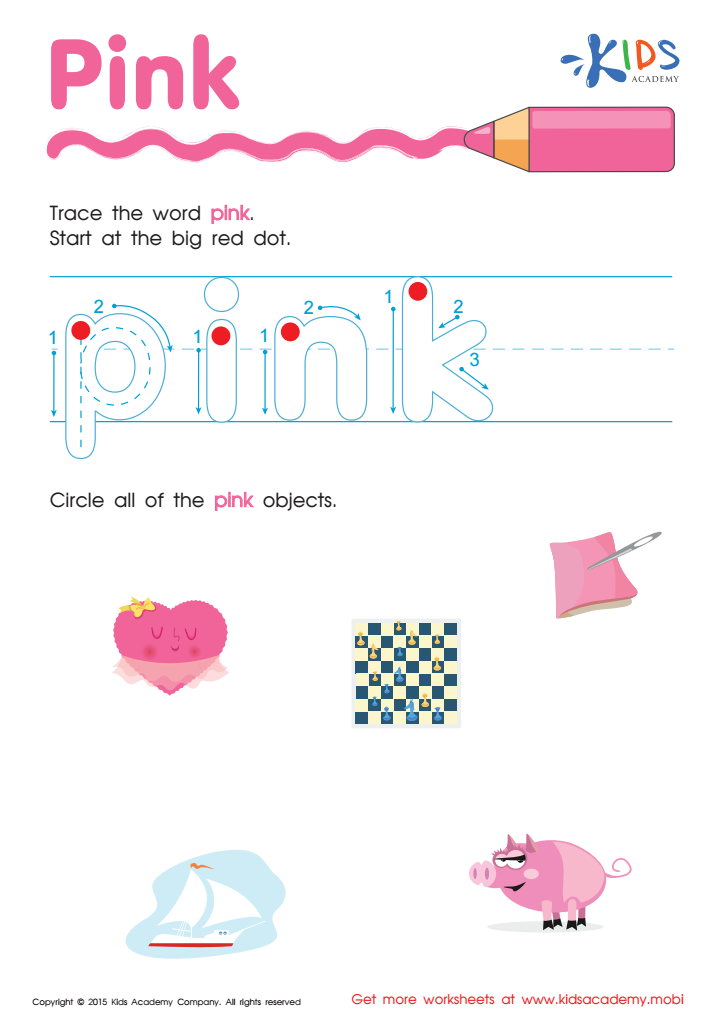
Pink Tracing Color Words Worksheet
Halloween: A Bat Printable
 Assign to My Students
Little Mermaid Coloring Page
Assign to My Students
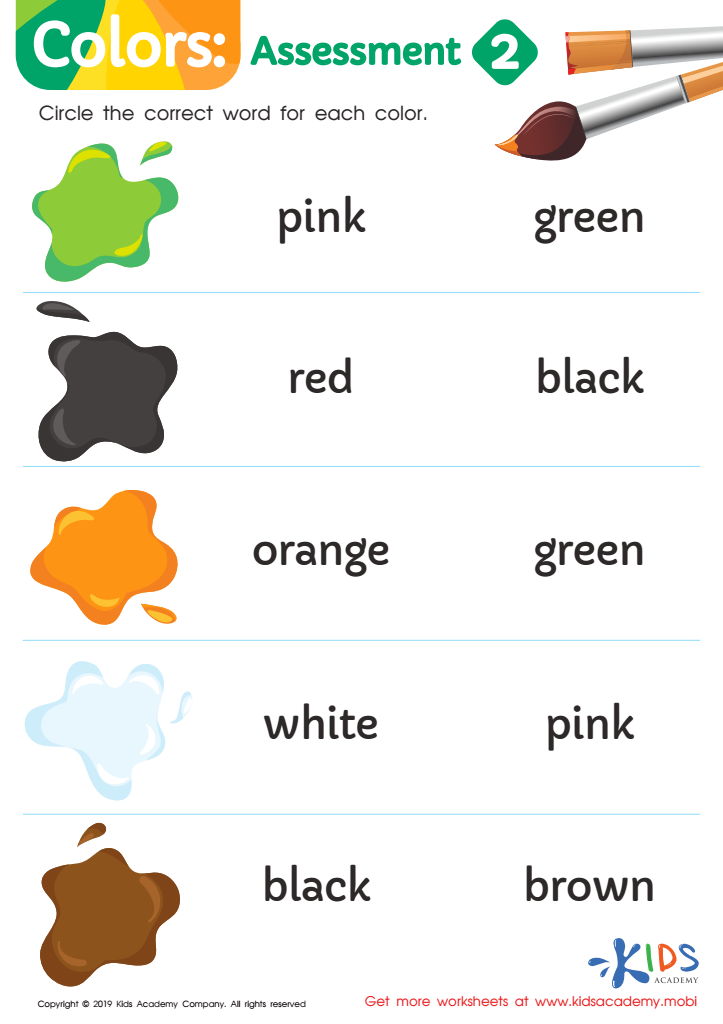
Colors: Assessment 2 Worksheet
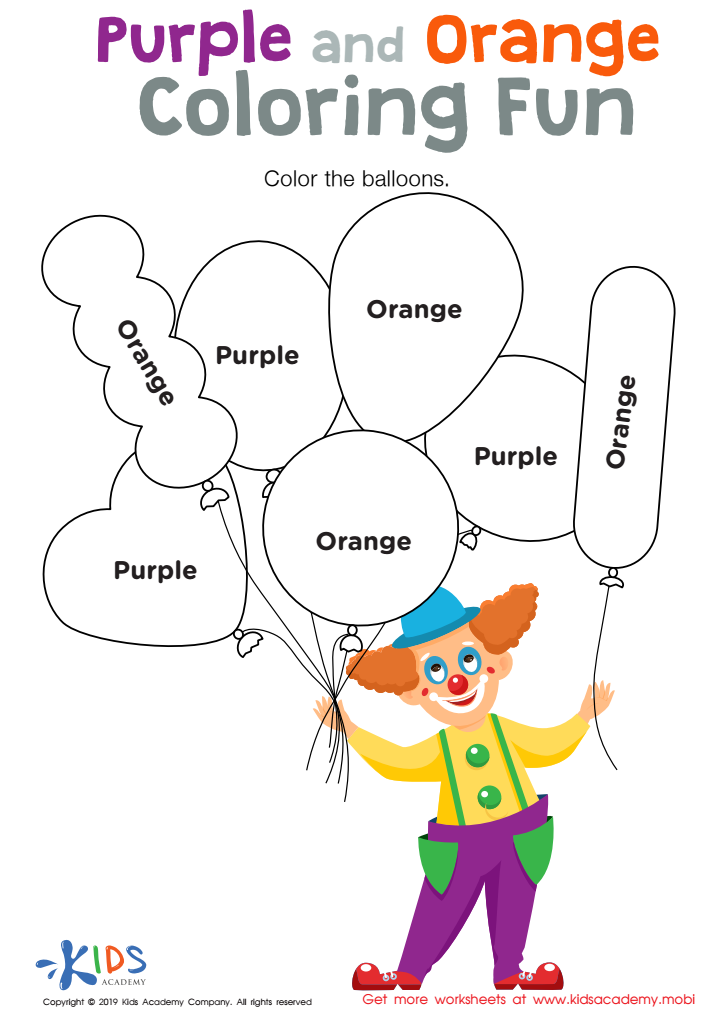
Purple and Orange Coloring Fun Worksheet
Assign to My Students
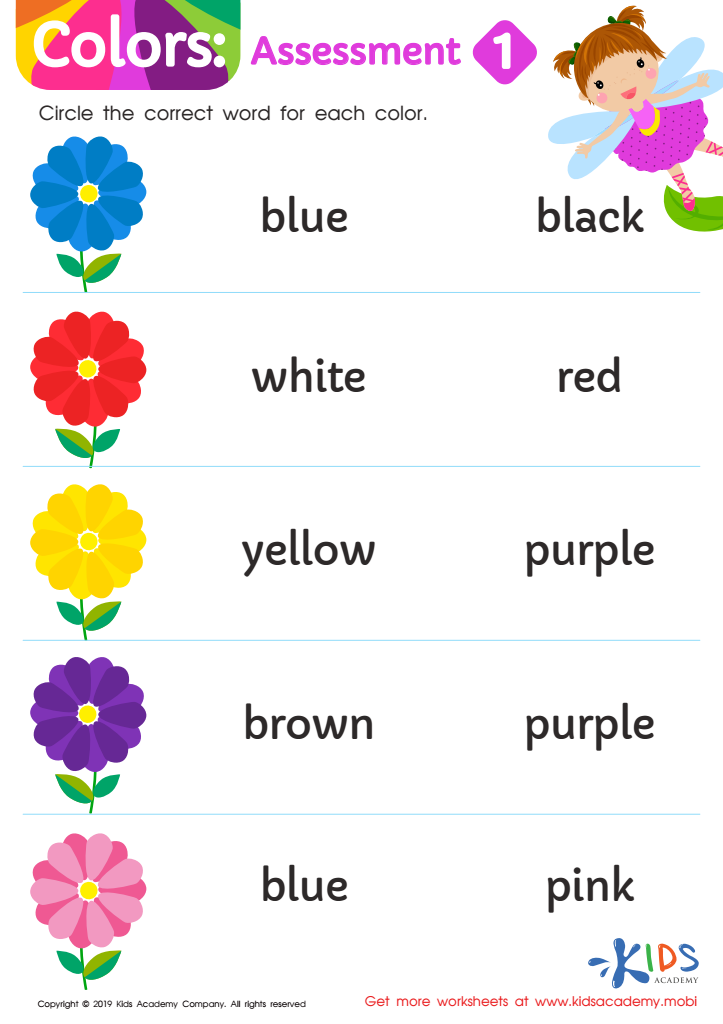
Colors: Assessment 1 Worksheet
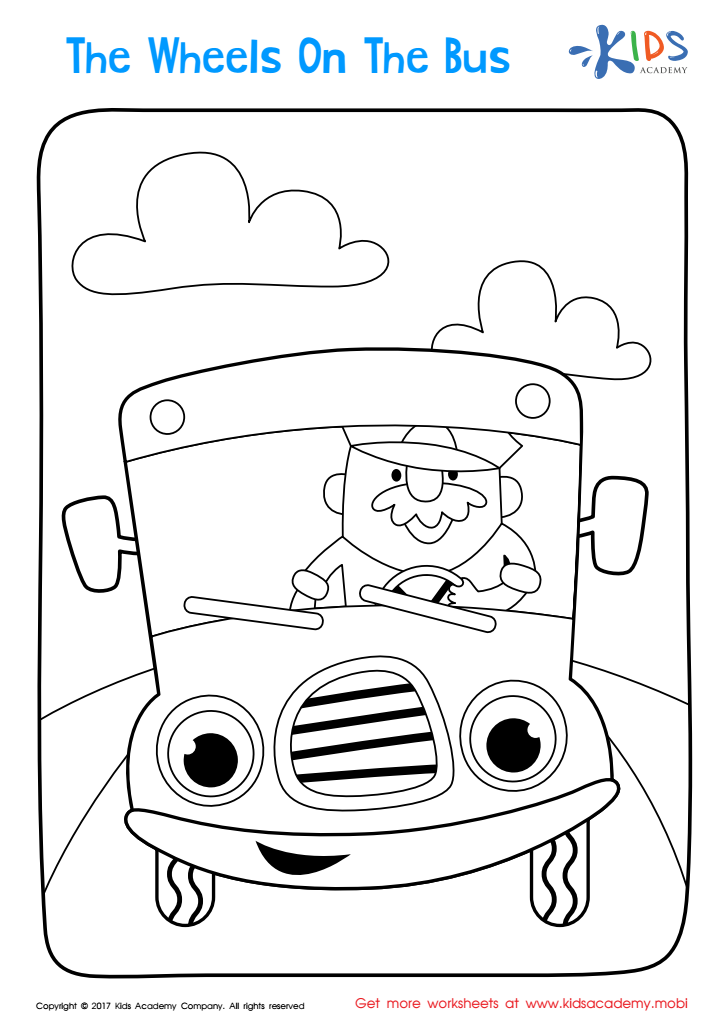
The Wheels on the Bus Coloring Page
Assign to My Students

Hickory Dickory Dock Coloring Page
Assign to My Students
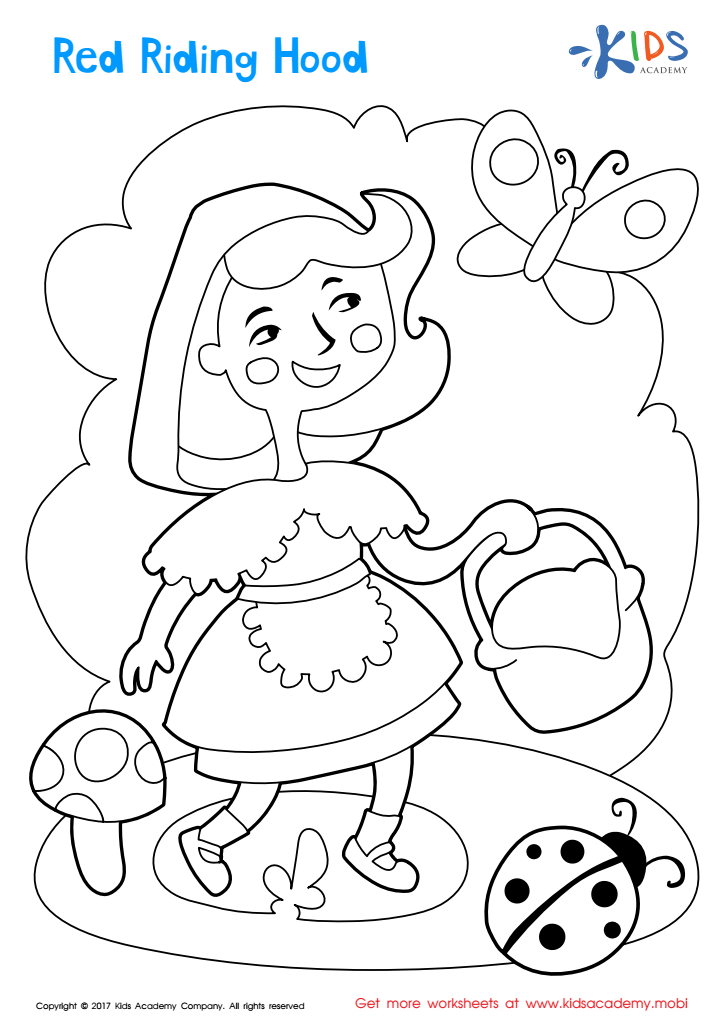
Red Riding Hood Coloring Page
Assign to My Students
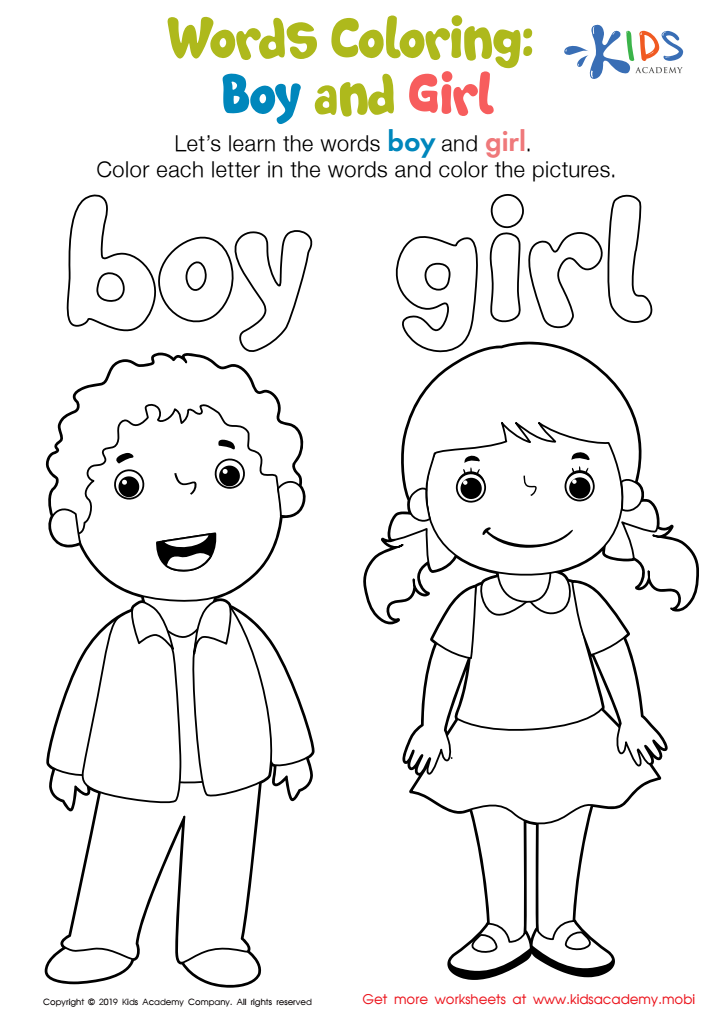
Boy and Girl Words Coloring Worksheet
Assign to My Students

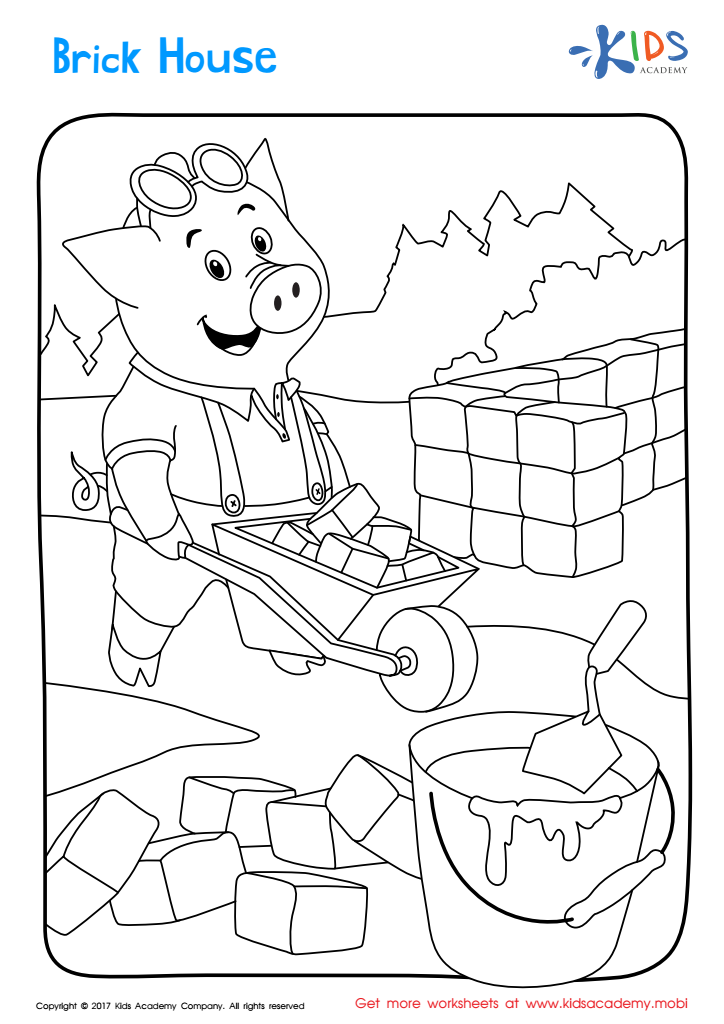
Brick House Printable Coloring Page
Assign to My Students
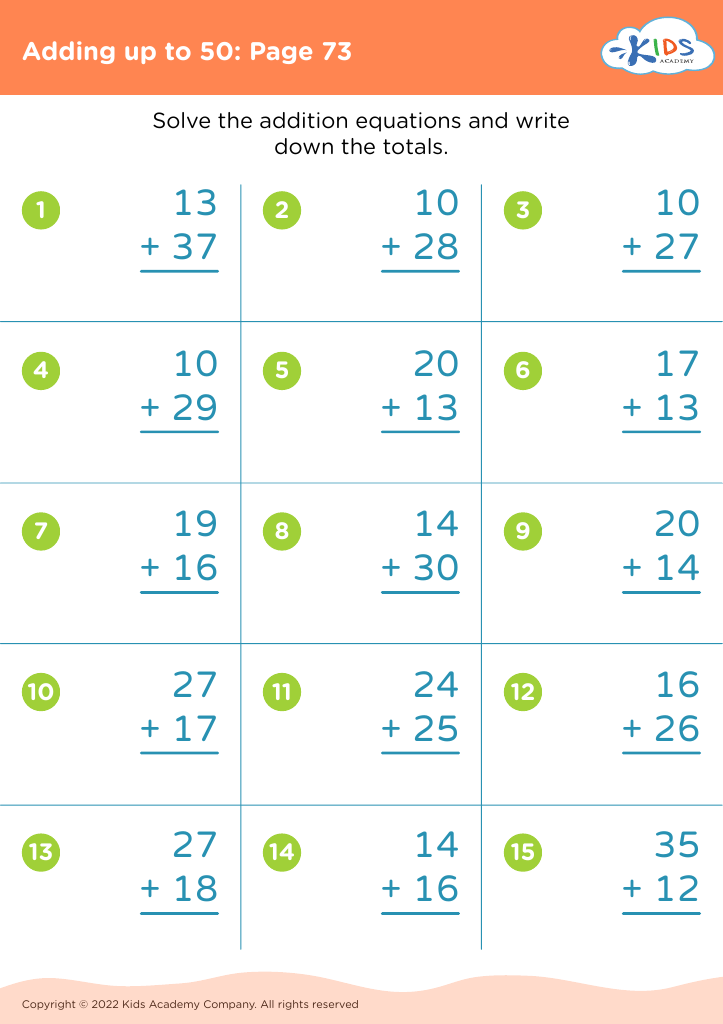
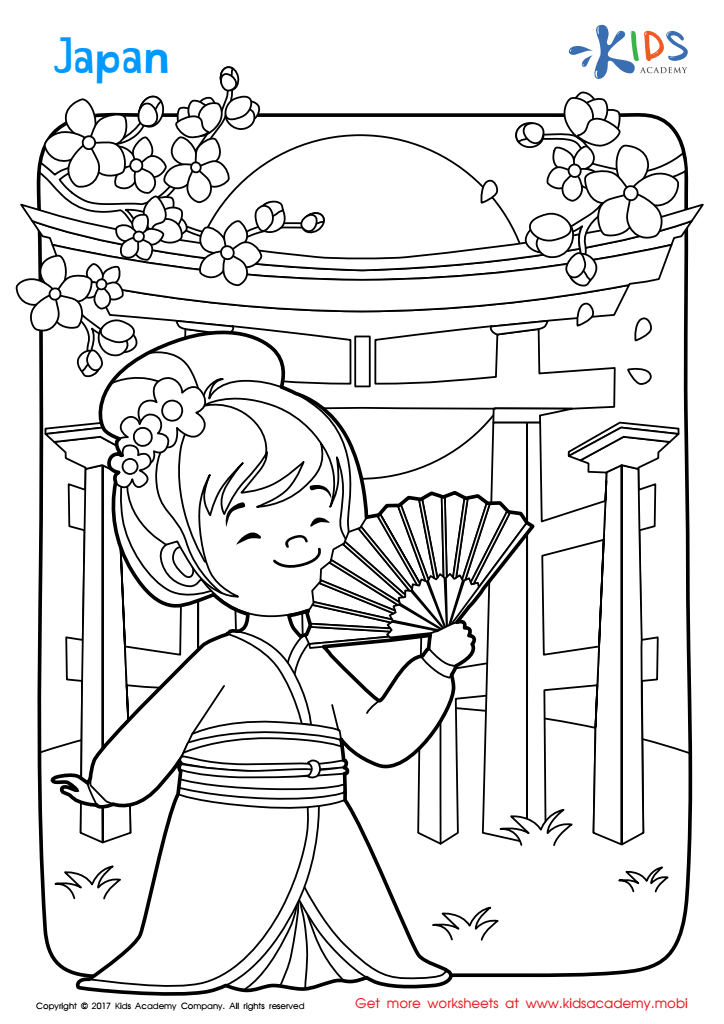
Japan Printable
Assign to My Students

Grey Tracing Color Words Worksheet

Pirate Ship Coloring Page
Assign to My Students
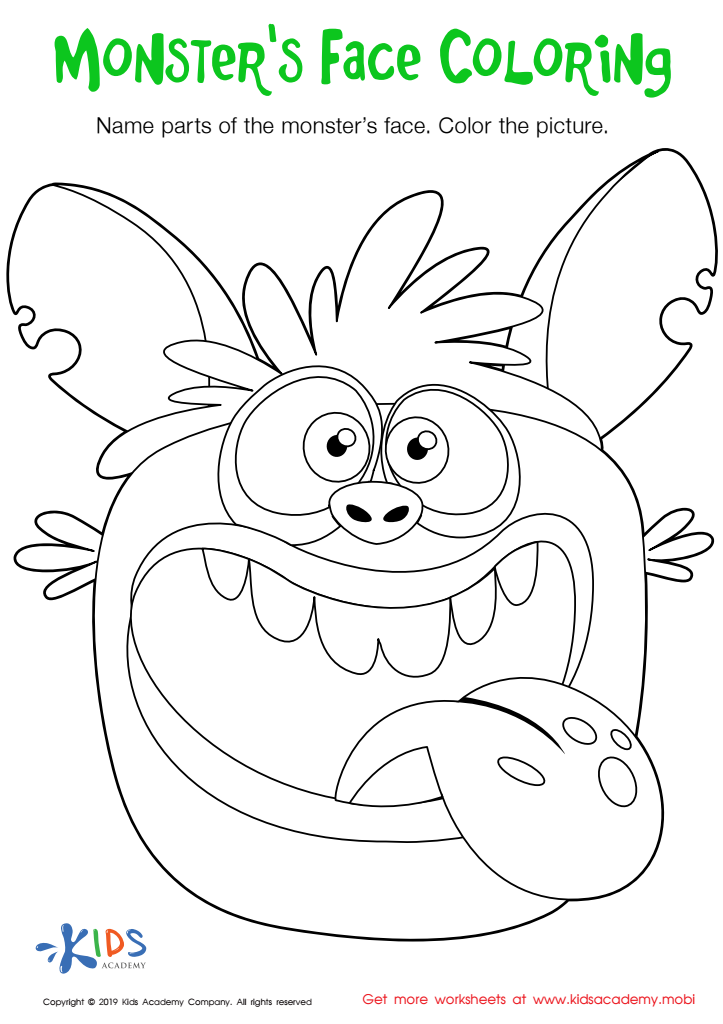
Monster's Face Coloring Worksheet
Assign to My Students
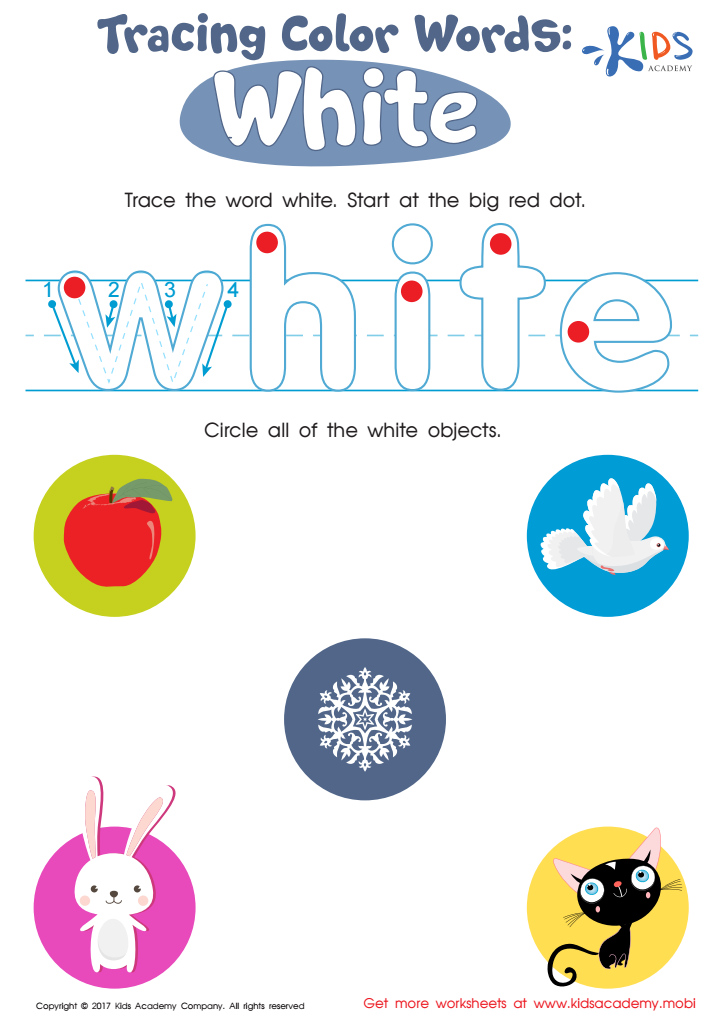
White Tracing Color Words Worksheet
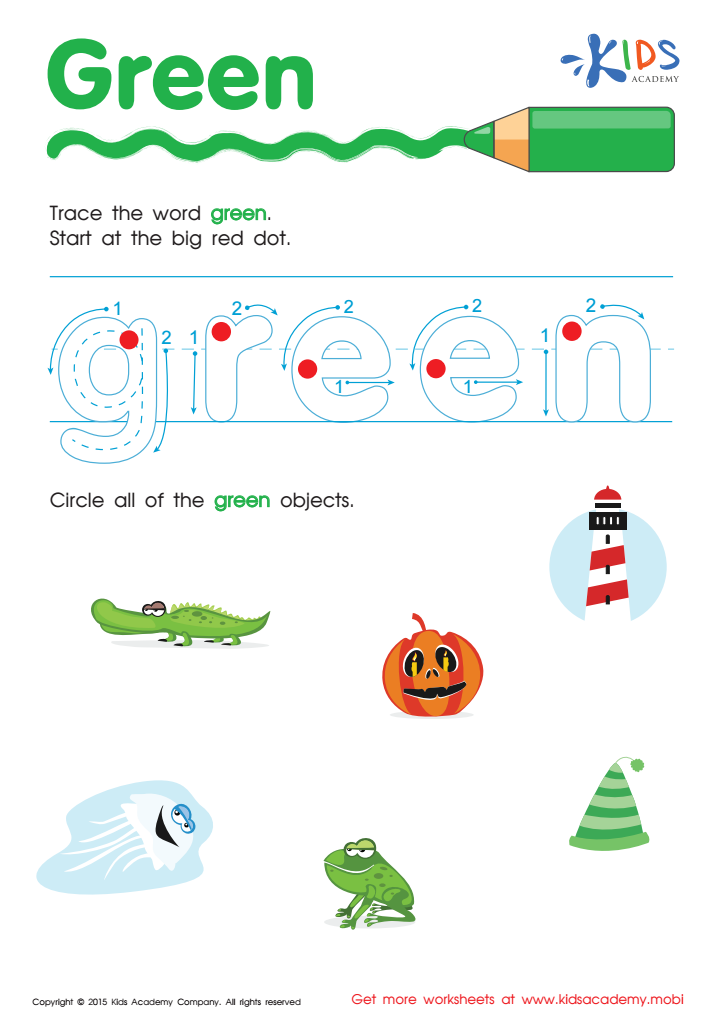
Green Tracing Color Words Worksheet
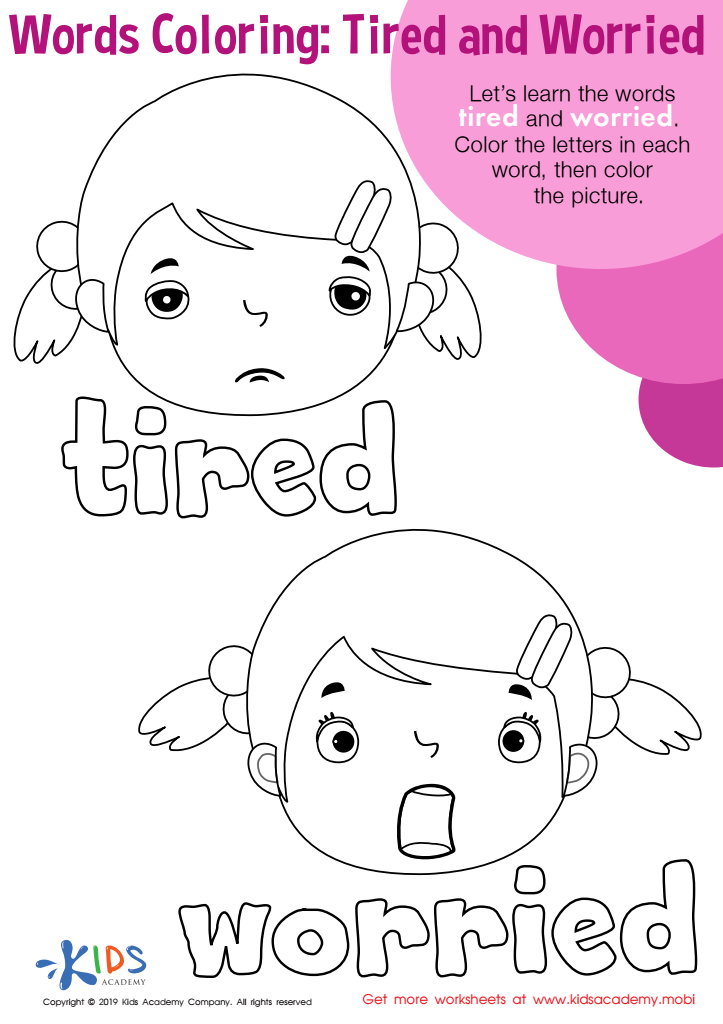
Tired and Worried Words Coloring Worksheet
Assign to My Students




Color recognition is a fundamental skill for Grade 2 students, and parents and teachers should prioritize it for several reasons. First, color recognition enhances a child’s cognitive development. By identifying colors, children are also refining their observation skills, which are crucial for their overall learning. This skill aids in categorization and comparison, laying a foundation for more complex concepts in subjects like math and science.
Second, color recognition fosters creativity and self-expression. Art and creative projects often utilize color to convey emotions and ideas. When children can recognize and use colors effectively, they develop greater confidence in their creative abilities, which can positively affect their self-esteem.
Moreover, color awareness assists in daily life skills. From organizing their belongings to understanding traffic signals for safety, recognizing colors is vital. In a diverse classroom, color recognition also supports inclusivity and cultural awareness, as colors often have significant meanings in different cultures.
Lastly, teaching color recognition can strengthen the bond between parents, teachers, and children through playful activities, reading books, or engaging in art projects. By investing time in developing this skill, adults can support a child’s holistic growth and lay the groundwork for lifelong learning.