Check out this FREE Grade 2 "Comparing Fractions" Trial Lesson!

Irregular Past Tense Verbs

Favorites
With answer key
Interactive
  • Grade 2
  • Comparing Fractions
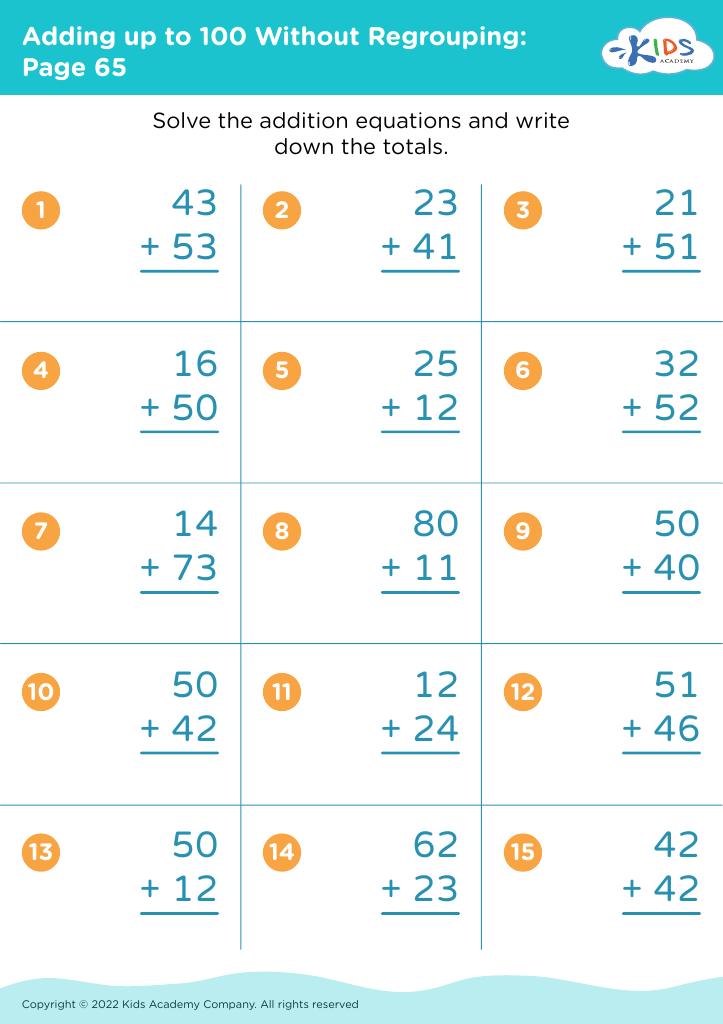
Adding up to 100 Without Regrouping: Page 65
Worksheet
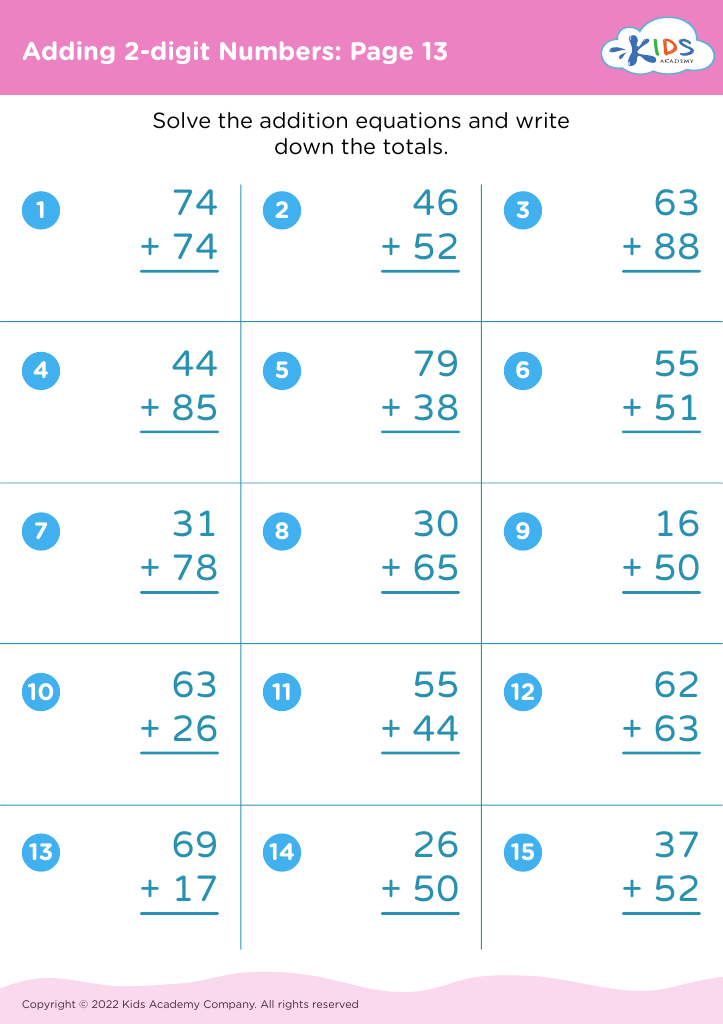
Adding 2-digit Numbers: Page 13

Adding 2-digit Numbers: Page 13

Adding 2-digit Numbers: Page 13
Worksheet
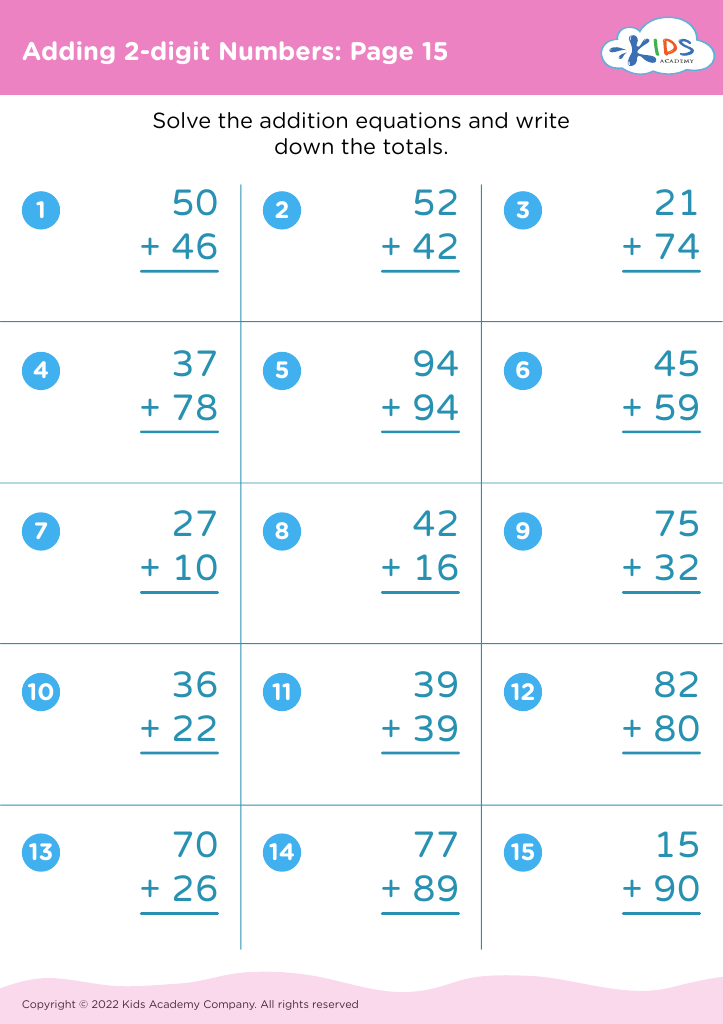
Adding 2-digit Numbers: Page 15

Adding 2-digit Numbers: Page 15

Adding 2-digit Numbers: Page 15
Worksheet
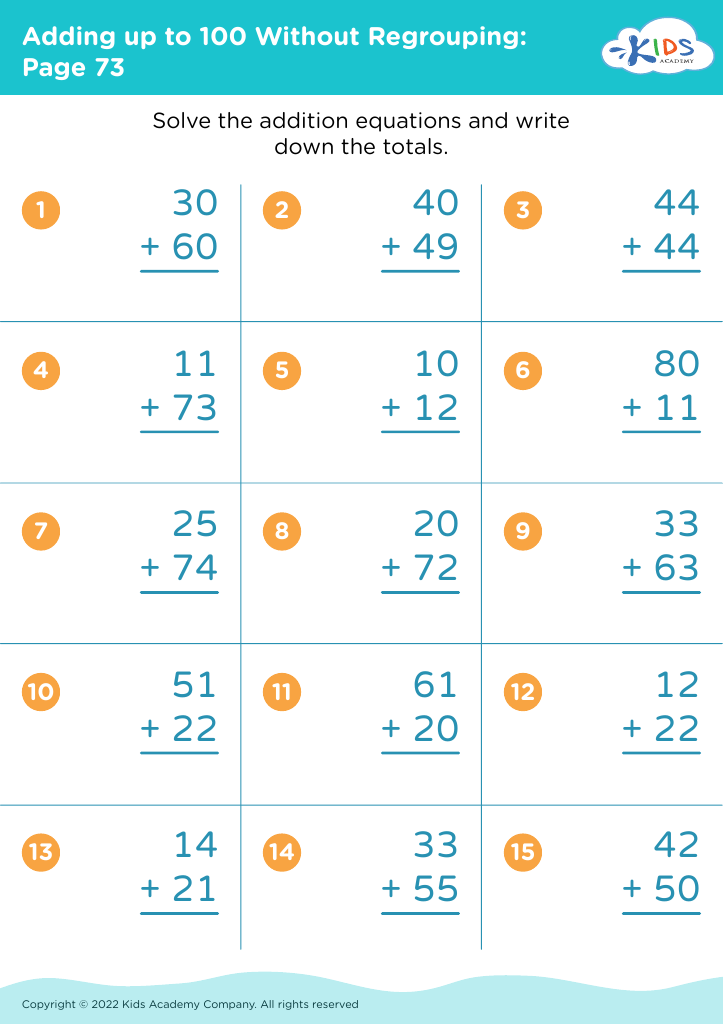
Adding up to 100 Without Regrouping: Page 73
Worksheet
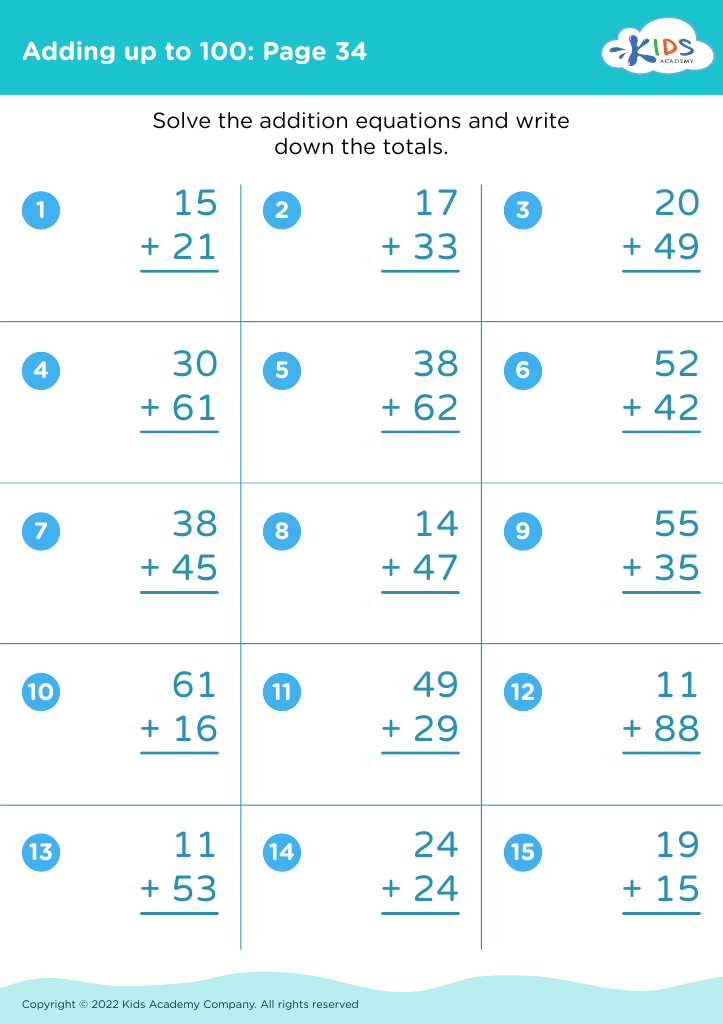
Adding up to 100: Page 34

Adding up to 100: Page 34

Adding up to 100: Page 34
Worksheet
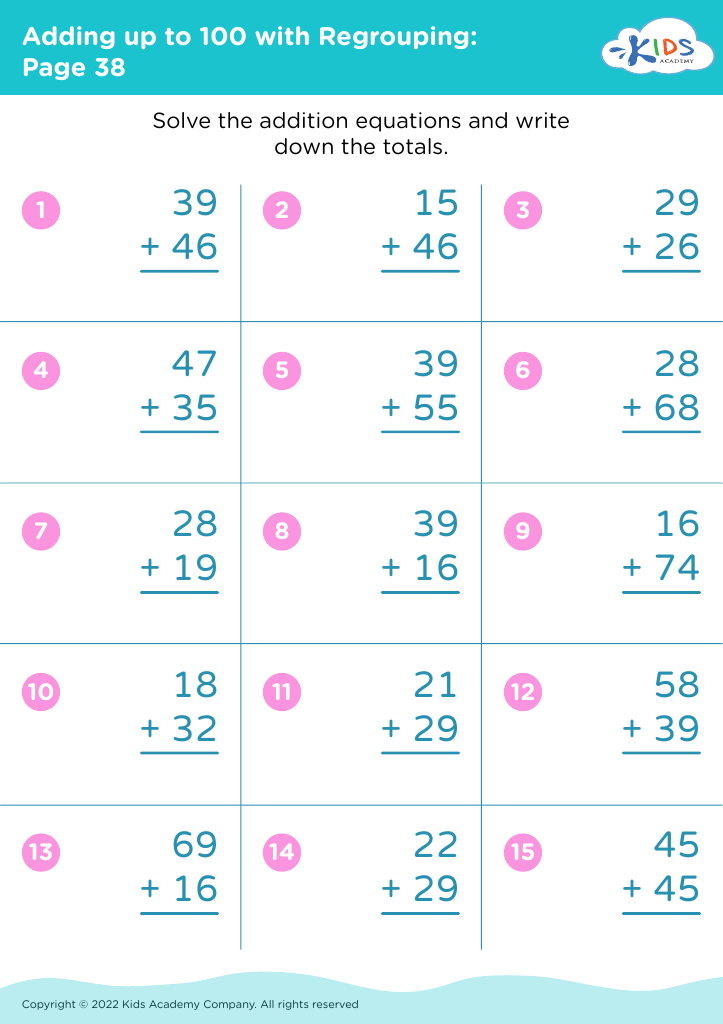
Adding up to 100 with Regrouping: Page 38
Worksheet
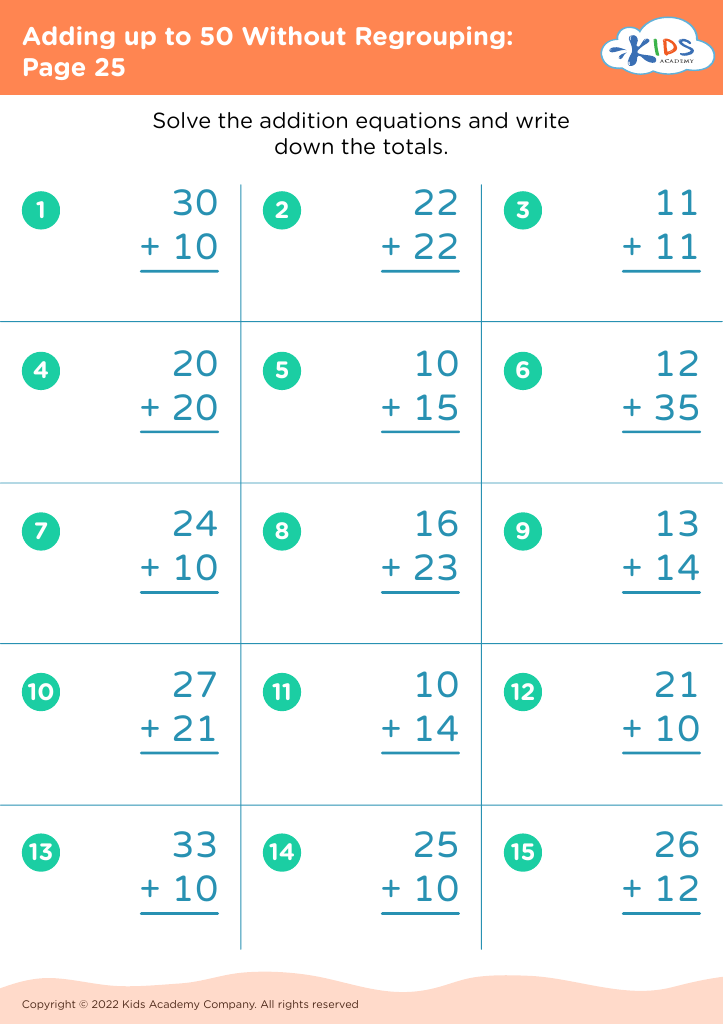
Adding up to 50 Without Regrouping: Page 25
Worksheet
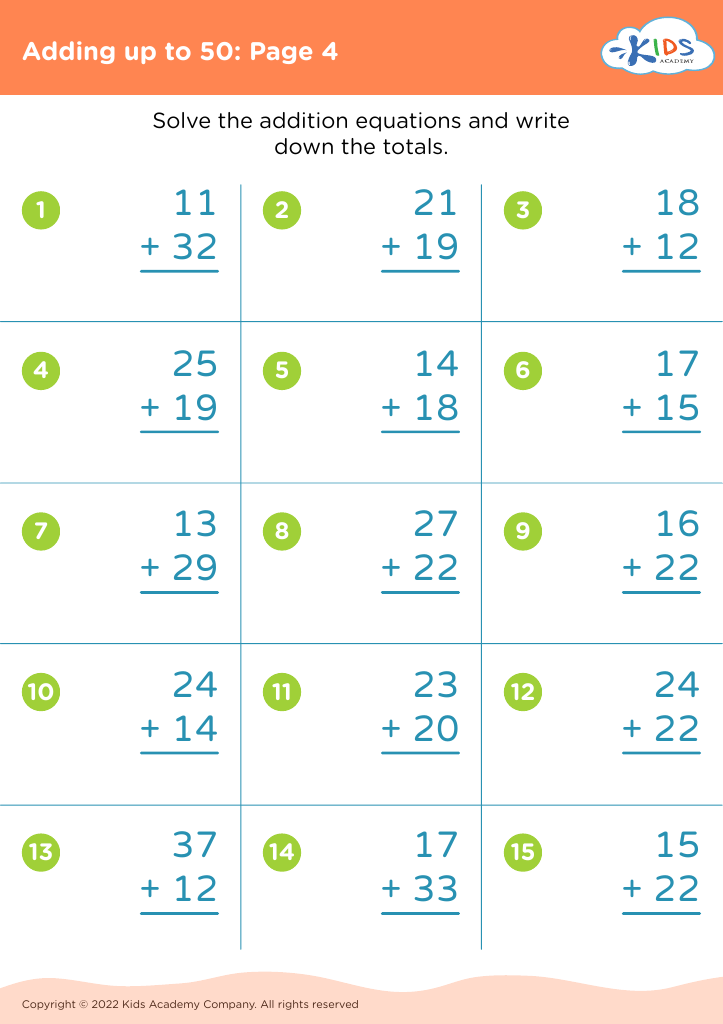
Adding up to 50: Page 4

Adding up to 50: Page 4

Adding up to 50: Page 4
Worksheet
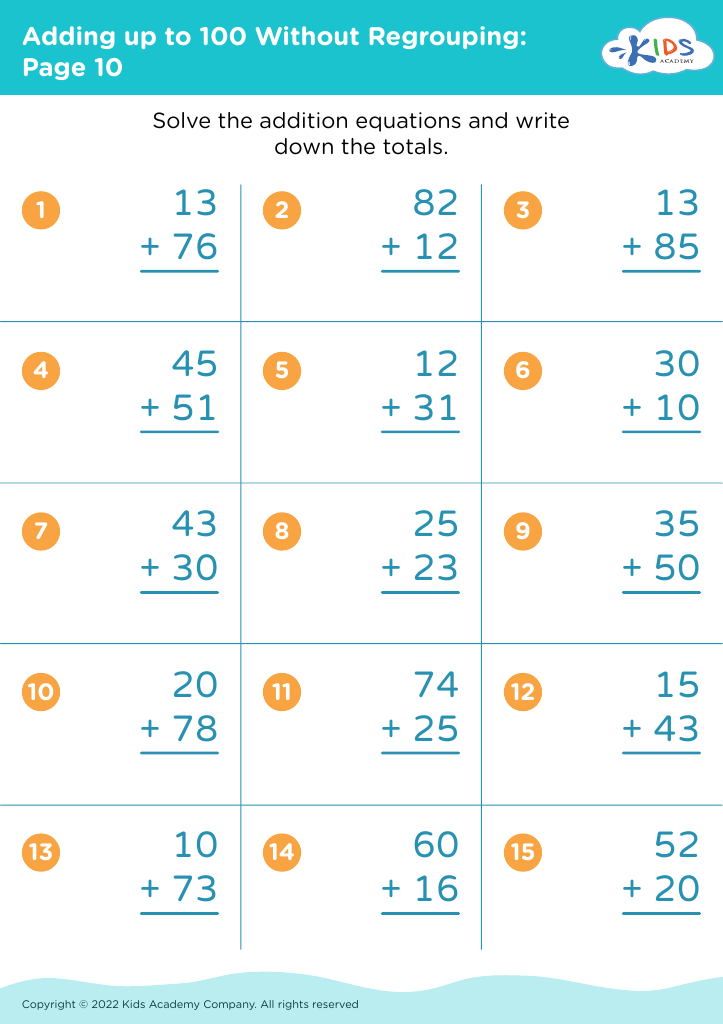
Adding up to 100 Without Regrouping: Page 10
Worksheet
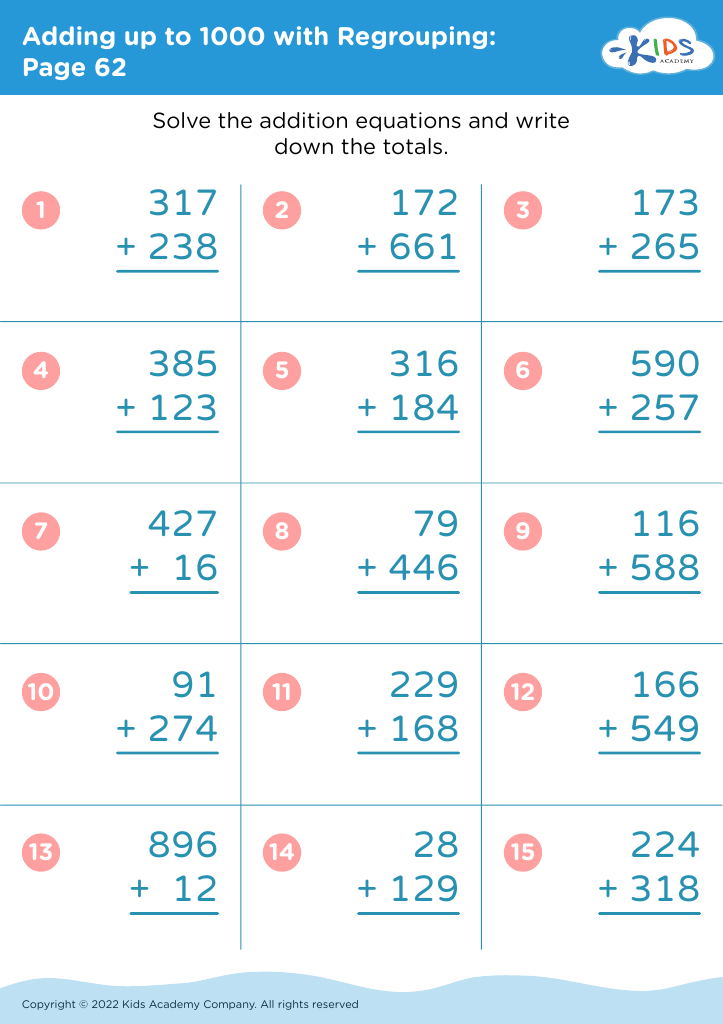
Adding up to 1000 with Regrouping: Page 62
Worksheet
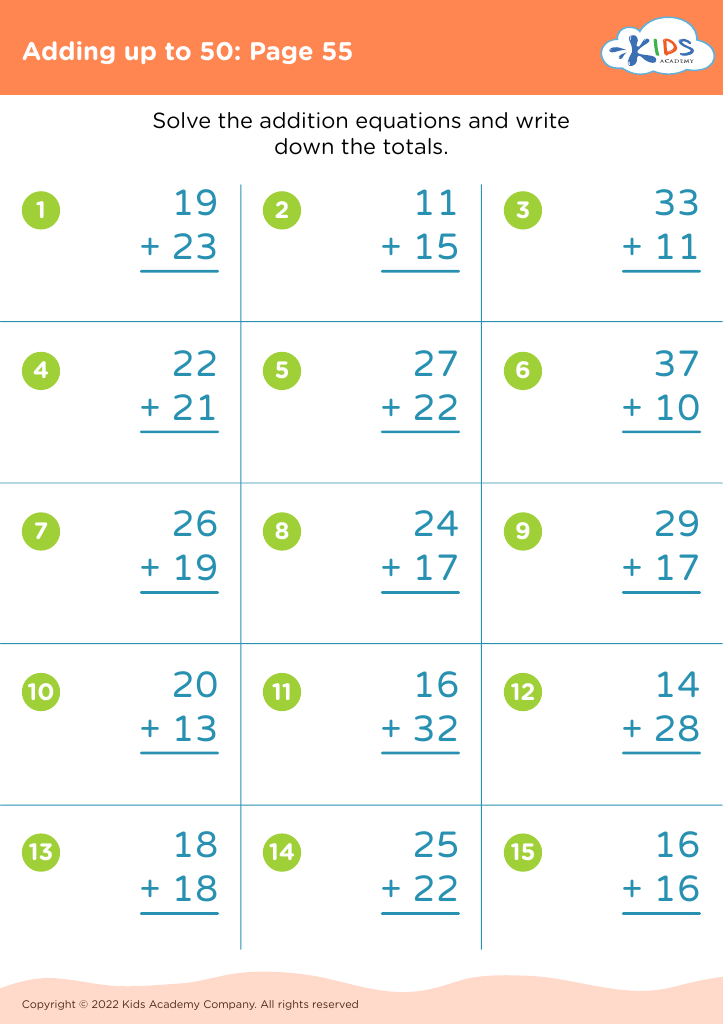
Adding up to 50: Page 55

Adding up to 50: Page 55

Adding up to 50: Page 55
Worksheet
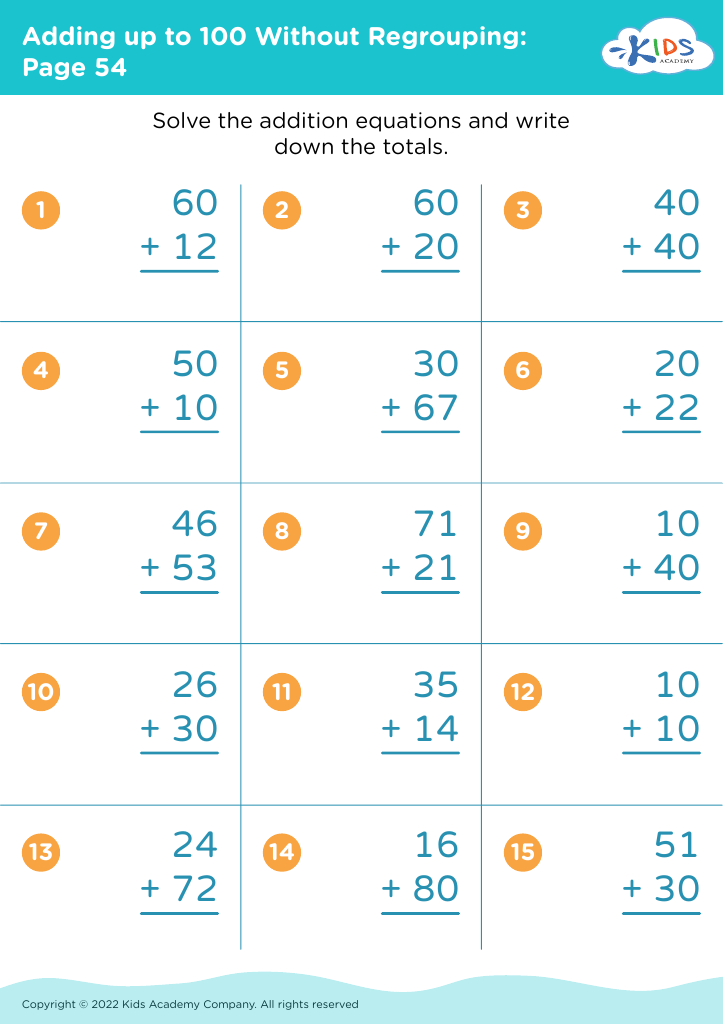
Adding up to 100 Without Regrouping: Page 54
Worksheet
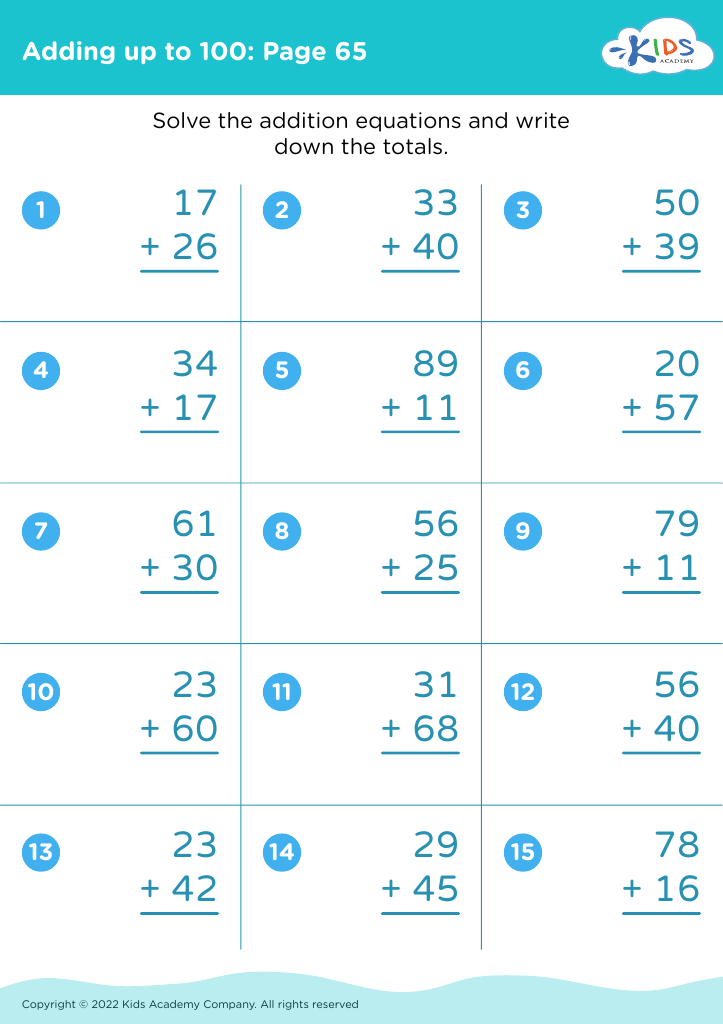
Adding up to 100: Page 65

Adding up to 100: Page 65

Adding up to 100: Page 65
Worksheet
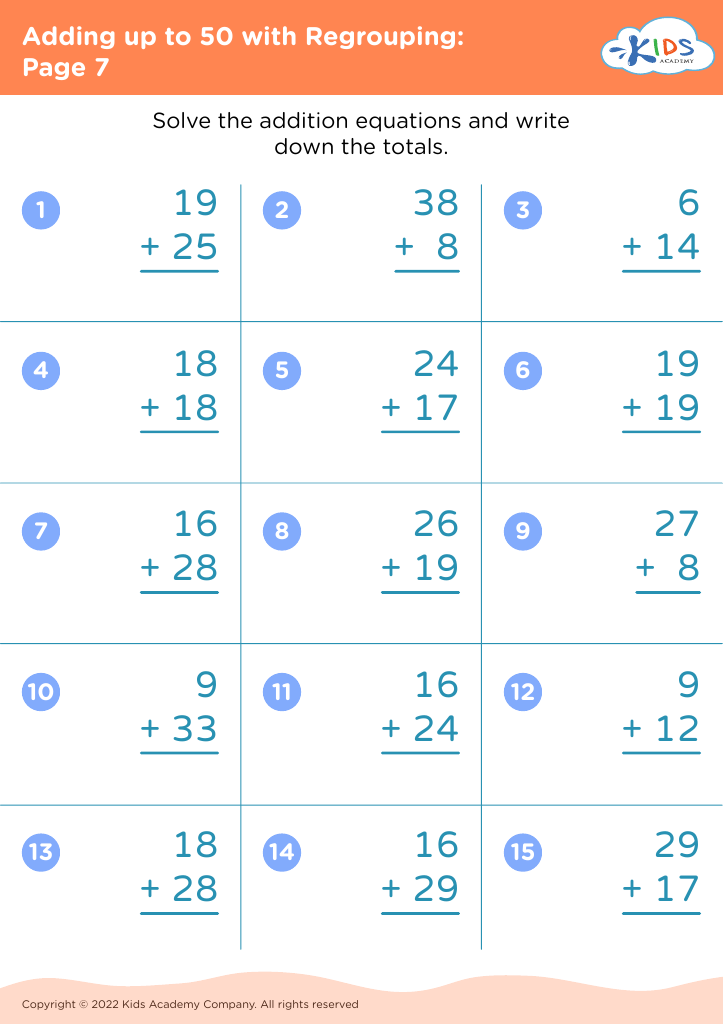
Adding up to 50 with Regrouping: Page 7
Worksheet
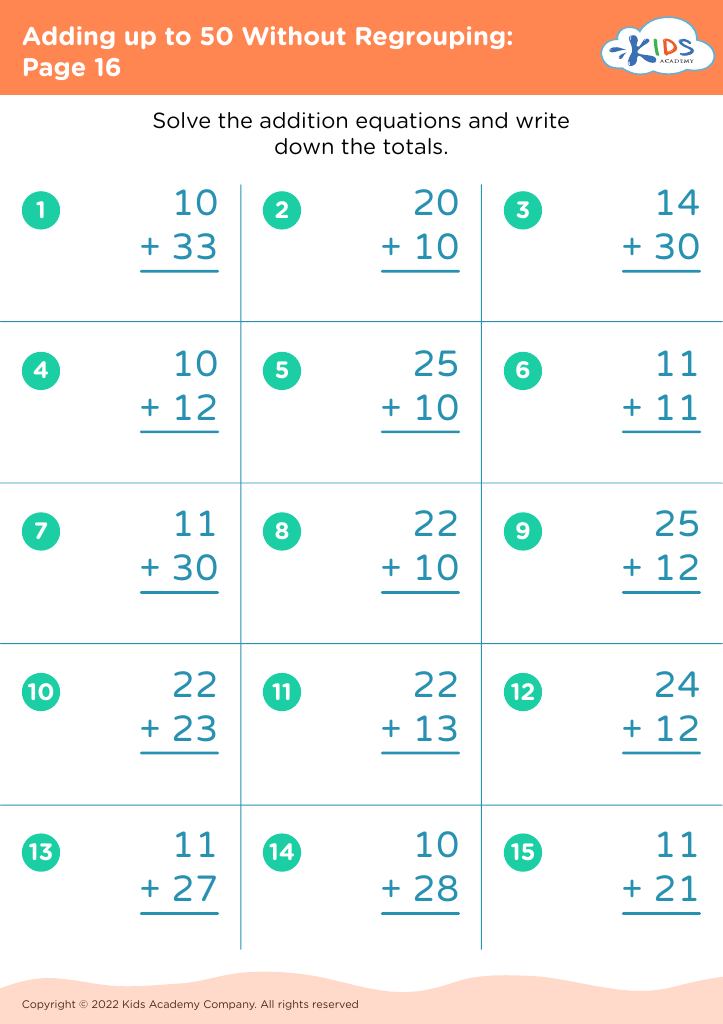
Adding up to 50 Without Regrouping: Page 16
Worksheet
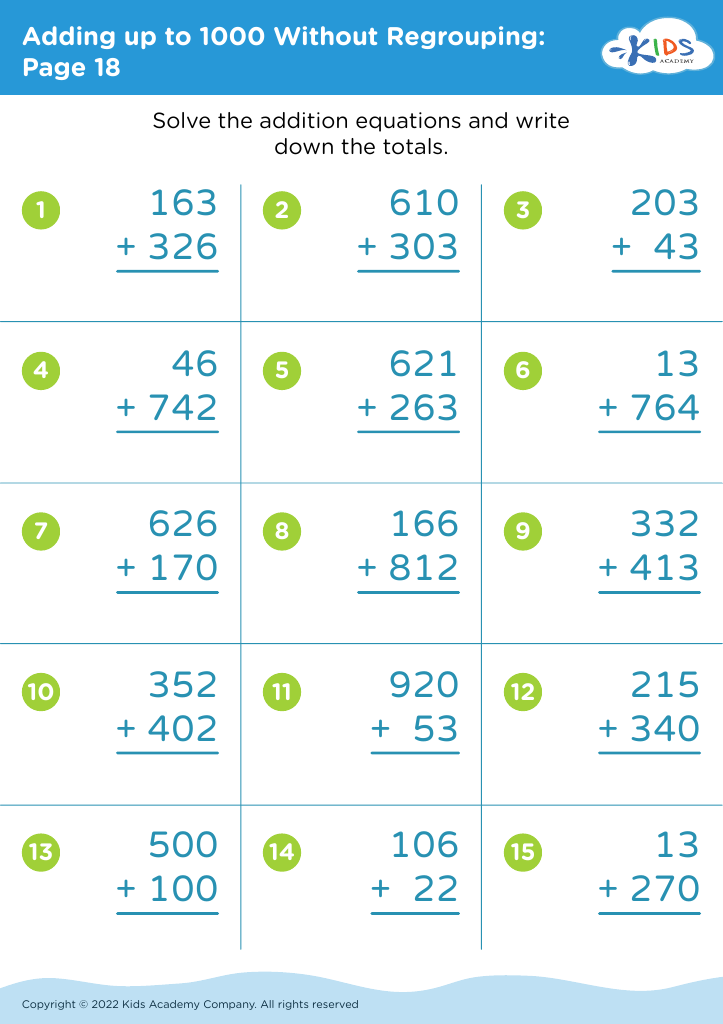
Adding up to 1000 Without Regrouping: Page 18
Worksheet
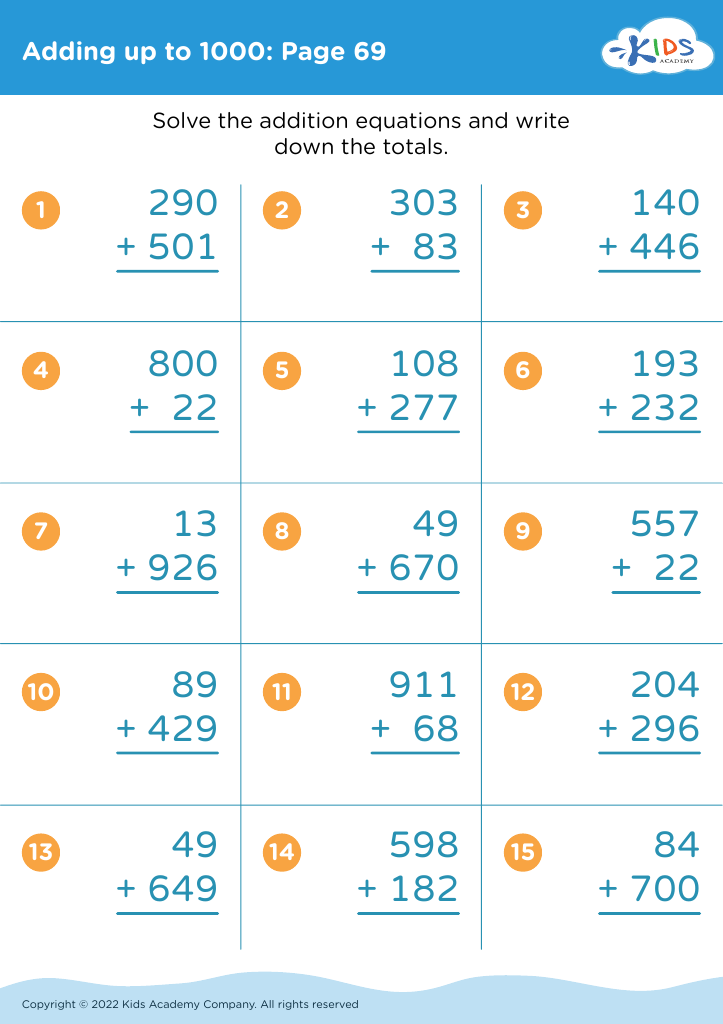
Adding up to 1000: Page 69

Adding up to 1000: Page 69

Adding up to 1000: Page 69
Worksheet
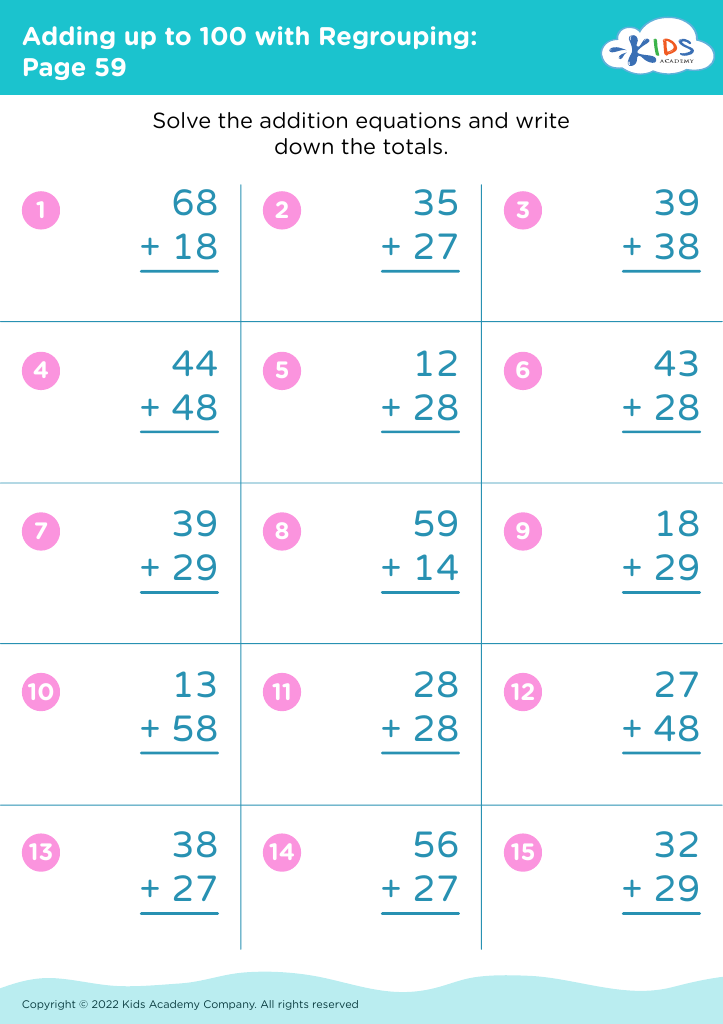
Adding up to 100 with Regrouping: Page 59
Worksheet
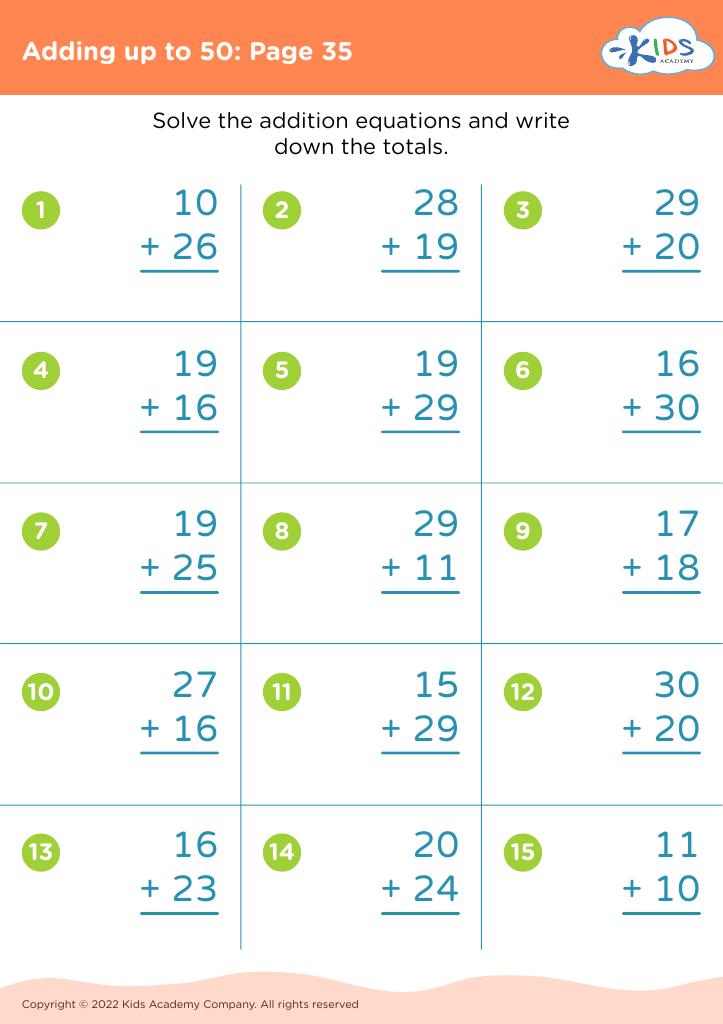
Adding up to 50: Page 35

Adding up to 50: Page 35

Adding up to 50: Page 35
Worksheet
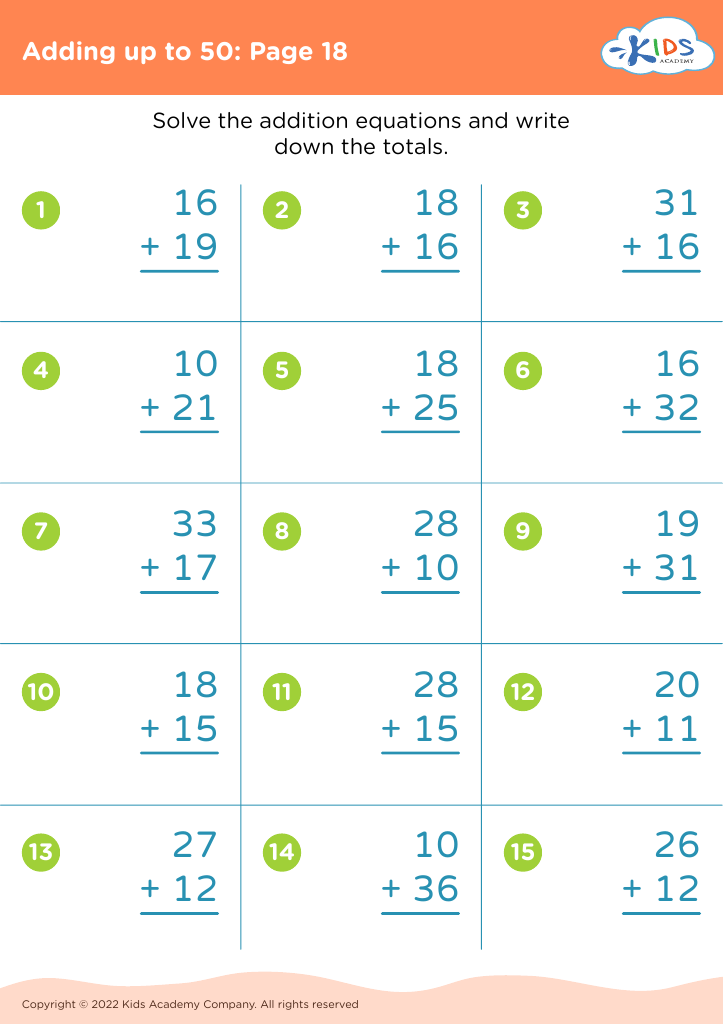
Adding up to 50: Page 18

Adding up to 50: Page 18

Adding up to 50: Page 18
Worksheet
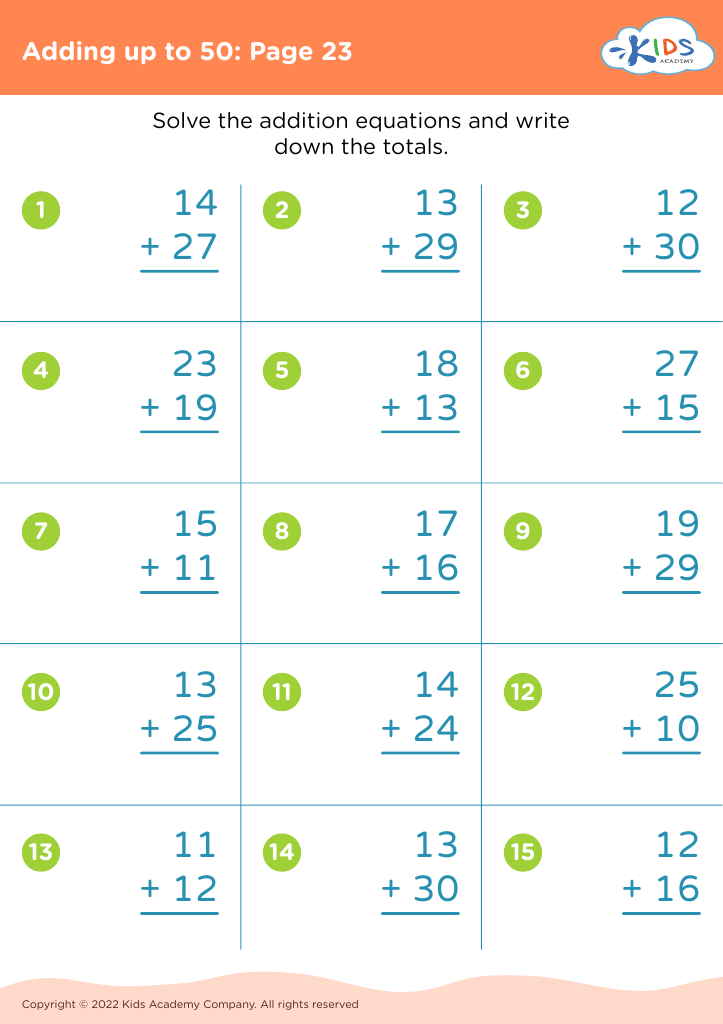
Adding up to 50: Page 23

Adding up to 50: Page 23

Adding up to 50: Page 23
Worksheet
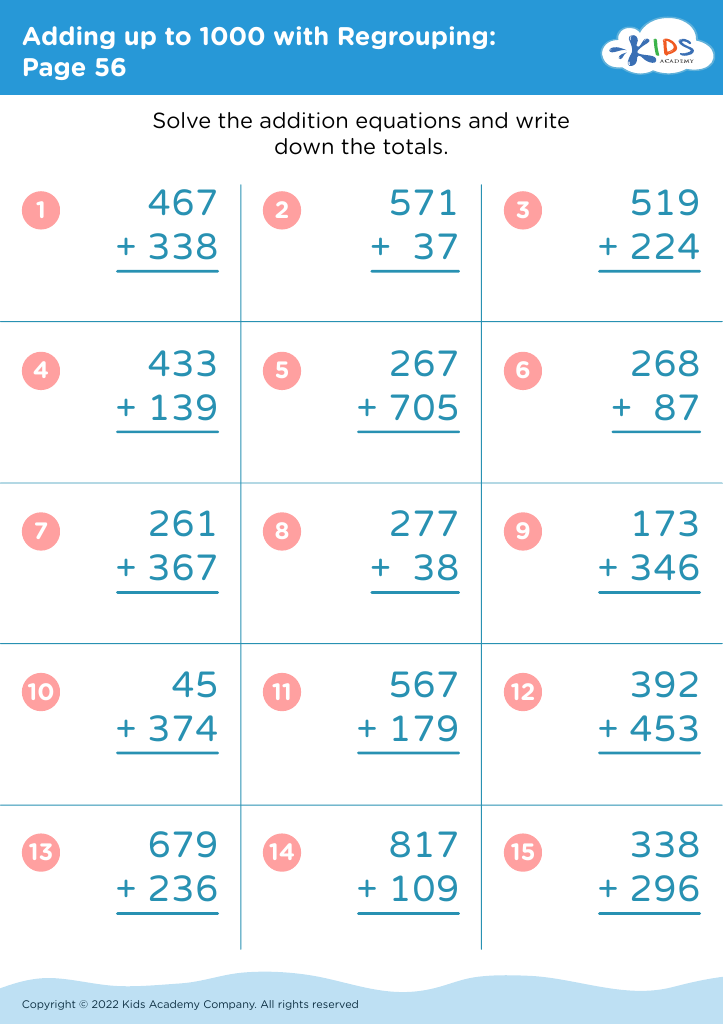
Adding up to 1000 with Regrouping: Page 56
Worksheet
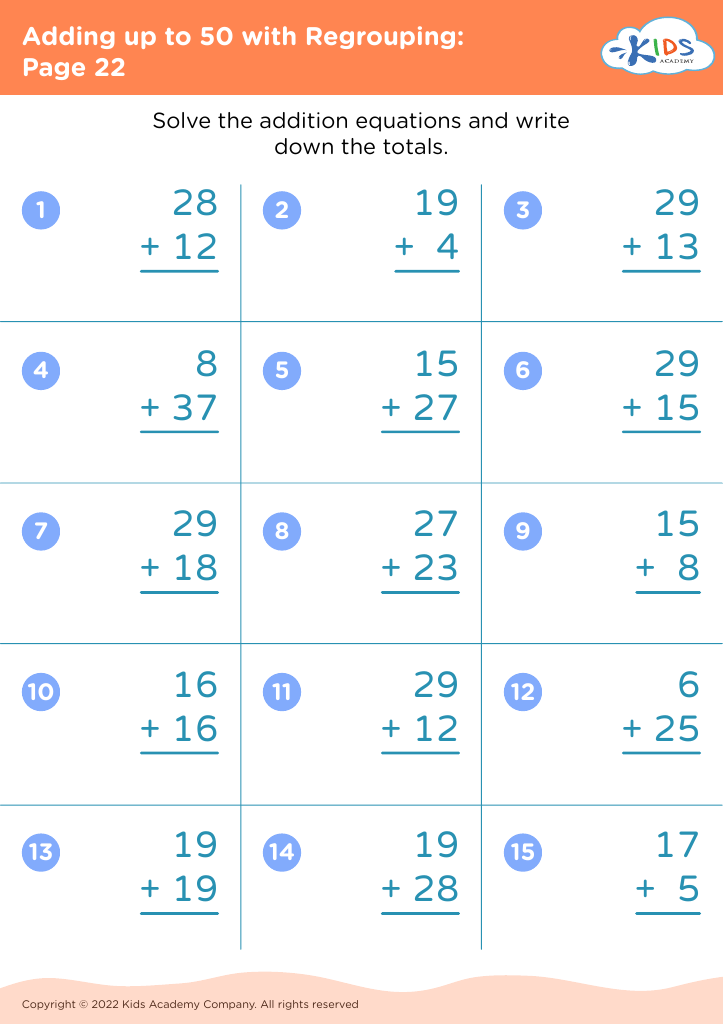
Adding up to 50 with Regrouping: Page 22
Worksheet
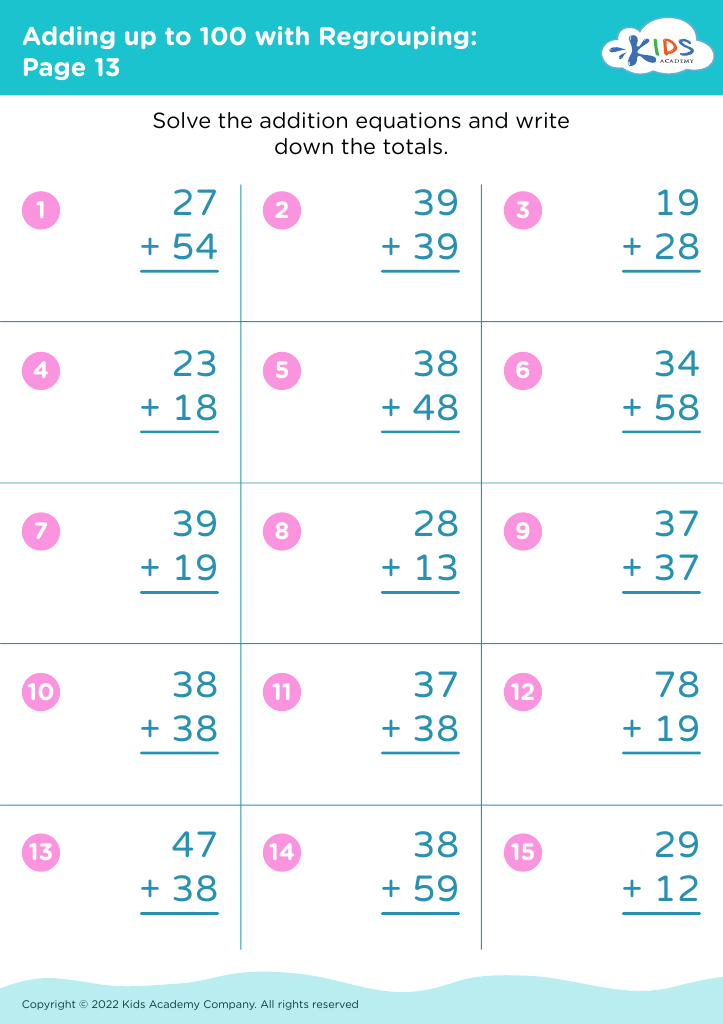
Adding up to 100 with Regrouping: Page 13
Worksheet


Comparing fractions in Grade 2 is a foundational math skill that is essential for students' future success in mathematics. Understanding fractions helps children grasp the concept of parts of a whole, which is critical for more advanced math topics. When children learn to compare fractions, they develop a sense of number magnitude and an appreciation for the size and value of fractions, which can influence their ability to work with diverse mathematical concepts later on.

For parents and teachers, emphasizing this skill early ensures that students build a strong number sense, contributing to confidence in math. Without a solid understanding of fractions, students may struggle with more complex operations involving fractions, decimals, and percentages in later grades.

Effective teaching strategies, such as using visual aids (like fraction circles or bars), real-life examples, and interactive activities, can make learning about fractions engaging and comprehensible for young learners. Frequent practice in comparing fractions reinforces learning and helps children internalize the concepts.

Moreover, early mastery of comparing fractions aligns with many educational standards and curricula, ensuring that students meet benchmarks that prepare them for subsequent grade levels. Thus, caring about teaching and reinforcing this skill in Grade 2 sets a critical foundation for a student's overall mathematical journey.