Fine Motor Skills (coloring) Grade 2 Worksheets
8 filtered results
-
From - To
Developing fine motor skills is crucial for second graders, and our engaging coloring worksheets are designed to enhance these abilities effectively. These worksheets feature a variety of colorful and fun illustrations that encourage creativity while helping students practice gripping crayons, controlling movements, and refining hand-eye coordination. Each activity is tailored to challenge young learners, making learning enjoyable and productive. By incorporating our fine motor skills coloring worksheets into your classroom or homeschooling routine, you’ll foster essential skills that lay the groundwork for future academic success. Explore our collection and watch your child's confidence and dexterity grow with each colorful stroke!
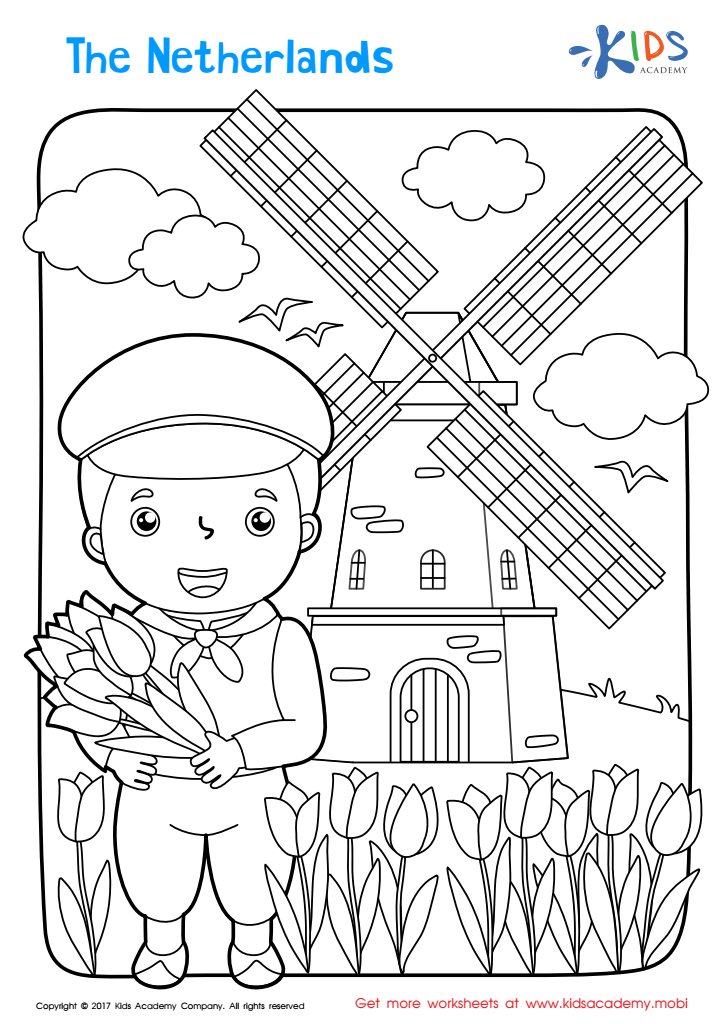
The Netherlands Printable
 Assign to My Students
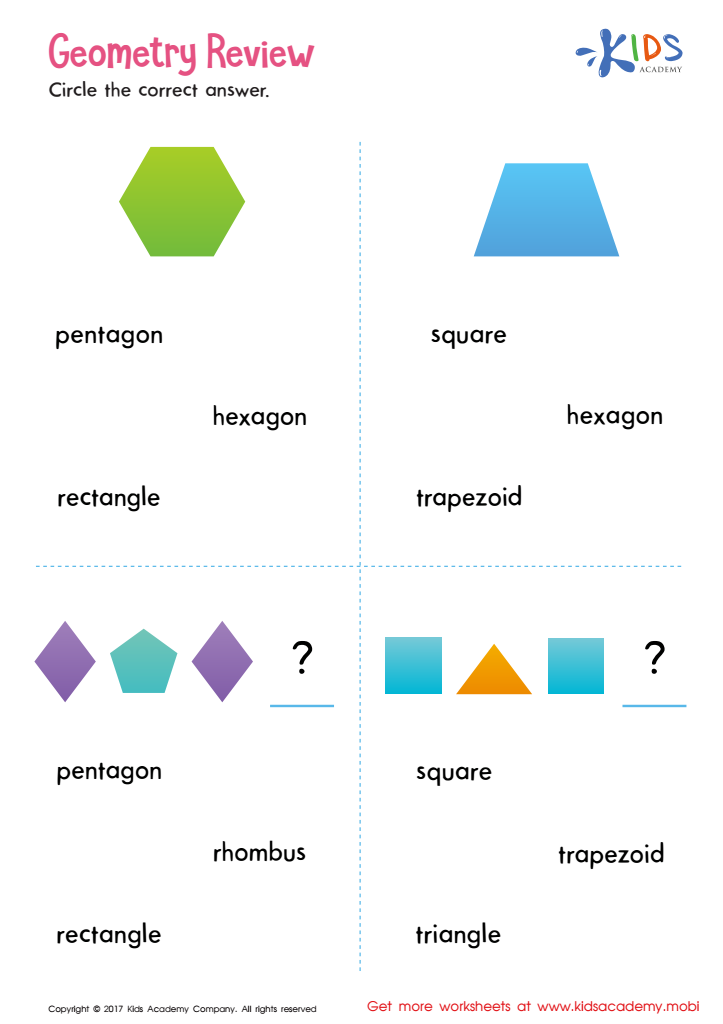
Geometry Review Printable
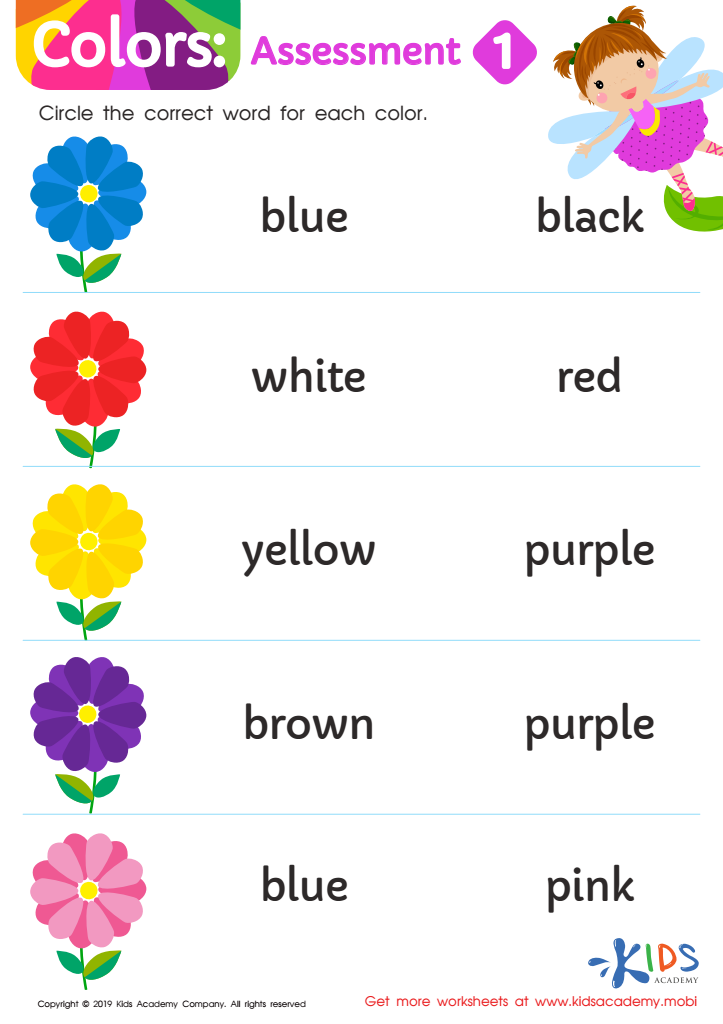
Colors: Assessment 1 Worksheet
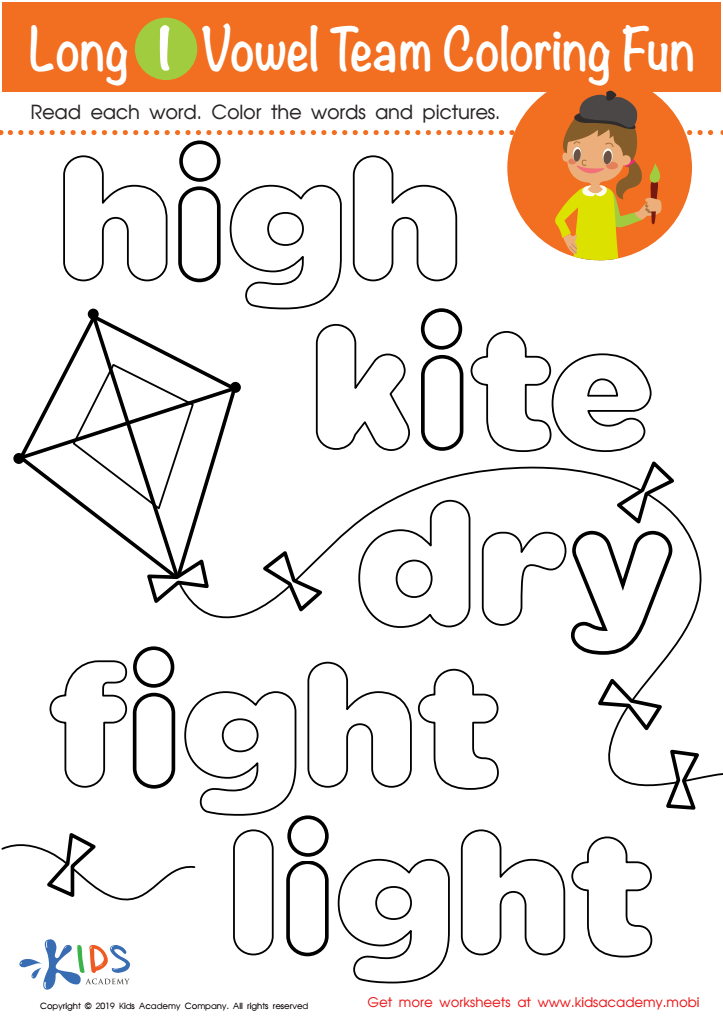
Long I Vowel Team Coloring Worksheet
Assign to My Students
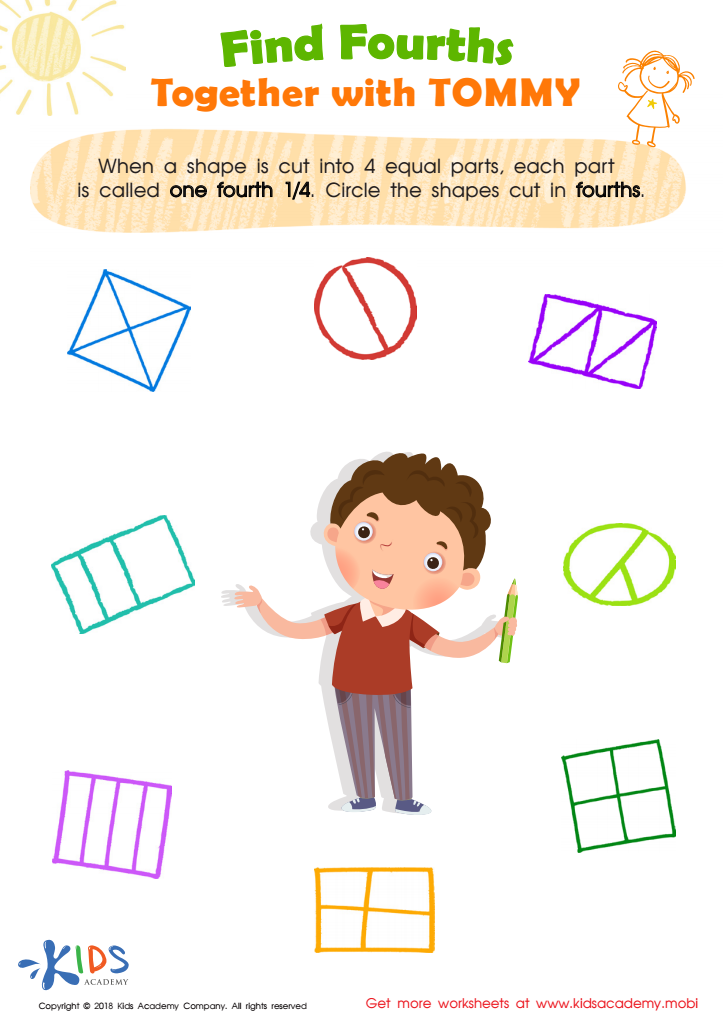
Find Fourths Together with Tommy Worksheet








Fine motor skills are essential for children’s development, particularly in Grade 2, as they impact academic success and daily activities. These skills involve the coordination of small muscles in the hands and fingers, crucial for tasks like coloring. When children engage in coloring, they practice grip control, hand-eye coordination, and spatial awareness, which are foundational for later skills such as writing and typing.
Fostering fine motor skills through coloring also enhances creativity and self-expression. Students learn to make choices about color and design, building confidence in their ability to create and share their work. Additionally, these skills promote focus and patience, traits important for academic achievement.
For parents and teachers, investing time in activities that develop fine motor skills can lead to improved classroom performance. Children with stronger fine motor skills often display better handwriting, increased task completion rates, and a greater willingness to participate in hands-on learning.
Furthermore, supporting children's fine motor development fosters independence, as these skills enable them to manage personal tasks, like buttoning clothes or using utensils. Therefore, recognizing the importance of fine motor skills in coloring—and other activities—should be a priority for parents and educators alike.