Problem-Solving Skills Grade 2 Worksheets - Page 7
188 filtered results
-
From - To
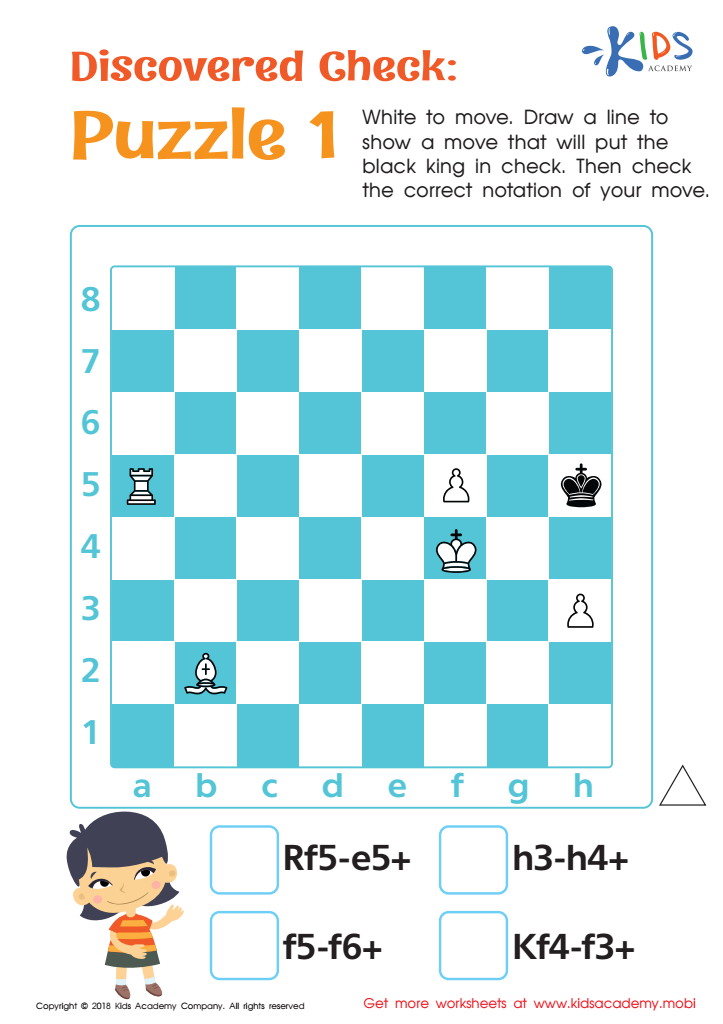
Discovered Check: Puzzle 1 Worksheet
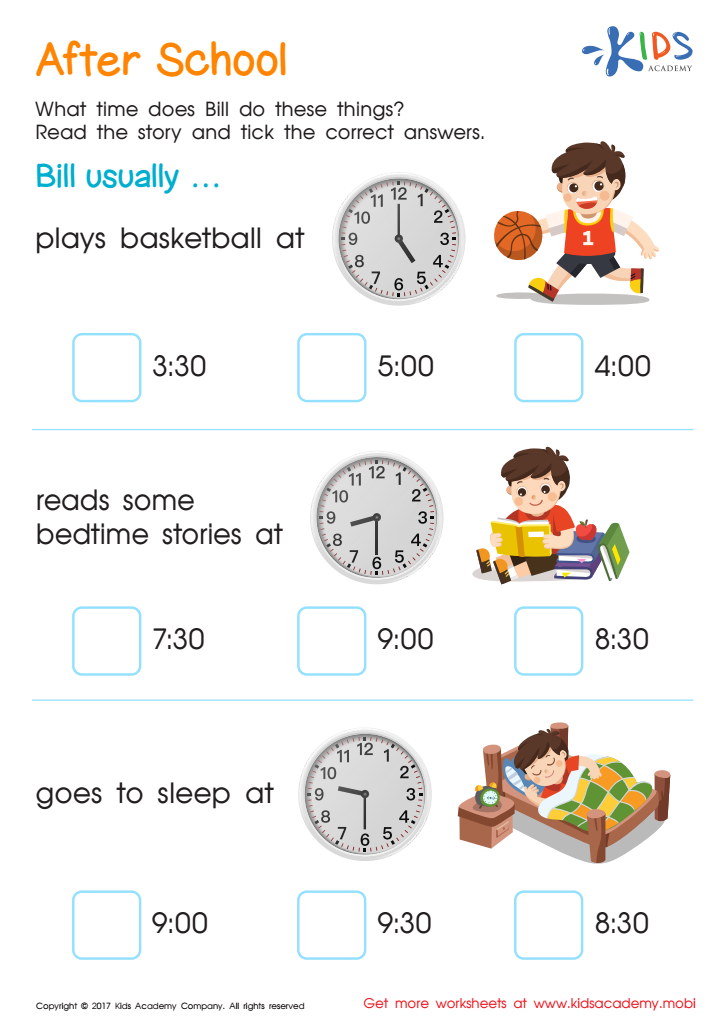
After School Time Printable
 Assign to My Students
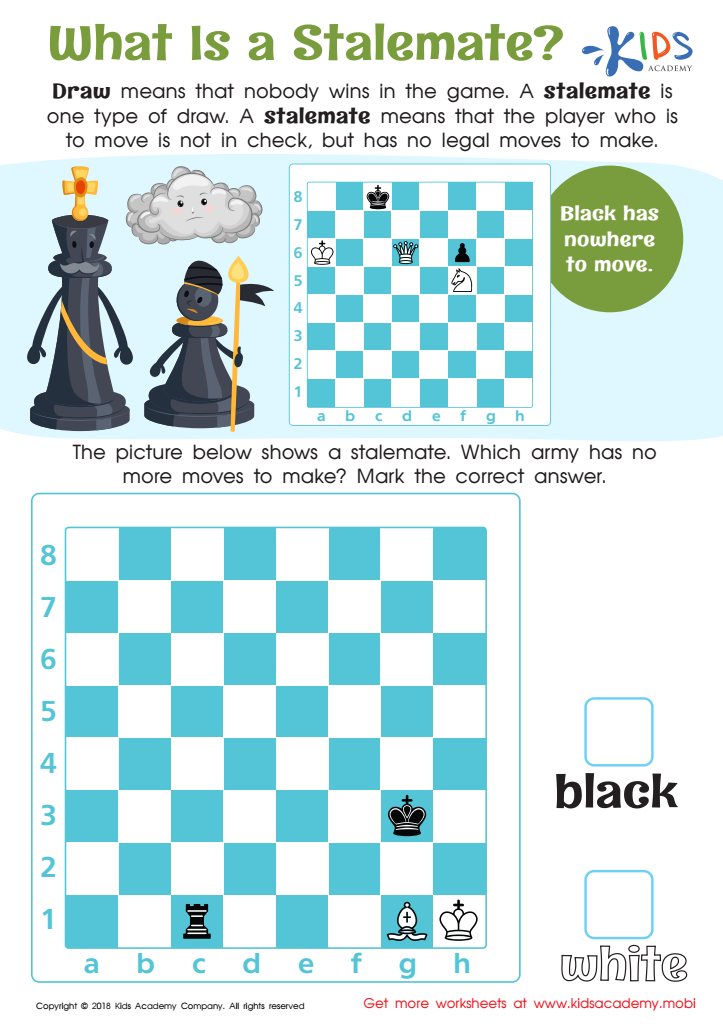
What Is a Stalemate? Worksheet
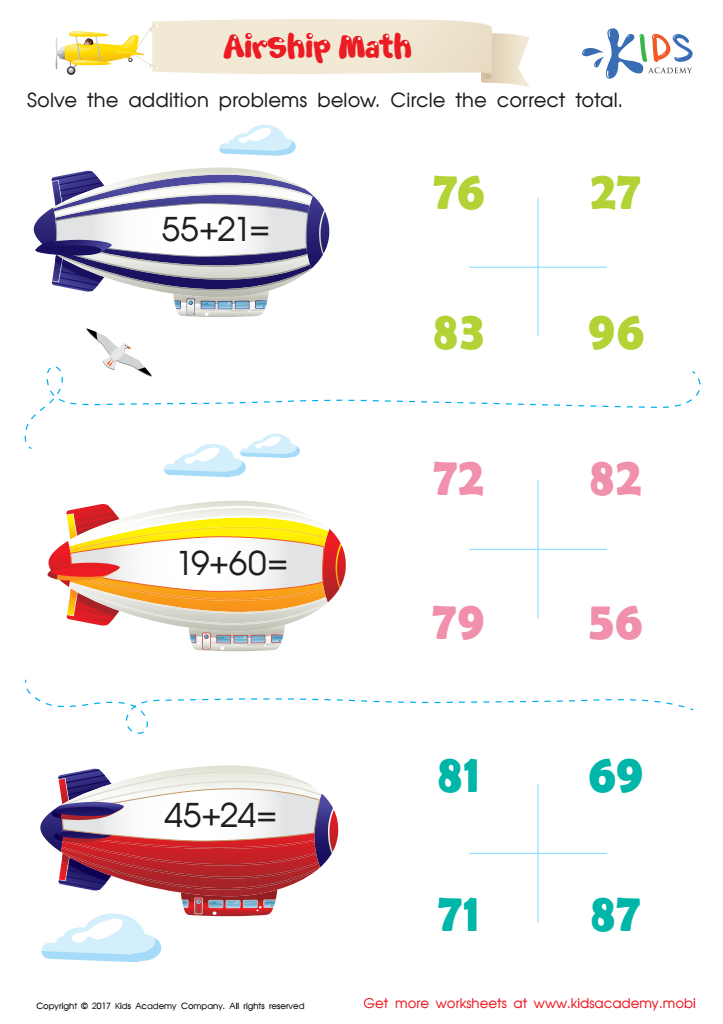
Airship Math Addition Printable
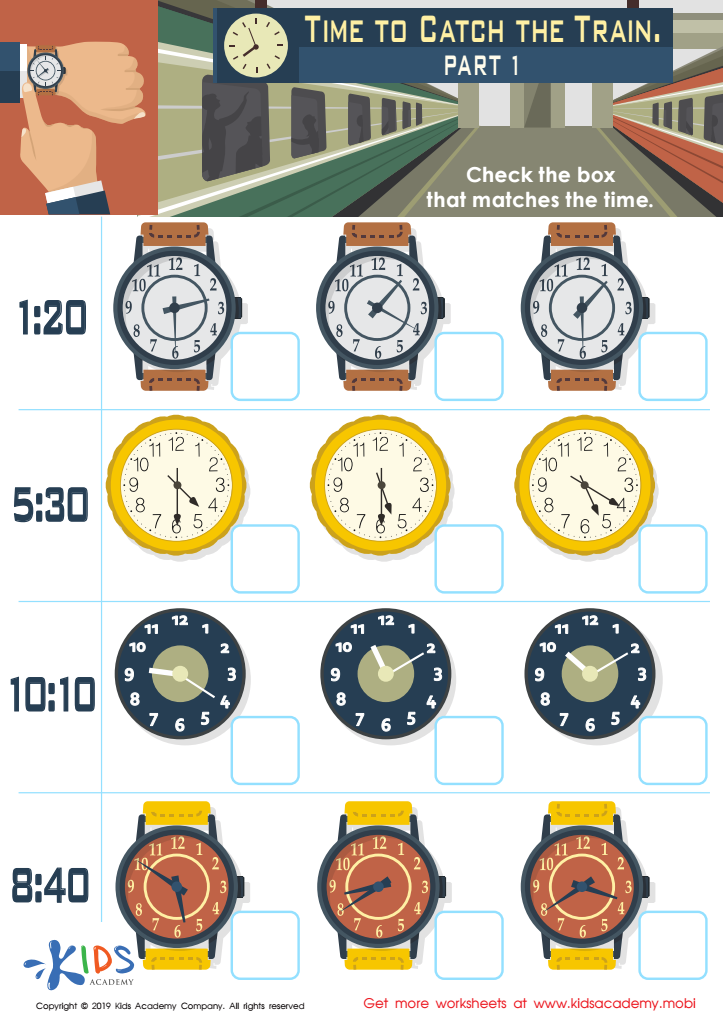
Time to Catch the Train Part 1 Worksheet
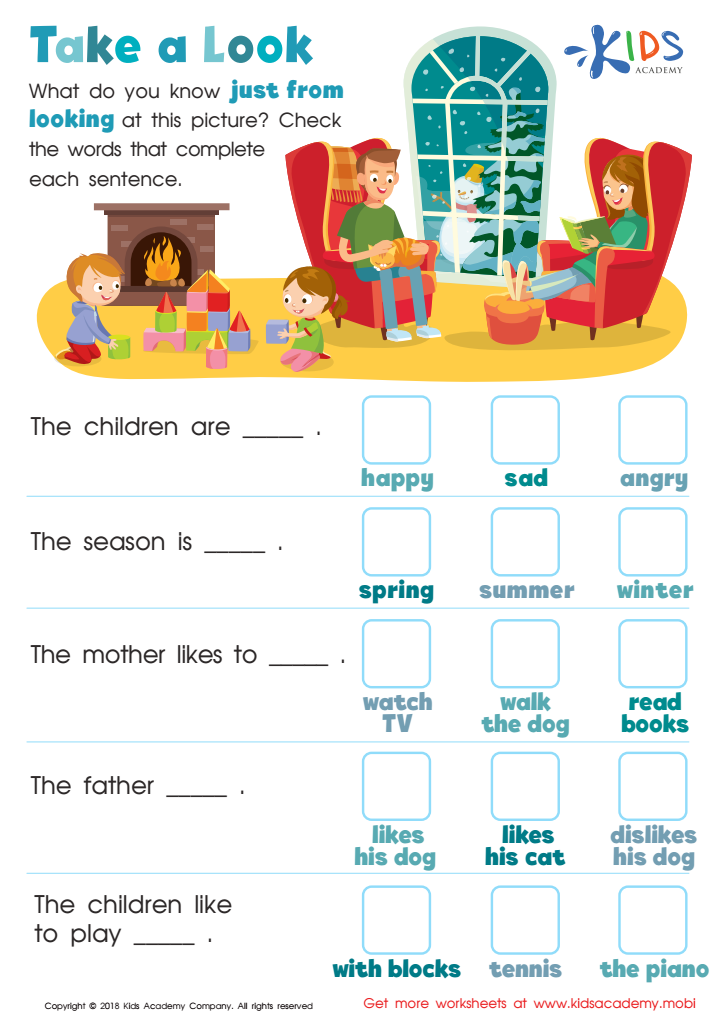
Take a Look - Part 1 Worksheet
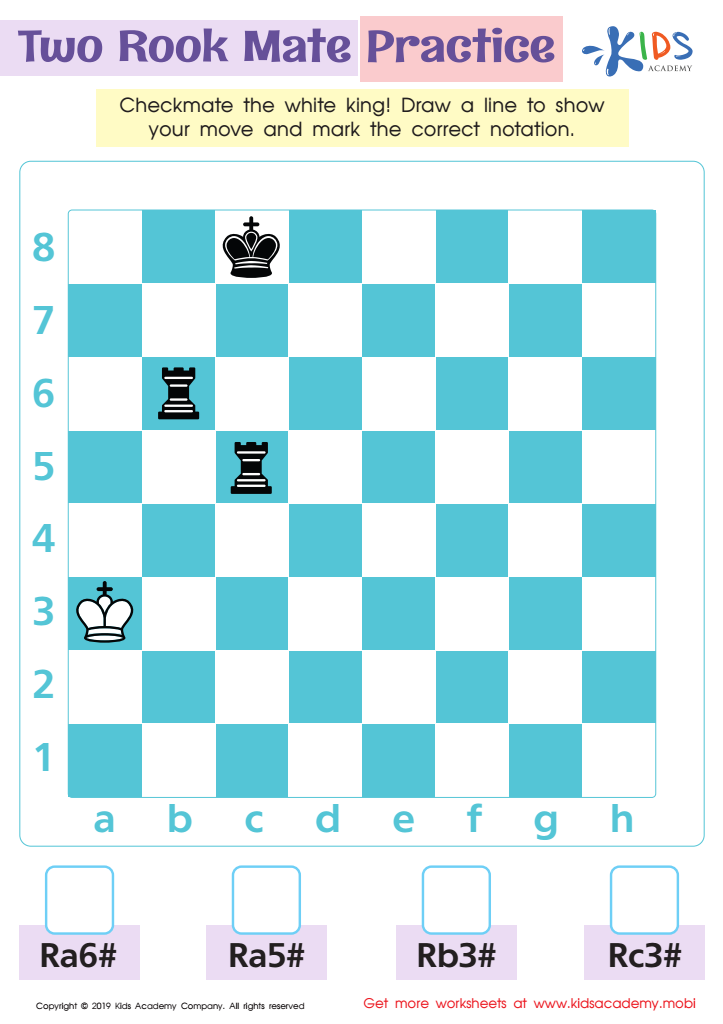
Two Rook Mate Practice Worksheet
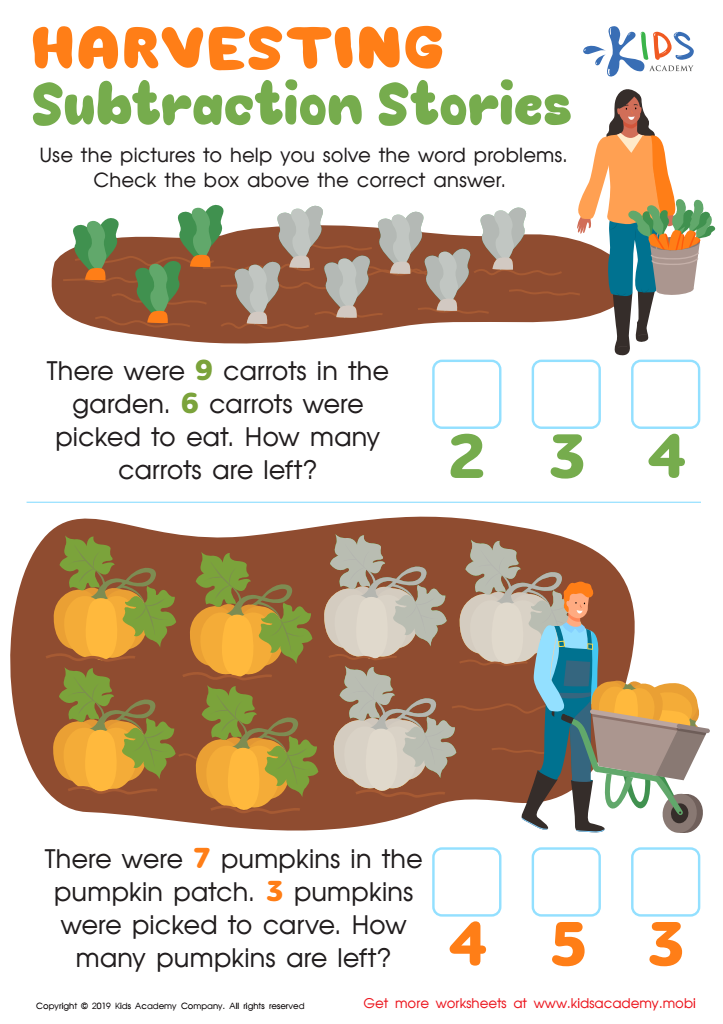
Harvesting Subtraction Stories Worksheet
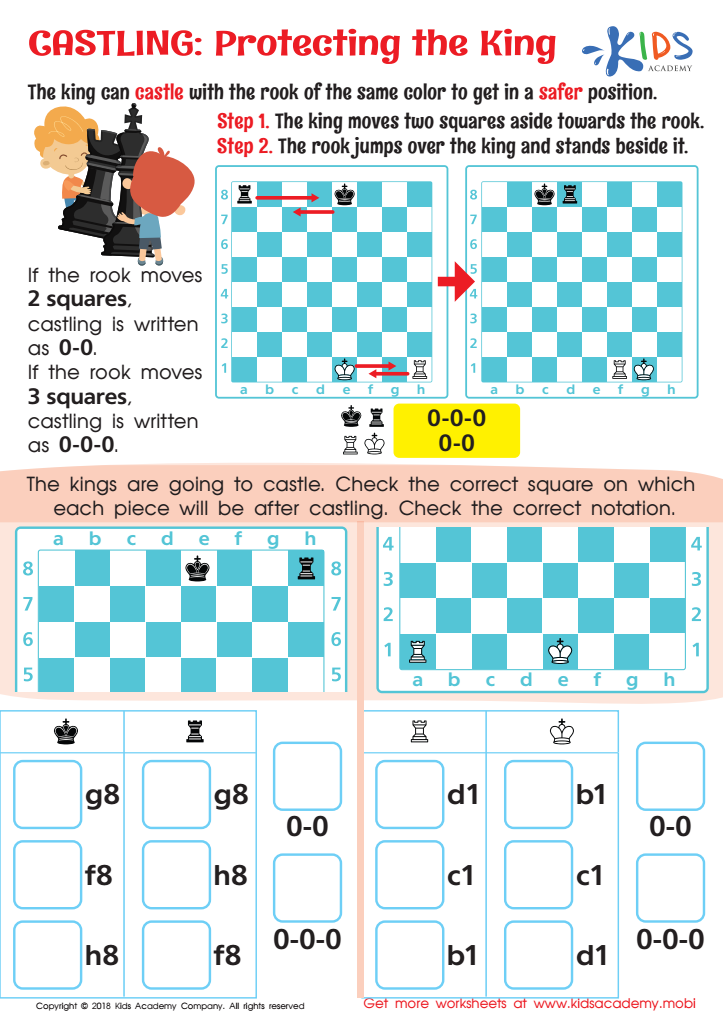
Castling: Protecting the King Worksheet
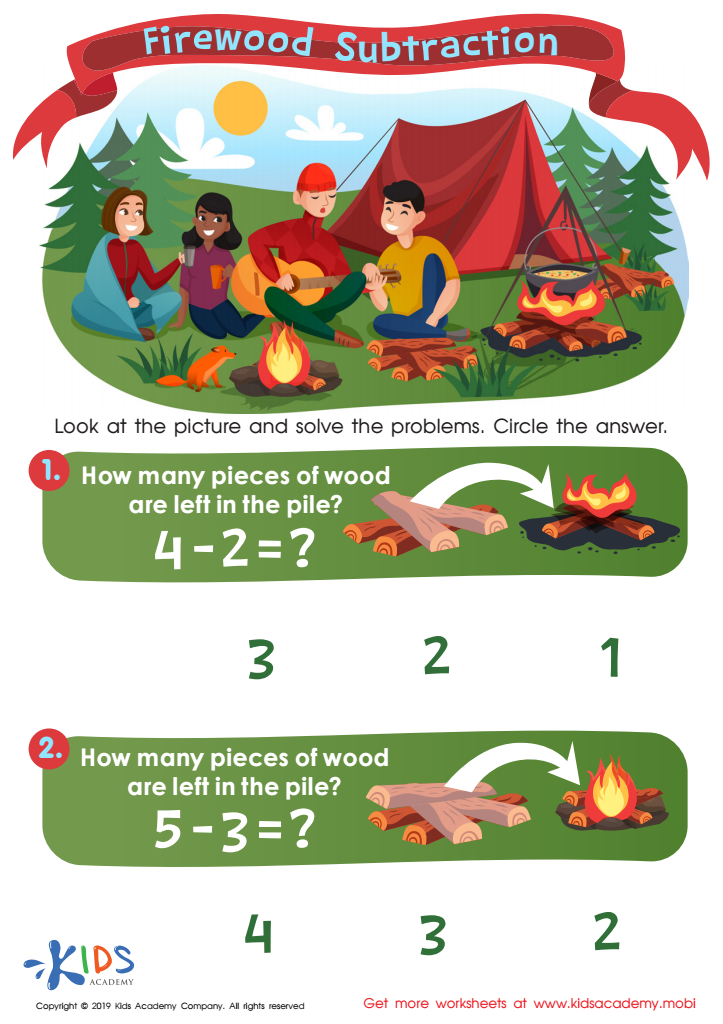
Firewood Subtraction Worksheet
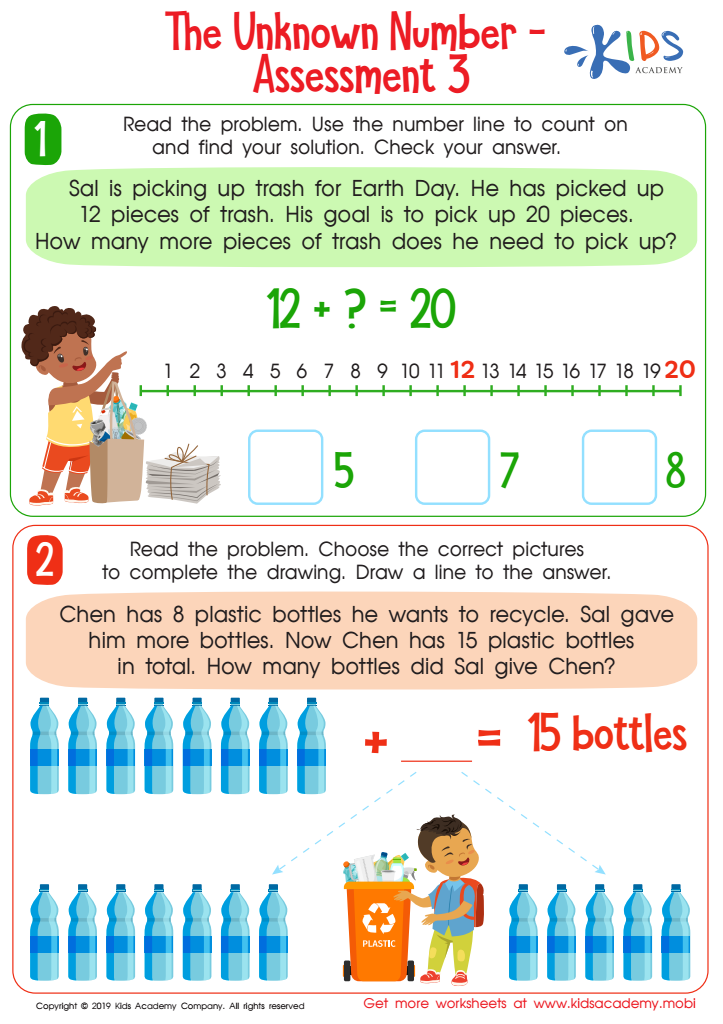
The Unknown Number - Assessment 3 Worksheet
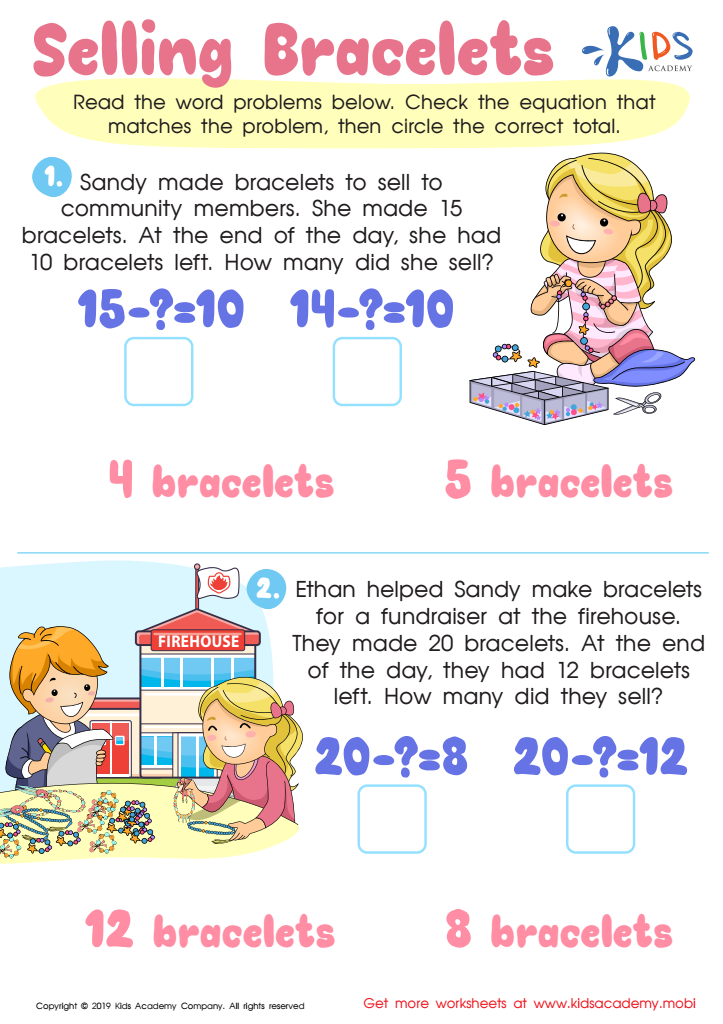
Selling the Bracelets Worksheet








Parents and teachers should deeply care about developing problem-solving skills in Grade 2 students because these skills form a crucial foundation for future academic and life success. At this formative age, children are naturally curious and open to learning new concepts. Problem-solving skills promote critical thinking, allowing children to approach challenges methodically and creatively. By enhancing their ability to assess situations, make decisions, and implement solutions, youngsters become more independent and resilient learners.
Integrating problem-solving into early education also supports cognitive development by encouraging logical reasoning and improving concentration. These skills are transferable across subjects, enriching a child’s abilities in math, science, reading, and social situations. For example, a second grader who is adept at solving puzzles will be better equipped to tackle complex math problems or understand a narrative’s structure.
Moreover, problem-solving skills contribute to emotional growth by teaching children how to handle frustration and setbacks effectively. They learn persistence and resilience, which are essential qualities for both academic and personal success. As children develop these skills, they gain confidence, aiding in their overall development and well-being. Therefore, by focusing on problem-solving skills in Grade 2, parents and teachers help lay a solid foundation for lifelong learning and adaptability.