Shape Recognition Grade 2 Worksheets - Page 2
53 filtered results
-
From - To
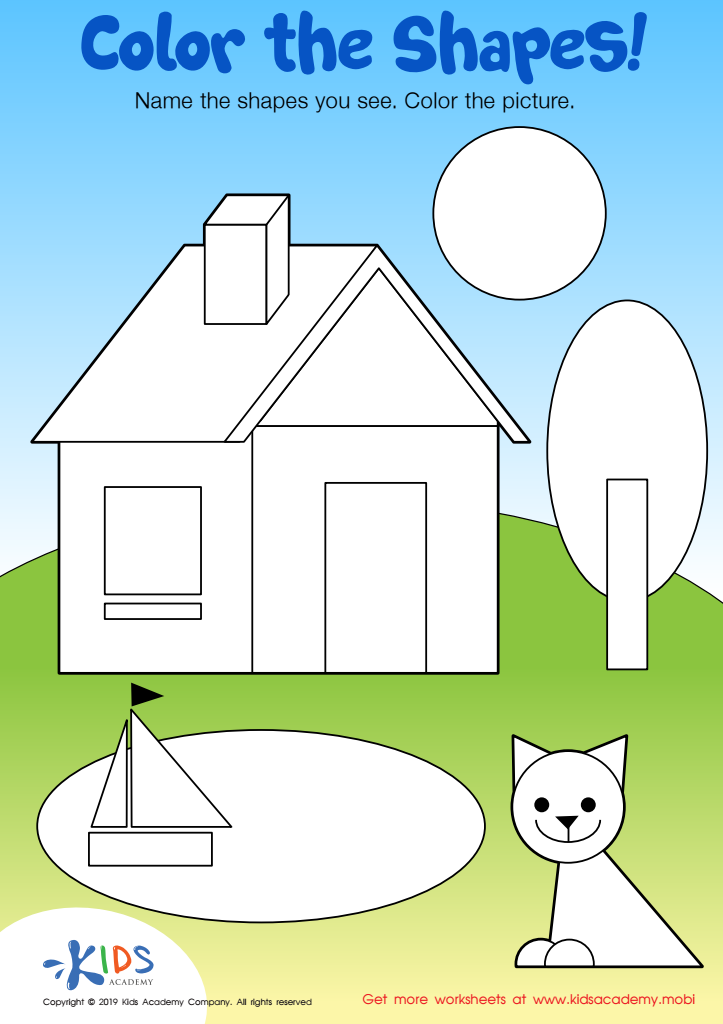
Color the Shapes Worksheet
 Assign to My Students
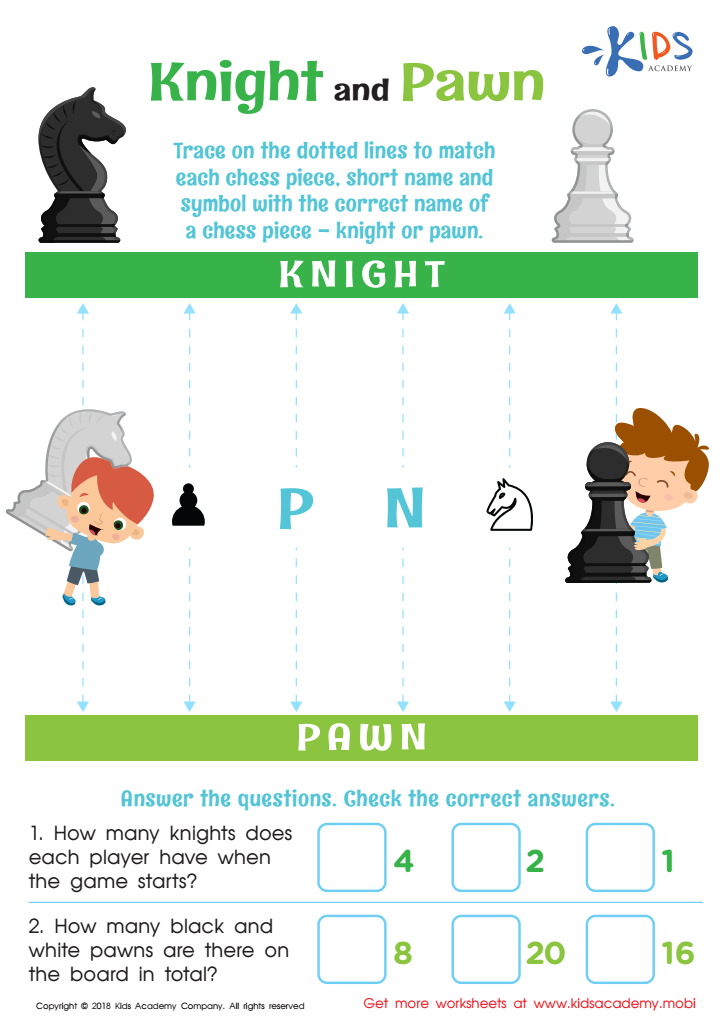
Knight and Pawn Worksheet
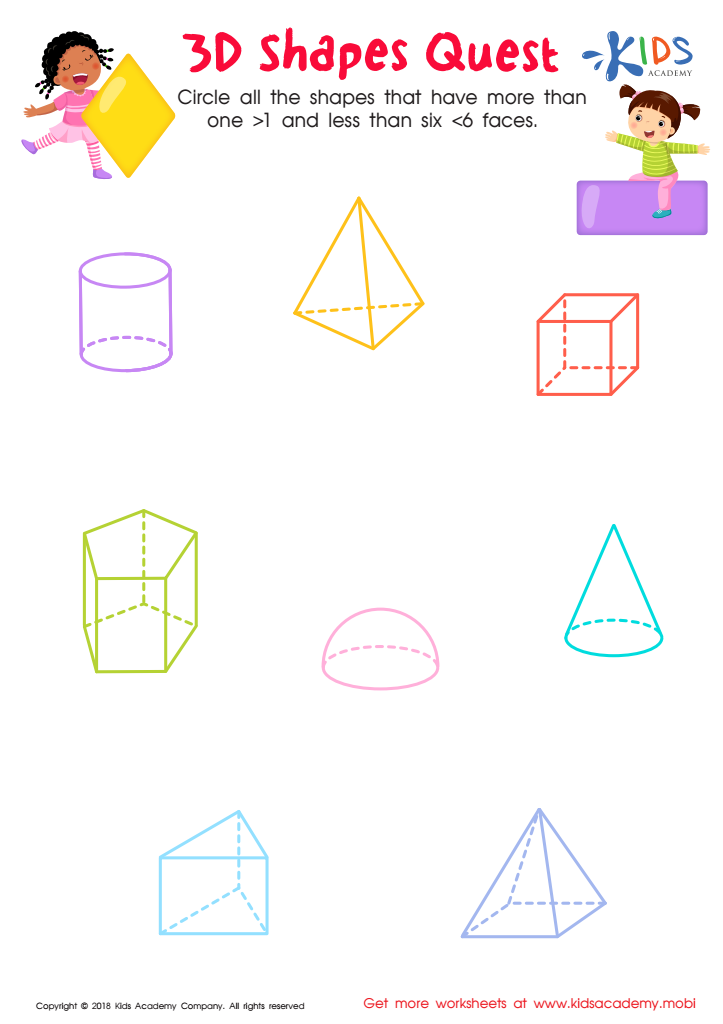
3D Shapes Quest Worksheet
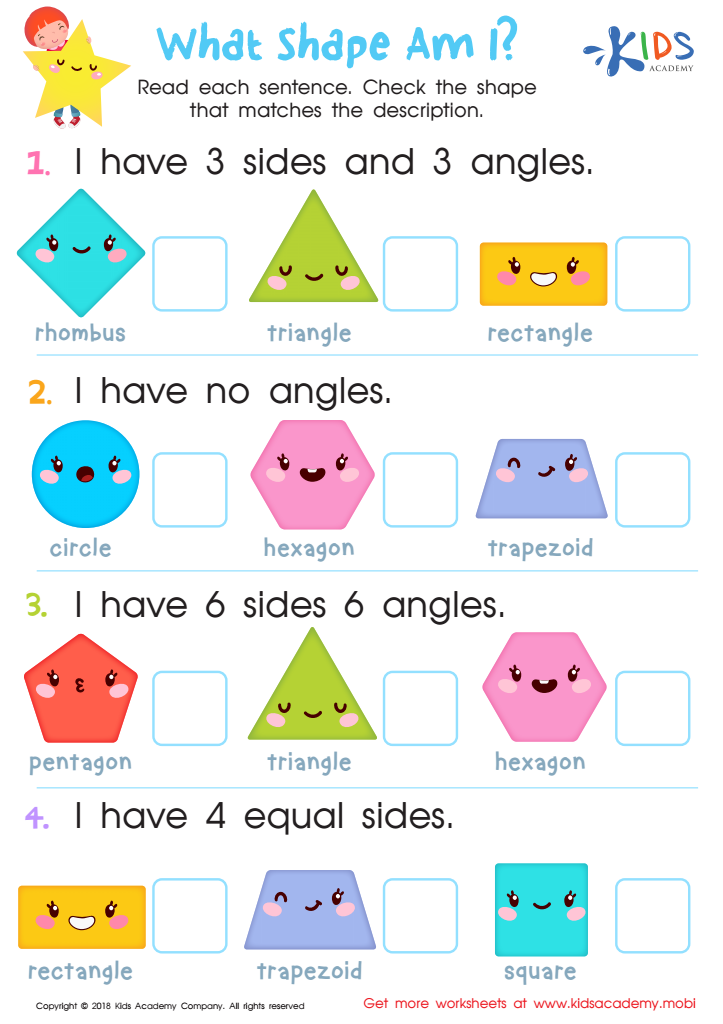
What Shape Am I? Worksheet
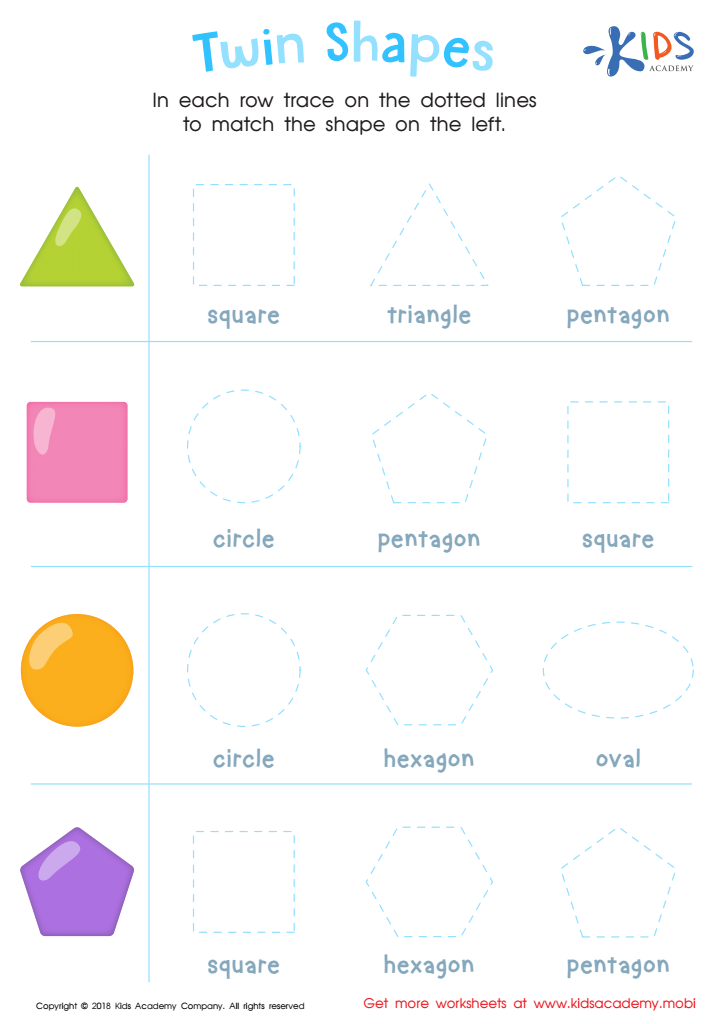
Twin Shapes Dot-to-Dot Worksheet
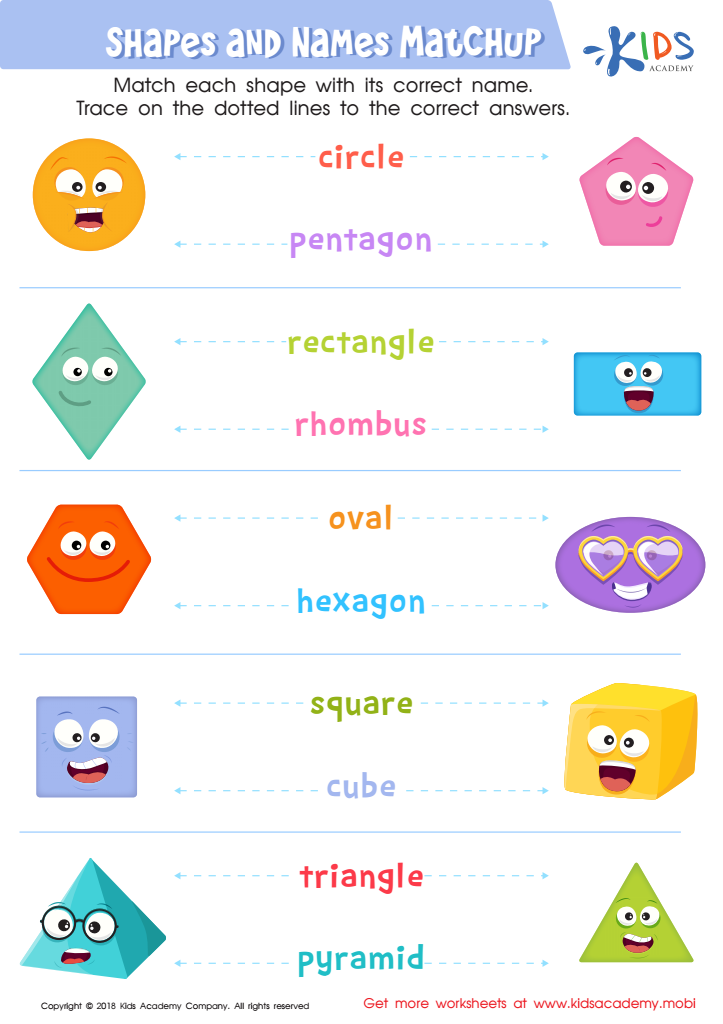
Shapes and Names Matchup Worksheet
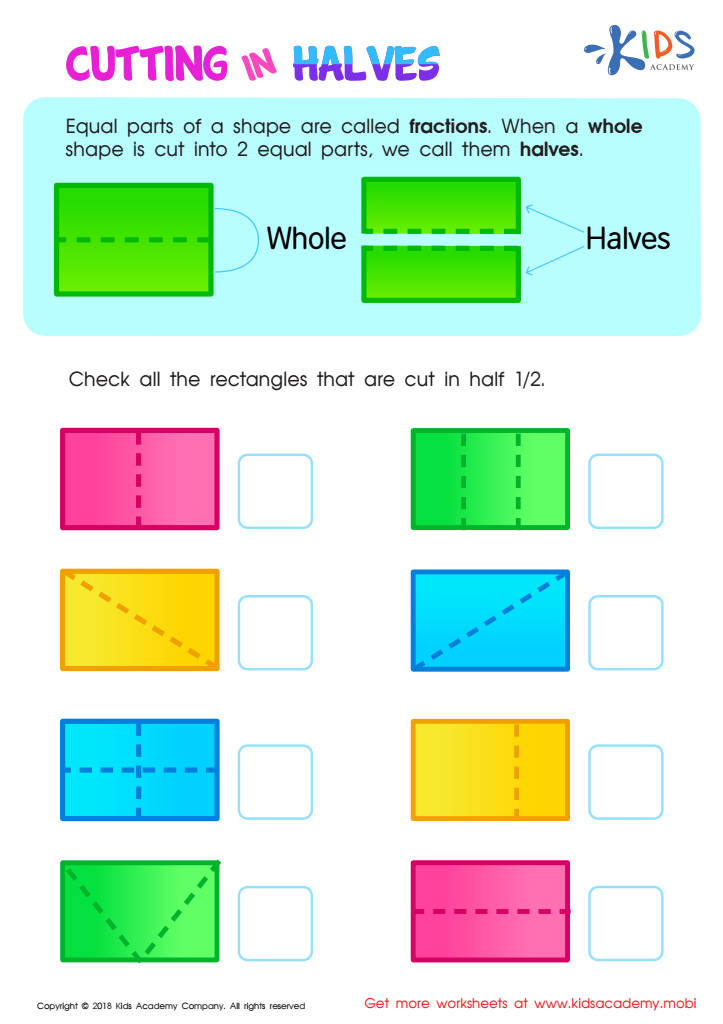
Cutting in Halves Worksheet
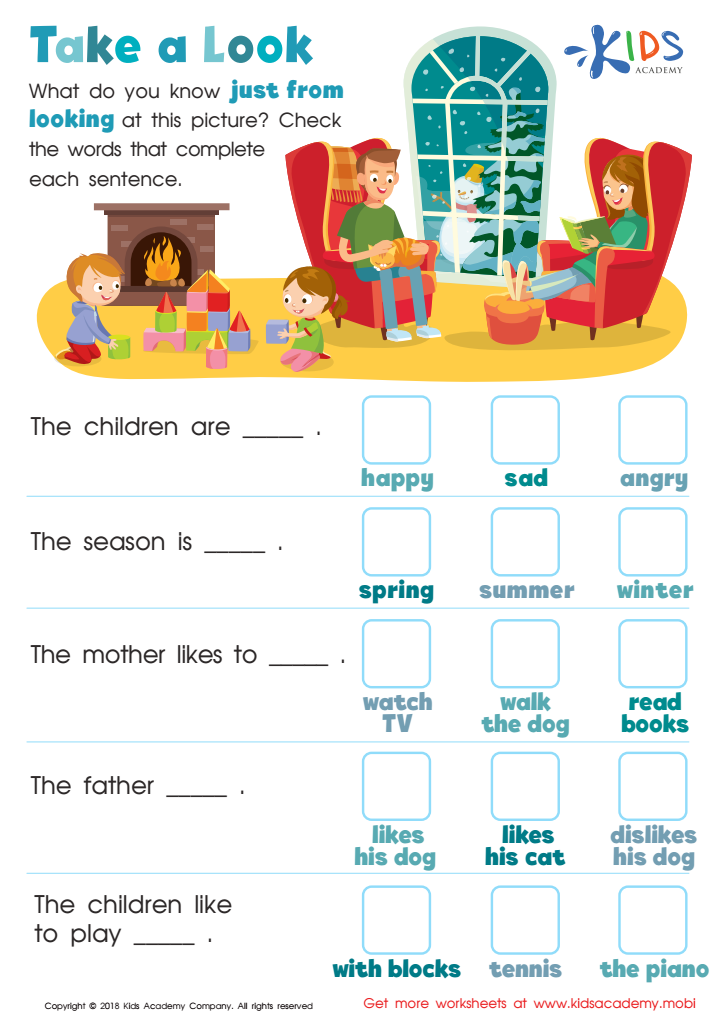
Take a Look - Part 1 Worksheet
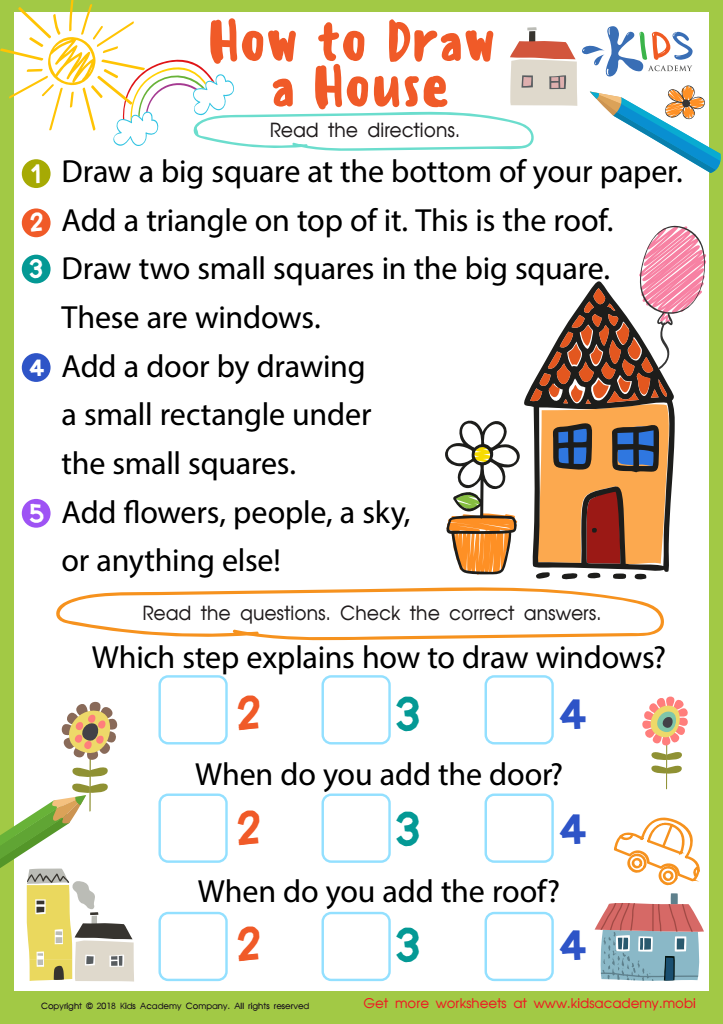
How to Draw House Worksheet
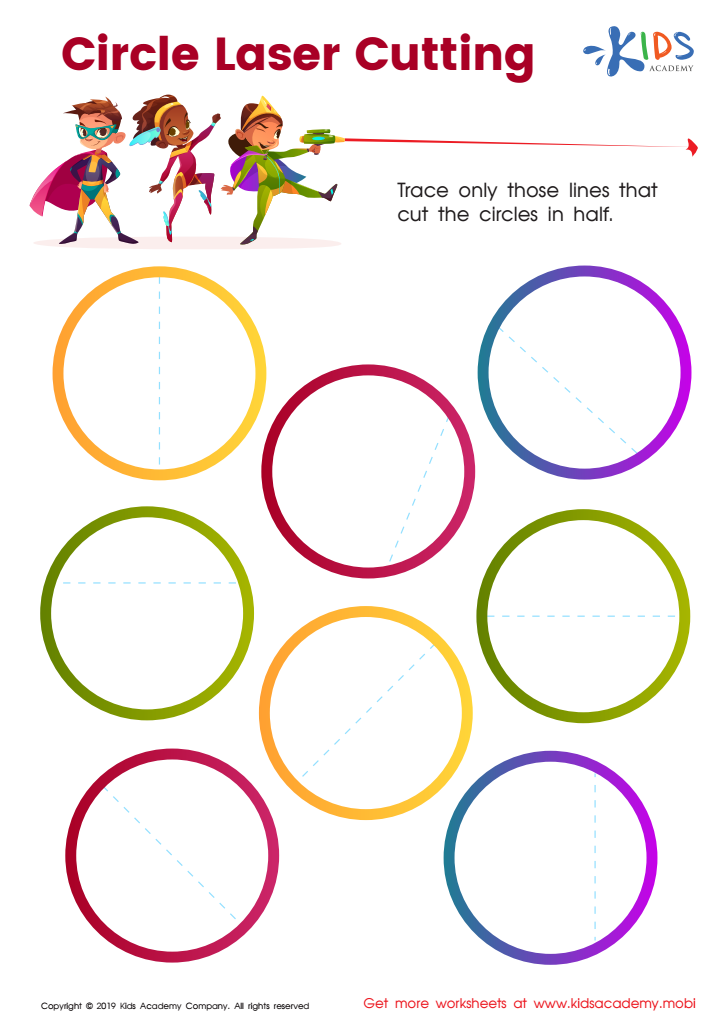
Circle Laser Cutting Worksheet
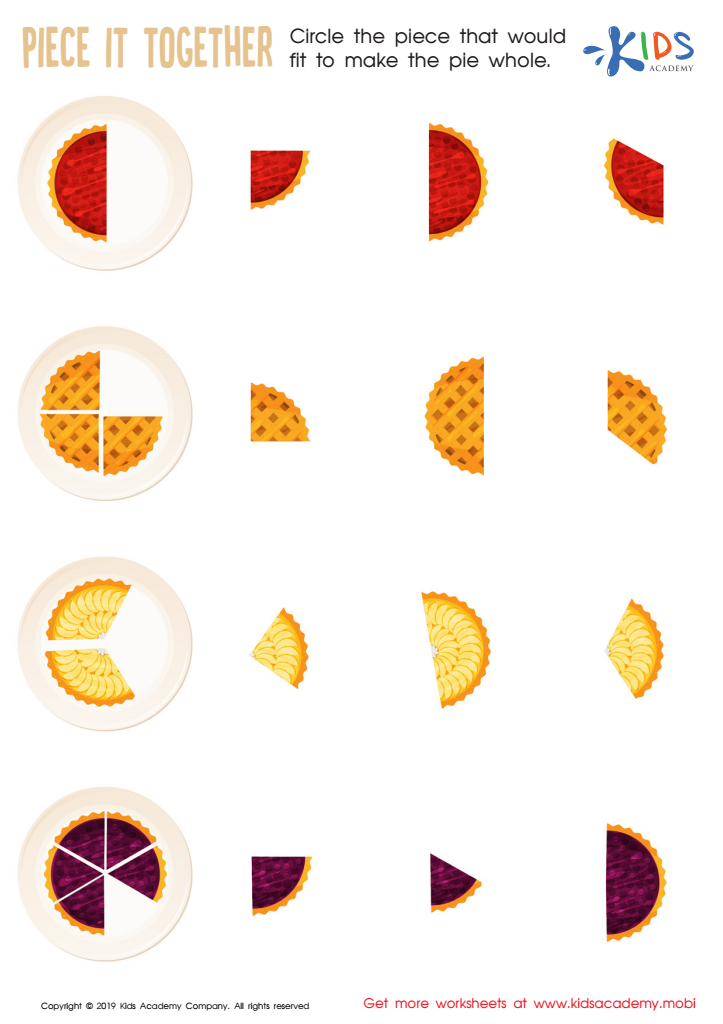
Piece it together Worksheet
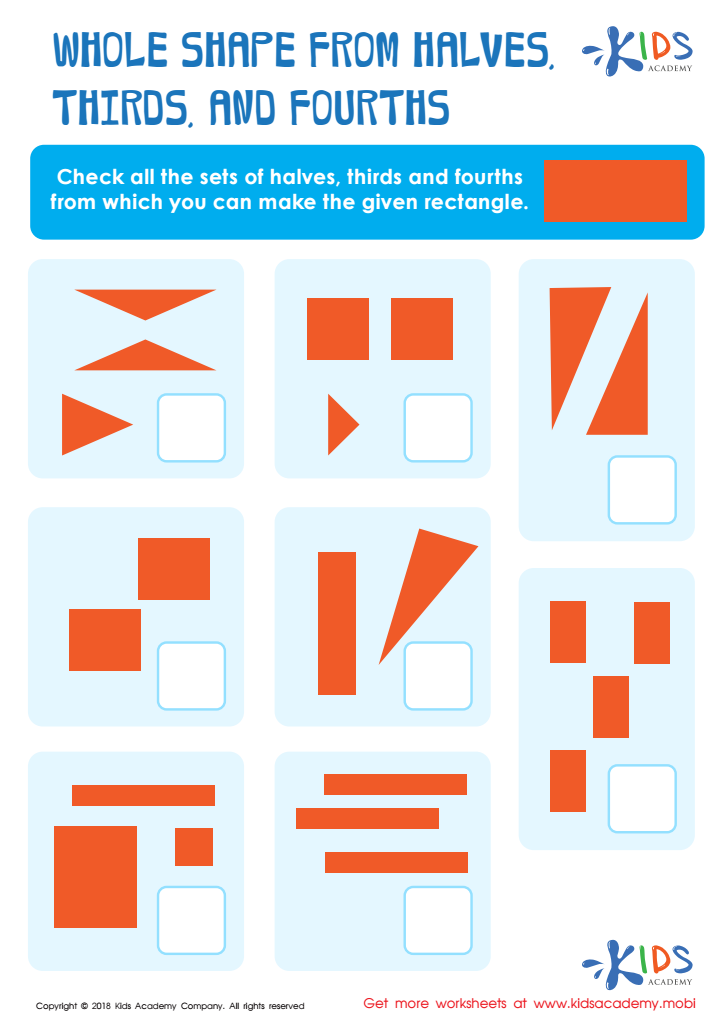
Whole Shape from Halves, Thirds and Fourths Worksheet








Shape recognition is a foundational skill in early childhood education, particularly in Grade 2. Parents and teachers should prioritize this area of learning for several reasons. Firstly, shape recognition fosters critical cognitive development, as children learn to identify, describe, and categorize various shapes, which enhances their spatial awareness and understanding of the world around them.
Moreover, recognizing shapes is essential for building fundamental mathematics skills. Shapes are integral to geometry, and a solid grasp of different shapes lays the groundwork for more complex math concepts like symmetry, area, and volume. Children who develop these skills early are better equipped for future math challenges.
Additionally, shape recognition promotes pattern recognition and logical reasoning, skills crucial in problem-solving and analytical thinking. Engaging children in activities that involve shape recognition, such as art projects or games, makes learning enjoyable and interactive, inherently boosting their motivation and confidence.
Lastly, understanding shapes is related to literacy skills; children often encounter shapes in letters and numbers, aiding in reading and writing fluency. Therefore, both parents and teachers benefit from emphasizing shape recognition, as it enriches children's overall development and prepares them for future academic success.