Fine Motor Skills Grade 2 Math Worksheets - Page 2
62 filtered results
-
From - To
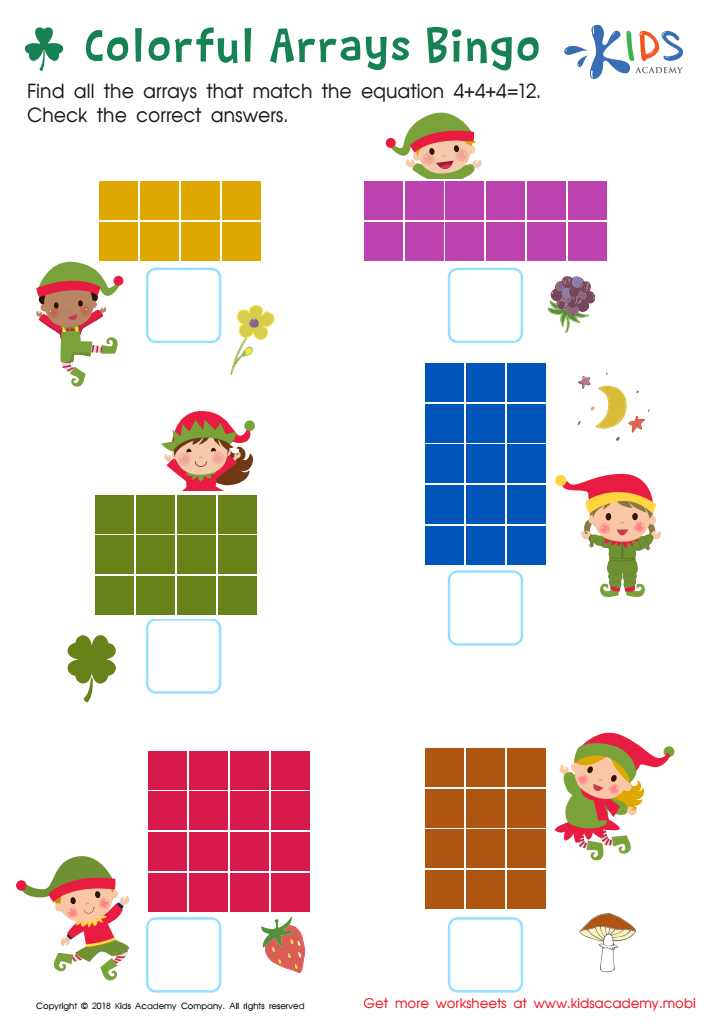
Colorful Arrays Bingo Worksheet
 Assign to My Students
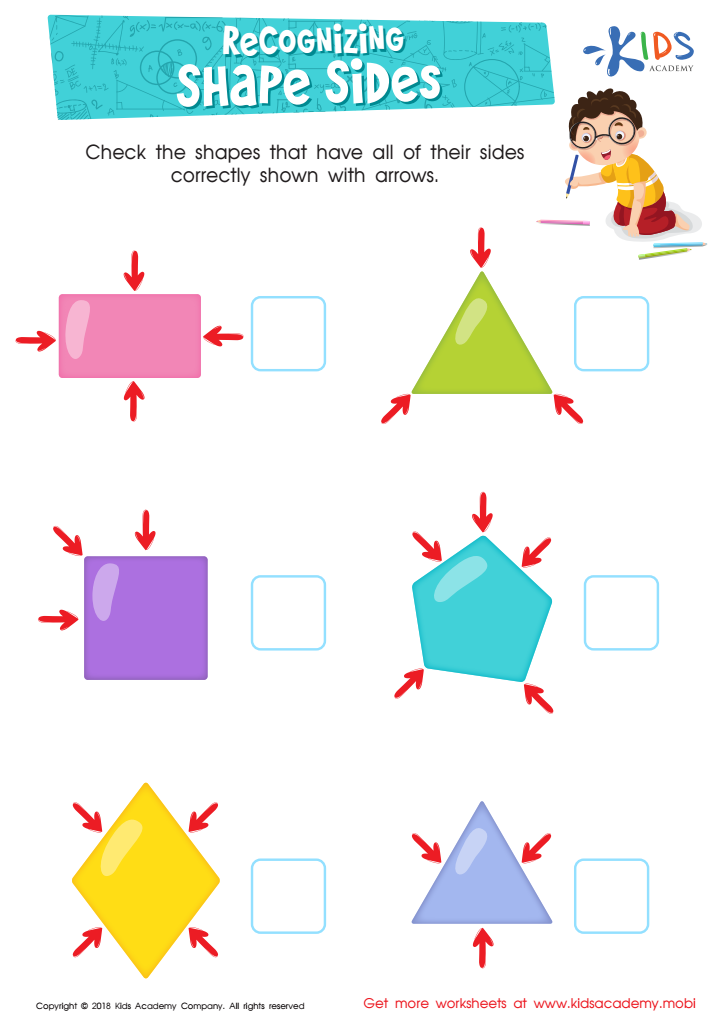
Recognizing Shape Sides Worksheet
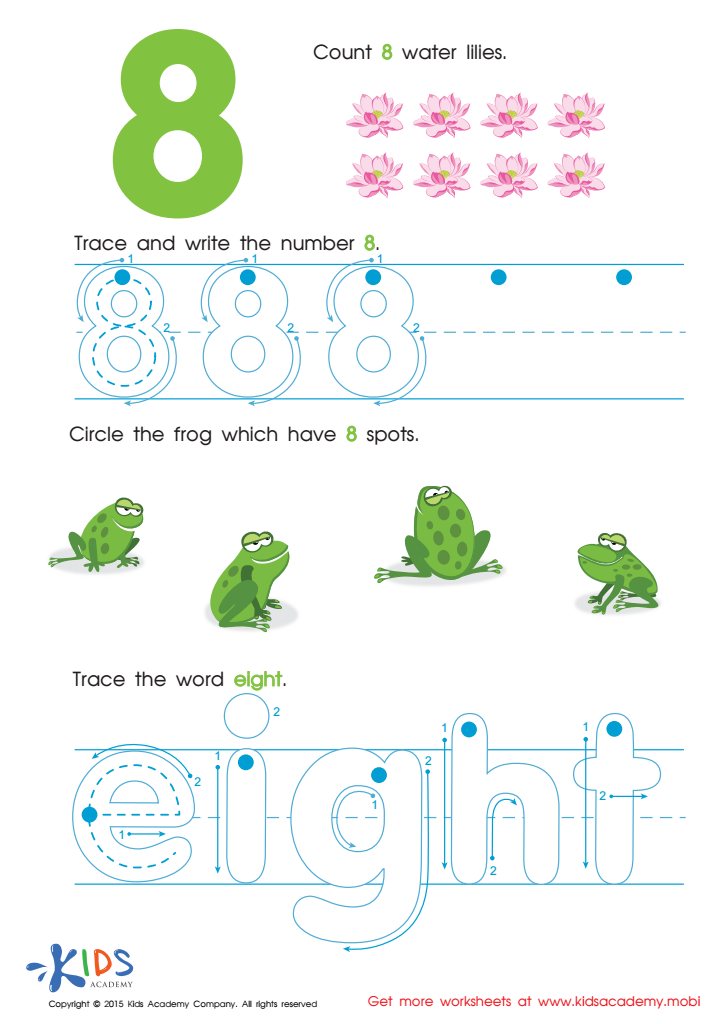
Learn Number 8 Easily Worksheet
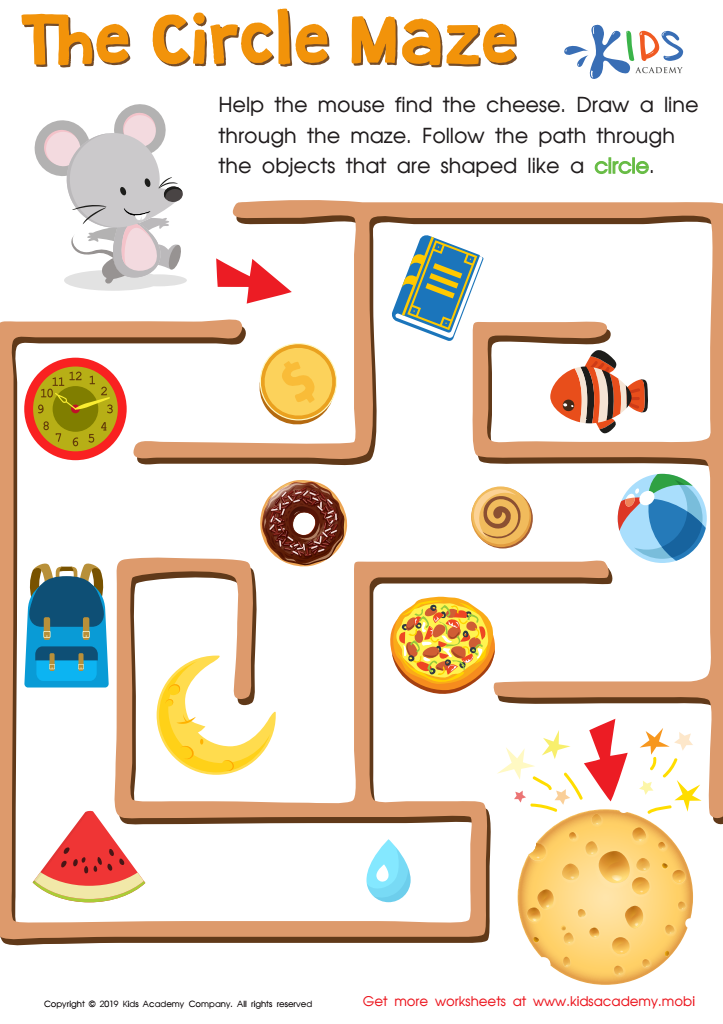
The Circle Maze Worksheet
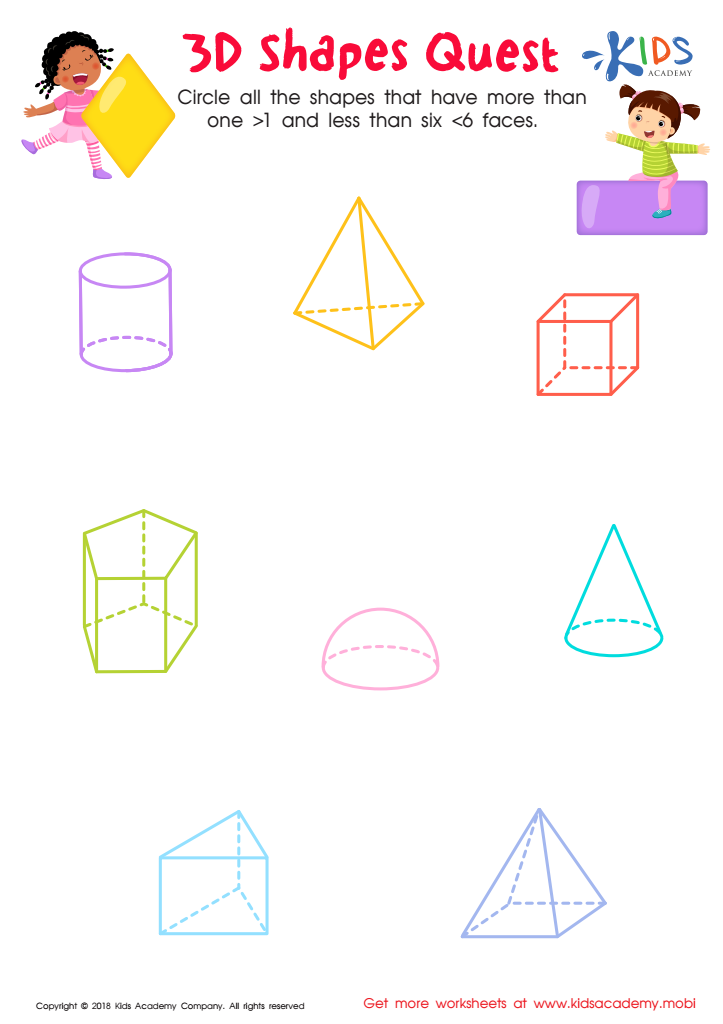
3D Shapes Quest Worksheet
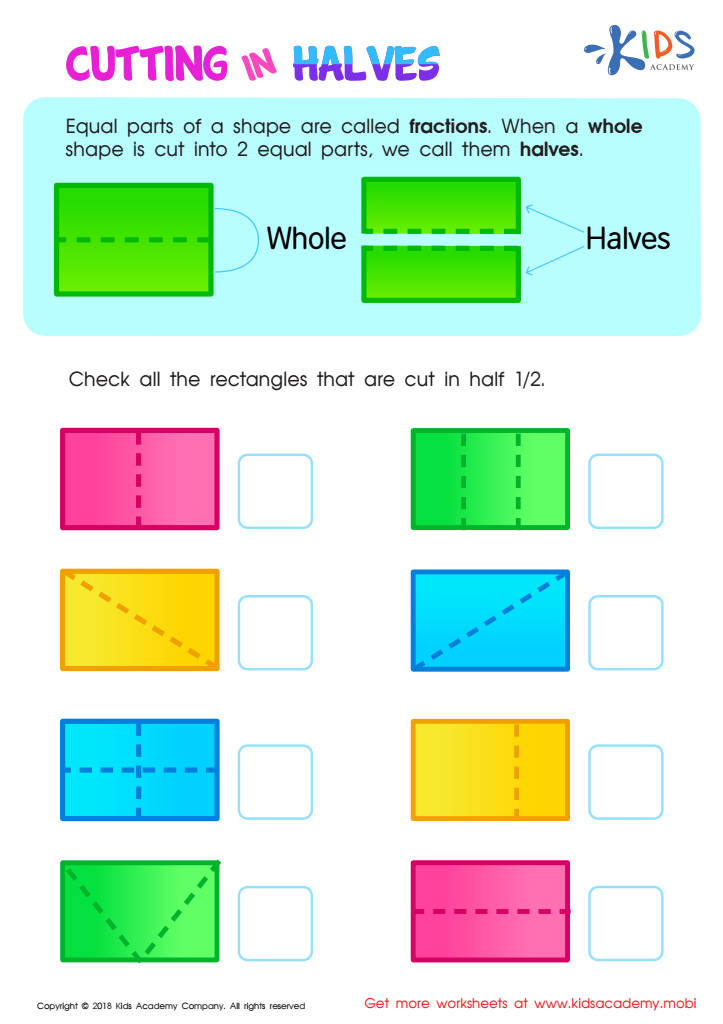
Cutting in Halves Worksheet
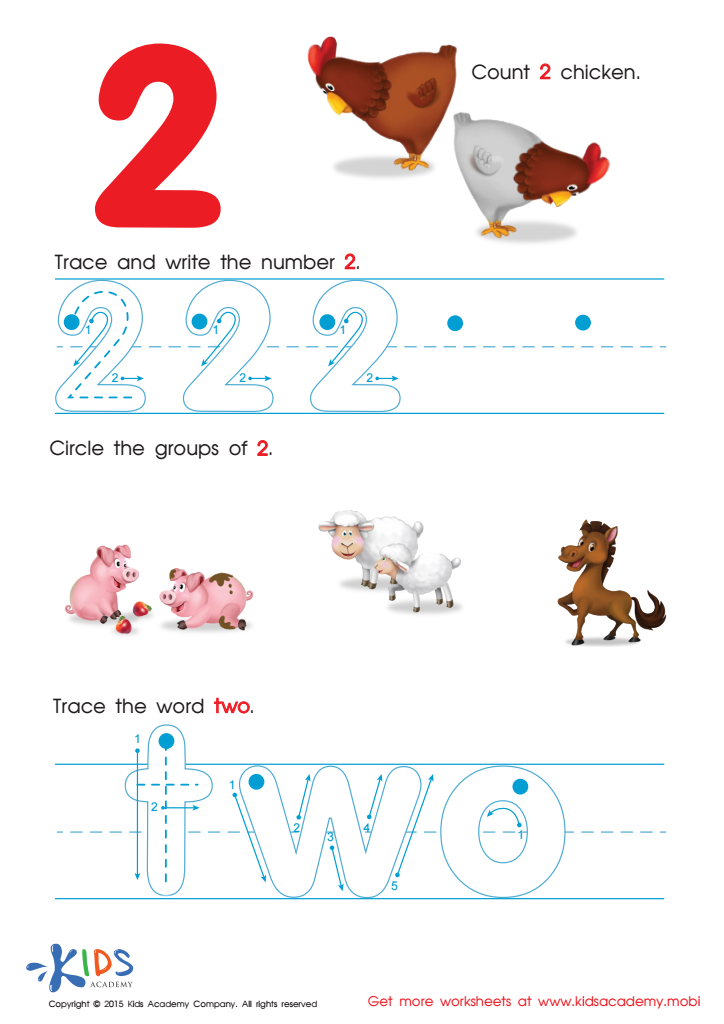
Learn to Write the Number 2 Worksheet
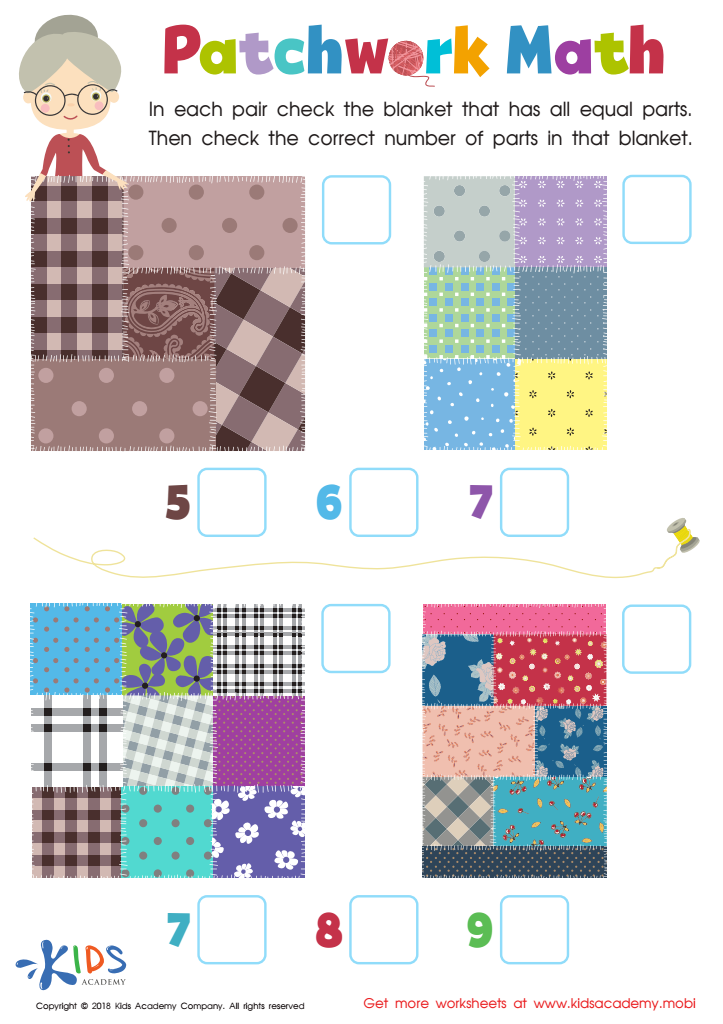
Patchwork Math Worksheet








Fine motor skills are crucial for children’s overall development, particularly in Grade 2 math, where tasks often require hand-eye coordination and dexterity. Activities such as writing numbers, drawing shapes, and manipulating math tools (like counters or rulers) hinge on these skills.
Parents and teachers should prioritize the development of fine motor skills, as they contribute directly to a child's ability to engage with math concepts at this level. For instance, when children can adeptly handle writing instruments, they can express their understanding more readily through completing worksheets, creating diagrams, or working with manipulatives. This physical competence helps reduce frustration and boosts confidence in math activities.
Moreover, fine motor skills foster cognitive connections. Tasks that require precision, such as sorting or crafting simple graphs, enhance problem-solving and critical thinking abilities. Children learn to focus, improve their attention span, and develop patience through fine motor activities.
Incorporating fine motor skill development into math lessons, whether through crafting, engaging in hands-on activities, or using technology, enriches the overall educational experience and supports holistic growth. Therefore, both parents and teachers play a key role in nurturing these essential skills to create confident and capable mathematicians.