Shape Recognition Grade 2 Math Worksheets - Page 2
45 filtered results
-
From - To
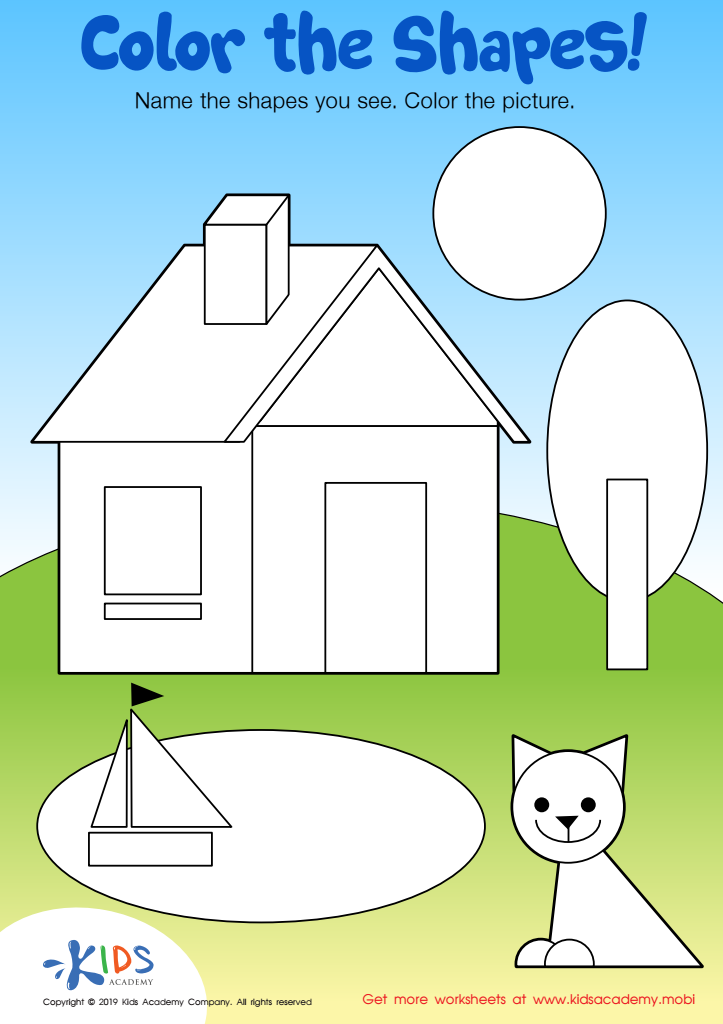
Color the Shapes Worksheet
 Assign to My Students
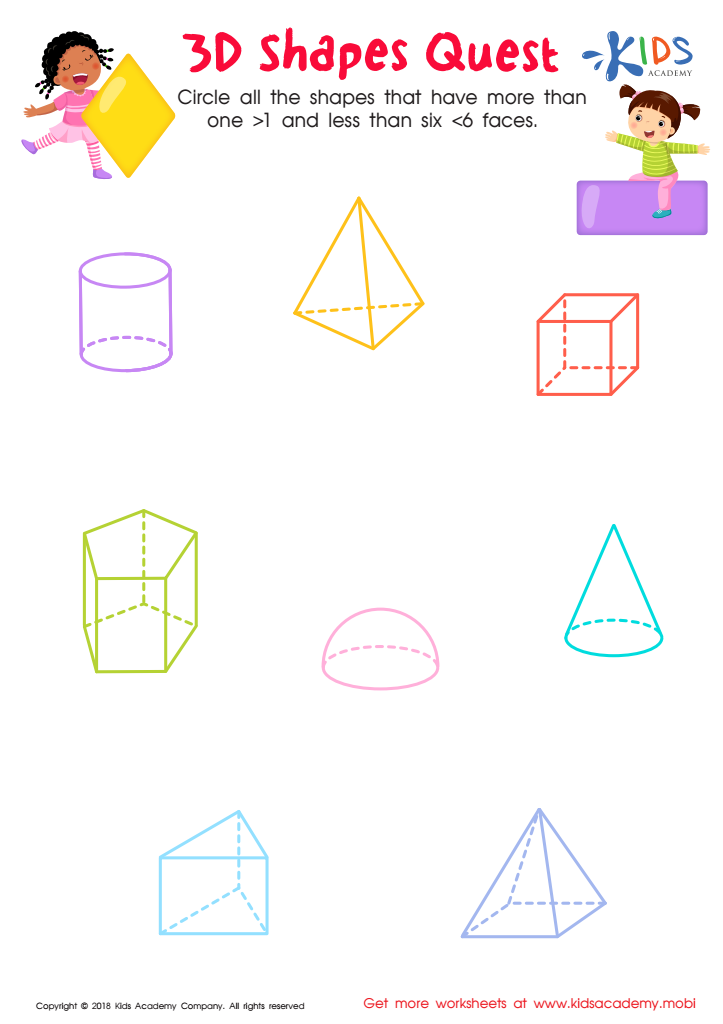
3D Shapes Quest Worksheet
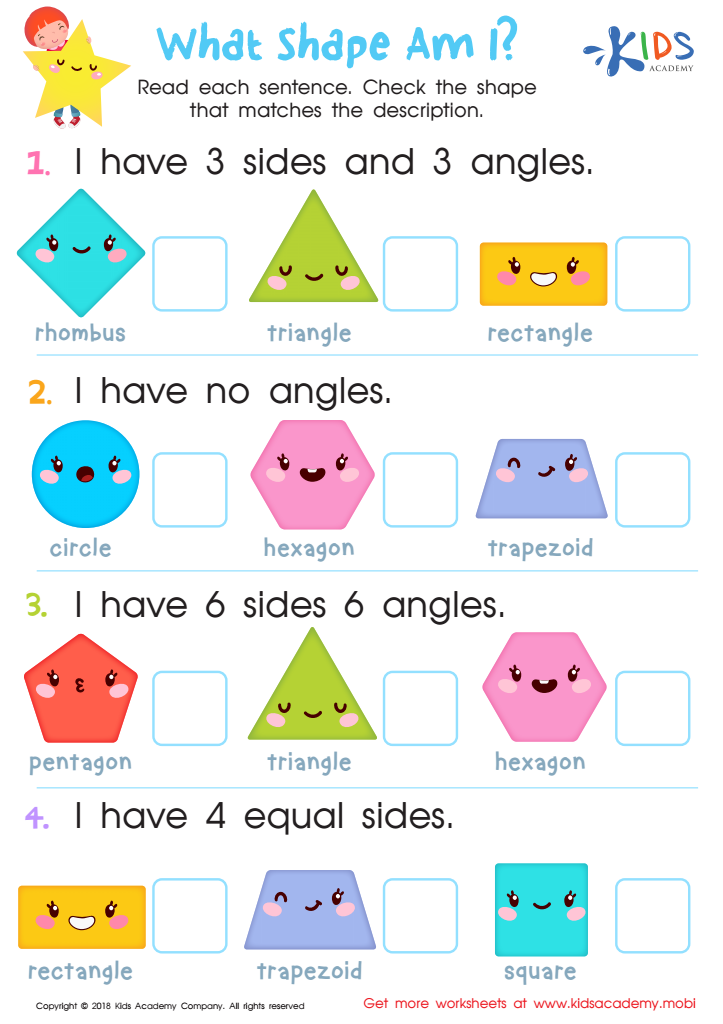
What Shape Am I? Worksheet
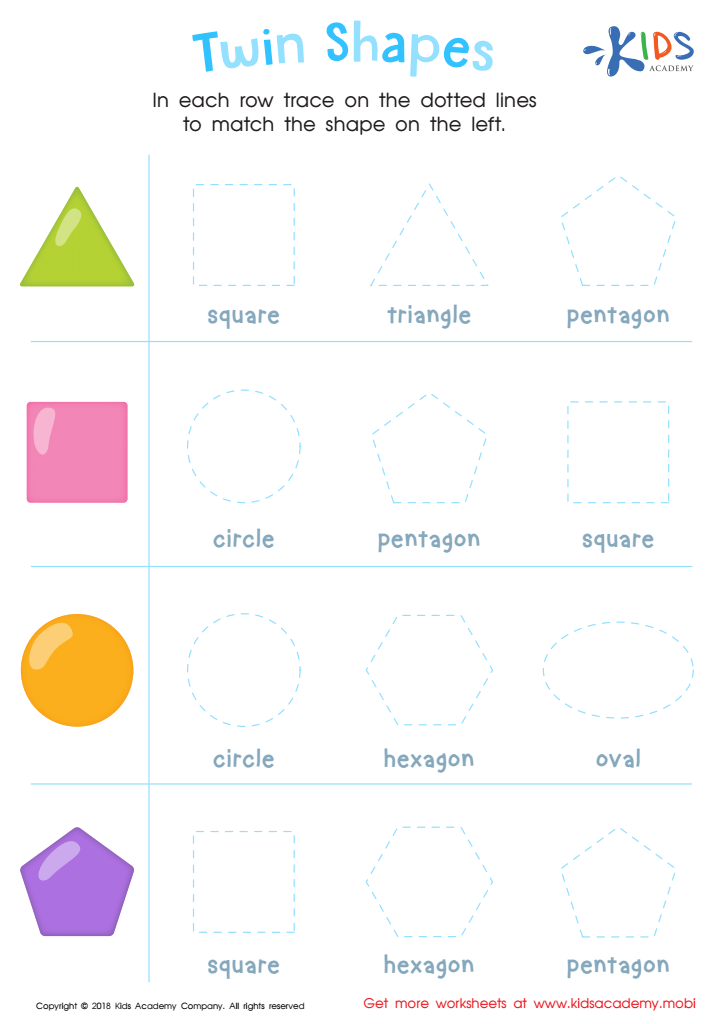
Twin Shapes Dot-to-Dot Worksheet
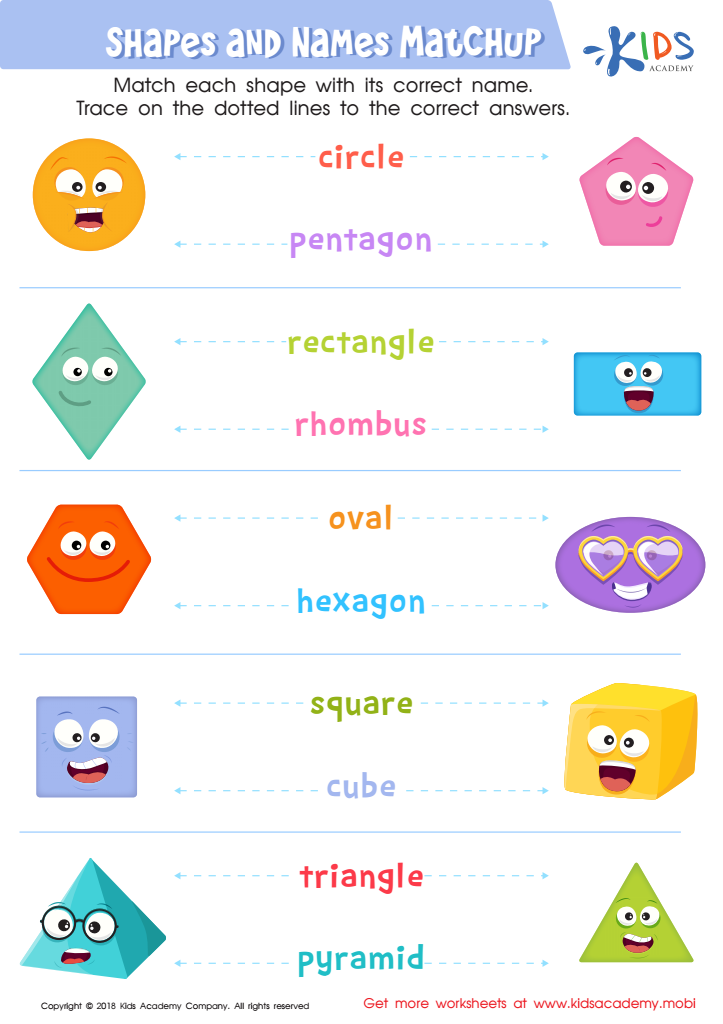
Shapes and Names Matchup Worksheet
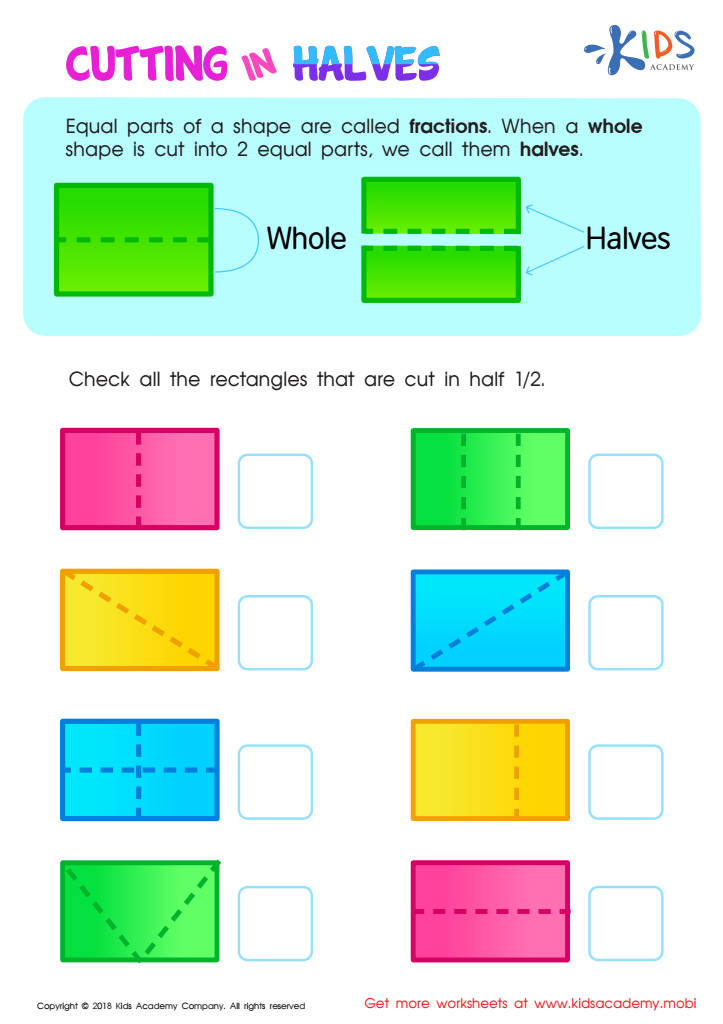
Cutting in Halves Worksheet
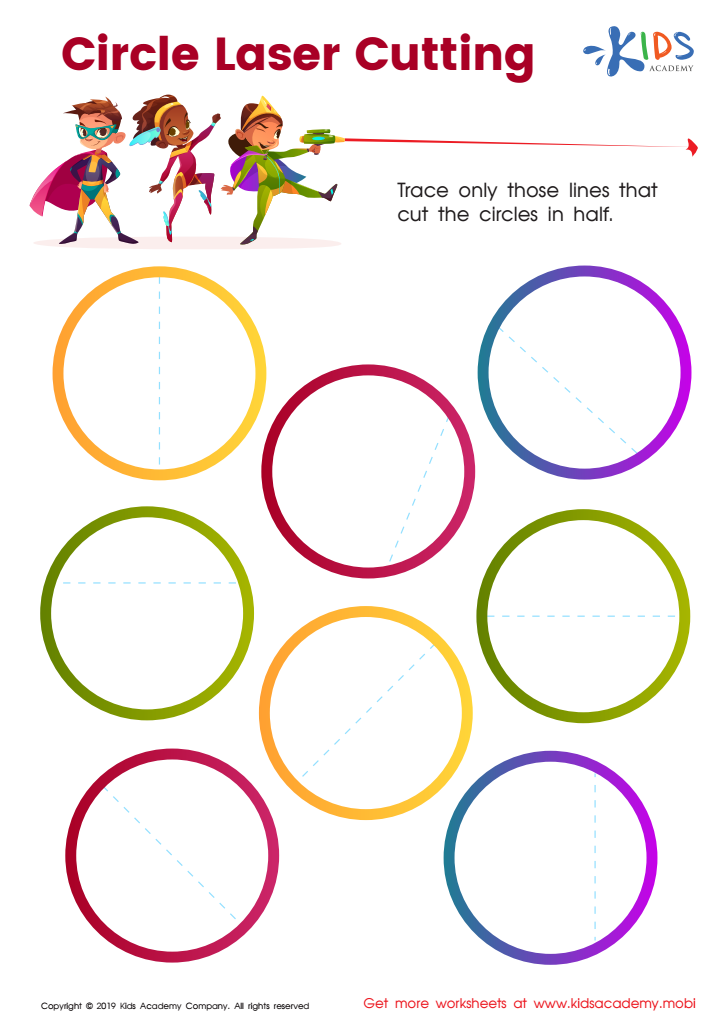
Circle Laser Cutting Worksheet
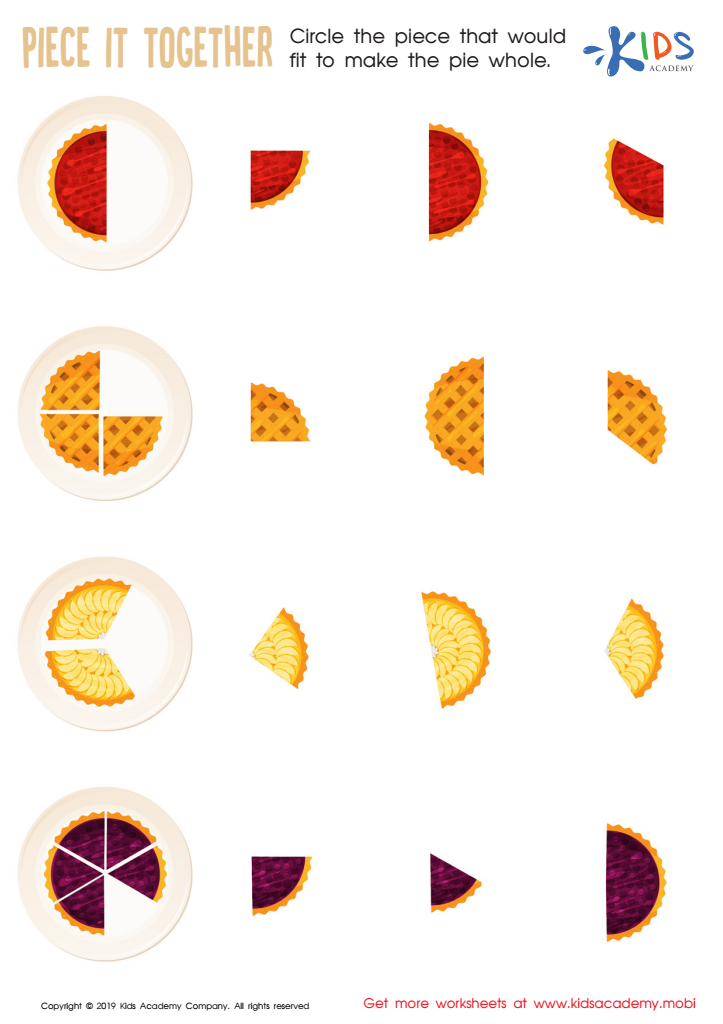
Piece it together Worksheet
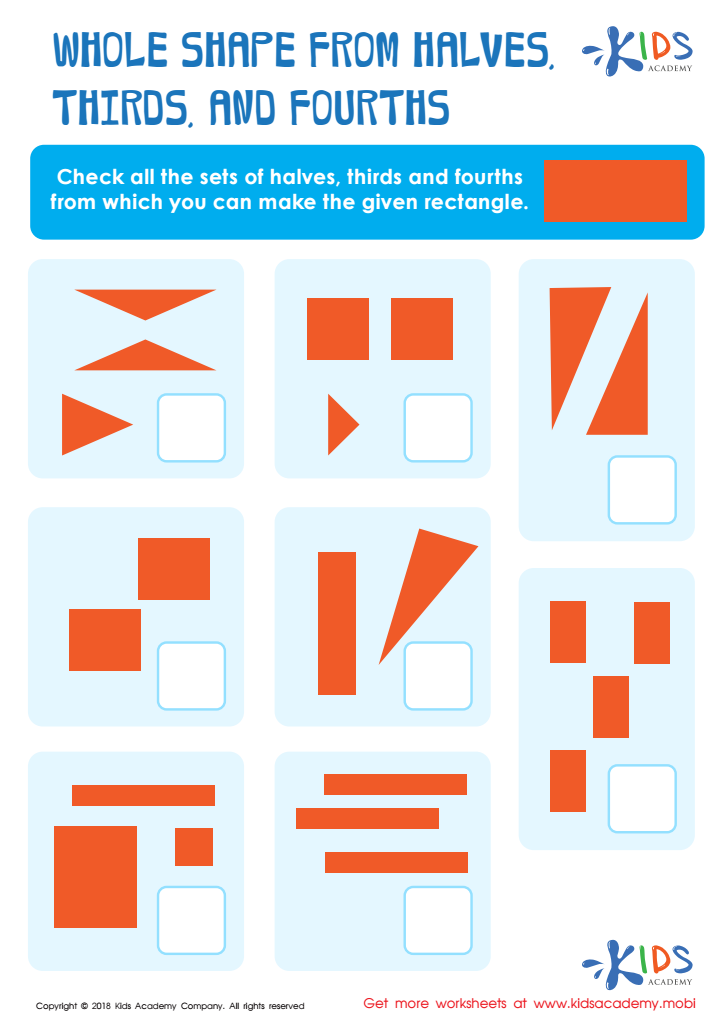
Whole Shape from Halves, Thirds and Fourths Worksheet
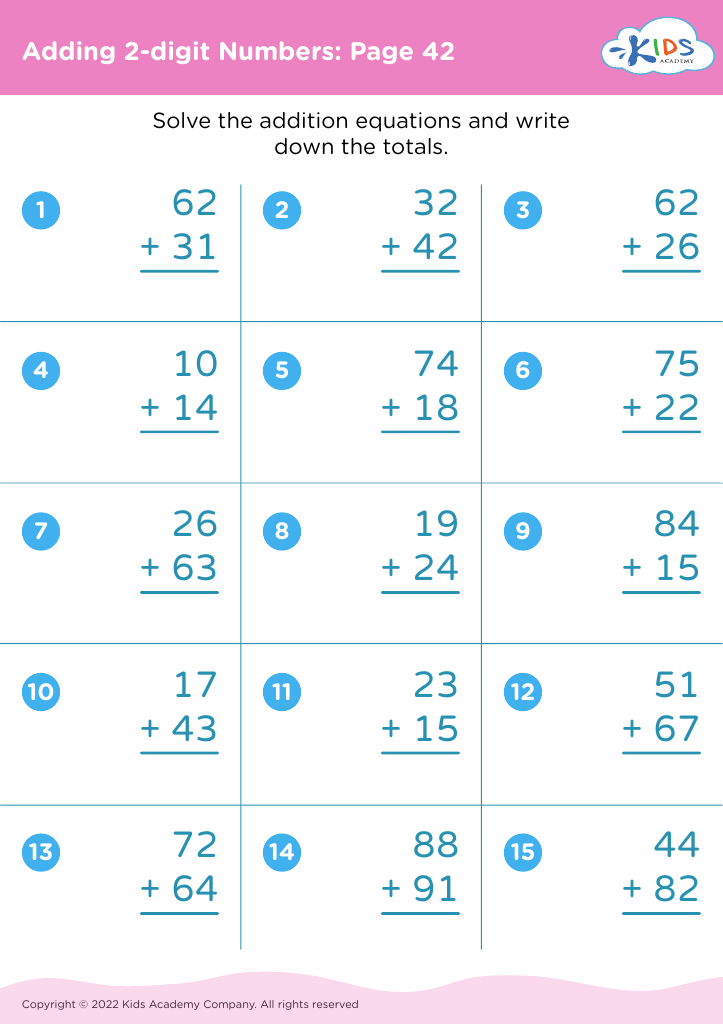
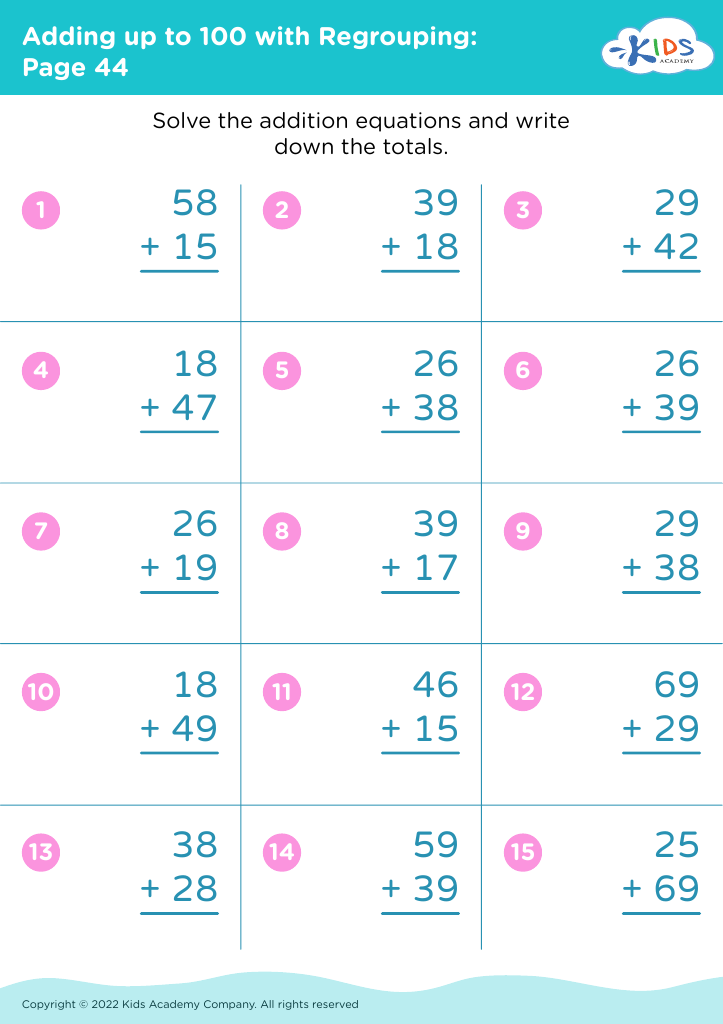








Shape recognition is a fundamental aspect of early mathematics education, particularly in Grade 2, as it develops critical cognitive skills. Parents and teachers should care about this topic because it lays the groundwork for more complex concepts that children will encounter in later grades, such as geometry, spatial reasoning, and measurement. Recognizing and understanding shapes enhances children's ability to categorize objects, visualize relationships, and solve problems.
Moreover, shape recognition promotes creativity and critical thinking. When children identify shapes in their environment, they begin to make connections between math and the real world, fostering an appreciation for both disciplines. This skill also leads to improved fine motor skills as children often engage in activities that involve drawing, constructing, or manipulating shapes.
Teaching shape recognition can also positively affect children's confidence in mathematics. When students master recognizing and classifying shapes, they build a strong foundation that encourages risk-taking and exploration in more challenging areas. Furthermore, collaborative activities involving shapes can enhance social skills and teamwork. Thus, by prioritizing shape recognition, parents and teachers contribute to a well-rounded education that empowers students for future academic success and real-life application.