Spelling practice Grade 2 Reading Worksheets
24 filtered results
Difficulty Level
Grade
Age
-
From - To
Subject
Activity
Standards
Enhance your Grade 2 students' spelling skills with our interactive spelling practice worksheets! Designed to make learning fun, each worksheet focuses on key phonetic patterns and high-frequency words essential for developing strong reading abilities. These engaging resources provide a variety of activities including word searches, fill-in-the-blanks, and sentence building to reinforce vocabulary and spelling mastery. Our worksheets are perfect for classroom use, homework assignments, or additional practice at home, allowing kids to strengthen their spelling skills in a playful manner. Set your students on the path to literacy success with these comprehensive practice worksheets tailored specifically for second graders!
Favorites
With answer key
Interactive
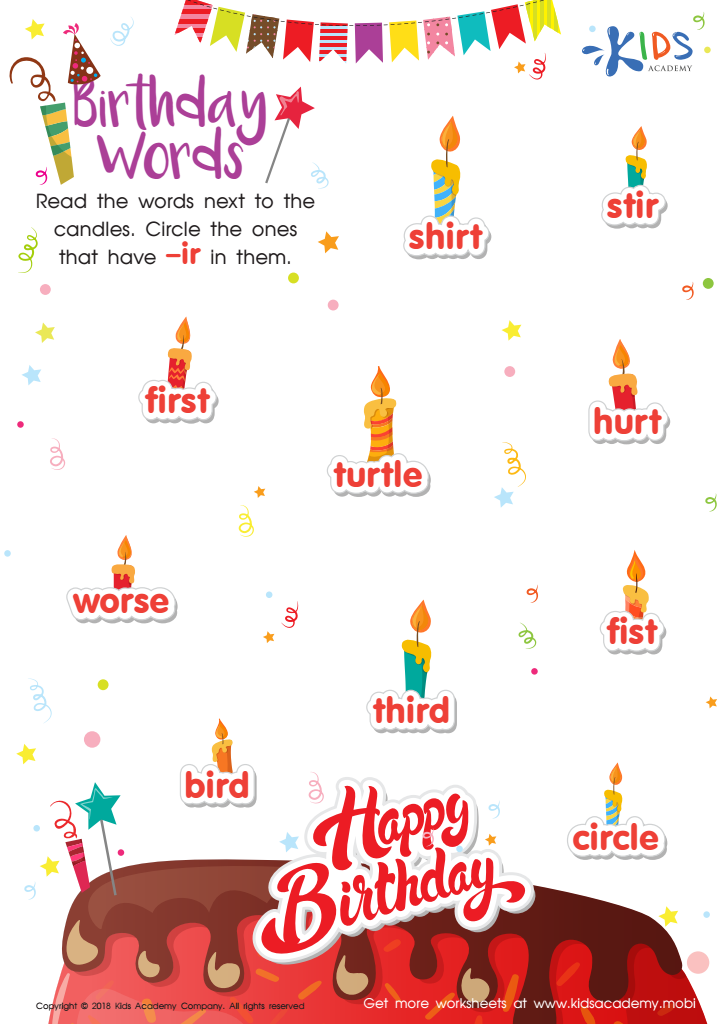
Birthday Words Worksheet
Kids adore birthday parties! Whether it's theirs or a friend's, the event is a huge draw for kids. This fun birthday-themed worksheet teaches kids to identify the letter combination -ir. Get them to scan and circle the colorful words that contain -ir. It's an exciting PDF page they won't want to miss!
Birthday Words Worksheet
Worksheet
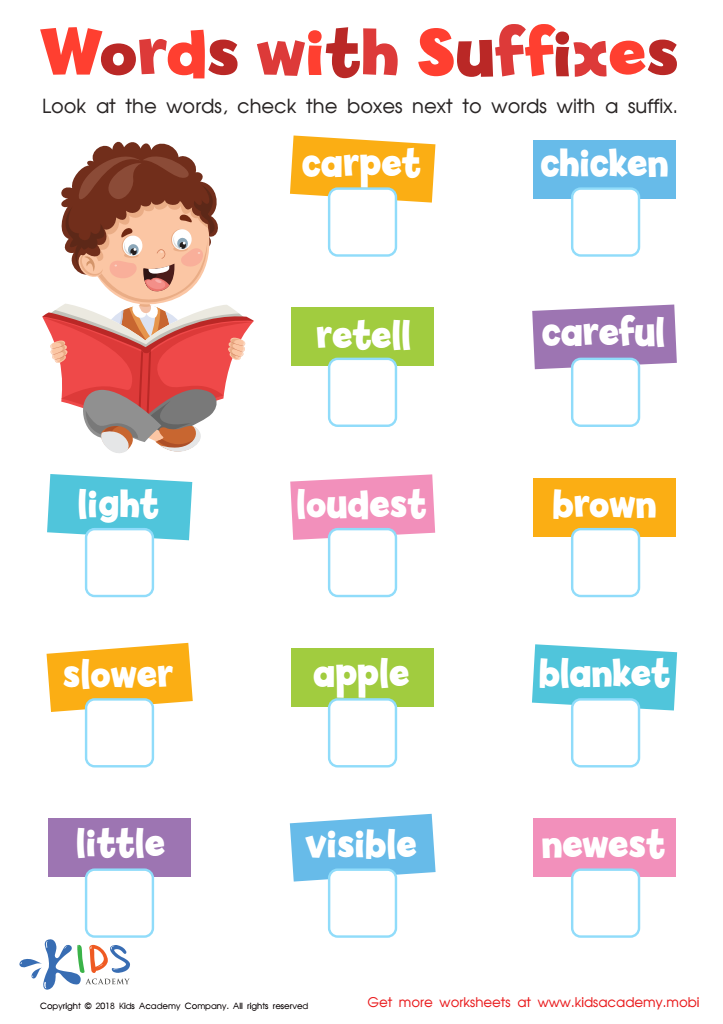
Reading: Words With Suffixes Worksheet
Help your students understand suffixes and build reading fluency with this worksheet. Have them read each word, then choose the ones with a suffix. Practicing this will lead to better comprehension and more confident reading. Save it for future use in language and reading classes.
Reading: Words With Suffixes Worksheet
Worksheet
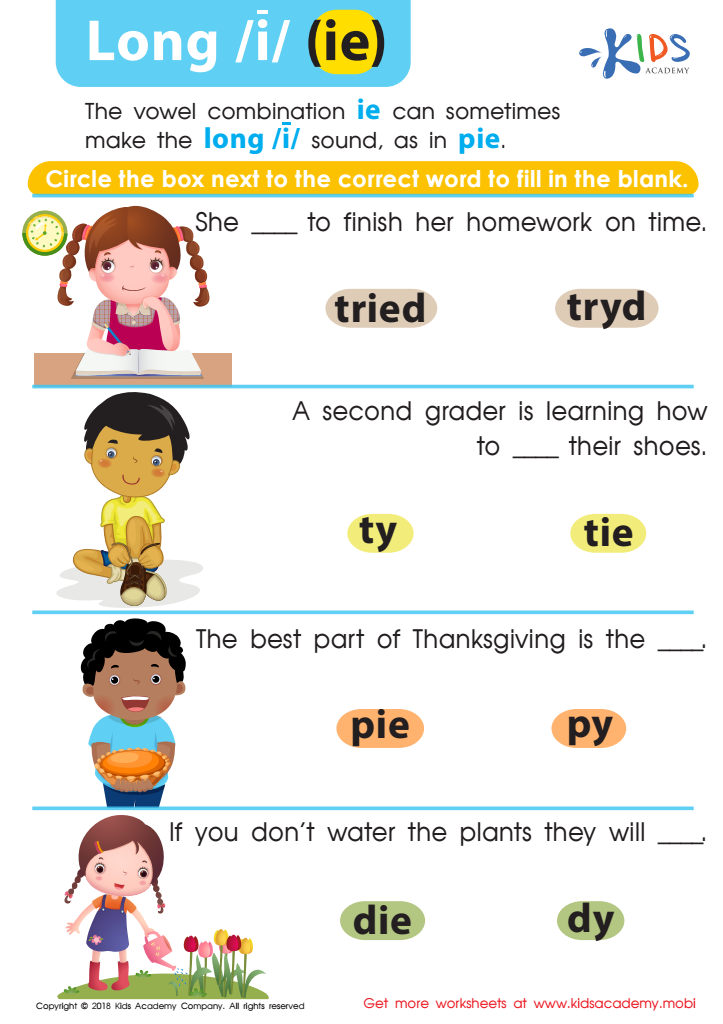
Reading: Long I and IE Worksheet
Have your child list words with the long /i/ sound (eg. 'pie'), and if needed, help them out with some examples. Read each word in the worksheet together and check their answer by having them circle the correct word.
Reading: Long I and IE Worksheet
Worksheet
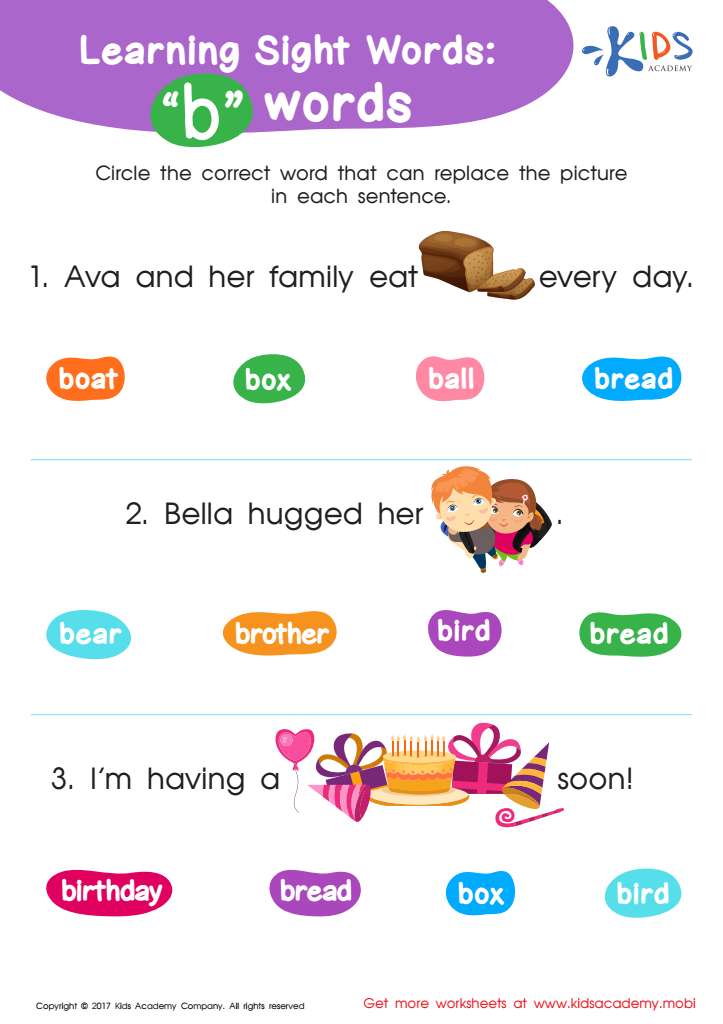
Sight Words Free Worksheet – B Words
This free 2nd grade sight words worksheet – b words – is a great way to help your child expand their sight word repertoire. They can read through each sentence, using the context and illustrations as clues to pick the right answer. Offer your child a quick practice session for even more learning!
Sight Words Free Worksheet – B Words
Worksheet
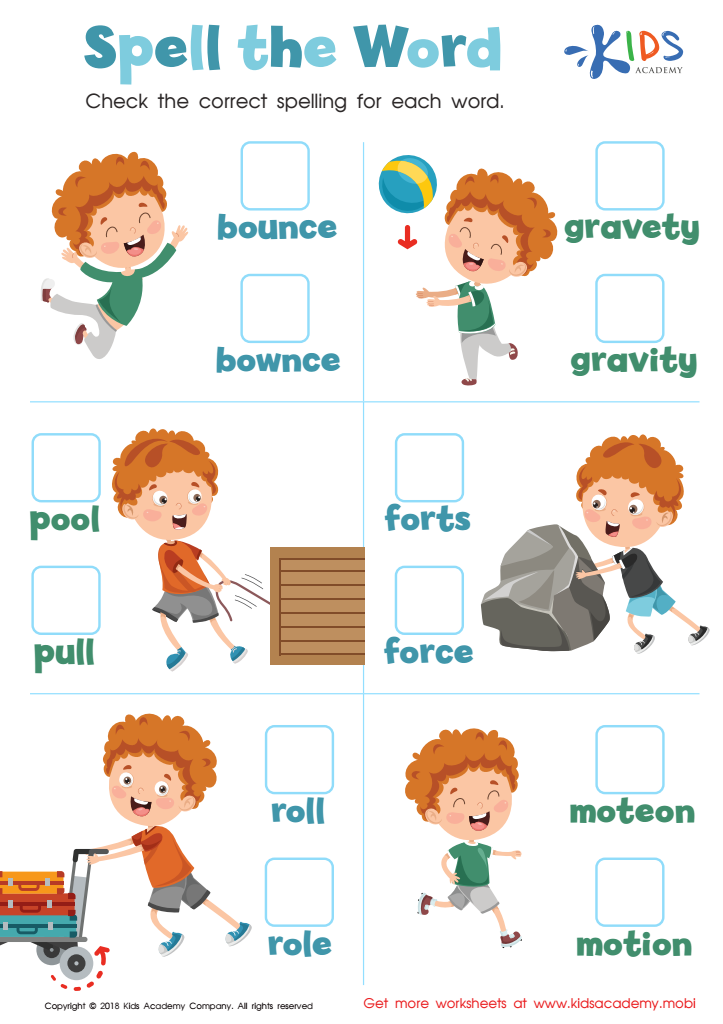
Spell the Word Worksheet
Spelling can be fun for your students with this colorful worksheet. Ask them to identify what the boy is doing in each picture, then check the correct spelling of the words. Let them practice and have fun while learning!
Spell the Word Worksheet
Worksheet
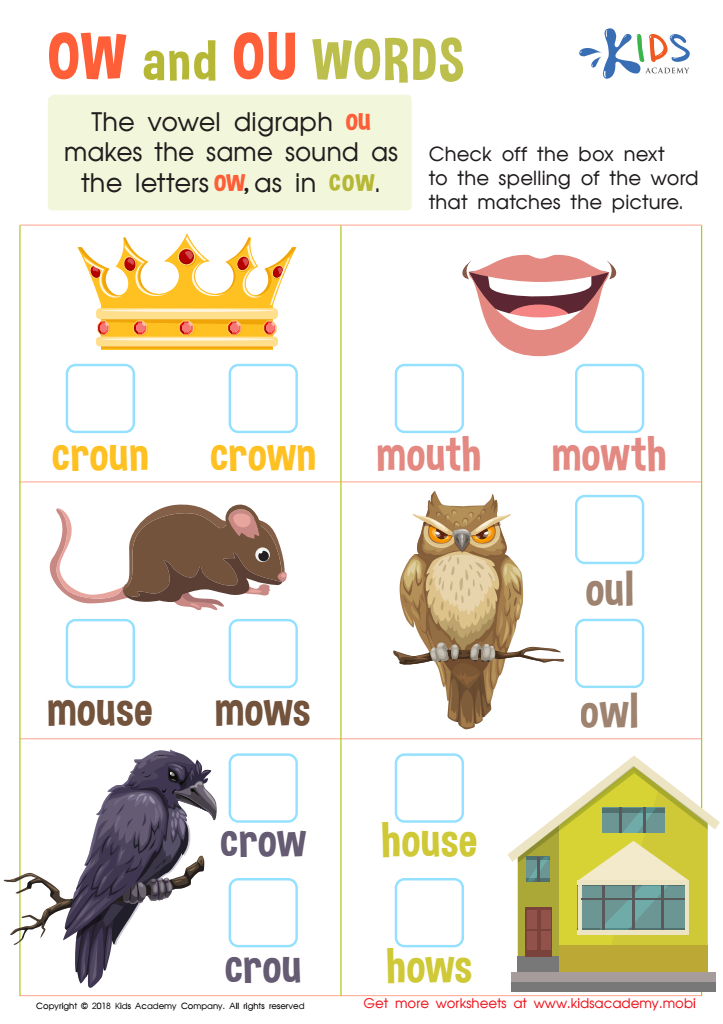
Reading: OW and OU Words Worksheet
Help your kids learn phonetics! Explain the different sounds and long/short variations. Emphasize that some vowel sounds are the same, e.g. ou = ow in cow. For practice, have them read aloud the words in the worksheet and check the box next to the spelling that matches the picture.
Reading: OW and OU Words Worksheet
Worksheet
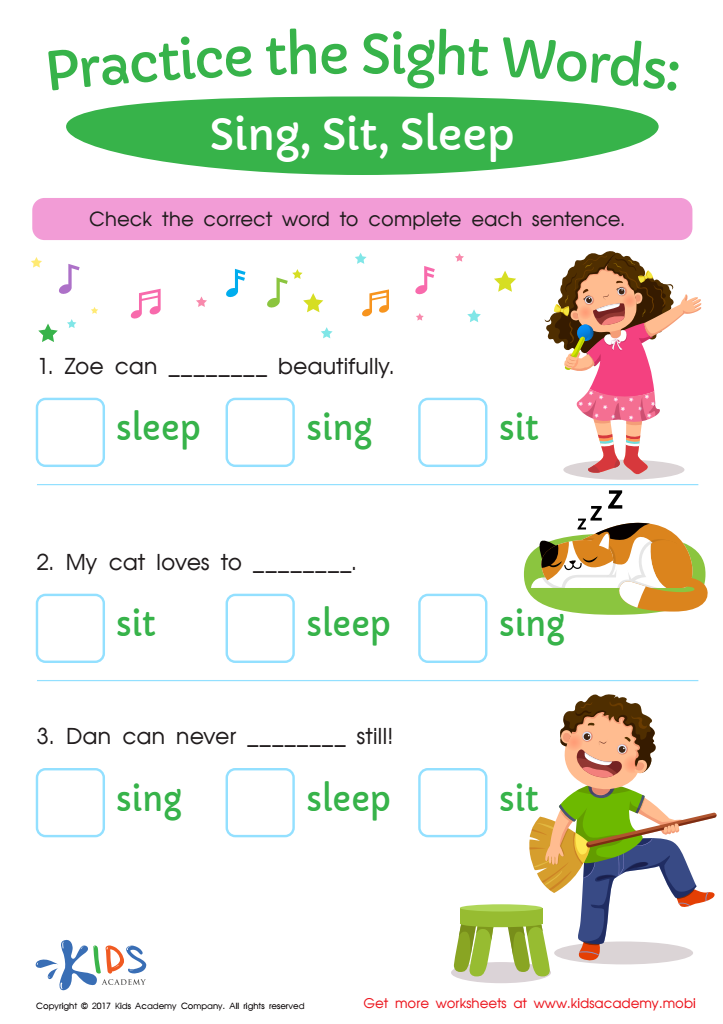
Sing, Sit, Sleep Sight Words Worksheet
Practice sight words with this printable worksheet featuring sing, sit, sleep! Confusing at first, these words can be mastered with the help of simple sentences and fun illustrations.
Sing, Sit, Sleep Sight Words Worksheet
Worksheet
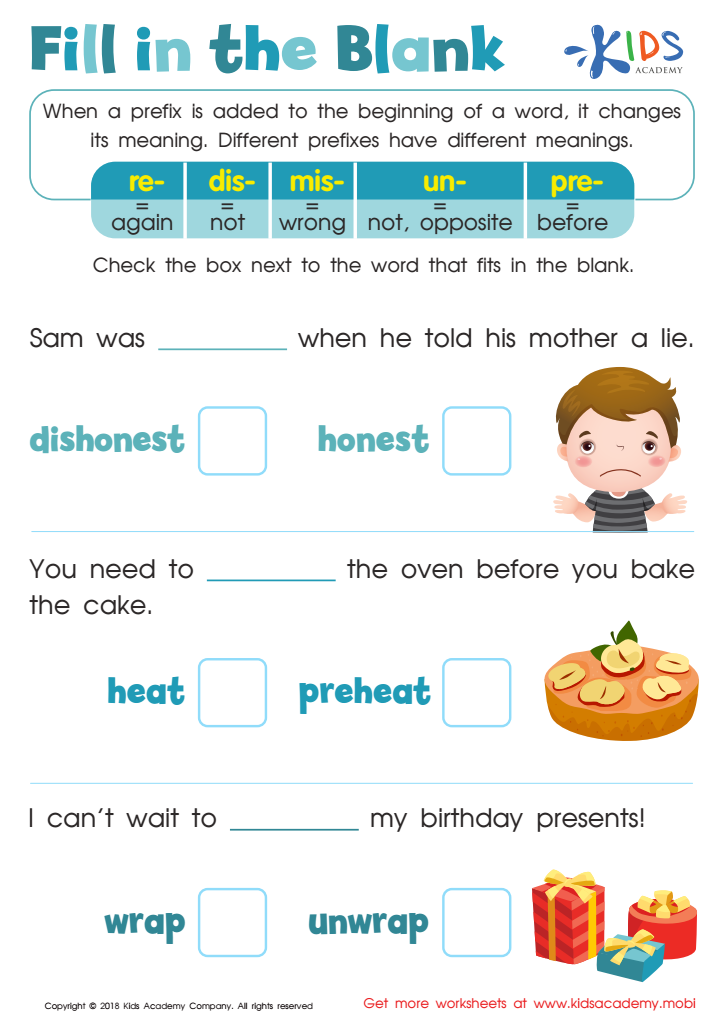
Reading: Fill in the Blank Worksheet
Students can practice understanding the meaning of common prefixes with this worksheet. They read sentences and pick the correct word with the appropriate prefix to complete it. Downloadable and a great addition to reading and vocabulary resources, this helps improve comprehension with mastery of the skill!
Reading: Fill in the Blank Worksheet
Worksheet
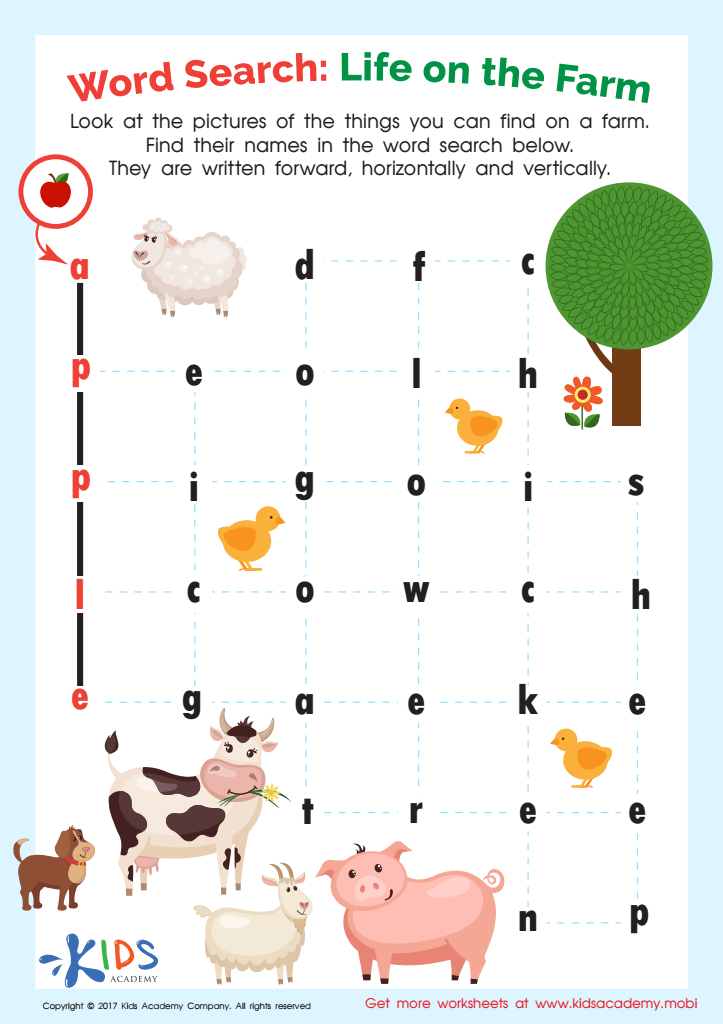
Word Search Puzzles Worksheet
2nd grade word search puzzles are great fun, helping kids flex their knowledge of words and spellings. Kids can use the pictures to find farm-themed words hidden on the page. It's a great way to learn!
Word Search Puzzles Worksheet
Worksheet
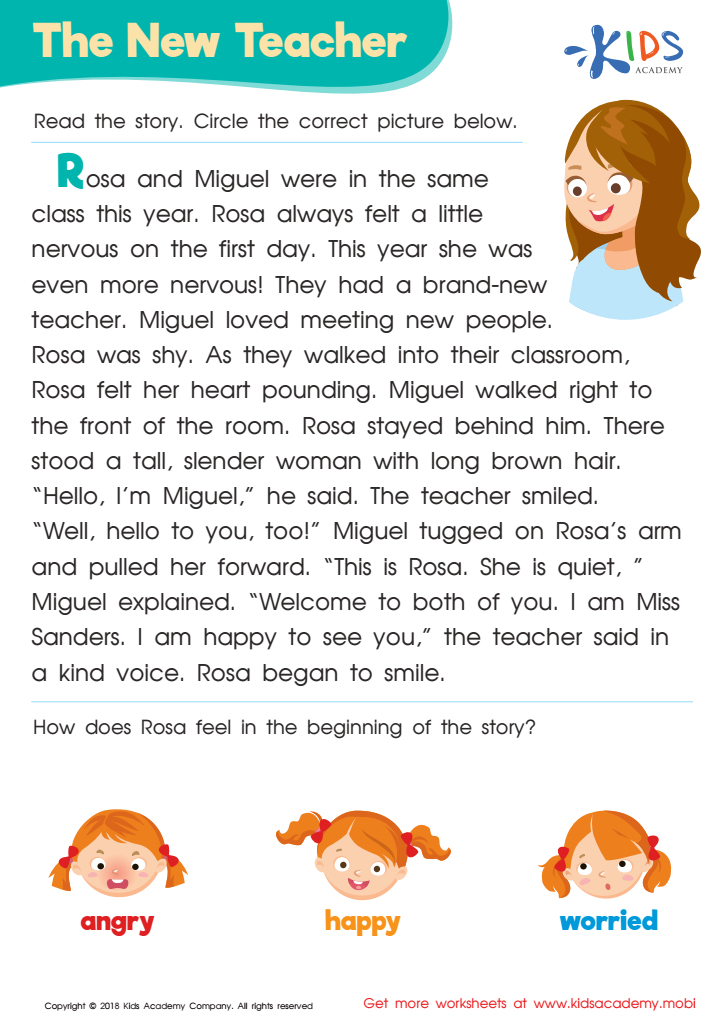
The New Teacher Worksheet
Encourage your kids to write their own short story before doing this exercise. It's about Rosa and Miguel on their first day of school, meeting their teacher. Read the story aloud and ask them to focus on Rosa's feelings. Then, help them circle the correct picture for the question.
The New Teacher Worksheet
Worksheet
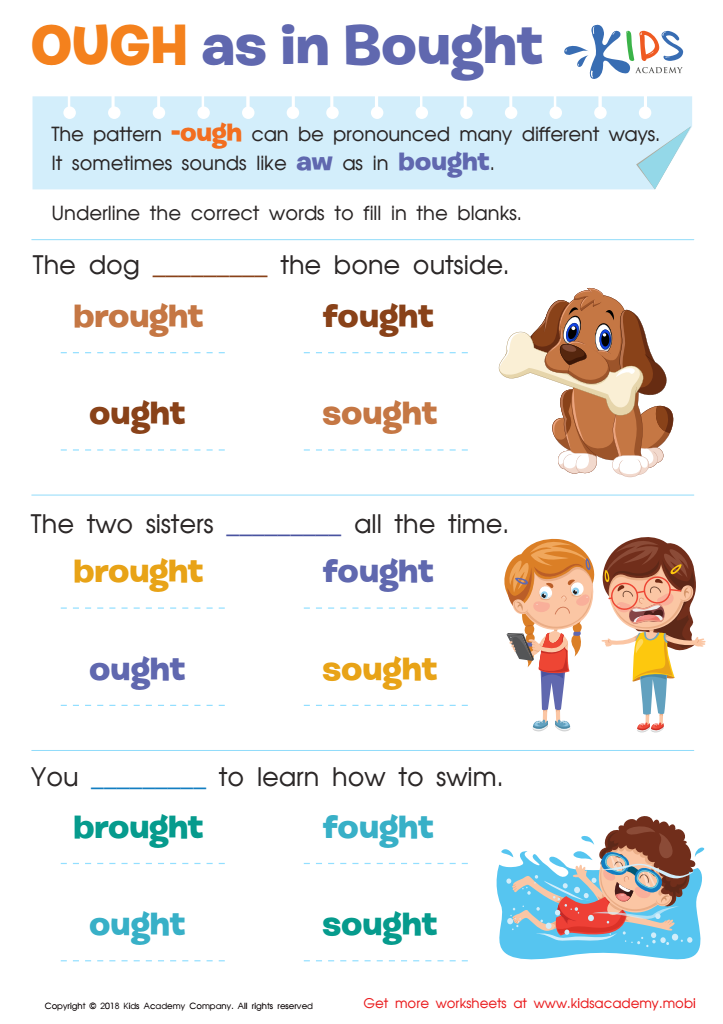
OUGH as in Bought Worksheet
Use this worksheet to teach your child the different pronunciations of -ough. For example, -ough can sound like ‘aw’ in ‘bought’. Ask your child to give more examples and help them underline the correct answers to fill in the blanks.
OUGH as in Bought Worksheet
Worksheet
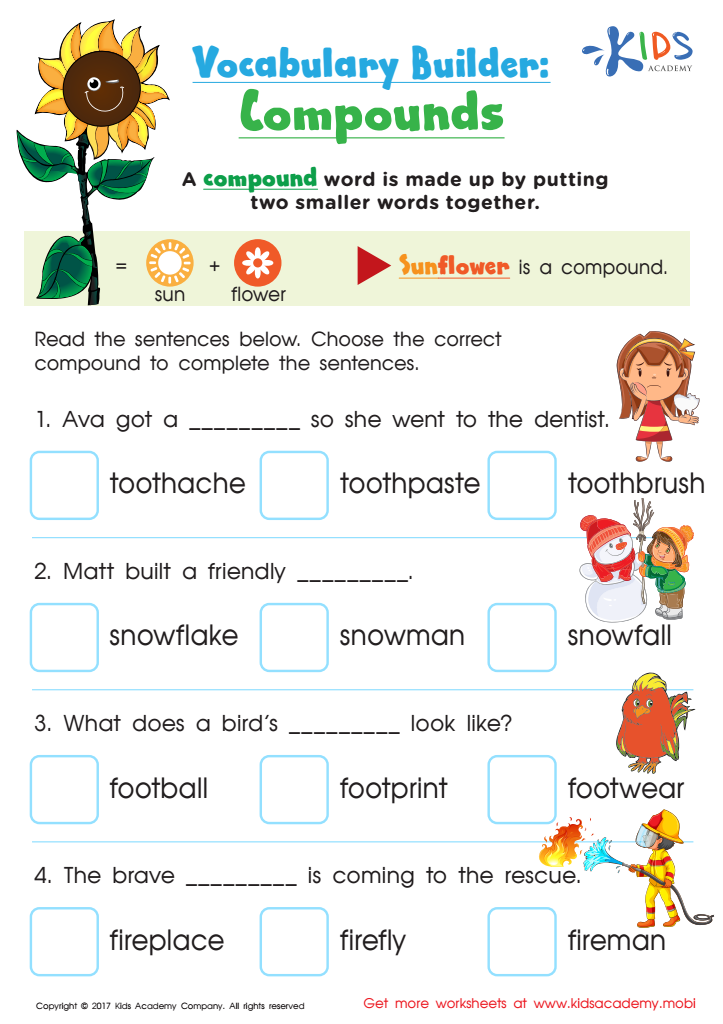
Compound Words Worksheet
Help your child get to grips with compound words! From sunflowers to snowflakes, firemen to fireflies, some words are made up of two. Introduce them to the world of compound words with this grade 2 PDF worksheet, packed with fun activities!
Compound Words Worksheet
Worksheet
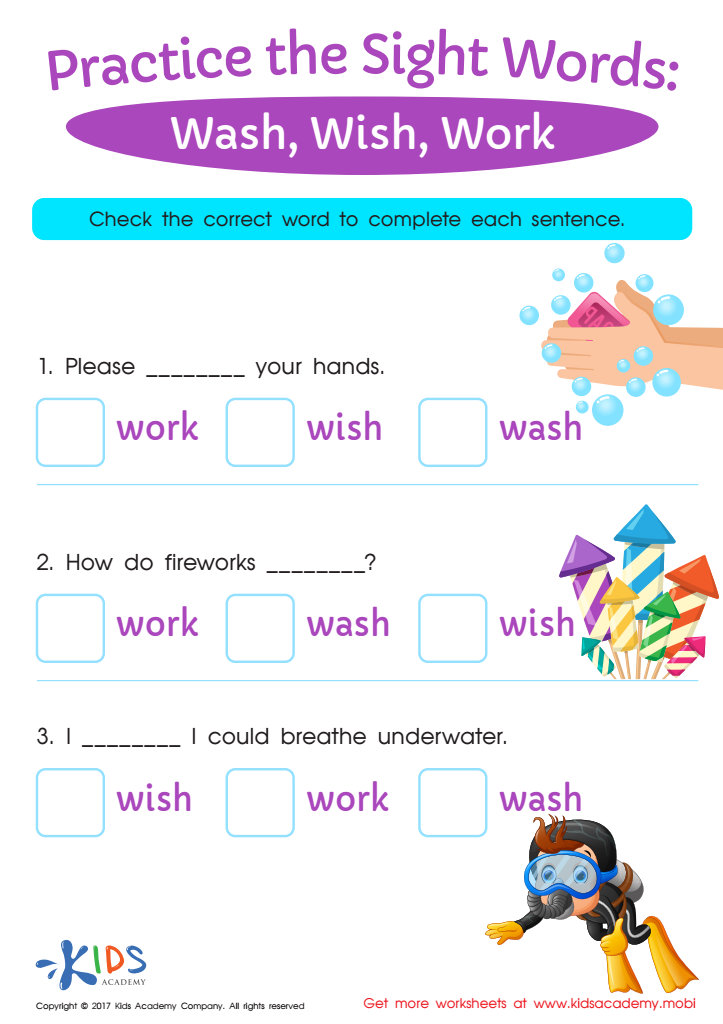
Wash, Wish, Work Sight Words Worksheet
Help your child distinguish between 'wash', 'wish' and 'work' with this sight words printable worksheet. It features sentences with the words and colorful images that aid your child's memory. Help them get one step closer to becoming a confident reader!
Wash, Wish, Work Sight Words Worksheet
Worksheet
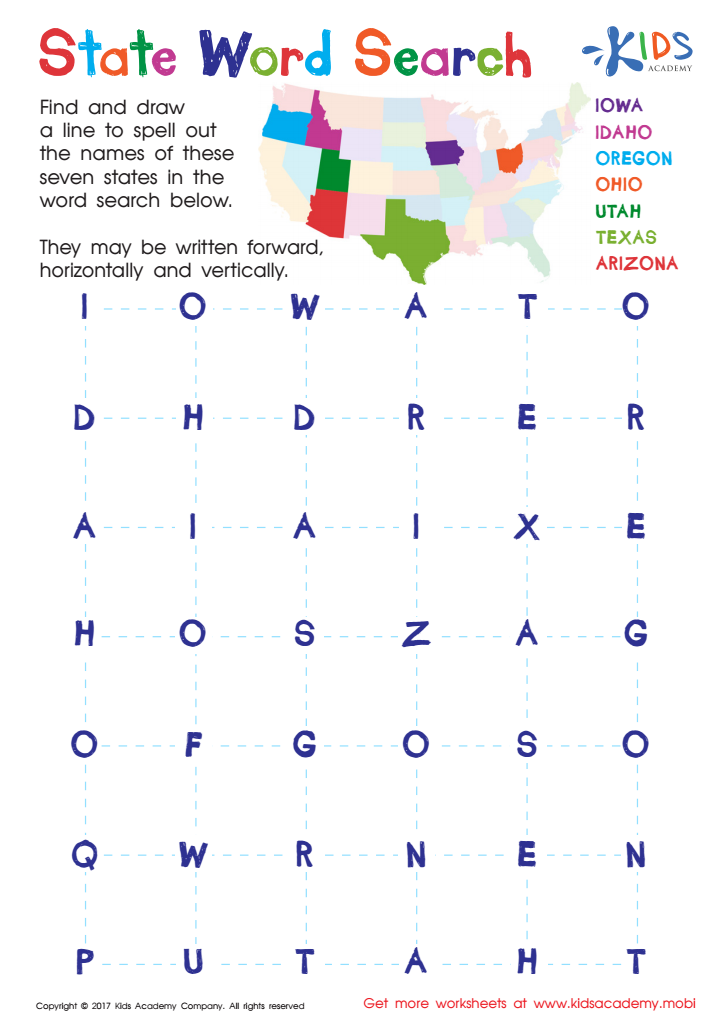
State Word Search Worksheet
Take a road trip across the US with this word search to help your child learn how to identify states. This engaging puzzle makes it easy to remember the 50 states. Get your kids to have fun and learn at the same time!
State Word Search Worksheet
Worksheet
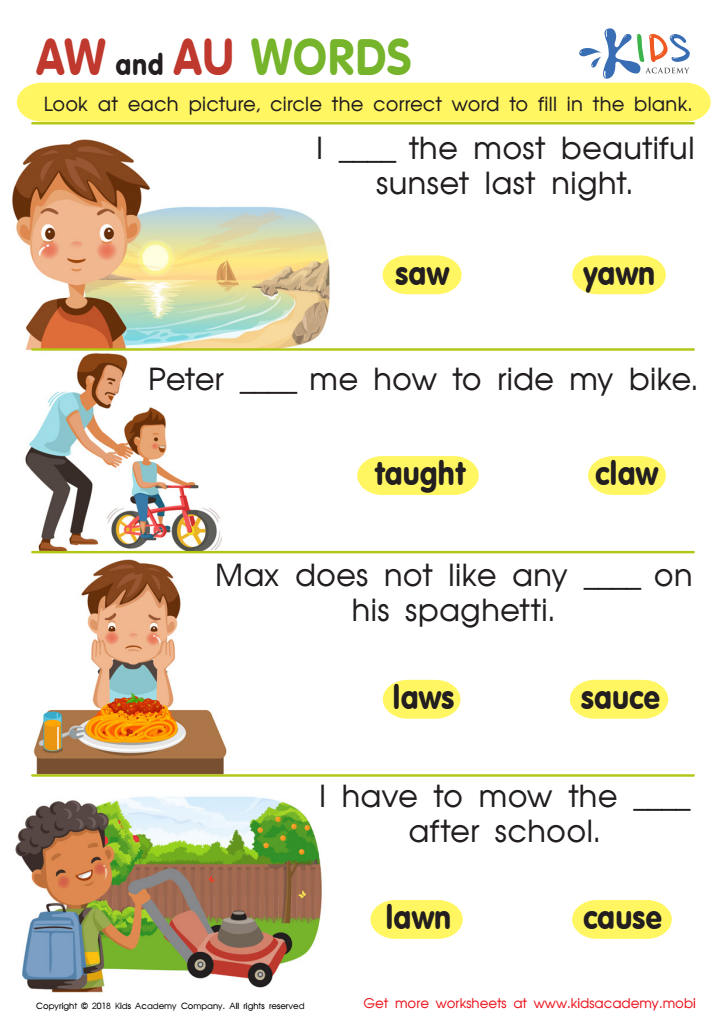
Reading: AW and AU Words Worksheet
This worksheet helps kids recognize that /au/ and /aw/ can make the same sound. Students read sentences and pick the correct word with one of the digraphs. Understanding digraphs improves decoding and reading fluency. Perfect for reading and phonics classes.
Reading: AW and AU Words Worksheet
Worksheet
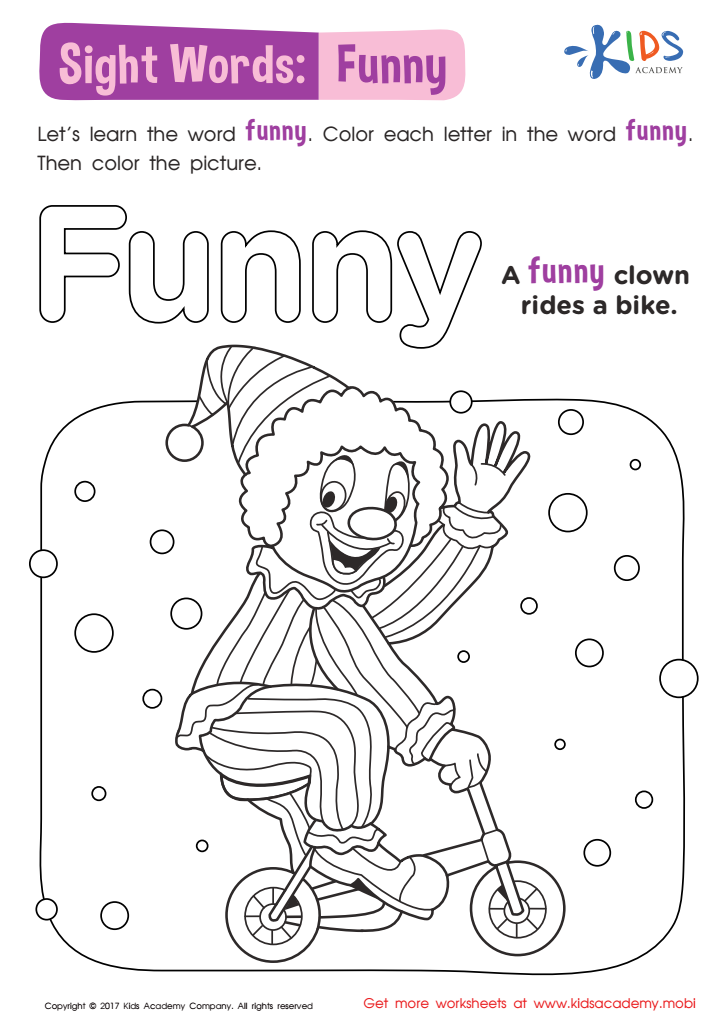
Funny Worksheet Sight Words Worksheet
Love humor? Introduce "funny" as a sight word with this fun worksheet! Have your child read the sentence then color the word in the center. Let them use their imagination to color the silly clown in any way they like!
Download (PDF)
 Assign to My Students
Assign to My Students
Funny Worksheet Sight Words Worksheet
Worksheet
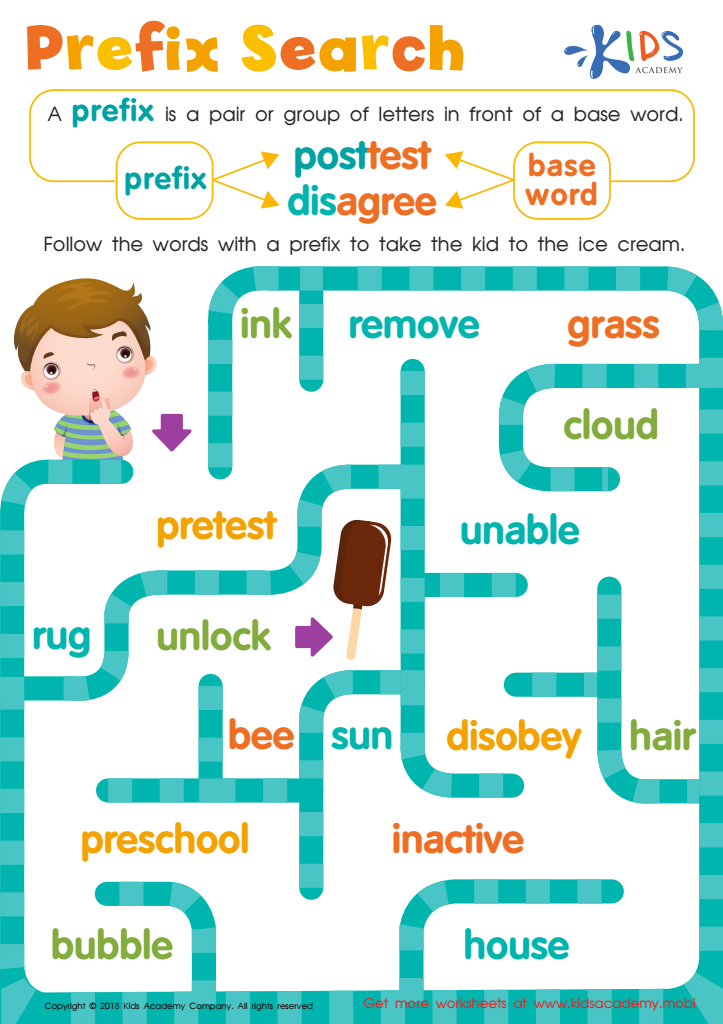
Reading: Prefix Search Worksheet
Maze your way through prefixes! This worksheet helps students practice reading new words with a prefix and figuring out the base word. An understanding of prefixes gives students the skills to comprehend new words. A fun and useful activity for the reading classroom!
Reading: Prefix Search Worksheet
Worksheet
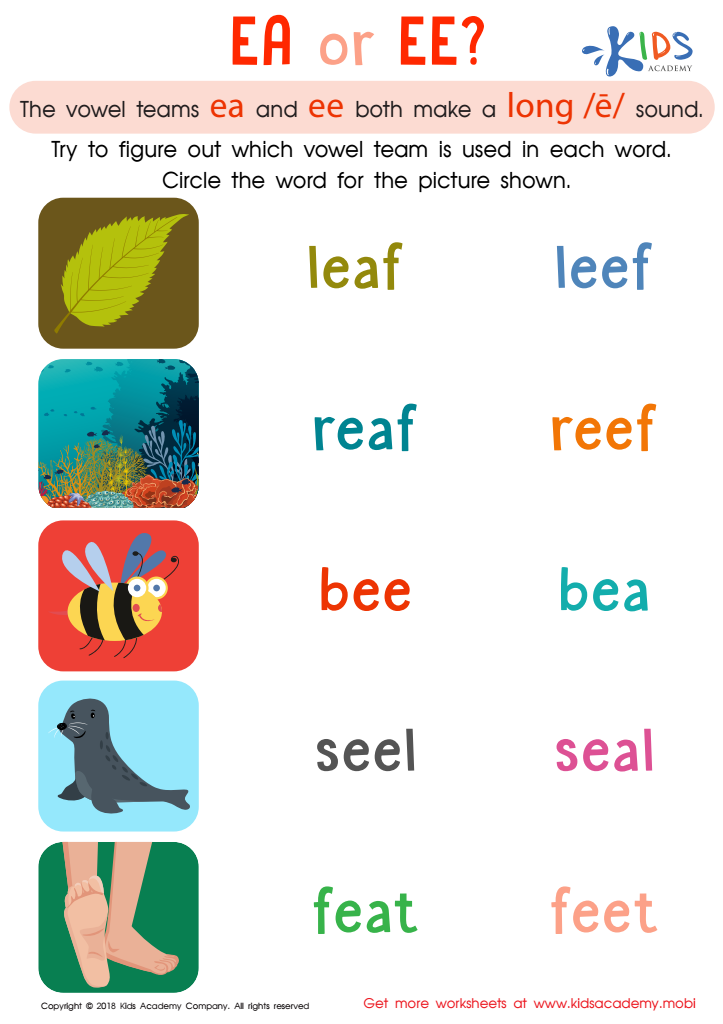
Reading: EA and EE Worksheet
Confused by the long E sound's varying spellings? Give students practice with this printable. It will improve their reading and spelling skills by helping them identify the correct spellings for words with the /ee/ and /ea/ vowel teams. Clear up the confusion and sharpen their skills.
Reading: EA and EE Worksheet
Worksheet
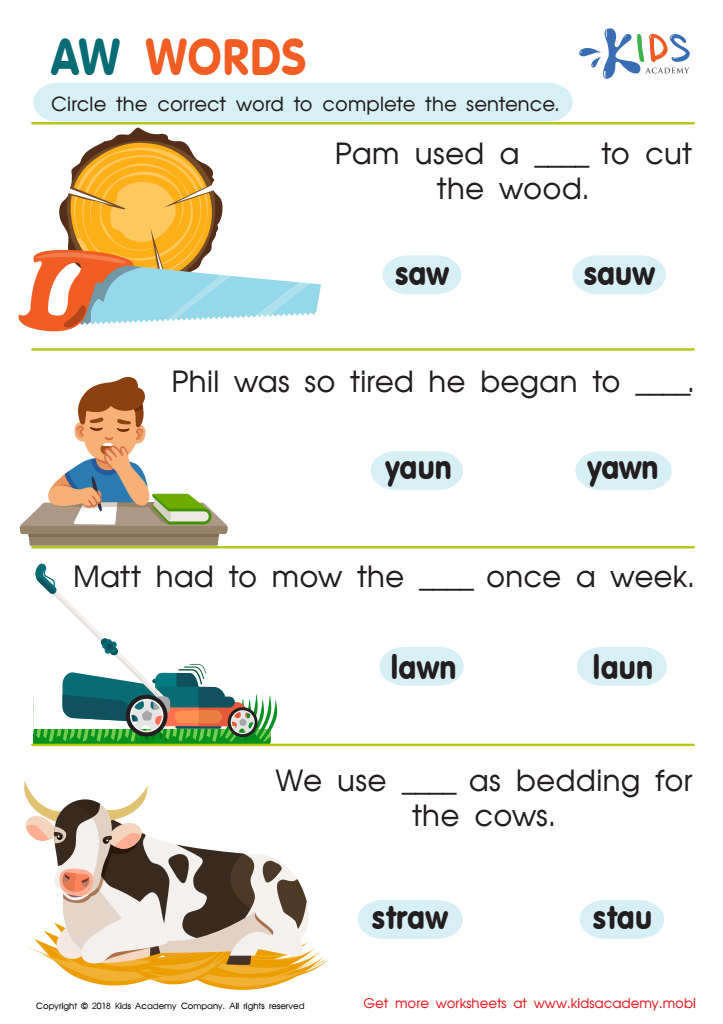
Reading: AW Words Worksheet
Practice decoding the /aw/ digraph with this printable. Students read sentences and select the word with the correct spelling to complete each one. Note, /aw/ is sometimes spelled /au/, so this worksheet helps prevent confusion. Have fun, and practice hard!
Reading: AW Words Worksheet
Worksheet
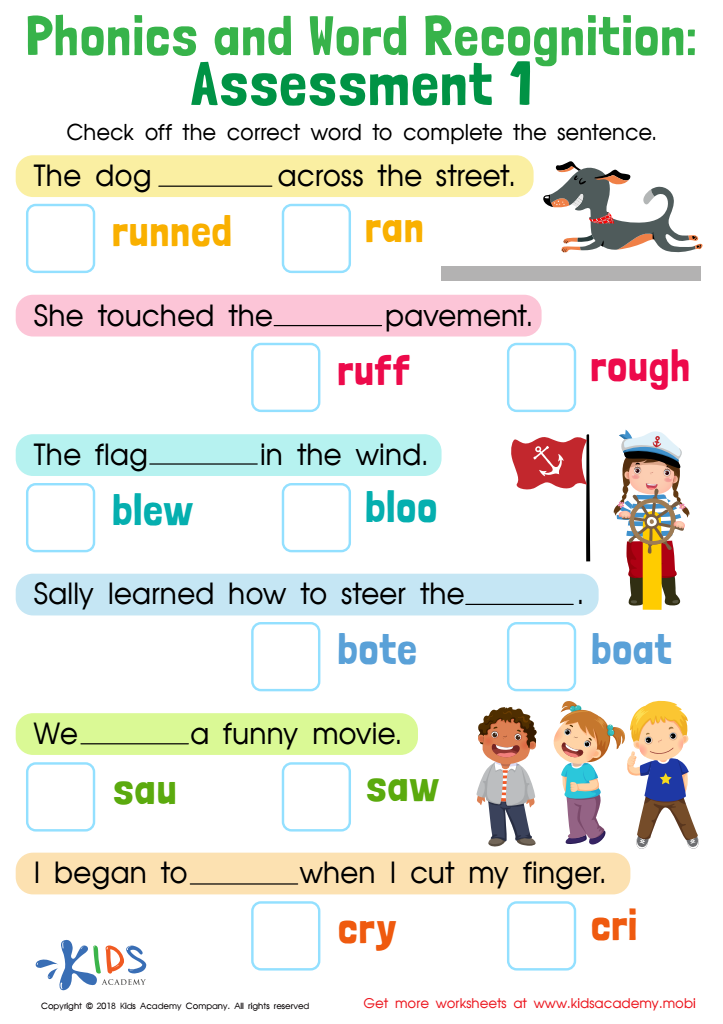
Phonics and Word Recognition: Assessment 1 Worksheet
This worksheet tests phonetics and word recognition. Students should be familiar with past tense verbs. Read incomplete sentences, then read multiple options and help students select the correct one.
Phonics and Word Recognition: Assessment 1 Worksheet
Worksheet
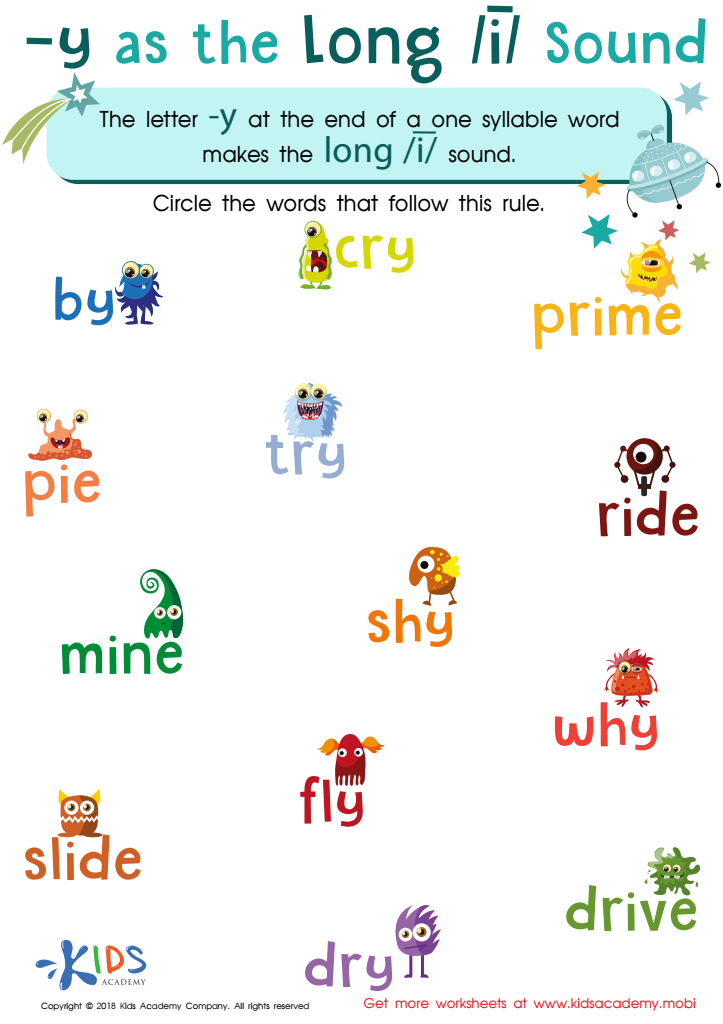
Reading: Y as Long I Worksheet
Students need practice and exposure to letters that make different sounds for decoding and reading success. This printable is a great resource for language arts classes: it explains that words ending with Y and having only one syllable make the long I sound. Students will circle all words with Y that have this sound.
Reading: Y as Long I Worksheet
Worksheet
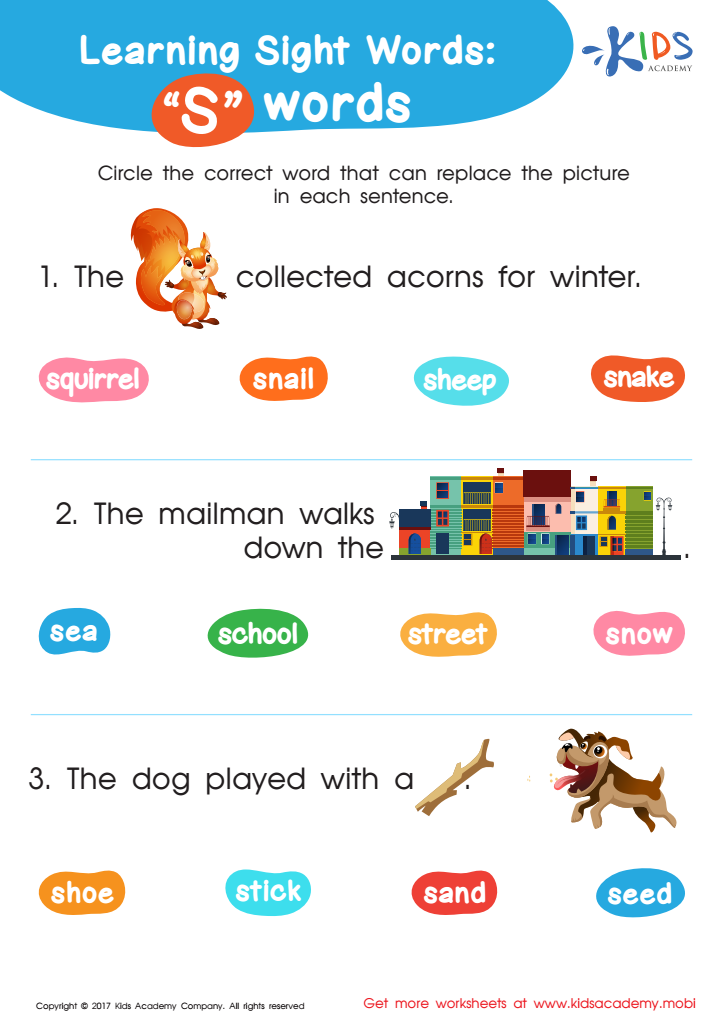
S Words Sight Words Worksheet
This 2nd grade worksheet encourages kids to practice using context clues when identifying sight words that begin with 's'. Engage them with colorful pictures to enhance the learning, helping them to understand the context of each sentence and choose the correct word.
S Words Sight Words Worksheet
Worksheet
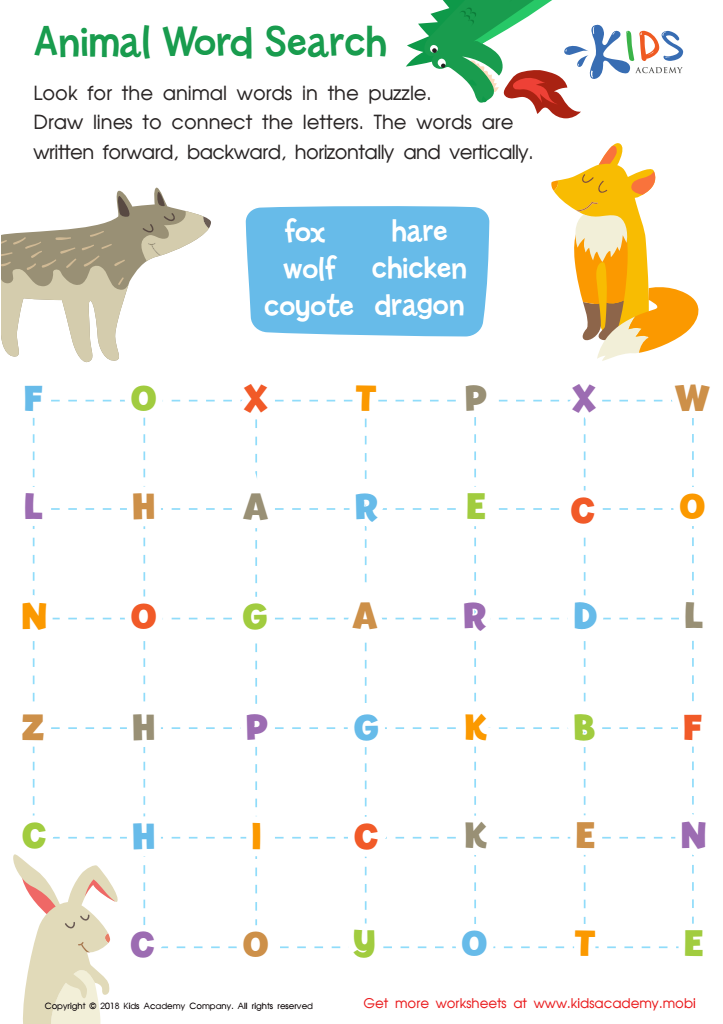
Animal Word Search Worksheet
Students can have fun and strengthen spelling and vocabulary skills with this word search worksheet. Search for animal words and circle the letters in the puzzle. Words can be found forwards, backwards, horizontally or vertically, providing a great challenge to foster critical thinking skills. An enriching activity for all ages!
Animal Word Search Worksheet
Worksheet
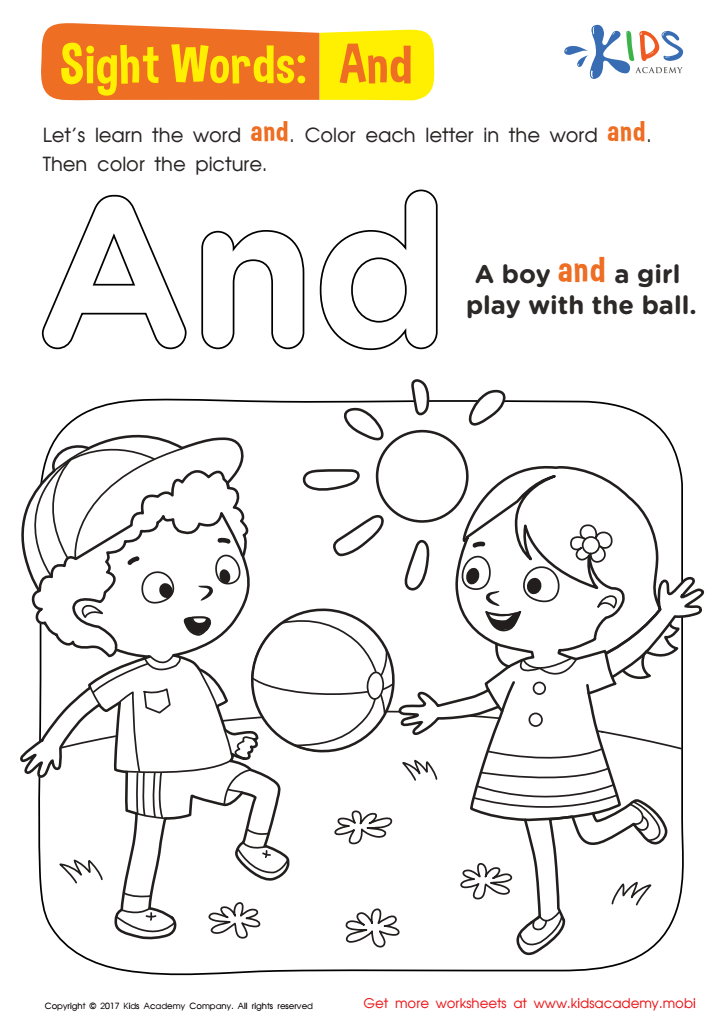
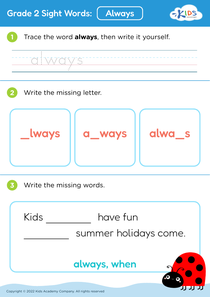
And Worksheet Sight Words Worksheet
Help your child get a jumpstart on reading with sight words! Print out this fun worksheet and get your child to read the sentence. Point out the word "and", then color the word and enjoy the rest of the scene! It's a great way to introduce sight words and get their early reading skills going!
Download (PDF)
Assign to My Students
Assign to My Students
And Worksheet Sight Words Worksheet
Worksheet
Join Kids Academy for Free
Who is primarily going to use this learning content?






Spelling practice is essential for Grade 2 reading development because it lays the foundation for literacy skills. At this stage, children are transitioning from learning to read to reading to learn. Proficient spelling enhances vocabulary acquisition, enabling children to recognize familiar words and decode new ones more easily. This engenders confidence in reading and writing activities.
Moreover, effective spelling practice supports phonemic awareness—the understanding of how sounds form words. Children who practice spelling become more attuned to the nuances of language, improving their overall communication skills. It also fosters a greater understanding of word structures, such as prefixes, suffixes, and root words, which enhances their reading comprehension.
For teachers and parents, engaging children in spelling practice provides crucial opportunities for learning through play and interactive activities, making the process enjoyable and less intimidating. Regular spelling practice can involve games, creative writing, or visual activities that keep children motivated.
Ultimately, prioritizing spelling practice in Grade 2 equips children with vital skills that encourage a lifelong love for reading and writing, empowering them for academic success and greater self-expression. Supporting this practice at home and in the classroom is paramount for the holistic literacy development of young learners.