Color Identification Social Studies Worksheets
3 filtered results
-
From - To
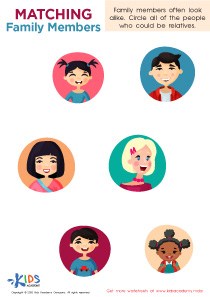
Enhance your child's learning experience with our engaging Color Identification Social Studies Worksheets! Designed for early grade students, these worksheets combine colorful visuals with essential social studies concepts. Children can explore different cultures, maps, and flags while honing their color recognition skills. Our resources promote creativity, critical thinking, and an appreciation for diversity as kids identify and match colors in various contexts. Perfect for both classroom and home use, these worksheets encourage interactive learning and foster a joy for education. Explore our collection and empower your child with the foundational skills needed for academic success in a vibrant and fun manner!

Fireman Worksheet
 Assign to My Students
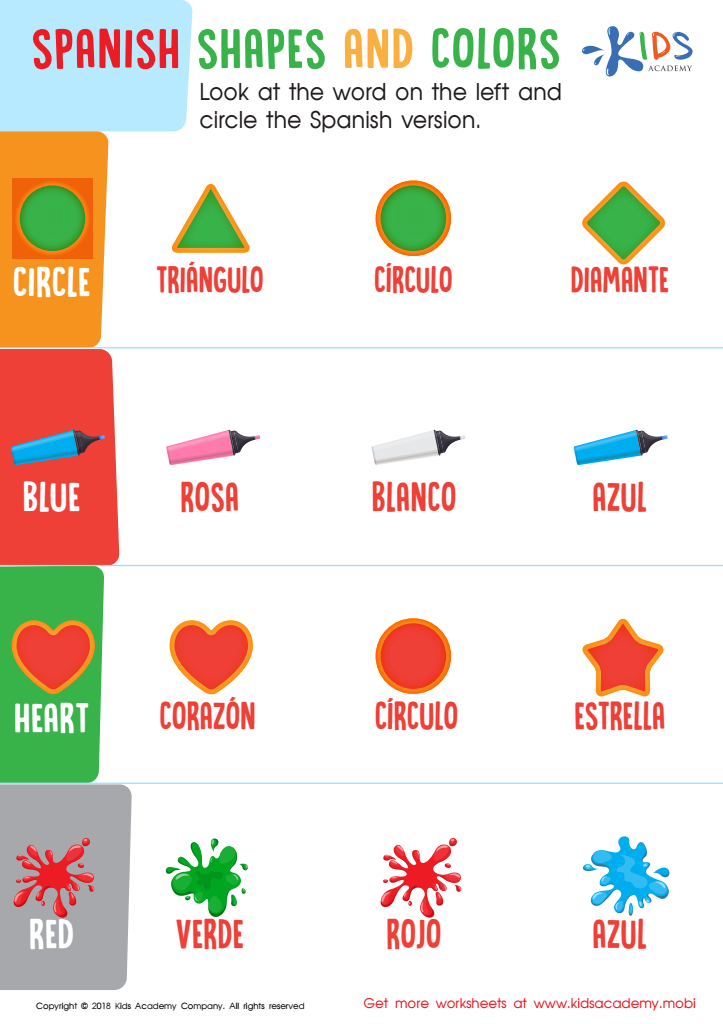
Spanish Shapes and Colors Worksheet
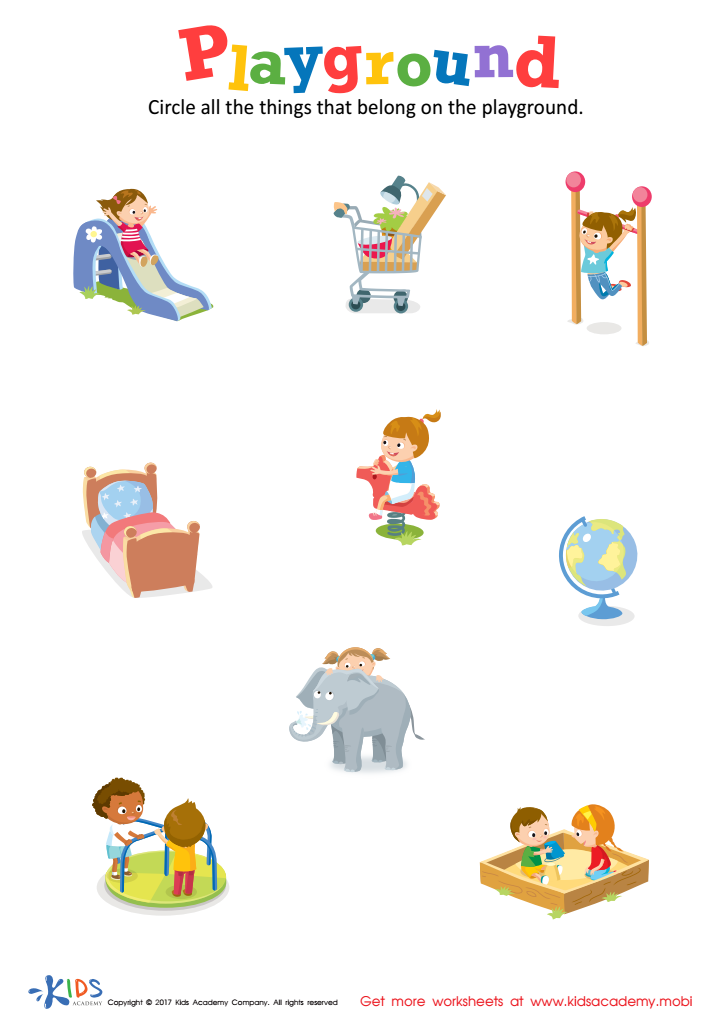
Playground Worksheet








Color identification plays a foundational role in a child’s development and education, especially in the realm of social studies. Understanding colors helps children make sense of the world around them, facilitating observational skills essential for interpreting diverse social contexts. In social studies, colors can symbolize different cultures, emotions, or historical events – for instance, flags of nations include specific colors representing values, heritage, or struggles. By teaching color identification, parents and teachers foster children’s ability to recognize and appreciate their cultural environment and that of others.
Moreover, color recognition enhances cognitive development. It promotes critical thinking as children learn to associate colors with various concepts, enhancing their ability to categorize information. For instance, children might explore how red can signify both love and danger. This duality sharpens their analytical skills.
Social interaction is another key aspect; when children share and discuss their interpretations of colors, they develop communication skills and cultural awareness. Thus, effective color identification education not only lays a foundational skill set for further learning but also encourages empathy and understanding of diverse perspectives, which are essential in today’s multicultural society. Consequently, engaging with color identification contributes significantly to holistic education in early childhood.